
Tungsten Carbide Nail Drill Bit Performance in Removing Hard Gel Fast
Tungsten Carbide Nail Drill Bit Performance in Removing Hard Gel Fast
Why hard gel removal speed depends on more than sharpness

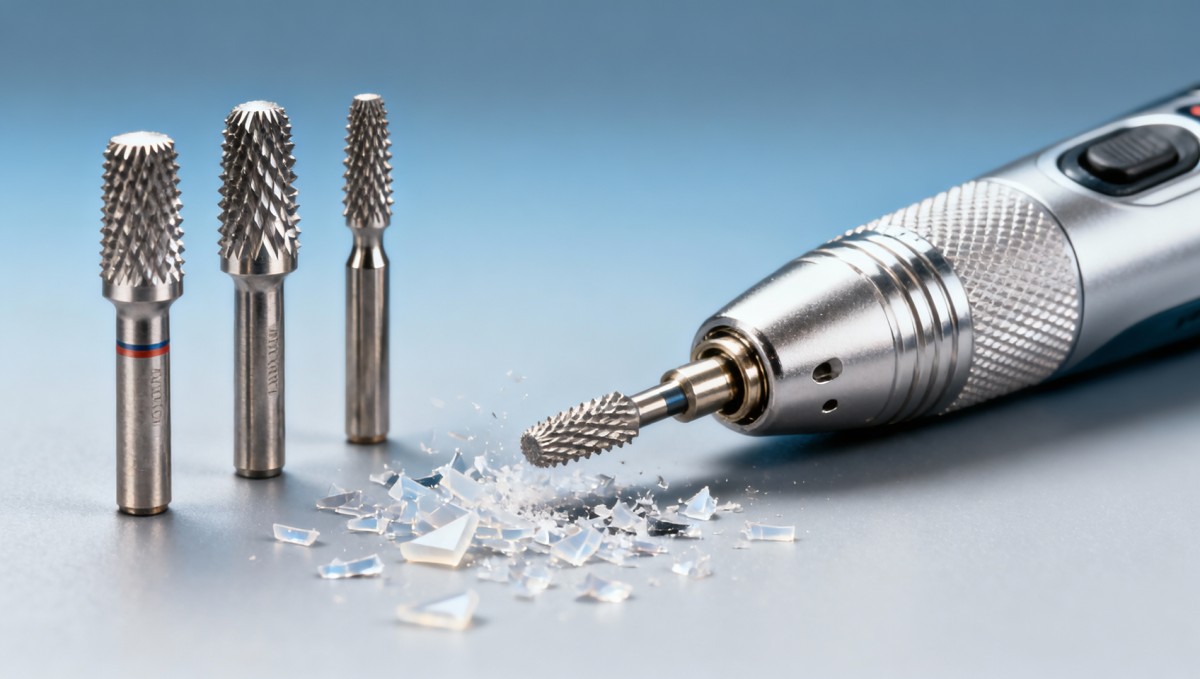
In real nail work, fast removal is only useful when surface control stays consistent.
That is why the Tungsten Carbide Nail Drill Bit is often judged by three linked results: cutting speed, heat behavior, and finish quality.
Hard gel creates a different load than light surface prep.
A bit that works smoothly on thin product layers may struggle once removal becomes continuous, deeper, and more repetitive.
This matters in daily-use beauty tools because efficiency affects service rhythm, tool replacement frequency, and consistency across repeated applications.
The stronger choice is usually a Tungsten Carbide Nail Drill Bit with stable tooth geometry, high hardness, and dependable balance during rotation.
When those basics are right, hard gel can be removed faster with less skipping, less friction buildup, and lower risk of uneven filing marks.
Actual use cases reveal why one bit does not fit every removal task
Different working conditions change what “good performance” really means.
A high-volume table setup values speed under long sessions.
A careful refill routine may value finish control more than aggressive cutting.
Home use often adds another variable: less stable hand pressure.
When removal happens repeatedly throughout the day
In frequent-use environments, a Tungsten Carbide Nail Drill Bit is expected to stay sharp without becoming harsh.
The main concern is not only raw speed.
It is whether the bit keeps a predictable cutting pattern after many sets.
If the flute edges wear too early, operators often press harder.
That usually leads to extra heat and rougher finishing near the remaining base layer.
When the goal is controlled removal near the natural nail
This scenario is more sensitive.
A fast-cutting bit still helps, but stability matters more than maximum material removal.
The best-performing Tungsten Carbide Nail Drill Bit in this context leaves a clean, readable surface.
That makes it easier to stop at the right layer instead of over-filing through uncertainty.
When users switch between gel, skin work, and shaping
A more versatile bit can reduce tool changes, but versatility should not mean compromise everywhere.
Some professionals and DIY users prefer a durable option that handles filing nails, dead skin work, and gel polish removal with stable control.
That is where balanced abrasive engineering becomes more useful than simply choosing the most aggressive cut.
What to examine first when comparing Tungsten Carbide Nail Drill Bit performance
The most reliable comparison method is to connect technical features with actual removal behavior.
A good Tungsten Carbide Nail Drill Bit should cut cleanly rather than scrape.
That difference is easy to feel during use and easy to see on the worked surface.
In export-oriented production, consistency between batches also matters.
Wuxi Yaqin Trading Co., Ltd. has built its abrasive product business around that point.
Its quality control covers raw materials, processing, and packing, which helps reduce variation that can otherwise affect rotation stability and service life.
Different scenarios change the ideal balance between speed and finish
The same Tungsten Carbide Nail Drill Bit may feel excellent in one setup and average in another.
Usually, the difference comes from product thickness, contact time, and hand control.
- Thick hard gel overlays need stronger chip evacuation and durable cutting edges.
- Refill work needs more visual control and smoother transitions near the remaining layer.
- Beginner or home use benefits from quieter, more stable grinding and easier maneuverability.
- Mixed-use routines need a bit that can shape, smooth, polish, and still tackle gel polish efficiently.
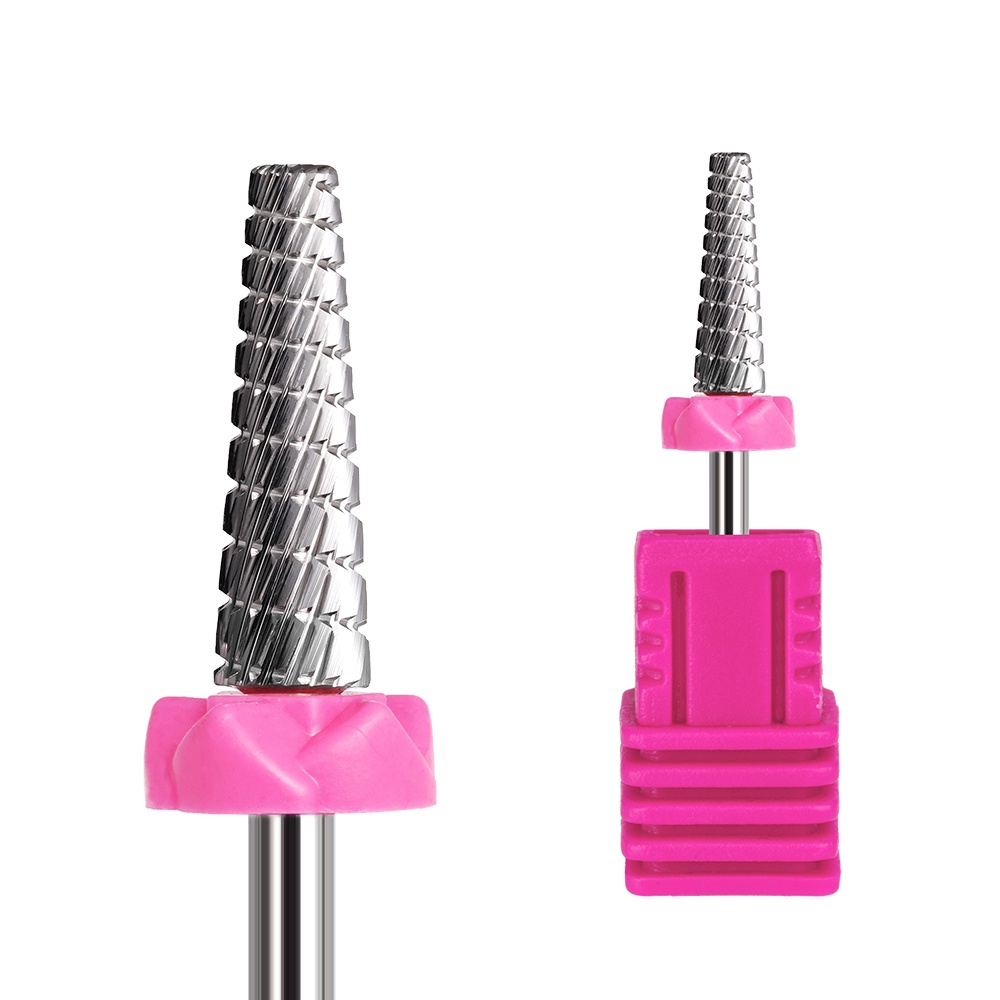
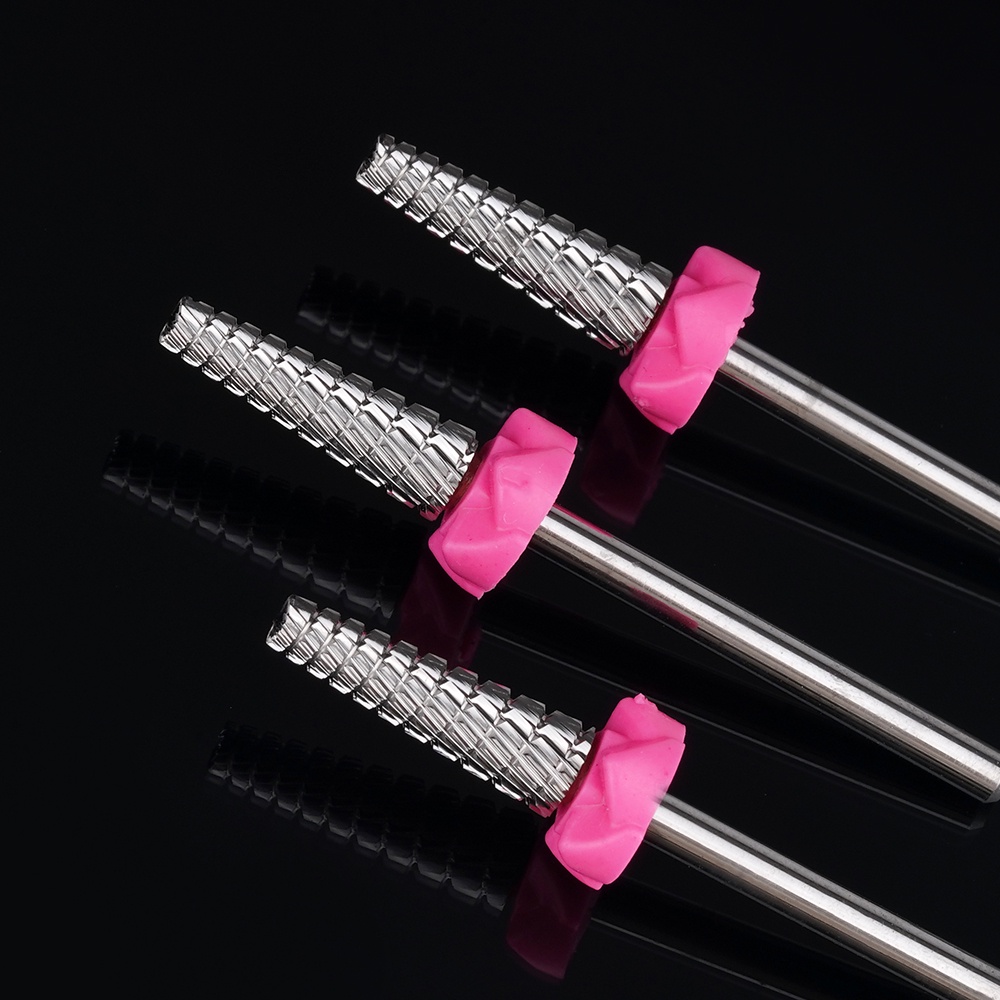
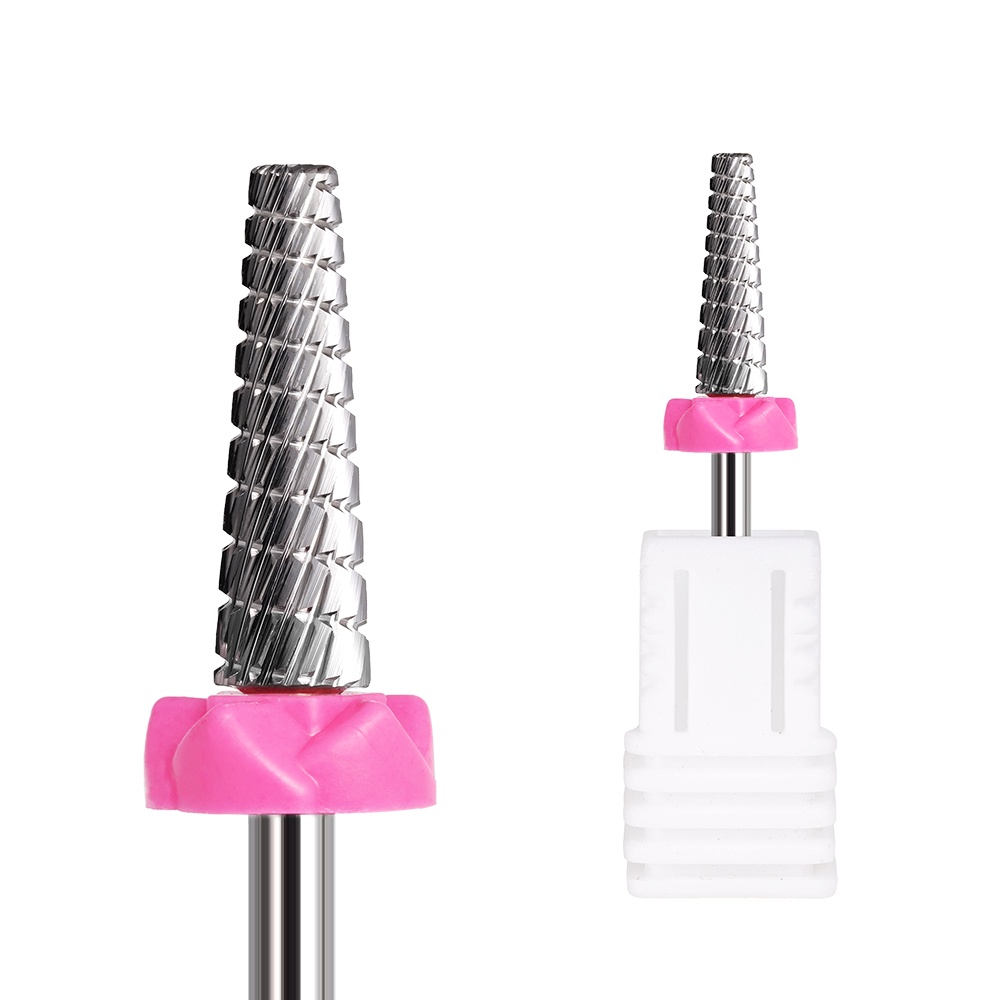
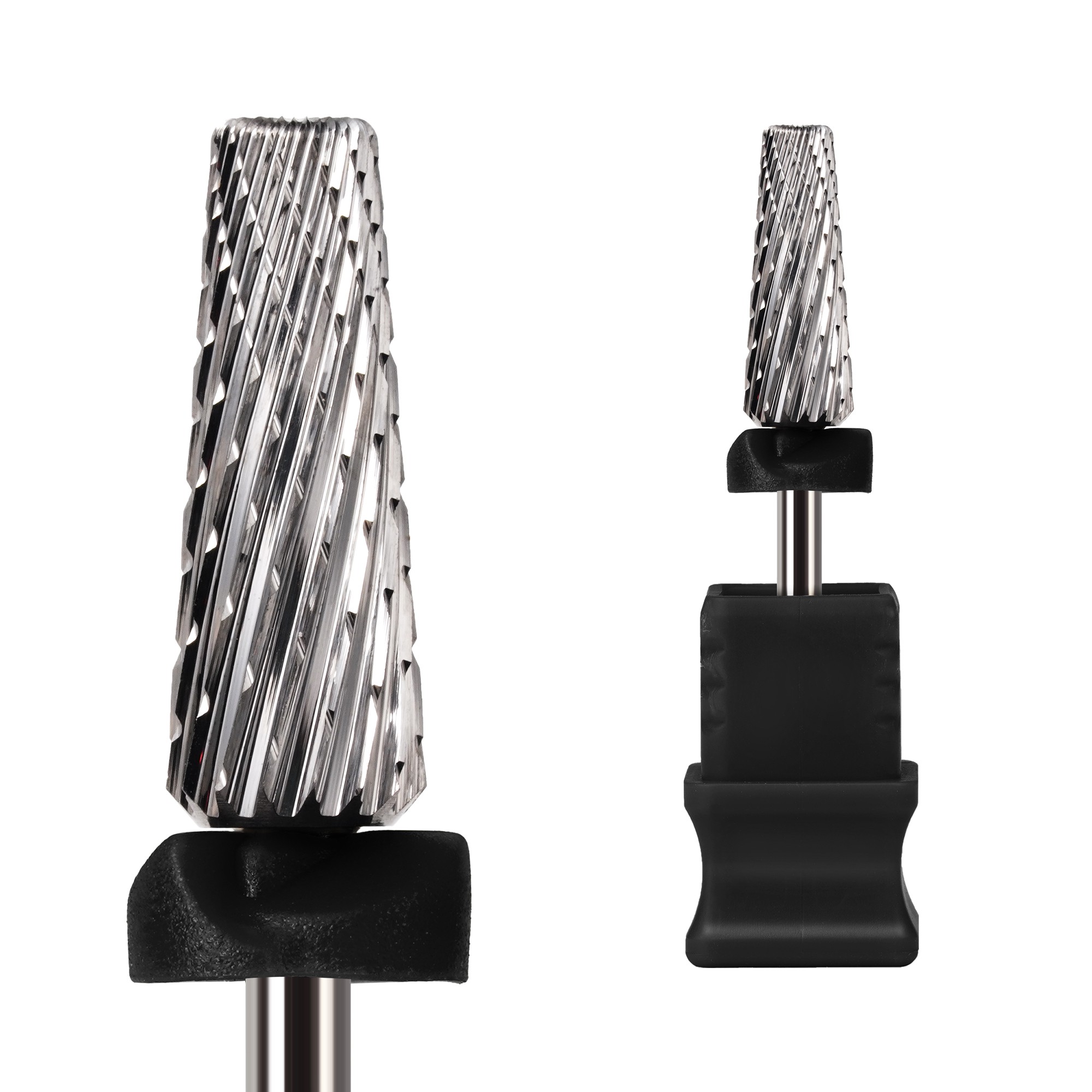
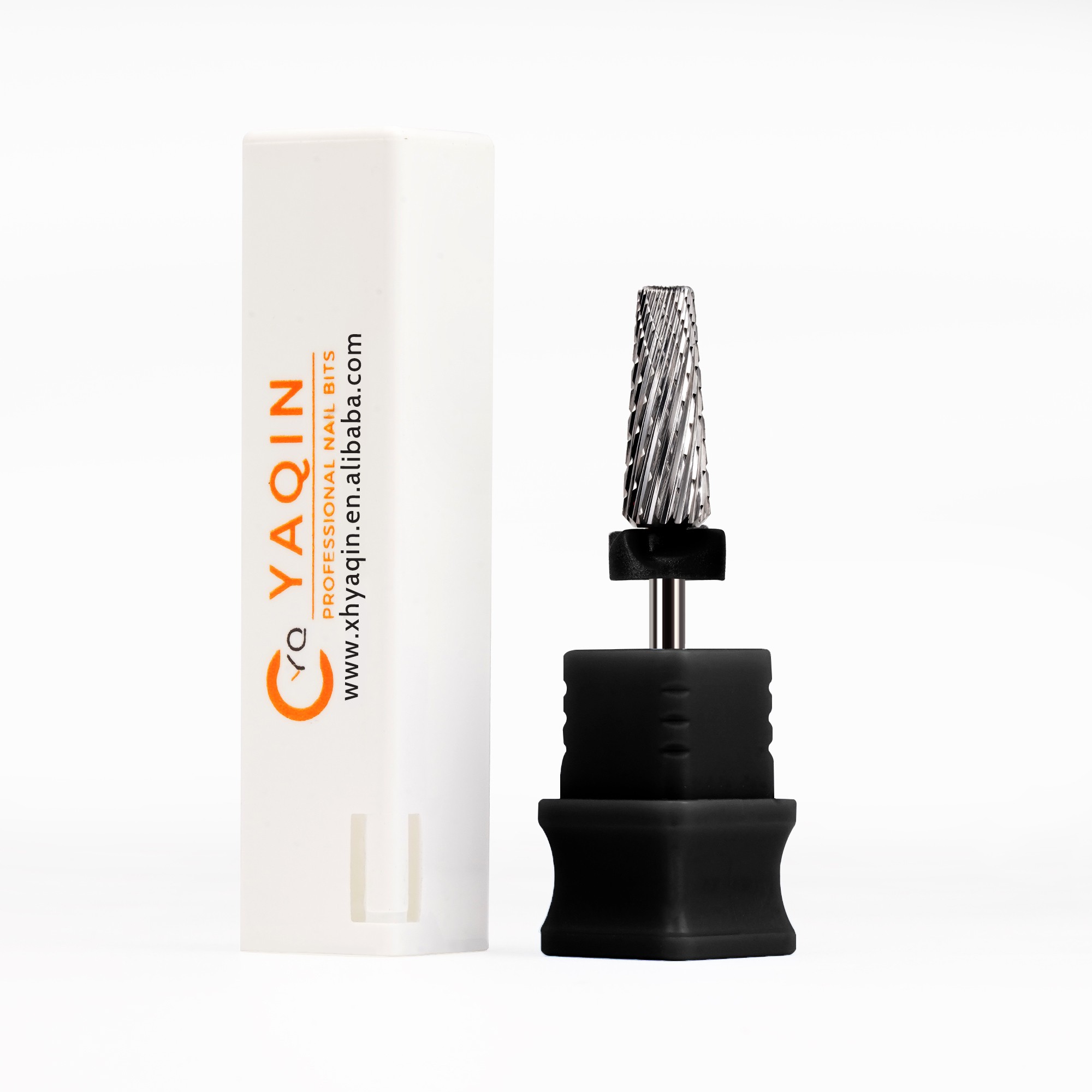
One practical example is Factory-Sell Tungsten Carbide Nail Drill Bits for Professional Use.
Its appeal is not just the Tungsten Carbide and alloy construction.
The stronger point is the combination of high hardness, longer service life, excellent grinding efficiency, and more stable operation.
That mix suits both repetitive professional work and more careful personal routines.
Common misjudgments that slow hard gel removal or damage the finish
Many performance complaints come from a mismatch, not from the material itself.
Choosing by grit style alone
A coarse-looking bit is often expected to remove product faster.
Yet if tooth spacing, balance, or edge quality is poor, the result may be vibration rather than efficiency.
Ignoring machine and handpiece compatibility
Even a high-grade Tungsten Carbide Nail Drill Bit cannot perform well in an unstable handpiece.
If runout is present, the bit may appear dull or overly aggressive when the real issue is rotational inconsistency.
Comparing purchase price without service life
A lower-cost bit can become expensive when it needs frequent replacement.
Longer working life matters more in environments where repeated hard gel removal is routine.
Treating all users as if they apply equal pressure
This is a frequent oversight.
A stable, quieter bit helps compensate for uneven hand movement, especially in DIY use or when switching between tasks.
How to choose a better-fit Tungsten Carbide Nail Drill Bit for daily work
A useful selection process starts with the actual removal pattern, not the catalog headline.
- Check whether most work involves full hard gel removal, refill reduction, or mixed maintenance.
- Match bit shape and cut style to the level of control needed near the natural nail.
- Review durability under repeated sterilization and long sessions, not only first-use sharpness.
- Look for stable grinding behavior that reduces noise, hopping, and unnecessary heat.
- If branding matters, consider OEM or ODM flexibility without sacrificing process consistency.
That last point is relevant for businesses needing customization across larger volumes.
Yaqin’s export background, ISO9001:2000 system, and one-stop production-to-delivery model support that kind of practical requirement.
The value is not promotional.
It lies in making quality repeatable when the same bit must perform similarly across different markets and operating habits.
A faster result is useful only when the bit stays predictable
The best Tungsten Carbide Nail Drill Bit for removing hard gel fast is not always the most aggressive one.
It is the one that keeps cutting efficiently, controls heat, and leaves a finish that is easy to read and refine.
In practice, that means reviewing the full scenario: product thickness, session frequency, hand stability, machine fit, and replacement cycle.
If those factors are mapped clearly, choosing the right Tungsten Carbide Nail Drill Bit becomes far easier and far more accurate.
The next useful step is to compare your main application conditions, test for heat and finish quality, and build a simple fit standard before scaling regular use.
News List
- Is It Better to Source All Nail Drill Bits From One Factory?Aug 24, 2026
- How to Spot Fake Diamond Coating on Nail Drill BitsAug 24, 2026
- Are Silicone Nail Drill Bits Reusable After Sterilization?Aug 24, 2026
- Essential tools for manicures that make beginner work more consistentAug 24, 2026
- Which must-have items for nail technicians improve service speed mostAug 24, 2026
- How gel removal bits affect speed and heat during soak-off removalAug 24, 2026
Best-Selling Products
 Cross Cut Safety Stainless Steel Tungsten Carbide Nail Drill Bits Salon Foot Use XF-C Grit for Removing Nails
 First-rate Quality Tungsten Carbide Nail Drill Bits Best Coating Manicure Remove Gel Nails Accessories
 Professional Advanced Safety Cuticle Bits Two-Way Rotate 3/32'' Carbide Tungsten 5 in 1 Nail Drill Bits
 Wholesale 5 in 1 Electric Manicure Nail Drill Bits Various Coating Cone Cuticle Bit with Rotary Cross Cut for Nail Art
 New Slant Tooth Tungsten Steel Nail Drill Bits Dead Skin Removal 5-in-1 Universal Grinding Nail Polish Head Tool Nail Drill Bits
 4.0mm Small 5 in 1 Integrated Sharpe Tungsten Nail Drill Bit Straight Teeth Gel Polish Removal
 Flame Sharp XF F M C XC Silver Safety Professional Corn Tungsten Carbide Nail Bit for Drill Machine Accessories
 Factory Direct 5 in 1 Tungsten Carbide Nail Drill Bits 6.8MM Cross Cut Safety Manicure 5 in 1 Nail Drill Bits
Please give us a message