
Diamond Nail Drill Bit Uses, Grit Options, and Common Mistakes
Diamond Nail Drill Bit Uses, Grit Options, and Common Mistakes
A diamond nail drill bit is a versatile tool for refining cuticles, smoothing product edges, and improving precision in nail prep and finishing. But choosing the right grit and using it correctly can make all the difference in safety, speed, and results. In this guide, you’ll learn the main uses, grit options, and common mistakes to avoid for more efficient and professional nail work.
What does a diamond nail drill bit actually do in daily nail work?
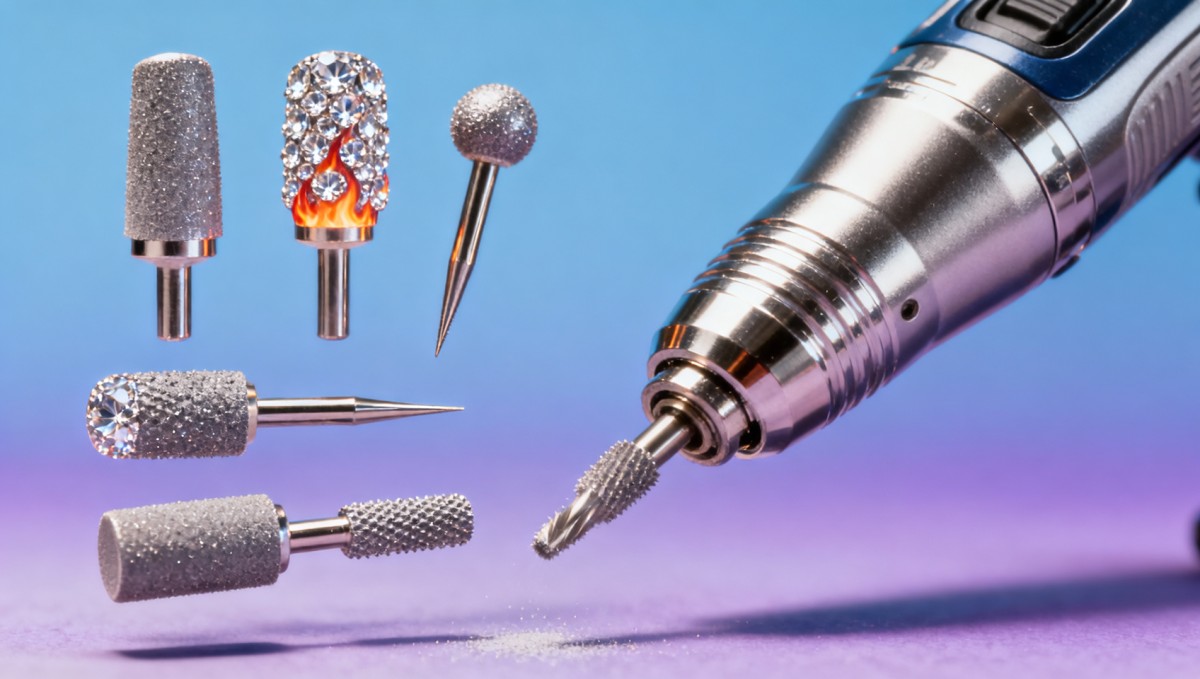
For nail operators, a diamond nail drill bit is mainly a surface-refining tool rather than a bulk-removal tool. It is commonly used around the cuticle area, sidewalls, under the nail edge, and product borders where control matters more than aggressive filing.
Unlike carbide or ceramic bits designed for faster product removal, a diamond nail drill bit uses abrasive coating to create a more controlled contact. This makes it useful for detailed prep, smoothing lifted edges, cleaning dead skin, and preparing the nail plate before product application.
In the light industrial daily-use sector, especially nail tools for salons, training schools, distributors, and private-label programs, bit consistency matters. Operators need repeatable grit feel, balanced rotation, and stable coating quality, not just a sharp first use.
- Cuticle refinement without cutting live tissue when used with the correct pressure and speed.
- Smoothing product seams near gel, acrylic, or base coat edges before finishing.
- Cleaning sidewalls and hard-to-reach areas where manual files have limited access.
- Improving prep precision so adhesion steps become cleaner and more consistent.
For professional users, the real value is not only what the bit removes, but what it prevents: over-filing, uneven prep, skin scratches, wasted time, and client discomfort. That is why grit choice and hand technique are just as important as the tool itself.
Which grit options should you choose for different tasks?
The grit of a diamond nail drill bit affects speed, smoothness, heat generation, and safety margin. Operators often make mistakes by choosing a bit based only on how fast it works, without matching grit to the service step.
The table below helps match common grit levels with realistic salon or technician tasks. This is especially useful when you need a diamond nail drill bit set for different operators, service menus, or training levels.
Fine grit is usually the safest starting point for operators learning cuticle preparation. Medium grit is often the preferred balance for daily professional use. Coarse grit should be reserved for defined tasks and experienced handling, especially when skin proximity is high.
How grit affects speed and heat
A coarser surface may remove debris faster, but it can also create more friction if pressure is too high or the bit stays in one spot. A fine diamond nail drill bit usually runs with a smoother feel and lower risk on delicate work, though it requires more passes.
Operators should avoid using grit as a substitute for skill. If you need to press harder to get results, the problem may be bit selection, machine speed, old abrasive wear, or incorrect angle rather than insufficient grit alone.
A practical selection rule
- Choose fine grit for prep zones, cuticle cleaning, and clients with thin or sensitive nails.
- Choose medium grit for standard professional routines where balance and control are priorities.
- Choose coarse only when the target surface is thicker and the operator has stable technique.
Diamond vs carbide: when should operators switch tools?
Many users confuse a diamond nail drill bit with a removal bit. In practice, diamond bits and carbide bits serve different stages. Diamond is generally better for refinement and controlled prep, while carbide is often better for removing hard gel, soft gel, base layers, and thick overlays faster.
If your workflow includes both detailed prep and efficient product removal, it makes sense to combine tool types rather than forcing one bit to do everything. This reduces time waste and lowers the risk of overworking the nail or surrounding skin.
The comparison below helps operators and buyers decide which tool type fits each service step more effectively.
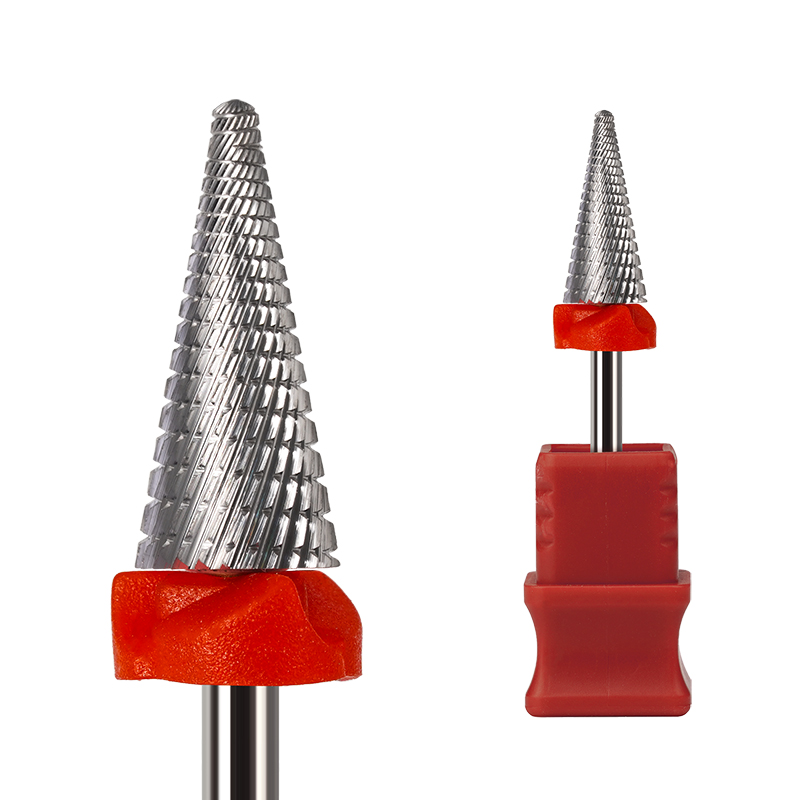
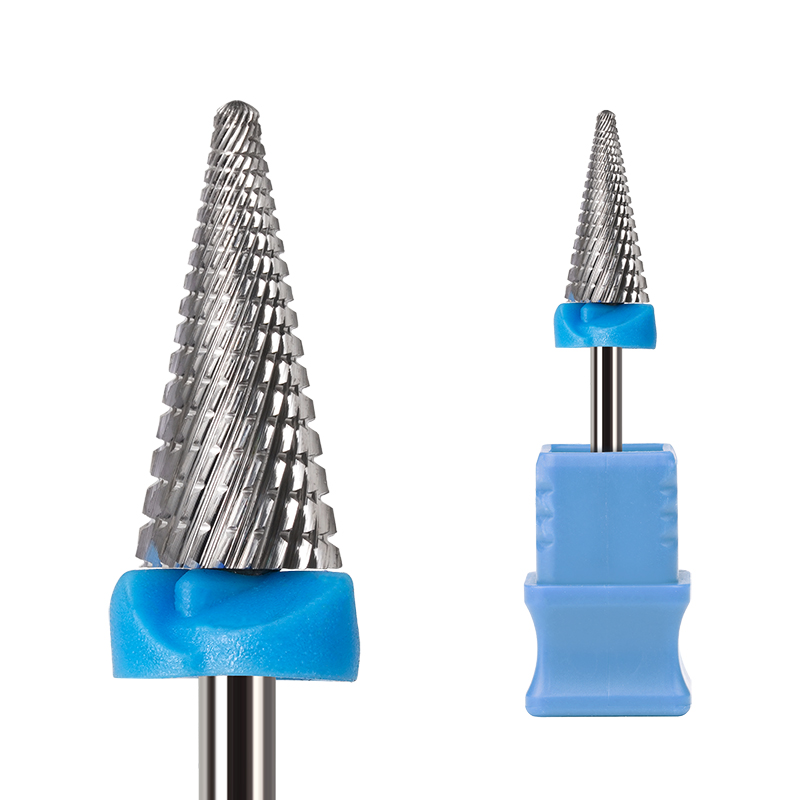
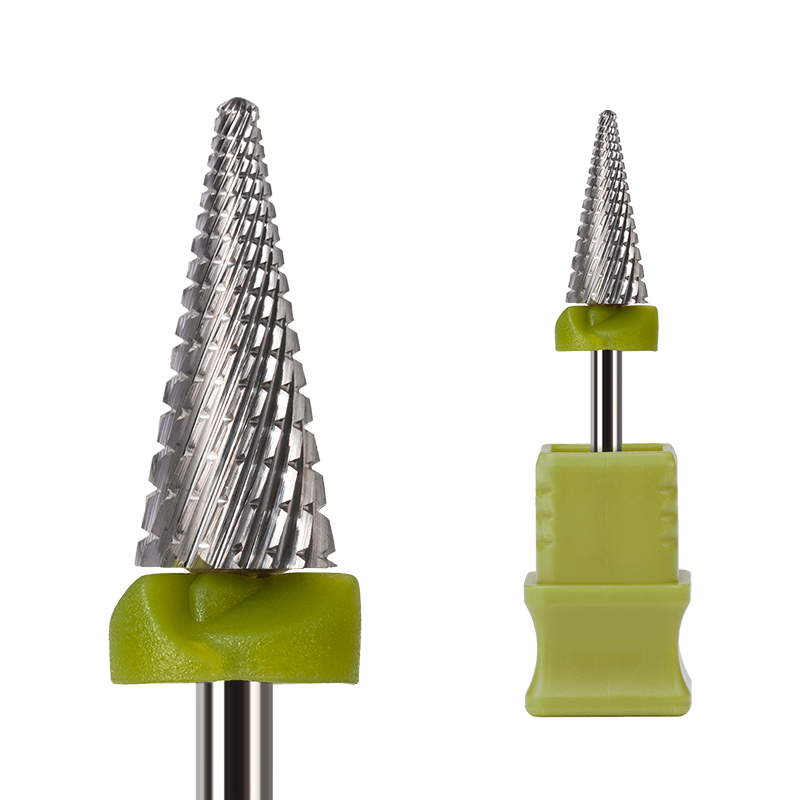
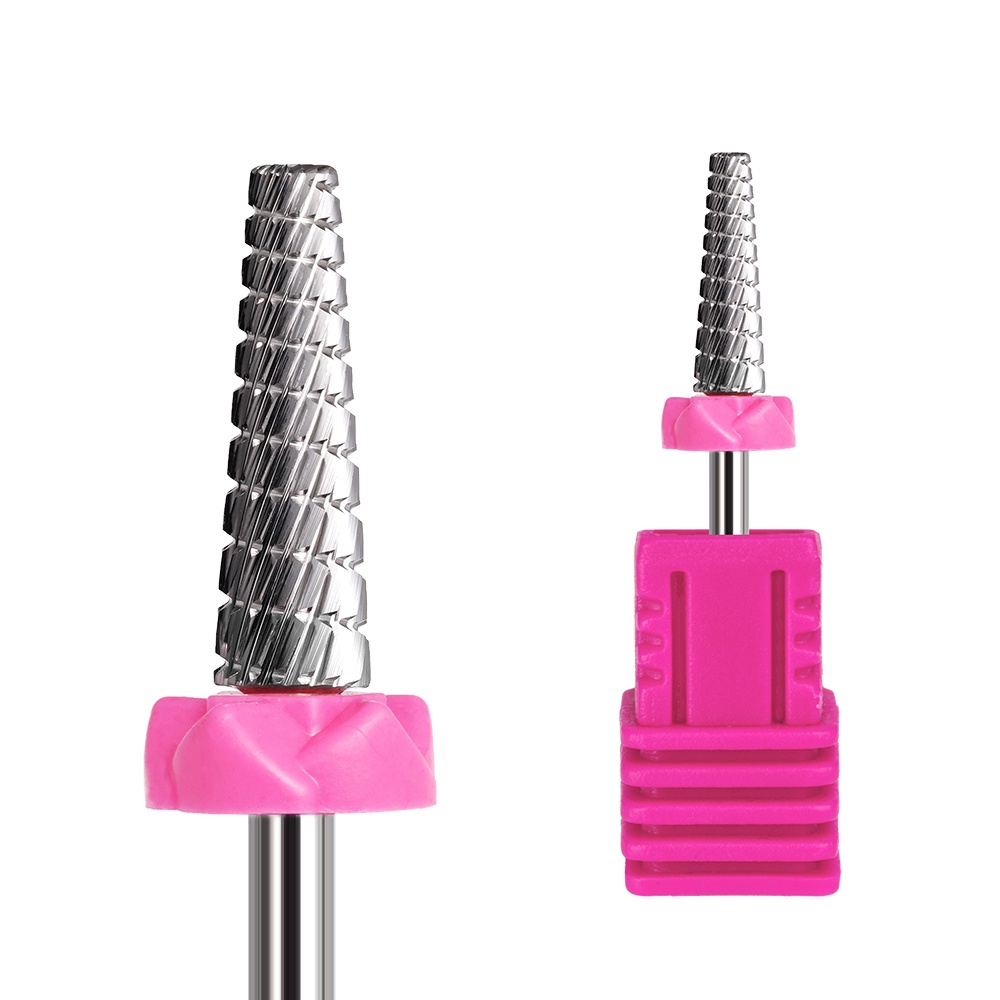
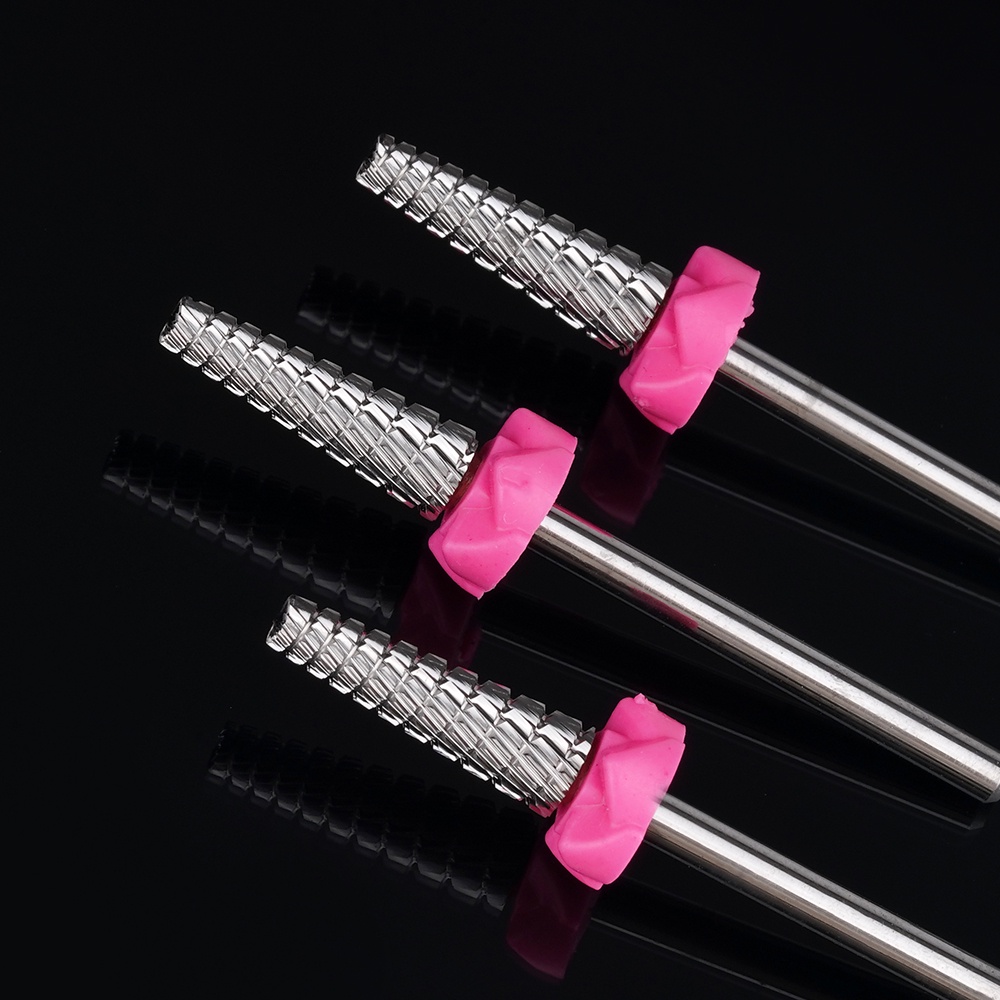
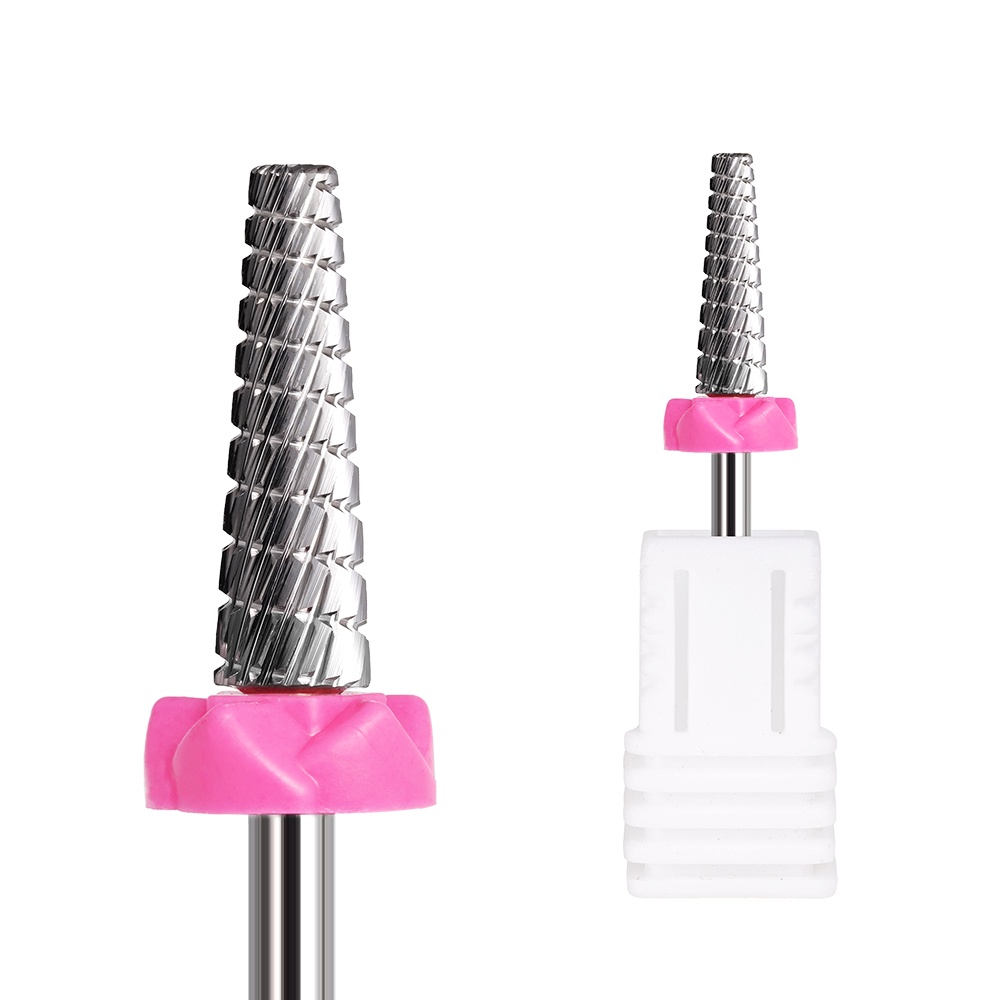
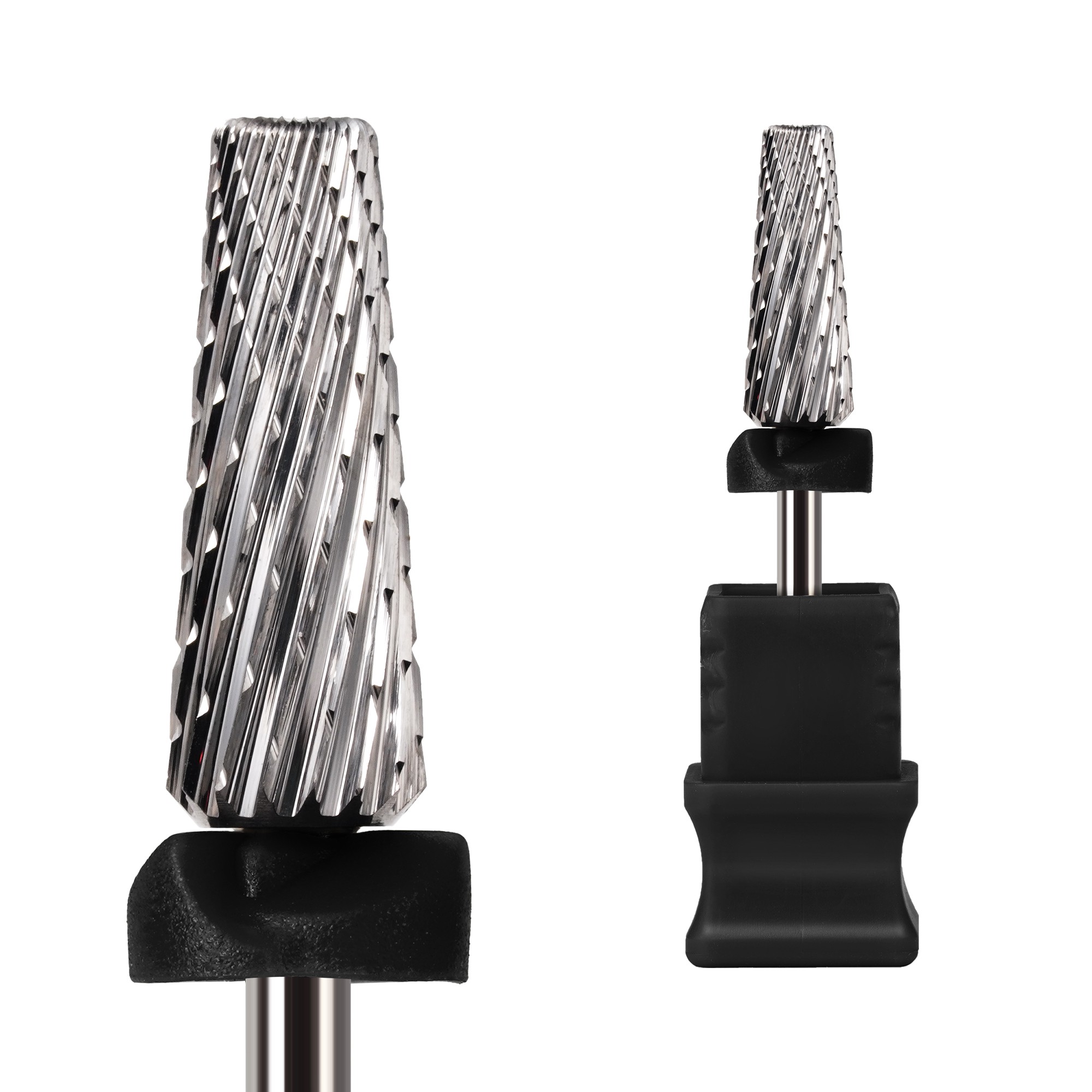
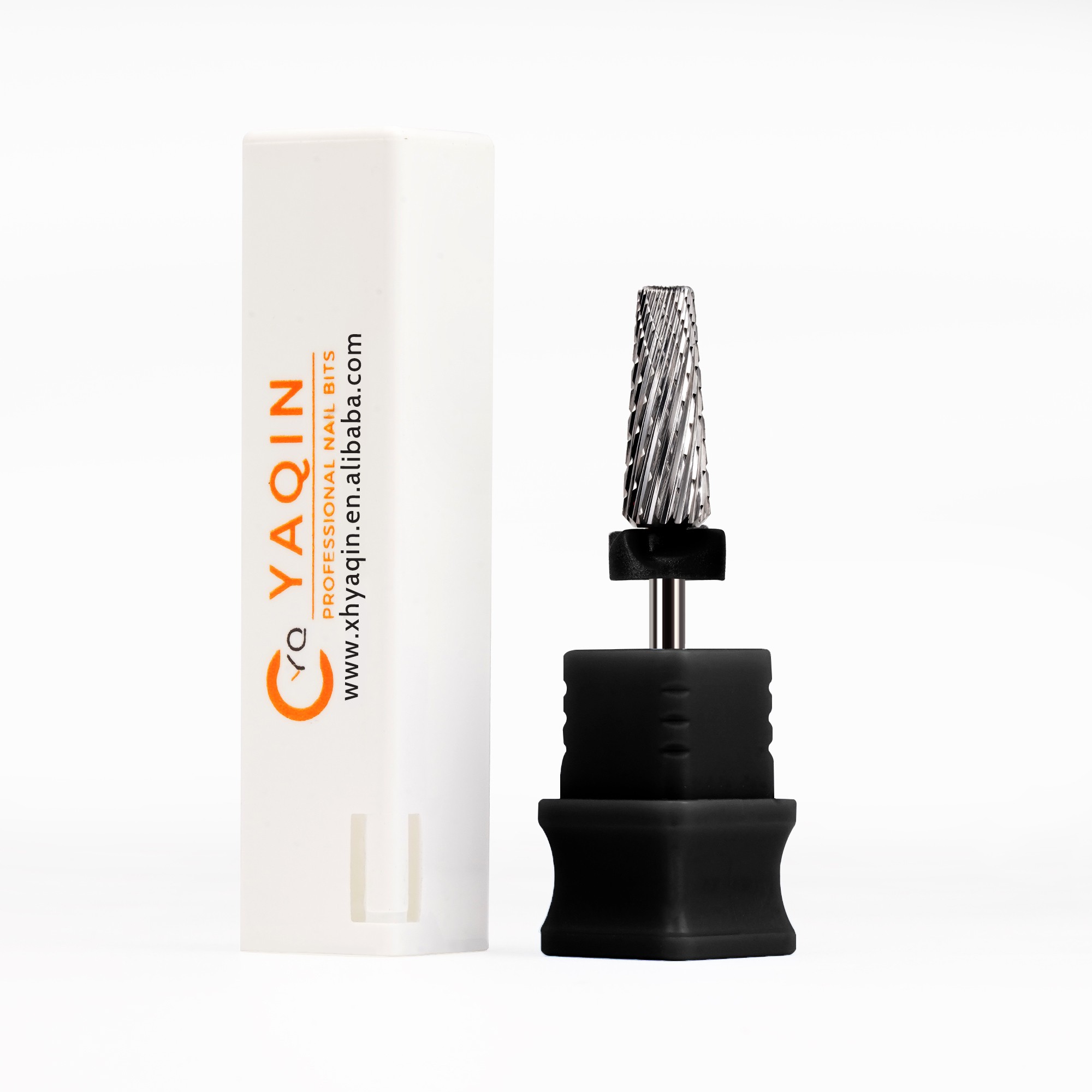
For example, some operators pair a diamond nail drill bit for prep with 4.0mm Small 5 in 1 Integrated Sharpe Tungsten Nail Drill Bit Straight Teeth Gel Polish Removal for gel polish removal and hard surface grinding. That combination can improve workflow because each tool handles the task it is designed for.
A precision-engineered tungsten bit with a smooth flat tip, high hardness, and consistent dust ejection can help with faster and safer removal. That is especially useful when operators need to remove hard gels, soft gels, base coats, nail tips, or callused buildup without damaging the natural nail.
Which application scenarios need different shapes and handling styles?
Not every diamond nail drill bit shape performs the same. Cone, flame, ball, needle, and barrel styles each change visibility, contact point, and pressure distribution. Shape choice should match the service step and operator confidence level.
Common use scenarios
- Flame or tapered shapes are often used to lift and clean non-living cuticle around the proximal fold.
- Small ball shapes can help remove loosened dead skin after lifting and prepping.
- Needle or slim bits are useful for narrow sidewalls and under-edge cleaning, but require careful angle control.
- Small barrel shapes can smooth product edges and refine localized surface transitions.
Operator technique matters as much as shape
Even the best diamond nail drill bit can perform badly if the handpiece angle is too flat, pressure is too strong, or rotation direction is ignored. The bit should glide. It should not dig, bounce, or drag on one point.
Professional users often improve results by using short, controlled strokes and frequent visual checks. That is more reliable than trying to finish the whole area in one pass.
What common mistakes reduce safety, speed, and bit life?
Most problems with a diamond nail drill bit come from technique errors, wrong matching, or poor maintenance. These issues affect not only service quality but also machine load, dust control, and replacement cost.
The table below summarizes typical mistakes seen in nail operations and how to correct them before they become routine workflow problems.
These mistakes are avoidable. In large-volume salon supply or OEM programs, stable manufacturing quality is important because inconsistent grit and poor balance make training harder and results less predictable.
Cleaning and storage errors
A diamond nail drill bit clogged with product dust or skin debris loses cutting consistency. It may also feel hotter in use. Proper brushing, cleaning according to tool protocol, drying, and organized storage protect performance and support hygiene standards.
When operators also use tungsten tools, choosing bits with dust-proof and waterproof compatibility can support maintenance routines and machine longevity. Some users add 4.0mm Small 5 in 1 Integrated Sharpe Tungsten Nail Drill Bit Straight Teeth Gel Polish Removal because its consistent grinding surface and directed dust ejection help reduce splatter and dust accumulation during removal work.
How should buyers and operators evaluate bit quality before purchasing?
If you are selecting tools for salon use, training, resale, or brand development, purchasing a diamond nail drill bit only by appearance is risky. Operators should assess performance factors that affect daily control, safety, and replacement frequency.
The checklist below is useful for procurement teams, salon owners, and individual technicians who want a better balance between cost and practical value.
For international buyers, production control and documentation are also important. Wuxi Yaqin Trading Co., Ltd. focuses on high-quality abrasive products and serves markets including the USA, Canada, Germany, the UK, Italy, Poland, and many others. A complete QC system covering raw material purchasing, production process, and product packing helps reduce batch uncertainty.
The company has passed ISO9001:2000 quality management system certification and provides one-stop service from production to delivery. For buyers managing multiple SKUs, this can simplify supplier coordination, sample confirmation, and private-label execution.
How can operators build a more efficient bit setup?
A practical setup usually includes more than one bit type and more than one grit level. Instead of asking one diamond nail drill bit to handle prep, removal, smoothing, and tough-surface grinding, build a small system matched to each stage.
- Use a fine diamond bit for delicate prep and cuticle-area cleaning.
- Add a medium diamond option for general edge refinement and faster salon rhythm.
- Use a tungsten carbide removal bit for hard gel, soft gel, base coats, nail tips, and tough surfaces.
- Keep backup bits ready so worn tools do not slow work or force extra pressure.
This system-based approach is especially valuable for professional nail technicians and DIY enthusiasts who want cleaner results with less rework. It also helps purchasing teams control inventory by assigning each bit a specific service role instead of ordering mixed tools without a clear plan.
FAQ: what do users ask most about diamond nail drill bit selection?
Can a diamond nail drill bit remove gel polish?
It can remove thin residue or refine edges, but it is usually not the most efficient choice for bulk gel polish removal. For faster removal of hard gel, soft gel, base coats, and nail tips, a tungsten carbide bit is generally more suitable.
Is fine grit always safer?
Fine grit gives a wider safety margin for delicate areas, but safety still depends on speed, pressure, angle, and movement. A fine bit used with heavy pressure can still cause heat or over-filing.
How often should I replace a diamond nail drill bit?
Replace it when abrasive performance becomes noticeably slower, the finish feels less even, or you need extra pressure to achieve the same result. Usage frequency, cleaning routine, and surface type all affect service life.
What matters most when ordering for salon or wholesale use?
Focus on batch consistency, grit clarity, manufacturing control, packing reliability, and supplier responsiveness. If you need OEM/ODM support, also confirm labeling, packaging details, and delivery coordination before mass production.
Why choose us for abrasive nail bits and removal solutions?
If your team needs dependable diamond nail drill bit options, matching removal bits, or a custom product mix for your market, Wuxi Yaqin Trading Co., Ltd. can support more than simple supply. The advantage is structured production control, export experience across 42 countries, and one-stop coordination from manufacturing to delivery.
This is helpful when you need to confirm grit selection, compare bit materials, evaluate application scenarios, or balance speed and safety for different operator skill levels. It is also useful for buyers planning branded packaging, OEM/ODM cooperation, or stable long-term replenishment.
- Ask about parameter confirmation for grit, shape, size, and intended use.
- Request product selection support for prep bits, removal bits, or mixed kits.
- Discuss delivery timing, packing method, and sample arrangements before ordering.
- Check OEM/ODM possibilities for packaging, branding, and market-specific requirements.
- Confirm QC process and certification-related documentation needed for your market.
If you want a more practical nail tool lineup, start by clarifying the exact service step: prep, refinement, or removal. From there, you can request a targeted recommendation, sample support, and quotation plan that fits your workflow instead of buying bits by guesswork.
News List
- Is It Better to Source All Nail Drill Bits From One Factory?Aug 24, 2026
- How to Spot Fake Diamond Coating on Nail Drill BitsAug 24, 2026
- Are Silicone Nail Drill Bits Reusable After Sterilization?Aug 24, 2026
- Essential tools for manicures that make beginner work more consistentAug 24, 2026
- Which must-have items for nail technicians improve service speed mostAug 24, 2026
- How gel removal bits affect speed and heat during soak-off removalAug 24, 2026
Best-Selling Products
 Cross Cut Safety Stainless Steel Tungsten Carbide Nail Drill Bits Salon Foot Use XF-C Grit for Removing Nails
 First-rate Quality Tungsten Carbide Nail Drill Bits Best Coating Manicure Remove Gel Nails Accessories
 Professional Advanced Safety Cuticle Bits Two-Way Rotate 3/32'' Carbide Tungsten 5 in 1 Nail Drill Bits
 Wholesale 5 in 1 Electric Manicure Nail Drill Bits Various Coating Cone Cuticle Bit with Rotary Cross Cut for Nail Art
 New Slant Tooth Tungsten Steel Nail Drill Bits Dead Skin Removal 5-in-1 Universal Grinding Nail Polish Head Tool Nail Drill Bits
 4.0mm Small 5 in 1 Integrated Sharpe Tungsten Nail Drill Bit Straight Teeth Gel Polish Removal
 Flame Sharp XF F M C XC Silver Safety Professional Corn Tungsten Carbide Nail Bit for Drill Machine Accessories
 Factory Direct 5 in 1 Tungsten Carbide Nail Drill Bits 6.8MM Cross Cut Safety Manicure 5 in 1 Nail Drill Bits
Please give us a message