
Diamond Nail Drill Bit Uses: Cuticle Work Without Overfiling
Diamond Nail Drill Bit Uses: Cuticle Work Without Overfiling
Why cuticle work changes the way a diamond nail drill bit should be used

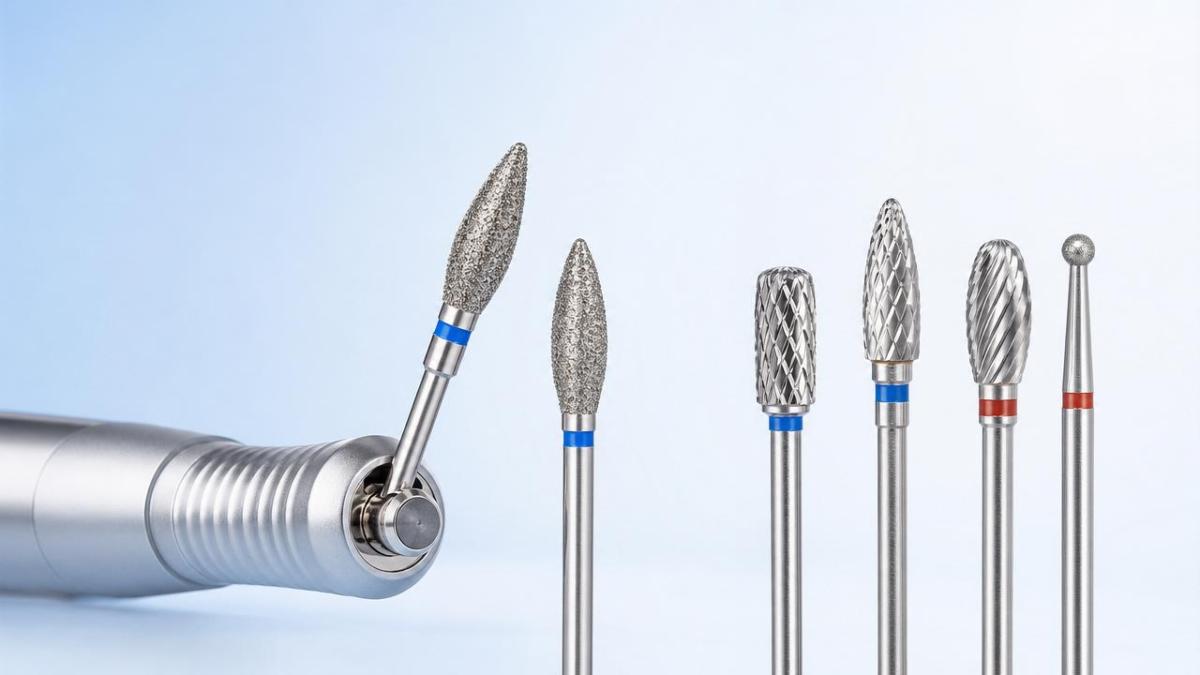
A diamond nail drill bit earns its value during close, detailed cuticle work, not during aggressive removal.
The goal is simple: clean the cuticle area, refine the nail surface, and keep the natural nail intact.
That sounds straightforward, yet actual use varies a lot between fresh prep, dry skin removal, and service correction.
In practice, the same diamond nail drill bit can feel safe in one setting and too harsh in another.
The difference usually comes from pressure, grit choice, skin condition, and the operator’s control near the eponychium.
This is why cuticle work should never be judged by shape alone.
Across nail services, efficiency matters, but overfiling leaves visible thinning, heat, and sensitivity that clients notice immediately.
For businesses handling regular export demand, consistency matters just as much as sharpness.
Wuxi Yaqin Trading Co., Ltd. has built its abrasive product business around that reality, combining strict QC, stable production, and broad market adaptation.
That background matters because cuticle tools are judged in real working conditions, not only on a specification sheet.
In actual services, the first judgment is the working condition
A diamond nail drill bit behaves differently on a dry, lifted cuticle than on a thin natural nail with minor surface oil.
That is why experienced users usually assess the nail plate and surrounding skin before switching on the e-file.
When the cuticle is tight and attached, fine grit and lighter contact matter more than speed.
When there is dead skin buildup, the diamond nail drill bit can work more efficiently, but only if the angle stays shallow.
The risk point is common: users often treat all prep work as identical.
That leads to overfiling near the sidewall, especially when the bit is held too long in one place.
A safer approach is to read the service condition first, then match bit profile, grit, and contact time.
Where demand shifts between common service settings
The table below shows why one diamond nail drill bit setup does not fit every cuticle task.
Some cuticle tasks need precision, while others need restraint
The most common use for a diamond nail drill bit is opening and cleaning the cuticle pocket.
Here, the bit should glide, not dig.
A tapered or flame profile often helps because it reaches the margin without flattening the entire nail surface.
Even then, the better result comes from controlled movement rather than extra abrasion.
A different situation appears during removal prep, when dead skin, product residue, and sidewall buildup overlap.
In that case, the diamond nail drill bit works as a detail tool before heavier removal begins.
This is also where some users combine bit categories instead of forcing one tool to do every step.
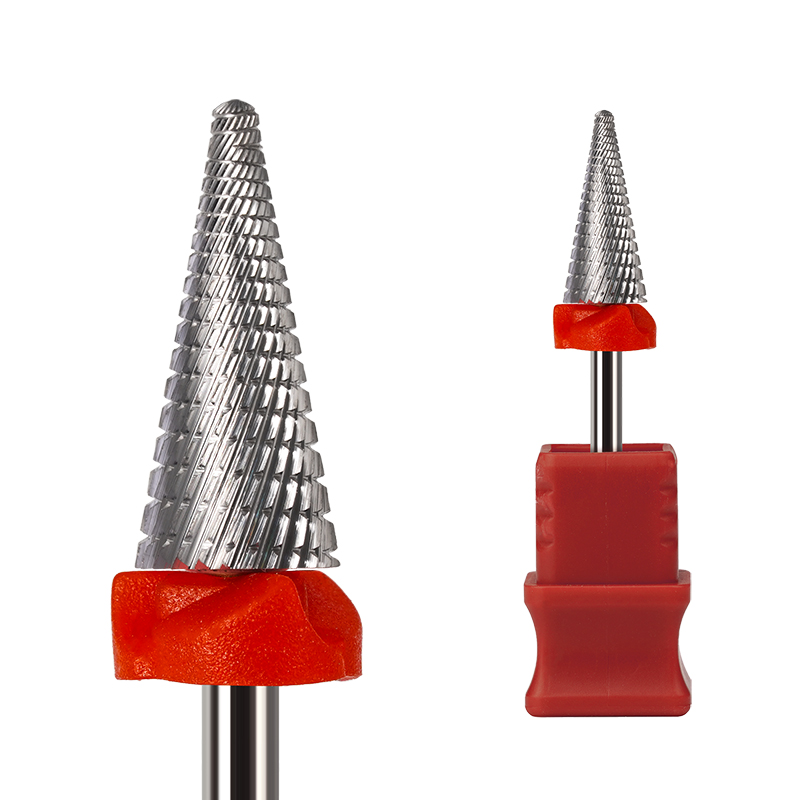
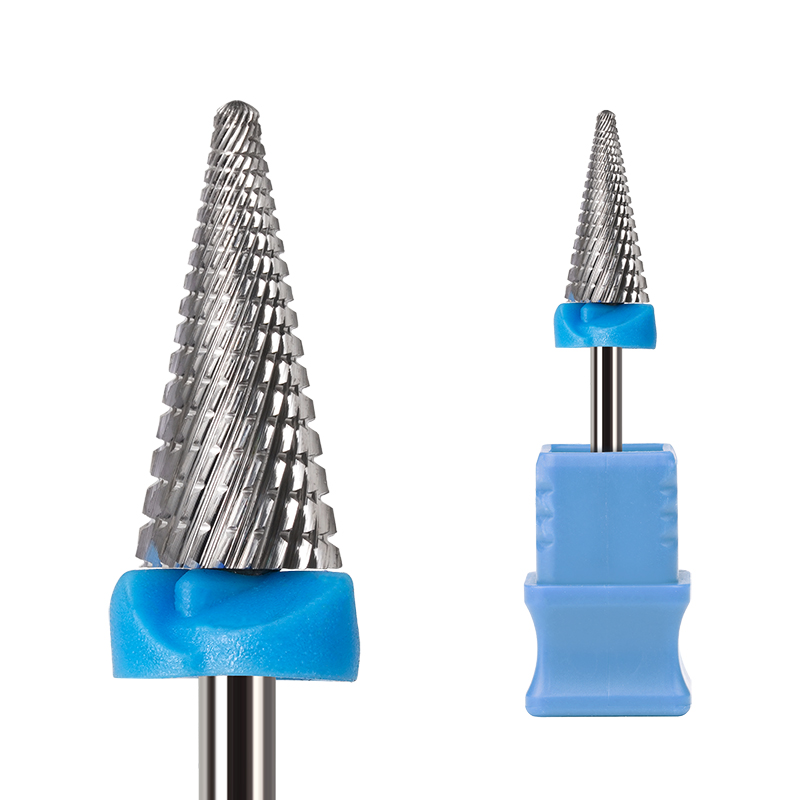
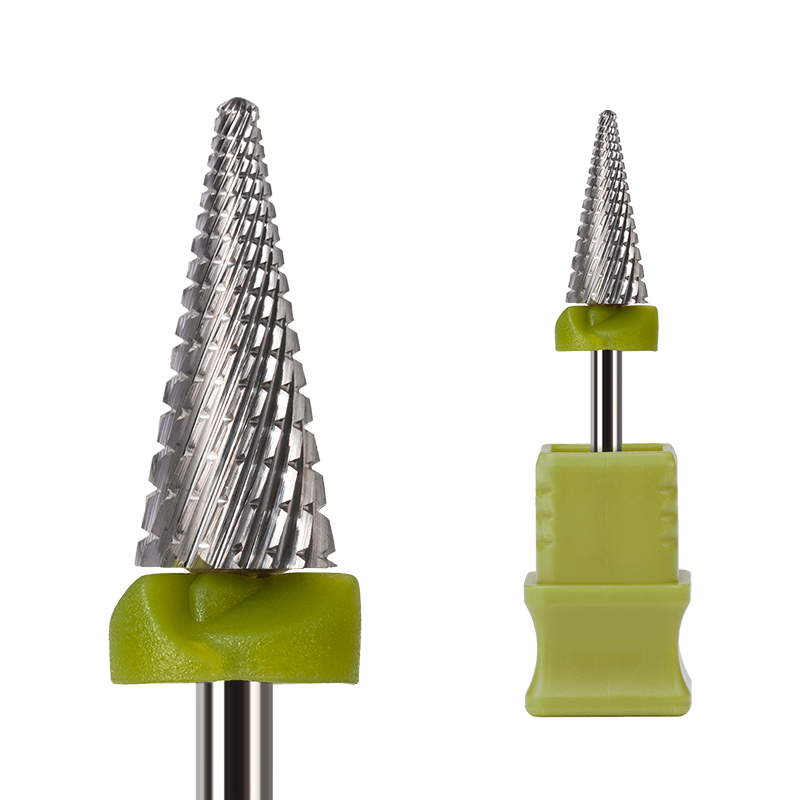
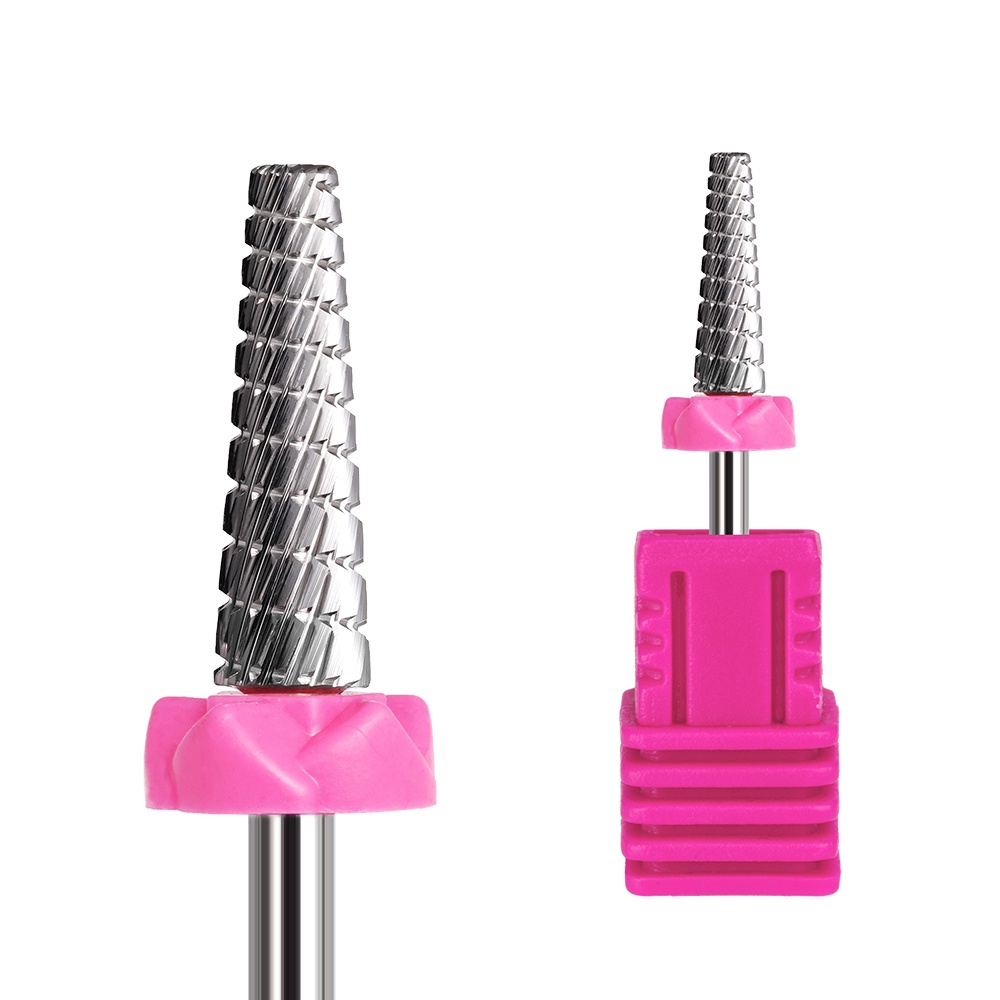
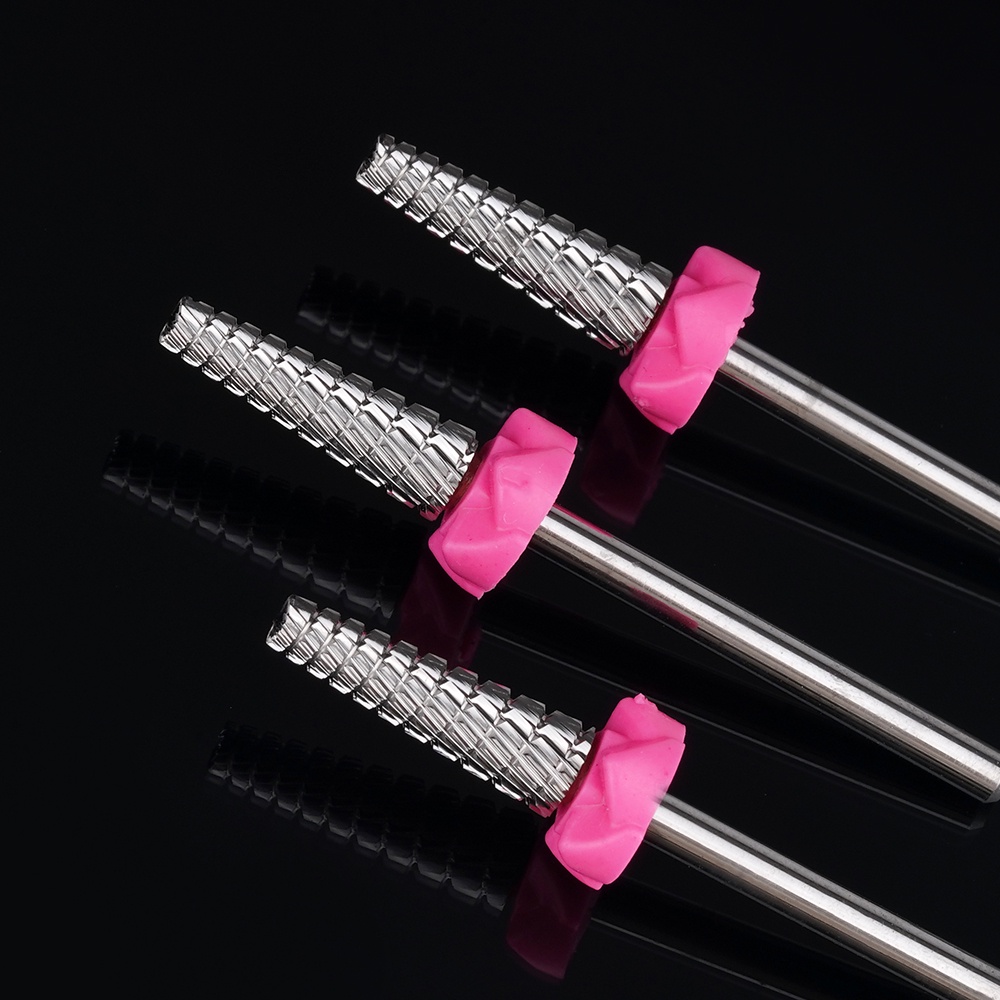
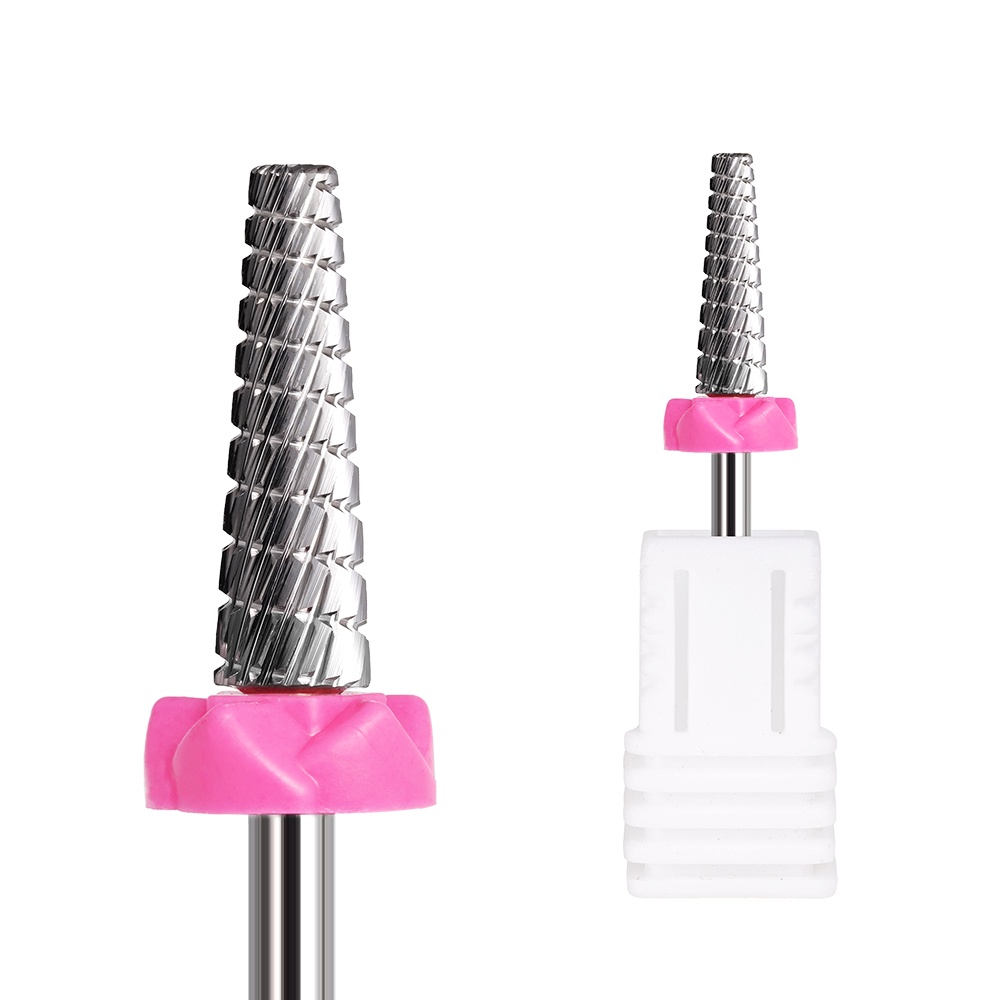
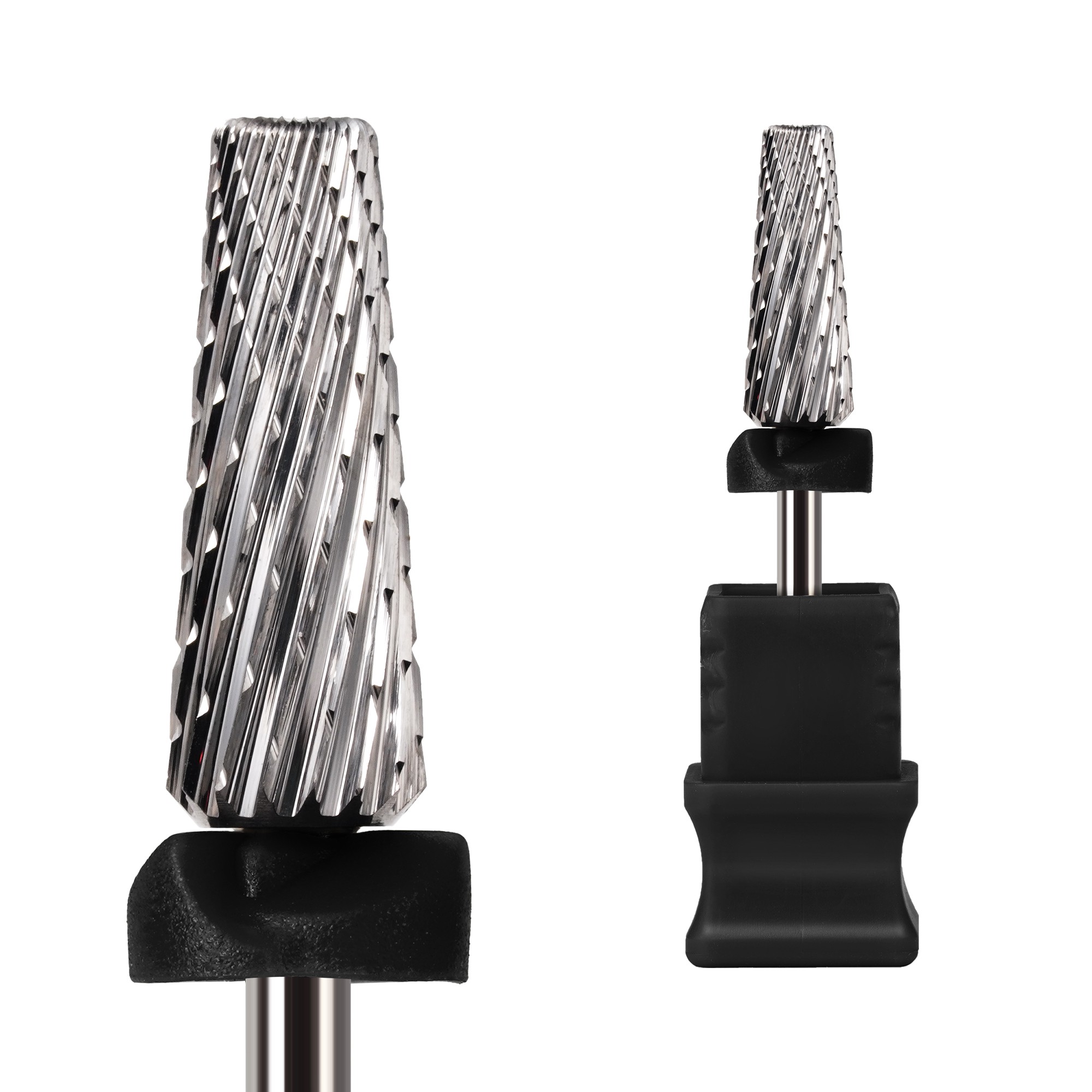
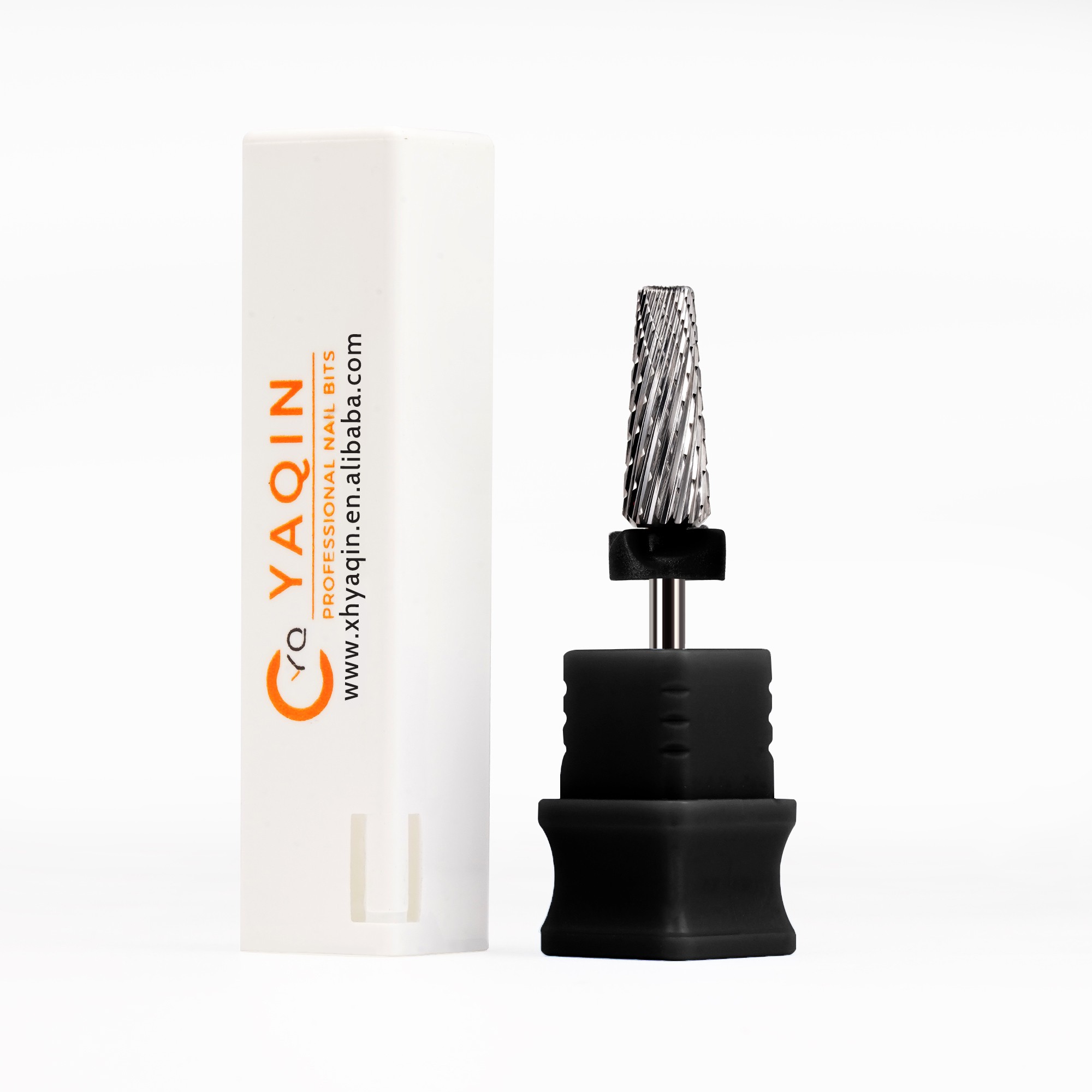
For example, a salon may use a diamond bit for perimeter refinement, then shift to Drill Nails File Bits Carbide Tungsten 5 In 1 Nail Drill Bit For Nail Salon for faster gel removal.
That combination makes sense because tungsten carbide handles hard gel, base coats, and nail tips with high efficiency.
It also helps reduce unnecessary pressure during later stages, which supports safer prep overall.
Why home use and professional use often need different choices
A diamond nail drill bit for occasional DIY use should prioritize forgiveness.
A professional setup usually prioritizes repeatability, cleaning efficiency, and stable cutting performance across many sessions.
That difference affects not just grit, but durability expectations and maintenance frequency.
- DIY settings usually benefit from finer grit and shorter working time.
- Busy salon settings need abrasive consistency after repeated cleaning and disinfection cycles.
- Correction work needs better visibility and edge control than basic prep.
- Mixed services need a workflow that separates cuticle refinement from bulk product removal.
What often gets misjudged before overfiling happens
Most overfiling does not start with a bad tool.
It starts with a wrong assumption about the service condition.
One frequent mistake is choosing a coarser diamond nail drill bit to save time on dry cuticles.
That may remove tissue faster, but it also increases friction on the natural nail.
Another mistake is staying focused on speed settings while ignoring contact pattern.
Even a fine diamond nail drill bit can overfile if it pauses repeatedly at the same spot.
There is also a purchasing-side misread worth noting.
Some selections are made only on initial cost, without checking lifespan, finish consistency, and compatibility with cleaning routines.
For abrasive tools used daily, those factors change the real operating cost more than a small price difference.
This is where suppliers with stable export standards tend to stand out.
A strict QC system, certified management process, and OEM/ODM experience usually support more reliable batch performance.
Small operating details that protect the natural nail
- Keep the bit moving along the cuticle line instead of pressing downward.
- Let grit do the work; extra force usually means extra damage.
- Match the pass count to tissue buildup, not to habit.
- Watch for heat first, because heat often appears before visible overfiling.
- Separate skin refinement from hard gel removal when conditions are mixed.
A practical way to match the bit to the service
When choosing a diamond nail drill bit, the better question is not which bit is best overall.
The better question is which bit reduces risk in the specific service sequence.
For prep-heavy manicures, prioritize fine grit, smooth finishing, and predictable control near sidewalls.
For services that combine prep with product removal, keep the diamond nail drill bit focused on precision zones.
Then assign stronger removal work to a more suitable material.
That is why some workflows add a tungsten steel option with high hardness and exceptional durability.
A well-made carbide bit can remove hard and soft gels efficiently, stay sharp, and help reduce dust accumulation.
Used in the right stage, it supports faster removal without forcing the cuticle bit beyond its best role.
This division of work is often more important than chasing one universal tool.
Before standardizing tools, compare these points
The next step is to define fit, not just choose a bit
A diamond nail drill bit is highly effective for cuticle work when its job is clearly defined.
It should refine, lift, and clean without turning prep into unnecessary abrasion.
The most reliable results come from matching grit, profile, and movement to the service condition in front of you.
If the workflow also includes gel removal, callus grinding, or tougher surfaces, it helps to compare supporting options such as Drill Nails File Bits Carbide Tungsten 5 In 1 Nail Drill Bit For Nail Salon.
A better selection process usually starts by mapping actual service steps, checking nail sensitivity, and defining where precision matters most.
After that, review durability, cleaning compatibility, and long-term consistency before standardizing any tool set.
That approach gives the diamond nail drill bit its real advantage: safer cuticle work, steadier quality, and less risk of overfiling over time.
News List
- Is It Better to Source All Nail Drill Bits From One Factory?Aug 24, 2026
- How to Spot Fake Diamond Coating on Nail Drill BitsAug 24, 2026
- Are Silicone Nail Drill Bits Reusable After Sterilization?Aug 24, 2026
- Essential tools for manicures that make beginner work more consistentAug 24, 2026
- Which must-have items for nail technicians improve service speed mostAug 24, 2026
- How gel removal bits affect speed and heat during soak-off removalAug 24, 2026
Best-Selling Products
 Cross Cut Safety Stainless Steel Tungsten Carbide Nail Drill Bits Salon Foot Use XF-C Grit for Removing Nails
 First-rate Quality Tungsten Carbide Nail Drill Bits Best Coating Manicure Remove Gel Nails Accessories
 Professional Advanced Safety Cuticle Bits Two-Way Rotate 3/32'' Carbide Tungsten 5 in 1 Nail Drill Bits
 Wholesale 5 in 1 Electric Manicure Nail Drill Bits Various Coating Cone Cuticle Bit with Rotary Cross Cut for Nail Art
 New Slant Tooth Tungsten Steel Nail Drill Bits Dead Skin Removal 5-in-1 Universal Grinding Nail Polish Head Tool Nail Drill Bits
 4.0mm Small 5 in 1 Integrated Sharpe Tungsten Nail Drill Bit Straight Teeth Gel Polish Removal
 Flame Sharp XF F M C XC Silver Safety Professional Corn Tungsten Carbide Nail Bit for Drill Machine Accessories
 Factory Direct 5 in 1 Tungsten Carbide Nail Drill Bits 6.8MM Cross Cut Safety Manicure 5 in 1 Nail Drill Bits
Please give us a message