
Carbide Nail Drill Bits vs Ceramic: Which Lasts Longer?
Carbide Nail Drill Bits vs Ceramic: Which Lasts Longer?
Carbide Nail Drill Bits vs Ceramic: Which Lasts Longer?

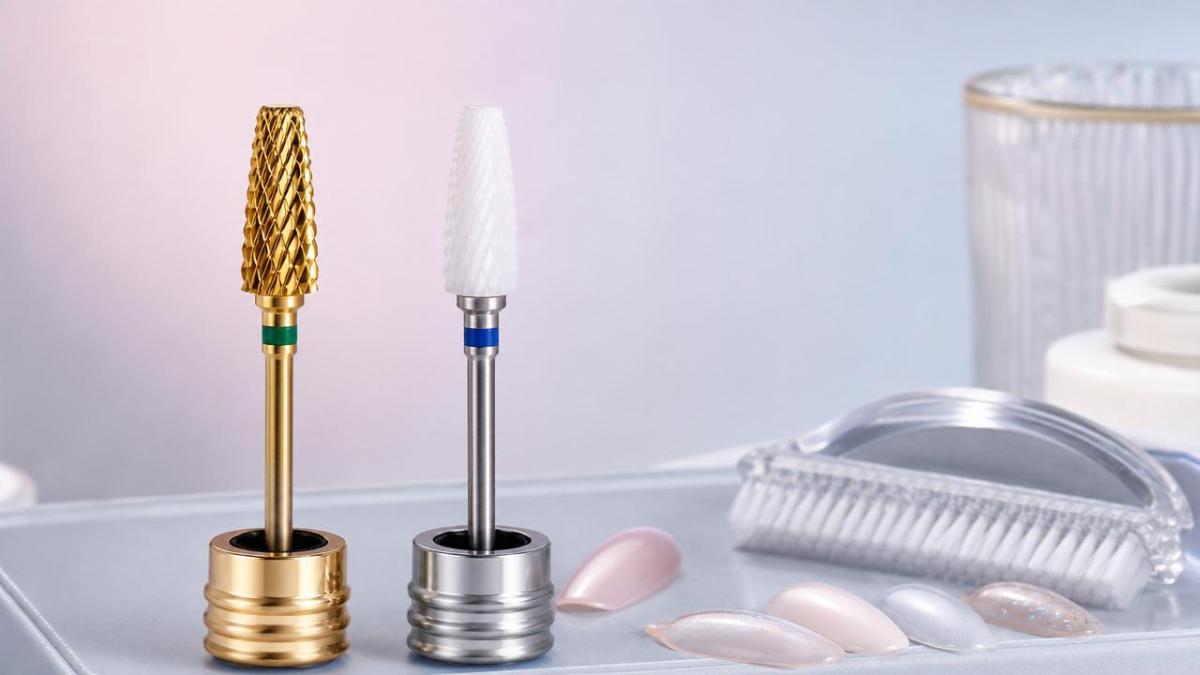
When comparing carbide nail drill bits with ceramic options, durability usually drives the final decision.
That makes sense in professional nail work, where bit life affects output, consistency, and maintenance cost.
The simple answer is this: carbide nail drill bits often last longer under heavy, repetitive use.
Ceramic bits still have clear advantages, especially around heat feel, client comfort, and fine finishing.
But if the question is pure service life, carbide usually wins in demanding salon and bulk-use environments.
The real choice depends on workload, coating types, cleaning habits, machine speed, and operator technique.
This also means durability should be judged as a system issue, not only a material issue.
Why Material Life Varies in Real Nail Applications
Many buyers compare carbide nail drill bits and ceramic bits by catalog claims alone.
In actual use, lifespan changes with pressure, RPM, product hardness, and cleaning frequency.
Hard gel, acrylic, dip powder, and thick overlays wear bits differently.
A bit used all day for rapid product removal faces very different stress.
A bit used lightly for shaping or cuticle cleanup may age much more slowly.
From a technical evaluation view, wear resistance includes edge retention, fracture resistance, and consistent cutting behavior.
If a bit stays sharp but chips easily, its practical lifespan is still limited.
If a bit feels smooth but cuts slower over time, productivity cost rises.
The Core Durability Factors
- Material hardness and toughness balance.
- Tooth geometry and chip evacuation design.
- Resistance to clogging during gel removal.
- Tolerance to heat, moisture, and disinfecting cycles.
- Compatibility with operator speed and hand pressure.
How Carbide Nail Drill Bits Perform Over Time
Carbide nail drill bits are widely chosen for aggressive removal and long production runs.
Their biggest strength is sustained cutting efficiency under repeated load.
High-quality tungsten carbide keeps its cutting edges sharp for longer than many ceramic options.
That matters when removing thick builder gel, acrylic layers, or hard top coats at scale.
Carbide also handles repeated contact stress well when the bit is engineered correctly.
The result is more predictable stock removal and less frequent replacement.
More importantly, performance decline tends to be easier to track before full failure.
That gives purchasing teams more control over maintenance schedules and reorder timing.
Where Carbide Lasts Longer
- High-volume gel removal stations.
- Frequent acrylic debulking work.
- Long daily shifts with minimal downtime.
- Operations requiring stable cutting speed.
- Teams tracking bit life by cost-per-service.
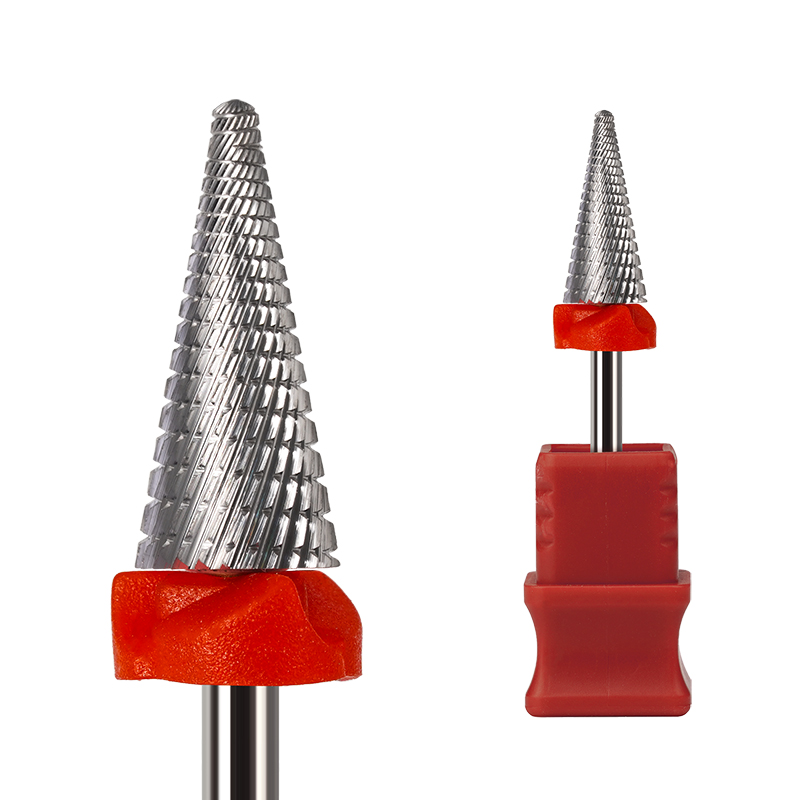
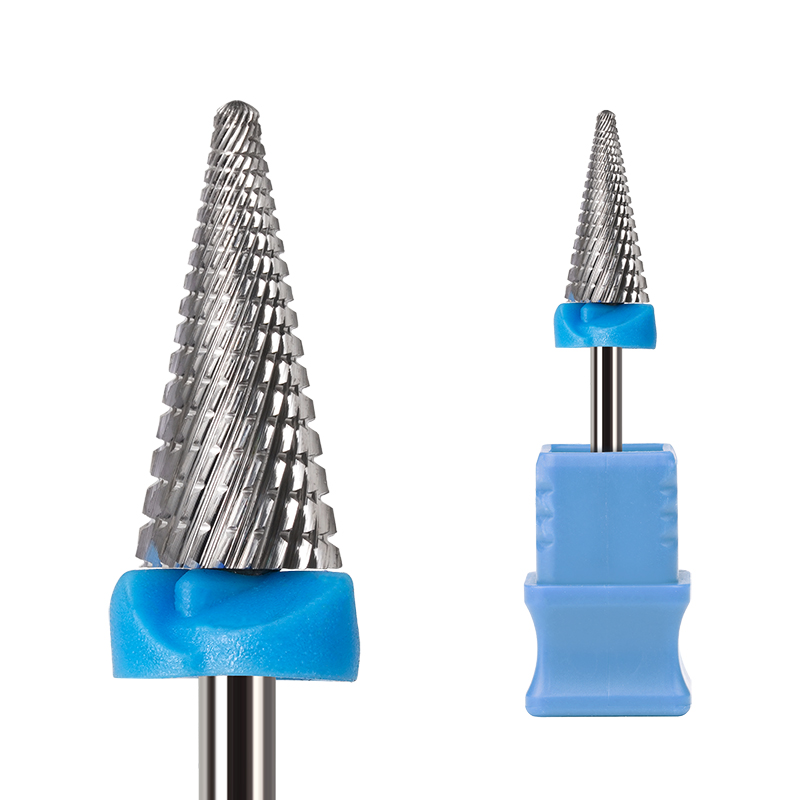
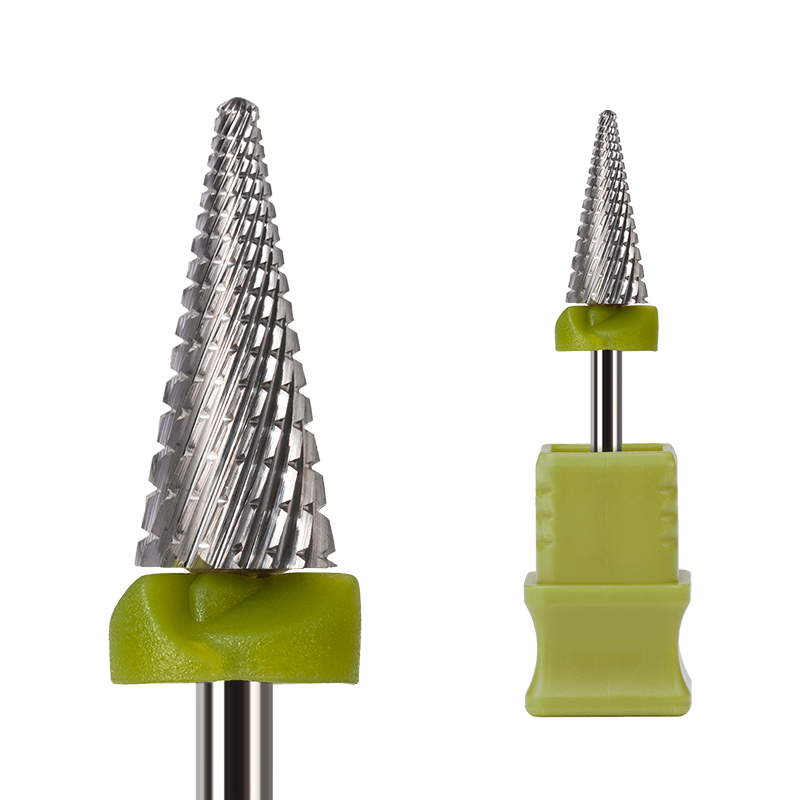
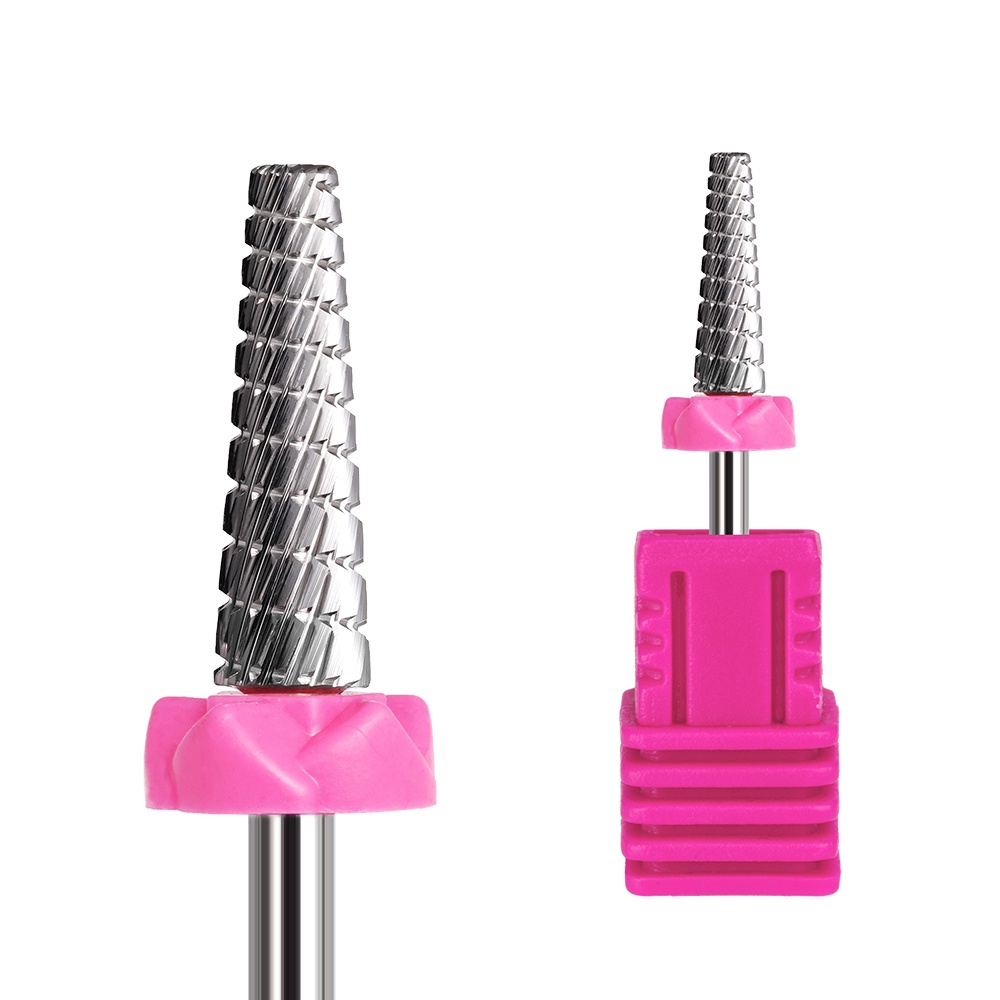
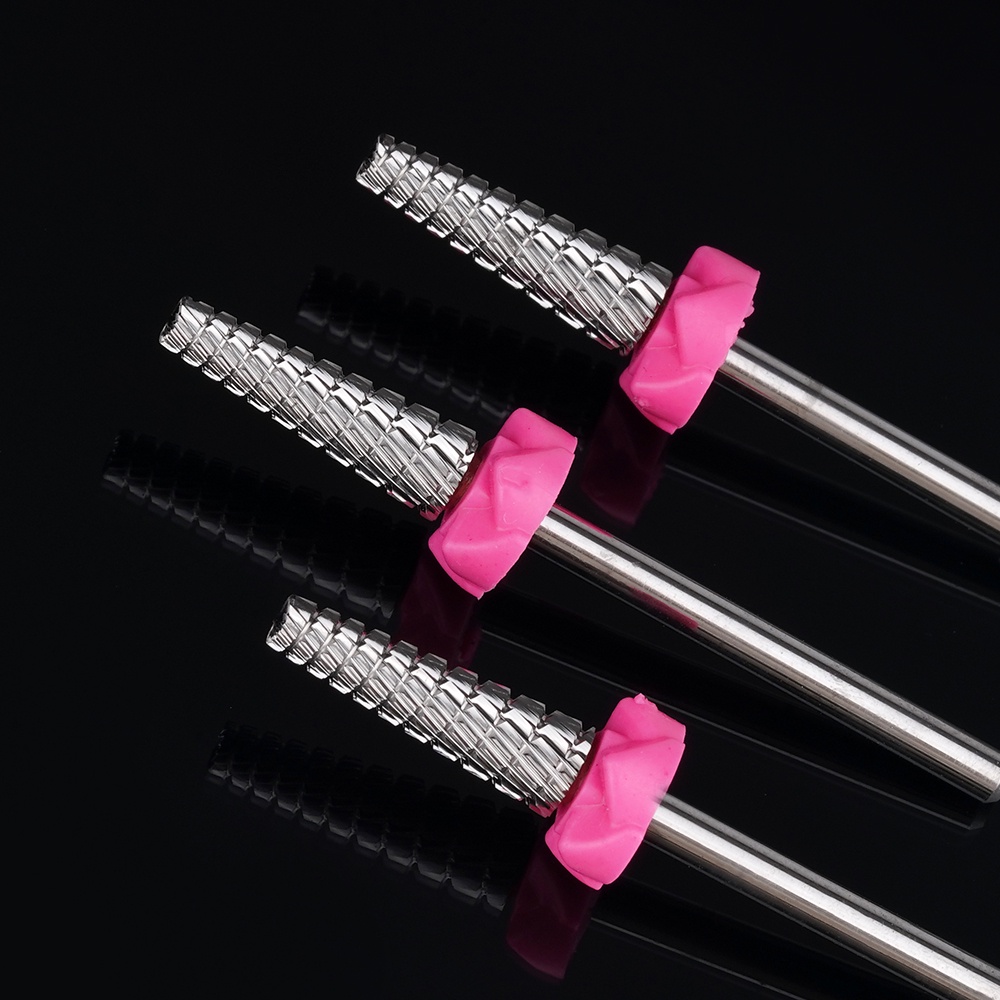
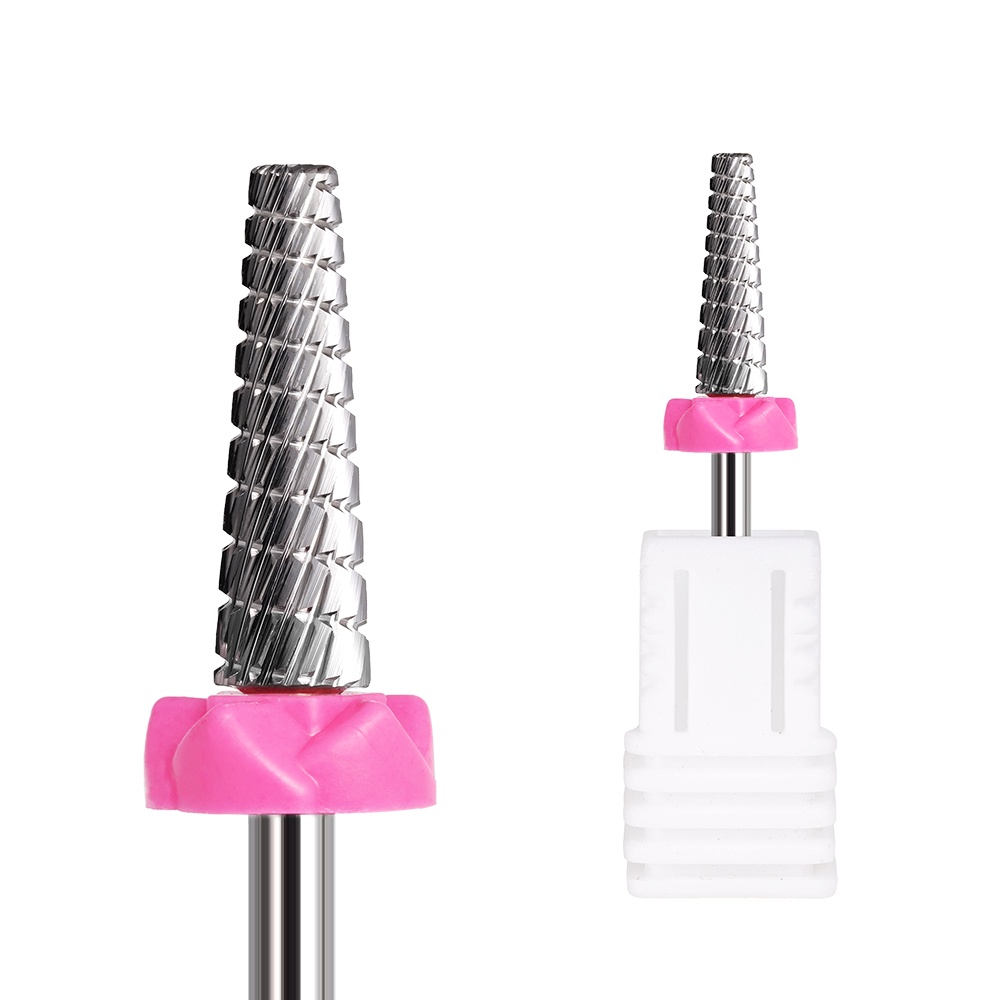
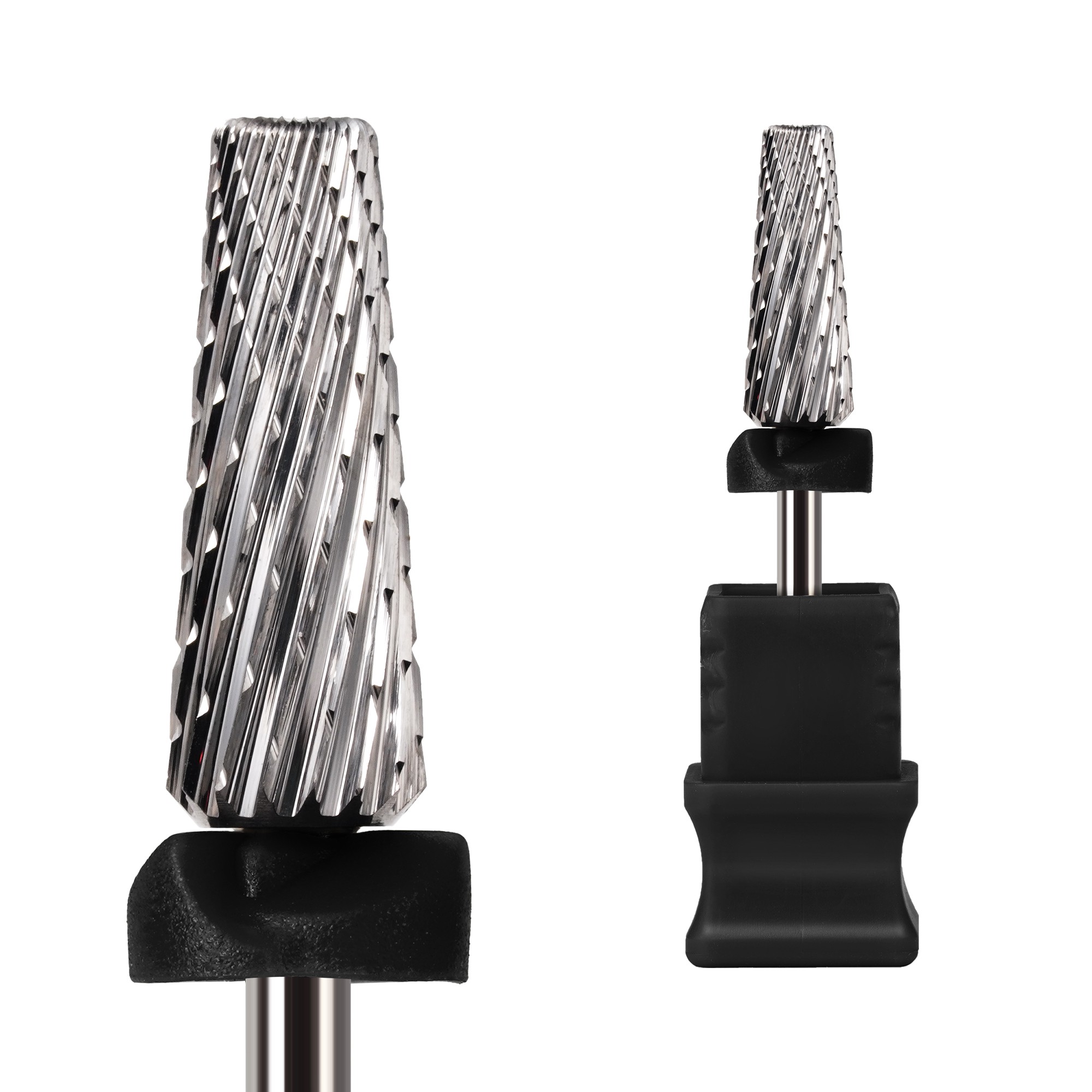
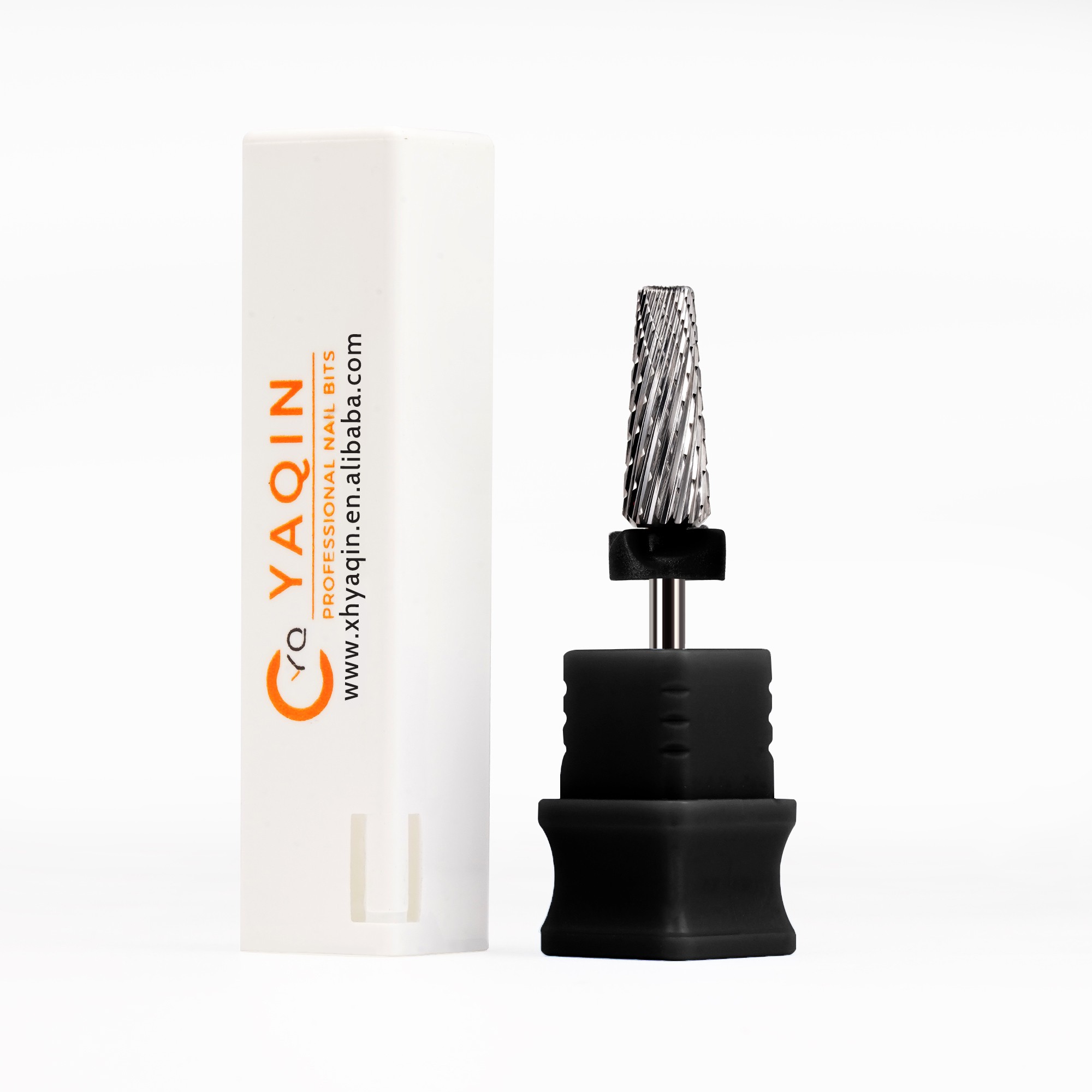
A good example is Quick Nail Polish Remover No Vibration Your Hands Pink Label Helical Teeth 5-in-1 Universal Tungsten Carbide Nail Drill Bits.
Its tungsten carbide construction supports strong edge retention and high wear resistance.
The 5-in-1 layout and helical teeth design also help improve dust ejection consistency.
That reduces clogging risk and helps keep cutting performance more stable over time.
Where Ceramic Bits Still Compete Well
Ceramic bits are often preferred for a smoother feel during operation.
They are commonly associated with lower perceived heat and less vibration sensation.
That can be valuable in comfort-sensitive services or lighter finishing work.
Ceramic also resists corrosion well and can stay visually clean after repeated use.
Still, ceramic is usually more vulnerable to chipping if dropped or misused.
That brittleness matters in busy workstations with frequent tool changes.
So while ceramic may feel refined, it does not always deliver the longest usable life.
Especially under rough handling, the lifespan gap can widen quickly.
Best Cases for Ceramic
- Light-to-medium product removal.
- Operators prioritizing lower heat feel.
- Finishing steps needing a smoother touch.
- Studios with careful tool handling routines.
Side-by-Side Comparison for Selection Decisions
For selection work, direct comparison is more useful than broad marketing language.
The table below summarizes how carbide nail drill bits and ceramic bits behave in common decision areas.
What Actually Shortens Bit Lifespan
Material choice matters, but poor operating practice can erase that advantage fast.
This is one reason some teams misjudge carbide nail drill bits in field use.
They may blame the bit when the root issue is pressure, speed mismatch, or sanitation damage.
Common Failure Drivers
- Excessive downward force during removal.
- Using one bit for every material type.
- Improper cleaning that leaves residue in the flutes.
- Dropping bits during workstation changes.
- Running unsuitable RPM for tooth design.
- Poor storage after disinfection or washing.
More advanced carbide nail drill bits reduce some of these risks through geometry and stronger base materials.
For example, premium tungsten steel and tungsten carbide structures can maintain sharpness longer.
A smooth flat tip can also improve safety during high-efficiency removal passes.
In practical terms, these design details influence lifespan as much as the label on the package.
How to Evaluate Long-Term Cost, Not Just Unit Price
Selection decisions should not stop at the purchase price of one bit.
The better metric is total usable life across actual service cycles.
A slightly higher-cost carbide option may become cheaper over months of heavy use.
That is especially true if it cuts faster and reduces machine strain.
Some designs even help reduce dust buildup, which can support grinder lifespan too.
In large-scale procurement, that secondary equipment effect should not be ignored.
A Practical Evaluation Checklist
- Track average services completed before performance drops.
- Measure removal time for gel and acrylic separately.
- Record chip, clogging, or fracture incidents.
- Check whether heat complaints increase over time.
- Include cleaning labor and replacement frequency.
- Compare cost per service, not cost per unit.
For buyers needing OEM or ODM support, supplier process control also affects consistency.
Wuxi Yaqin Trading Co., Ltd. focuses on high quality abrasive products for export markets.
Its QC system covers raw material purchasing, production, and packing.
That kind of process discipline matters when durability must remain stable across batches.
Final Verdict: Which Lasts Longer?
If the goal is maximum lifespan in high-demand removal work, carbide nail drill bits usually last longer.
They generally offer better wear resistance, stronger edge retention, and better value in heavy use.
Ceramic remains useful where comfort, lighter touch, and smoother operation matter more.
But for long production cycles, tougher materials, and large-scale professional workflows, carbide has the clearer durability advantage.
The smartest decision is to match bit material to workload, then verify with cost-per-service data.
If you are narrowing suppliers, prioritize consistent quality control and proven product engineering.
That is where long-lasting carbide nail drill bits deliver the most reliable return.
A short field trial with one premium carbide model and one ceramic model is often the fastest path to a confident decision.
News List
- Is It Better to Source All Nail Drill Bits From One Factory?Aug 24, 2026
- How to Spot Fake Diamond Coating on Nail Drill BitsAug 24, 2026
- Are Silicone Nail Drill Bits Reusable After Sterilization?Aug 24, 2026
- Essential tools for manicures that make beginner work more consistentAug 24, 2026
- Which must-have items for nail technicians improve service speed mostAug 24, 2026
- How gel removal bits affect speed and heat during soak-off removalAug 24, 2026
Best-Selling Products
 Cross Cut Safety Stainless Steel Tungsten Carbide Nail Drill Bits Salon Foot Use XF-C Grit for Removing Nails
 First-rate Quality Tungsten Carbide Nail Drill Bits Best Coating Manicure Remove Gel Nails Accessories
 Professional Advanced Safety Cuticle Bits Two-Way Rotate 3/32'' Carbide Tungsten 5 in 1 Nail Drill Bits
 Wholesale 5 in 1 Electric Manicure Nail Drill Bits Various Coating Cone Cuticle Bit with Rotary Cross Cut for Nail Art
 New Slant Tooth Tungsten Steel Nail Drill Bits Dead Skin Removal 5-in-1 Universal Grinding Nail Polish Head Tool Nail Drill Bits
 4.0mm Small 5 in 1 Integrated Sharpe Tungsten Nail Drill Bit Straight Teeth Gel Polish Removal
 Flame Sharp XF F M C XC Silver Safety Professional Corn Tungsten Carbide Nail Bit for Drill Machine Accessories
 Factory Direct 5 in 1 Tungsten Carbide Nail Drill Bits 6.8MM Cross Cut Safety Manicure 5 in 1 Nail Drill Bits
Please give us a message