
How to Reduce Electric Nail File Vibration
How to Reduce Electric Nail File Vibration
Excessive vibration in an electric nail file can reduce filing precision, increase hand fatigue, and signal hidden maintenance issues.
For after-sales technicians, identifying the cause quickly protects motor life, improves satisfaction, and minimizes repeat service requests.
This guide explains practical ways to reduce vibration through inspection, cleaning, bit selection, assembly checks, and routine maintenance.
Why Does an Electric Nail File Vibrate More Than Usual?
An electric nail file usually vibrates when rotating parts lose balance, grip becomes unstable, or resistance increases during grinding.
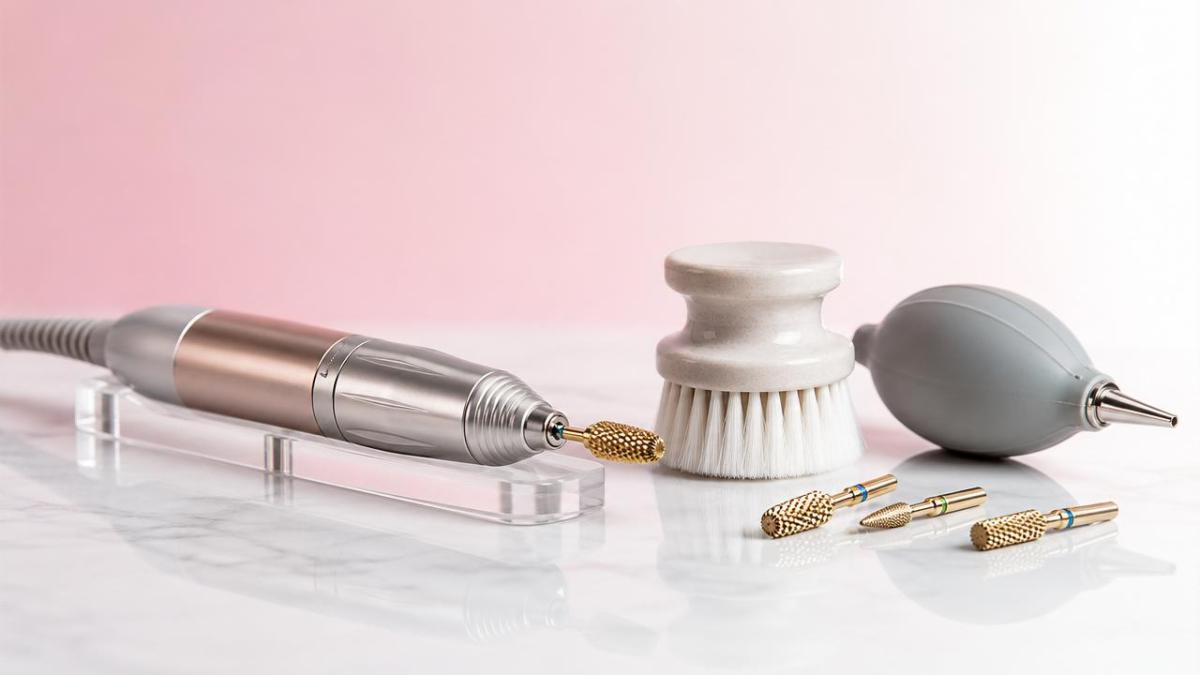
The most common causes include bent bits, dust buildup, loose collets, worn bearings, and incorrect speed settings.
A small imbalance becomes stronger at higher RPM, especially when the bit is long, damaged, or poorly centered.
In daily nail care, vibration may also come from using the wrong abrasive tool for gel, acrylic, or callus work.
If the electric nail file shakes only with one bit, the bit is likely the problem.
If it vibrates with every bit, inspect the handpiece, chuck, bearings, and motor output.
Quick first checks
- Run the electric nail file without a bit at low speed.
- Insert a new, straight bit and test again.
- Listen for grinding, ticking, or uneven motor sounds.
- Check whether the bit locks firmly without wobbling.
How Can Cleaning Reduce Electric Nail File Vibration?
Cleaning is often the fastest way to reduce electric nail file vibration, especially in busy salon environments.
Fine gel dust, acrylic powder, and skin particles can enter the chuck area and disturb bit alignment.
When dust hardens around the collet, the bit may sit slightly off-center.
Even a tiny offset can create visible shaking at medium or high speed.
Recommended cleaning steps
- Turn off and unplug the electric nail file before cleaning.
- Remove the bit and brush dust from the chuck opening.
- Use dry air carefully to remove powder from small gaps.
- Wipe the handpiece exterior with a suitable disinfecting cloth.
- Allow the surface to dry before reinserting any bit.
Avoid flooding the handpiece with liquid, even if the bit itself is waterproof compatible.
Moisture inside an electric nail file can damage bearings, contacts, and internal insulation.
How Do Nail Drill Bits Affect Vibration?
The bit has a direct effect on balance, cutting smoothness, and perceived electric nail file vibration.
A dull bit forces the motor to work harder, creating drag and uneven resistance.
A bent shank, chipped head, or low-quality coating can also make the handpiece feel unstable.
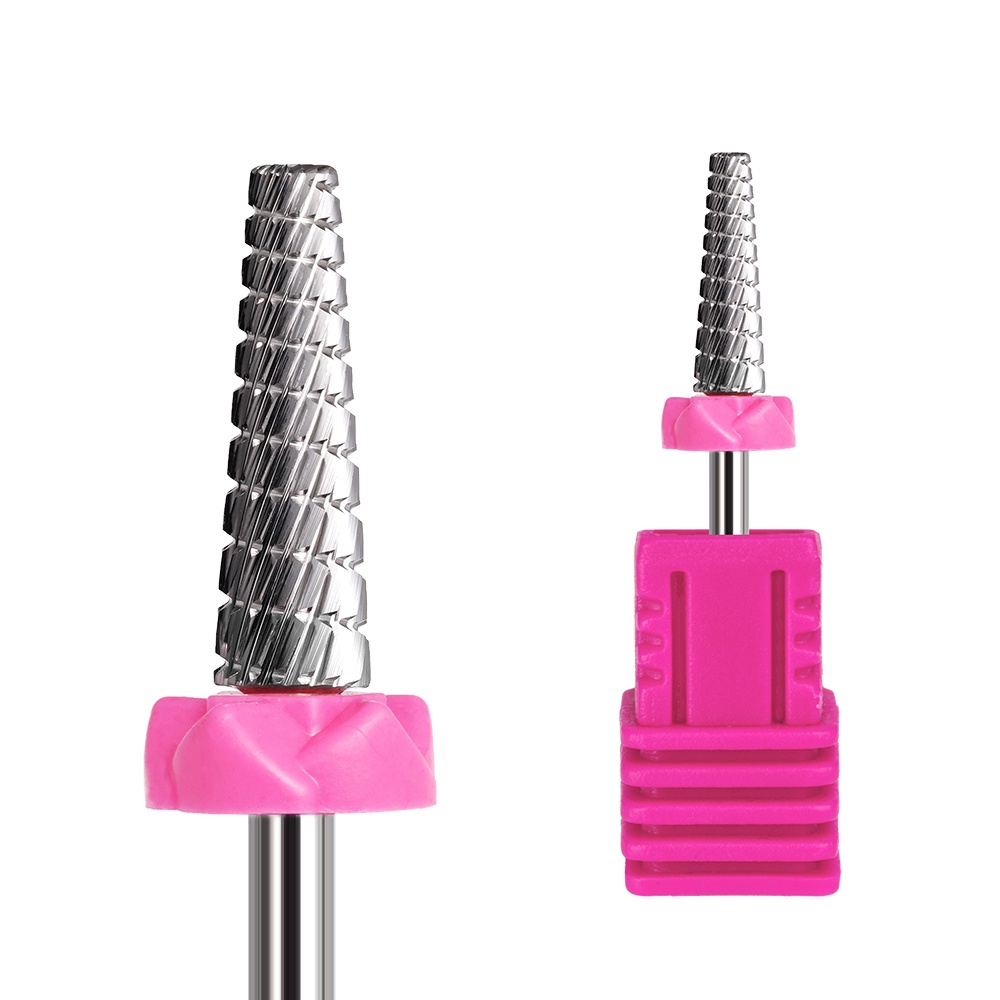
For gel removal, choose a bit designed for stable cutting, controlled dust flow, and consistent contact.
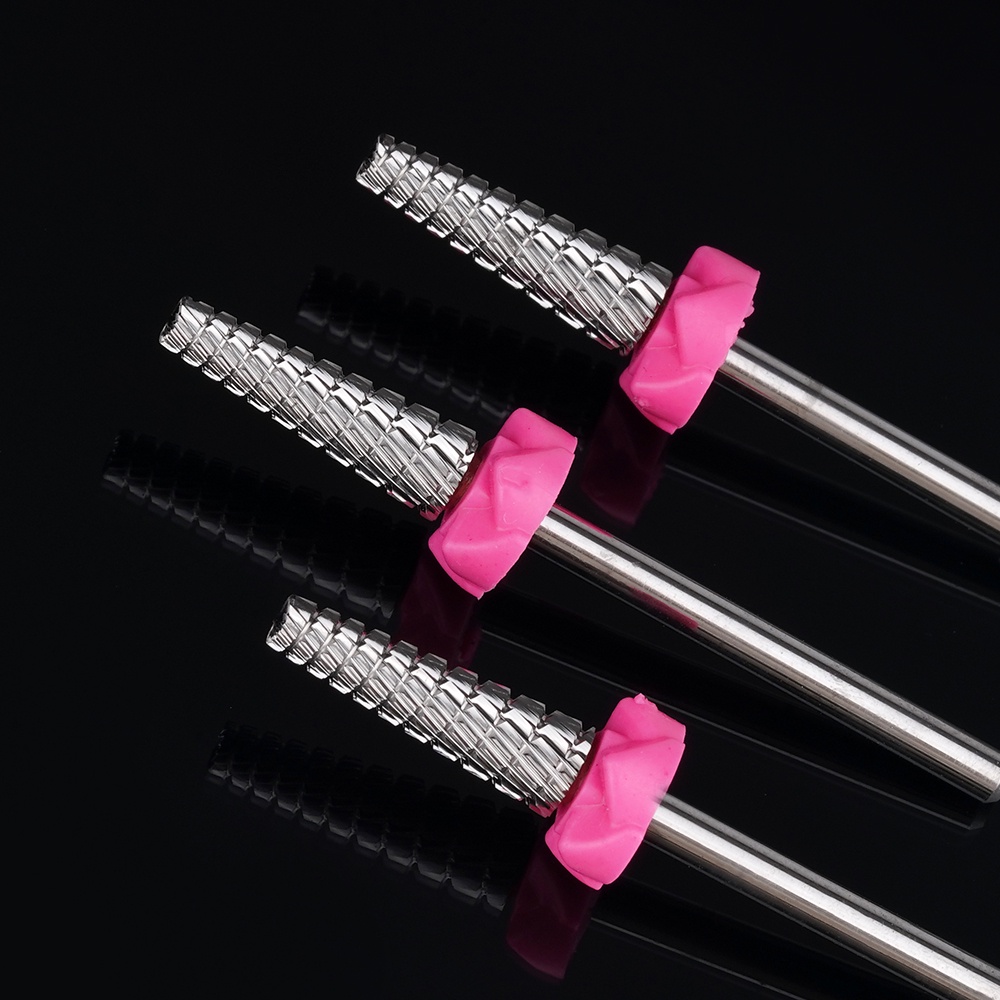
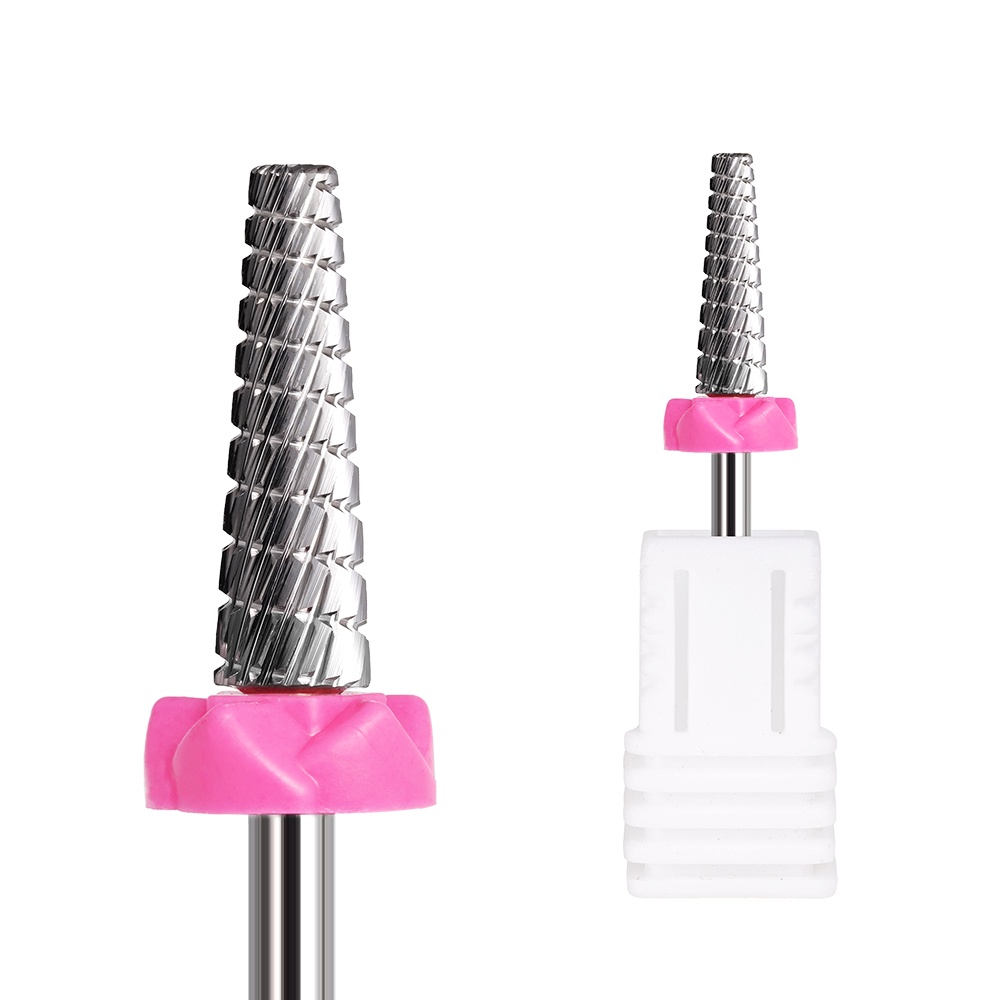
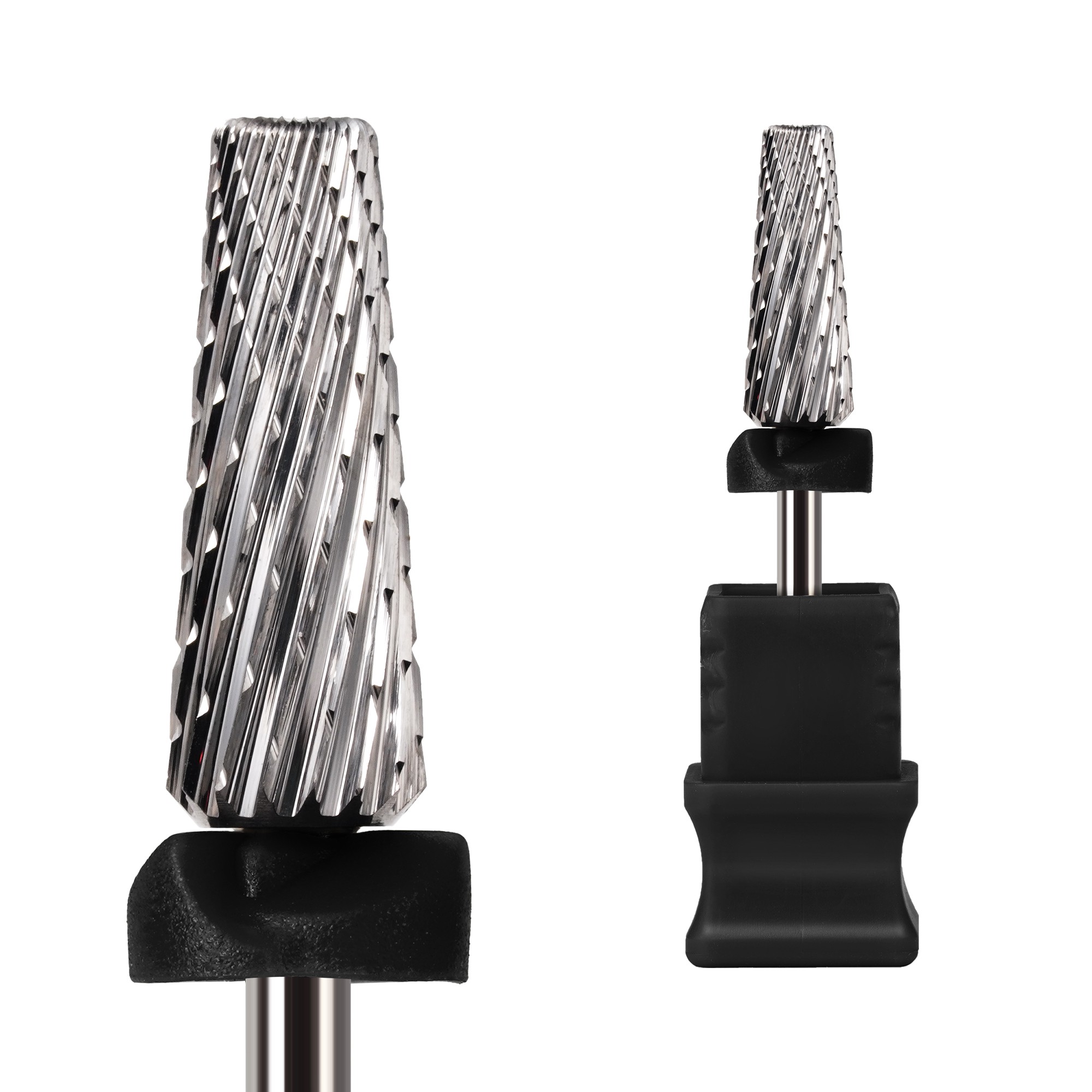
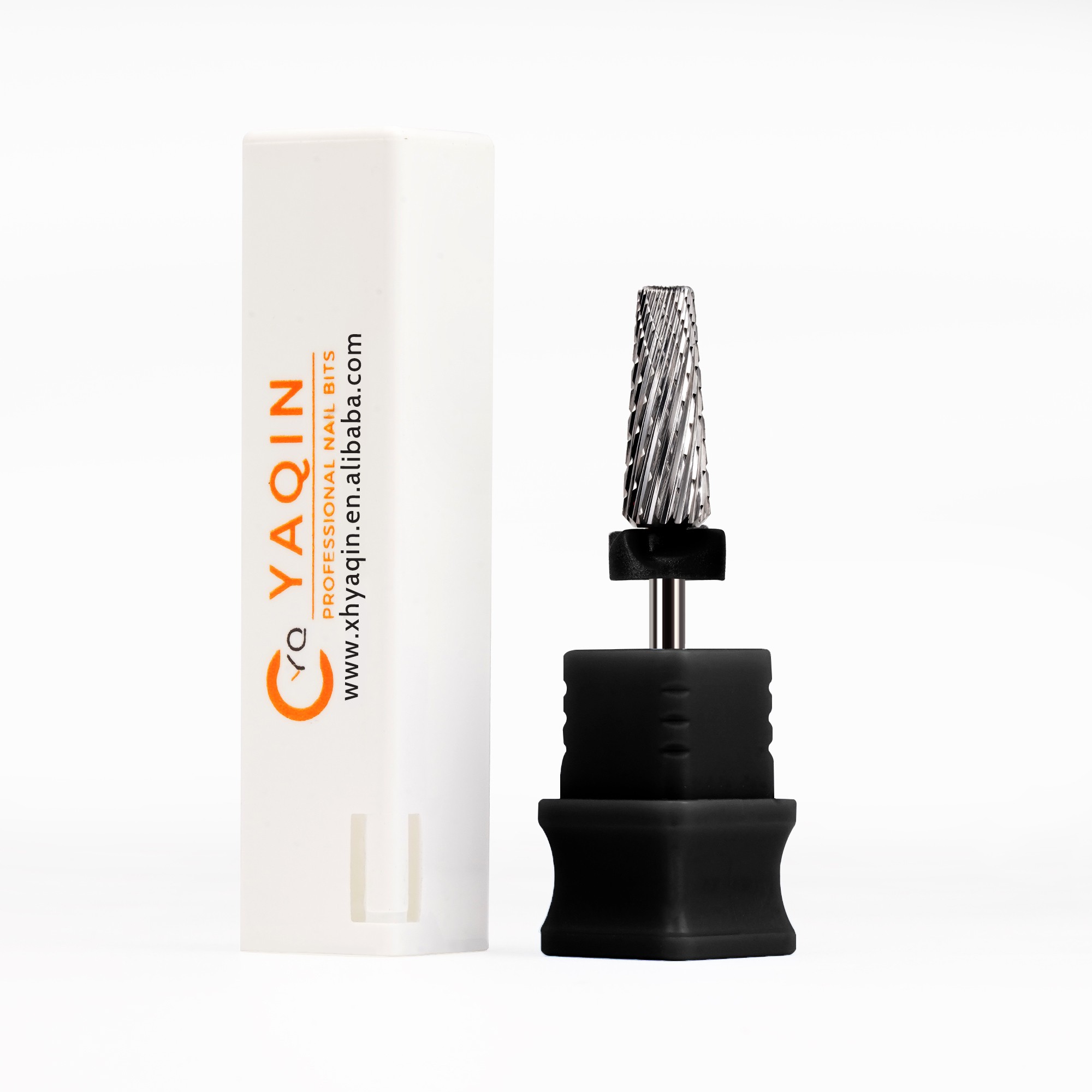
One useful option is Golden Flat Tip Carbide 4XC Nail Drill Bit Gel Remover Skewed Tooth.
Its tungsten carbide structure supports high hardness, durability, and reliable grinding on tough gel surfaces.
The smooth flat tip helps improve safety near the natural nail and surrounding skin.
A precision-engineered bit can reduce vibration by cutting cleanly instead of bouncing across product layers.
Bit selection checklist
- Use carbide bits for hard gel, acrylic, and durable overlays.
- Use smoother grits near the natural nail plate.
- Replace bits when cutting speed drops noticeably.
- Check the shank for bends before installation.
- Match bit direction to the electric nail file rotation mode.
What Assembly Problems Create Electric Nail File Shaking?
Assembly issues are frequent sources of electric nail file shaking after cleaning, shipping, or bit replacement.
A bit that is not inserted deeply enough can rotate like an unbalanced lever.
A loose chuck may allow micro-movement, which feels like vibration during filing.
Overtightening can also damage internal parts and shorten the life of the electric nail file.
Correct installation process
- Open the chuck according to the equipment instructions.
- Insert the bit shank fully, leaving safe working clearance.
- Lock the chuck until the bit feels secure.
- Run the electric nail file at low speed first.
- Increase RPM gradually while checking for wobble.
If wobble appears immediately, stop and reinstall the bit.
Continuing to run an unstable electric nail file may enlarge chuck wear and damage bearings.
Which Speed Settings Help Reduce Vibration?
Correct speed control helps reduce electric nail file vibration and improves comfort during detailed nail work.
Too low a speed may cause dragging, especially when removing hard gel or thick acrylic.
Too high a speed may magnify imbalance, heat, and noise.
The best setting depends on bit type, product thickness, surface hardness, and operator technique.
For professional nail preparation, smooth passes are better than heavy pressure.
Excess pressure makes the electric nail file work harder and increases the chance of chatter marks.
When Is Vibration a Sign of Maintenance Risk?
Not every vibration issue means the electric nail file is failing.
However, persistent shaking can point to deeper maintenance risks that should not be ignored.
Bearing wear often produces rough noise, heat, or vibration even with a balanced bit.
A weakened motor may lose torque and struggle under normal filing pressure.
Cable damage can cause intermittent power, making the handpiece pulse or run unevenly.
Warning signs that require service
- The electric nail file heats quickly during light use.
- The handpiece vibrates without any bit installed.
- The chuck cannot hold standard shanks securely.
- The motor speed changes without control adjustment.
- There is a burning smell or abnormal noise.
If these symptoms appear, stop using the electric nail file until proper inspection is completed.
Ignoring serious vibration can raise repair costs and shorten equipment service life.
How Should Routine Maintenance Be Scheduled?
Routine maintenance keeps an electric nail file stable, clean, and predictable during repeated salon-quality nail care.
A simple schedule is enough for most daily-use handpieces.
The key is consistency, not complicated procedures.
Quality control also matters before equipment reaches the workbench.
Yaqin applies strict QC across raw material purchasing, production processes, and product packing.
Its abrasive product experience supports stable OEM and ODM service for professional nail tool needs.
FAQ: Electric Nail File Vibration Problems
Is slight vibration normal?
Yes, slight vibration is normal because every electric nail file has rotating parts.
It becomes a problem when shaking affects control, noise, heat, or filing accuracy.
Can a better bit really reduce vibration?
Yes. A balanced, sharp, and suitable bit reduces resistance and improves contact with the nail surface.
For hard gel and soft gel removal, carbide designs often feel smoother than worn abrasive tools.
Should lubricant be added to the handpiece?
Do not add lubricant unless the equipment manual clearly instructs it.
Incorrect oiling can attract dust and worsen electric nail file vibration over time.
Why does vibration increase after bit replacement?
The new bit may be inserted unevenly, incompatible, or slightly bent.
Remove it, clean the chuck, reinstall it, and test the electric nail file at low speed.
When should the handpiece be replaced?
Replacement may be needed when bearings, chuck parts, or motor components are no longer serviceable.
Frequent vibration after proper cleaning and bit checks is a strong warning sign.
Final Tips for a Smoother Electric Nail File
To reduce electric nail file vibration, start with the simplest causes: dirt, bit damage, and loose installation.
Then review speed settings, pressure, handpiece noise, and service history.
For demanding gel removal, select durable tungsten carbide bits with stable cutting performance and safe tip geometry.
Regular inspection helps protect the motor, improve comfort, and deliver cleaner nail care results.
Build a maintenance checklist, replace worn bits promptly, and document recurring vibration patterns before arranging repair.
News List
- Is It Better to Source All Nail Drill Bits From One Factory?Aug 24, 2026
- How to Spot Fake Diamond Coating on Nail Drill BitsAug 24, 2026
- Are Silicone Nail Drill Bits Reusable After Sterilization?Aug 24, 2026
- Essential tools for manicures that make beginner work more consistentAug 24, 2026
- Which must-have items for nail technicians improve service speed mostAug 24, 2026
- How gel removal bits affect speed and heat during soak-off removalAug 24, 2026
Best-Selling Products
 Cross Cut Safety Stainless Steel Tungsten Carbide Nail Drill Bits Salon Foot Use XF-C Grit for Removing Nails
 First-rate Quality Tungsten Carbide Nail Drill Bits Best Coating Manicure Remove Gel Nails Accessories
 Professional Advanced Safety Cuticle Bits Two-Way Rotate 3/32'' Carbide Tungsten 5 in 1 Nail Drill Bits
 Wholesale 5 in 1 Electric Manicure Nail Drill Bits Various Coating Cone Cuticle Bit with Rotary Cross Cut for Nail Art
 New Slant Tooth Tungsten Steel Nail Drill Bits Dead Skin Removal 5-in-1 Universal Grinding Nail Polish Head Tool Nail Drill Bits
 4.0mm Small 5 in 1 Integrated Sharpe Tungsten Nail Drill Bit Straight Teeth Gel Polish Removal
 Flame Sharp XF F M C XC Silver Safety Professional Corn Tungsten Carbide Nail Bit for Drill Machine Accessories
 Factory Direct 5 in 1 Tungsten Carbide Nail Drill Bits 6.8MM Cross Cut Safety Manicure 5 in 1 Nail Drill Bits
Please give us a message