
How to Choose a Carbide Nail Drill Bit for Acrylic Removal
How to Choose a Carbide Nail Drill Bit for Acrylic Removal
Choosing the right carbide nail drill bit for acrylic removal affects speed, finish quality, heat control, and nail safety at the same time.
In daily nail care and salon supply work, a well-matched bit does more than remove product quickly. It helps maintain comfort, lowers operator fatigue, and reduces the risk of over-filing.
That is why the carbide nail drill bit remains a key tool in the light industrial and daily-use nail products market, where consistency and durability matter as much as cutting power.
Why bit selection matters in acrylic removal
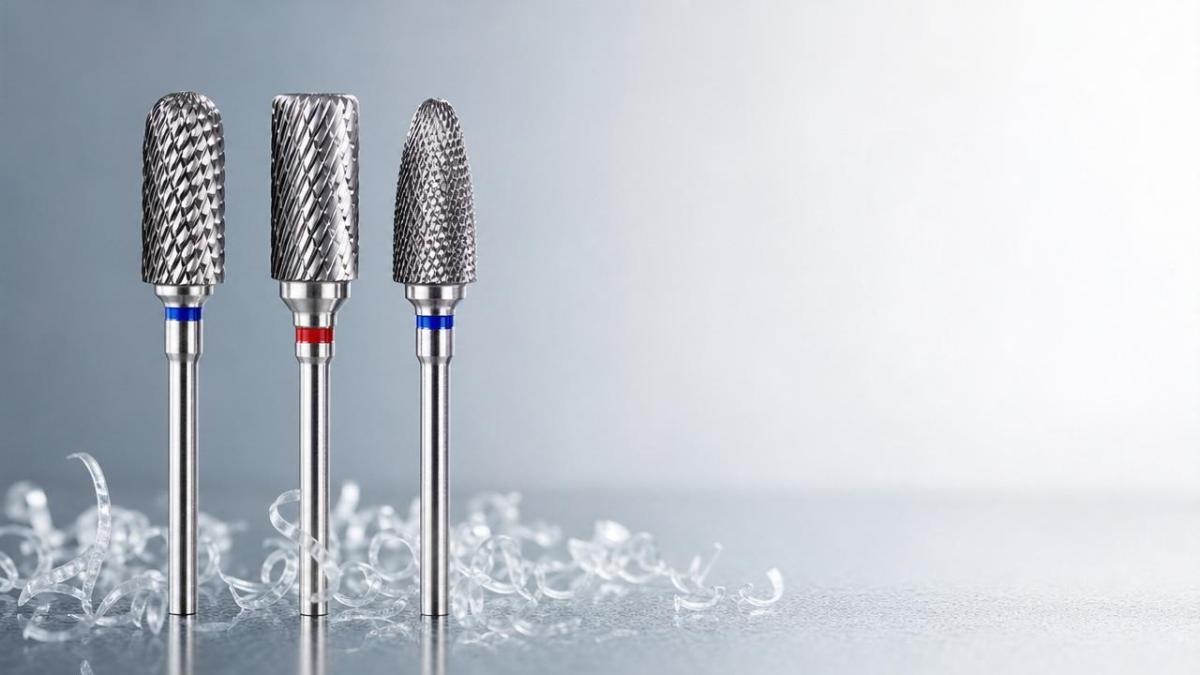
Acrylic is harder and denser than many surface coatings. Removing it with the wrong carbide nail drill bit can create friction, uneven pressure, and unnecessary heat.
A suitable bit cuts product in controlled layers. It should remove bulk efficiently without digging into the natural nail underneath.
This balance is especially important in professional environments where repeated use demands tool reliability. Better bit choice often means smoother workflow, cleaner results, and fewer interruptions.
From an industry perspective, demand is moving toward abrasive tools that combine precision with repeatable quality. That fits the broader expectations placed on modern nail care supplies.
What a carbide nail drill bit actually does
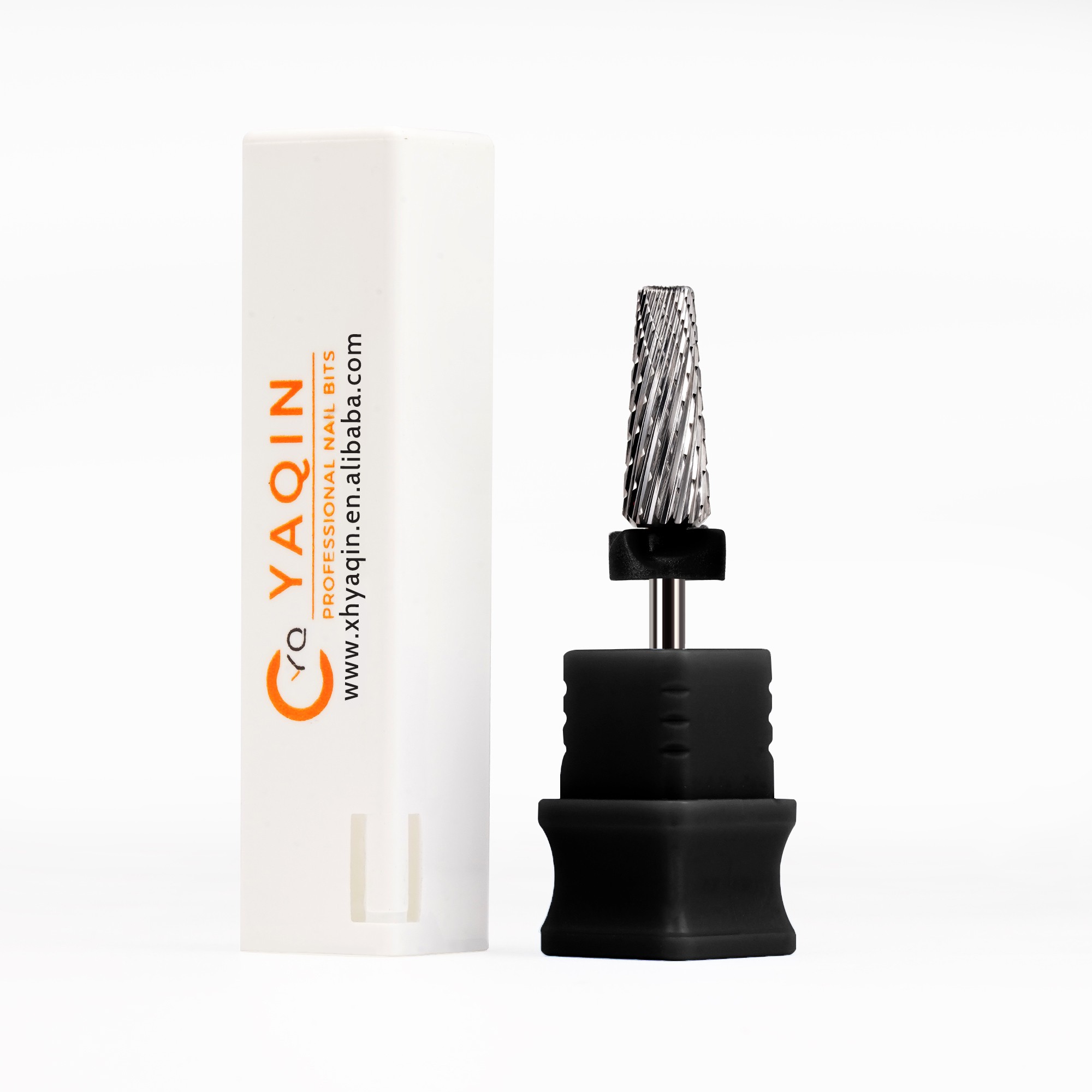
A carbide nail drill bit is designed to cut through enhancement material using shaped flutes rather than simple surface abrasion.
For acrylic removal, this matters because cutting action is usually faster and more stable than relying on a softer or less structured bit.
The material also affects performance. Tungsten carbide, often described in trade listings as tungsten steel, is valued for hardness, wear resistance, and long service life.
In practical use, the best result comes from matching three factors together: barrel shape, grit level, and operating speed.
Barrel shape changes control and coverage
Shape is often the first decision point. Different barrel profiles change how much surface area touches the acrylic and how easily the bit moves around curves.
Large barrel for bulk removal
A larger barrel carbide nail drill bit is useful when thick acrylic needs to be reduced quickly. It covers more area and supports efficient product take-down.
This shape works well on the main body of the enhancement, where speed matters more than edge detail.
Tapered or safety-top shapes for detail
A tapered barrel or rounded top improves visibility near the cuticle zone and sidewalls. It can help reduce accidental pressure in sensitive areas.
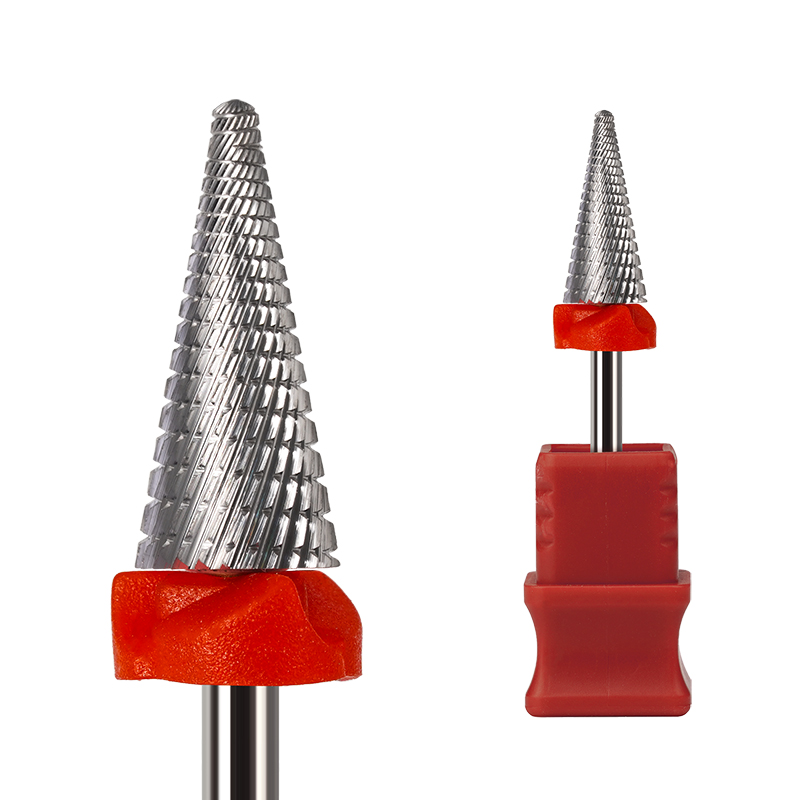
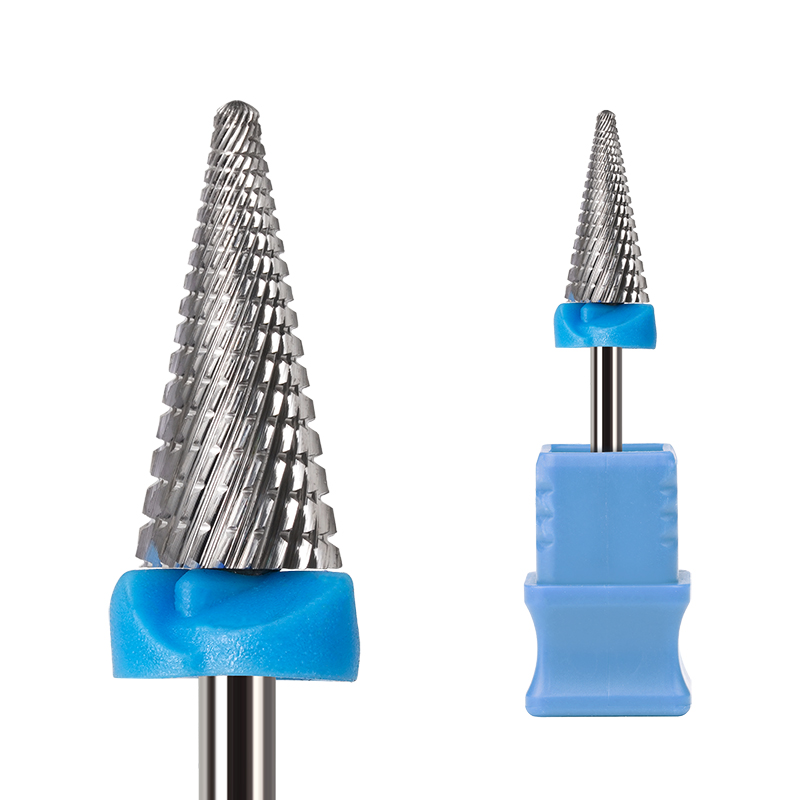
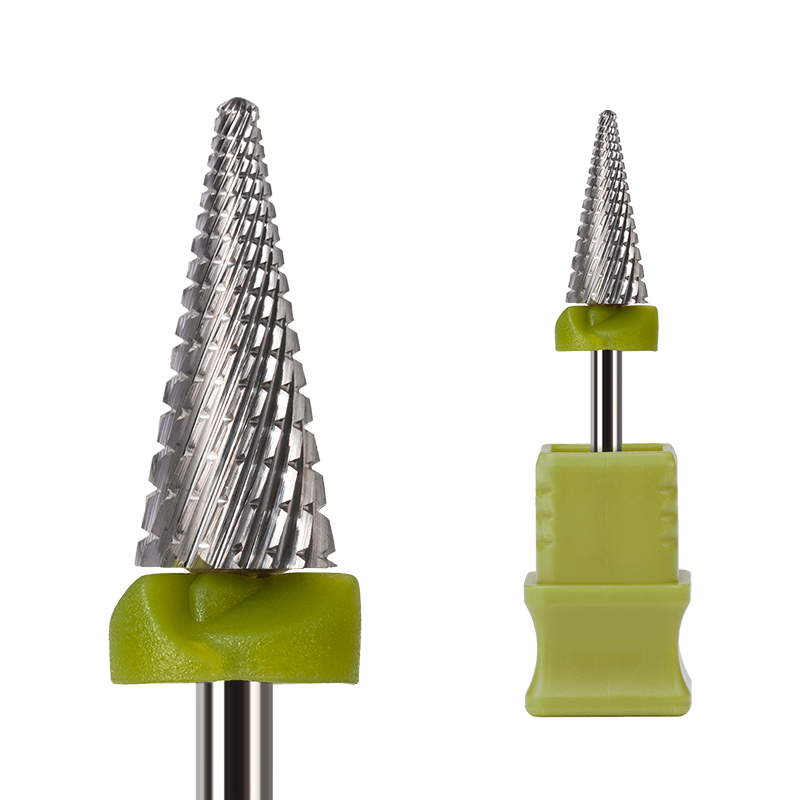
For operators who want one bit to handle several stages, multi-zone barrel designs can be practical because they combine stronger cutting sections with smoother contact points.
Grit level should match the removal stage
Grit is not only about aggressiveness. It also affects finish quality, heat buildup, and how much pressure is needed.
For most acrylic services, coarse or medium grit handles the main removal stage. Fine grit becomes more useful when the remaining layer is thin and control is critical.
Using an overly aggressive carbide nail drill bit on a thin product layer can waste time by forcing slower, more cautious passes.
Speed, heat, and cutting feel
Even a high-quality carbide nail drill bit performs poorly if the speed setting is wrong. Excess speed can create vibration and heat, while low speed may cause dragging.
A useful reference from current product specifications is to separate working speed by material type. Hard gel removal often runs at 15,000 to 20,000 RPM.
Soft gel or base gel removal commonly works around 10,000 to 15,000 RPM. Acrylic may require adjustment based on thickness, grip, machine stability, and flute design.
Simple control habits make a big difference:
- Keep the bit moving instead of staying in one spot.
- Use light pressure and let the flutes cut.
- Work in thin layers rather than forcing deep removal.
- Check temperature feedback during longer passes.
Features that are worth closer attention
Not every bit that looks similar performs the same way in repeated use. Build quality shows up in cutting consistency, cleaning ease, and long-term surface stability.
A corrosion-resistant finish matters when the tool is cleaned and disinfected regularly. Precision cutting edges matter when smooth passes are more important than raw force.
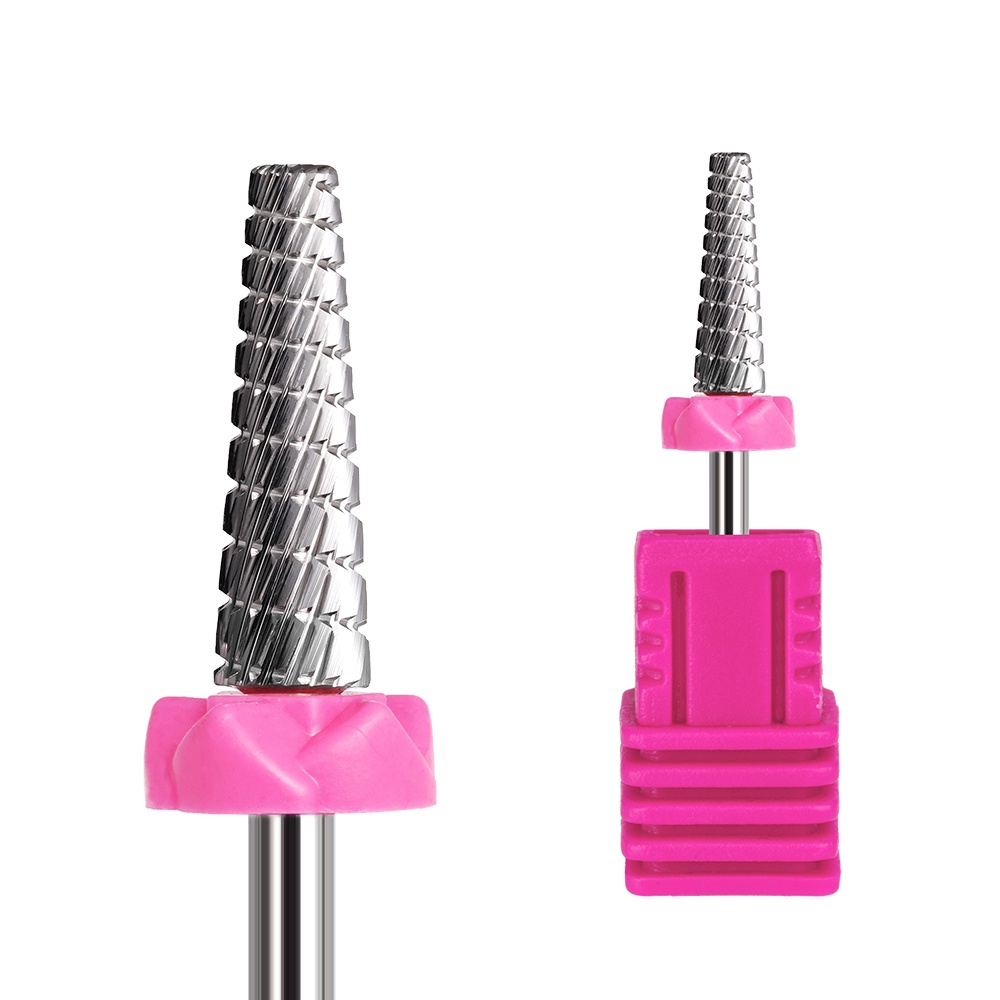
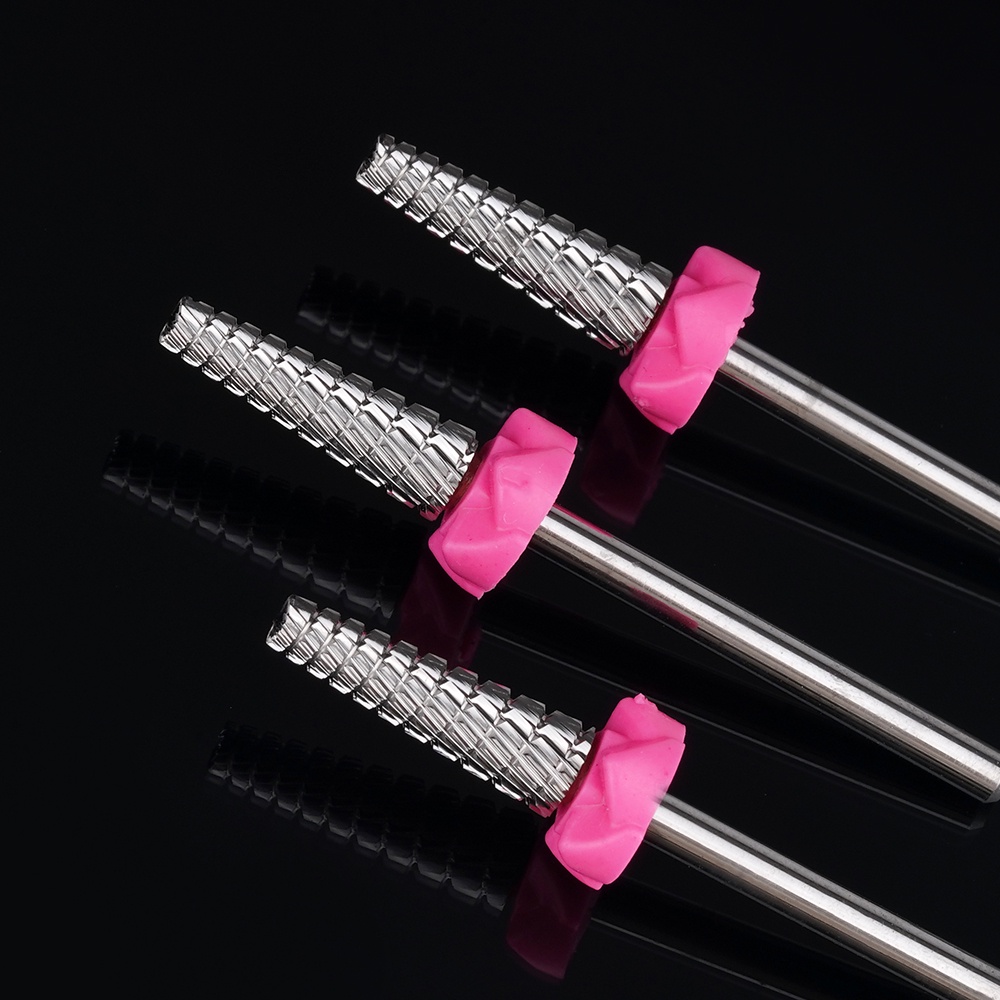
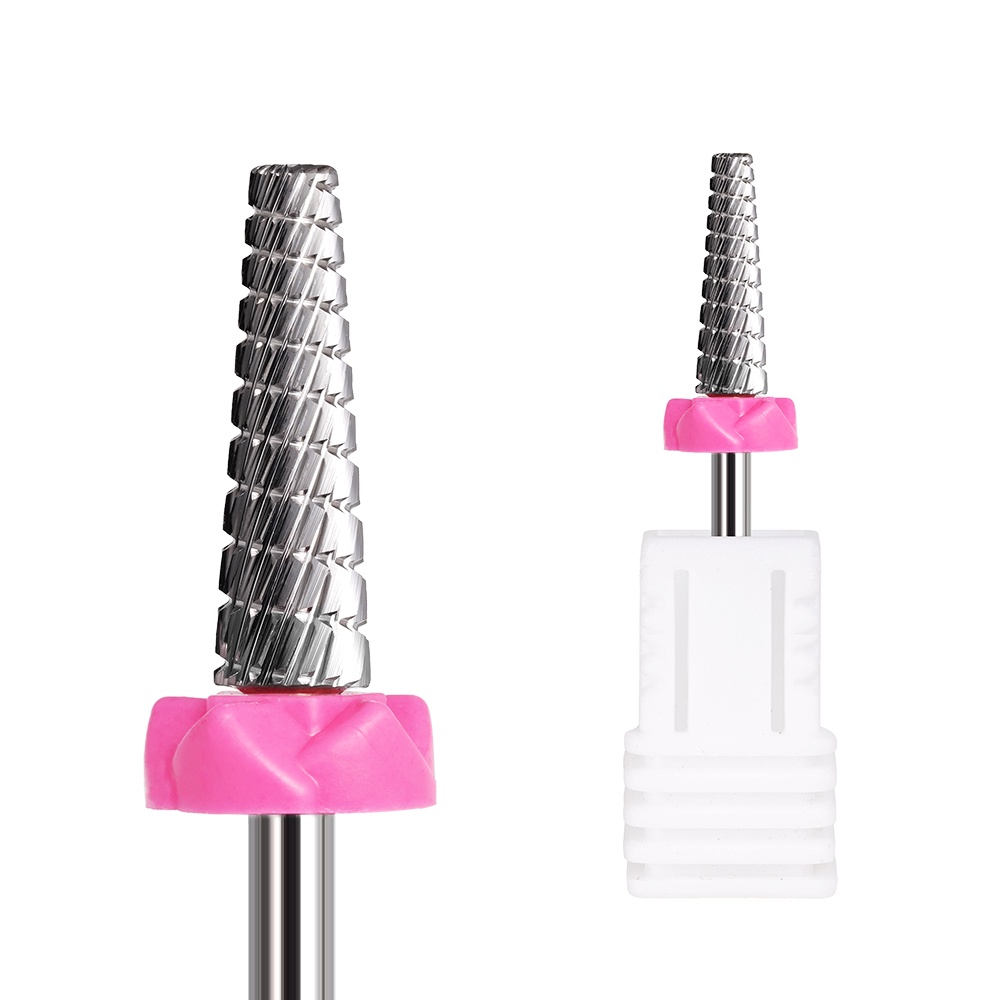
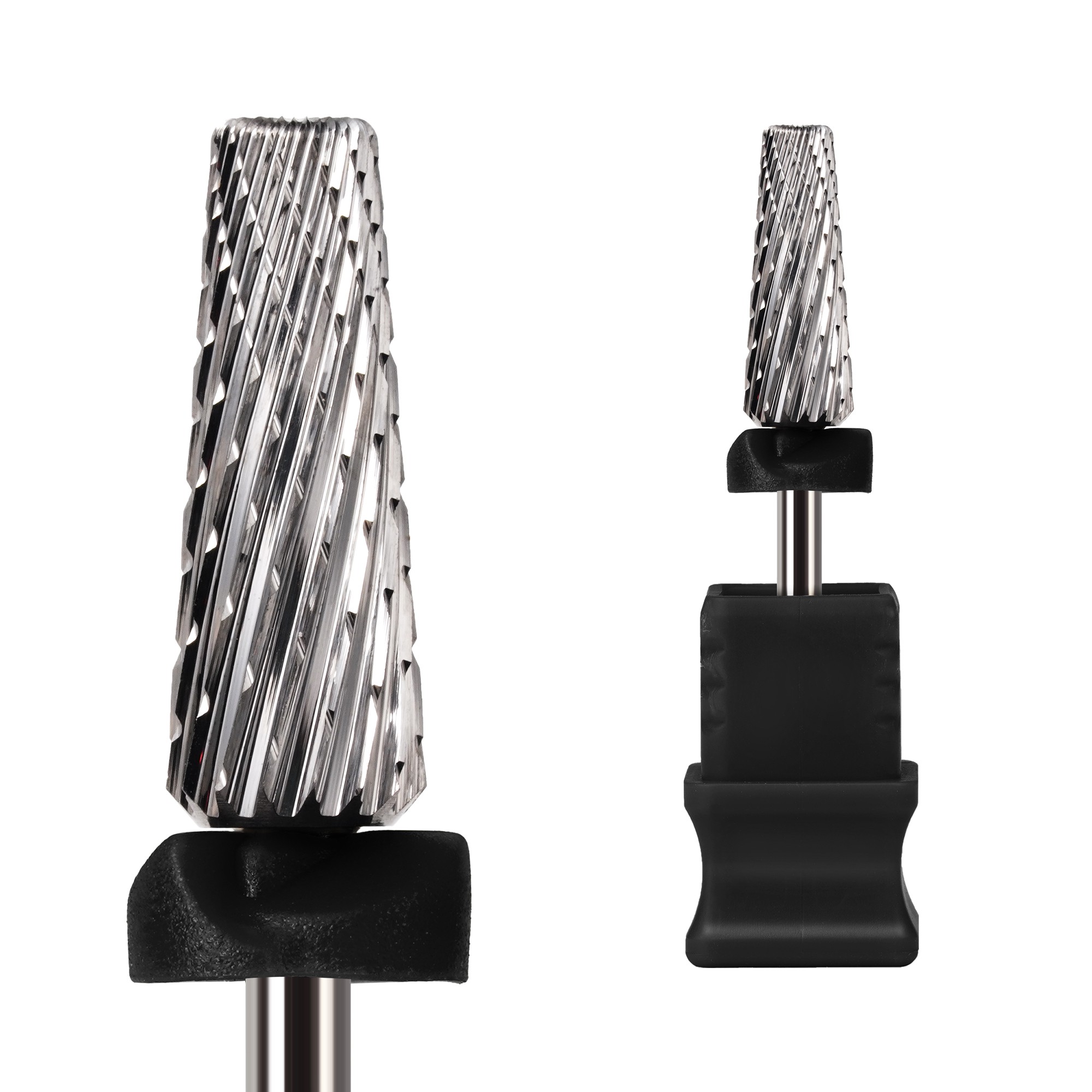
One example often referenced in this category is High Quality Carbide Nail Drill Bits Super Long 5 in 1 Electric Manicure Grinding Burr SC Barrel Tungsten Carbide Bit for Nail.
Its coarse, medium, and fine options show how one carbide nail drill bit family can support different removal stages without changing overall handling too much.
Features such as high durability, user-friendly design, and residue-free gel removal are relevant because they translate directly into steadier daily operation.
How quality control influences real use
In abrasive tools, performance starts long before the bit reaches a handpiece. Material sourcing, flute machining, balancing, and packing all affect the final result.
That is why supply background deserves attention, especially for businesses or studios that need stable product quality across repeated orders.
Wuxi Yaqin Trading Co., Ltd. focuses on high-quality abrasive products for export and serves markets including the USA, Canada, Germany, the UK, Italy, and Poland.
Its strict QC system covers raw material purchasing, production processes, and packing. ISO9001:2000 certification also signals an organized approach to consistency.
For nail tool selection, this kind of background matters because a carbide nail drill bit should not vary widely from batch to batch.
Common selection mistakes to avoid
Many removal problems are caused by mismatch rather than poor technique alone.
- Choosing only by price and ignoring flute quality.
- Using coarse grit for finishing close to the natural nail.
- Running one fixed speed for every material.
- Using a large barrel in narrow sidewall areas.
- Replacing technique with pressure instead of bit selection.
A good carbide nail drill bit should make the process easier. If it constantly feels rough, hot, or unstable, the match is probably wrong.
A practical way to make the right choice
Start with the material thickness and the stage of removal. Then choose the barrel shape that gives the best access to the working area.
After that, select grit based on how much product must come off and how close the work is to the natural nail.
If regular use includes acrylic, gel, and prep work, it may be more efficient to compare multi-purpose options rather than buying bits without a system.
The second mention worth noting is that the linked High Quality Carbide Nail Drill Bits Super Long 5 in 1 Electric Manicure Grinding Burr SC Barrel Tungsten Carbide Bit for Nail reflects this approach through varied grit choices and precise cutting design.
A clear decision standard usually includes removal speed, heat control, comfort, cleaning durability, and finish quality after repeated sessions.
When those points are reviewed together, choosing a carbide nail drill bit becomes less about guesswork and more about matching the tool to real working demands.
News List
- Is It Better to Source All Nail Drill Bits From One Factory?Aug 24, 2026
- How to Spot Fake Diamond Coating on Nail Drill BitsAug 24, 2026
- Are Silicone Nail Drill Bits Reusable After Sterilization?Aug 24, 2026
- Essential tools for manicures that make beginner work more consistentAug 24, 2026
- Which must-have items for nail technicians improve service speed mostAug 24, 2026
- How gel removal bits affect speed and heat during soak-off removalAug 24, 2026
Best-Selling Products
 Cross Cut Safety Stainless Steel Tungsten Carbide Nail Drill Bits Salon Foot Use XF-C Grit for Removing Nails
 First-rate Quality Tungsten Carbide Nail Drill Bits Best Coating Manicure Remove Gel Nails Accessories
 Professional Advanced Safety Cuticle Bits Two-Way Rotate 3/32'' Carbide Tungsten 5 in 1 Nail Drill Bits
 Wholesale 5 in 1 Electric Manicure Nail Drill Bits Various Coating Cone Cuticle Bit with Rotary Cross Cut for Nail Art
 New Slant Tooth Tungsten Steel Nail Drill Bits Dead Skin Removal 5-in-1 Universal Grinding Nail Polish Head Tool Nail Drill Bits
 4.0mm Small 5 in 1 Integrated Sharpe Tungsten Nail Drill Bit Straight Teeth Gel Polish Removal
 Flame Sharp XF F M C XC Silver Safety Professional Corn Tungsten Carbide Nail Bit for Drill Machine Accessories
 Factory Direct 5 in 1 Tungsten Carbide Nail Drill Bits 6.8MM Cross Cut Safety Manicure 5 in 1 Nail Drill Bits
Please give us a message