
All Kinds of Nail Burrs for Your Business
We customize and manufacture a wide range of products for brands or distributors in the beauty and health industry around the world.
Yaqin has launched beauty products such as nail bits, nail lamps, nail drills, sanding bands, nail files, and cuticle scissors for users with different needs.
CONTACT US TODAY
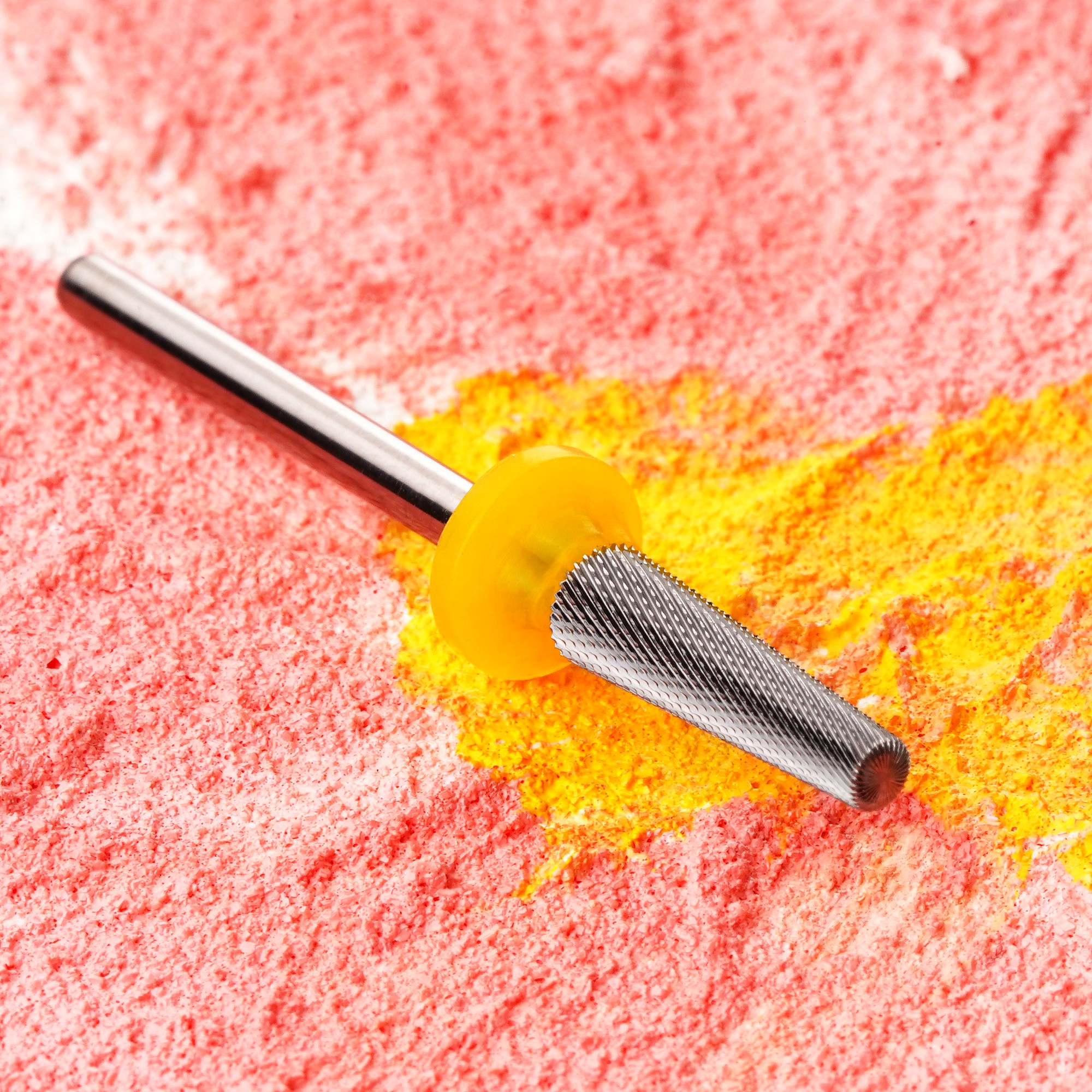
What Is A Nail Drill Bit In Professional Nail Care
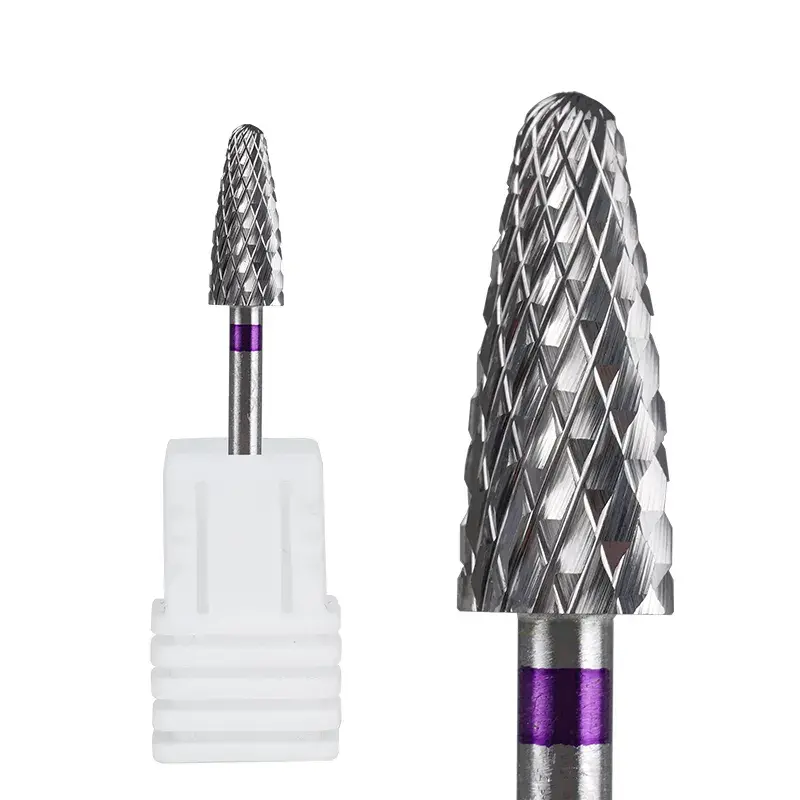
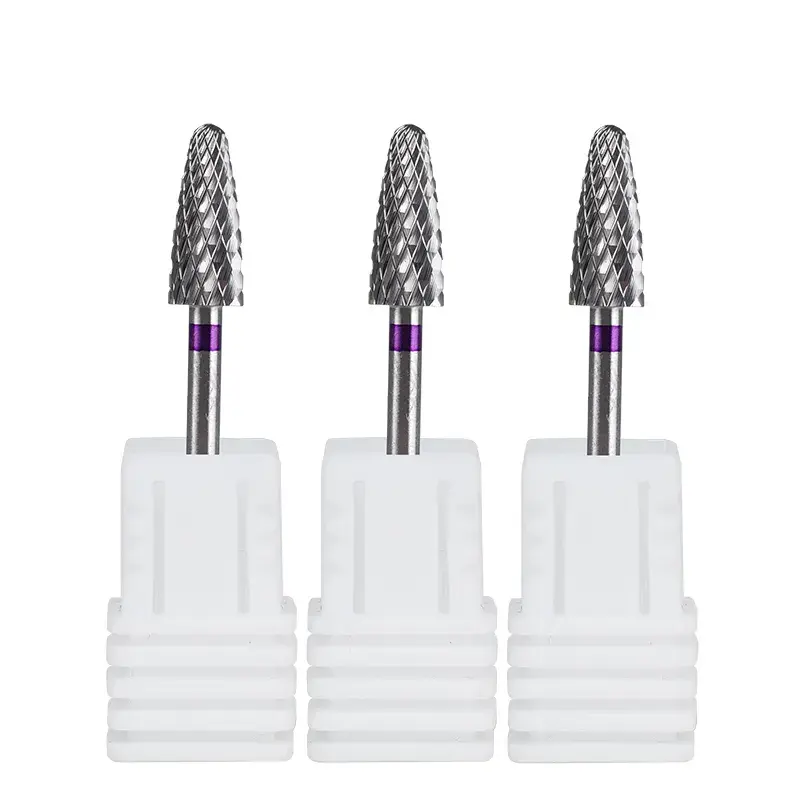
A Nail Drill Bit is the working head installed on an electric nail drill machine for shaping product, refining surfaces, cleaning cuticles, shortening length, and preparing nails for the next service step. In professional settings, the bit is not a generic accessory. Its geometry, abrasive material, flute pattern, shank fit, and grit level determine how efficiently it removes acrylic, gel, dead skin, or callused material.
Most Nail Drill Bit products in manicure and pedicure use follow practical industry conventions rather than one universal mandatory standard. Buyers usually compare 3/32 inch shank compatibility, abrasive consistency, rotational balance, corrosion resistance, heat behavior, and ease of sanitation. For salon distribution, consistency from batch to batch matters as much as initial sharpness because uneven performance creates training issues and service variability.
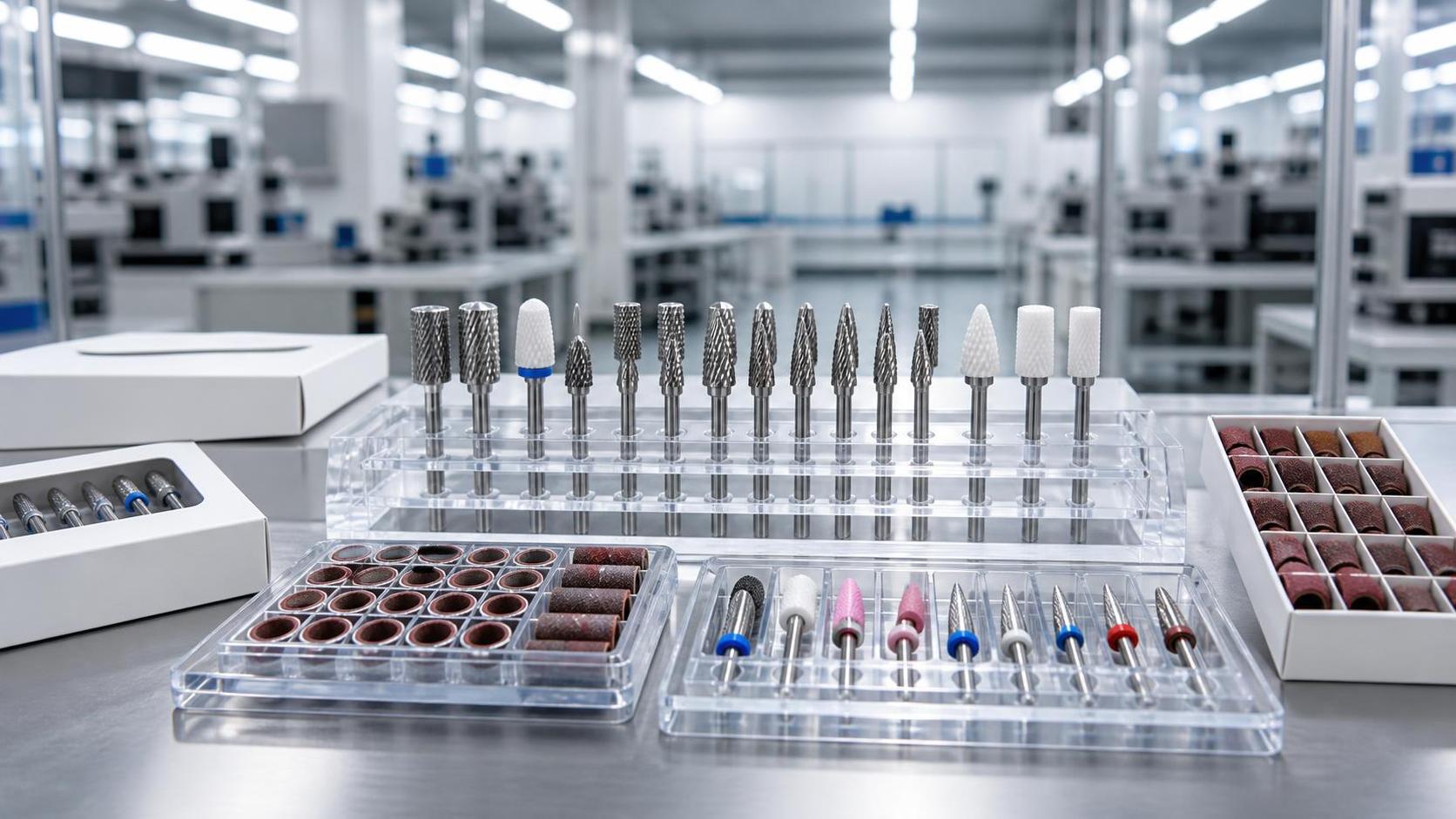
The term also covers several working categories. Carbide bits are common for bulk product removal, diamond bits for cuticle and surface preparation, ceramic bits for lower heat transfer during gel removal, and sanding bands or caps for finishing and disposable hygiene workflows. Understanding these categories helps importers and private label brands build a usable product matrix instead of purchasing isolated items.
For B2B buyers, the real value of a Nail Drill Bit lies in repeatable service results. A bit that cuts smoothly, stays balanced at high speed, and matches the intended task reduces technician fatigue, shortens treatment time, and lowers the risk of over-filing. That is why procurement decisions should start with application requirements rather than appearance alone.
How A Nail Drill Bit Works Technically
A Nail Drill Bit works by converting the rotary power of the machine into controlled abrasion or cutting action. The machine speed, hand pressure, contact angle, and bit structure interact at the same time. A carbide bit removes material through flutes that shave product away, while a diamond bit uses an abrasive surface to refine or cleanse smaller areas. Ceramic bits combine cutting grooves with lower thermal conductivity, which many technicians prefer during repeated gel services.
Heat generation is one of the most important technical considerations. Excess heat usually comes from too much pressure, a dull bit, wrong speed, poor chip evacuation, or choosing a grit that is too fine for heavy removal. A well-made Nail Drill Bit should support smooth cutting with less drag so that technicians can use lighter pressure and maintain better control.
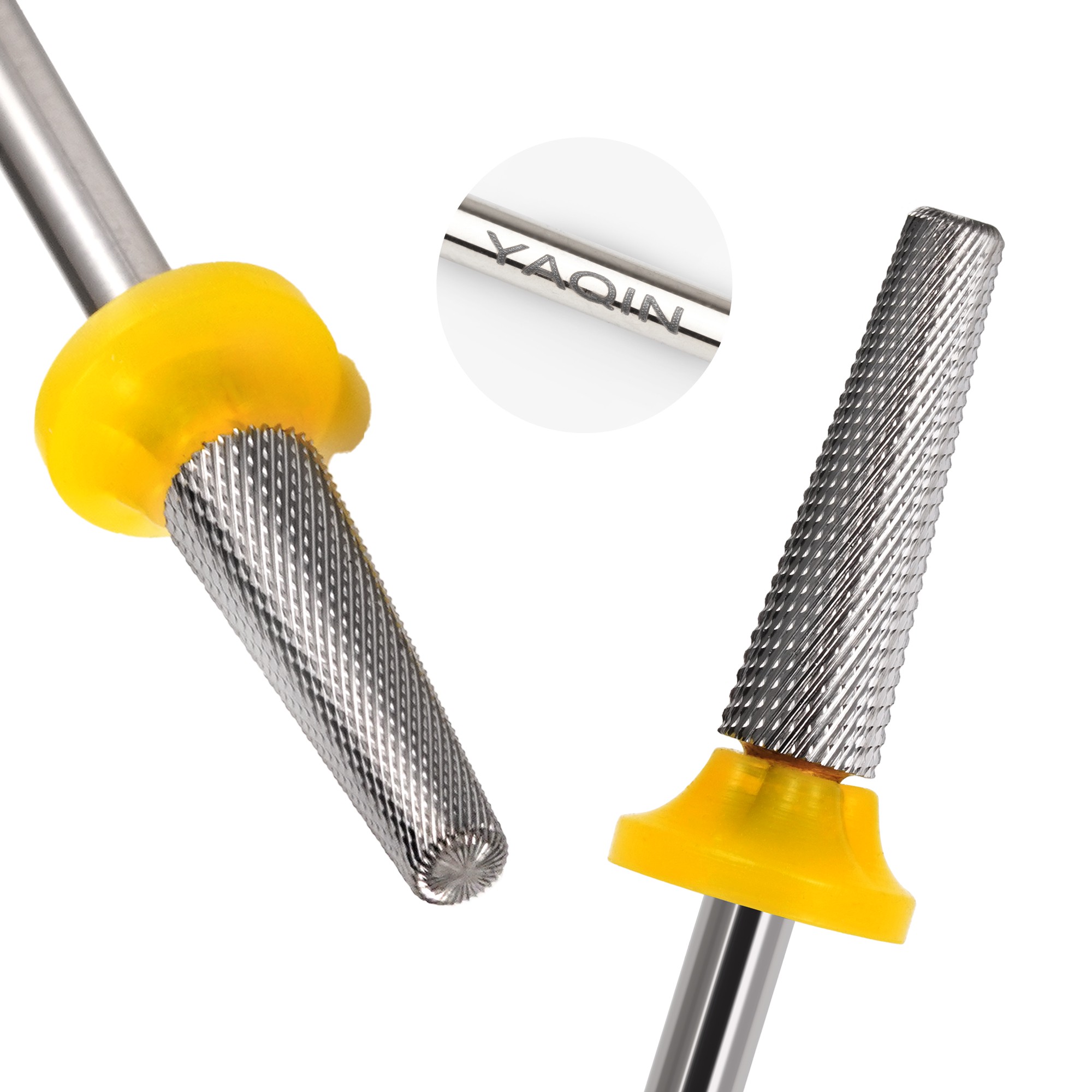
Flute pattern also changes performance. Spiral, cross-cut, and straight-cut designs affect debris discharge, smoothness, aggressiveness, and left or right hand usability. In gel and acrylic removal, the wrong flute can lead to clogging or chatter marks, while the right pattern improves material evacuation and leaves a cleaner finish before refining.
Rotation direction matters in global markets because many salons expect two-way use. A two-way Nail Drill Bit can support forward and reverse operation, which is useful in mixed technician teams. For distributors supplying schools or chains, this feature simplifies training and inventory management because one stock item covers more working styles.
Main Types By Material Shape And Grit
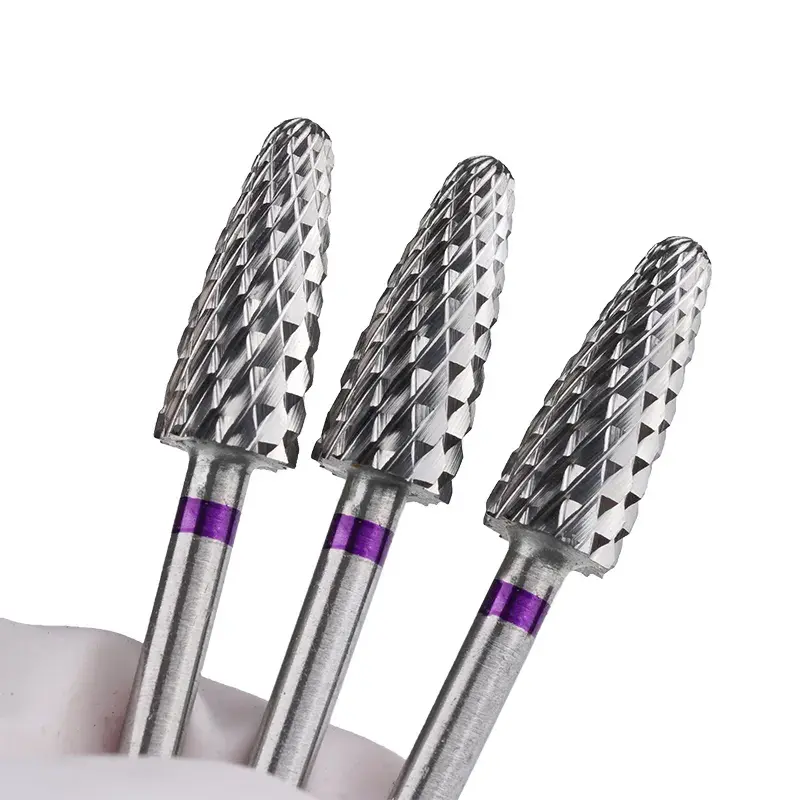
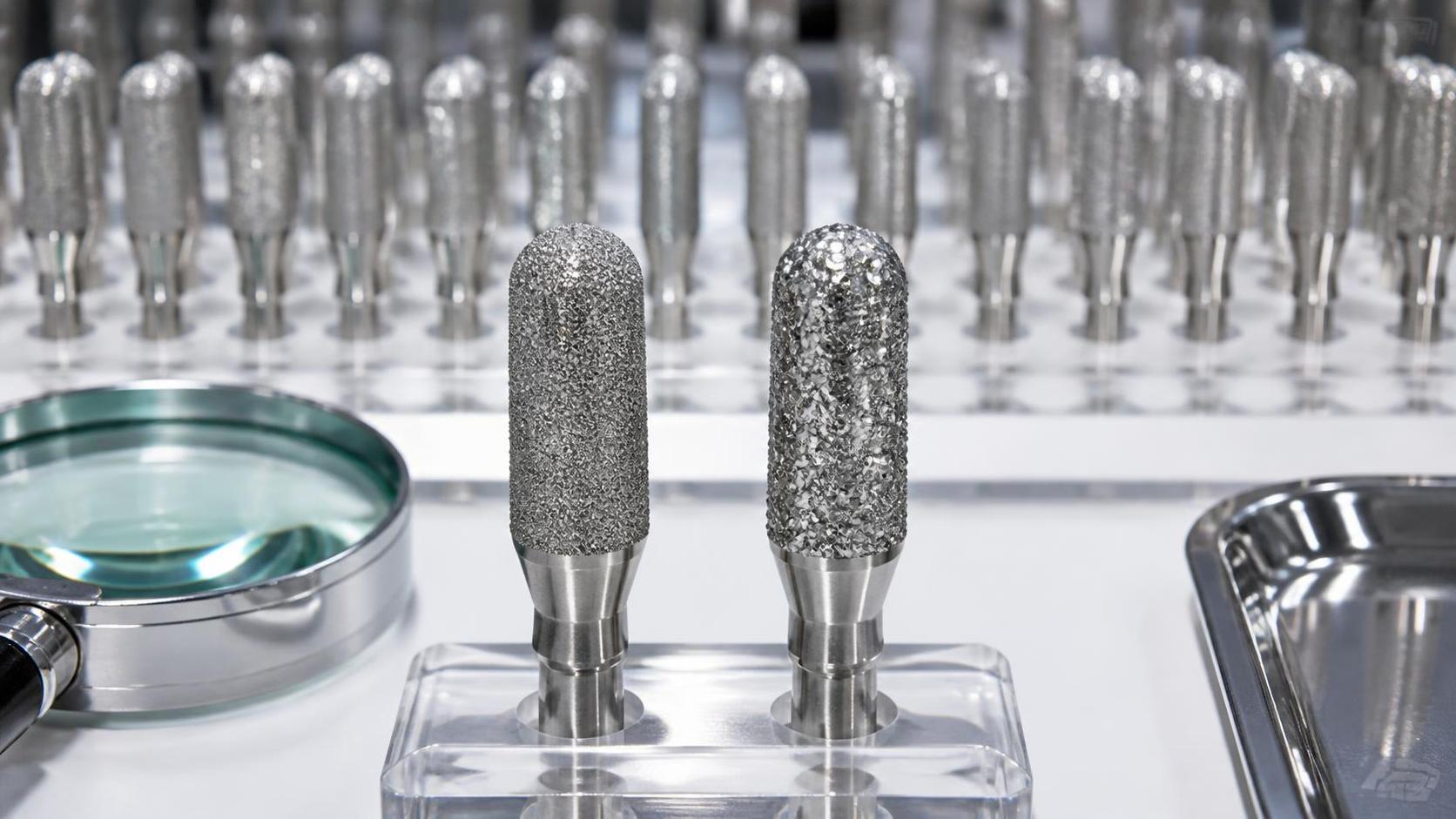
Material is the first filter. Tungsten carbide Nail Drill Bit models are widely chosen for fast removal of acrylic, hard gel, and overlays because they cut efficiently and have long service life. Diamond Nail Drill Bit options are common for cuticle work, sidewalls, and detailed surface preparation. Ceramic Nail Drill Bit products are often selected for smoother heat behavior during gel removal. Sanding bands and sanding caps serve disposable finishing and prep tasks.
Shape is the second filter. Barrel and safety barrel shapes support large surface work, cone and tapered barrel shapes improve access near the cuticle zone, flame and needle shapes help with detail cleaning, and corn or bullet styles are often used for efficient product breakdown. Reference products such as 5 in 1 carbide bits, corn bullet shapes, and flame diamond bits reflect how shape and task are closely linked in professional purchasing decisions.
Grit is the third filter. Extra fine and fine grits are typically used for finishing, natural nail preparation, and delicate cuticle refinement. Medium grits balance removal and control for general salon work. Coarse and extra coarse grits are more suitable for heavy enhancement removal and should be handled by trained technicians. The right grit selection protects the natural nail and reduces unnecessary passes.
Coatings and surface finishes can add further differentiation. Rainbow coating, gold tone finishes, or other treated surfaces may improve corrosion resistance or market appeal, but buyers should still evaluate core cutting consistency first. In wholesale programs, the best assortment often combines several shapes, 3 to 5 grit options, and material categories so salons can cover prep, removal, shaping, and finishing without gaps.
Who Uses Nail Drill Bits And In Which Scenarios
The main users of a Nail Drill Bit include professional nail technicians, salon chains, nail academies, distributors, e-commerce beauty brands, and importers building private label ranges. Each group evaluates the product from a different angle. Technicians focus on handling and comfort, salon managers on service speed and hygiene, while distributors care about assortment logic, low complaint rates, and packaging readiness for their local markets.
In manicure services, common scenarios include removing gel polish, debulking hard gel or acrylic, cleaning around the cuticle area, refining apex structure, and smoothing the underside of extensions. In pedicure services, certain bits are selected for callused skin management or detailed cleaning, though usage must align with local regulations, technician training, and intended cosmetic application.
Case-based demand patterns show how application drives purchasing. Professional salon chains in the United States and Russia have sourced 5 in 1 tungsten steel grinding heads and diamond pre-treatment heads for gel removal, cuticle cleaning, and nail shaping in high-frequency dry polishing services. European distributors in Germany, the UK, and Italy have purchased sanding rings, ceramic bits, and nail machine sets for supply to local salons and independent technicians.
Retail-service hybrid buyers also exist. In the Dominican Republic, ORIENTAL NAILS & BEAUTY sourced rainbow-coated diamond grinding heads, nail lamps, and related products for both salon use and retail sale. This type of account usually values visual differentiation, stable replenishment, and a product mix that supports entry-level and professional users at the same time.
How To Choose The Right Nail Drill Bit
Choosing the right Nail Drill Bit starts with the service menu. Buyers should first map tasks such as gel polish removal, hard gel debulking, acrylic reshaping, cuticle cleaning, and finishing. Then match each task with the correct material, shape, and grit. This method is more reliable than selecting by appearance or copying a competitor assortment because it reflects actual workflow and reduces duplicated stock.
The second step is to evaluate machine compatibility and technician skill level. Standard 3/32 inch shanks are common, but balance quality and fit precision still matter. For beginner-oriented lines, safer geometries such as rounded top barrels and moderate grit options reduce handling risk. For high-volume salons, two-way carbide bits and ceramic removers can improve operational flexibility across multiple technicians.
The third step is to check sanitation, durability, and quality control. Buyers should ask how the bits are inspected, how raw materials are controlled, and whether the abrasive or cutting surface remains consistent after repeated use and cleaning. Yaqin positions itself around tungsten carbide, diamond, ceramic, and abrasive accessories with a full range of shapes and grits, supported by ISO9001:2000 quality management and inspection from raw material to packing.
The fourth step is assortment planning. A strong commercial range usually includes one or two hero removal bits, several cuticle and prep bits, disposable sanding items, and compatible nail drill machines. Buyers that need branding support should also consider OEM, ODM, private label packaging, and localized labeling so the Nail Drill Bit range is easier to launch in salons, education channels, or online wholesale catalogs.
Safe Use Maintenance And Replacement Timing
Safe use is a performance issue as well as a compliance issue. A Nail Drill Bit should be used with controlled speed, light pressure, and continuous motion. Holding the bit in one place or using an overly coarse grit on natural nails can create heat spikes, rings of fire, or unnecessary thinning. Training should cover task-specific RPM ranges, hand positioning, and the difference between product removal and natural nail refining.
Cleaning and disinfection routines extend service life and help maintain predictable results. After each use, debris should be removed thoroughly from flutes or abrasive surfaces before sanitation according to the salon's procedure and local hygiene requirements. Poor cleaning causes clogging, rough cutting, and faster wear. For distributors selling into professional channels, care instructions should be part of the product documentation.
Replacement timing depends on workload, material type, cleaning method, and technician habits. Signs that a Nail Drill Bit should be replaced include reduced cutting efficiency, visible wear, vibration, corrosion, or increased heat during normal use. In high-frequency salons, tracking usage by service count or time period is more effective than replacing only after obvious failure because performance often declines gradually.
Buyers should also think about risk segmentation. Diamond prep bits and sanding bands may rotate through inventory differently from heavy-duty carbide removal bits. A practical purchasing plan separates consumables, medium-life items, and long-life items so reorder cycles remain stable and technicians always have the right tool rather than overusing a worn substitute.
Manufacturing Quality Control And Brand Value
The quality of a Nail Drill Bit is created long before it reaches a salon. Material selection affects hardness, wear resistance, thermal behavior, and surface finish. Machining precision affects flute sharpness and balance. Bonding or coating quality affects abrasive retention and corrosion behavior. Packaging also matters because weak packing can damage cutting edges or create confusion between grit levels during transit and warehousing.
From a buyer perspective, process discipline is often the difference between a sample that performs well and a mass order that stays consistent. A controlled flow usually includes raw material inspection, forming or machining, surface treatment, grinding or abrasive application, balance checks, appearance inspection, cleaning, and final packing review. This structure reduces complaint risks tied to wobble, inconsistent grit, or poor finishing.
Yaqin's market positioning is relevant here because it combines factory-direct supply with a broad bit portfolio and customization support. Its offering covers tungsten carbide nail drill bits, diamond nail bits, ceramic nail bits, sanding bands, sanding caps, and nail drill machines, with OEM, ODM, and private label options. For distributors that need one supplier across multiple SKUs, this can simplify sourcing and reduce coordination cost.
Trust signals should still be evaluated realistically. Yaqin cites ISO9001:2000 certification, exports to 42 countries, and long-term cooperation with global distributors. For procurement teams, those points are most useful when combined with practical checks such as specification sheets, sample testing, packaging review, and communication speed on customization or replenishment planning.
Total Cost Of Ownership And 2026 Market Trends
The total cost of ownership of a Nail Drill Bit is broader than unit price. Buyers should calculate cutting life, service speed, training burden, breakage rate, sanitation workload, packaging suitability, and complaint risk. A lower-cost bit that wears quickly or runs hot may increase labor time and replacement frequency, making it more expensive over a quarter than a better-engineered bit with a higher initial price.
For private label importers, TCO also includes mold or artwork setup, minimum order quantity, packaging changes, quality inspection, and inventory turnover. A consolidated supplier with multiple materials and shapes can reduce logistics complexity, especially when combining bits, sanding accessories, and nail drill machines in one order. That is often valuable for launch-stage brands and regional distributors managing limited warehouse space.
Looking toward 2026, several trends are shaping the Nail Drill Bit category. Buyers are showing stronger interest in heat-conscious materials, multi-purpose 5 in 1 designs, two-way compatibility, salon-ready kit combinations, and cleaner assortment storytelling around shapes and flute patterns. Educational content is also becoming a selling tool, as technicians want clearer guidance on cuticle work, gel exfoliation, and bit lifespan in high-frequency service.
The most resilient strategy is to build a range around real applications, verified quality consistency, and support for customization. Whether the goal is wholesale distribution, salon chain supply, or a branded professional line, the right Nail Drill Bit program should improve service efficiency, protect user safety, and create repeat purchasing through dependable performance rather than short-term price alone.
 What makes a reliable nail drill bit manufacturer for salon brandsNail Drill Bit Manufacturer selection shapes salon quality, safety, and repeat orders. Learn how to assess materials, machining, QC, OEM support, and export reliability before you buy.
 Is It Better to Source All Nail Drill Bits From One Factory?Is it better to source all nail bits from one factory? Discover the key benefits, risks, and buyer checklist to improve quality control, cut costs, and scale your nail brand with confidence.
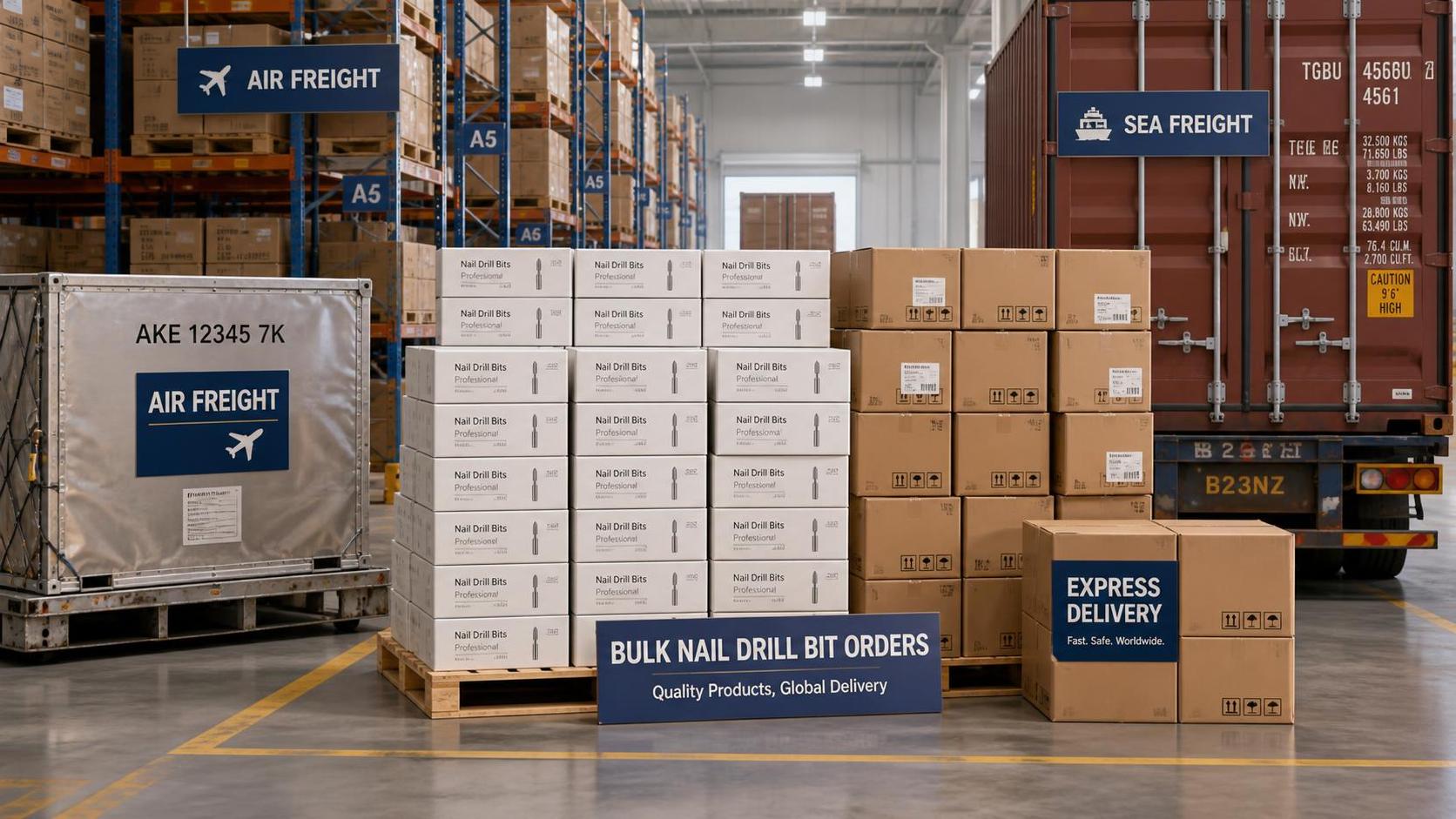
 What Shipping Options Are Available for Bulk Nail Drill Bit Orders?What shipping options for bulk nail drill bit orders work best? Compare air, sea, express, and multimodal freight to reduce cost, avoid delays, and protect inventory.
 How to Spot Fake Diamond Coating on Nail Drill BitsHow to spot fake diamond coating on nail drill bits: learn the key signs of poor grit, fast wear, and weak performance before you buy. Avoid low-quality bits and choose reliable suppliers with confidence.
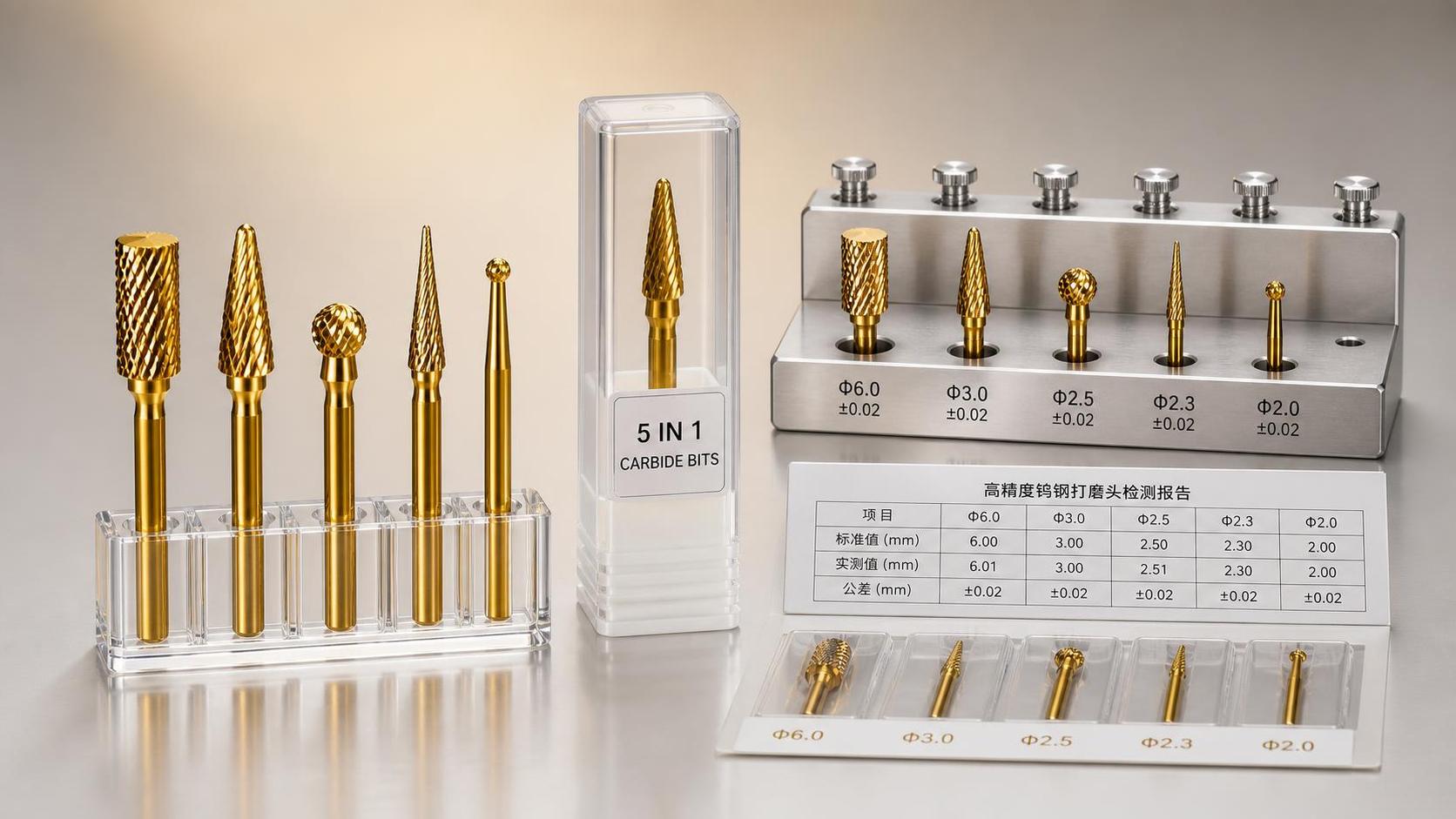
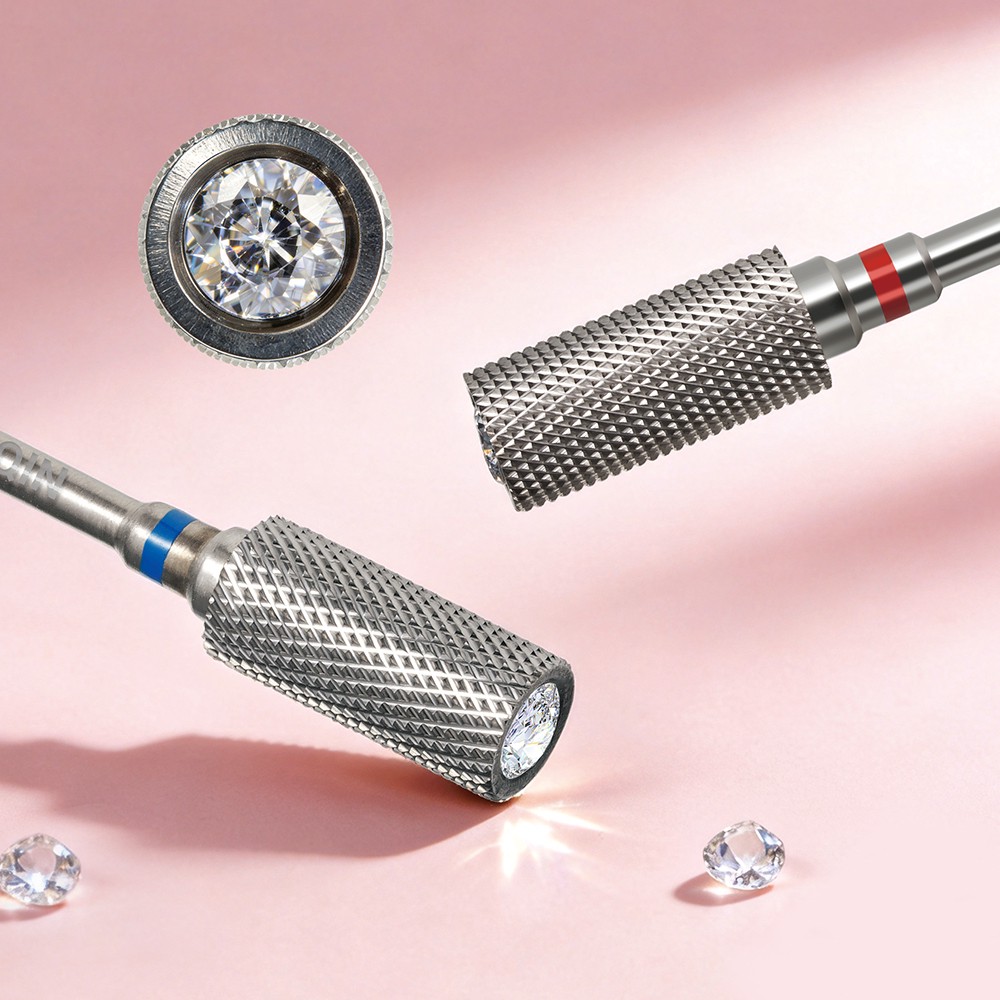
 5.0mm Corn Bullet Shape Universal Carbide Cuticle Dc Nail BitsElectric Tungsten Carbide Nail Drill Bits – Universal Drill Bit Tool for Nail Salons
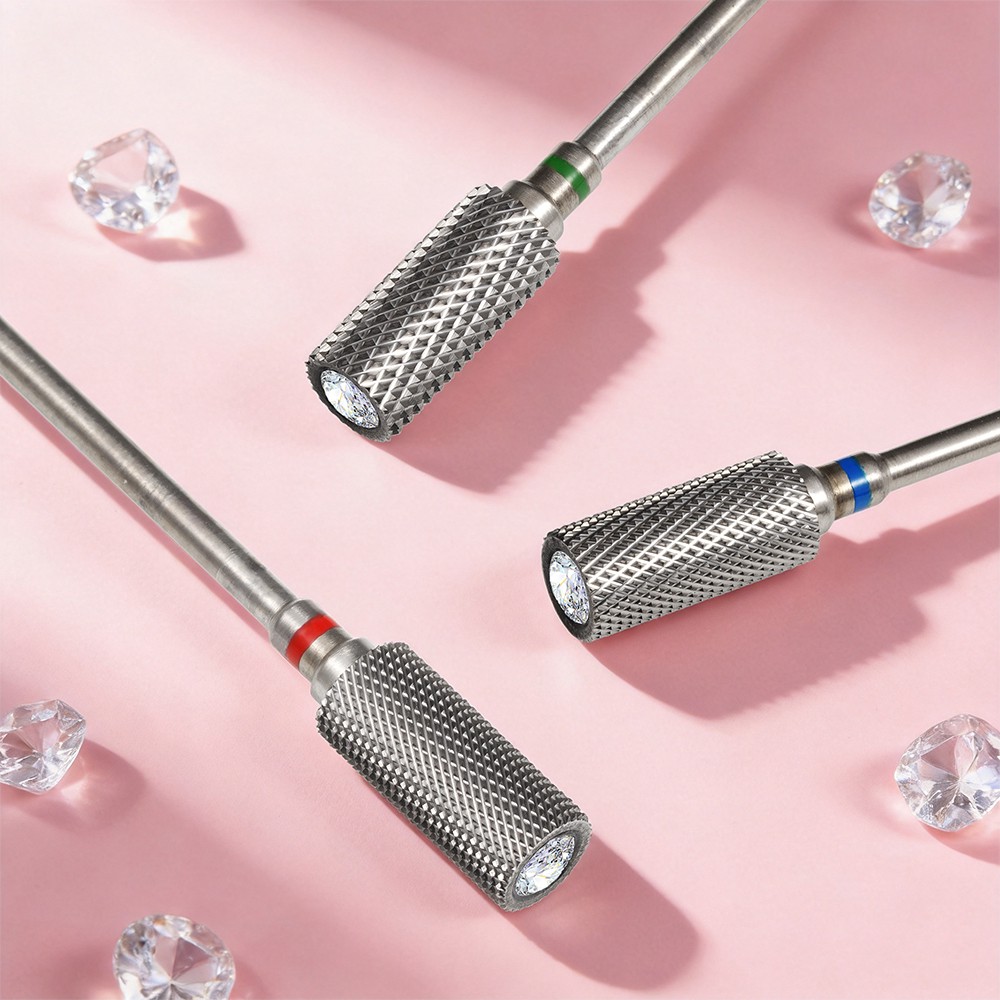
Enhance your nail salon experience with our Electric Tungsten Carbide Nail Drill Bits, specifically designed for the efficient removal of gel polish, acrylics, and other nail enhancements. Our precision-engineered bits ensure a safe and effective nail care routine for both seasoned professionals and newcomers alike. Nail Supplier Manicure Art Carbide Drill Bits Set Sharp 5XC Nail Drill Bit Tungsten Drill Bits for Nail Gel Cuticle Take OffIntroducing our Tungsten Steel Nail Drill Bits – the ultimate solution for quick and safe gel removal. Designed specifically for nail professionals and beginners alike, these bits ensure a smooth and efficient nail prep process without harming your natural nails.
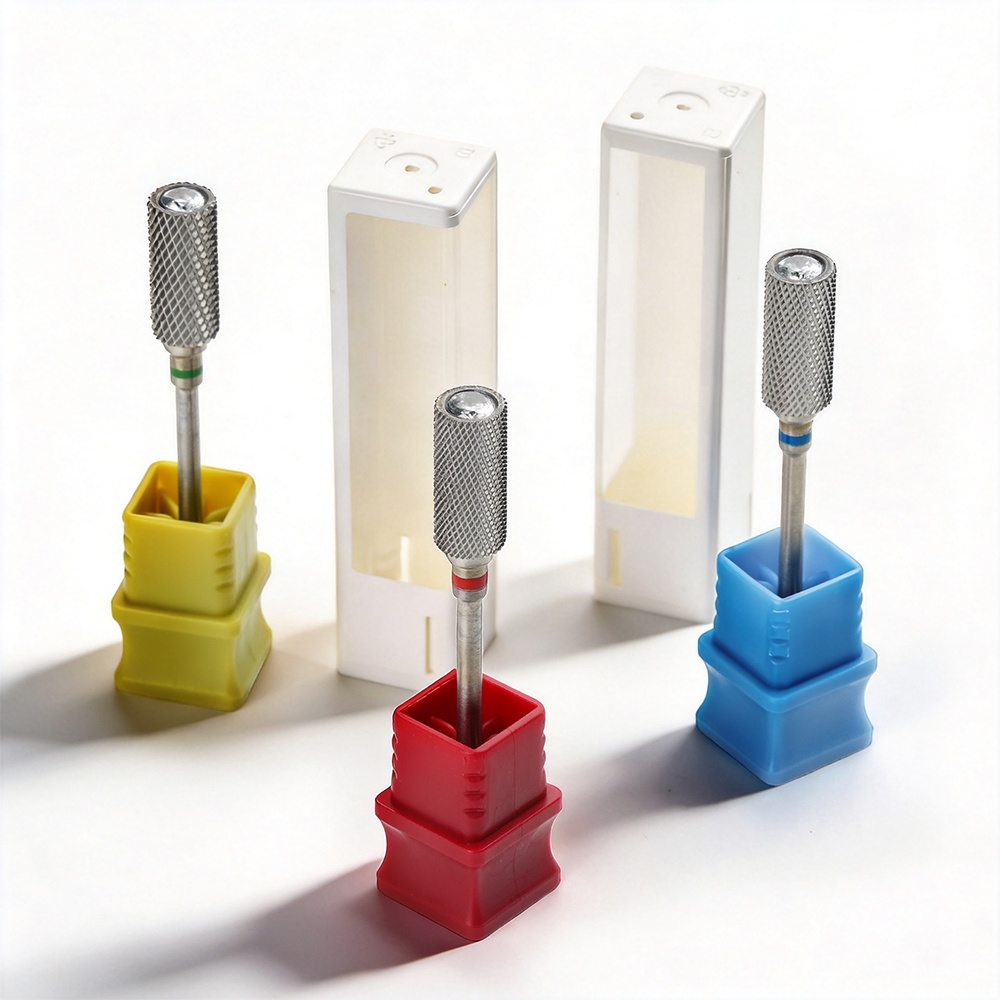
 5 in 1 Tungsten Carbide Nail Drill Bits Cross Cut Safety Manicure 5 in 1 Bit SetIntroducing our Tungsten Steel Nail Drill Bits – the ultimate solution for quick and safe gel removal. Designed specifically for nail professionals and beginners alike, these bits ensure a smooth and efficient nail prep process without harming your natural nails.
 Nail Drill Bit Factory carbide nail drill bits Tungsten Carbide Nail Drill BitIntroducing our Tungsten Steel Nail Drill Bits – the ultimate solution for quick and safe gel removal. Designed specifically for nail professionals and beginners alike, these bits ensure a smooth and efficient nail prep process without harming your natural nails.
Please give us a message