
Carbide Nail Drill Bits vs Ceramic: Which Lasts Longer in Salon Use
Carbide Nail Drill Bits vs Ceramic: Which Lasts Longer in Salon Use
Carbide nail drill bits or ceramic: what really lasts longer?

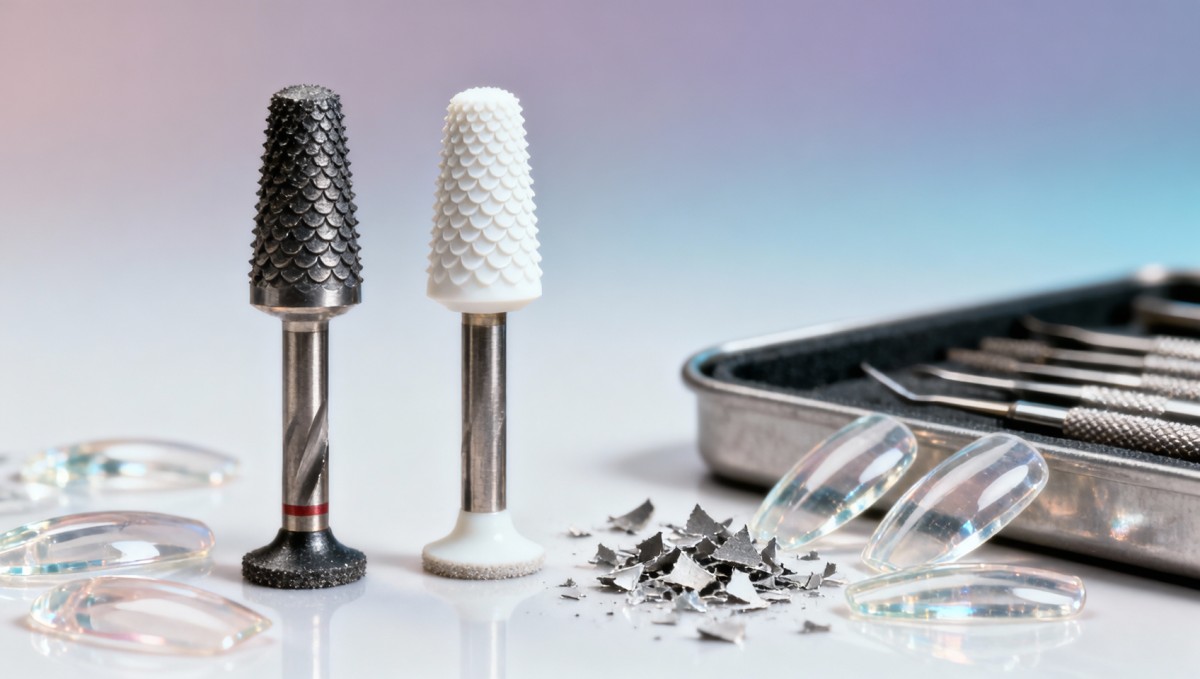
In salon work, lifespan is rarely about one material alone. It depends on pressure, speed, coating removal volume, cleaning habits, and bit geometry.
That said, carbide nail drill bits usually outlast ceramic in high-frequency acrylic and hard gel removal.
The reason is simple. Tungsten carbide has higher wear resistance and keeps its cutting edges sharper for longer under repeated friction.
Ceramic bits still have clear strengths. They often run cooler, feel smoother, and are preferred for lighter touch services or clients sensitive to heat.
But when the question is strict service life in busy salon conditions, carbide nail drill bits usually lead.
This matters because bit replacement affects finishing consistency, downtime, sanitation routines, and total tool cost over time.
In real evaluations, the better question is not only “Which lasts longer?” It is also “Which lasts longer for the work you do every day?”
Why do carbide nail drill bits usually stay effective longer in acrylic removal?
Acrylic removal is one of the hardest daily tests for any bit. The bit must cut efficiently without glazing, skipping, or losing tooth definition.
Carbide nail drill bits perform well here because their cutting structure resists edge rounding better than ceramic under constant commercial use.
Once a ceramic bit starts wearing down, removal speed often drops first. Technicians compensate with more pressure, which can increase heat and fatigue.
With carbide, the cutting action stays more predictable. That helps maintain even product reduction across repeated appointments.
Bit design also matters. A tapered shape can improve access around sidewalls and apex transitions while keeping control during bulk removal.
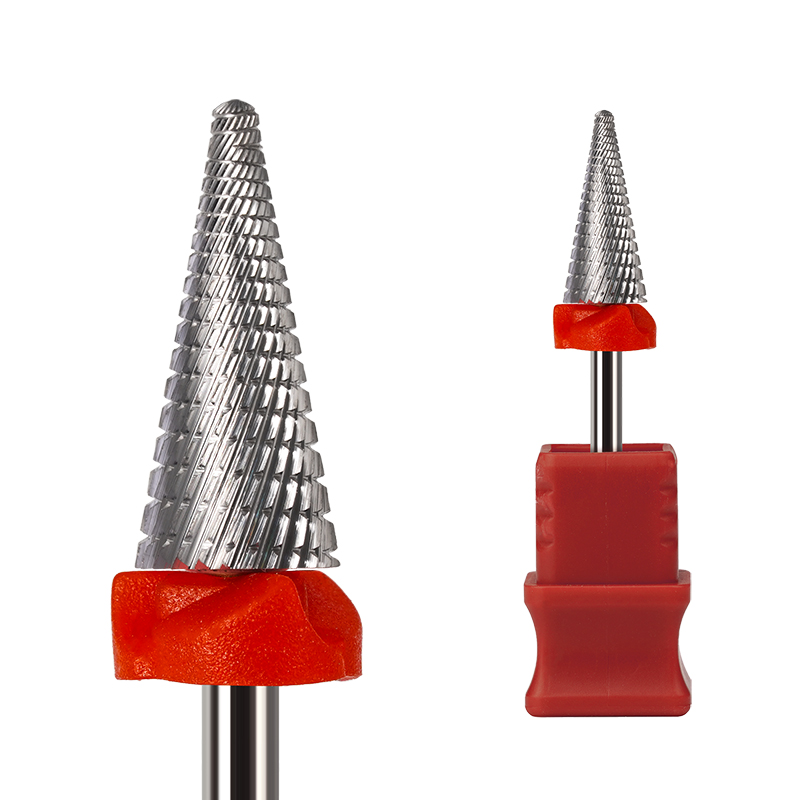
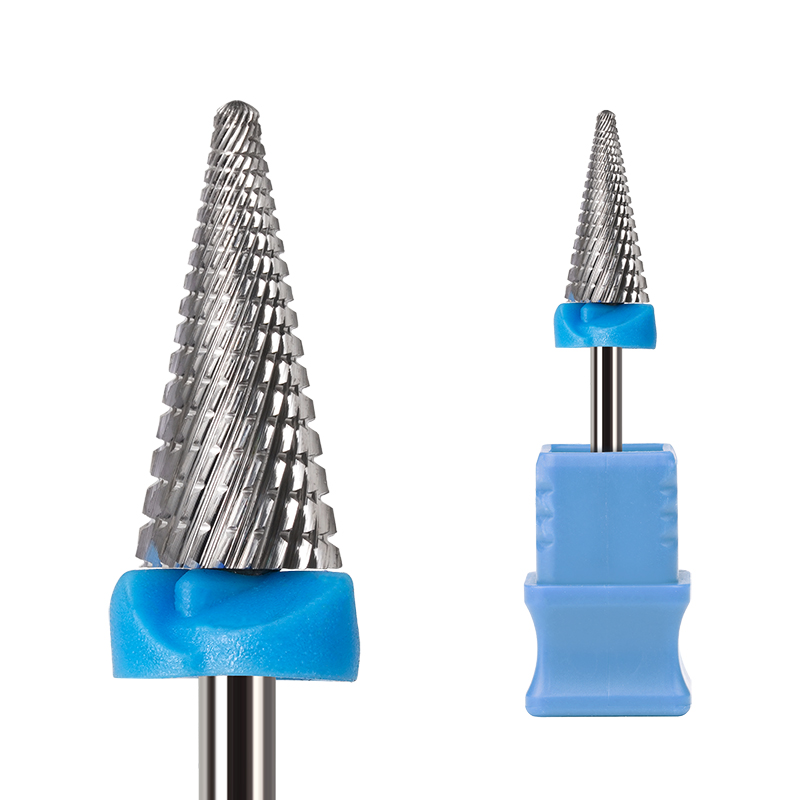
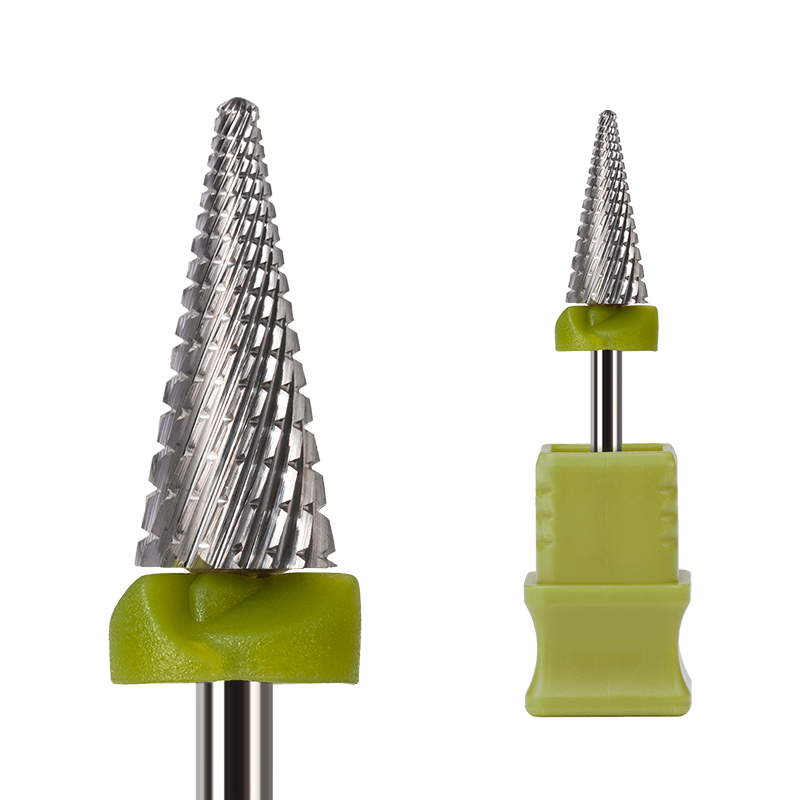
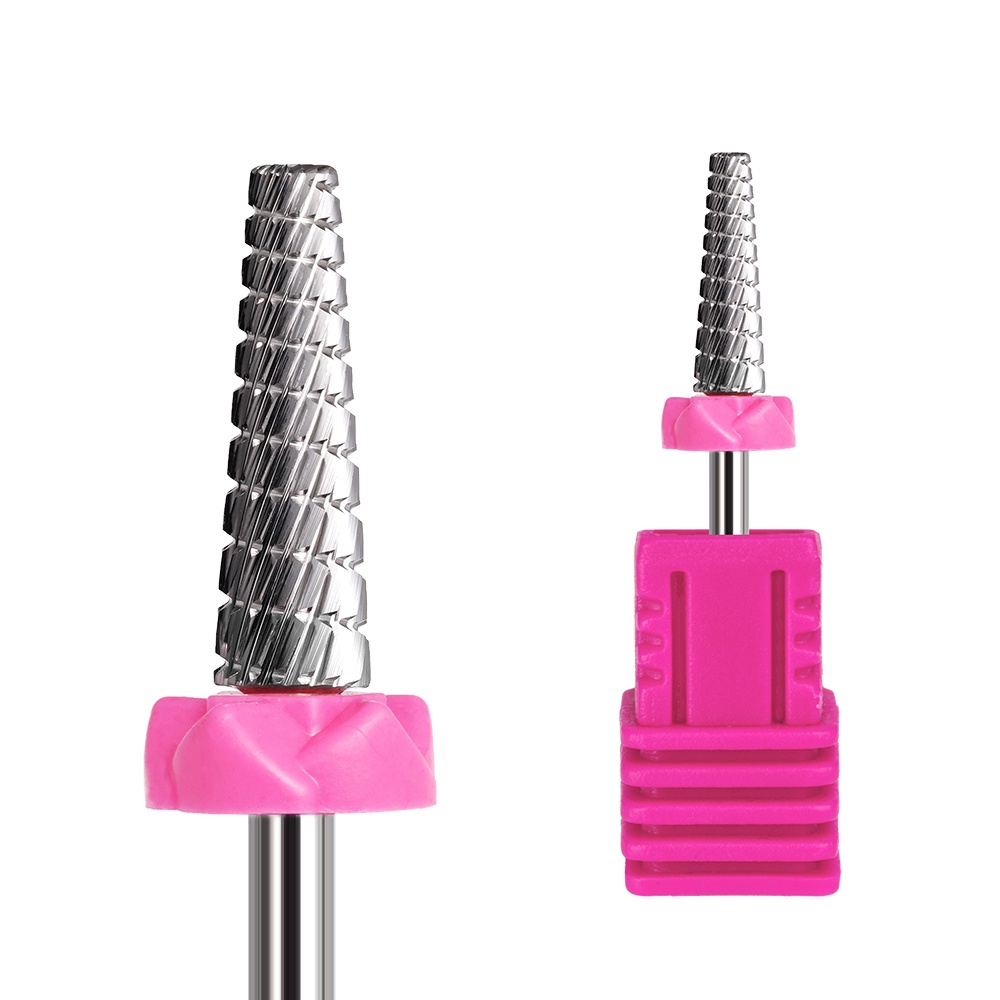
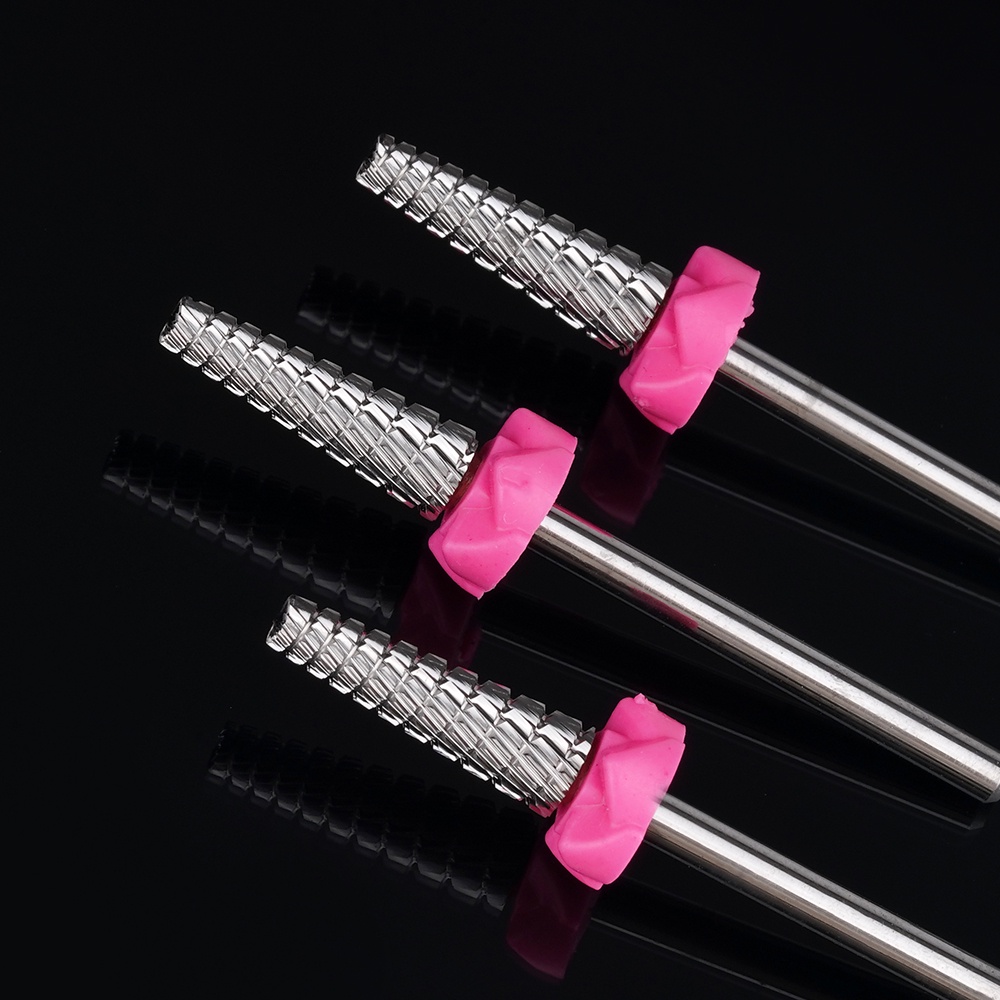
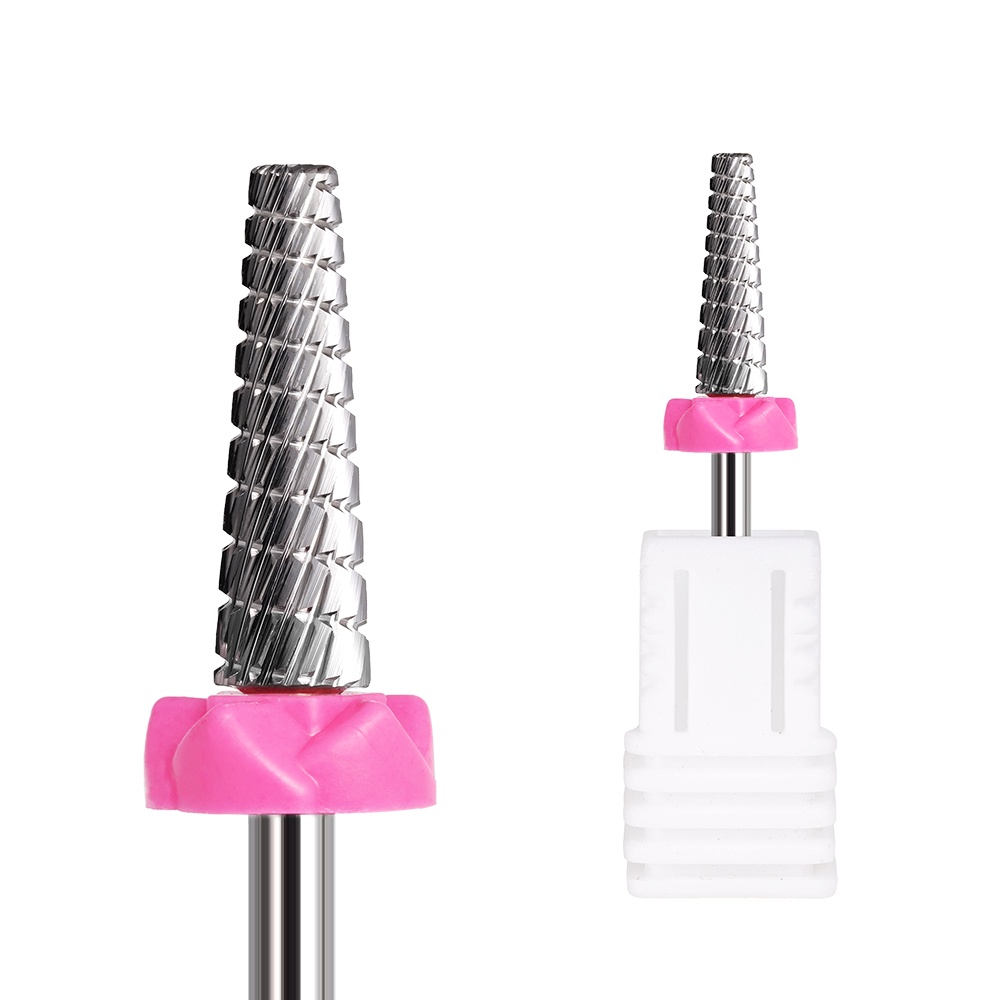
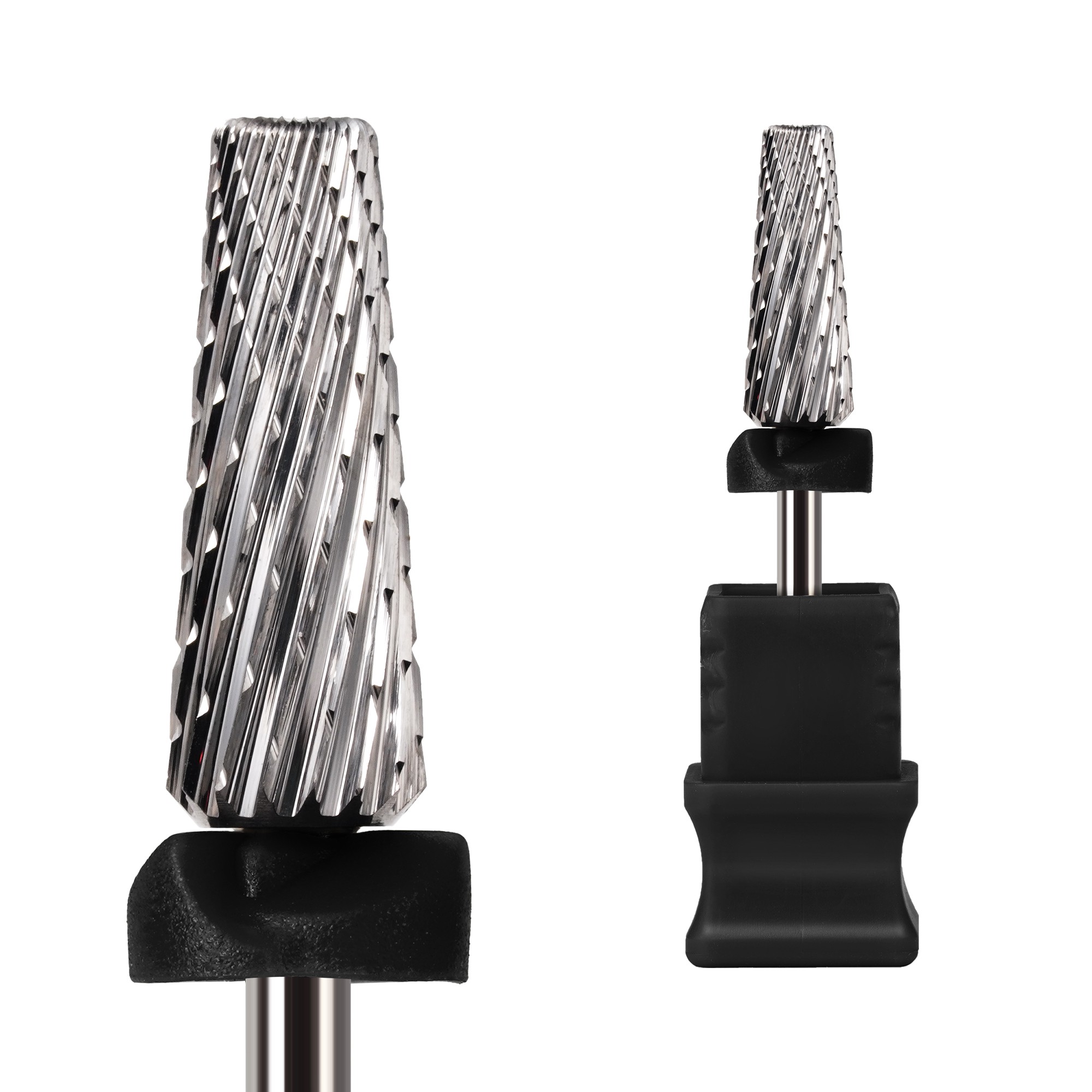
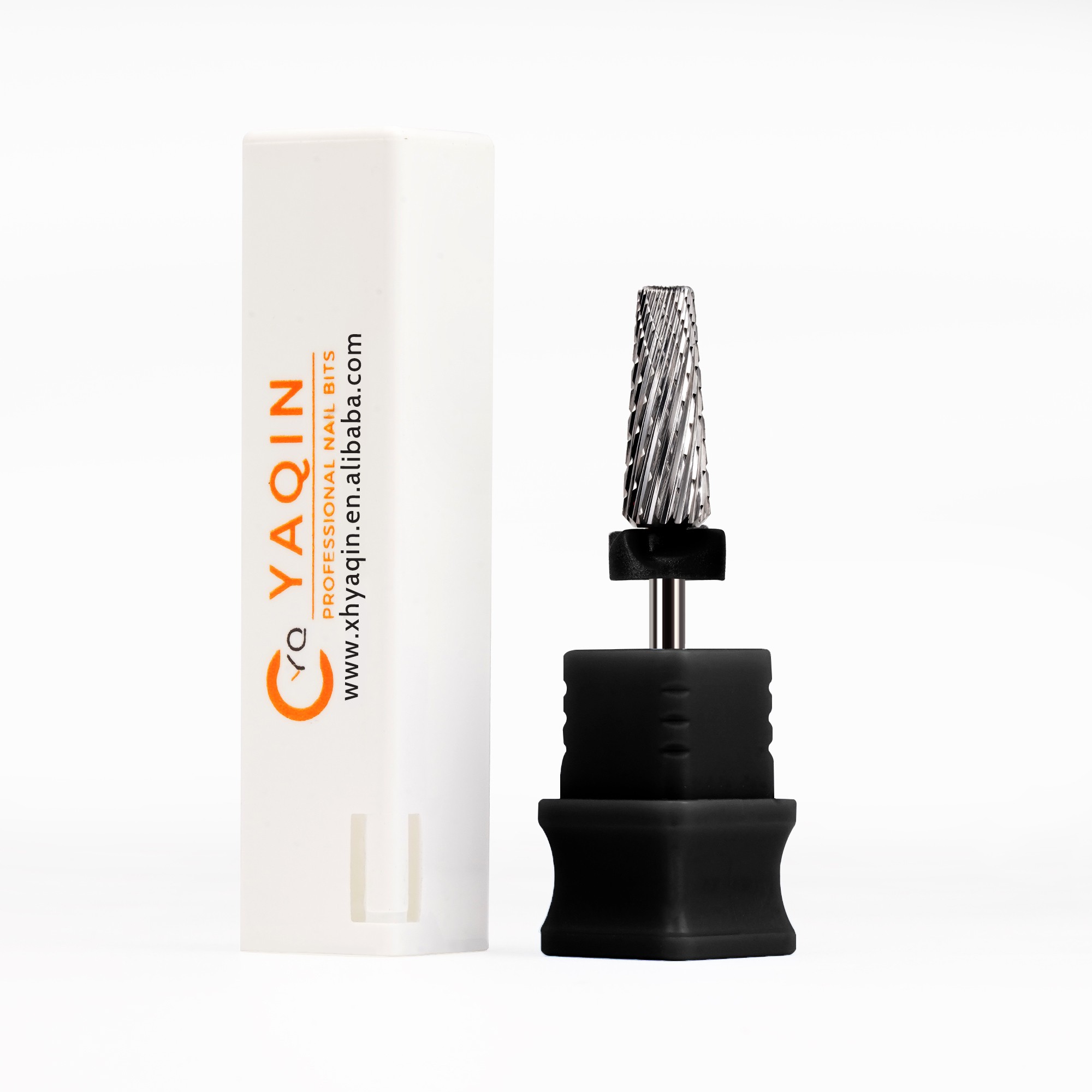
For example, a well-made tapered carbide model with fish scale teeth can eject debris directionally and reduce clogging during fast passes.
That is one reason some professionals compare options like Upgrade Tapered Bit Tungsten Carbide Nail Drill Bit Quick Remove Nail Acrylic when judging long-term salon wear.
Does ceramic still make sense if heat control is the priority?
Yes, often it does. Ceramic bits are commonly chosen because they can feel cooler during use, especially in controlled refinement work.
Their lower heat perception is helpful for nervous clients, natural nail prep, or situations where only light surface reduction is needed.
Still, cooler does not always mean longer lasting. Heat control and lifespan are related, but they are not the same performance category.
In practice, ceramic may chip if dropped. Carbide is also not damage-proof, but ceramic tends to be more vulnerable to accidental impact.
That point matters in busy stations where tools are changed quickly, cleaned frequently, and handled by multiple staff members.
So if your workflow emphasizes gentler finishing, ceramic remains useful. If continuous removal volume is high, carbide nail drill bits usually hold their edge longer.
What affects lifespan more than material alone?
This is where many comparisons become misleading. Material matters, but usage habits often decide whether a bit lasts three months or much longer.
The biggest variables include:
- RPM matched to the service, not just set high by default
- Hand pressure during product removal
- Whether the bit is used on acrylic, builder gel, dip, or natural nails
- Cleaning methods that prevent residue from baking into the teeth
- Whether the shank runs true with low vibration
Concentricity is especially important. A bit that spins with minimal wobble cuts more evenly and avoids unnecessary stress on the teeth.
Higher-end carbide bits often show better consistency here. That leads to smoother contact, less vibration, and slower wear progression.
Manufacturing discipline matters too. Suppliers with strict QC from raw materials to packing usually deliver more stable batch performance.
This is one reason global buyers often value experienced abrasive producers with ISO-managed systems and OEM/ODM capability.
At Wuxi Yaqin Trading Co., Ltd., that background includes export experience across more than 42 countries and a complete QC process.
A quick comparison table for daily salon judgment
If the debate feels abstract, this side-by-side view helps connect material choice to real operating conditions.
How can you tell when a bit is not lasting as it should?
A worn bit does not always look dramatic. Performance changes usually appear first.
Watch for these signs:
- Removal takes longer than before on the same product type
- More pressure is needed to achieve normal cutting speed
- Heat rises faster during routine passes
- The bit starts skipping instead of slicing smoothly
- Debris packs into the teeth more easily
Many users blame the e-file first, but the bit is often the real source of inconsistency.
In actual salon use, dull carbide nail drill bits can create more heat than sharper ceramic bits. Sharpness matters as much as material.
This is why replacement timing should be based on service results, not only on calendar months.
What kind of carbide bit design gives the best lifespan?
Not all carbide nail drill bits wear the same way. Tooth spacing, head shape, edge finish, and balance all influence service life.
For repeated enhancement removal, a tapered head is often practical because it balances reach, control, and contact area.
Fish scale or blade-style teeth can also improve chip flow. Better debris release reduces clogging and helps the bit keep cutting efficiently.
Rounded corner teeth are another useful detail. They support safer transitions near skin while still allowing confident product reduction.
A practical example is Upgrade Tapered Bit Tungsten Carbide Nail Drill Bit Quick Remove Nail Acrylic, which combines a tapered grinding head with high-hardness tungsten carbide and stable concentricity.
Those details are not just technical language. In busy use, they influence vibration, cutting smoothness, and how long the teeth remain effective.
So which choice is smarter for long-term salon cost?
If the service mix includes frequent acrylic infills, removals, and hard gel reduction, carbide nail drill bits are usually the better value.
Even if the unit price is not the lowest, their longer working life can reduce cost per appointment.
Ceramic can still be the right spend when comfort, lower heat feel, and lighter refining tasks matter more than maximum wear resistance.
A balanced setup is often the most realistic answer. Use carbide for bulk and ceramic for selected finishing stages.
That approach protects workflow efficiency without forcing one material into every task.
If you are reviewing options, compare service mix, replacement frequency, cleaning method, and bit geometry before deciding.
The longest-lasting tool is the one matched to real usage, produced with reliable QC, and maintained before performance drops too far.
In short, carbide nail drill bits usually last longer in salon use, while ceramic offers a different comfort profile.
The next step is practical: review your most common services, note how quickly current bits lose efficiency, and build a replacement standard around actual wear signs.
News List
- Is It Better to Source All Nail Drill Bits From One Factory?Aug 24, 2026
- How to Spot Fake Diamond Coating on Nail Drill BitsAug 24, 2026
- Are Silicone Nail Drill Bits Reusable After Sterilization?Aug 24, 2026
- Essential tools for manicures that make beginner work more consistentAug 24, 2026
- Which must-have items for nail technicians improve service speed mostAug 24, 2026
- How gel removal bits affect speed and heat during soak-off removalAug 24, 2026
Best-Selling Products
 Cross Cut Safety Stainless Steel Tungsten Carbide Nail Drill Bits Salon Foot Use XF-C Grit for Removing Nails
 First-rate Quality Tungsten Carbide Nail Drill Bits Best Coating Manicure Remove Gel Nails Accessories
 Professional Advanced Safety Cuticle Bits Two-Way Rotate 3/32'' Carbide Tungsten 5 in 1 Nail Drill Bits
 Wholesale 5 in 1 Electric Manicure Nail Drill Bits Various Coating Cone Cuticle Bit with Rotary Cross Cut for Nail Art
 New Slant Tooth Tungsten Steel Nail Drill Bits Dead Skin Removal 5-in-1 Universal Grinding Nail Polish Head Tool Nail Drill Bits
 4.0mm Small 5 in 1 Integrated Sharpe Tungsten Nail Drill Bit Straight Teeth Gel Polish Removal
 Flame Sharp XF F M C XC Silver Safety Professional Corn Tungsten Carbide Nail Bit for Drill Machine Accessories
 Factory Direct 5 in 1 Tungsten Carbide Nail Drill Bits 6.8MM Cross Cut Safety Manicure 5 in 1 Nail Drill Bits
Please give us a message