
All Kinds of Nail Burrs for Your Business
We customize and manufacture a wide range of products for brands or distributors in the beauty and health industry around the world.
Yaqin has launched beauty products such as nail bits, nail lamps, nail drills, sanding bands, nail files, and cuticle scissors for users with different needs.
CONTACT US TODAY
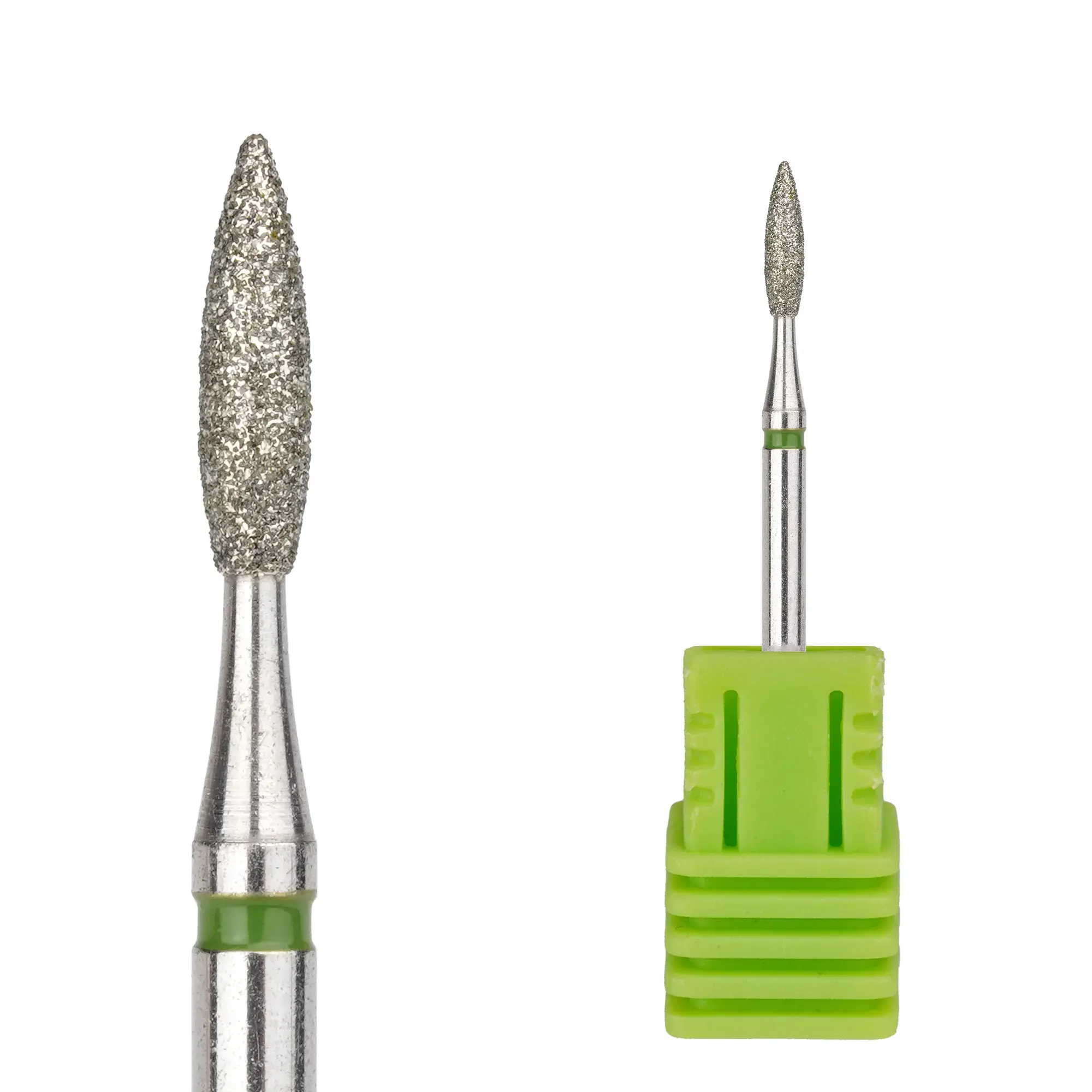
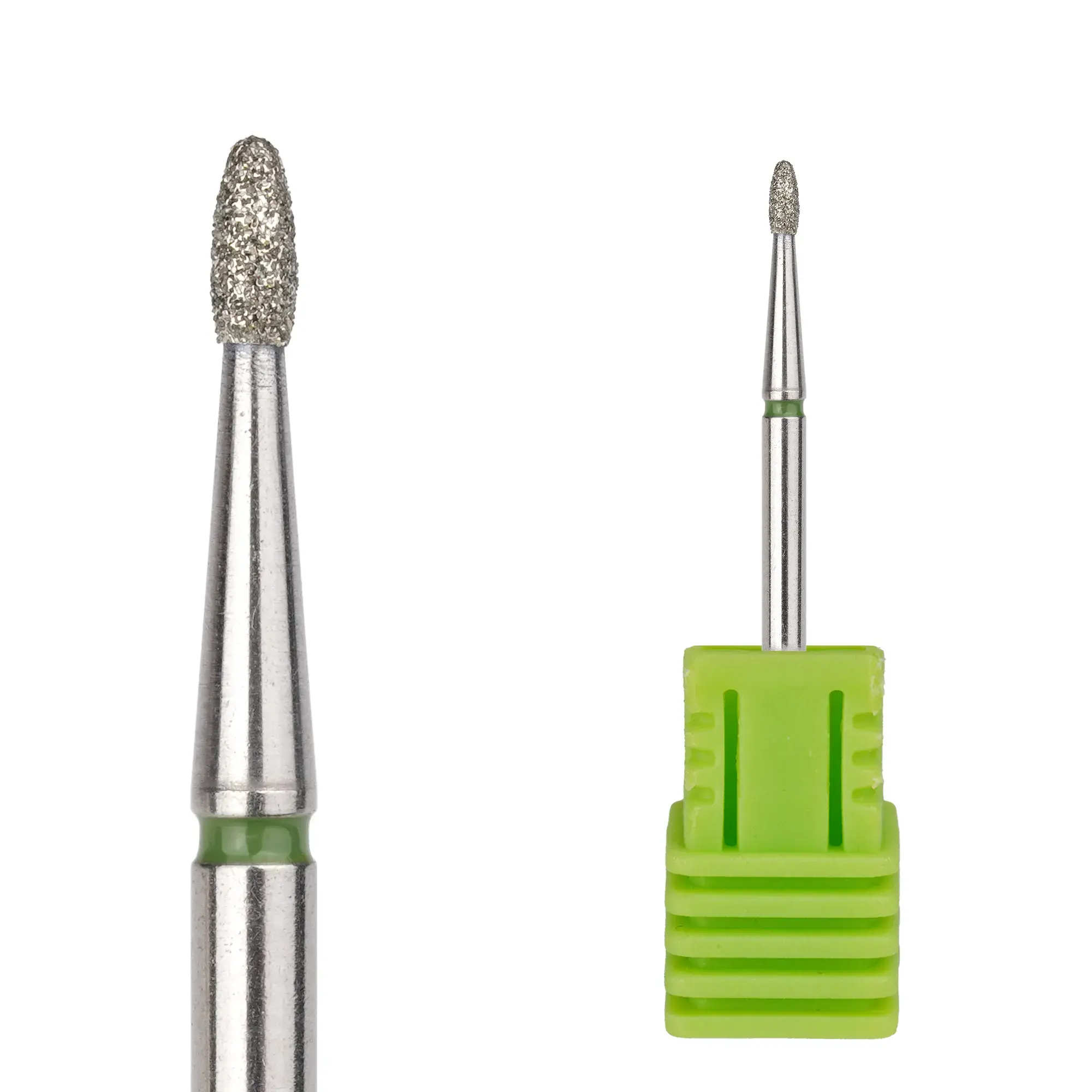
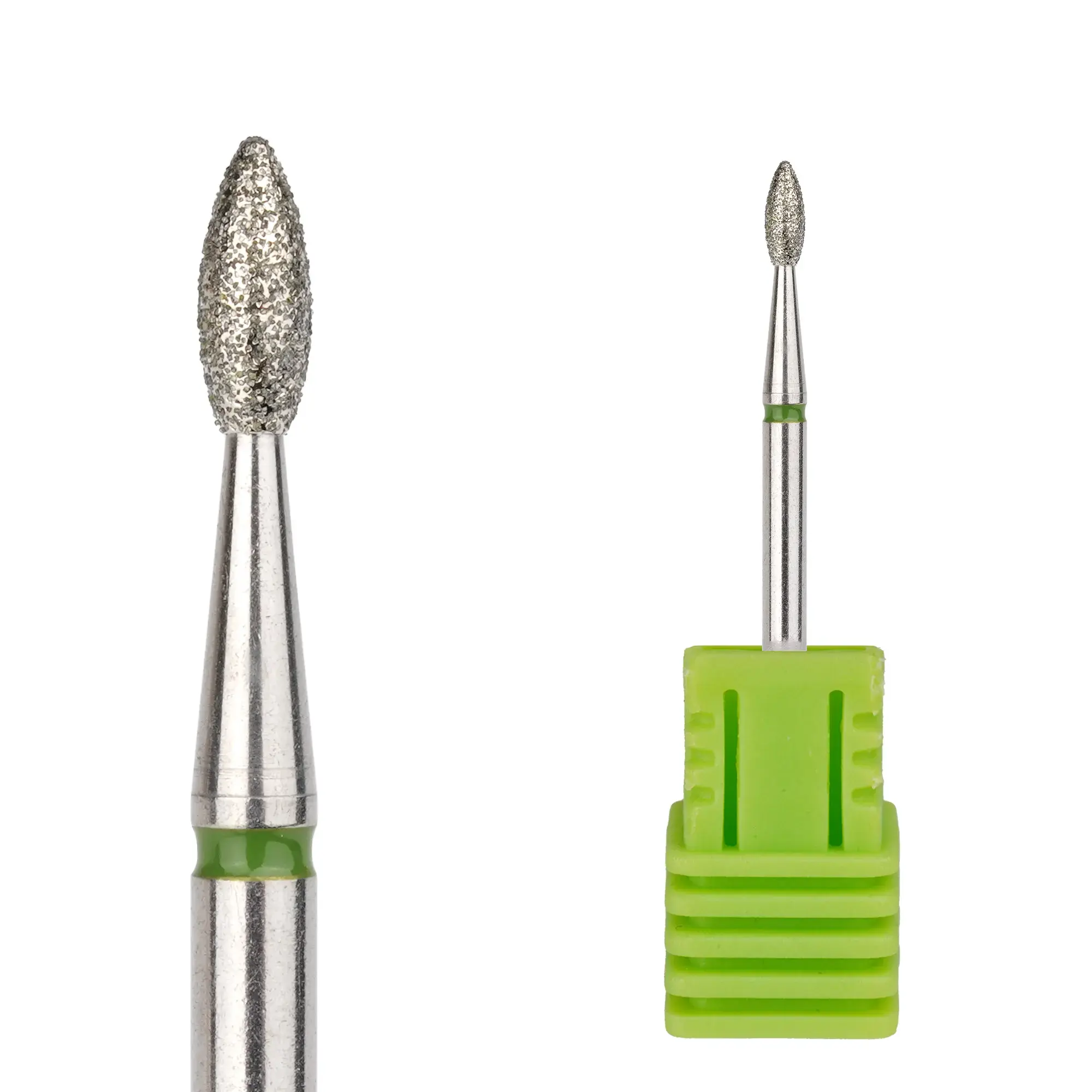
What Carbide Nail Drill Bits Are
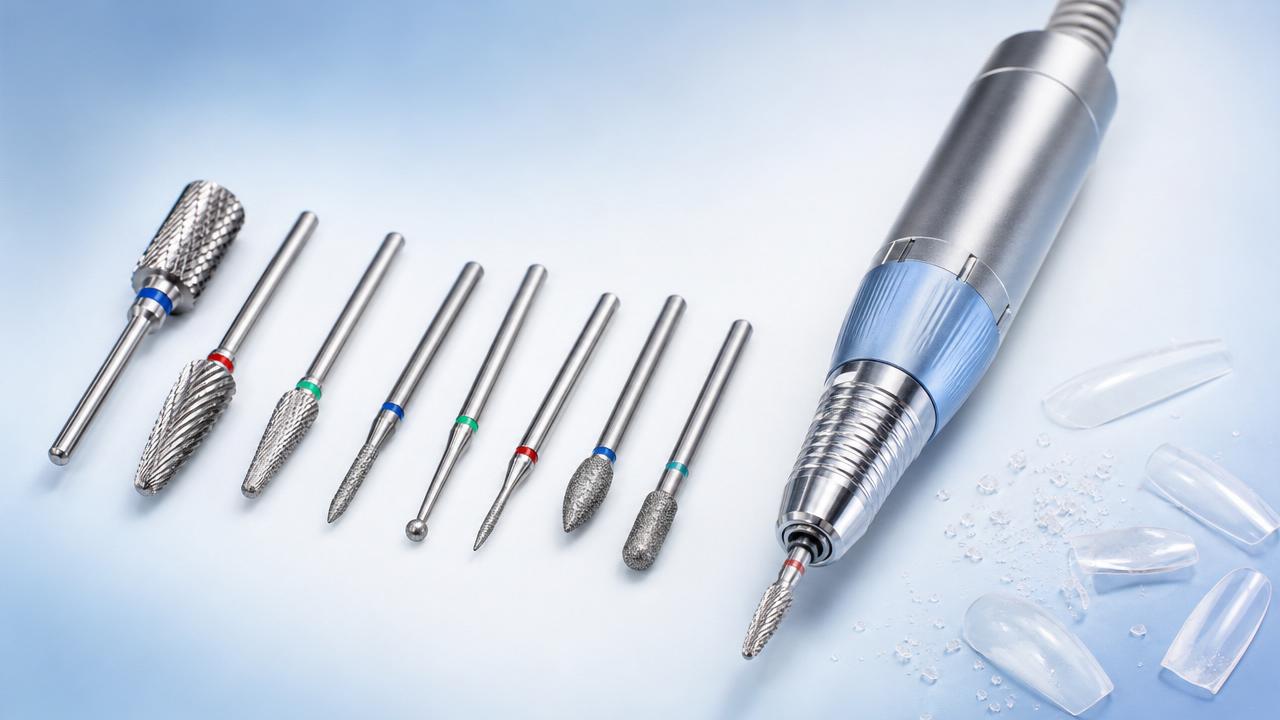
Carbide nail drill bits are rotary attachments used with electric nail files to remove gel, acrylic, poly gel, overlays, and surface bulk with high cutting efficiency. In professional nail services, the term usually refers to bits made from tungsten carbide, a hard engineering material valued for wear resistance, sharp cutting edges, and stable performance during repeated salon use.
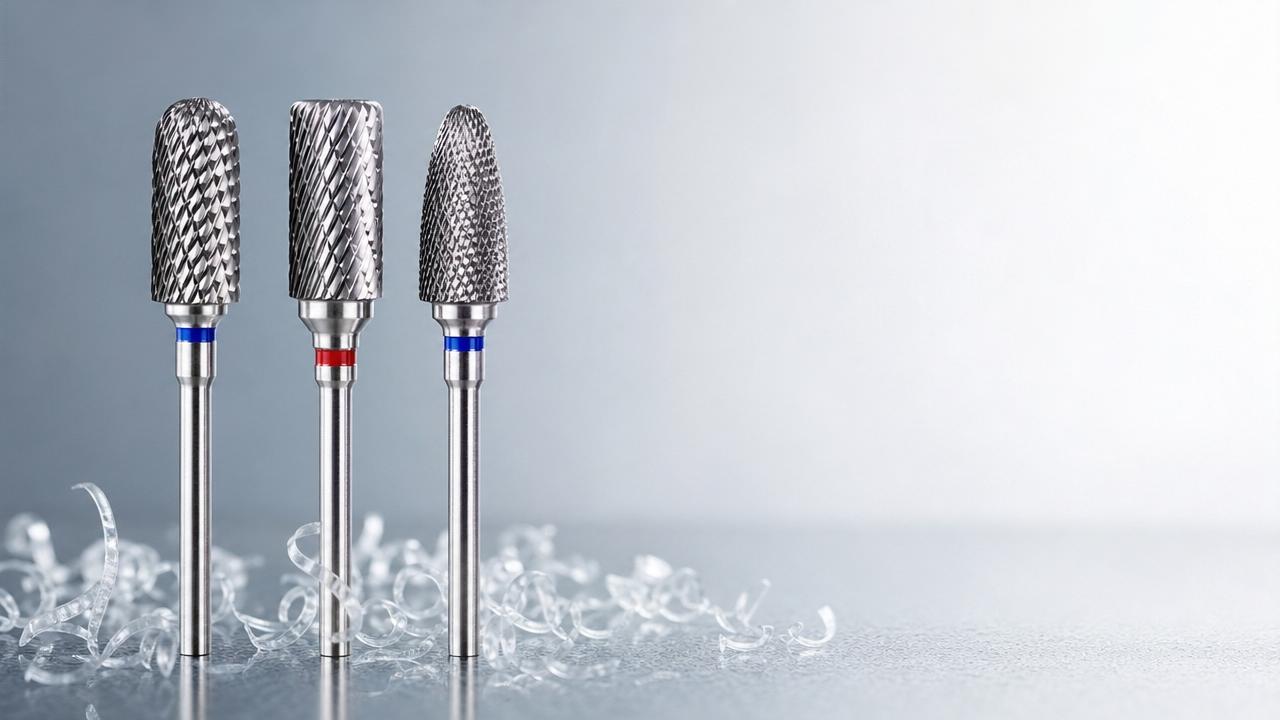
Unlike abrasive-only tools, carbide nail drill bits cut through product by means of machined flutes. Those flutes lift material away in controlled chips rather than relying only on friction. That is why technicians often choose carbide for debulking, shortening enhancements, refining apex areas, and preparing hard product surfaces before finishing steps with finer tools.
In the light consumer goods and beauty tools sector, professional buyers usually assess carbide nail drill bits by shank compatibility, concentricity, cutting pattern, grit grade, coating stability, and expected service life. Common shank size expectations center on standard e-file compatibility, while flute geometry determines whether the bit feels aggressive, smooth, or beginner-friendly in practical salon work.
For distributors and salon chains, the category is not limited to one shape. It includes barrel, cone, safety top, tapered, under-nail, and multi-function profiles. This variety makes carbide nail drill bits a core consumable for manicure systems that require speed, consistency, and reliable stock planning across different technician skill levels and service menus.
How The Material And Cutting Structure Work
The performance of carbide nail drill bits starts with tungsten carbide substrate quality. A dense, stable carbide body supports edge retention and resists early dulling when used on hard cured products. Compared with softer metals, carbide maintains sharper working edges for longer cycles, which helps technicians reduce repeated passes and improve service efficiency in high-frequency appointments.
Flutes are the defining technical feature. Straight, cross-cut, or specialty flute patterns determine how quickly material is removed and how smoothly the bit tracks across the nail enhancement. A coarser, deeper flute generally removes bulk faster, while finer flute structures give more controlled refinement. Left-hand and right-hand cutting options also matter in professional settings where technicians have different working habits.
Heat generation depends on pressure, speed, coating, and flute evacuation efficiency. Well-made carbide nail drill bits help carry dust and removed product away from the contact area, reducing drag and unnecessary heat buildup. The result is a more stable user experience during dry e-file services, especially when operators use correct RPM settings and avoid staying too long in one position.
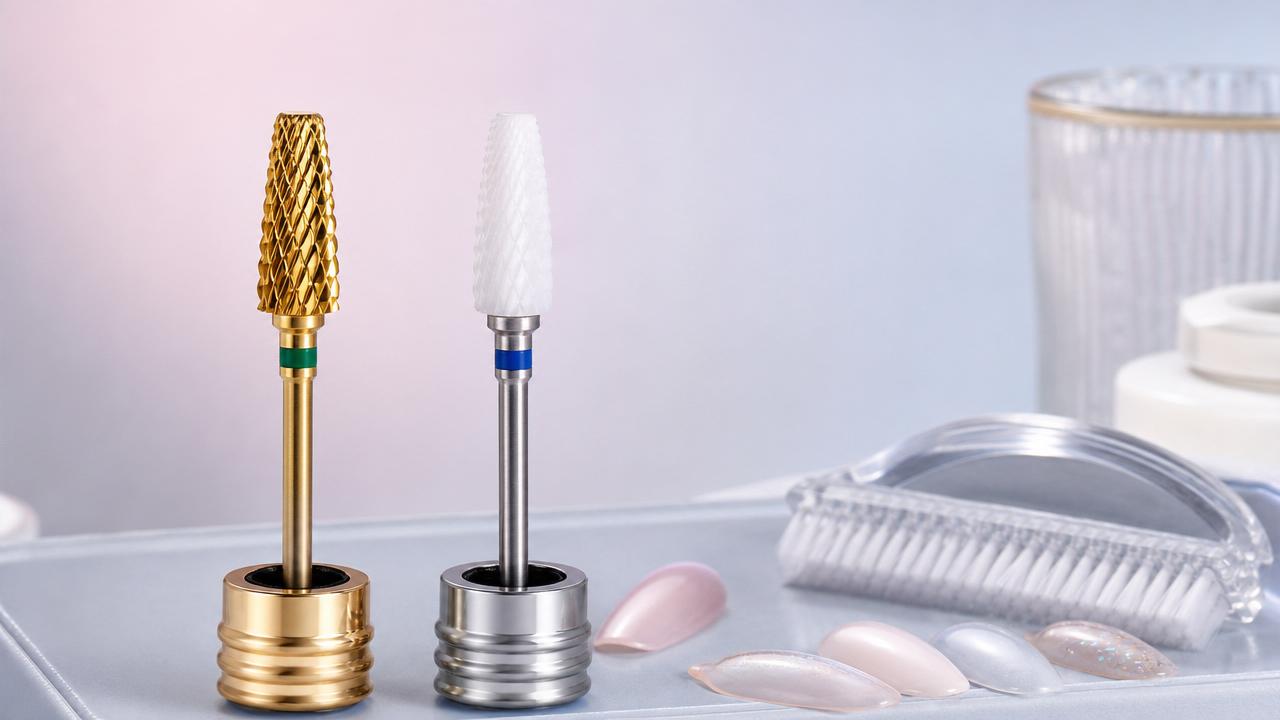
Some buyers also compare carbide against diamond and ceramic options. Carbide is often preferred for bulk removal and reshaping, diamond is common for cuticle-area preparation and detail work, and ceramic is selected when lower perceived heat and lighter cutting feel are priorities. A complete supplier such as Yaqin can therefore support broader system matching rather than a single-bit purchasing approach.
Main Shapes, Grits, And Functional Categories
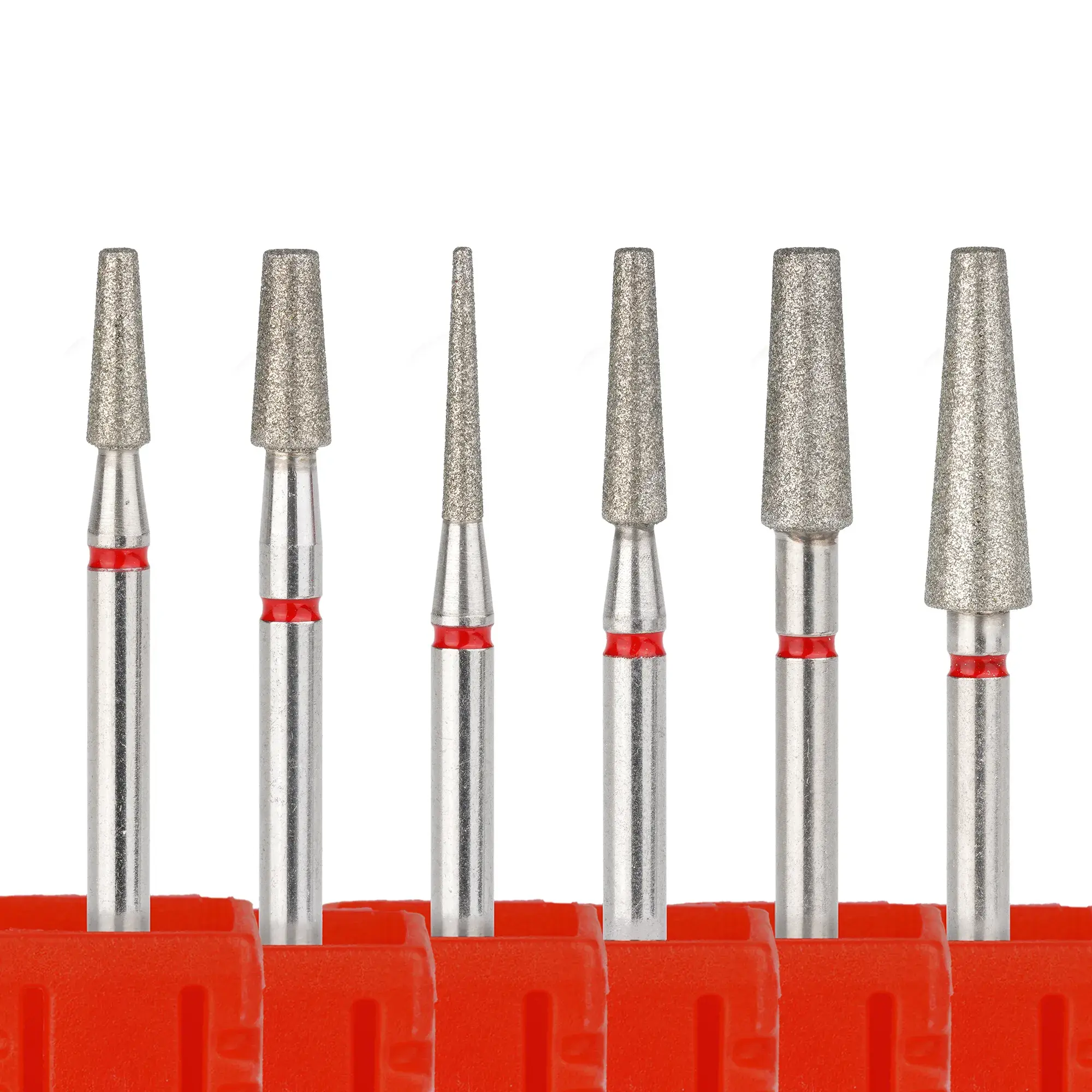
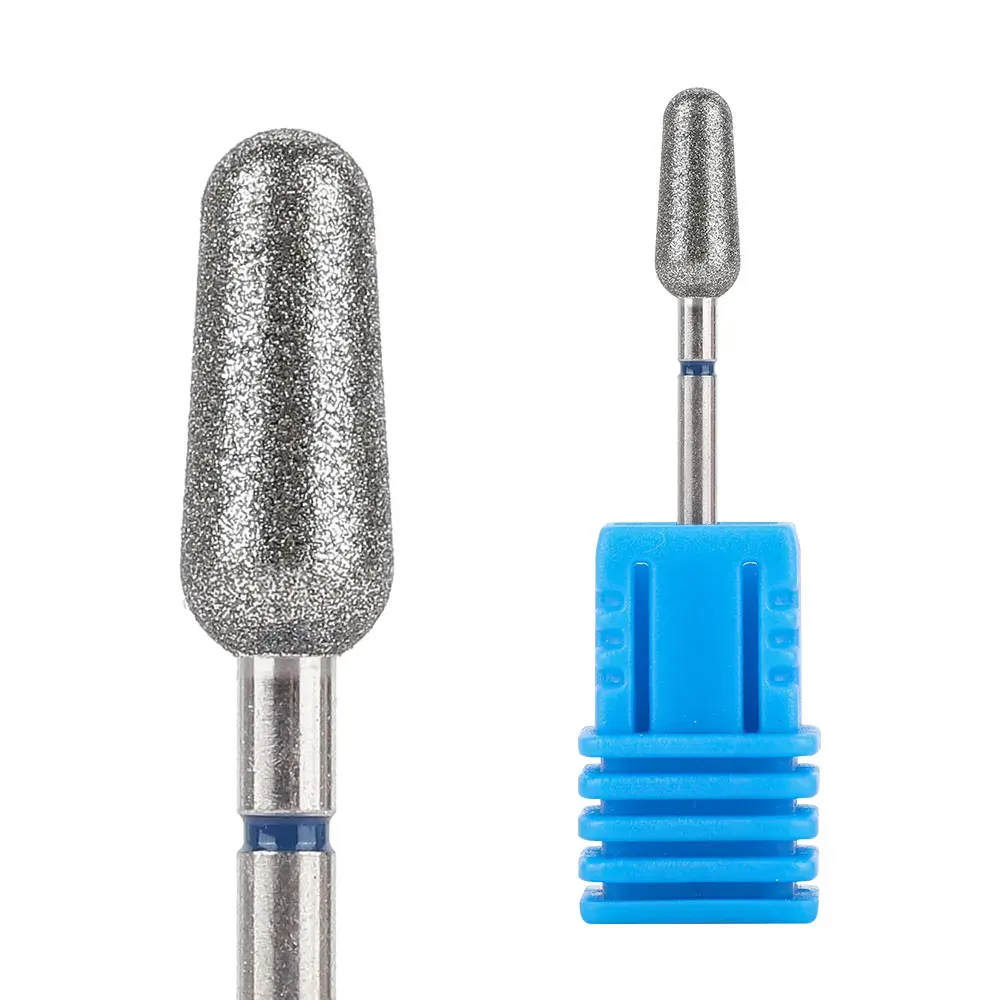
The most common shapes of carbide nail drill bits serve distinct tasks. Barrel bits are widely used for shortening and top-surface product removal. Safety top barrels reduce the risk of sharp top contact and are popular for less experienced operators. Tapered barrels combine surface coverage with better sidewall access, making them practical for all-around salon services.
Cone and under-nail profiles are chosen when access is more important than broad surface coverage. They help refine the underside of enhancements, reach sidewalls, and clean tighter zones without switching to oversized heads. Needle-style and pointed formats are more specialized and normally require stronger technique control, especially near delicate surrounding skin or lifted product edges.
Grit selection strongly affects working feel and finish quality. Typical trade markings include XF, F, M, C, and XC, ranging from extra fine to extra coarse. Extra coarse and coarse bits are generally used for fast debulking of acrylic or hard gel, medium is common for balanced salon use, and fine or extra fine is preferred for refinement, smoothing, and lower-aggression transitions.
Professional catalogs also distinguish by coating and special finish. Gold, rainbow, and other surface treatments may improve corrosion resistance or product positioning, but buyers should prioritize substrate quality, machining precision, and consistency over appearance alone. In mixed product lines, Yaqin pairs carbide nail drill bits with diamond nail bits, ceramic nail bits, sanding bands, and nail drill machines for complete purchasing convenience.
Who Uses Them And Why They Matter
The primary users of carbide nail drill bits are salon technicians, educator-led studios, independent nail artists, beauty schools, private label distributors, and professional supply wholesalers. Each group values them for different reasons. Technicians focus on speed and hand comfort, schools care about repeatable training tools, and distributors need stable specifications that match local market preferences and machine compatibility.
These tools matter because modern e-file services depend on precision, not just abrasion. Faster overlay removal can shorten appointment time, while a predictable cutting pattern helps reduce rework during fill services. In busy salons, that translates into more consistent workflows and less tool replacement disruption. For buyers, carbide nail drill bits are therefore both a performance item and an operating-efficiency item.
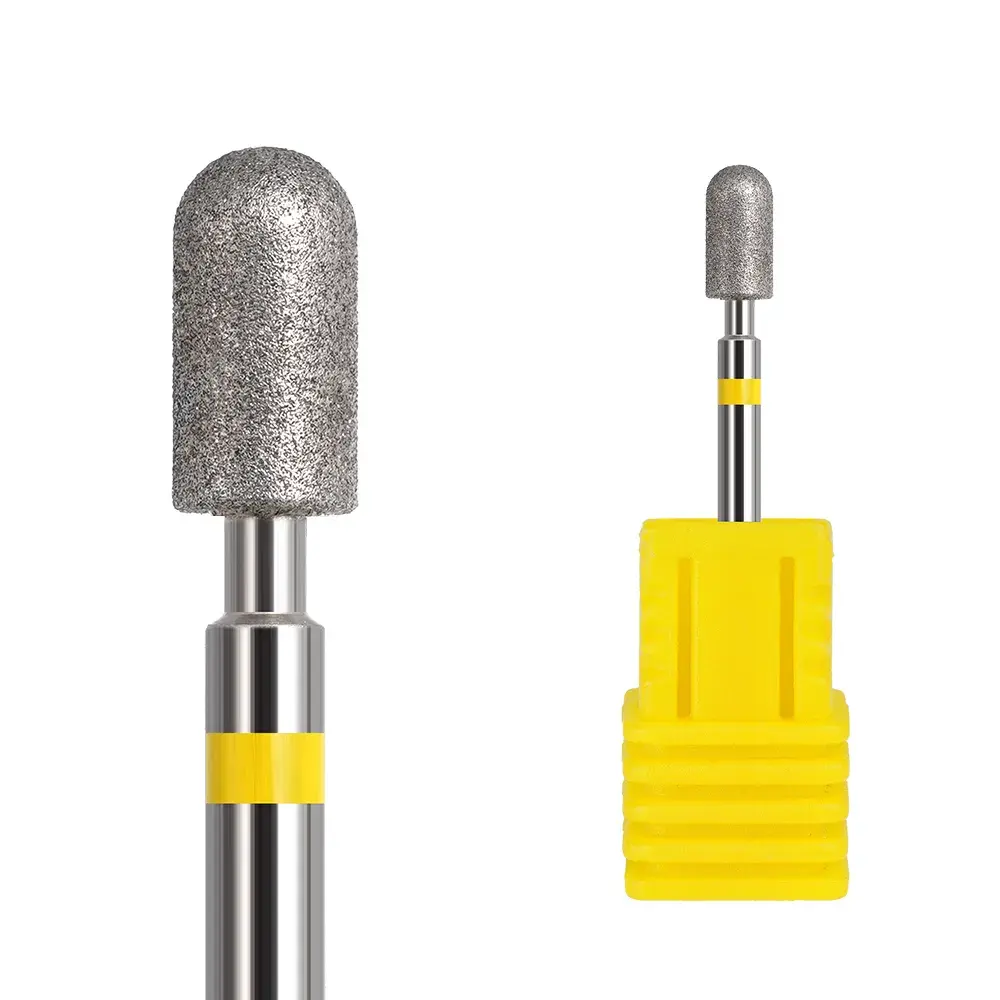
They are especially relevant in dry manicure and dry polishing environments where product removal, smoothing, and pre-finish correction must happen quickly. Many professional service menus combine carbide for bulk reduction with diamond for cuticle cleaning. A related example in the wider category is the 2*8mm flame bit diamond nail drill bits stainless steel cuticle remover burr, which complements carbide rather than replacing it.
From a sourcing perspective, buyers increasingly want one supplier that can cover multiple use stages. That is where a manufacturer with OEM/ODM, private label support, and a full range of materials becomes useful. Yaqin positions itself around this integrated supply logic, helping distributors build coordinated assortments instead of purchasing isolated bits from several fragmented sources.
Application Scenarios And Market Requirements
Carbide nail drill bits are widely used in gel removal, acrylic debulking, reshaping, surface leveling, shortening extensions, and correcting thickness before finishing. In practical salon routines, one technician may switch between a safety barrel for top-layer removal, a finer carbide for smoothing, and a diamond bit for cuticle preparation. This workflow reflects how professional systems are built around task-specific efficiency.
The customer cases provided show how application needs vary by market. In the United States and Russia, professional salon chains have sourced 5-in-1 tungsten steel grinding heads and diamond pre-treatment heads for gel removal, cuticle cleaning, and nail shaping in high-frequency dry polishing services. This points to demand for durability, multi-function use, and stable performance under repeated daily workloads.
In Germany, the UK, and Italy, distributors have purchased sanding rings, ceramic grinding heads, and machine sets alongside bits to supply small and medium salons and independent technicians. That purchasing pattern suggests that packaging, branding, and assortment completeness often matter almost as much as the carbide nail drill bits themselves. Private label readiness can influence channel acceptance in these markets.
For buyers comparing suppliers, quality management discipline is a practical market entry factor. Yaqin states ISO9001:2000 quality management system certification, full inspection from raw material to packing, and export experience across 42 countries. In real procurement terms, these points help reduce uncertainty around consistency, documentation flow, and long-term supply coordination for recurring orders.
How To Select The Right Bit For Professional Use
Selection begins with the service objective. If the main task is fast removal of acrylic or hard gel bulk, a medium-to-coarse barrel or tapered carbide nail drill bit is usually more suitable than a fine detail shape. If the technician needs safer top contact and smoother handling, a safety top profile is often the better choice. The correct bit is defined by function first, not by appearance.
The second decision is operator skill and machine control. Stronger cutting bits can improve efficiency, but they require stable hand technique, correct rotation direction, and proper RPM management. Buyers serving mixed user groups often benefit from stocking multiple grit levels rather than one universal model. This helps salons assign tools by experience level and service complexity rather than forcing one bit into every task.
Third, evaluate system fit. Carbide nail drill bits should be matched with the machine’s handpiece stability, expected duty cycle, cleaning routine, and the salon’s dominant service types. Buyers who also source nail drill machines, sanding caps, and diamond bits from the same supplier may find it easier to standardize assortment planning. Yaqin’s broad product coverage supports this type of coordinated purchasing decision.
Finally, request consistency indicators, not just samples that look good once. Ask about raw material control, machining tolerances, inspection flow, and packaging options for wholesale or private label programs. A dependable supplier should be able to discuss grit ranges, shape availability, finish options, and stable replenishment capacity in practical terms relevant to salons, distributors, and beauty supply channels.
Manufacturing, Quality Control, And Maintenance Timing
The manufacturing value of carbide nail drill bits lies in material selection, blank forming, precise flute machining, surface finishing, shank accuracy, and final inspection. Even small variations in flute depth or balance can change how a bit cuts, vibrates, or sheds product during operation. For professional channels, quality is not only about hardness but about repeatability from batch to batch.
Yaqin emphasizes high-quality materials including tungsten carbide, diamond, and ceramic, plus a strict QC system with full inspection from raw material to packing. For distributors and salon buyers, that approach matters because appearance alone cannot reveal concentricity or long-term wear behavior. A supplier with process discipline is better positioned to deliver stable wholesale lots and reduce complaint risk.
Maintenance timing depends on service intensity, cleaning habits, and the products being removed. A bit should be checked when cutting speed drops, more pressure becomes necessary, the finish becomes inconsistent, or the operator notices extra heat. Professional users should clean and sanitize according to local practice and replace worn bits before performance decline starts affecting service quality or technician comfort.
Industry development is moving toward more specialized multi-function geometries, lower-vibration machining quality, and branded salon kits that combine carbide with complementary tools. Buyers also increasingly expect customization in labeling, packaging, and assortment design. That trend aligns with OEM/ODM and private label services, especially for distributors building differentiated retail and professional lines.
Total Cost Of Ownership And Buying Strategy
For procurement teams, the real cost of carbide nail drill bits is broader than unit price. Total cost of ownership includes durability, replacement frequency, technician efficiency, complaint rates, machine compatibility, cleaning survivability, and inventory stability. A cheaper bit that dulls quickly or cuts inconsistently may raise labor time and reorder frequency, which can offset any initial price advantage.
ROI is strongest when the bit supports faster appointments, fewer passes, and reliable results across many service cycles. This is especially relevant for salon chains and distributors supplying high-turnover users. Factory-direct sourcing can help control costs when quality is stable, and Yaqin highlights no-middleman pricing, competitive wholesale supply, and customization options that can improve commercial flexibility for different channels.
A practical buying strategy is to build a balanced assortment: core medium-grit barrels for general use, coarse profiles for bulk removal, fine bits for refinement, and complementary diamond or ceramic options for detail stages. This reduces overdependence on a single aggressive bit and supports better service outcomes. It also aligns with distributor needs for bundled, category-based sales rather than one-off item transactions.
Buyers researching long-term category planning can also benefit from adjacent knowledge, such as durability expectations for electric nail files and daily-use tool checklists for technicians. Those themes connect directly to carbide nail drill bits because machine quality, operator workflow, and consumable selection work together. In B2B purchasing, the best results usually come from viewing the bit as part of an integrated professional nail system rather than an isolated accessory.
 Tungsten Carbide Nail Drill Bit Lifespan in High-Use Salon SettingsTungsten Carbide Nail Drill Bit lifespan matters in busy salons. Learn what affects durability, hygiene, and total cost to choose a reliable long-term supplier.
 Nail Drill Bit Shapes Explained for Cleaner Prep and RemovalNail Drill Bit shapes explained for cleaner prep and safer removal. Learn the best bit types for cuticle work, gel removal, and smooth results with confidence.
 Carbide Nail Drill Bits vs Ceramic: Which Lasts Longer?Carbide nail drill bits vs ceramic: discover which lasts longer for salons and pros. Compare durability, heat, speed, and long-term value to choose the best bit.
 How to Choose a Carbide Nail Drill Bit for Acrylic RemovalCarbide nail drill bit selection for acrylic removal: learn how shape, grit, and speed improve safety, reduce heat, and deliver faster, smoother salon-quality results.
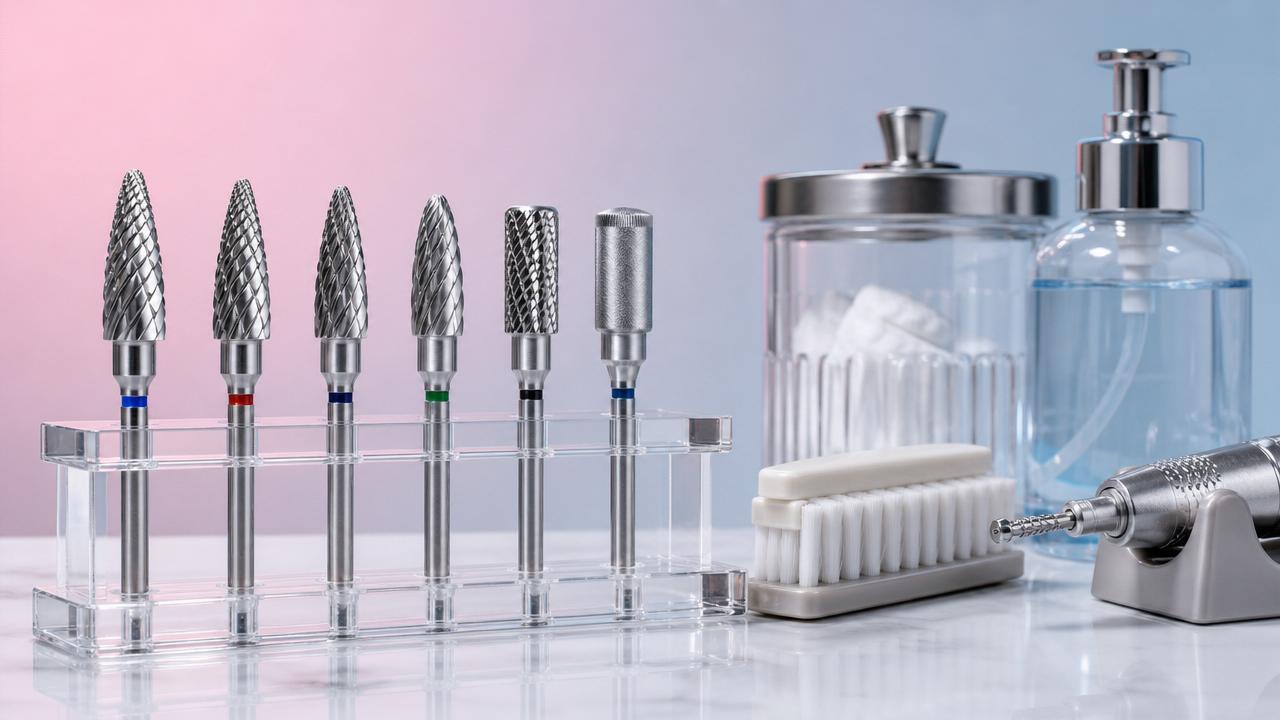
 2*8mm Flame Bit Diamond Nail Drill Bits Stainless Steel Cuticle Remover BurrHigh-Performance Grinding Heads – Versatile Nail Preparation Tools for Professional and At-Home Use
Our High-Performance Grinding Heads , designed for both Russian and Japanese manicure techniques. Achieve salon-quality results with our affordable and high-quality products that cater to every nail technician’s needs. Smooth Top Barrel Safety E File Wholesale Russian Cuticle Clean Diamond Nail BitsIntroducing our Master-Level Pre-Treatment Grinding Heads, crafted with high-quality diamond grit to meet the needs of professional nail technicians. These indispensable nail care tools are designed for precision and effectiveness, ensuring a flawless manicure experience every time.
 Russian Pre-Processing Diamond Grinding Head Nail Bit Cuticle Clean ToolIntroducing our Master-Level Pre-Treatment Grinding Heads, crafted with high-quality diamond grit to meet the needs of professional nail technicians. These indispensable nail care tools are designed for precision and effectiveness, ensuring a flawless manicure experience every time.
 Peanut-Shaped Universal Electroplating Diamond Cuticle Nail BitRevitalize your skin with our high-quality Diamond Exfoliating Grinding Head, designed for effective dead skin removal and callus smoothing. This versatile peanut-shaped drill bit is perfect for both left-handed and right-handed users, ensuring a comfortable and efficient exfoliating experience.
Please give us a message