
How to Choose an Electric Nail File for Smooth Daily Salon Work
How to Choose an Electric Nail File for Smooth Daily Salon Work
Why the right electric nail file matters more in daily salon work now

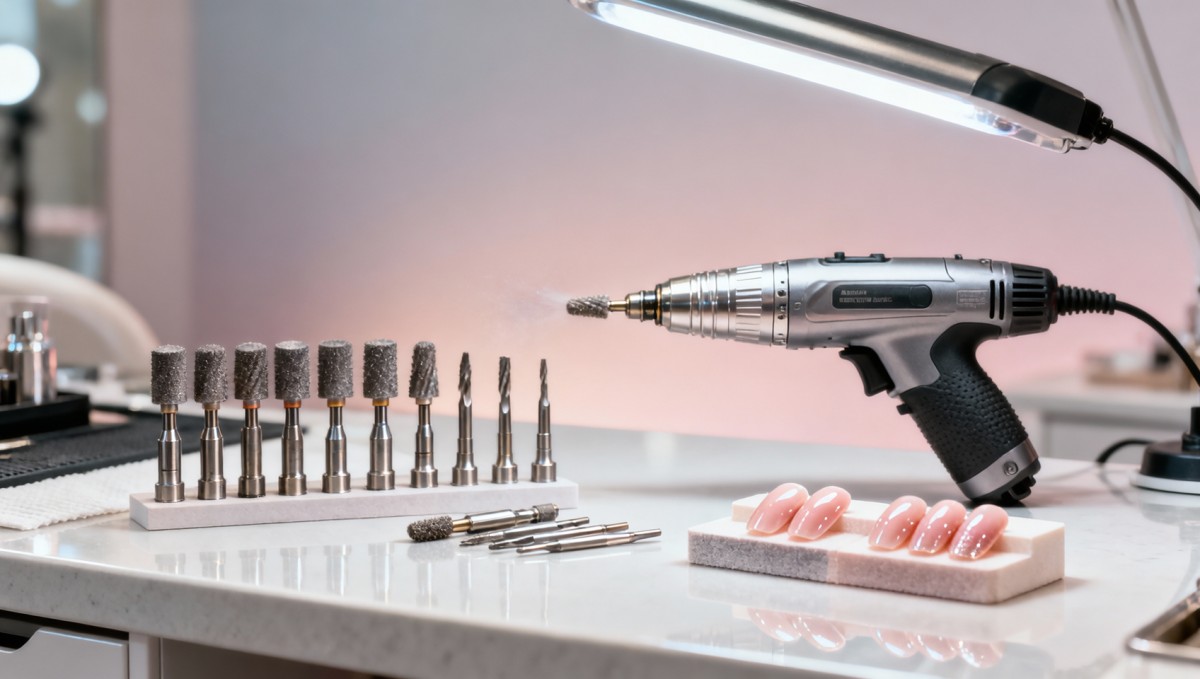
Daily nail work has changed in a noticeable way. Clients expect faster appointments, cleaner finishing, and less discomfort during removal and shaping.
That shift puts more pressure on one tool than many realize: the electric nail file. It is no longer just a convenience device.
In regular salon routines, the electric nail file affects rhythm, hand fatigue, surface smoothness, dust control, and how consistent results remain across appointments.
Choosing well means fewer interruptions, better control, and more reliable finishes. Choosing poorly often shows up as heat, vibration, uneven filing, or shortened tool life.
From recent demand patterns, practical performance matters more than headline specs. A high-speed number alone does not guarantee smooth daily salon work.
What matters is how the electric nail file performs hour after hour, across gel removal, cuticle cleaning, shaping, and fine finishing.
The market is moving from basic power to controlled performance
A few years ago, many users focused on motor strength first. Now the conversation is broader and more practical.
More attention goes to torque stability, low vibration, heat management, and handpiece balance. These are the details felt during a full working day.
This change is easy to understand. Salon work is repetitive. Even a small vibration issue becomes tiring after multiple removal and refinement sessions.
A smoother electric nail file helps maintain accuracy near the cuticle area and sidewalls. It also lowers the chance of over-filing natural nails.
Another signal is bit compatibility. Users increasingly want one machine that can support different tasks without compromising control or safety.
That is why selecting an electric nail file now involves both the machine and the bit system that works with it.
What is driving this shift
- Longer service menus require tools that stay comfortable during extended use.
- Gel systems and overlay work need more precise removal and surface preparation.
- Cleanliness expectations make dust reduction and easy maintenance more important.
- Repeatable finishing quality depends on stable speed under changing pressure.
The first decision is not top speed but how the electric nail file behaves under load
Many people compare RPM first. Speed does matter, but only when supported by stable torque and smooth delivery.
An electric nail file that slows down under pressure can create skipping. That affects surface evenness and often makes removal take longer.
By contrast, a steady machine keeps contact more predictable. It lets you work with less force and better accuracy.
Look for a speed range that supports both bulk removal and detail work. Fine control at lower settings is especially useful.
A reliable electric nail file should also respond smoothly when speed changes. Sudden jumps make delicate zones harder to manage.
Key performance signs worth checking
Bit compatibility is becoming just as important as the machine itself
A good electric nail file performs best when paired with bits designed for real working conditions, not just occasional use.
This is where material quality matters. Tungsten carbide bits remain popular because they combine hardness, sharpness retention, and efficient removal.
In practical use, a well-made bit helps remove hard gel, soft gel, dead skin, and base layers with less repeated passing.
That improves workflow and lowers unnecessary friction on the natural nail. It also reduces operator fatigue over time.
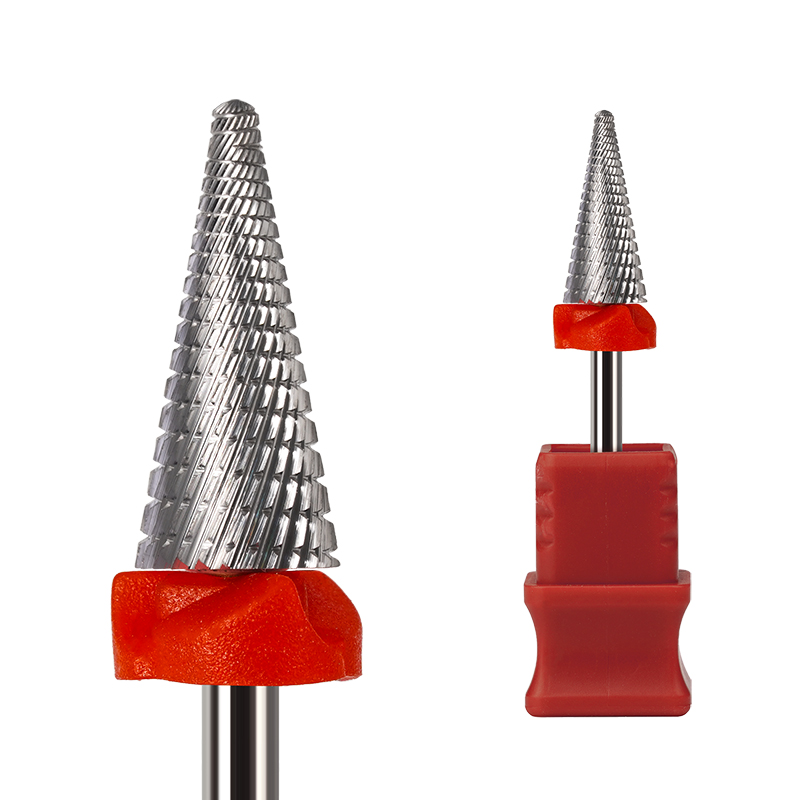
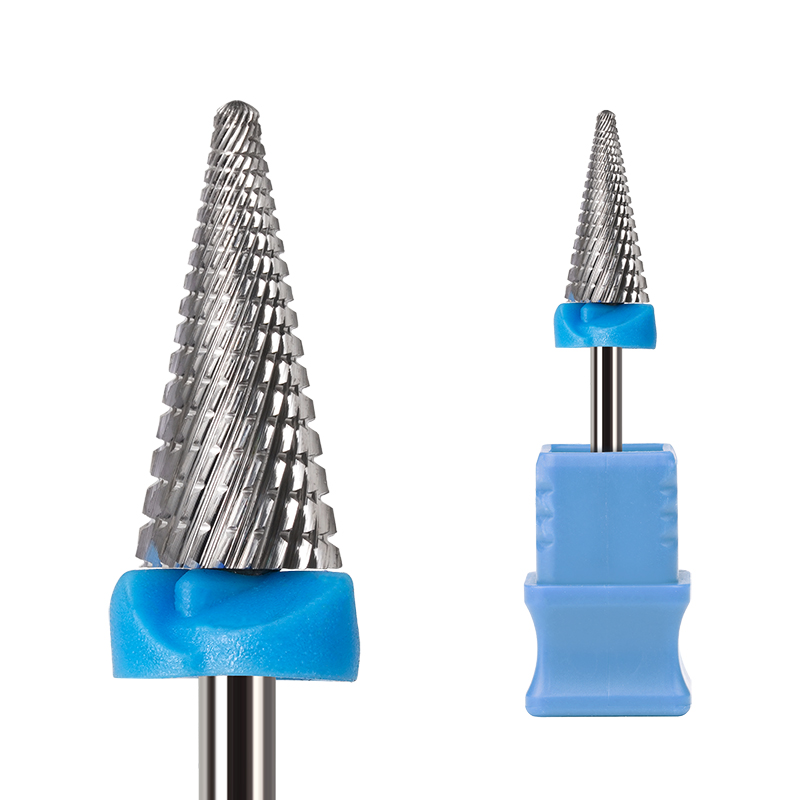
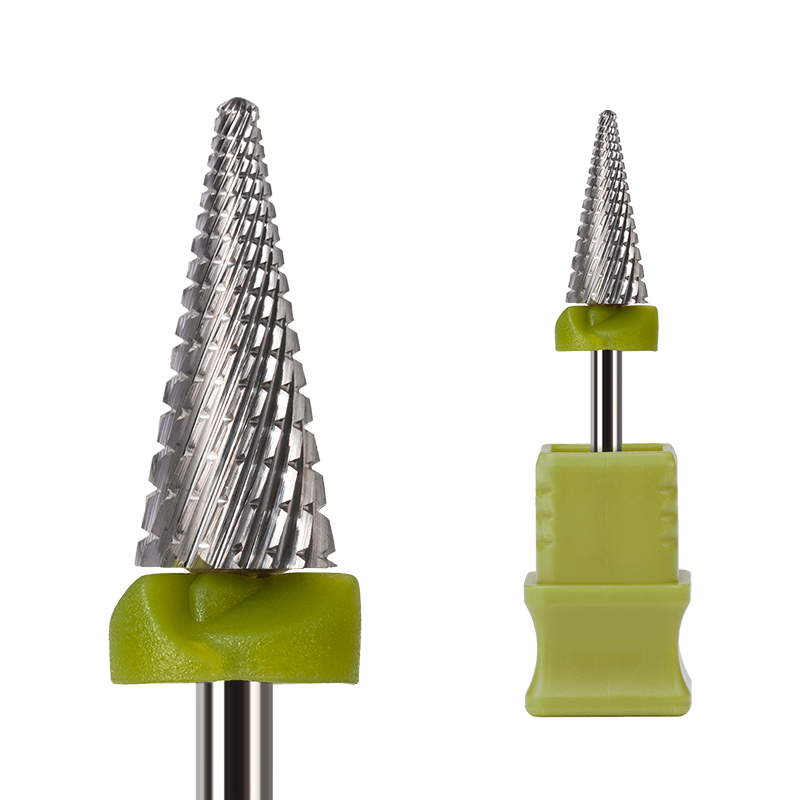
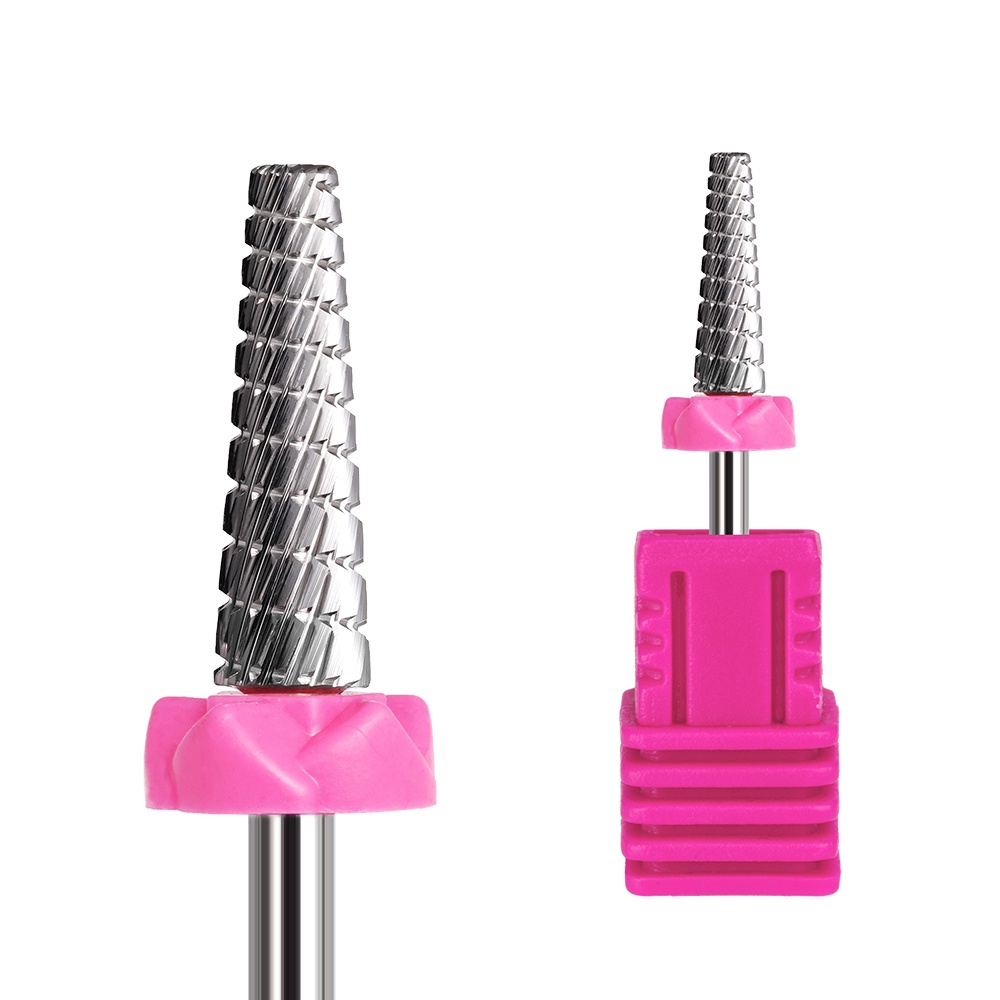
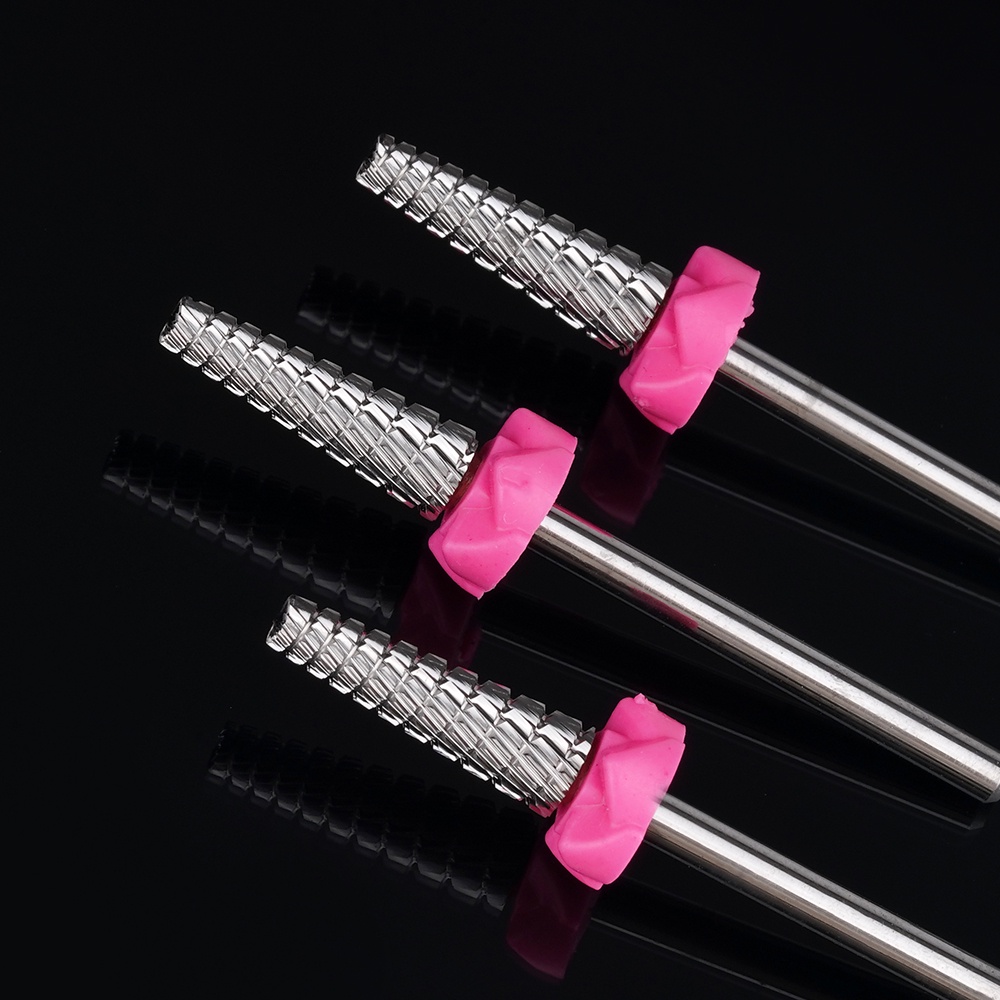
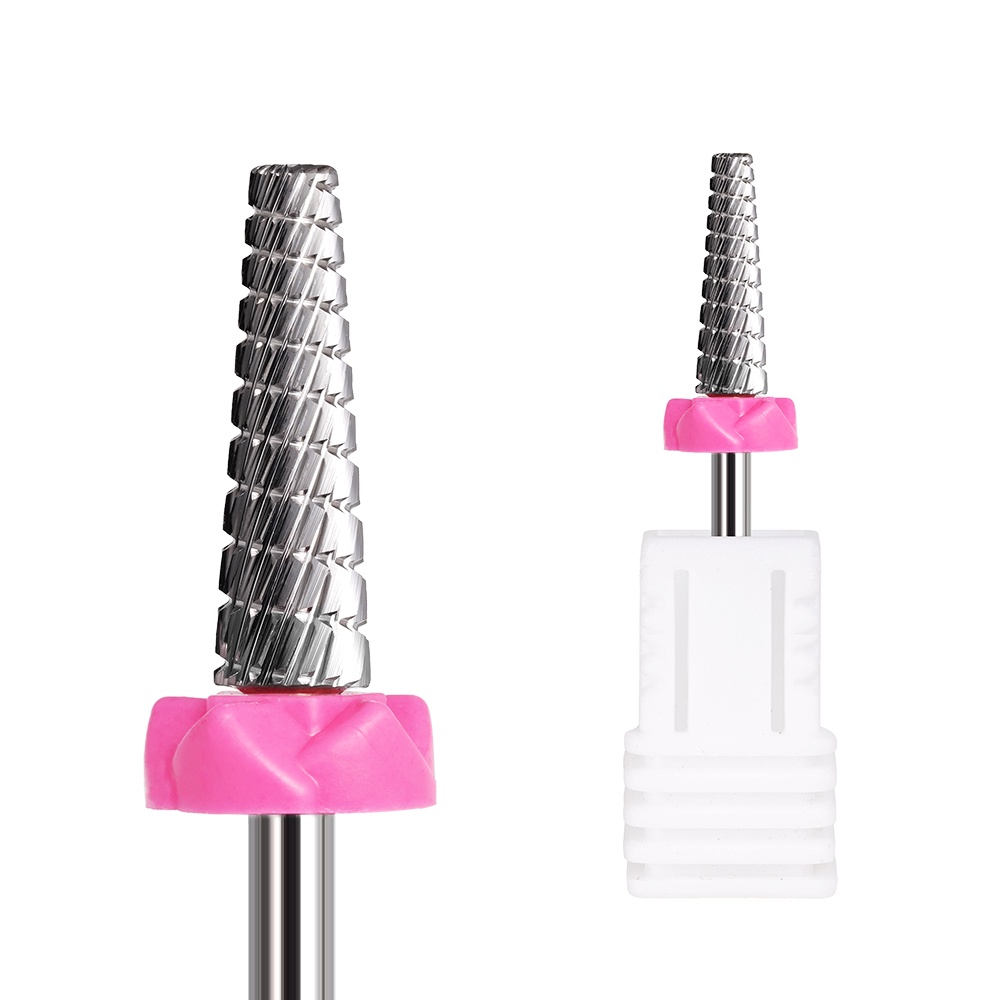
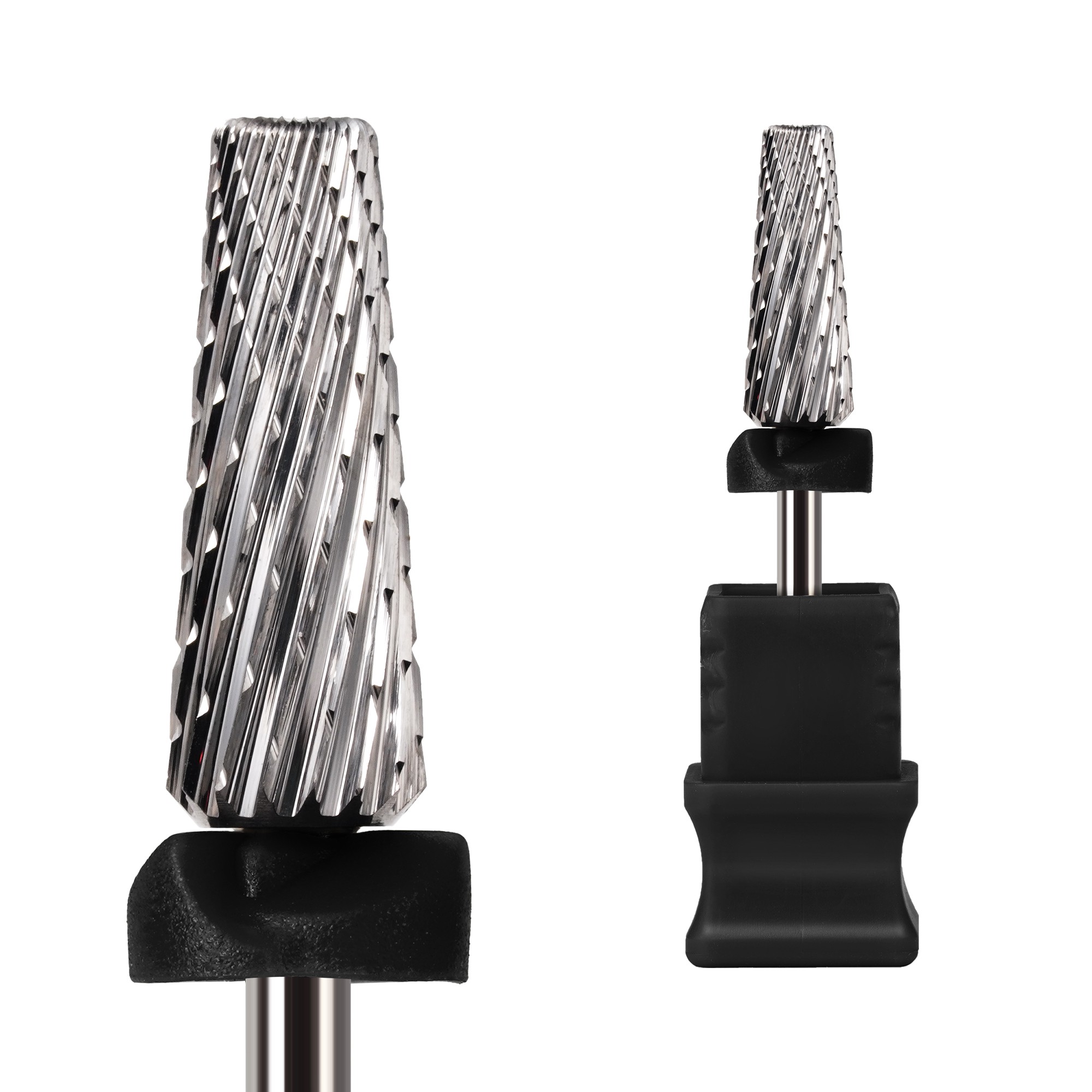
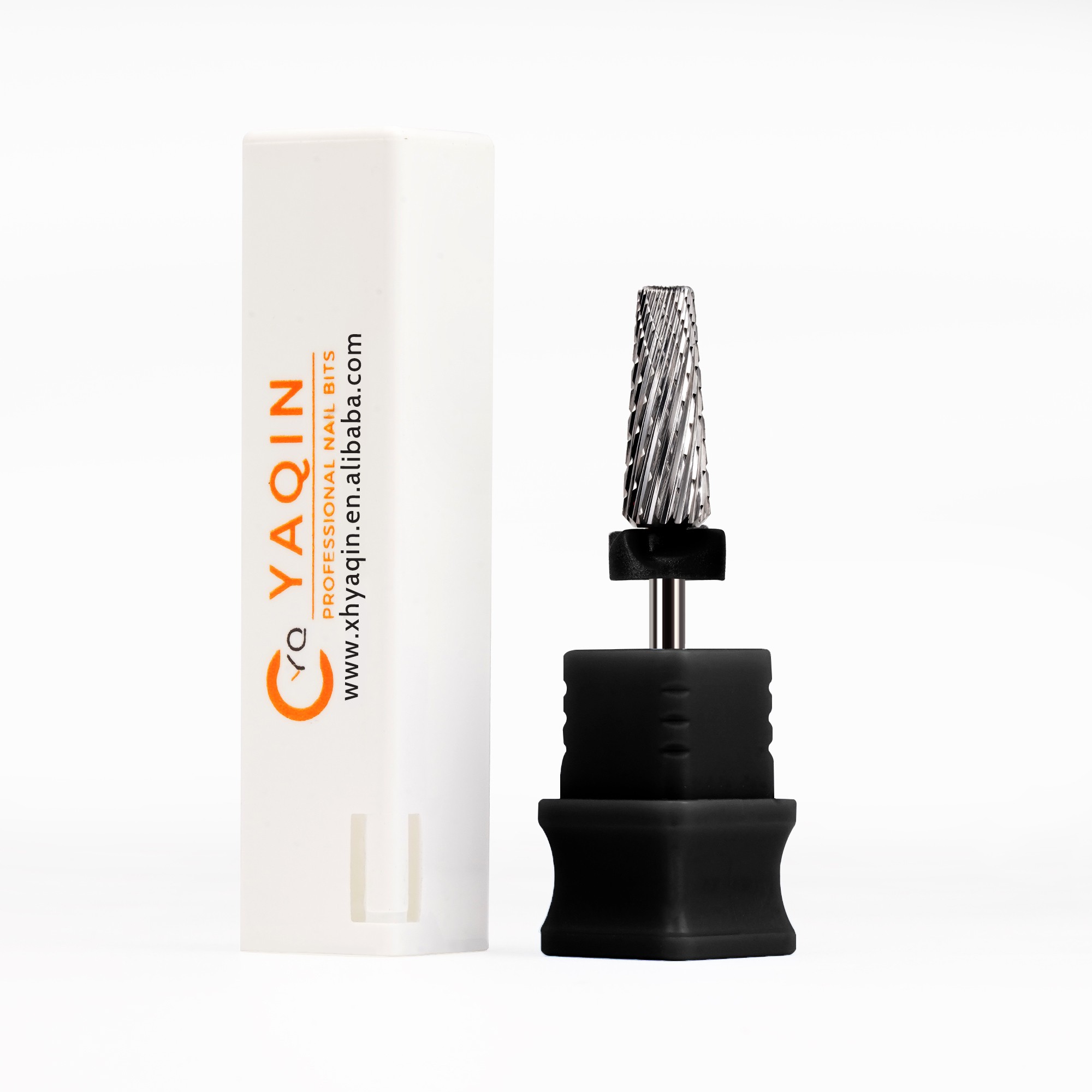
One example often preferred in mixed daily work is Drill Nails File Bits Carbide Tungsten 5 In 1 Nail Drill Bit For Nail Salon.
Its appeal is not about novelty. It fits current expectations for precision grinding, strong durability, cleaner removal, and safer control across several common tasks.
More users now value bits that are dust-proof and waterproof compatible, easier to maintain, and less likely to splatter residue during removal.
What a compatible bit setup should support
- Smooth removal of hard gel, soft gel, tips, and base layers
- Controlled work around cuticles without damaging natural nails
- Consistent sharpness through repeated cleaning cycles
- Reduced dust build-up and cleaner daily maintenance
Comfort and safety are no longer secondary concerns
The most visible change in user preference is simple: comfort is now treated as a performance factor, not a bonus.
A heavy handpiece, noisy motor, or unstable grip may seem acceptable during a short test. In daily work, those issues quickly become limiting.
A better electric nail file should feel balanced in the hand. It should also support clear forward and reverse switching without awkward delay.
Safety also depends on the grinding surface. Bits with consistent cutting structure reduce the chance of snagging or accidental slips.
That matters for both experienced users and those still building confidence with e-file techniques.
The more demanding the schedule, the more these small ergonomic details influence service quality and pace.
Durability and quality control have become part of the buying decision
Low upfront cost can be attractive, but frequent replacement creates hidden disruption. In daily use, weak durability often costs more than expected.
That is why long-term consistency now matters more. Users want an electric nail file that keeps steady performance instead of fading after short use cycles.
The same logic applies to bits. High hardness and strong wear resistance help maintain sharpness while lowering breakage risk.
Behind that expectation sits a broader industry shift toward traceable quality systems. Buyers increasingly care where abrasive products come from and how they are checked.
This is one reason established suppliers with strict raw material, production, and packing control are receiving more attention.
Wuxi Yaqin Trading Co., Ltd., for example, operates with complete QC procedures, ISO9001:2000 certification, and export experience across 42 countries.
That background matters because consistency in abrasive products usually starts long before the tool reaches the workstation.
How to judge an electric nail file for your actual routine
The best choice depends on what happens most often during the day. A removal-heavy routine needs different strengths than a refinement-focused one.
Instead of chasing the most advertised model, compare tools against your repeating tasks and service pace.
- If removal takes most of the schedule, prioritize torque stability and durable carbide bit support.
- If precision finishing is common, prioritize low vibration, handpiece balance, and fine low-speed control.
- If hygiene workflow is demanding, check easy cleaning, dust behavior, and waterproof-compatible accessories.
- If sessions run back to back, focus on heat control and long-use comfort.
It is also wise to test whether the electric nail file works smoothly with multi-function bits that can handle several material layers safely.
When the machine and bit are aligned, work becomes more predictable. That usually shows up in cleaner surfaces and fewer corrective passes.
What to watch next before making a final choice
The direction is clear. The ideal electric nail file is no longer judged by raw speed alone.
It needs stable performance, bit compatibility, user comfort, and quality that holds up under repeated salon use.
More importantly, the right setup should help daily work feel smoother rather than simply faster. That difference affects finish quality and long-term efficiency.
Before deciding, review your most frequent services, compare handpiece behavior under load, and check whether your chosen bit system supports safe multi-task use.
If your current setup creates heat, dust, drag, or uneven removal, those are useful signals. They often point to mismatch, not just technique.
A careful comparison now can prevent daily frustration later. That is usually the smartest way to choose an electric nail file for steady professional work.
News List
- Is It Better to Source All Nail Drill Bits From One Factory?Aug 24, 2026
- How to Spot Fake Diamond Coating on Nail Drill BitsAug 24, 2026
- Are Silicone Nail Drill Bits Reusable After Sterilization?Aug 24, 2026
- Essential tools for manicures that make beginner work more consistentAug 24, 2026
- Which must-have items for nail technicians improve service speed mostAug 24, 2026
- How gel removal bits affect speed and heat during soak-off removalAug 24, 2026
Best-Selling Products
 Cross Cut Safety Stainless Steel Tungsten Carbide Nail Drill Bits Salon Foot Use XF-C Grit for Removing Nails
 First-rate Quality Tungsten Carbide Nail Drill Bits Best Coating Manicure Remove Gel Nails Accessories
 Professional Advanced Safety Cuticle Bits Two-Way Rotate 3/32'' Carbide Tungsten 5 in 1 Nail Drill Bits
 Wholesale 5 in 1 Electric Manicure Nail Drill Bits Various Coating Cone Cuticle Bit with Rotary Cross Cut for Nail Art
 New Slant Tooth Tungsten Steel Nail Drill Bits Dead Skin Removal 5-in-1 Universal Grinding Nail Polish Head Tool Nail Drill Bits
 4.0mm Small 5 in 1 Integrated Sharpe Tungsten Nail Drill Bit Straight Teeth Gel Polish Removal
 Flame Sharp XF F M C XC Silver Safety Professional Corn Tungsten Carbide Nail Bit for Drill Machine Accessories
 Factory Direct 5 in 1 Tungsten Carbide Nail Drill Bits 6.8MM Cross Cut Safety Manicure 5 in 1 Nail Drill Bits
Please give us a message