
When a 20mm Coarse Safety Tapered Nail Bit Works Best
When a 20mm Coarse Safety Tapered Nail Bit Works Best
Heavy removal work puts real pressure on both tool choice and technique. A 20mm coarse safety tapered nail bit is most useful when thick product must come off quickly, yet the surface still needs control, comfort, and a lower chance of accidental cutting.
In nail service and daily-use beauty tools, speed alone is never enough. The better question is when this bit shape and grit level actually improve results, especially in busy salon routines, refill preparation, and repeated large-volume work.
Where this bit fits in modern nail work
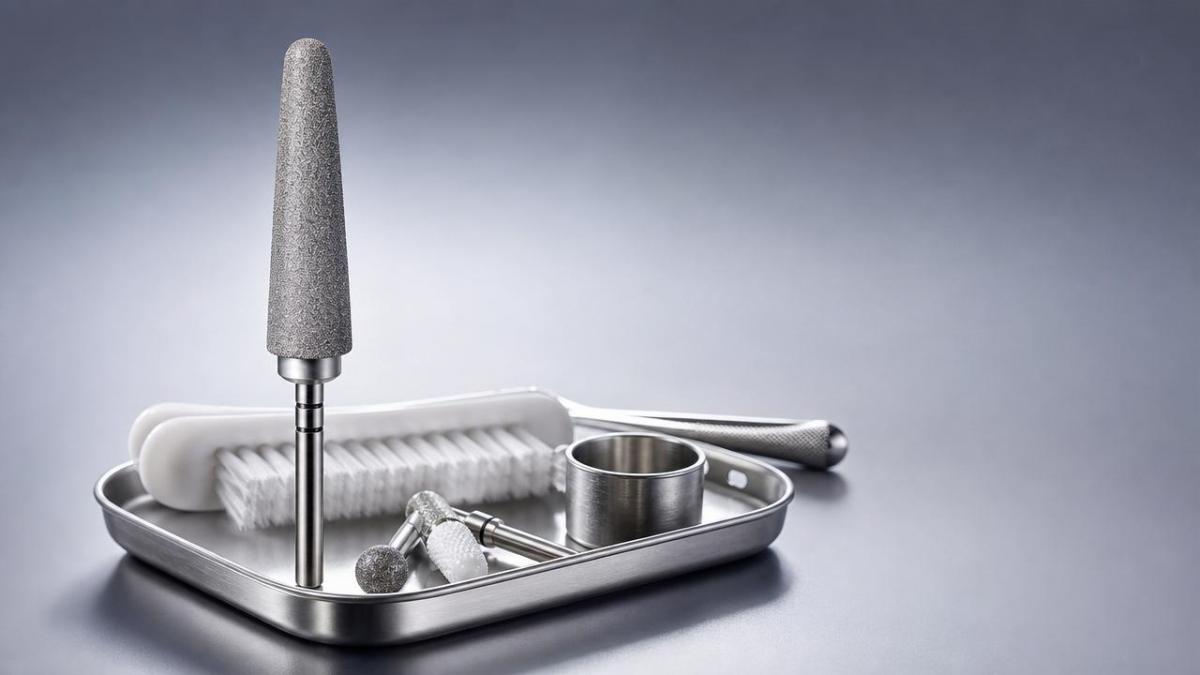
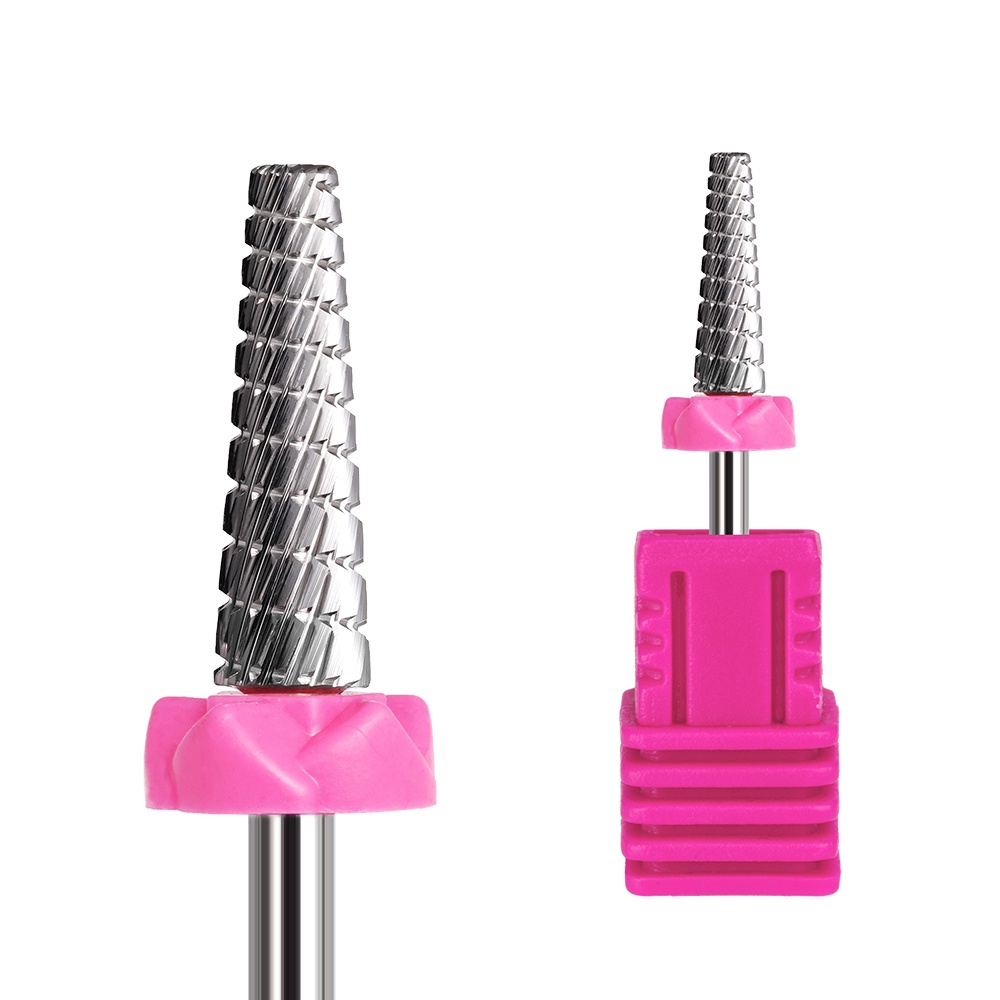
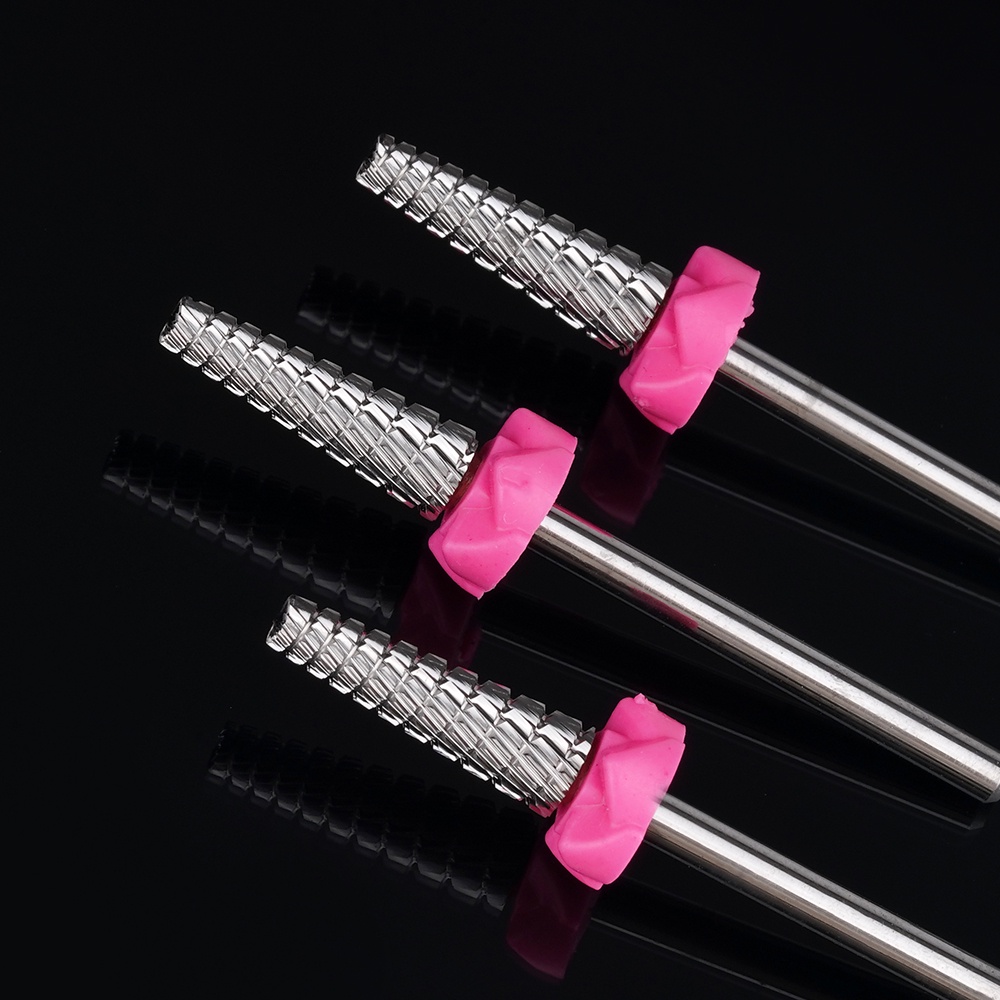
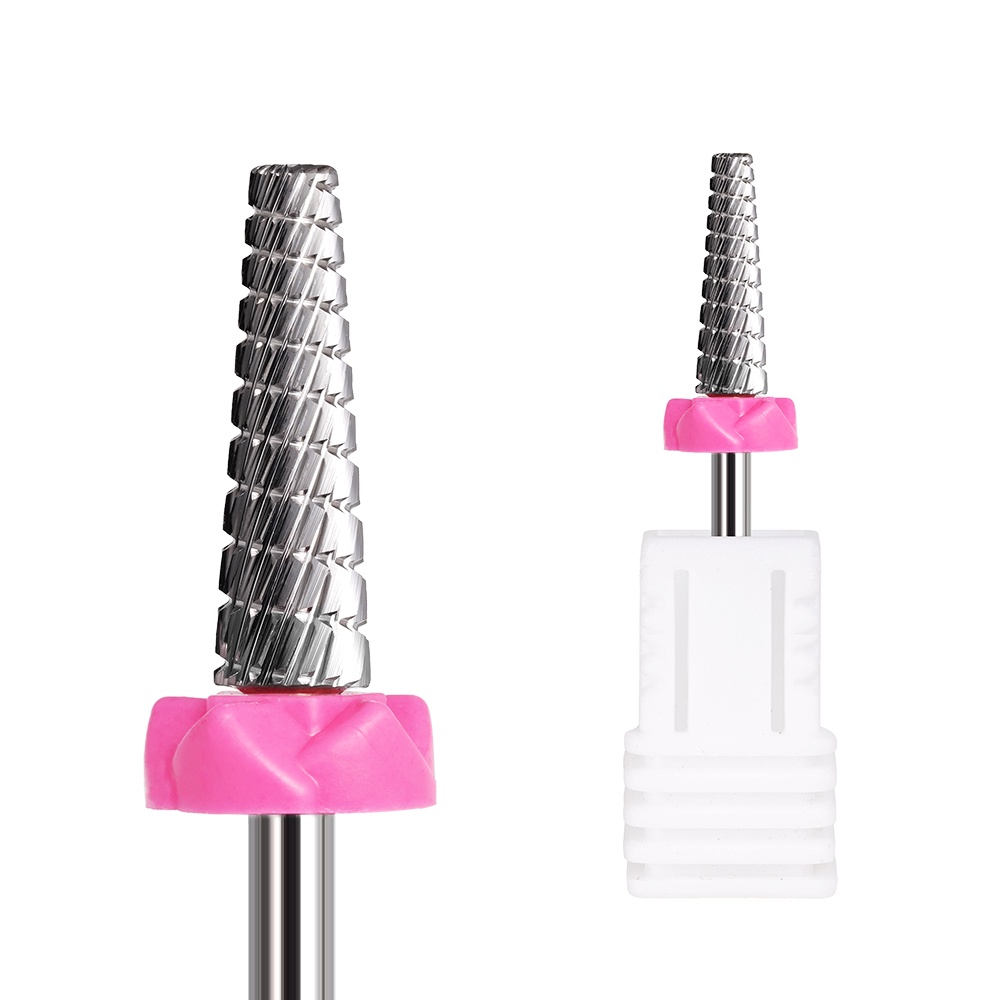
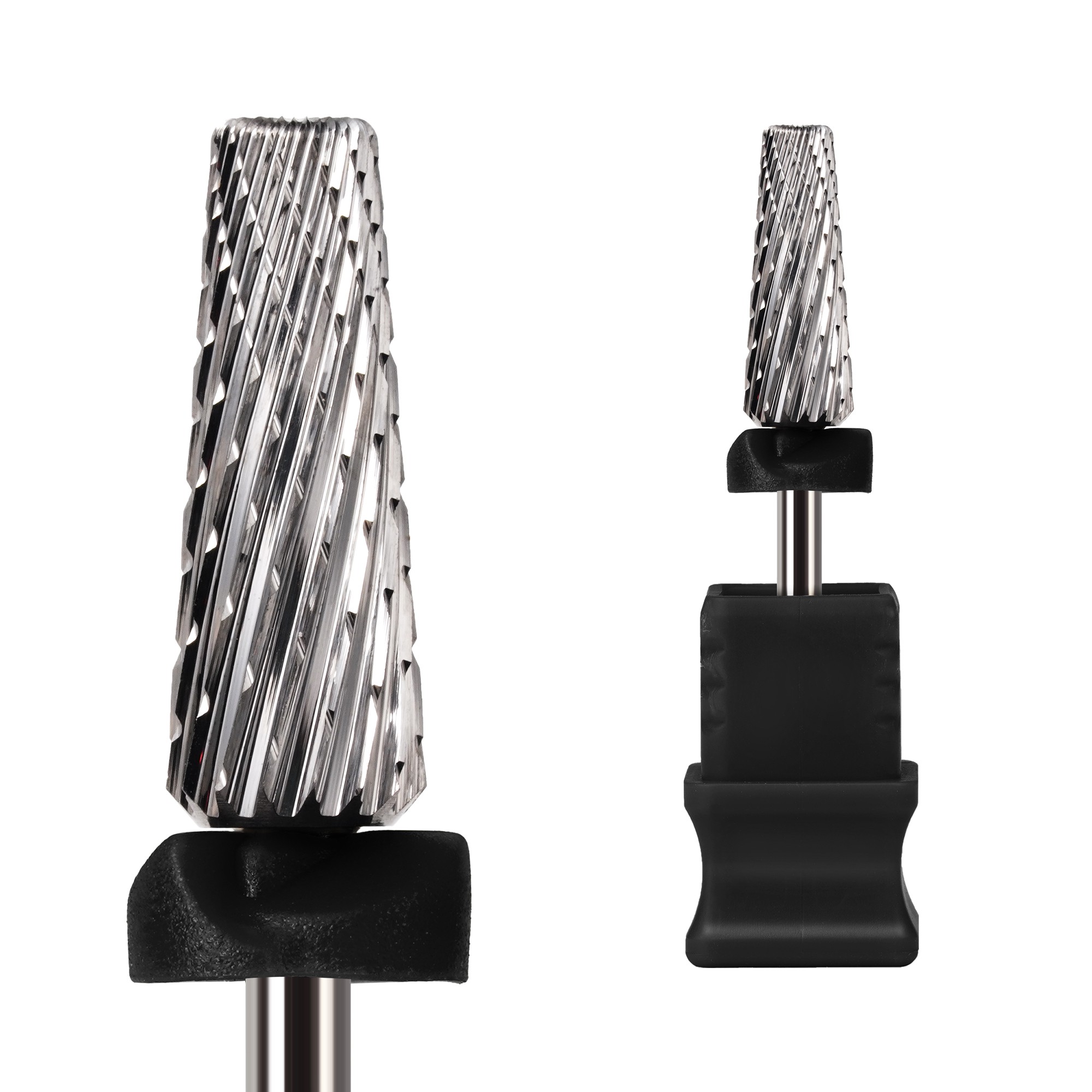
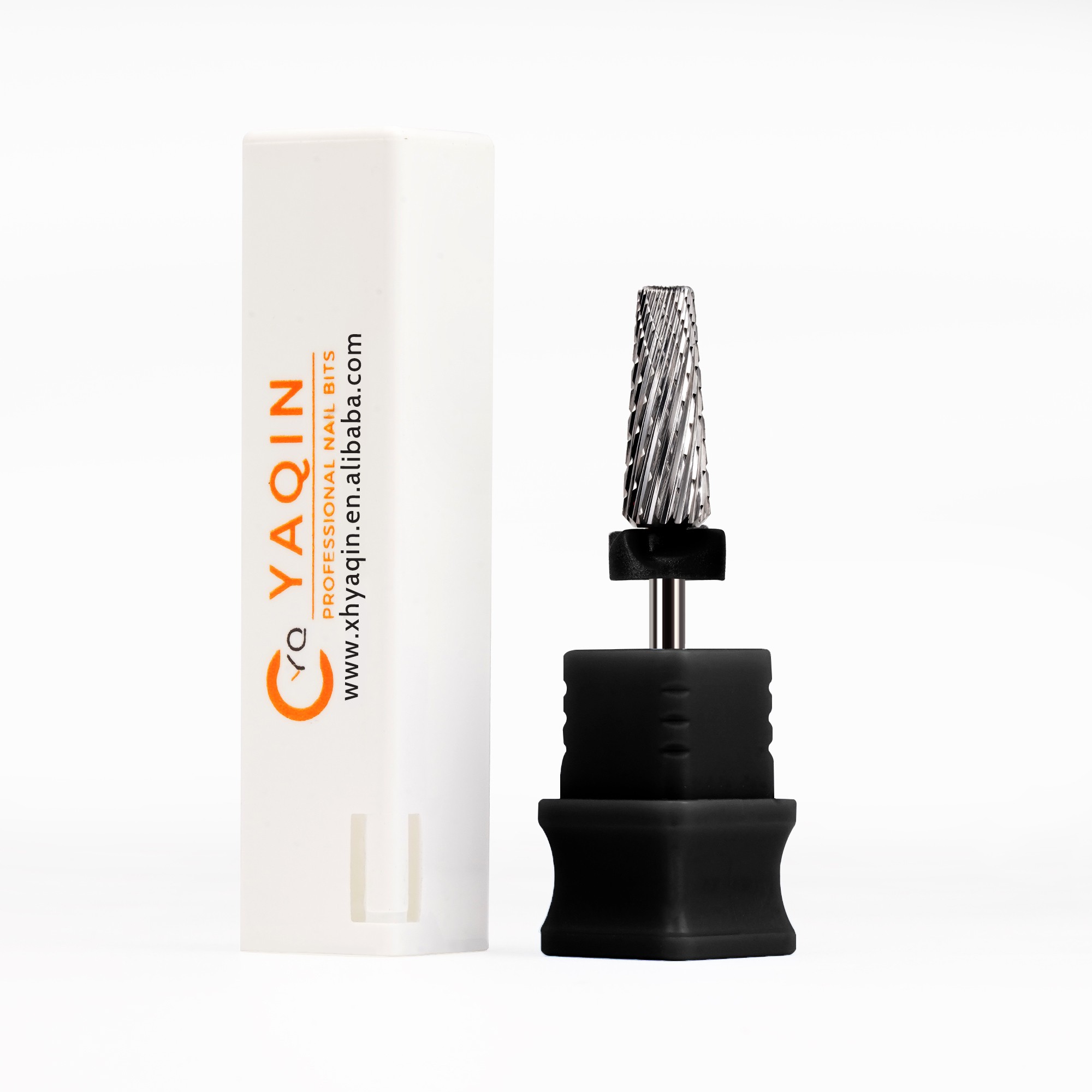
A 20mm coarse safety tapered nail bit sits between aggressive removal and practical control. Its length helps cover more area. Its coarse cut supports faster breakdown of hard material. Its safety top reduces harsh contact at the tip.
That balance matters because removal is no longer a minor step. In many services, it affects timing, dust control, refill quality, and how much hand fatigue builds during the day.
For factories and brands serving international nail markets, consistency also matters. Wuxi Yaqin Trading Co., Ltd. has focused on high quality abrasive products for export across 42 countries, with strict QC, ISO9001:2000 certification, and OEM/ODM experience.
That background reflects a broader industry reality. Operators want bits that cut predictably, hold sharpness, and stay reliable from raw material quality to final packing.
What makes a 20mm coarse safety tapered nail bit different
Not every coarse bit behaves the same. Length, taper, top shape, and cutting pattern all change how force transfers to the nail surface.
The 20mm length gives wider contact coverage. This helps during bulk removal on overlays, hard gel, thick base buildup, or old extension material.
The tapered body improves access around the sidewall and apex transition. It is easier to shift angles without changing tools too often.
The safety top is especially valuable in fast-paced work. It does not make the bit risk-free, but it gives more forgiveness near the cuticle zone and curved nail edges.
Because the grit is coarse, the bit is not meant for delicate finish refining. Its strength is product reduction, not final smoothing.
The situations where it works best
A 20mm coarse safety tapered nail bit performs best when the main goal is to remove volume efficiently while preserving control.
Typical high-value uses
- Taking down thick hard gel before a refill.
- Reducing builder gel or poly gel overlays.
- Removing old product from long extension sets.
- Shortening service time in back-to-back appointments.
- Handling repeated salon work where hand efficiency matters.
It also works well when the material is stubborn but the surface beneath should not be overworked. That is why many operators prefer this shape for controlled top-down removal rather than random scraping.
When it is less suitable
Why the industry pays attention to this category
The demand is driven by workflow pressure. Service menus have expanded, product systems are thicker, and clients often expect faster turnarounds without extra discomfort.
A 20mm coarse safety tapered nail bit answers that need when used correctly. It can reduce passes, lower unnecessary heat from overworking one spot, and make removal more even from center to side.
Another concern is durability. In high-frequency use, poor bits lose sharpness quickly, vibrate, or create inconsistent cutting lines. That affects finish quality and machine performance.
This is where material and manufacturing standards matter. Tungsten steel, stable cutting geometry, and reliable packing are not marketing extras. They influence daily performance and replacement cycles.
How to judge whether this is the right bit for the job
Selection should start with the material on the nail, not the tool name alone. Thick hard gel and layered coating call for stronger removal power than thin color or light base residue.
- Choose it when bulk product removal is the main task.
- Use it when a safety top helps around curved zones.
- Prefer it when long working length improves stroke efficiency.
- Avoid it for final detailing on exposed natural nail.
- Reduce speed and pressure if heat starts building.
In practice, technique still matters more than grit alone. Light pressure, continuous motion, and correct RPM management are what make a 20mm coarse safety tapered nail bit productive instead of risky.
Related tool choices that support a cleaner workflow
Removal rarely depends on a single bit. A practical setup often combines a coarse takedown bit with a more specialized bit for edge work, cuticle cleanup, or final preparation.
For example, a cylinder-style bit can be useful in steps that involve polish removal, dead skin cleanup, and grinding on tougher surfaces with a flatter contact profile.
One relevant option is Cylinder Cuticle Nail Drill Bits Russian Manicure. Made from tungsten steel, it is designed for high hardness, durable use, and a smooth flat tip that helps protect skin.
Its dual-action and multi-functional design supports polish removal, dead skin removal, hard gel and soft gel work, and even callus-related grinding. Consistent dust ejection also helps reduce splatter during repeated use.
When paired with a dust-proof ring and compatible grinder, that kind of accessory planning can reduce dust accumulation and support longer machine life.
Practical use notes that make the biggest difference
A 20mm coarse safety tapered nail bit works best when the contact path is intentional. Start by removing upper bulk. Leave a thin control layer if the base condition still needs checking.
Keep the bit moving. Staying too long in one place creates heat and uneven grooves. Let the cutting edges do the work instead of forcing downward pressure.
Bit maintenance should not be ignored. Clean teeth fully after use, inspect for wear, and replace when the cutting feel becomes dull or vibration increases.
It also helps to standardize tool quality. Suppliers with strong process control can reduce variation between batches, which is important for salons, academies, and private-label programs.
A sensible next step
If removal work often slows down service time, causes surface inconsistency, or creates avoidable discomfort, it is worth reviewing whether the current bit matches the material being removed.
A 20mm coarse safety tapered nail bit is usually the right choice for fast reduction of thick product, especially when control and repeatability are just as important as cutting speed.
From there, compare grit, length, material, dust behavior, and tip safety across the rest of the workflow. Better results often come from building a complete bit strategy, not from relying on one tool for every step.
News List
- Is It Better to Source All Nail Drill Bits From One Factory?Aug 24, 2026
- How to Spot Fake Diamond Coating on Nail Drill BitsAug 24, 2026
- Are Silicone Nail Drill Bits Reusable After Sterilization?Aug 24, 2026
- Essential tools for manicures that make beginner work more consistentAug 24, 2026
- Which must-have items for nail technicians improve service speed mostAug 24, 2026
- How gel removal bits affect speed and heat during soak-off removalAug 24, 2026
Best-Selling Products
 Cross Cut Safety Stainless Steel Tungsten Carbide Nail Drill Bits Salon Foot Use XF-C Grit for Removing Nails
 First-rate Quality Tungsten Carbide Nail Drill Bits Best Coating Manicure Remove Gel Nails Accessories
 Professional Advanced Safety Cuticle Bits Two-Way Rotate 3/32'' Carbide Tungsten 5 in 1 Nail Drill Bits
 Wholesale 5 in 1 Electric Manicure Nail Drill Bits Various Coating Cone Cuticle Bit with Rotary Cross Cut for Nail Art
 New Slant Tooth Tungsten Steel Nail Drill Bits Dead Skin Removal 5-in-1 Universal Grinding Nail Polish Head Tool Nail Drill Bits
 4.0mm Small 5 in 1 Integrated Sharpe Tungsten Nail Drill Bit Straight Teeth Gel Polish Removal
 Flame Sharp XF F M C XC Silver Safety Professional Corn Tungsten Carbide Nail Bit for Drill Machine Accessories
 Factory Direct 5 in 1 Tungsten Carbide Nail Drill Bits 6.8MM Cross Cut Safety Manicure 5 in 1 Nail Drill Bits
Please give us a message