
Long 5 in 1 Nail Drill Bits: One Bit or Multiple Replacements
Long 5 in 1 Nail Drill Bits: One Bit or Multiple Replacements
For buyers balancing tooling efficiency with inventory discipline, long 5 in 1 nail drill bits raise a useful commercial question.
Can one multifunctional bit reduce purchasing complexity, or do multiple replacements still deliver better control, lifespan, and service consistency?
In nail care, where speed, finish quality, hygiene, and operator preference all matter, the answer depends less on trend and more on application logic.
That is why long 5 in 1 nail drill bits are attracting attention across professional supply chains, especially in OEM and export-driven sourcing.
Why this bit format is gaining attention
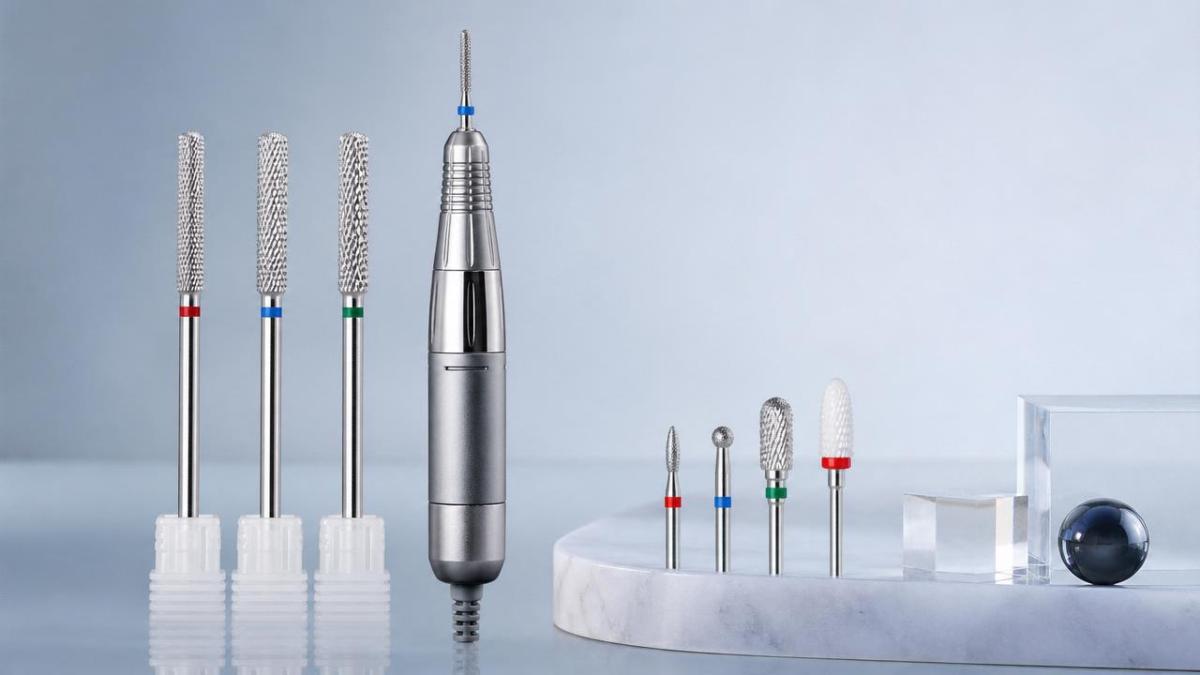
The market for nail tools has become more operationally demanding.
Distributors, salon supply brands, and private-label programs are expected to control cost without sacrificing usability or finish stability.
Long 5 in 1 nail drill bits fit this shift because they combine several working zones into a single tool body.
Instead of switching bits repeatedly, operators can move across shaping, surface refining, cuticle area work, and product removal with fewer interruptions.
For procurement planning, this creates a direct link between product design and inventory structure.
Fewer SKUs may simplify replenishment, but only if the bit performs reliably across real service conditions.
One bit does not mean one simple job
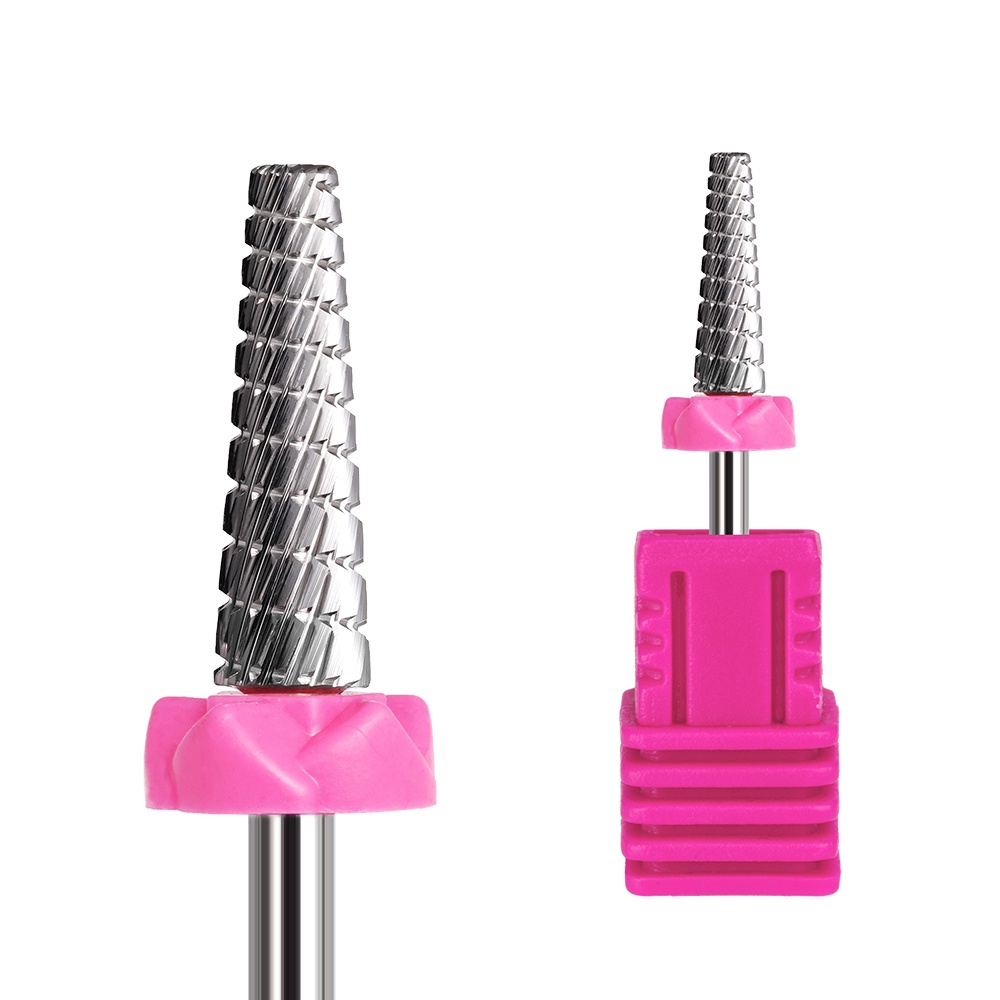
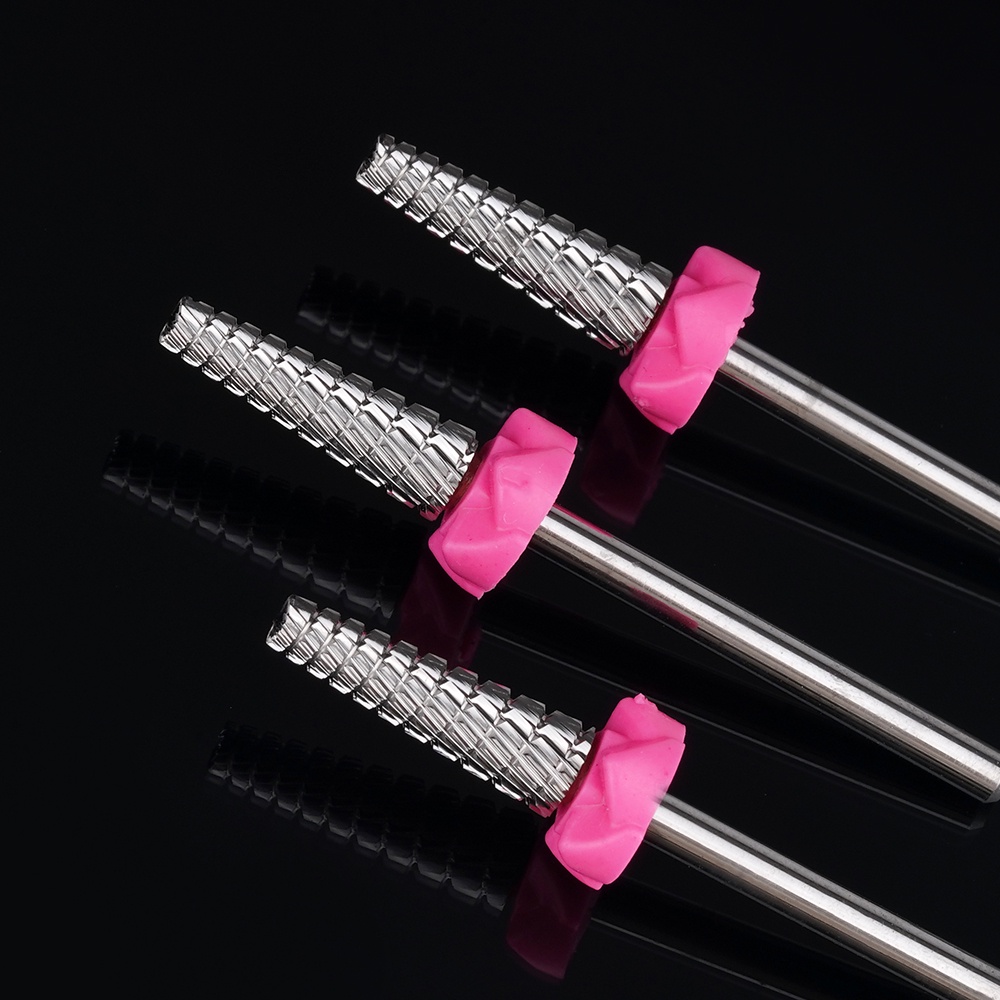
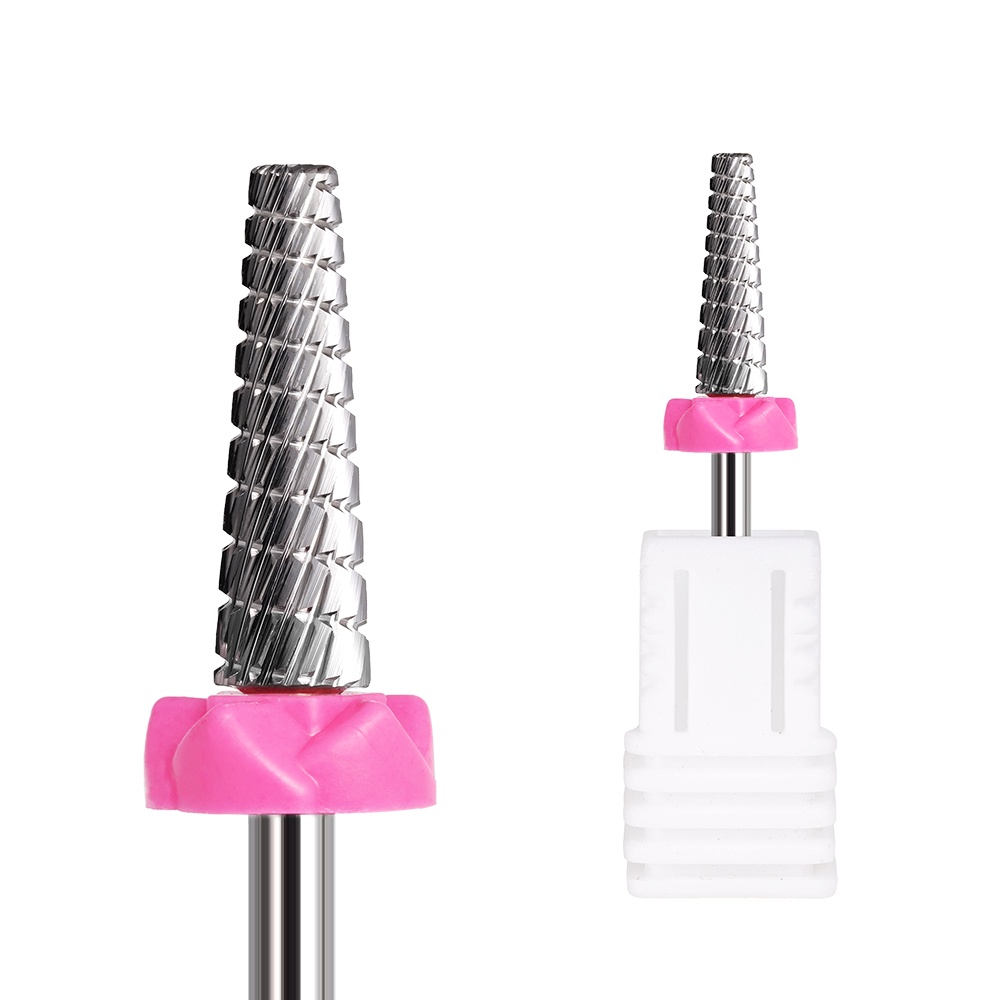
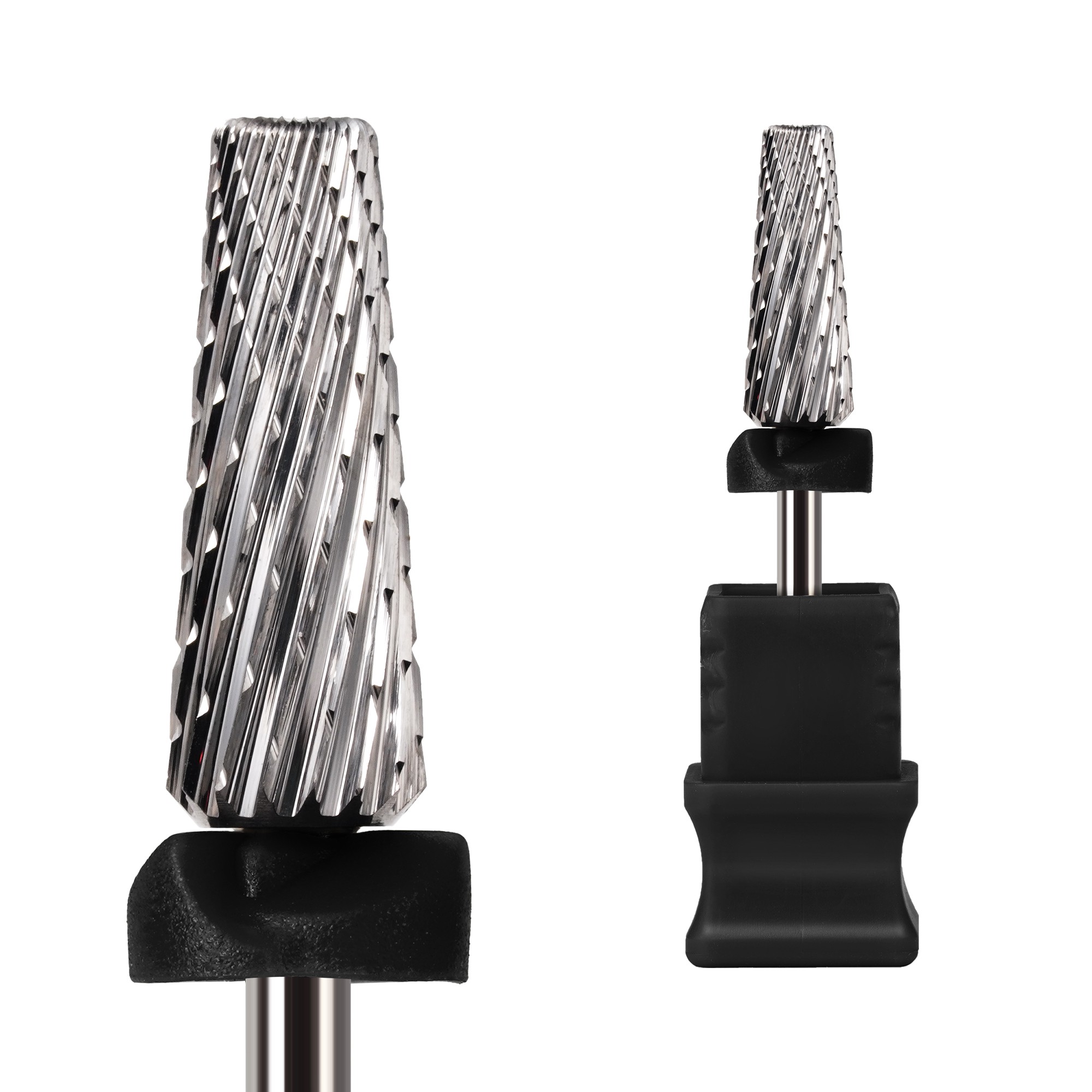
The term long 5 in 1 nail drill bits refers to elongated multifunctional bits engineered with graduated working surfaces.
A typical structure transitions from fine to coarse, allowing different contact areas to handle different tasks during one service flow.
That matters in nail care because treatment steps are not uniform.
Natural nail preparation, dead skin removal, gel polish reduction, shaping, smoothing, and buffing require different levels of abrasion and precision.
A long profile also improves reach and angle control in some working positions.
In practical terms, the bit becomes less of a single-purpose accessory and more of a compact process tool.
Where the replacement question starts
The choice is rarely between “one bit forever” and “many bits always.”
It is usually a decision about workflow density, service variety, operator habits, sanitation routines, and replacement economics.
Long 5 in 1 nail drill bits can reduce change frequency, yet some service models still benefit from separate specialist bits.
When one multifunctional bit makes strong business sense
A multifunctional format tends to perform well in environments where service steps are standardized.
If the majority of treatments involve similar prep, gel work, and finishing routines, one bit can improve station efficiency.
There are also inventory advantages.
- Lower SKU count can simplify forecasting and stocking.
- Training becomes easier when tool selection is narrower.
- Fewer tool changes may reduce service time variation.
- A more consistent tool set can support OEM standardization.
This is especially relevant in export supply, where buyers often need broad compatibility and predictable repeat orders.
A 3/32 inch shank, for example, supports compatibility with common nail drill handpieces in many markets.
If the bit is bidirectional, it also serves both clockwise and counterclockwise operation, which helps mixed user environments.
Why multiple replacements still remain relevant
Long 5 in 1 nail drill bits are efficient, but efficiency is not the same as universal replacement.
Separate bits may still be preferred where procedures are highly specialized or where wear rates differ sharply by task.
For example, aggressive bulk removal can shorten useful life faster than fine finishing work.
If one multifunctional bit is used for everything, replacement timing may be driven by the most demanding zone, not the whole tool.
That can reduce cost efficiency in high-volume settings.
There is also the question of operator preference.
Some users prefer dedicated shapes for carving, edge detailing, or sensitive cuticle work because task-specific tools offer more tactile certainty.
Material and structure affect the real answer
The one-bit-versus-many decision only works when build quality is part of the evaluation.
Low-grade multifunctional bits may look efficient on paper but fail under repeated cleaning, friction, and extended use.
This is where tungsten steel matters.
A corrosion-resistant tungsten steel body supports strength, dimensional stability, and better durability across filing, reshaping, grinding, and gel product removal.
Heat and dust control also deserve attention.
A bit that generates minimal heat and dust improves usability and can support a cleaner working rhythm.
That is one reason many buyers review not just grit level, but also flute design, balance, and cleaning convenience.
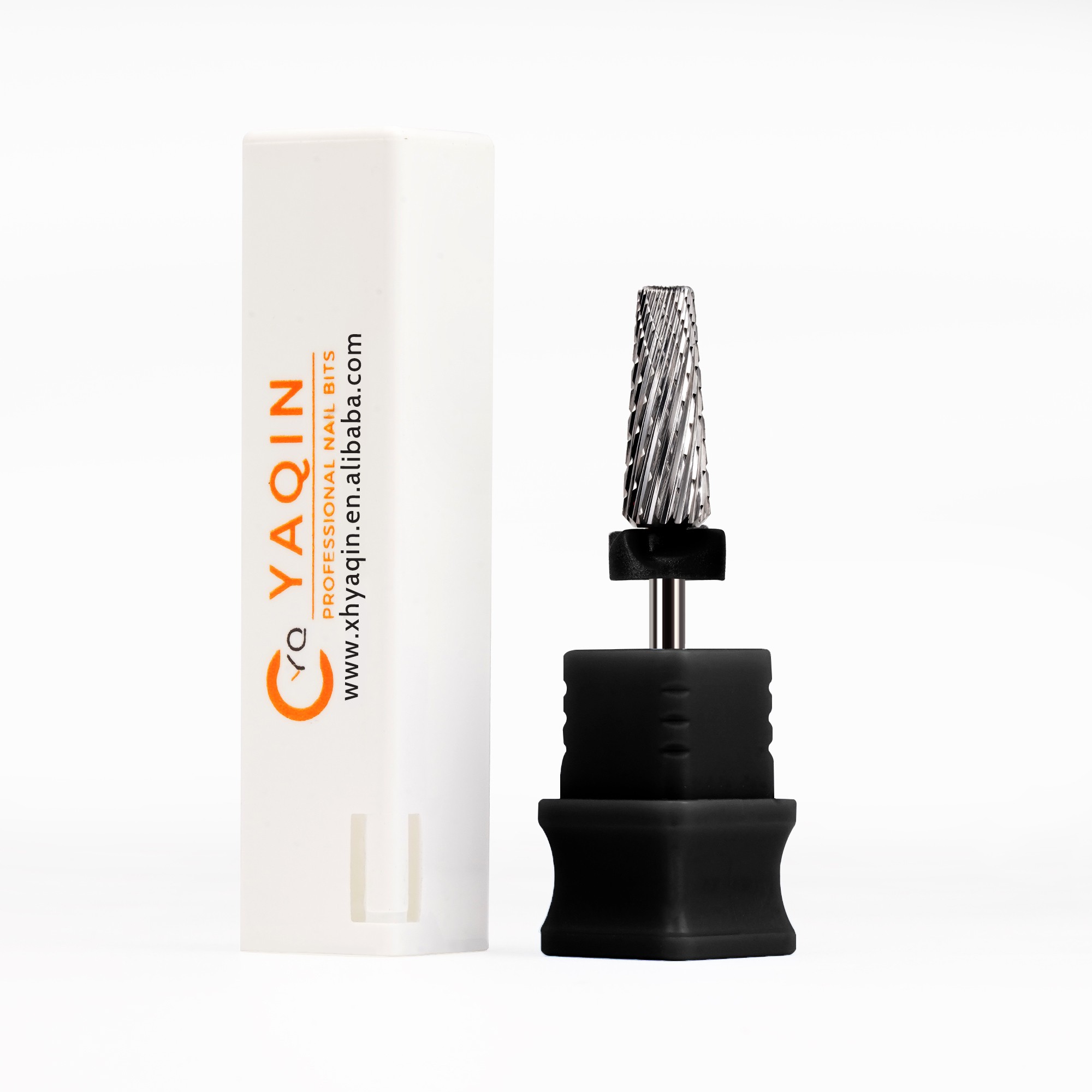
A well-designed option such as 5-in-1 Multi-Functional reflects this broader expectation.
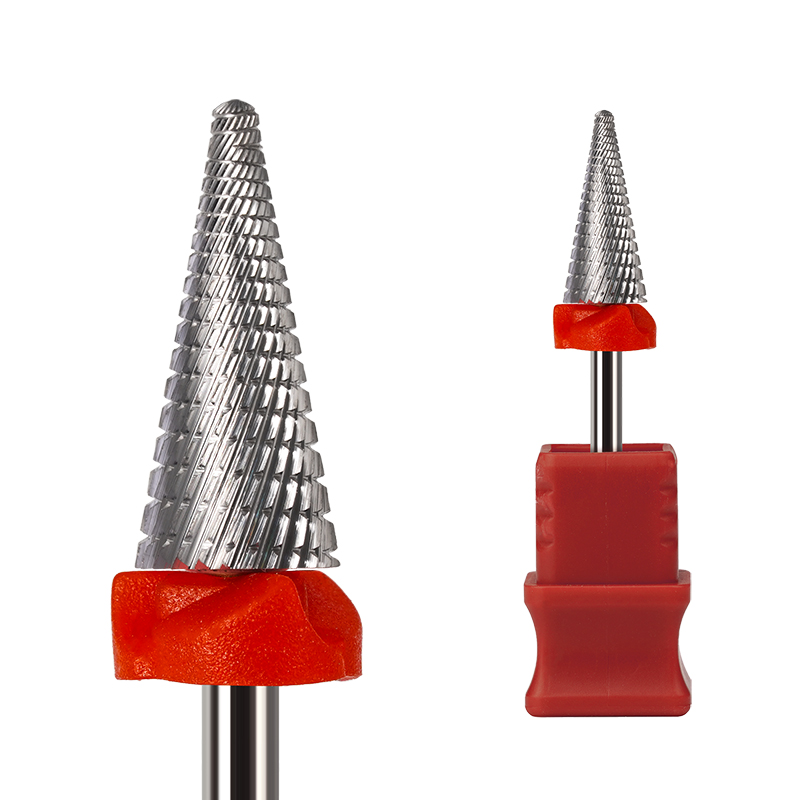
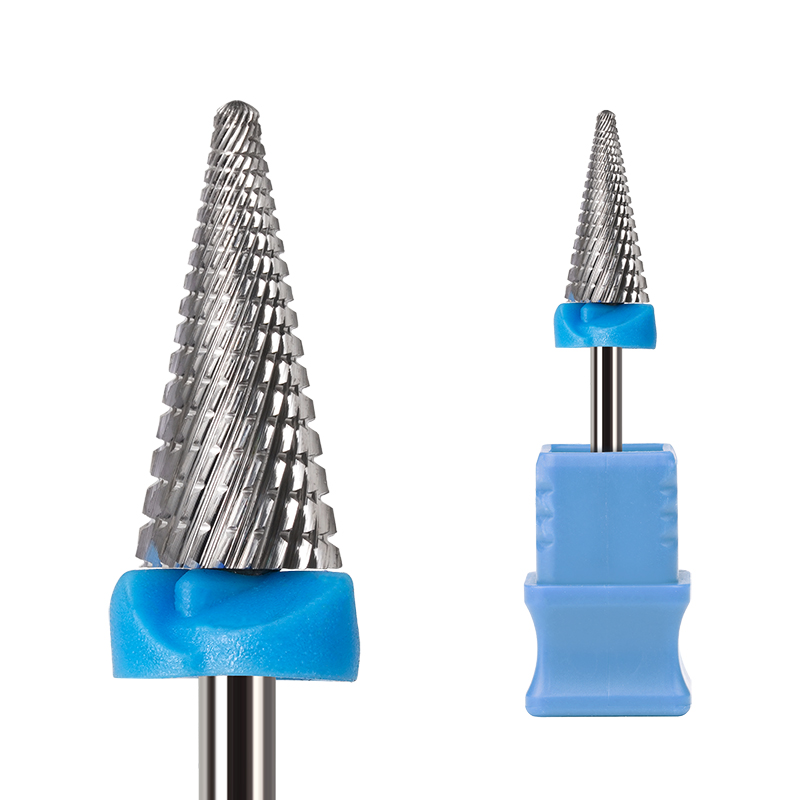
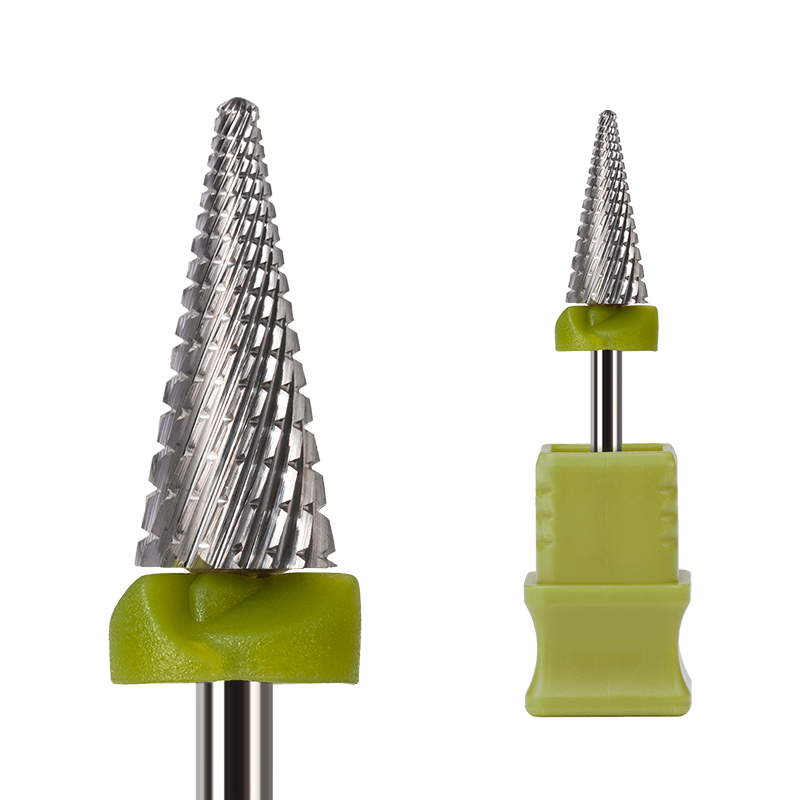
Its fine, medium, and coarse specifications show how long 5 in 1 nail drill bits can be adapted to different service intensity levels.
How sourcing teams should assess application fit
A good buying decision begins with service mapping rather than catalog comparison alone.
The same bit may perform very differently depending on treatment mix and operator behavior.
Questions worth checking before ordering
- What percentage of services involve gel polish removal or heavy reshaping?
- Is the tool expected to cover prep, smoothing, and cuticle work in one sequence?
- Are both left-handed and right-handed users part of the real use case?
- How often will the bit be cleaned and sanitized between sessions?
- Will replacement be based on performance drop, time cycle, or appearance?
These questions make long 5 in 1 nail drill bits easier to evaluate as operating assets, not just accessories.
Supply reliability is part of product value
In the light industrial daily-use sector, sourcing confidence often matters as much as tool specification.
When orders support retail programs, chain distribution, or private-label expansion, inconsistency creates downstream cost.
Wuxi Yaqin Trading Co., Ltd. has built its export business around abrasive product production and supply control.
Its coverage across the USA, Canada, Germany, the UK, Italy, Poland, and many other markets reflects experience with differing demand standards.
Strict QC from raw material purchasing to production and packing is especially relevant for long 5 in 1 nail drill bits.
Dimensional consistency, abrasive accuracy, and finish quality all affect whether the multifunctional promise holds in daily use.
ISO9001:2000 certification and one-stop service from production to delivery also matter when OEM or ODM projects require repeatability.
A practical way to decide
If the goal is to reduce tool switching, simplify stock, and standardize core procedures, long 5 in 1 nail drill bits are often the stronger option.
If the service mix is highly specialized, or if wear concentration is uneven, multiple replacements may still produce better long-term value.
In many cases, the best answer is a hybrid structure.
Use multifunctional bits for mainstream procedures, then keep selected specialist replacements for high-wear or precision-intensive work.
That approach balances efficiency with control.
Before moving to volume ordering, it helps to compare grit options, expected service frequency, cleaning routines, and replacement thresholds side by side.
When those criteria are clear, the question is no longer one bit or many in theory.
It becomes a measurable decision about workflow fit, usable life, and supply stability.
News List
- Is It Better to Source All Nail Drill Bits From One Factory?Aug 24, 2026
- How to Spot Fake Diamond Coating on Nail Drill BitsAug 24, 2026
- Are Silicone Nail Drill Bits Reusable After Sterilization?Aug 24, 2026
- Essential tools for manicures that make beginner work more consistentAug 24, 2026
- Which must-have items for nail technicians improve service speed mostAug 24, 2026
- How gel removal bits affect speed and heat during soak-off removalAug 24, 2026
Best-Selling Products
 Cross Cut Safety Stainless Steel Tungsten Carbide Nail Drill Bits Salon Foot Use XF-C Grit for Removing Nails
 First-rate Quality Tungsten Carbide Nail Drill Bits Best Coating Manicure Remove Gel Nails Accessories
 Professional Advanced Safety Cuticle Bits Two-Way Rotate 3/32'' Carbide Tungsten 5 in 1 Nail Drill Bits
 Wholesale 5 in 1 Electric Manicure Nail Drill Bits Various Coating Cone Cuticle Bit with Rotary Cross Cut for Nail Art
 New Slant Tooth Tungsten Steel Nail Drill Bits Dead Skin Removal 5-in-1 Universal Grinding Nail Polish Head Tool Nail Drill Bits
 4.0mm Small 5 in 1 Integrated Sharpe Tungsten Nail Drill Bit Straight Teeth Gel Polish Removal
 Flame Sharp XF F M C XC Silver Safety Professional Corn Tungsten Carbide Nail Bit for Drill Machine Accessories
 Factory Direct 5 in 1 Tungsten Carbide Nail Drill Bits 6.8MM Cross Cut Safety Manicure 5 in 1 Nail Drill Bits
Please give us a message