
Straight Cut Carbide Drill Bits for Nails vs Smooth Finish Needs
Straight Cut Carbide Drill Bits for Nails vs Smooth Finish Needs
Straight cut carbide drill bits for nails or smooth finish bits: what really changes?

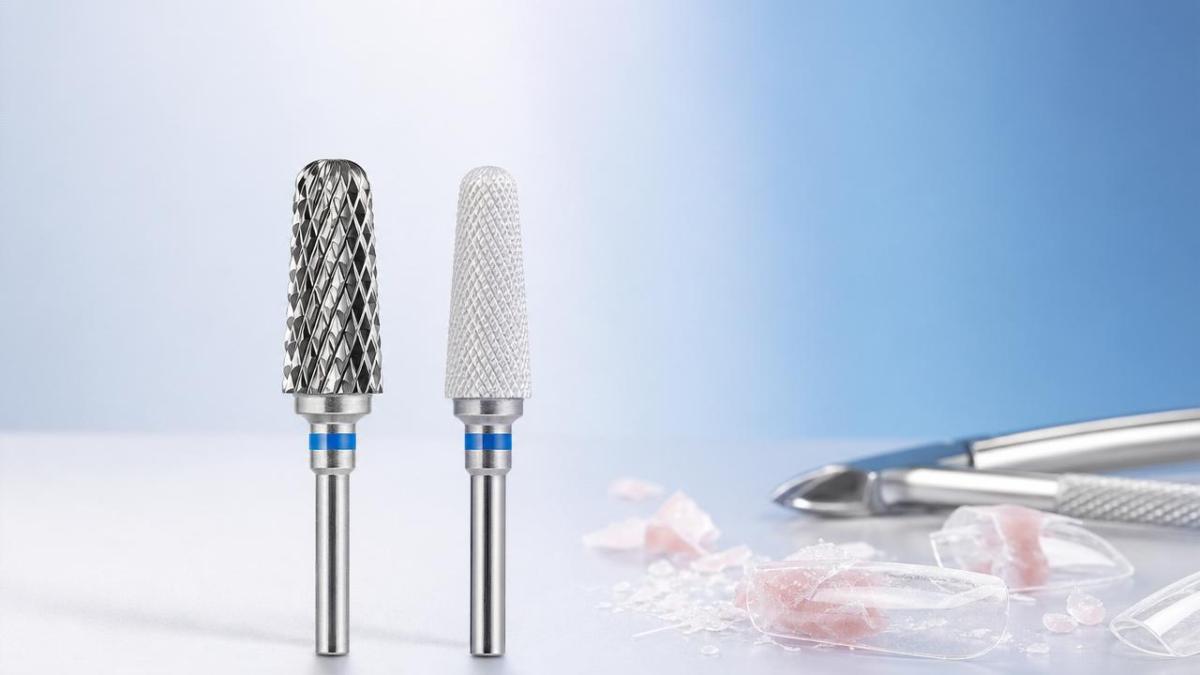
The choice is not only about speed. It changes finish quality, heat control, dust flow, and how much manual refining is needed afterward.
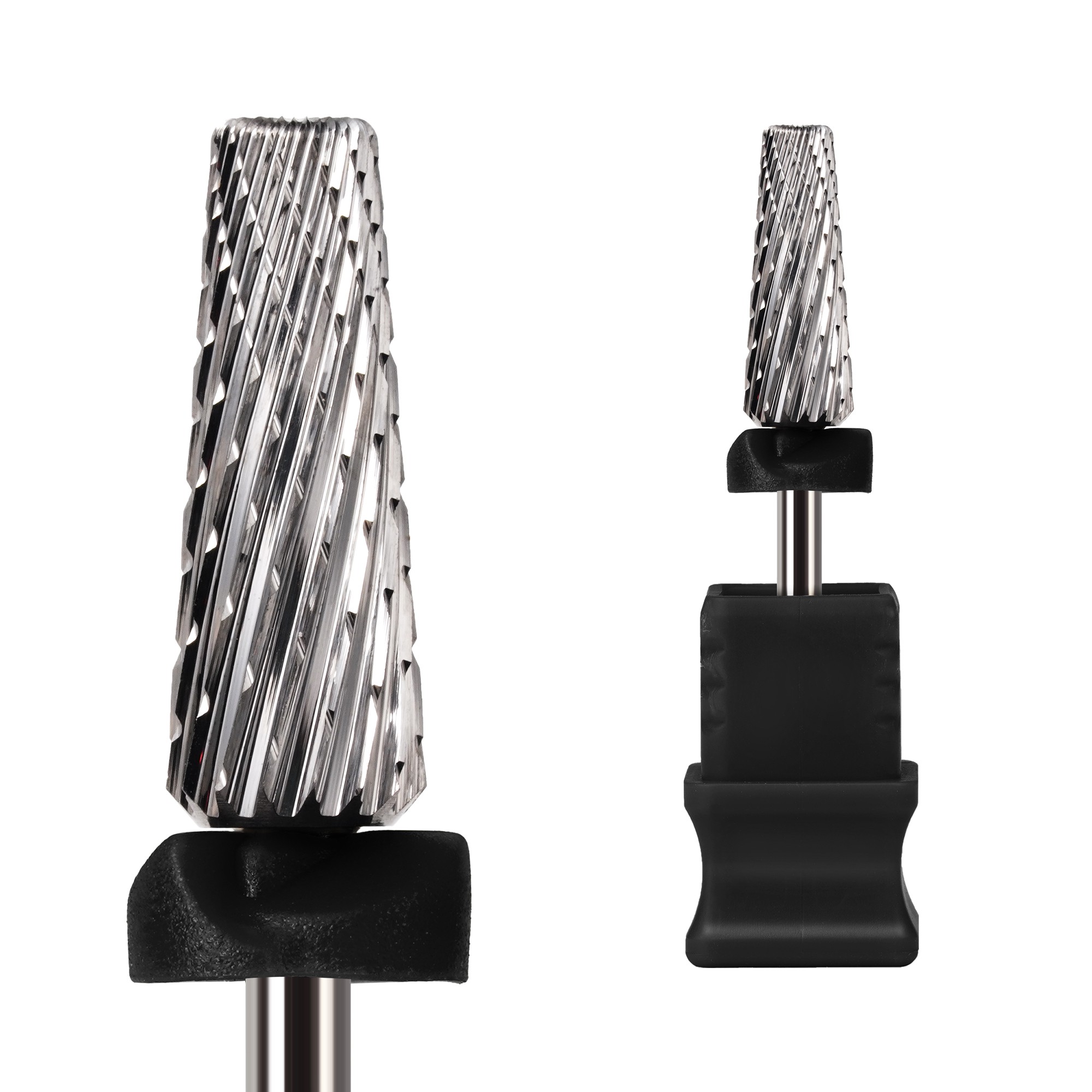
In nail care, straight cut carbide drill bits for nails are often selected for strong cutting power. They remove product fast, especially thick gel, acrylic, or stubborn overlays.
Bits made for smoother finishing behave differently. They usually leave a more even surface and reduce visible grooves before the next prep step.
That is why the comparison matters. A faster removal stage can still create extra work if the surface needs correction before refill or color application.
In daily-use beauty tools, practical performance matters more than labels. The better question is simple: where in the service process will the bit be used?
When do straight cut carbide drill bits for nails make the most sense?
They are most useful when removal efficiency comes first. Think bulk product removal, shortening enhancement time, or reducing hand-file labor.
Straight flutes tend to cut directly and consistently. On hardened product, that can feel more stable than softer finishing styles.
In actual use, straight cut carbide drill bits for nails are common for these situations:
- Removing thick acrylic or builder gel layers.
- Debulking before detailed shaping.
- Working through refill cycles where old product remains dense.
- Handling repetitive high-volume services where time control matters.
They also suit users who prefer a more defined cutting response. With the right RPM and pressure, removal can feel controlled rather than dragging.
Still, they are not automatically the best option for every stage. If the goal is a refined top surface, another bit may finish the job better.
Why do some users prefer a smoother finish bit even if removal is slower?
Because surface quality affects the next step. A smoother finish can shorten final refining, reduce visible scratches, and improve product adhesion consistency.
This matters most when only a thin layer should remain, or when the natural nail must be protected carefully during transition areas.
More polished cutting patterns often help with:
- Smoother prep before a new overlay.
- Reducing deep track marks on product surfaces.
- More comfortable work near sensitive sidewalls.
- Lower correction time after bulk removal.
So the trade-off is clear. Straight cut carbide drill bits for nails often remove faster, while smoother finish tools may reduce the amount of cleanup.
Many experienced users do not treat this as an either-or decision. They pair one bit for bulk work and another for final refinement.
How can you judge the right bit without guessing?
A useful way is to compare service goals, material thickness, and finishing expectations together rather than focusing only on flute style.
The table below works as a quick decision guide.
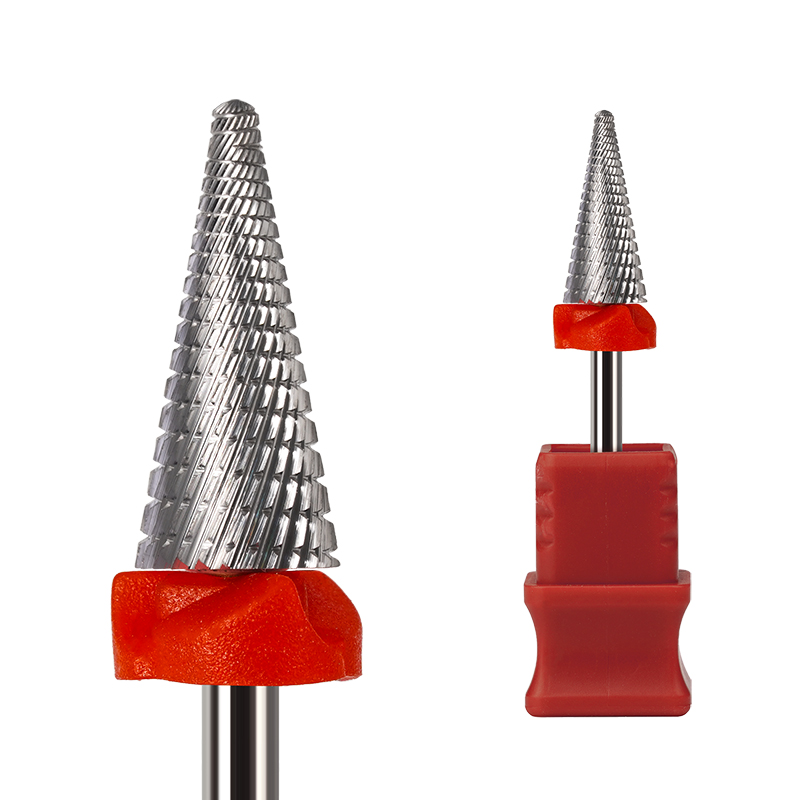
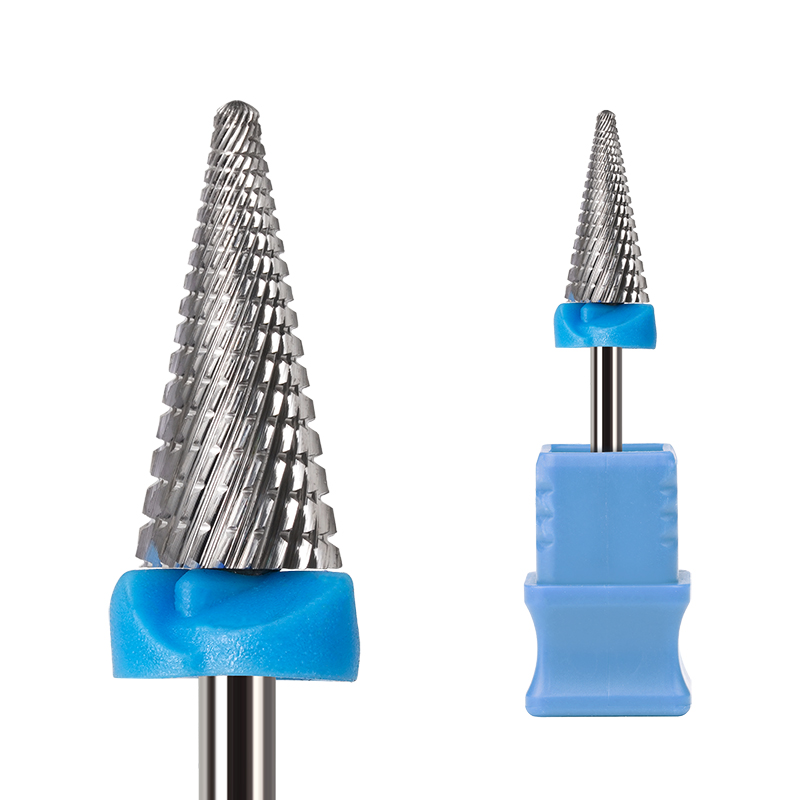
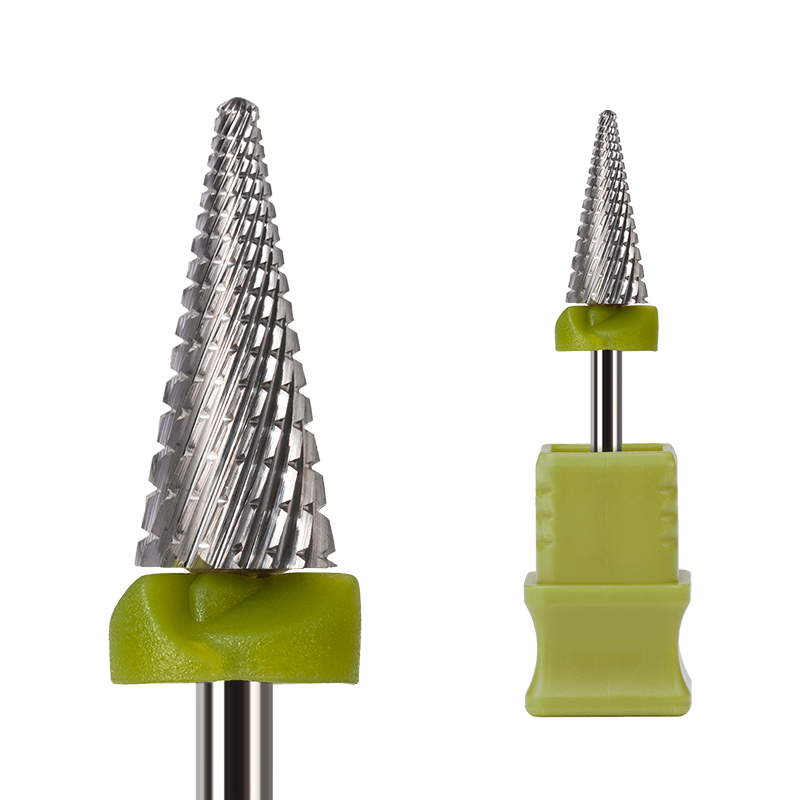
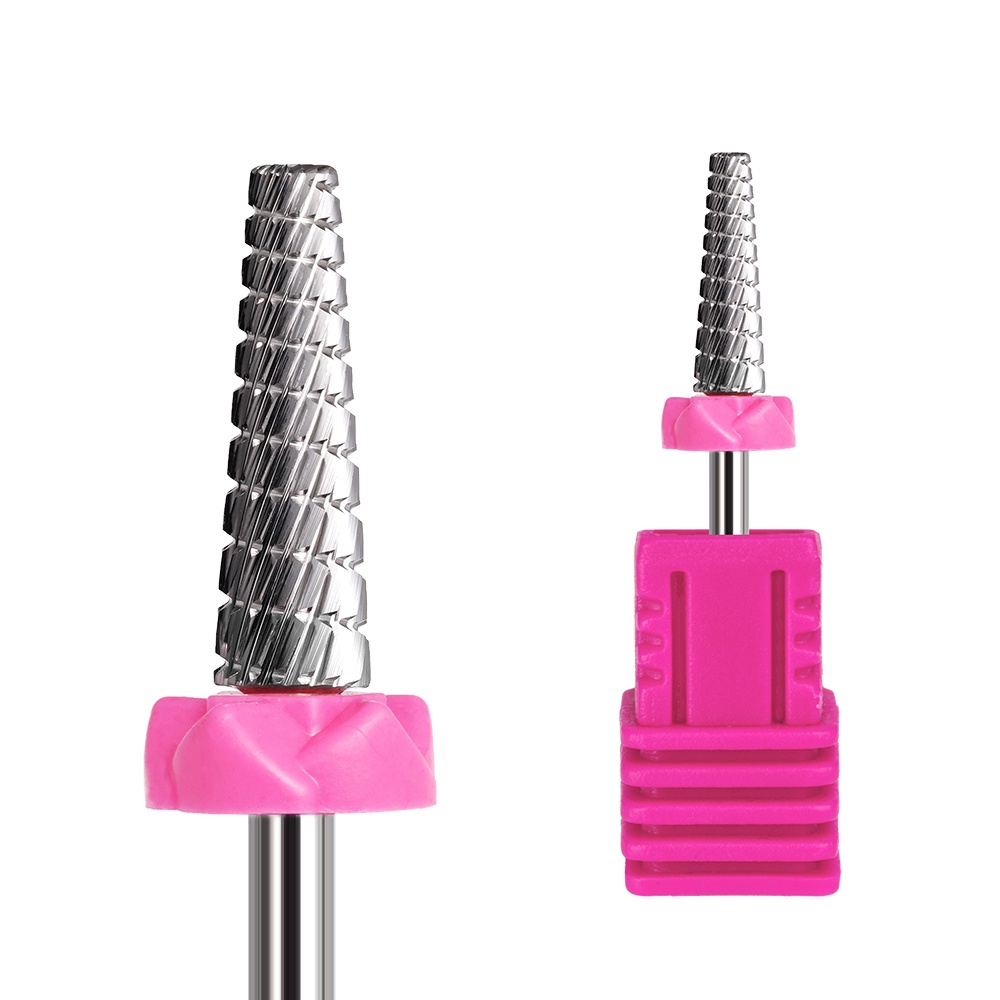
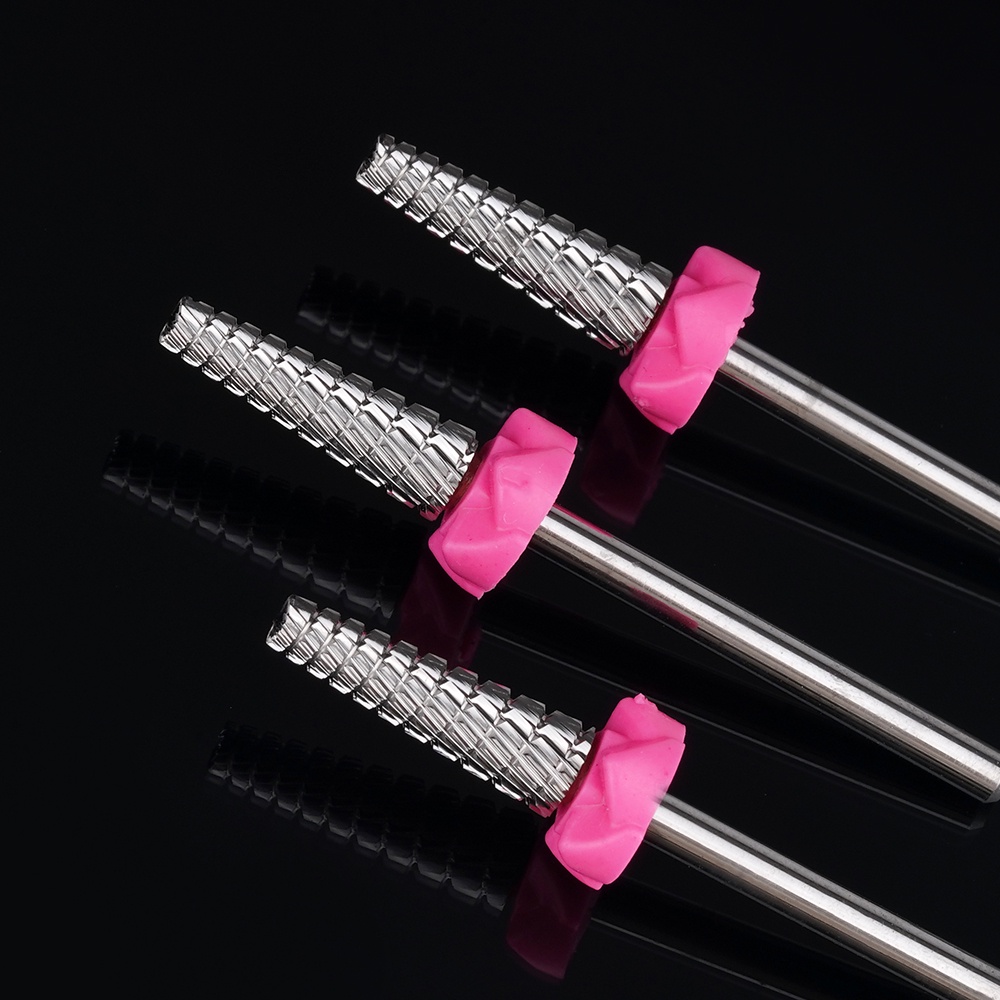
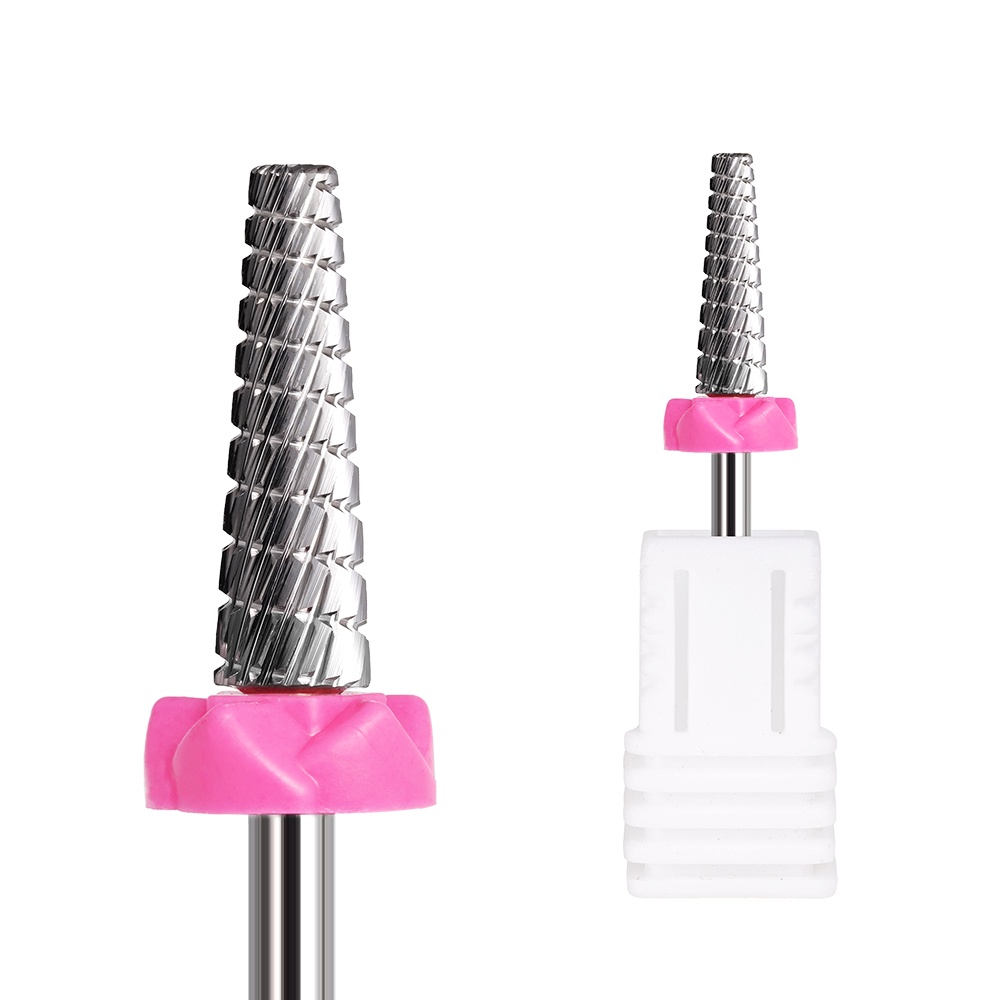
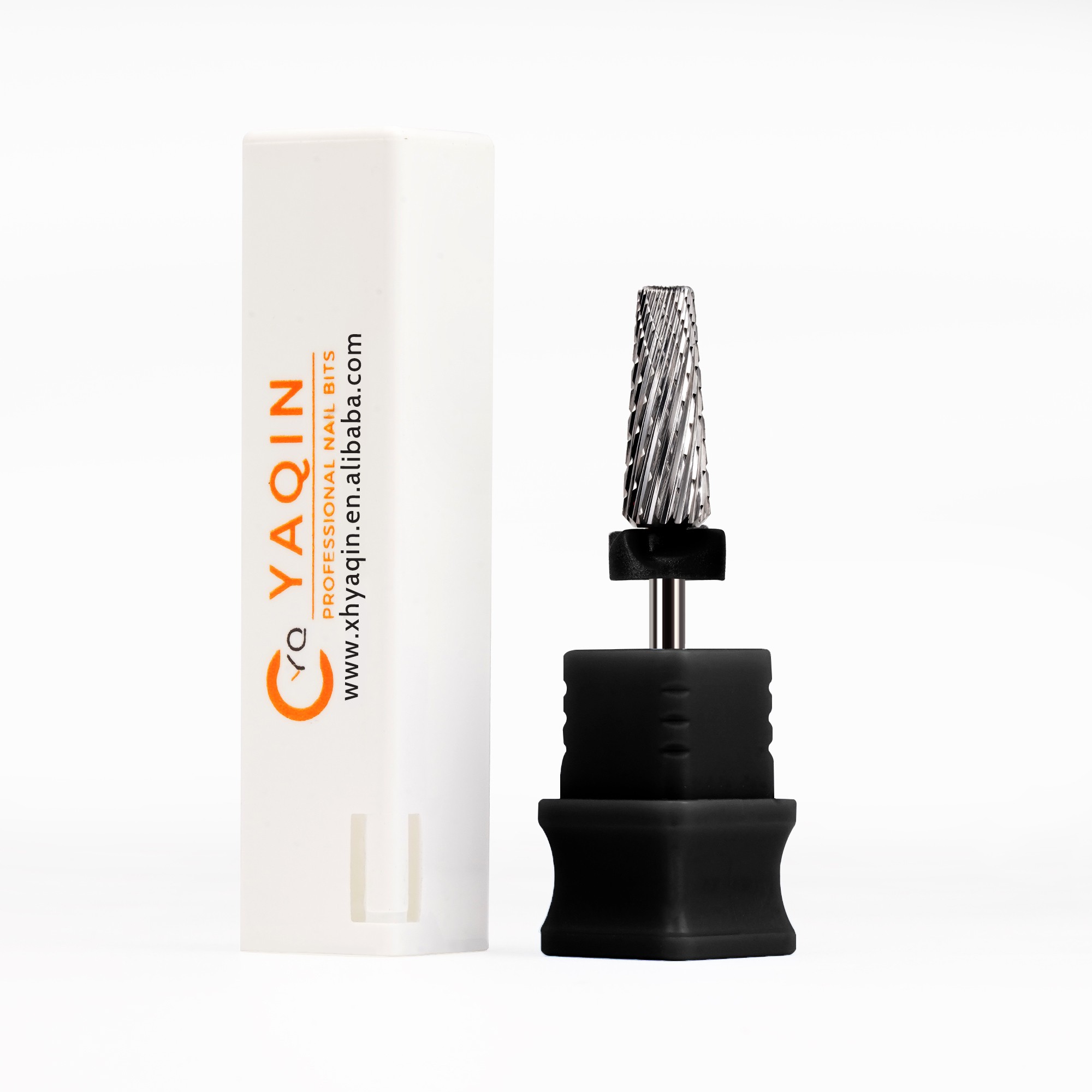
If one bit must cover several steps, a multi-purpose design can be practical. A good example is 5 in 1 Nail Drill Bits Two-way Carbide Stainless Steel Professional Podiatry Chiropody Pedicure Manicure Drill Bit.
Tools in this category often combine efficient polish removal, prep work, and gel reduction while keeping dust ejection more consistent and controlled.
What mistakes cause poor results with straight cut carbide drill bits for nails?
The most common mistake is expecting one bit to perform every step equally well. Bulk removal and smooth finishing are not the same task.
Another problem is using too much pressure. Straight cut carbide drill bits for nails should cut through material, not be forced into it.
When pressure is excessive, several issues appear fast:
- Heat buildup becomes harder to manage.
- The surface may show deeper grooves.
- Bit lifespan can shorten.
- Natural nail safety margins become smaller.
Cleaning and maintenance are also underestimated. Dust accumulation reduces cutting consistency and can affect tool balance over time.
That is why durable materials matter. Tungsten steel and carbide stainless steel designs usually hold sharpness longer and resist wear during repeated use.
Need to compare one bit with another? Check three things before anything else:
- How evenly it removes product across thick and thin areas.
- Whether dust ejects away cleanly or splatters around the work zone.
- How much surface correction is required after the first pass.
Does quality control matter as much as bit design?
Yes, often more than expected. Two bits may look similar, yet perform very differently because of material consistency, machining precision, and packing control.
For nail tools used repeatedly, high hardness alone is not enough. The bit must also resist wear, maintain cutting edges, and reduce breakage risk.
This is where supplier background becomes relevant. Wuxi Yaqin Trading Co., Ltd. works with a strict QC system covering raw materials, production, and packing.
Its ISO9001:2000 certification and export experience across the USA, Canada, Germany, the UK, Italy, Poland, and many other markets suggest process stability, not just product variety.
That matters when comparing straight cut carbide drill bits for nails for repeat orders, OEM or ODM projects, or long-term assortment planning.
In other words, a smooth finish on paper means little if actual batches vary in sharpness, durability, or dust performance.
So which option should be chosen for daily professional use?
Choose based on the service stage, not on a single feature claim. That is usually the clearest answer.
If removal speed is the priority, straight cut carbide drill bits for nails are often the stronger choice. If refinement matters more, smoother finishing tools deserve space in the workflow.
For mixed use, a versatile bit with two-way cutting, durable carbide construction, and skin-conscious shaping can reduce tool changes and improve consistency.
That is why some users keep one high-efficiency remover and one finisher, while others prefer one flexible option such as the linked multi-function bit above.
Before deciding, review these practical points:
- What material is removed most often?
- How important is a smooth post-removal surface?
- Will one bit cover prep, removal, and light finishing?
- How stable is product quality across repeat supply?
A smart comparison balances efficiency, surface result, maintenance, and consistency. Once those standards are clear, the right nail bit choice becomes much easier to repeat.
News List
- Is It Better to Source All Nail Drill Bits From One Factory?Aug 24, 2026
- How to Spot Fake Diamond Coating on Nail Drill BitsAug 24, 2026
- Are Silicone Nail Drill Bits Reusable After Sterilization?Aug 24, 2026
- Essential tools for manicures that make beginner work more consistentAug 24, 2026
- Which must-have items for nail technicians improve service speed mostAug 24, 2026
- How gel removal bits affect speed and heat during soak-off removalAug 24, 2026
Best-Selling Products
 Cross Cut Safety Stainless Steel Tungsten Carbide Nail Drill Bits Salon Foot Use XF-C Grit for Removing Nails
 First-rate Quality Tungsten Carbide Nail Drill Bits Best Coating Manicure Remove Gel Nails Accessories
 Professional Advanced Safety Cuticle Bits Two-Way Rotate 3/32'' Carbide Tungsten 5 in 1 Nail Drill Bits
 Wholesale 5 in 1 Electric Manicure Nail Drill Bits Various Coating Cone Cuticle Bit with Rotary Cross Cut for Nail Art
 New Slant Tooth Tungsten Steel Nail Drill Bits Dead Skin Removal 5-in-1 Universal Grinding Nail Polish Head Tool Nail Drill Bits
 4.0mm Small 5 in 1 Integrated Sharpe Tungsten Nail Drill Bit Straight Teeth Gel Polish Removal
 Flame Sharp XF F M C XC Silver Safety Professional Corn Tungsten Carbide Nail Bit for Drill Machine Accessories
 Factory Direct 5 in 1 Tungsten Carbide Nail Drill Bits 6.8MM Cross Cut Safety Manicure 5 in 1 Nail Drill Bits
Please give us a message