
When Does a Carbide Nail Drill Bit Tornado Improve Product Removal?
When Does a Carbide Nail Drill Bit Tornado Improve Product Removal?
A carbide nail drill bit tornado improves product removal when the goal is to reduce bulk efficiently without losing control near the natural nail, sidewalls, or cuticle area. For nail technicians and operators, the difference is felt most clearly during a busy removal service: a thick hard-gel overlay, dense acrylic extension, or built-up poly gel should come down in predictable layers rather than turning into a long, dusty struggle.
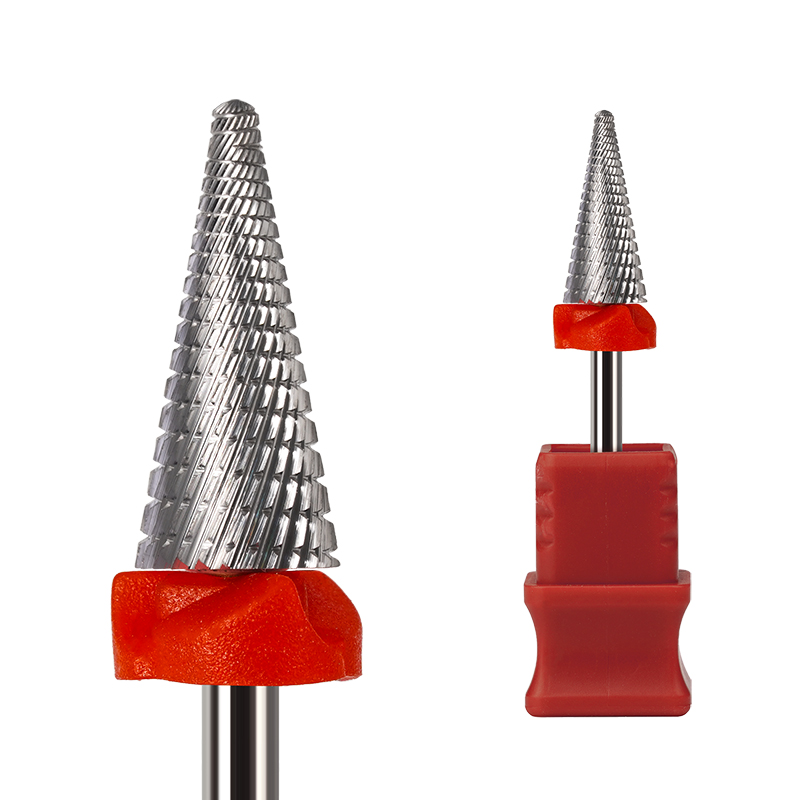
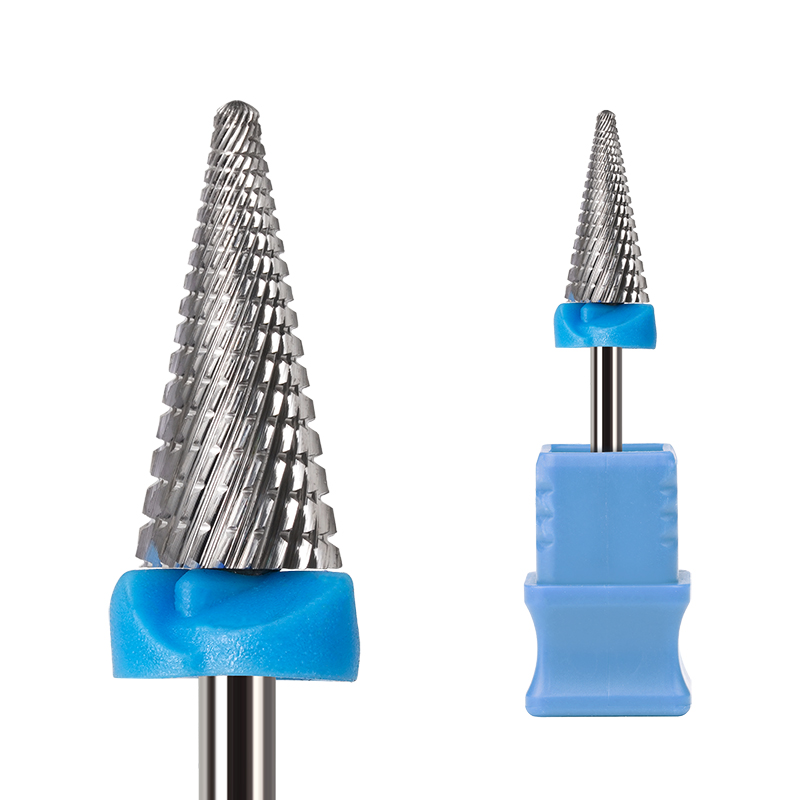
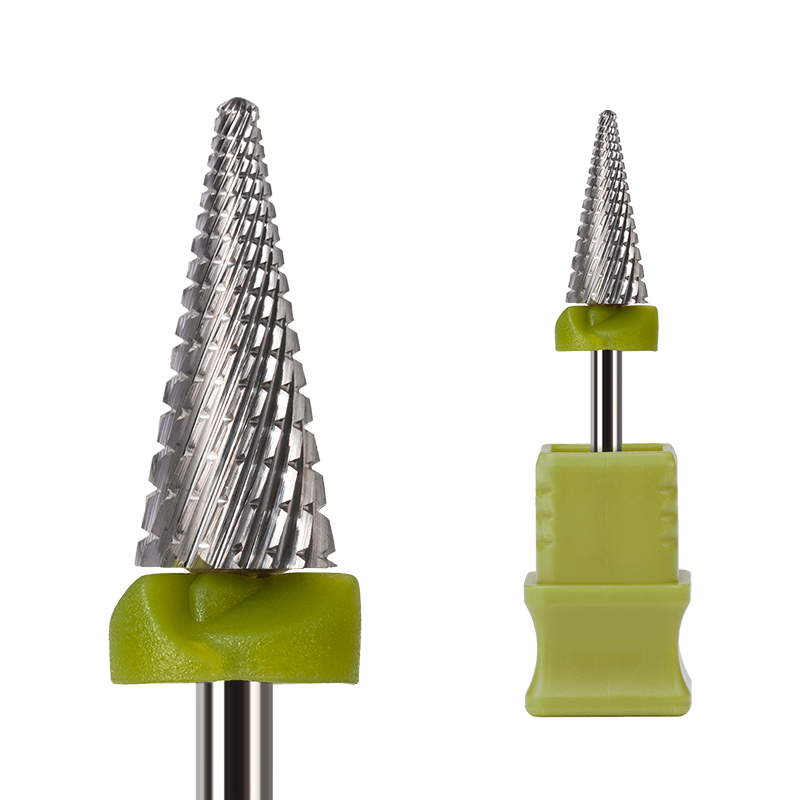
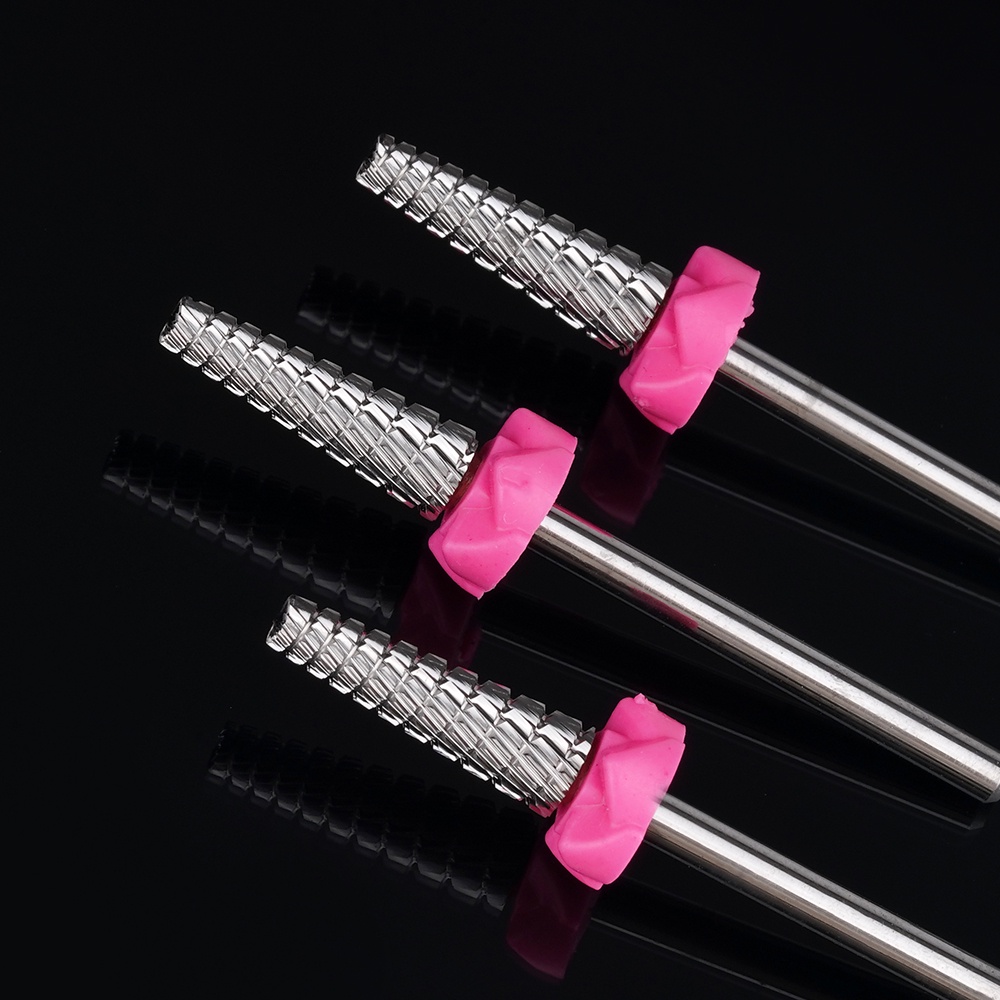
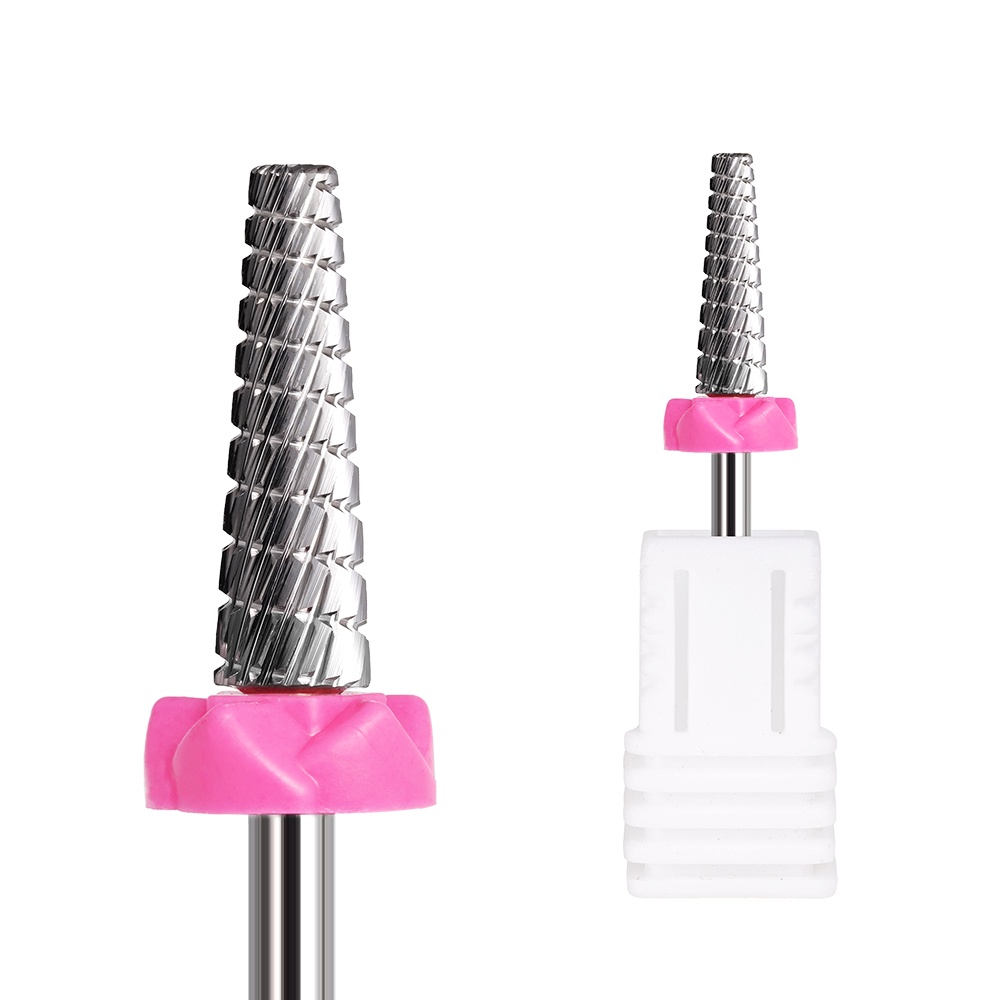
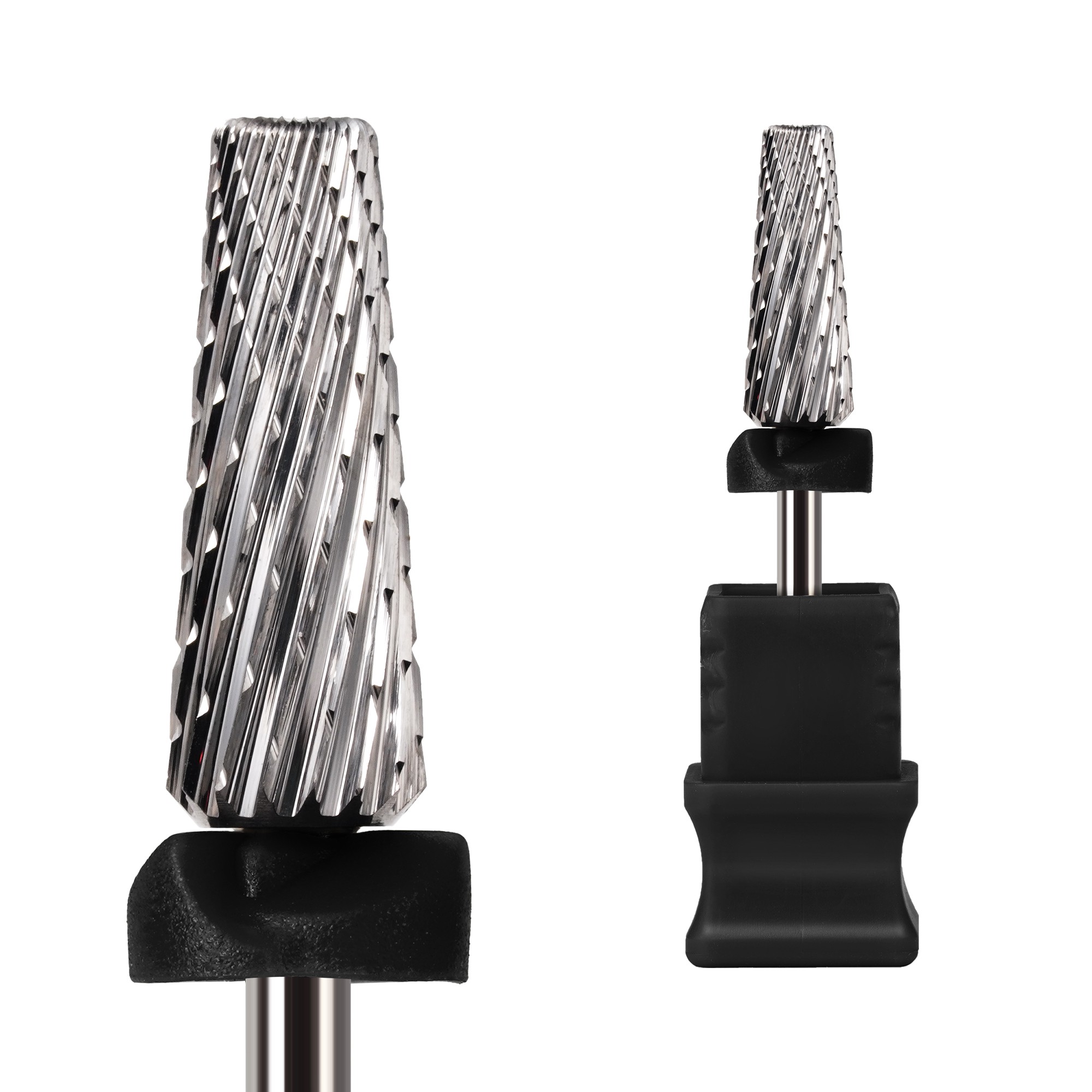
The “tornado” description usually refers to the spiral arrangement of the cutting flutes. Instead of holding debris around a single cutting point, the spiral pattern helps move filing dust away from the working area as the bit travels over the enhancement. This can maintain a clearer view of the surface and keep the bit cutting consistently. It does not mean that more pressure or higher speed is always better. The real value comes from matching the bit’s grit, size, motion, and RPM to the material being removed.
Used well, a tornado-style tungsten carbide bit can shorten the bulk-removal stage while leaving a thin protective layer of product for hand filing or a finer bit. Used carelessly, even a well-made bit can create heat, uneven thinning, and unnecessary stress for both technician and client.
Removal situations where a tornado bit makes the biggest difference
A carbide tornado bit is most useful when the surface contains enough material for the flutes to engage. It is not simply an “all-purpose” bit for every part of every service. Its strongest role is controlled debulking.
1. Thick hard gel overlays and structured gel
Hard gel is often durable enough that a light sanding band or a fine standard bit removes it slowly. When an overlay has several fills, a raised apex, or a glossy top layer over substantial structure, a medium or coarse tornado bit can remove the upper bulk much more smoothly. The spiral cuts help prevent the operator from repeatedly passing over the same area just to break through the surface.
Work in long, flowing strokes from the cuticle zone toward the free edge, keeping the bit moving. The aim is not to reach the natural nail. Stop while a thin, even layer of gel remains, especially if the service history is uncertain. That layer can protect the natural nail from accidental over-filing and may be safely refined with a finer abrasive.
2. Acrylic removal before a rebalance or soak-off
Acrylic is one of the clearest examples of when a carbide nail drill bit tornado can save time. Dense acrylic product can be reduced quickly when the bit has sharp flutes and the operator uses the correct handpiece angle. Rather than grinding in one spot, allow the bit to skim the surface and shave off fine, continuous dust.
For a rebalance, remove lifting and reduce the old acrylic until the remaining enhancement is stable and thin. For a complete removal, reduce the acrylic bulk before switching to the appropriate finishing method. A drill bit should not be used aggressively on exposed natural nail to chase every trace of product.
3. Poly gel and thick extension product
Poly gel can vary widely in density. Softer formulas may come down easily with a medium grit, while thick extension layers or highly cured material can require a coarser option. The tornado profile is helpful here because the product tends to come off in a controlled pattern rather than collecting heavily on the surface. This gives the technician a better sense of where the apex remains and where the product has already been reduced enough.
4. Tip shortening and reshaping
When removing length from gel extensions, acrylic tips, or reinforced free edges, a carbide bit can be more efficient than manually filing down substantial material. A wider barrel or tornado bit may be useful over broad, flat zones, while a narrower size provides more visibility around curved areas. Keep the client’s finger supported and use light contact; free-edge work can create vibration if the nail is not stabilized.
Why the spiral-cut design changes the working feel
Carbide bits remove product by cutting it into fine particles rather than sanding it away through friction alone. The flutes on a tornado-style bit are arranged in a spiral path. As the bit rotates, this design can help guide dust outward and reduce the tendency for material to sit in the cutting grooves.
In practical terms, operators often notice three improvements:
- More consistent contact: less compacted debris means the flutes can continue cutting rather than skating over the product.
- Cleaner visibility: dust still needs extraction, but it is less likely to obscure the exact area being reduced.
- Smoother passes: the spiral pattern can make broad product removal feel more controlled when the correct pressure and speed are used.
These benefits depend on bit condition. A worn bit may generate more friction and require the operator to press harder, which raises the risk of heat. If removal has become slow despite correct technique, inspect the flutes for wear, product buildup, corrosion, or damage. Cleaning and proper storage are part of performance, not an afterthought.
Choose grit by the product, not by impatience
One common mistake is reaching for a coarse bit whenever a service feels slow. Coarse carbide bits have a place, but grit selection should reflect product thickness, hardness, and the operator’s confidence—not just the desire to finish faster.
A medium grit is often the sensible starting point for operators who want versatility. It removes product at a practical pace without being as aggressive as a coarse flute pattern. Coarse bits are appropriate when there is clearly enough enhancement thickness to support fast debulking. Fine bits are better reserved for refinement, soft gel removal, or situations where the technician needs a wider margin of control.
For example, an operator removing a thick, old hard-gel set may begin with coarse or medium grit on the central apex and free edge. Once the product becomes thin, switching to fine grit—or returning to a hand file—gives more control. This staged approach is usually safer than trying to complete the entire removal with one aggressive bit.
RPM ranges that support controlled removal
Speed should support the material and the bit, not compensate for poor technique. For hard gel removal, a working range of approximately 15,000–20,000 RPM is commonly suitable when the operator has stable hand control and keeps the bit in motion. Soft gel and base gel generally require less speed, typically around 10,000–15,000 RPM.
These are operating guidelines, not an instruction to run every drill at the highest setting. A bit at high RPM that is held still can create heat quickly. Conversely, a speed that is too low may cause dragging, vibration, or choppy removal. Find a setting where the bit cuts cleanly with minimal pressure. If the client feels warmth, pause immediately, lift the bit from the surface, and reassess your speed, angle, and pressure.
Handpiece quality, bit balance, product density, and individual working habits also influence the ideal setting. New operators should practice on tips or training hands before attempting fast removal on a client.
Technique: let the bit shave, never dig
The safest tornado-bit technique is based on movement. Hold the handpiece steadily, support the client’s finger, and use the body of the bit rather than the end as the main contact point. Maintain a shallow angle so the flutes shave the enhancement in thin passes.
A useful mental image is “brushing away layers,” not drilling downward. Start in the center of the enhancement, where product is typically thickest. Make overlapping passes toward the free edge, then carefully approach the sidewalls. Near the cuticle, reduce speed if needed and use a lighter touch. The rounded top of many barrel-style carbide bits offers an added margin of safety, but it is not permission to press against skin or work blindly near the proximal nail fold.
Always confirm the bit’s rotation direction. A bit designed for forward rotation may cut poorly or feel unsafe if the handpiece direction is reversed. Left-handed operators should choose a left-hand-compatible bit or a bidirectional design appropriate for their drill and technique. Running a directional bit incorrectly can cause pulling, inefficient removal, and discomfort.
When a tornado carbide bit is not the right answer
Even the best carbide removal bit should not replace every abrasive in a nail service. Avoid using a coarse tornado bit directly on bare natural nails, thin or damaged nails, skin, or highly lifted areas where the product edge can catch. It is also not the preferred choice for detailed cuticle work, smoothing delicate natural-nail ridges, or finishing a surface that needs only a light scratch pattern for adhesion.
For regular gel polish, evaluate the system before choosing the bit. Some soft gels are easily reduced with a fine carbide bit at a lower RPM, while others may be better softened and removed according to the product manufacturer’s procedure. If the client has sensitivity, visible nail thinning, redness, or prior over-filing, choose the gentlest realistic removal route and leave more product rather than forcing a complete e-file removal.
A practical setup for daily salon removal work
Operators looking for a flexible option may consider a tungsten carbide bit range with coarse, medium, and fine models, plus narrow and wide working sizes. Narrow bits offer more precision around curved nail plates and sidewalls. Wide bits can make broad overlays feel faster to reduce, especially on long enhancements.
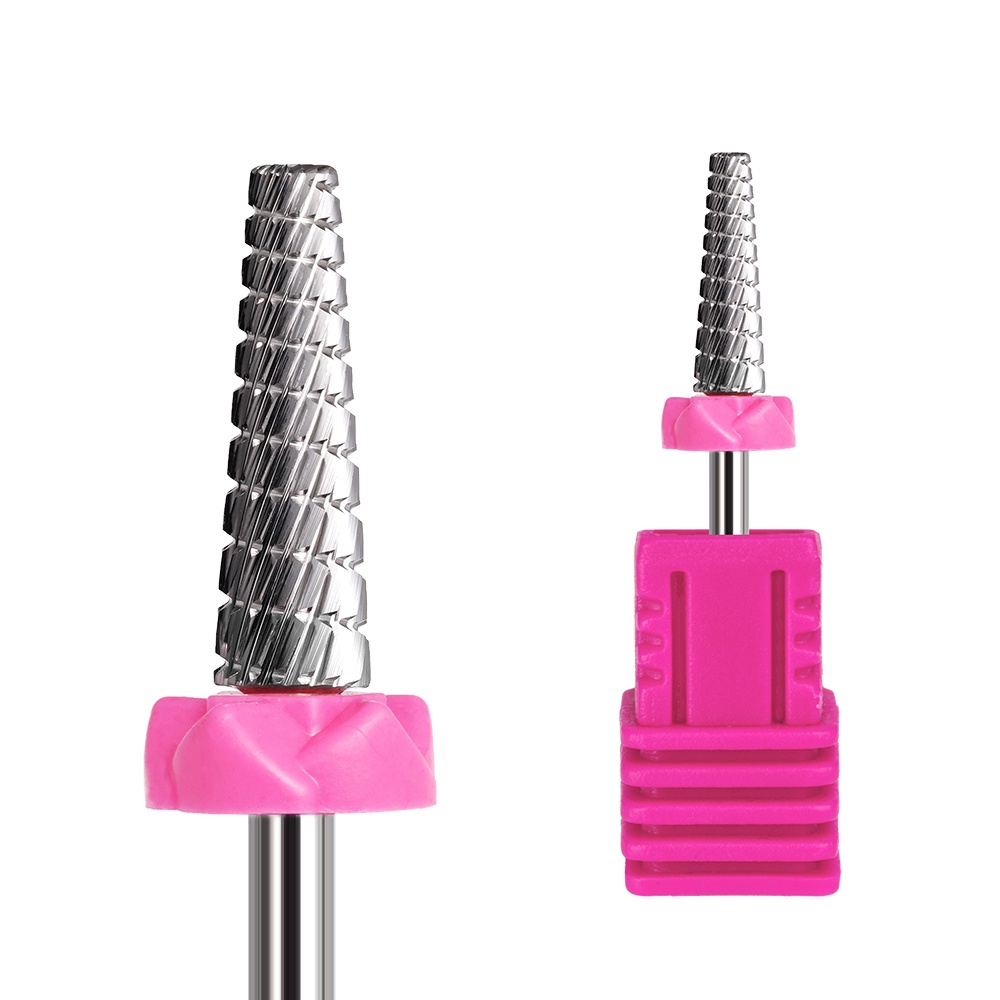
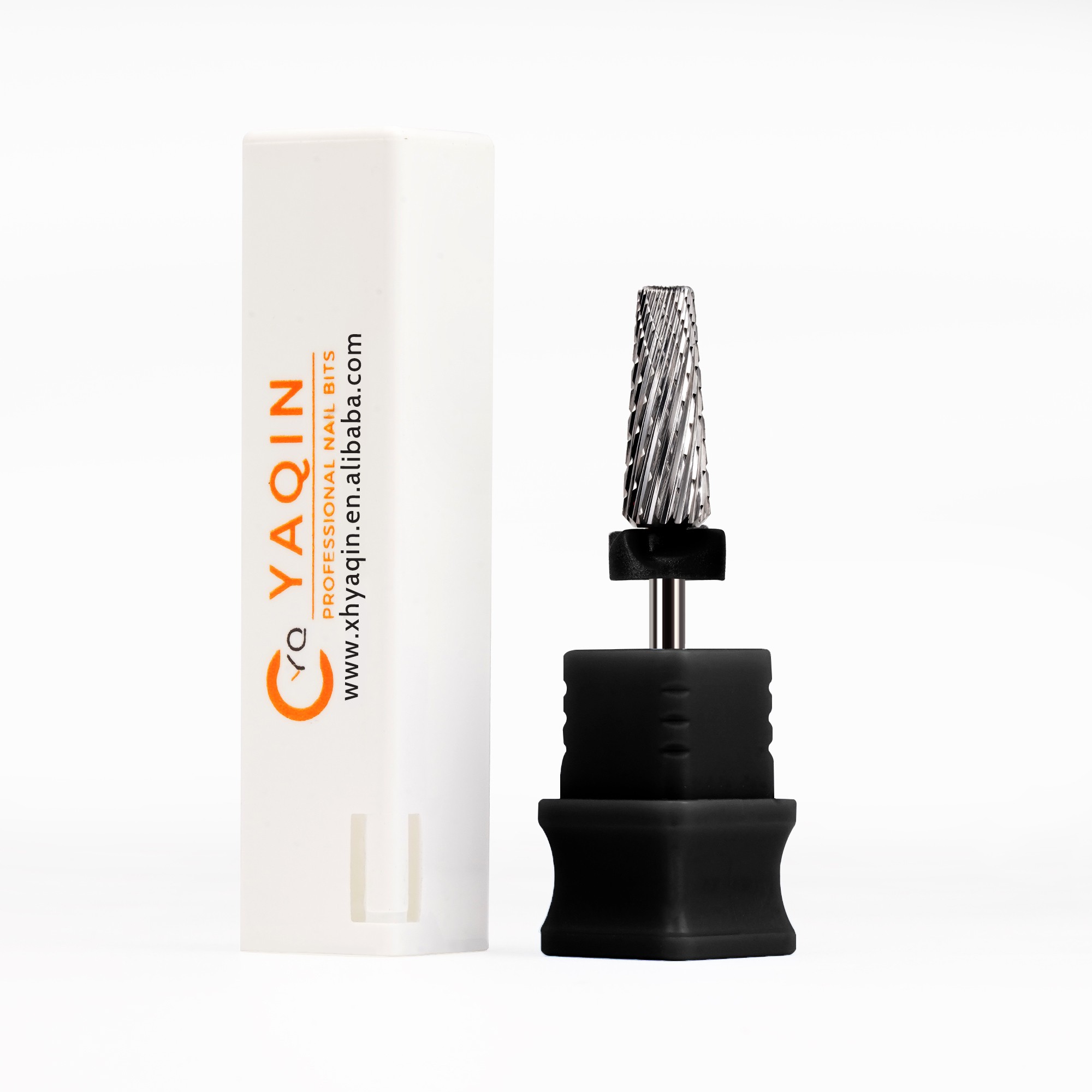
The electric nail file Nail Drill Bit carbide nail drill bits Tungsten Carbide Nail Drill Bit range is designed for applications including gel removal, nail preparation, hard gels, tips, soft gels, and base gel. Its tungsten carbide construction, rounded-tip profile, and protective storage cap suit operators who need to organize multiple bit types for different stages of a service. Coarse, medium, and fine choices make it easier to match the cutting action to the material instead of relying on one bit for every task.
Durability also matters in a high-turnover environment. Tungsten carbide is valued for hardness, resistance to wear, and its ability to handle normal e-file operating temperatures when used correctly. Still, no bit remains sharp indefinitely. Rotate tools responsibly, clean them according to salon hygiene procedures, dry them fully, and replace any bit that no longer cuts smoothly or shows visible damage.
The real measure of improved removal
A carbide nail drill bit tornado improves product removal when it allows you to work faster without becoming rougher. The best result is not simply a clean nail in fewer minutes. It is a controlled reduction process with even remaining product, minimal heat, clear visibility, and a natural nail that has not been unnecessarily thinned.
Choose a coarse tornado bit for substantial bulk, a medium grit for balanced everyday reduction, and a fine grit when precision matters more than speed. Keep the bit moving, select an RPM appropriate to the product, and stop before the natural nail becomes the working surface. With those habits in place, the spiral-cut carbide bit becomes what it should be: a reliable removal tool that makes demanding services feel calmer, cleaner, and more manageable.
News List
- Preventing Gouges and Uneven Filing With Small Barrel Nail Drill BitsSep 20, 2026
- How Diameter and Grit Affect Small Barrel Nail Drill Bit PerformanceSep 20, 2026
- Can Hytos Nail Drill Bits Be Used Safely on Natural Nails and Gel Polish?Sep 20, 2026
- How to Verify Fit Between Hytos Nail Drill Bits and an E-File HandpieceSep 20, 2026
- Safe Speed Settings for Umbrella Nail Drill Bits Around the Nail FoldSep 20, 2026
- Umbrella vs Flame Nail Drill Bits: Which Shape Offers Better Cuticle Control?Sep 20, 2026
Best-Selling Products
 Cross Cut Safety Stainless Steel Tungsten Carbide Nail Drill Bits Salon Foot Use XF-C Grit for Removing Nails
 First-rate Quality Tungsten Carbide Nail Drill Bits Best Coating Manicure Remove Gel Nails Accessories
 Professional Advanced Safety Cuticle Bits Two-Way Rotate 3/32'' Carbide Tungsten 5 in 1 Nail Drill Bits
 Wholesale 5 in 1 Electric Manicure Nail Drill Bits Various Coating Cone Cuticle Bit with Rotary Cross Cut for Nail Art
 New Slant Tooth Tungsten Steel Nail Drill Bits Dead Skin Removal 5-in-1 Universal Grinding Nail Polish Head Tool Nail Drill Bits
 4.0mm Small 5 in 1 Integrated Sharpe Tungsten Nail Drill Bit Straight Teeth Gel Polish Removal
 Flame Sharp XF F M C XC Silver Safety Professional Corn Tungsten Carbide Nail Bit for Drill Machine Accessories
 Factory Direct 5 in 1 Tungsten Carbide Nail Drill Bits 6.8MM Cross Cut Safety Manicure 5 in 1 Nail Drill Bits
Please give us a message