
3/32 Two-Way Nail Bits: What Makes Direction Control More Stable
3/32 Two-Way Nail Bits: What Makes Direction Control More Stable
For e-file systems used in nail care, stable reverse and forward performance is not a minor detail. It affects cutting accuracy, heat buildup, surface finish, and operator confidence. That is why 3/32 two-way nail bits receive so much attention in professional evaluation, especially where tools must perform consistently across repeated, high-volume daily use.
In the light industrial and daily-use sector, these bits sit at the intersection of small-part precision and practical durability. A bit may look simple, yet direction control depends on exact shank tolerance, rotational balance, flute geometry, abrasive consistency, and manufacturing discipline. If one factor drifts, reverse operation often reveals the weakness first.
Why direction stability matters more than it seems
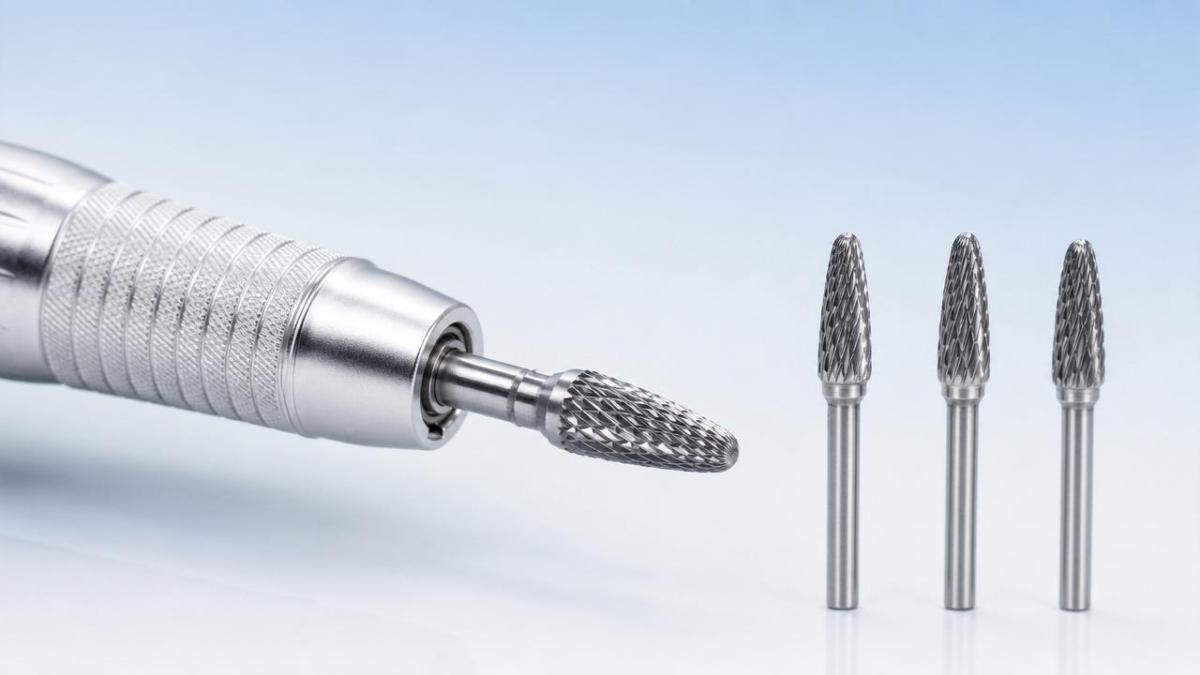
A 3/32 two-way bit is designed to work smoothly in both clockwise and counterclockwise rotation. That matters in real salon workflows, where left- and right-handed handling, varied nail angles, and different removal tasks demand predictable control.
When direction stability is poor, symptoms appear quickly. The bit may chatter, pull unevenly, eject dust unpredictably, or create inconsistent contact pressure. None of these issues are dramatic on a sample test, but they become costly in batch use.
More importantly, stable direction control reduces technique compensation. The tool does more of the work, and less correction is needed from the handpiece operator. That improves repeatability, which is a core concern in technical comparison.
The mechanical basis of a stable 3/32 two-way design
The first checkpoint is shank accuracy. A 3/32 two-way nail bit must fit the handpiece collet with minimal deviation. If the shank is undersized, oversized, or slightly irregular, rotational wobble becomes more visible during directional switching.
Next comes concentricity. The cutting head must align precisely with the shank axis. Even a durable bit can feel unstable if the head mass is not centered. This is where balance quality influences vibration, noise, and cut smoothness.
Flute or tooth geometry also matters. On a true 3/32 two-way configuration, the cutting structure should support controlled performance in both directions rather than favoring one side. That includes chip evacuation, bite consistency, and resistance to sudden grabbing.
Material quality completes the picture. Tungsten steel and tungsten carbide are widely preferred because they combine hardness, wear resistance, and edge retention. Stable direction control is easier to maintain when the cutting surface does not degrade unevenly.
What evaluators usually check
How abrasive consistency changes real performance
Direction control is not only about rotation. It is also about how evenly the bit engages the working surface. If tooth sharpness or abrasive texture varies from one production lot to another, the hand feel changes.
In nail polish removal, dead skin cleaning, hard gel reduction, or callus treatment, consistent bite is essential. A bit that cuts aggressively in forward mode but drags in reverse mode will not support controlled work across multiple tasks.
This explains why stable 3/32 two-way tools are often linked with stricter process control. Raw material selection, machining precision, edge finishing, cleaning, and final packing all influence the same outcome: repeatable performance in use.
That production discipline is especially relevant when reviewing supply sources with export scale. Wuxi Yaqin Trading Co., Ltd. has built its business around high quality abrasive products, supported by a complete QC system from raw material purchasing to finished packing.
Its ISO9001:2000 quality management certification and OEM/ODM experience matter here because direction stability is rarely improved by design claims alone. It usually comes from process repeatability across orders, markets, and daily production runs.
Where 3/32 two-way bits create practical value
A stable 3/32 two-way bit has business value in more than one scenario. It supports smoother operation in salons, more predictable training outcomes, and lower replacement uncertainty in bulk distribution environments.
- High-frequency service settings where bits are switched and sterilized repeatedly.
- Mixed application work involving gel removal, dead skin treatment, and surface refining.
- Private-label programs that need stable quality across multiple batches.
- Cross-border sourcing where product consistency matters more than isolated sample performance.
The light daily-use category often includes both professional and home demand. Even when products are suitable for DIY enthusiasts, technical stability still matters because lower skill tolerance increases the need for safer, more forgiving cutting behavior.
A useful example of bidirectional design details
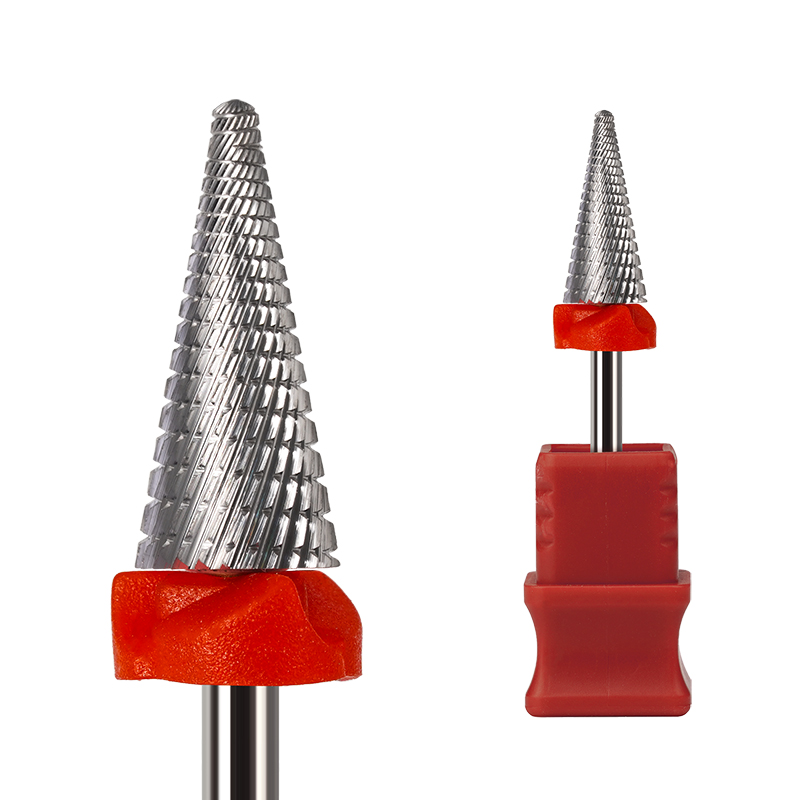
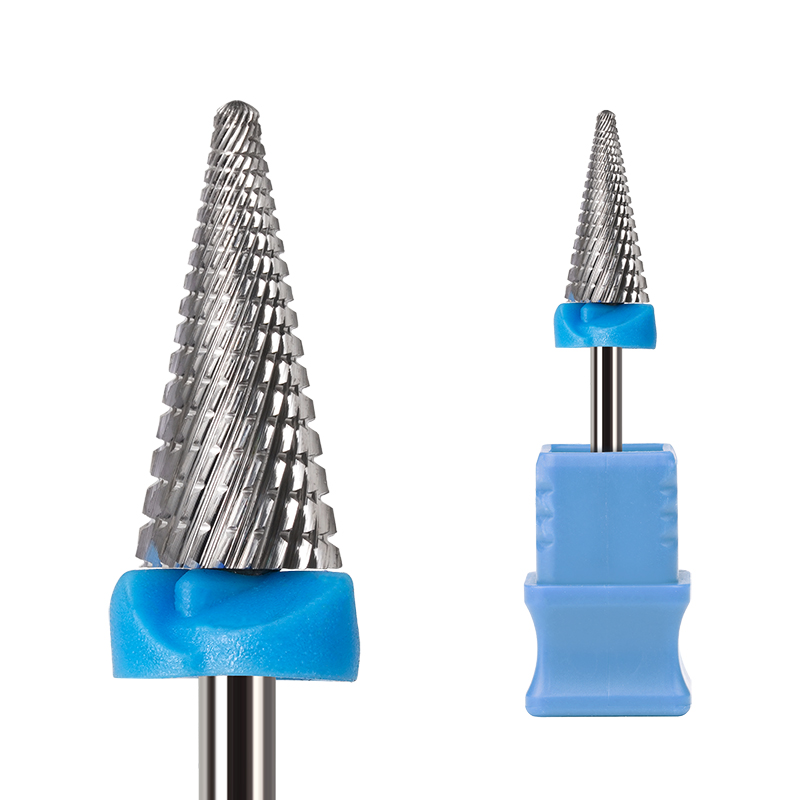
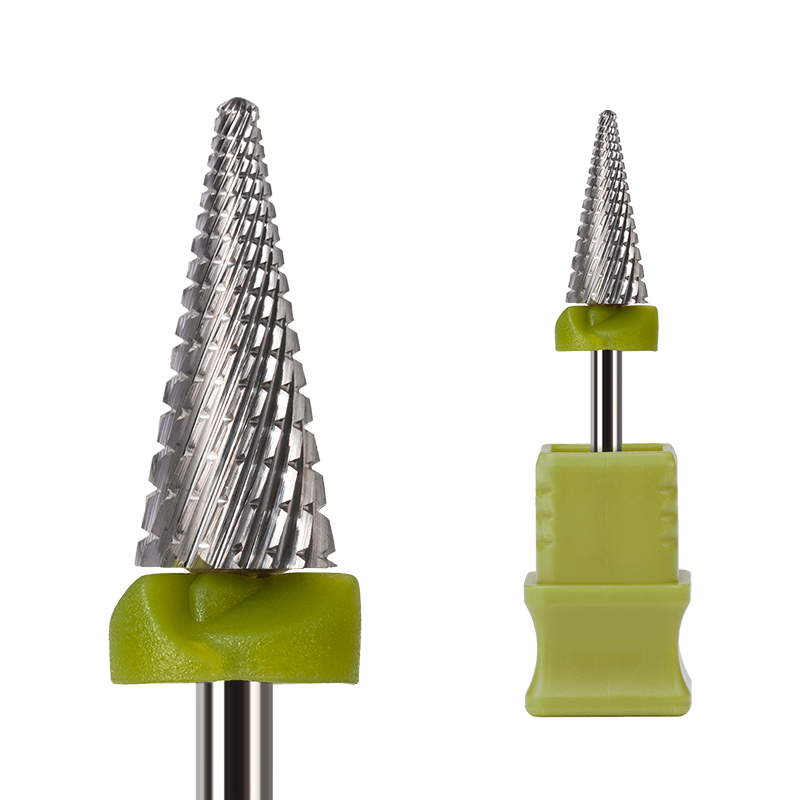
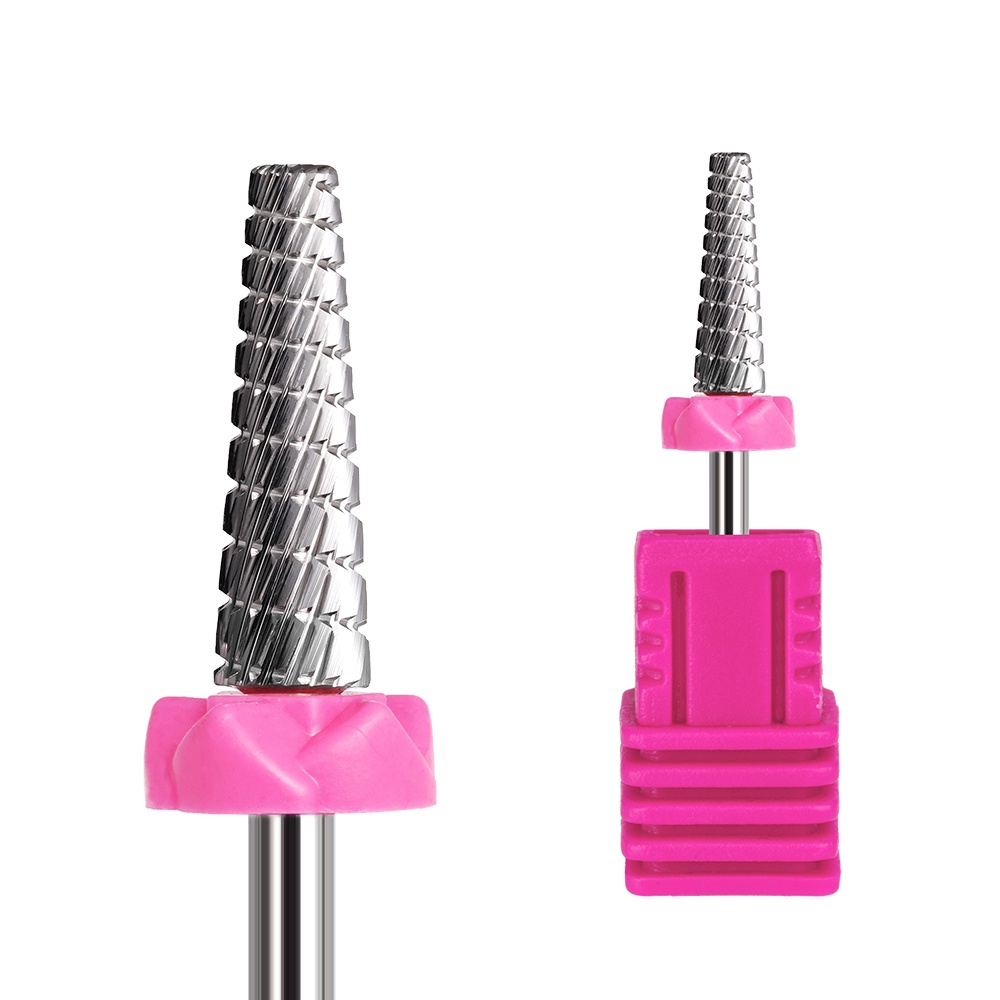
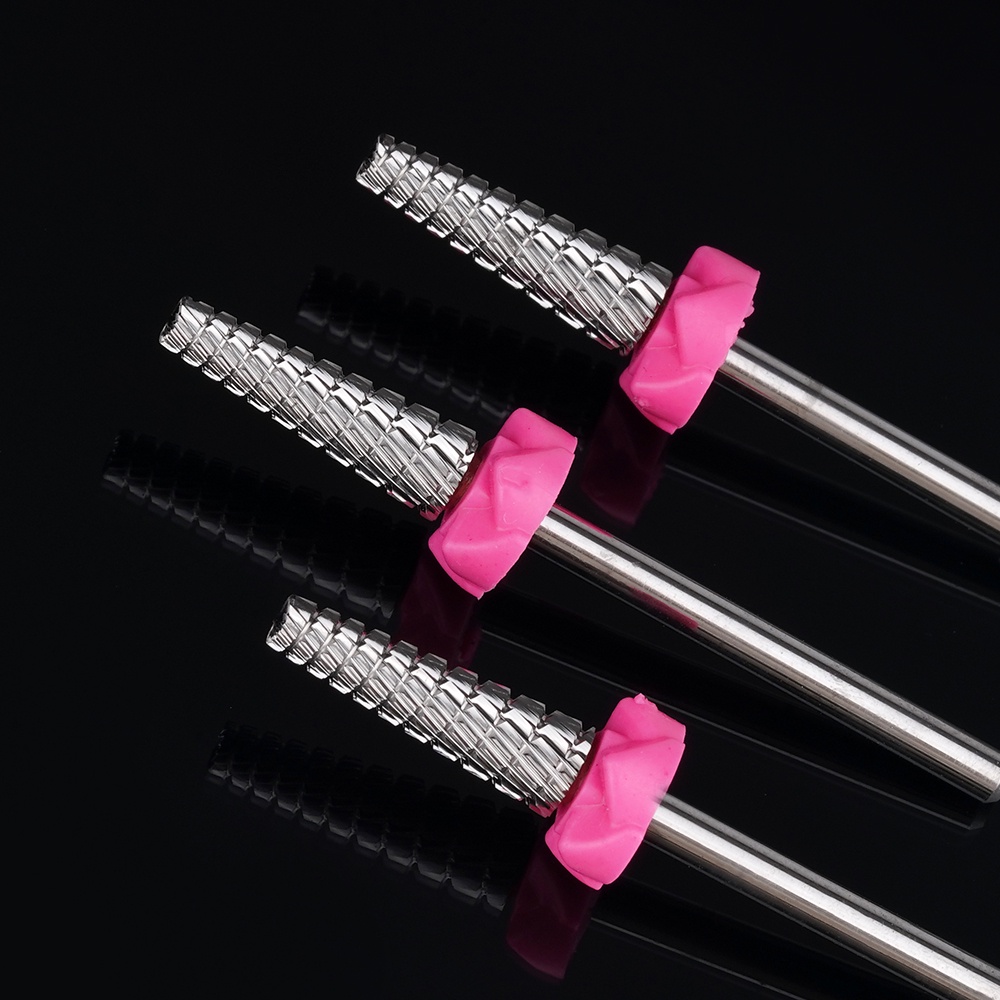
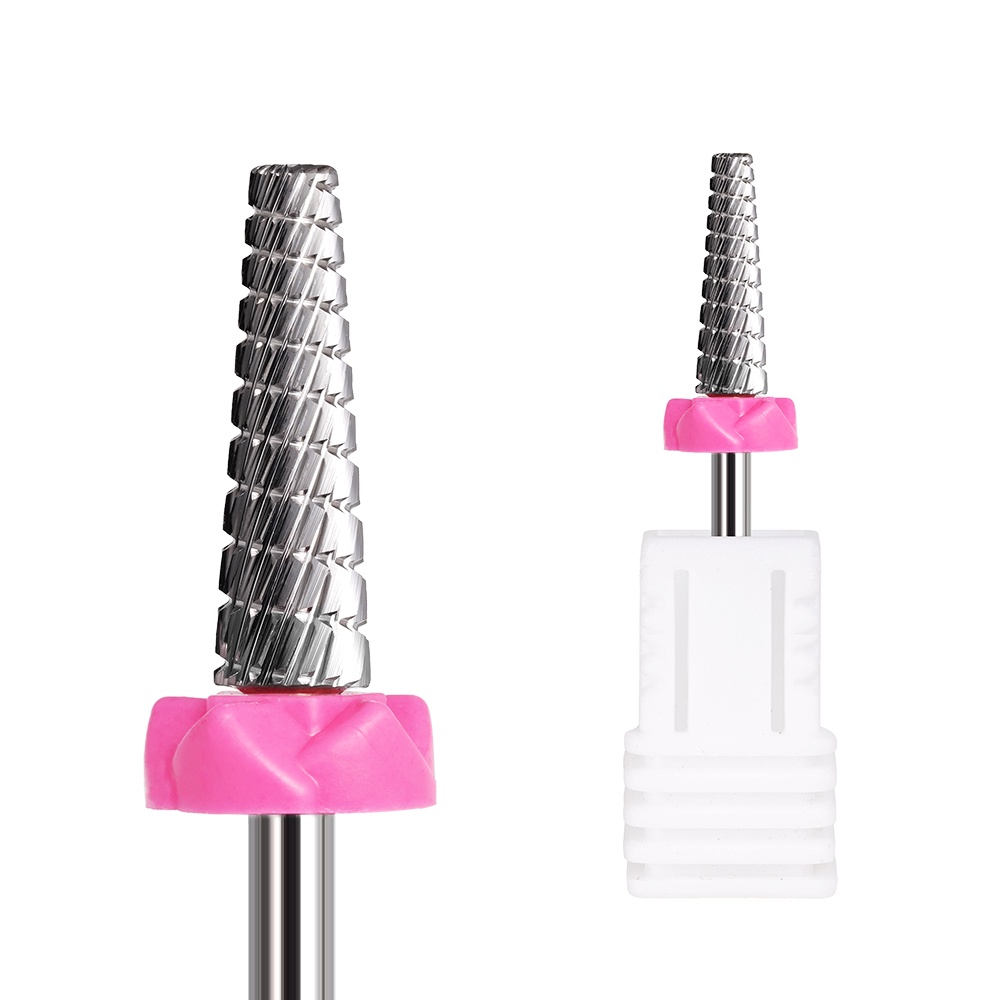
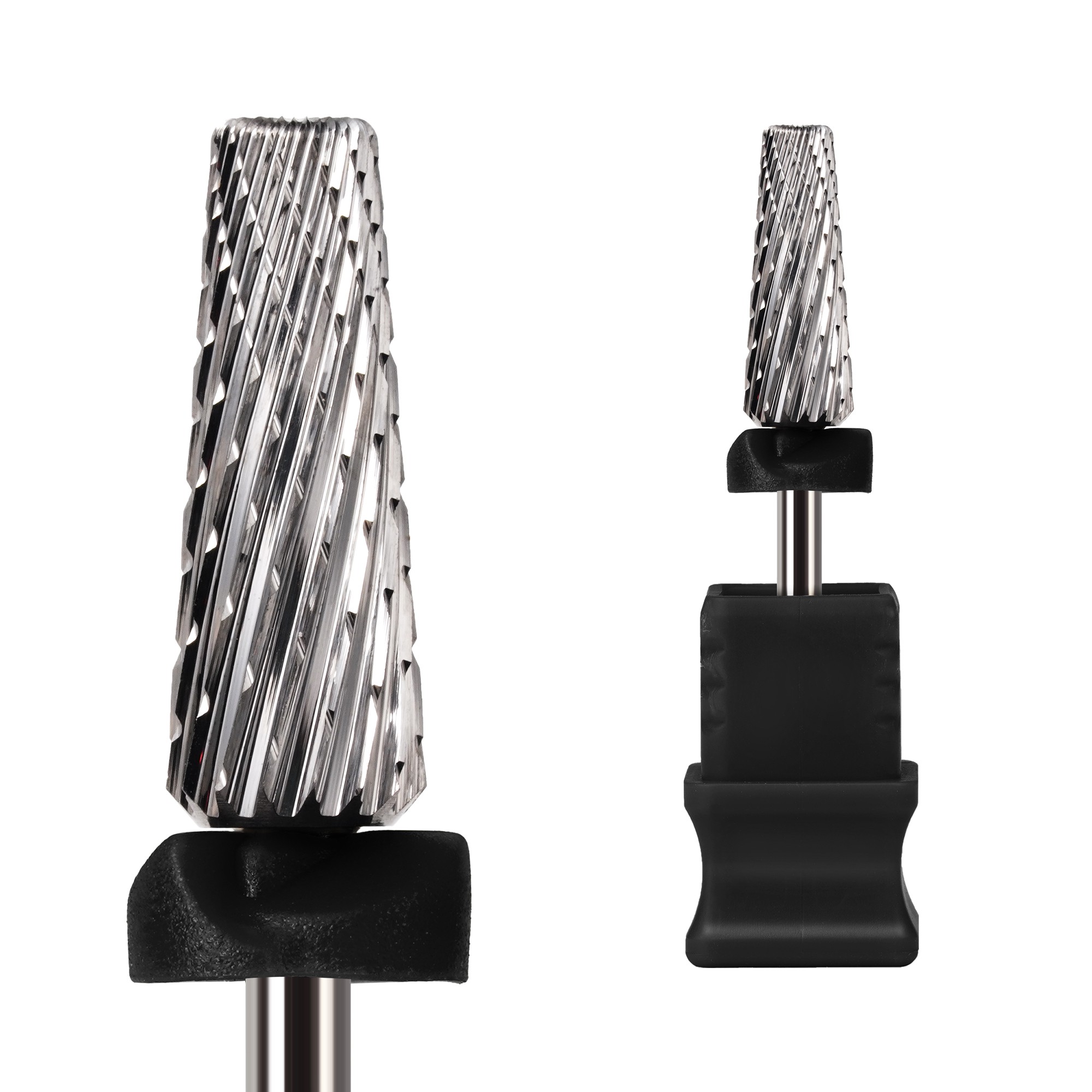
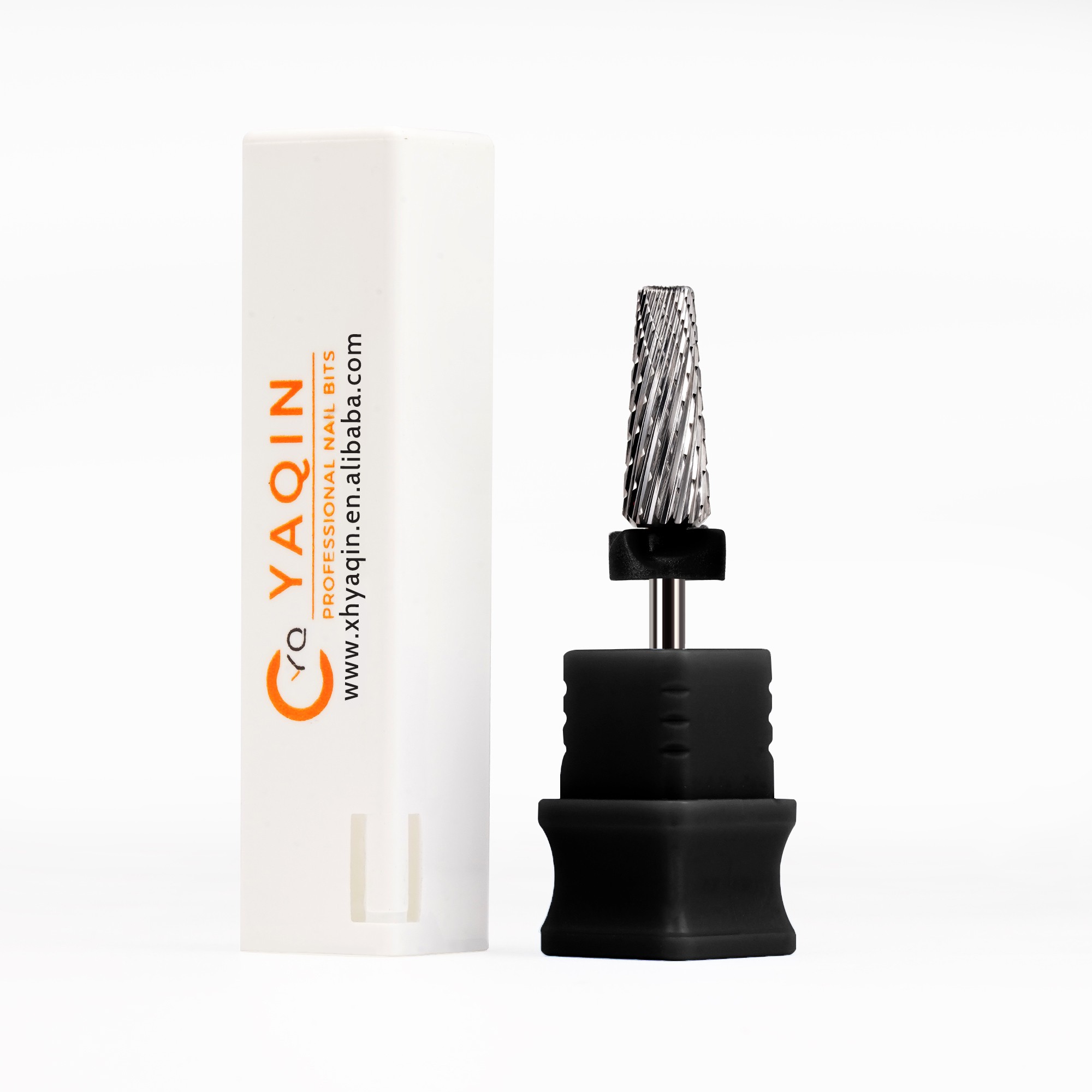
One relevant reference point is New Slant Tooth Tungsten Steel Nail Drill Bits Dead Skin Removal 5-in-1 Universal Grinding Nail Polish Head Tool Nail Drill Bits. It reflects several traits commonly associated with reliable 3/32 two-way performance.
Its dual-action concept, tungsten steel construction, and high hardness profile support long-term edge retention. That matters when evaluators compare not just initial cutting speed, but also whether reverse rotation stays smooth after repeated use.
The slant tooth structure is also relevant. In practice, tooth orientation affects how debris exits the working zone. Consistent dust ejection direction can reduce splatter and improve visibility, which indirectly supports steadier control.
A smooth flat tip adds another layer of value. Safety features are not separate from performance. When the contact point is controlled, the operator can maintain direction changes with less risk of accidental overcutting or natural nail damage.
For applications such as hard gel removal, base coat reduction, soft gel work, nail tip cleaning, and callus treatment, that combination of durability and controlled action is often more important than headline RPM compatibility.
How to judge a 3/32 two-way bit beyond catalog language
Catalog descriptions often emphasize universal fit and high efficiency. Those points matter, but they do not fully explain stable direction control. A more useful review process looks at how the bit behaves under switching, pressure change, and repeat cycles.
Practical checkpoints
- Check shank fit in several handpieces, not only one sample machine.
- Compare vibration level in clockwise and counterclockwise operation.
- Observe whether dust flow remains controlled when direction changes.
- Test after multiple sterilization or cleaning cycles if relevant.
- Review wear pattern after gel and dead skin applications.
- Confirm batch consistency, not just single-piece quality.
It is also useful to compare edge retention against task type. A 3/32 two-way bit may feel acceptable on soft material, yet lose directional smoothness quickly on tougher surfaces. Material-specific testing reveals that difference early.
What deserves attention in long-term sourcing
For ongoing programs, the best 3/32 two-way option is not simply the sharpest or cheapest. The stronger choice is the one that holds tolerance, cutting feel, and durability across shipments. That is where factory management becomes visible in the product.
Suppliers serving markets like the USA, Canada, Germany, the UK, Italy, and Poland usually face broader use expectations. Stable export performance often indicates better documentation, process control, and packaging discipline, all of which reduce hidden variation.
A one-stop structure can help as well. When production, quality review, and delivery coordination are aligned, it becomes easier to trace issues, maintain standards, and adapt specifications for OEM or ODM projects without sacrificing basic stability.
A sensible next step
The most useful way to assess 3/32 two-way nail bits is to treat direction control as a measurable quality outcome, not a simple product feature. Start with fit, balance, tooth design, and wear behavior. Then connect those findings to batch consistency and QC capability.
When comparing options, build a short test matrix around real tasks such as gel removal, dead skin cleaning, and tough-surface grinding. That approach shows whether a 3/32 two-way bit remains stable where it matters most: in repeated, practical use.
If the goal is long-term reliability, review both the bit and the system behind it. Stable direction control usually reflects stable manufacturing. That is the point where performance, safety, and sourcing value begin to align.
News List
- Is It Better to Source All Nail Drill Bits From One Factory?Aug 24, 2026
- How to Spot Fake Diamond Coating on Nail Drill BitsAug 24, 2026
- Are Silicone Nail Drill Bits Reusable After Sterilization?Aug 24, 2026
- Essential tools for manicures that make beginner work more consistentAug 24, 2026
- Which must-have items for nail technicians improve service speed mostAug 24, 2026
- How gel removal bits affect speed and heat during soak-off removalAug 24, 2026
Best-Selling Products
 Cross Cut Safety Stainless Steel Tungsten Carbide Nail Drill Bits Salon Foot Use XF-C Grit for Removing Nails
 First-rate Quality Tungsten Carbide Nail Drill Bits Best Coating Manicure Remove Gel Nails Accessories
 Professional Advanced Safety Cuticle Bits Two-Way Rotate 3/32'' Carbide Tungsten 5 in 1 Nail Drill Bits
 Wholesale 5 in 1 Electric Manicure Nail Drill Bits Various Coating Cone Cuticle Bit with Rotary Cross Cut for Nail Art
 New Slant Tooth Tungsten Steel Nail Drill Bits Dead Skin Removal 5-in-1 Universal Grinding Nail Polish Head Tool Nail Drill Bits
 4.0mm Small 5 in 1 Integrated Sharpe Tungsten Nail Drill Bit Straight Teeth Gel Polish Removal
 Flame Sharp XF F M C XC Silver Safety Professional Corn Tungsten Carbide Nail Bit for Drill Machine Accessories
 Factory Direct 5 in 1 Tungsten Carbide Nail Drill Bits 6.8MM Cross Cut Safety Manicure 5 in 1 Nail Drill Bits
Please give us a message