
Quartz Nail Drill Bit Care Tips to Reduce Heat and Surface Damage
Quartz Nail Drill Bit Care Tips to Reduce Heat and Surface Damage
Proper care of a Quartz Nail Drill Bit affects more than appearance. It directly influences heat control, surface smoothness, service life, and the consistency expected in daily nail tool maintenance.
In the light industrial and daily-use products sector, small abrasive tools work under repeated pressure. If residue builds up or the bit wears unevenly, friction rises quickly and damage follows.
That is why routine cleaning, careful inspection, and correct storage matter. Stable maintenance habits help reduce callbacks, protect end-use results, and support quality standards across batches and markets.
Why heat and surface damage become common problems
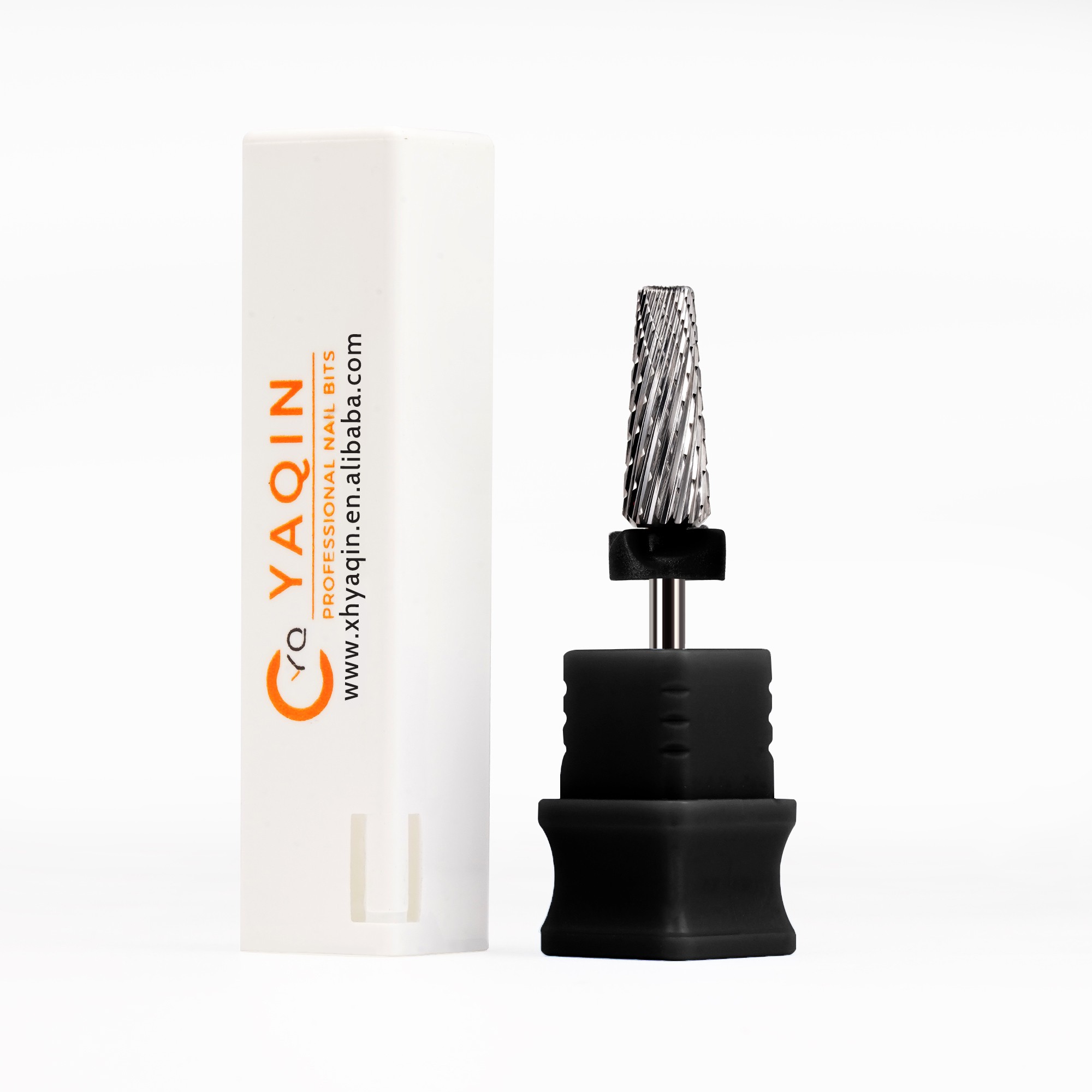
A close visual check often reveals the first warning signs.
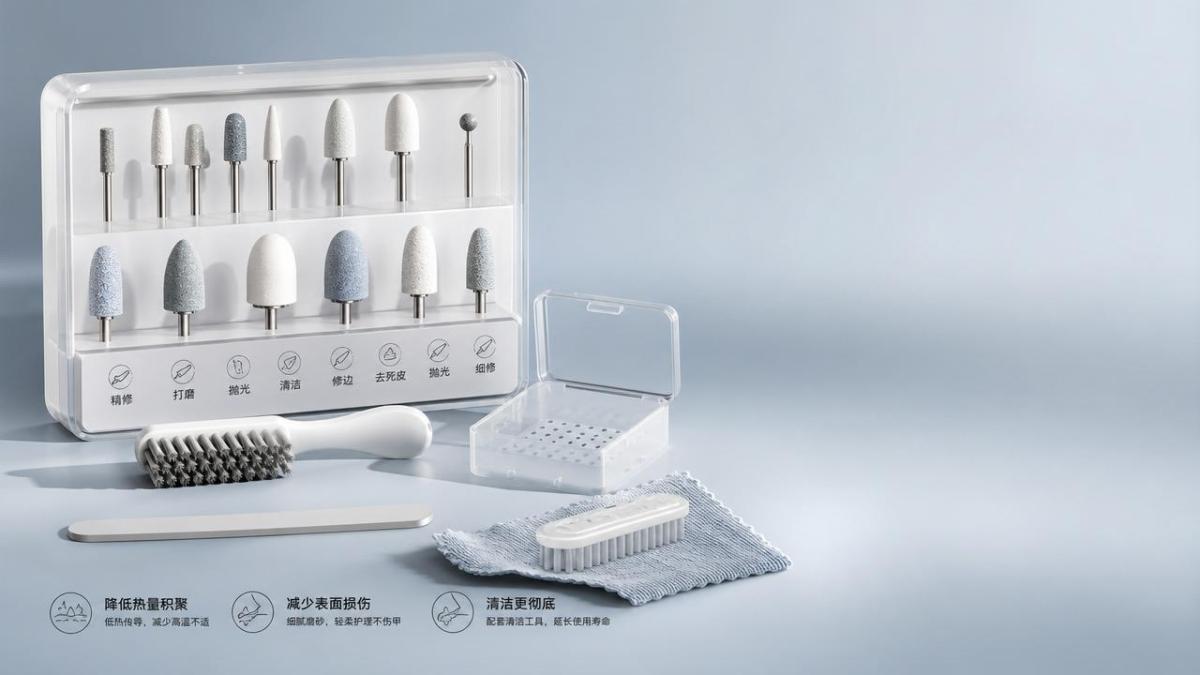
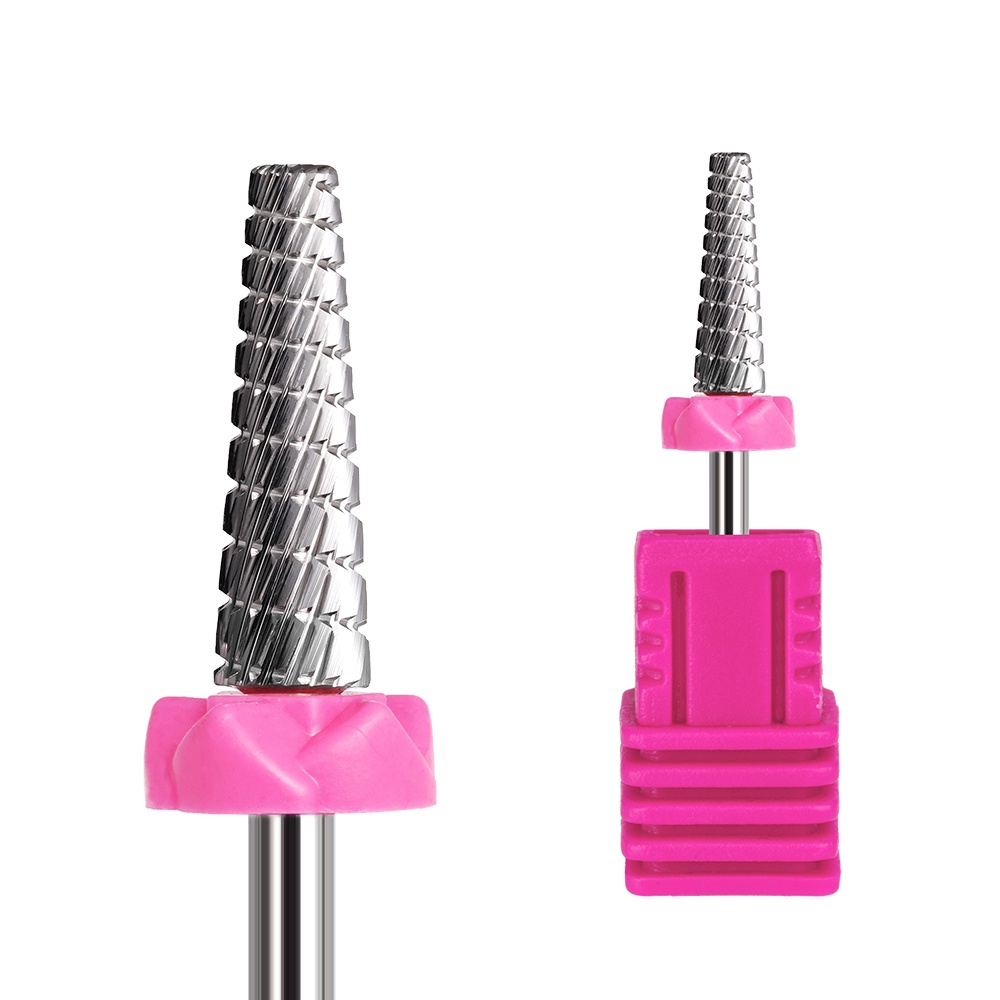
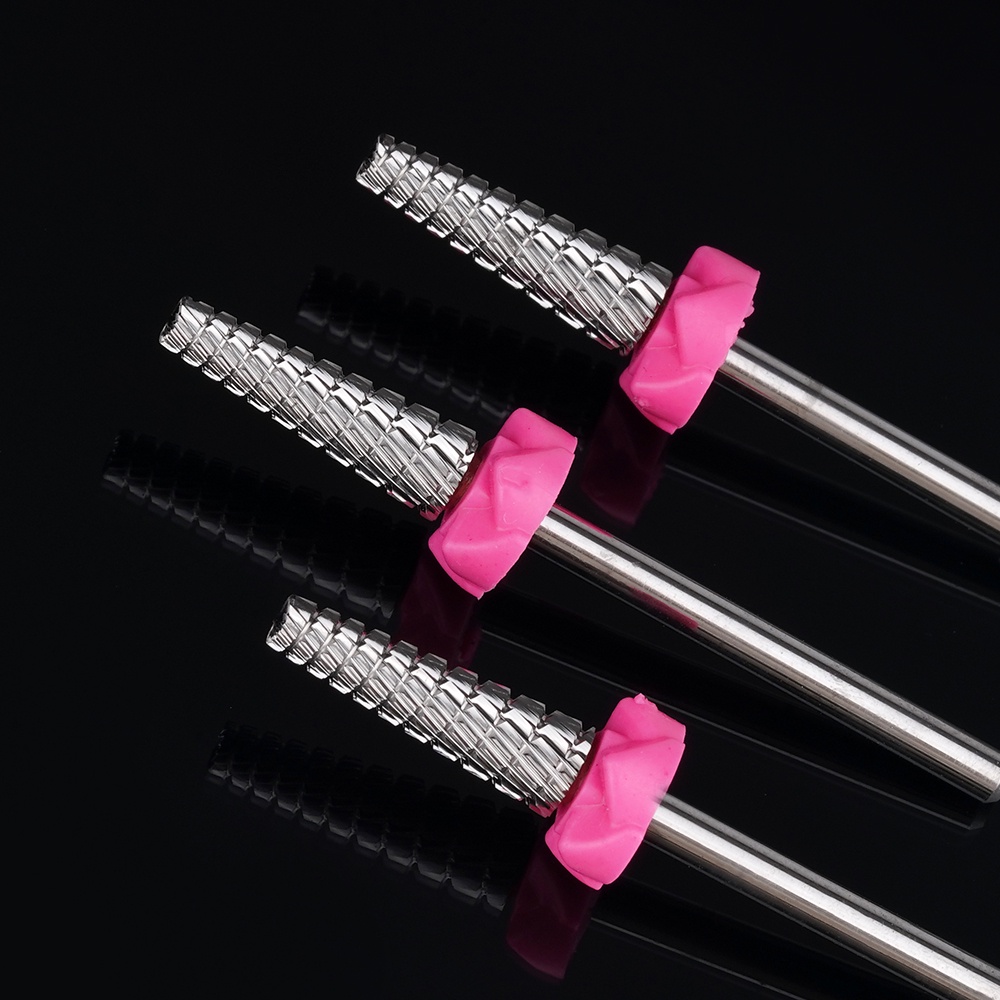
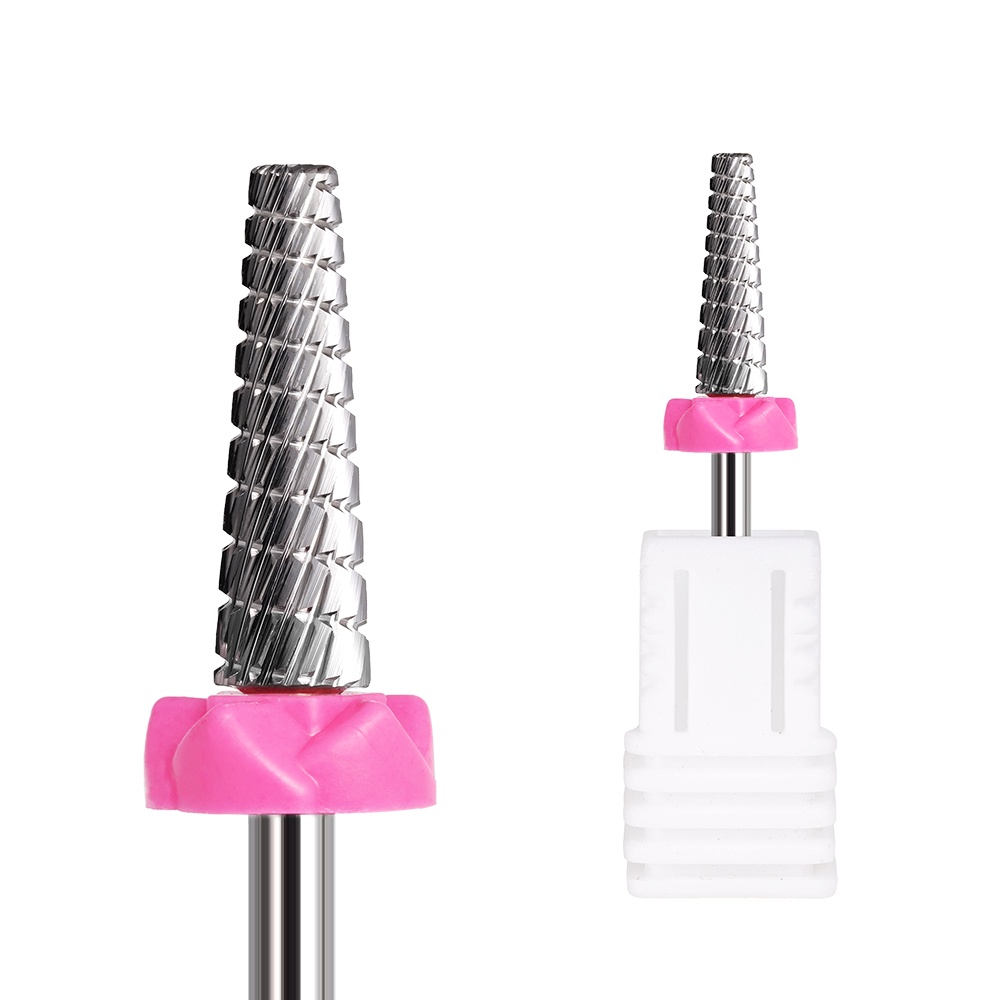
A Quartz Nail Drill Bit removes material through controlled abrasion. When the cutting surface is clean and balanced, contact stays even and heat remains manageable.
Problems start when dust, gel residue, or fine particles fill the surface texture. The bit then rubs instead of cutting efficiently, which increases temperature within seconds.
Excess heat can leave rough marks, dull the bit faster, and create surface stress on the treated area. In practice, this often appears as drag, skipping, discoloration, or uneven finish quality.
Speed mismatch is another cause. If a Quartz Nail Drill Bit runs too fast for the material condition, friction rises before the operator notices a handling change.
Pressure also matters. A worn bit often invites harder contact, but that usually makes the heat problem worse instead of solving the performance drop.
What good Quartz Nail Drill Bit care really includes
Care is not only about cleaning after use. It is a full routine that covers pre-use checks, contamination control, operating habits, post-use treatment, and replacement timing.
For a Quartz Nail Drill Bit, the goal is simple. Keep the abrasive surface open, keep the shank stable, and keep the cutting action predictable.
This approach is especially relevant in export-focused supply chains. Product consistency is easier to maintain when maintenance standards are clear, repeatable, and documented.
Wuxi Yaqin Trading Co., Ltd. works in this environment with strict QC covering raw materials, production, and packing. ISO9001:2000 certification and one-stop production-to-delivery support reflect the same logic seen in proper tool care: control details early to avoid larger quality problems later.
The most useful daily checkpoints
- Check whether the abrasive surface is visibly clogged.
- Look for chips, flat spots, or uneven wear.
- Confirm the shank is straight and seats securely.
- Review whether heat complaints increased during recent use.
- Separate reusable bits from bits that should be retired.
Cleaning methods that protect the abrasive surface
Cleaning should happen soon after use. Dried residue is harder to remove and usually pushes staff toward aggressive scraping, which can damage the working surface.
Use a soft brush first to lift loose dust. After that, choose a cleaning method that matches the residue type and the bit material recommendations.
Avoid metal picks or sharp tools on the abrasive area. They may clear debris quickly, but they can also change the surface profile and reduce the useful life of the Quartz Nail Drill Bit.
If soaking is allowed in the maintenance protocol, keep timing controlled. Overexposure to unsuitable chemicals may weaken performance or affect bonding layers.
Drying is often overlooked. A bit stored with trapped moisture can collect fine particles faster and may face corrosion risk on non-abrasive metal parts.
A simple clean-inspect-store flow
Inspection signs that should not be ignored
Not every problem is visible at first glance. Some Quartz Nail Drill Bit issues show up through performance changes before physical damage becomes obvious.
Pay attention when the bit starts requiring more pressure. That often signals wear or clogging, not a need for stronger operation.
A change in sound can also help. Excess vibration, chatter, or a harsh scraping tone may indicate imbalance, improper seating, or surface damage.
Finish quality is another useful indicator. If the treated area looks dull, scratched, or inconsistent, the Quartz Nail Drill Bit should be reviewed before the next cycle.
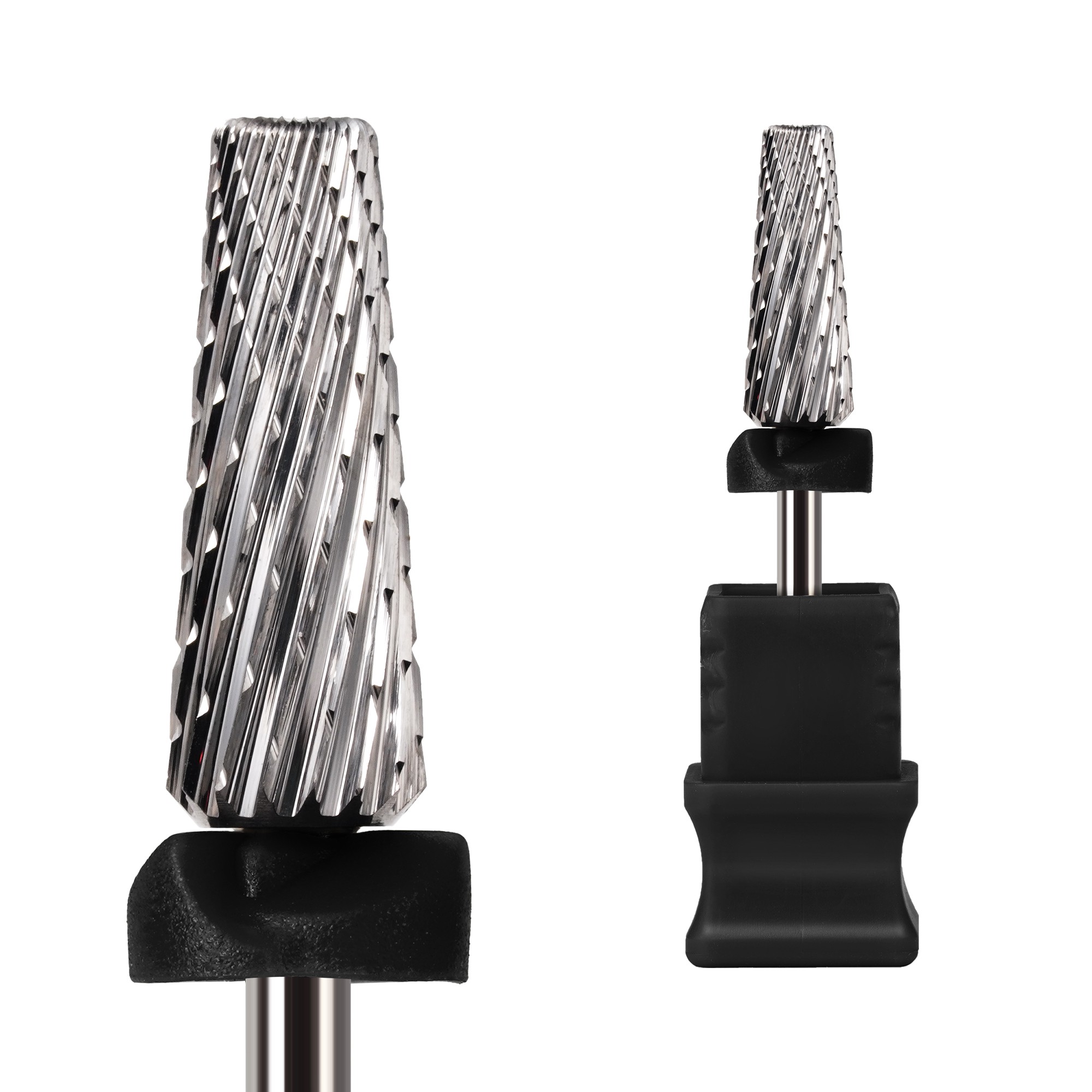
This is where cross-comparison helps. In some applications, a different head design may be more suitable for shaping or removal tasks. For example, Little Umbrella Tungsten Steel Grinding Head is often considered when durable, heat-tolerant, and precise removal performance is needed in salon-oriented workflows.
Handling and storage habits that extend service life
Many bits fail early because of avoidable handling damage. Dropping them into mixed containers can chip edges, bend shanks, or transfer abrasive dust between used and cleaned tools.
Store each Quartz Nail Drill Bit in a dedicated slot or tray. Physical separation reduces impact risk and makes rotation easier to manage.
Labeling helps when multiple grades or shapes are in circulation. A clear storage system prevents the wrong bit from being used for the wrong material condition.
Temperature and humidity should stay stable in storage areas. Clean, dry, and enclosed conditions are better than open benches exposed to dust and chemicals.
Rotation records are useful in larger operations. Even a basic log can show which Quartz Nail Drill Bit types wear faster and where maintenance practice should improve.
When replacement is the better choice
- Persistent heat after proper cleaning
- Visible edge damage or missing abrasive areas
- Repeated vibration during normal installation
- Declining finish quality across similar tasks
- Signs of corrosion or structural instability
Choosing maintenance standards that fit real work
The best care routine is practical, not complicated. It should match task frequency, residue type, tool material, and the quality expectations of the business.
In high-volume environments, consistent process matters more than occasional deep cleaning. Short, repeatable routines usually protect a Quartz Nail Drill Bit better than irregular intensive treatment.
Tool selection also affects maintenance results. For applications involving precision shaping, gel nail removal, or long service intervals, a durable option such as the Little Umbrella Tungsten Steel Grinding Head may complement quartz-based bit programs where wear resistance, heat tolerance, and anti-corrosion performance are priorities.
What matters most is alignment between use conditions and maintenance discipline. A good bit cannot perform well for long if cleaning, inspection, and storage are inconsistent.
A useful next step is to review current failure points. Track where heat complaints begin, compare worn and well-kept samples, and build a simple checklist around the actual causes seen in daily work.
Once those patterns are visible, it becomes easier to decide whether the issue comes from cleaning gaps, handling damage, operating pressure, or the need for a different bit profile.
News List
- Is It Better to Source All Nail Drill Bits From One Factory?Aug 24, 2026
- How to Spot Fake Diamond Coating on Nail Drill BitsAug 24, 2026
- Are Silicone Nail Drill Bits Reusable After Sterilization?Aug 24, 2026
- Essential tools for manicures that make beginner work more consistentAug 24, 2026
- Which must-have items for nail technicians improve service speed mostAug 24, 2026
- How gel removal bits affect speed and heat during soak-off removalAug 24, 2026
Best-Selling Products
 Cross Cut Safety Stainless Steel Tungsten Carbide Nail Drill Bits Salon Foot Use XF-C Grit for Removing Nails
 First-rate Quality Tungsten Carbide Nail Drill Bits Best Coating Manicure Remove Gel Nails Accessories
 Professional Advanced Safety Cuticle Bits Two-Way Rotate 3/32'' Carbide Tungsten 5 in 1 Nail Drill Bits
 Wholesale 5 in 1 Electric Manicure Nail Drill Bits Various Coating Cone Cuticle Bit with Rotary Cross Cut for Nail Art
 New Slant Tooth Tungsten Steel Nail Drill Bits Dead Skin Removal 5-in-1 Universal Grinding Nail Polish Head Tool Nail Drill Bits
 4.0mm Small 5 in 1 Integrated Sharpe Tungsten Nail Drill Bit Straight Teeth Gel Polish Removal
 Flame Sharp XF F M C XC Silver Safety Professional Corn Tungsten Carbide Nail Bit for Drill Machine Accessories
 Factory Direct 5 in 1 Tungsten Carbide Nail Drill Bits 6.8MM Cross Cut Safety Manicure 5 in 1 Nail Drill Bits
Please give us a message