
How should a Tungsten Carbide Nail Drill Bit be cleaned?
How should a Tungsten Carbide Nail Drill Bit be cleaned?
How Should a Tungsten Carbide Nail Drill Bit Be Cleaned?
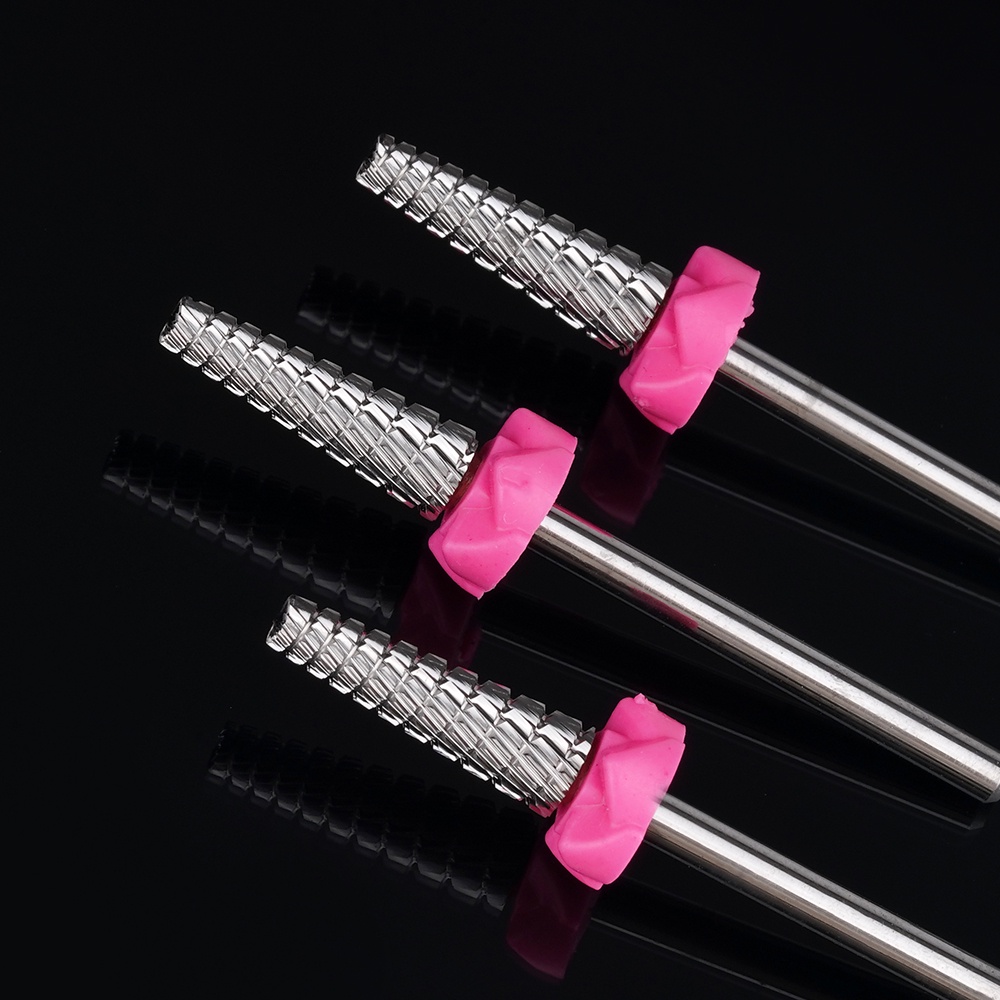
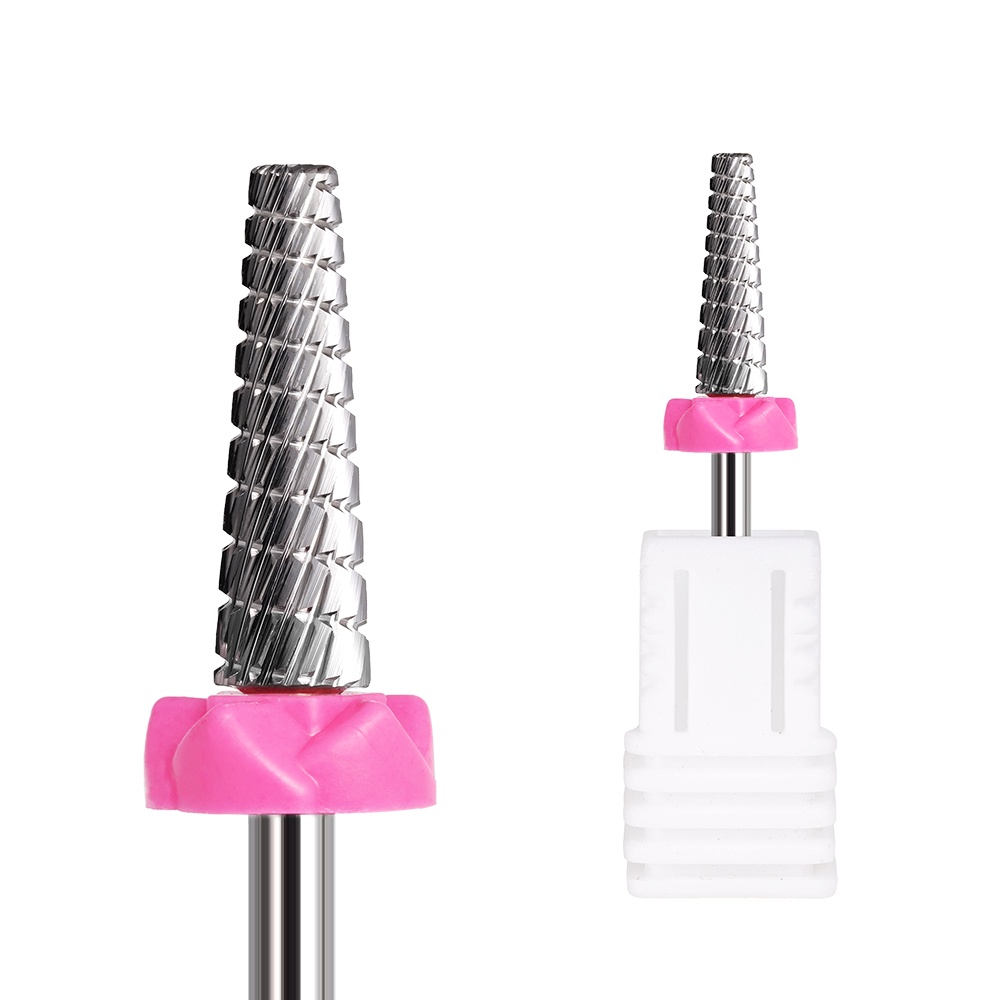
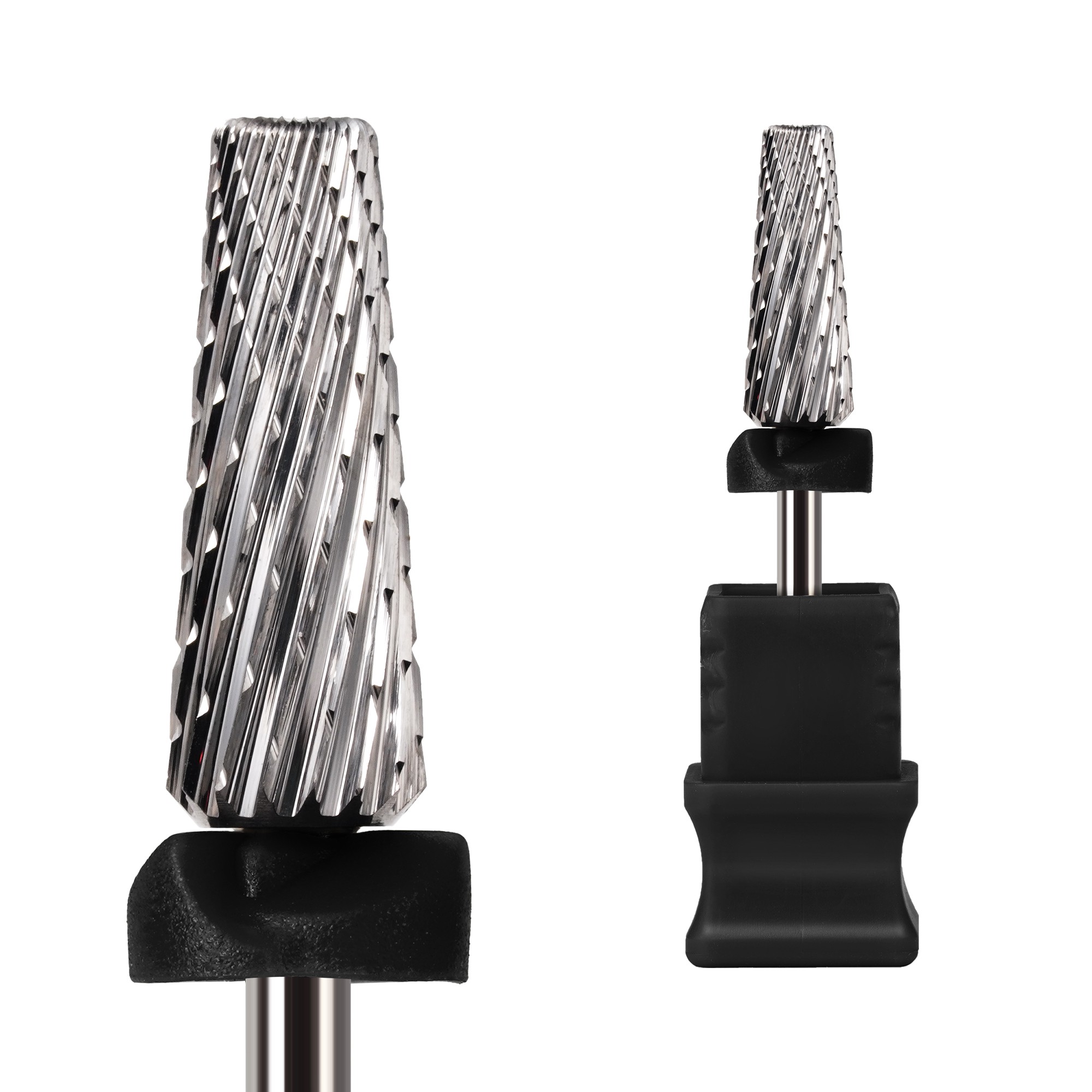
A Tungsten Carbide Nail Drill Bit can look clean while still carrying compacted gel dust, acrylic residue, skin debris, and fine particles trapped between its cutting flutes. That is where maintenance problems usually begin. A bit that is simply wiped after service may keep turning in the handpiece, but it can lose cutting efficiency, drag across product instead of removing it cleanly, and become harder to process hygienically between clients.
For after-sales maintenance teams, the practical goal is not just to make the bit look presentable. It is to remove visible residue without dulling the cutting geometry, damaging the shank, or using a chemical process that is unsuitable for the specific bit and local salon hygiene requirements. Cleaning, disinfection, and sterilization are related steps, but they are not interchangeable. A good routine starts by treating them separately.
Tungsten carbide is valued because it is hard, wear-resistant, and capable of cutting cured product efficiently. However, the carbide cutting head, the bonded or welded areas where applicable, and the steel shank should still be handled carefully. “Corrosion-resistant” does not mean “immune to every chemical, moisture condition, or storage mistake.” Long soaking, abrasive scrubbing, and poor drying can shorten service life even when the bit is made from quality materials.
Begin With Safe Handling and Bit Inspection
Before cleaning, remove the bit from the e-file and allow it to come to a complete stop. Do not attempt to wipe a rotating bit. This sounds obvious, but rushed turnover procedures are one of the most common sources of hand injuries and bent shanks. Hold the bit by its shank or use clean forceps if the cutting area is heavily contaminated.
Inspect it under good light before placing it in any solution. Look for packed debris in the flute pattern, residue near the tip, discoloration, unusual roughness, chipped teeth, a bent shank, or a loosened cutting head. A cleaning cycle cannot correct physical damage. In fact, a damaged carbide bit should be removed from service rather than repeatedly cleaned in the hope that performance will return.
This inspection also prevents a frequent support issue: users reporting that a drill has “become weak” when the real problem is a blocked or worn bit. If the bit has been used for thick enhancement removal and the flutes are full of cured product, the drill motor may still be functioning normally. The load is simply being transferred poorly at the cutting surface.
Remove Visible Product Before Any Disinfection Step
Mechanical cleaning should come first. Disinfectant cannot reliably reach material that remains compacted inside the cutting grooves. Use a dedicated, clean bit brush with firm nylon bristles. Brush along the direction of the flutes rather than aggressively across the cutting edges. The aim is to lift debris out of the channels, not grind it further into the head or prematurely blunt the cutting surfaces.
A small brush is usually enough for ordinary gel dust. For stubborn product buildup, use a cleaning method permitted by the bit supplier and the hygiene protocol in use. Mild detergent and warm water are commonly used for the initial wash, provided the bit is not left submerged longer than necessary. Avoid using extremely hot water as a shortcut. High temperature alone is not a substitute for an approved sterilization process, and uncontrolled heat may affect parts differently depending on construction.
Do not scrape the grooves with a metal pick, a used file, or another drill bit. It may seem effective when hard gel is stuck near the tip, but it can nick the teeth or alter a rounded safety edge. Once a rounded top becomes uneven, it is no longer appropriate to assume it will behave gently around the cuticle area. A replacement is usually the safer decision.
Tools that make routine cleaning more consistent
- A dedicated nylon nail-bit brush, replaced when bristles become distorted or contaminated.
- A clean tray or container reserved for dirty instruments, separate from the clean storage area.
- Water and a detergent suitable for instrument pre-cleaning, used according to its instructions.
- Lint-free disposable wipes or a clean drying surface.
- Clean forceps or gloves for handling processed bits.
- A labeled container for damaged bits awaiting evaluation or disposal.
An ultrasonic cleaner may be part of some professional workflows, but it should not be treated as automatic approval for every carbide bit. The device settings, cleaning solution, duration, and the manufacturer’s care guidance all matter. If there is no confirmed compatibility information, a controlled manual brush-cleaning process is the more cautious choice.
Cleaning Is Not the Same as Disinfecting or Sterilizing
Once all visible debris has been removed, follow the hygiene process required by the salon, local authority, and product manufacturer. In some settings, a cleaned bit is then disinfected with an appropriate instrument product. In others, especially where reusable tools contact skin closely or may cause accidental abrasion, sterilization may be expected. The correct procedure depends on local rules and the service environment, so maintenance personnel should not make a universal claim that one chemical bath or one machine cycle is adequate for all locations.
If a disinfectant is used, observe the stated dilution and contact time exactly. Too short a contact time can be ineffective; prolonged soaking beyond the instructions can create unnecessary exposure for the shank and cutting head. Never mix cleaning products. Combining chemicals to make a “stronger” solution is a poor practice and can create residue, fumes, or material damage.
For heat-based processing, confirm that the exact bit construction is suitable for the cycle being used. The fact that tungsten carbide tolerates high cutting temperatures during normal use does not, by itself, confirm compatibility with every sterilizer setting, pouch material, chemical indicator process, or repeated high-heat cycle. Technical instructions from the supplier should be part of the maintenance record, particularly for salons and distributors establishing formal after-sales procedures.
Drying Is Where Many Avoidable Problems Occur
After rinsing or processing, dry the bit thoroughly before storage. Pay attention to the flute area and the junction between the cutting head and shank, where moisture can remain unnoticed. Do not return damp bits to a closed plastic box, drill-bit stand, or sealed pouch unless that packaging is part of an approved processing workflow. Trapped moisture can lead to staining, corrosion on susceptible components, and residue transfer to adjacent tools.
Compressed air is sometimes used in maintenance areas, but it should only be used where it is clean and controlled. Blowing workshop air onto a processed bit can reintroduce dust or oil. In many cases, careful air-drying on a clean surface or drying with a lint-free material is simpler and more reliable.
Once dry, store each bit so that the teeth cannot strike other metal tools. A bit holder with individual slots is preferable to a loose mixed container. This matters most for fine and safety-top designs, where minor edge damage can noticeably change the finish or feel during nail preparation.
Match the Cleaning Routine to the Bit’s Working Role
Not every bit carries the same type of residue. A coarse carbide bit used for hard gel removal at approximately 15,000–20,000 RPM may collect dense, heat-softened product in its flutes. Medium and fine bits used around 10,000–15,000 RPM for soft gel or base-gel removal often show finer dust instead. Both need cleaning, but the coarse bit may require more deliberate brushing after a busy service day because large product fragments can lodge deeper in the cutting channels.
Narrow bits require particular attention near the tip, while wide barrel styles should be checked across the full cutting surface rather than only around the visible outer edge. The same applies to right-hand and left-hand cutting patterns. Cleaning technique should follow the flute direction; forcing a brush against the cutting pattern is needlessly harsh and can leave debris behind.
For teams supporting varied user skill levels, rounded-tip bits are often easier to manage near sensitive areas, but the rounded tip does not reduce the need for proper cleaning. It simply changes the safety profile of the geometry. A blocked rounded tip can still cause dragging, heat, or uneven product removal.
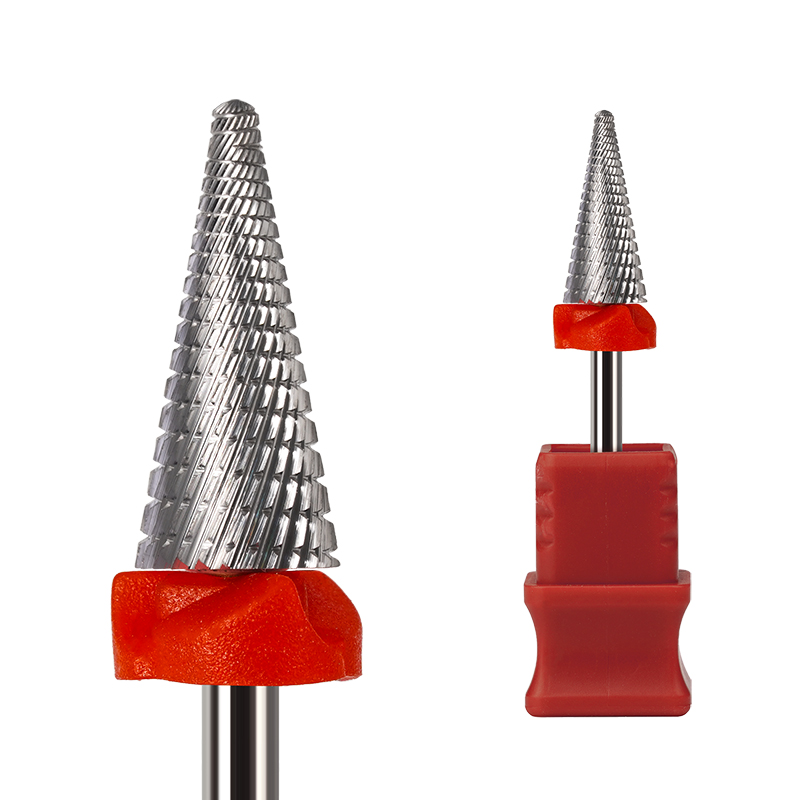
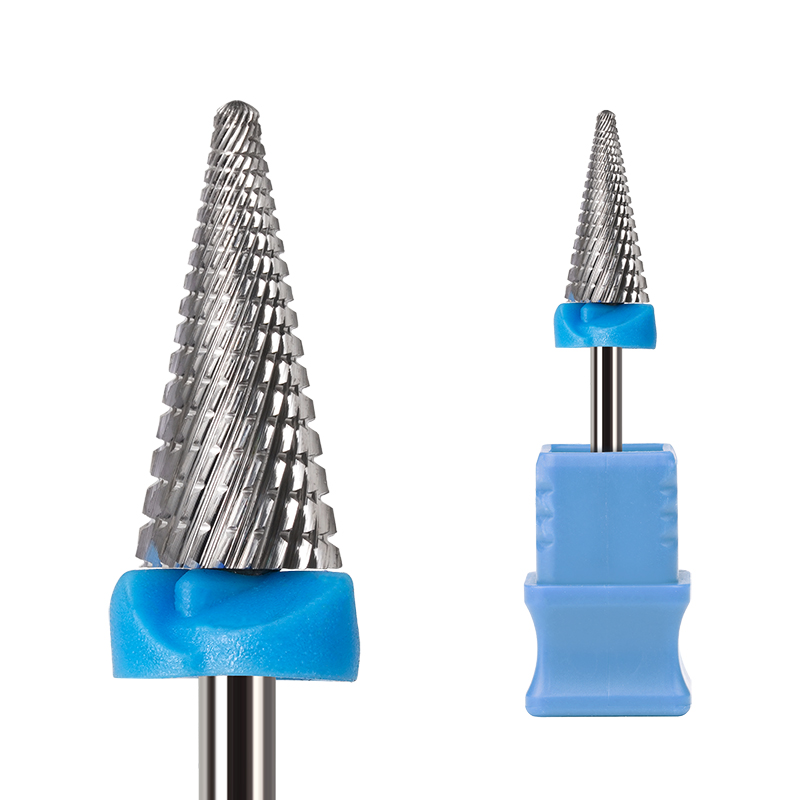
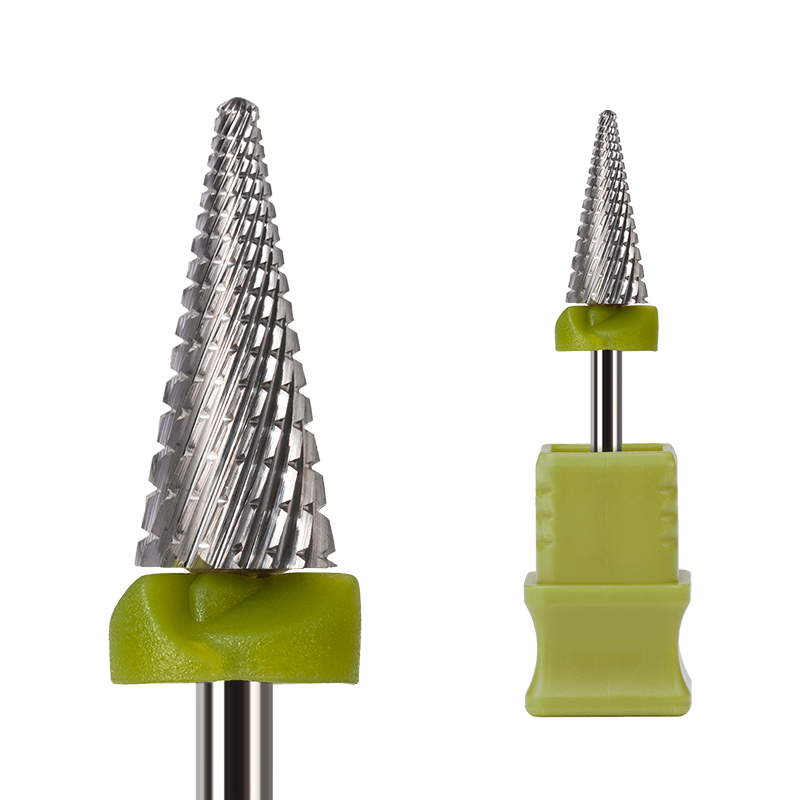
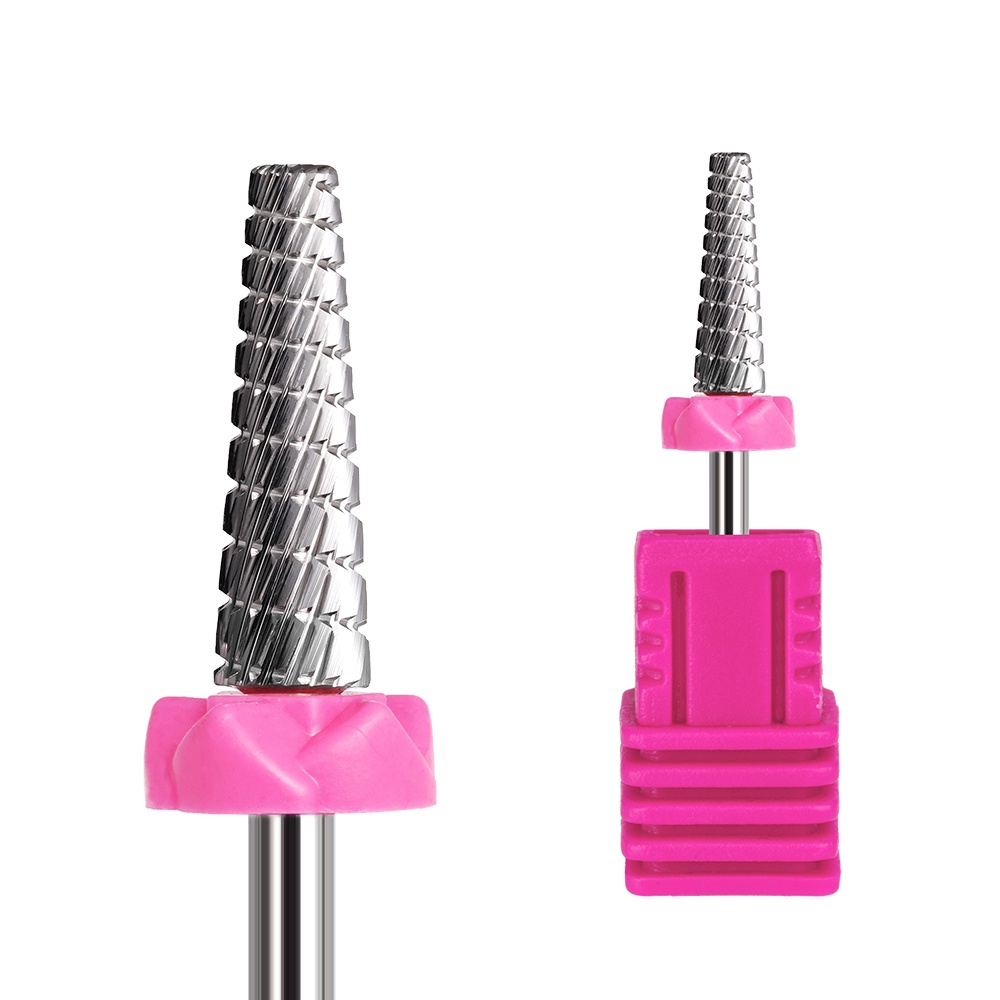
Products such as the Professional Right and Left Handle Customized Logo Print Tungsten Manicure Art Use Carbide Nail Drill Bit are available in coarse, medium, and fine options, as well as narrow and wide formats. For maintenance planning, that variety is useful only if the team labels and processes each bit consistently. Mixing clean fine bits with used coarse removal bits in the same tray is a small organizational failure that quickly becomes a hygiene and quality-control problem.
Common Shortcuts That Reduce Bit Life
One shortcut is wiping the bit with alcohol and immediately placing it back in service. A wipe may remove surface dust, but it does not reliably clear cured material from the flutes. Another is soaking bits overnight because the residue seems difficult to remove. Extended soaking can be harder on tools than a short, properly managed cleaning process followed by brushing and complete drying.
Harsh household cleaners are another poor choice. Their suitability for a bathroom surface says nothing about their suitability for a precision abrasive tool. The same is true of random degreasers, chlorine-containing products, or highly acidic solutions. If a product is not specified for reusable instruments and compatible materials, it should not be introduced into a controlled bit-care routine without checking.
It is also a mistake to interpret dark residue as automatic corrosion. Carbide bits can retain pigmented gel, dust, or chemical staining. Clean the bit carefully, dry it, and inspect it again. If there is pitting, flaking, visible oxidation on the shank, looseness, or a change in cutting behavior, withdraw it from use. When in doubt, replacement costs less than a service incident.
Build a Routine That Can Be Repeated Across Teams
The strongest maintenance systems are not complicated. They make the correct action easy to repeat: separate used tools immediately, brush away debris before chemical processing, follow the approved hygiene step, dry completely, inspect, and store in a protected clean area. A written log may be worthwhile for higher-volume operations, especially when staff turnover is frequent or tools are processed in a central maintenance room.
Suppliers can support this process by providing clear material and care information rather than leaving salons to guess. Wuxi Yaqin Trading Co., Ltd. supplies abrasive products to markets including the United States, Canada, Germany, the UK, Italy, and Poland, among other countries, where hygiene expectations and working practices can differ. Its quality-control system covers raw material purchasing, production, and packing, and its ISO9001:2000 certification supports a documented quality-management approach. Even so, end users should always align cleaning and reprocessing with the exact product instructions and the requirements that apply where they operate.
A clean Tungsten Carbide Nail Drill Bit should cut smoothly, release product without excessive pressure, and enter storage fully dry and free of residue. If maintenance staff make those three checks routine, they will catch most preventable problems before the bit reaches the next service.
News List
- Preventing Gouges and Uneven Filing With Small Barrel Nail Drill BitsSep 20, 2026
- How Diameter and Grit Affect Small Barrel Nail Drill Bit PerformanceSep 20, 2026
- Can Hytos Nail Drill Bits Be Used Safely on Natural Nails and Gel Polish?Sep 20, 2026
- How to Verify Fit Between Hytos Nail Drill Bits and an E-File HandpieceSep 20, 2026
- Safe Speed Settings for Umbrella Nail Drill Bits Around the Nail FoldSep 20, 2026
- Umbrella vs Flame Nail Drill Bits: Which Shape Offers Better Cuticle Control?Sep 20, 2026
Best-Selling Products
 Cross Cut Safety Stainless Steel Tungsten Carbide Nail Drill Bits Salon Foot Use XF-C Grit for Removing Nails
 First-rate Quality Tungsten Carbide Nail Drill Bits Best Coating Manicure Remove Gel Nails Accessories
 Professional Advanced Safety Cuticle Bits Two-Way Rotate 3/32'' Carbide Tungsten 5 in 1 Nail Drill Bits
 Wholesale 5 in 1 Electric Manicure Nail Drill Bits Various Coating Cone Cuticle Bit with Rotary Cross Cut for Nail Art
 New Slant Tooth Tungsten Steel Nail Drill Bits Dead Skin Removal 5-in-1 Universal Grinding Nail Polish Head Tool Nail Drill Bits
 4.0mm Small 5 in 1 Integrated Sharpe Tungsten Nail Drill Bit Straight Teeth Gel Polish Removal
 Flame Sharp XF F M C XC Silver Safety Professional Corn Tungsten Carbide Nail Bit for Drill Machine Accessories
 Factory Direct 5 in 1 Tungsten Carbide Nail Drill Bits 6.8MM Cross Cut Safety Manicure 5 in 1 Nail Drill Bits
Please give us a message