
How does a Nail Drill Bit’s grit size affect cuticle prep?
How does a Nail Drill Bit’s grit size affect cuticle prep?
A Nail Drill Bit’s grit size affects cuticle prep by controlling how aggressively it removes dry cuticle, pterygium, surface buildup, and lifted product near the proximal nail fold. A coarser cutting surface removes material faster but creates more friction and leaves less room for correction. A finer surface removes less with each pass, making it easier to work close to delicate skin and a thin natural nail plate.
For cuticle work, the goal is not to remove as much material as possible. It is to expose and refine only the non-living tissue that can interfere with product adhesion, while leaving the surrounding skin and nail plate intact. The right Nail Drill Bit grit supports that goal; the wrong grit can turn a clean preparation step into heat, irritation, thinning, or uneven product application.
Grit describes cutting strength, not just surface feel
In conventional abrasive bands and sanding bits, grit refers to the size and density of abrasive particles. A lower grit is rougher and removes material more quickly; a higher grit is smoother and refines the surface more gradually.
Carbide cuticle bits are slightly different. Their cutting action usually comes from machined flutes rather than loose abrasive particles. Suppliers may still describe them as fine, medium, or coarse, but the practical meaning remains the same: the flute pattern determines how much material the bit removes with each contact.
This distinction matters because a carbide bit that looks smooth may still cut efficiently. Do not judge its aggressiveness only by appearance. Check the stated cut grade, flute pattern, working shape, and intended purpose. A bit made for bulk gel removal is not automatically appropriate for cleaning the cuticle pocket, even when both are called carbide Nail Drill Bits.
What fine, medium, and coarse grits do during cuticle prep
A fine grit is usually the sensible starting point for cuticle prep. It allows the operator to trace the nail fold and sidewalls with lighter contact while checking the result as they work. Fine bits are especially useful when the nail plate is flexible, naturally thin, dehydrated, or already filed during previous services.
Medium grit can be useful when there is stubborn non-living cuticle, old product residue close to the nail fold, or a small area of lifting that needs to be blended before a new application. It should be treated as a controlled cleanup tool, not as a general-purpose shortcut. The closer the bit is to the eponychium and lateral folds, the more conservative the cut grade should be.
Coarse grit has a valid place in nail services, but detailed cuticle prep is usually not that place. It is better reserved for reducing enhancement material or removing thicker gel in an area where the operator can see a clear boundary between product and natural nail. Using a coarse bit around the cuticle because it “gets the job done faster” often creates more correction work later.
Why a coarser bit can cause problems even when it does not cut the skin
Visible cuts are not the only sign of over-aggressive preparation. A coarse Nail Drill Bit can remove too much of the nail plate’s upper surface before the operator notices. The plate may look chalky, uneven, or excessively matte. After product is applied, that area can feel sensitive, flex more than expected, or show a visible transition under a thin gel color.
Friction is another concern. Heat is produced when the bit stays in one place, when pressure is too high, when the bit is loaded with debris, or when the cutting surface is too aggressive for the task. Increasing grit strength does not solve a control problem. In fact, it reduces the margin for error.
The cuticle area also has changing contours. A bit can move from nail plate to skin quickly as it follows the curve of the proximal nail fold. Fine grit gives the operator more time to adjust hand position, angle, and pressure. A coarse bit can remove material before that adjustment happens.
The bit shape changes how grit behaves
Grit cannot be selected in isolation. The same grade feels different on a narrow flame bit, a rounded safety barrel, a ball bit, or a tapered cone. Shape determines where the bit makes contact and how concentrated that contact point is.
A flame-shaped bit is commonly used to lift and clean non-living cuticle from the nail plate. Because its tip and belly work differently, it requires a light touch and frequent repositioning. A fine flame bit can offer precise access to the cuticle pocket, while a medium flame may be appropriate only when the operator has enough clearance and a clear reason to remove more material.
A rounded safety top reduces the chance of a sharp edge contacting the skin, but it does not make any grit automatically safe. A medium or coarse safety bit can still create heat or over-file the nail plate if it is held flat, pressed down, or used repeatedly in the same track.
Ball-shaped bits are generally used to refine loose, lifted dead skin after it has been separated from the nail plate. Here, a finer texture is often more forgiving because the target tissue is close to living skin. The bit should skim detached tissue, not dig under attached cuticle.
Match the grit to the condition in front of you
A consistent preparation routine is useful, but the bit choice should change when the nail condition changes. The practical question is not “Which grit is best?” It is “What material needs to be removed, and how close is it to tissue that should remain?”
- Light dry cuticle and minimal buildup: Choose a fine bit. The work is detail-oriented, and removal speed is not the priority.
- Adherent pterygium on the nail plate: Use a fine cuticle bit with controlled passes. The purpose is to gently release and refine the thin film, not to abrade deeply into the plate.
- Small amount of lifted gel near the cuticle: A fine or carefully controlled medium bit may blend the product edge after the loose material has been identified. Do not file blindly into an edge that may still be attached.
- Thick enhancement product: Remove the bulk away from the cuticle area with a bit intended for product reduction. Switch to a finer, more precise bit as you approach the natural nail and proximal fold.
- Thin, peeling, sensitive, or previously over-filed nails: Use the least aggressive option or avoid e-file contact on the nail plate altogether. Manual preparation may be the better choice for some areas.
This is why one bit rarely handles an entire service well. Fast removal and precise preparation are different tasks. Using a dedicated coarse bit for bulk product and a fine cuticle bit for detail work is generally easier to control than asking one aggressive bit to do both.
Technique can make a fine bit act coarse
Grit selection does not replace technique. A fine bit used with heavy pressure, a steep angle, or repeated passes in one spot can still damage the nail. Conversely, a medium bit used briefly with a floating touch may be less problematic than a fine bit that is forced into the surface.
Keep the bit moving in short, deliberate paths rather than scrubbing back and forth over the same area. Use only enough contact for the bit to engage the non-living material. When debris begins to lift cleanly, stop rather than polishing the same zone repeatedly. The desired result is a clean, even nail plate with no attached residue, not a deeply etched surface.
Rotation direction matters as well. The cutting edge should move in a direction that feels stable against the working hand and the side of the nail being cleaned. If the bit pulls, catches, or pushes into the sidewall, reposition the handpiece or reverse the appropriate rotation setting before continuing. A two-way rotating bit can make this adjustment easier, but direction should always be matched to control rather than speed.
Check the bit before blaming the grit
A bit that has become dull, clogged, damaged, or poorly cleaned can perform unpredictably. Operators sometimes compensate by pressing harder or increasing speed, which raises friction without restoring proper cutting action. If a normally suitable fine bit suddenly feels slow, inspect its flutes or abrasive surface before changing to a coarser grade.
Cleanliness also affects preparation quality. Product dust and skin residue can pack into cutting channels, reducing efficiency and making the bit drag. Follow the relevant cleaning and disinfection process for the bit material and the service environment. A clean, intact bit cuts more predictably and makes it easier to judge whether the selected grit is actually appropriate.
Shank compatibility is equally practical. A 3/32-inch shank is a common e-file size, but the bit must fit securely in the handpiece and run without wobble. Vibration reduces precision around the cuticle and can make even a fine cutting surface feel harsher than intended.
A 5-in-1 carbide bit: useful, but not a substitute for judgment
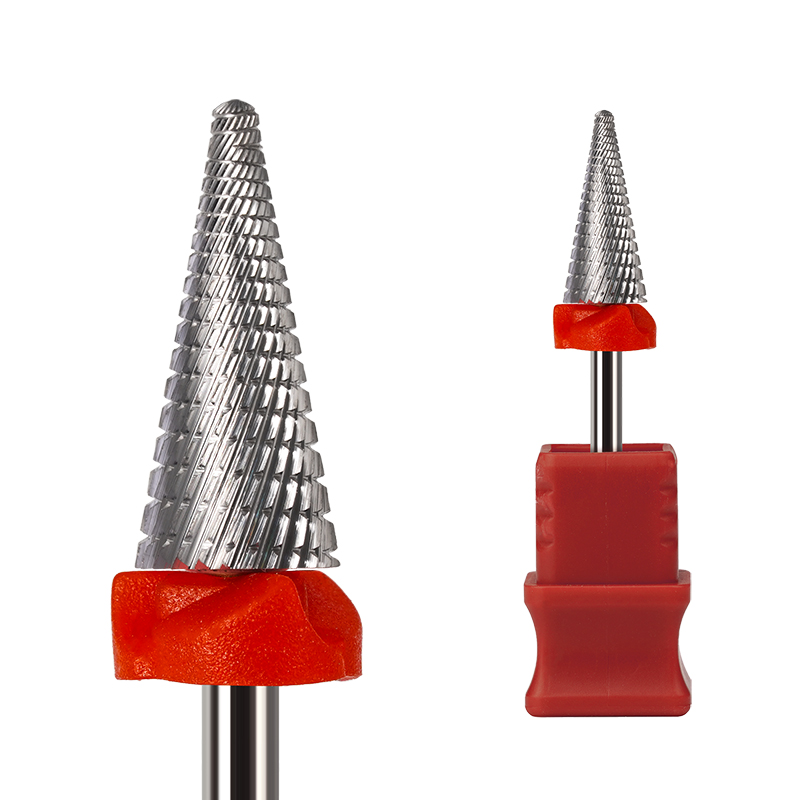
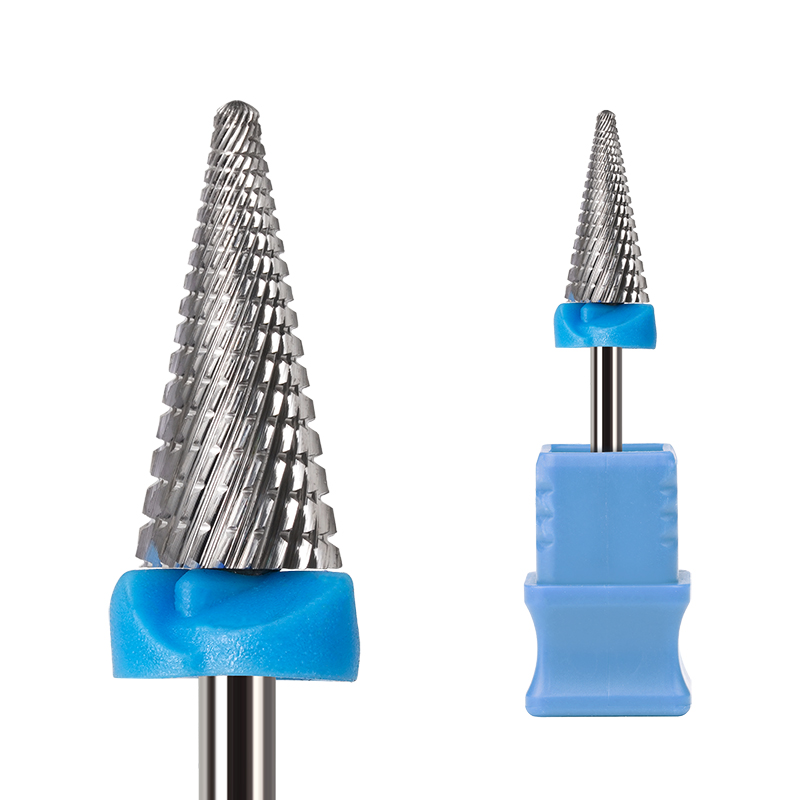
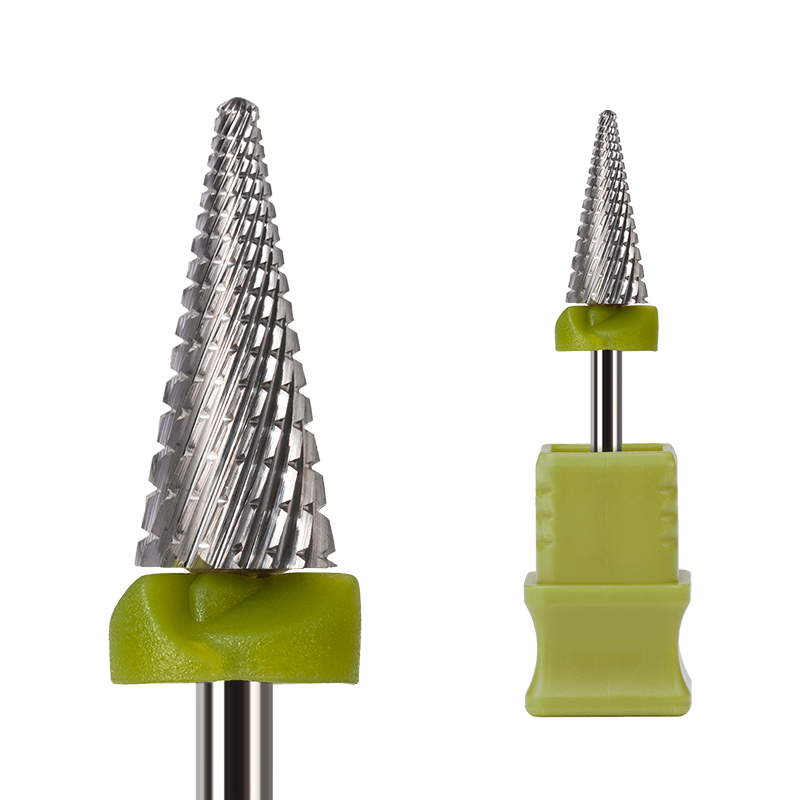
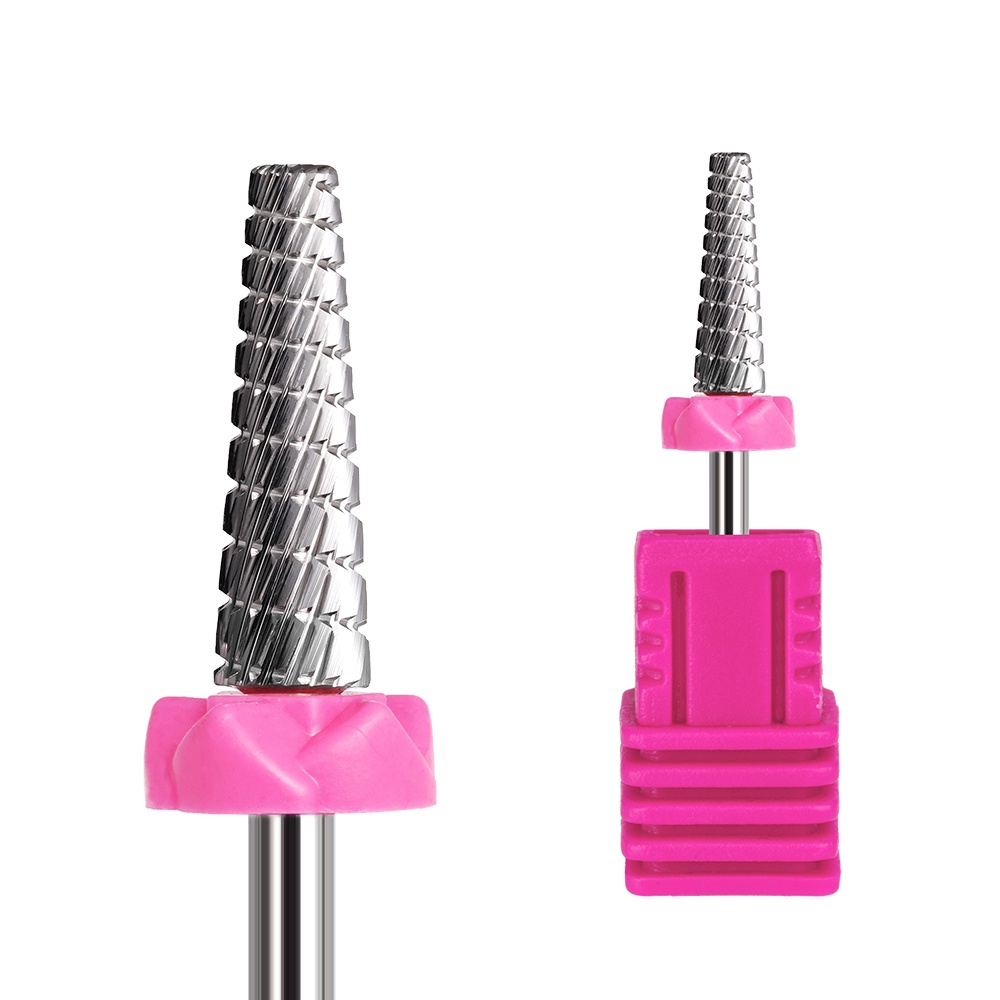
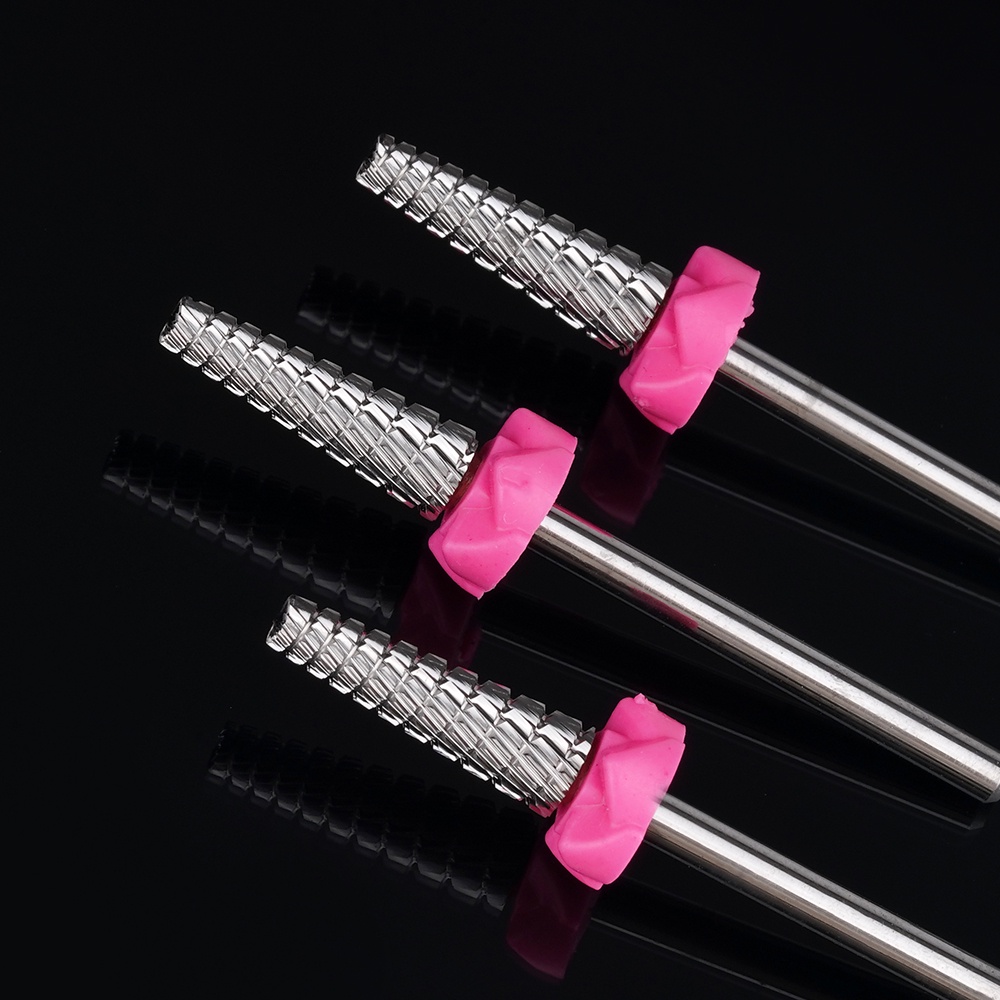
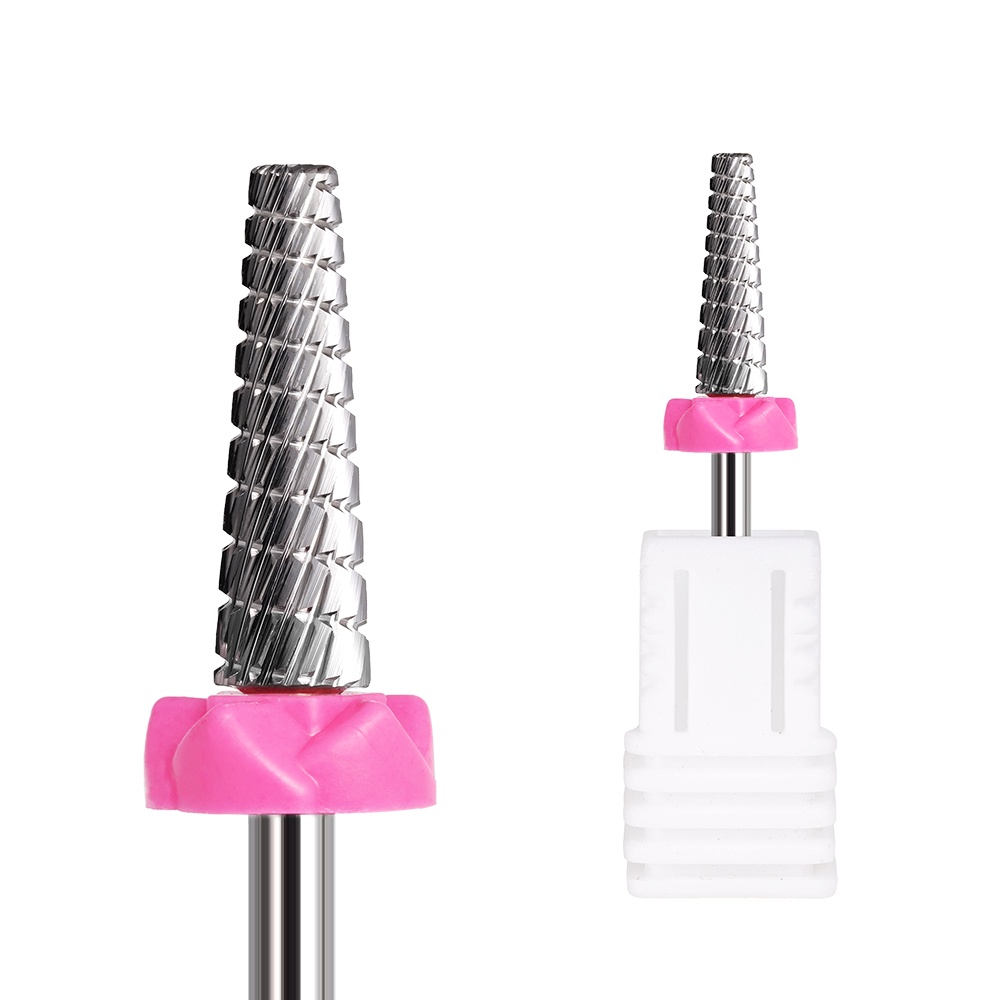
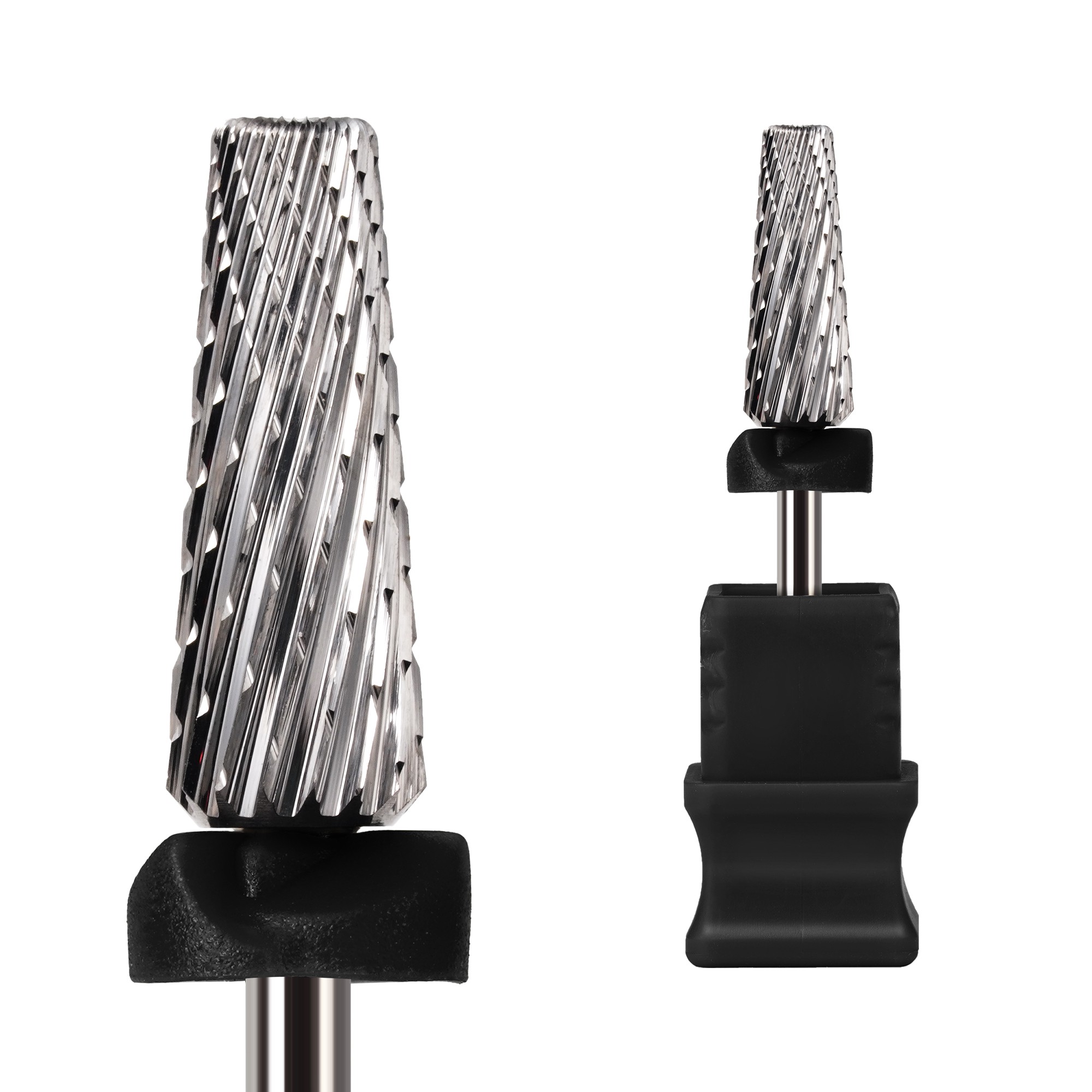
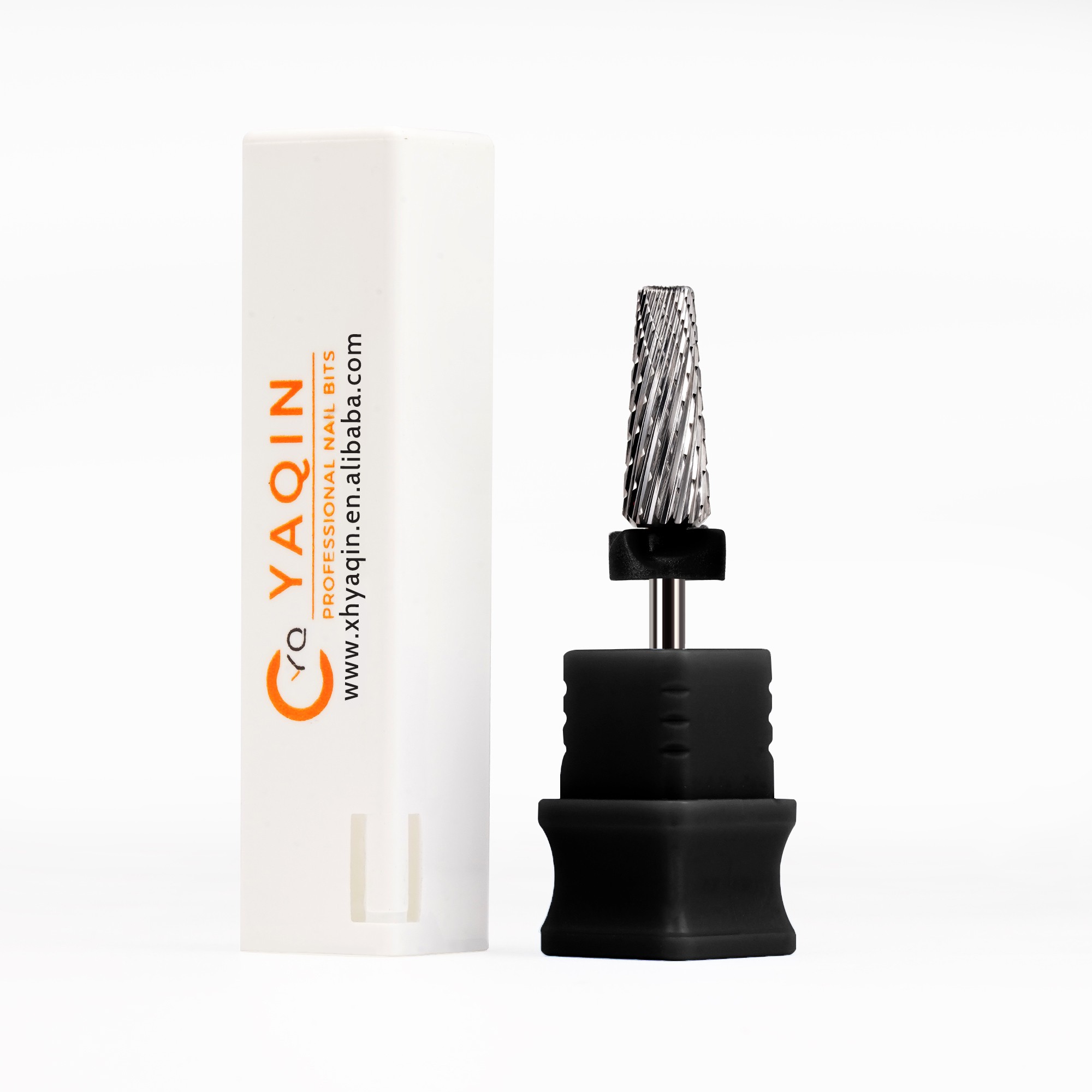
Multi-function carbide bits can be practical when a service involves shaping, smoothing, product cleanup, and limited work around the cuticle area. For example, Professional Advanced Safety Cuticle Bits Two-Way Rotate 3/32'' Carbide Tungsten 5 in 1 Nail Drill Bits combine a tungsten carbide construction, a 3/32-inch shank, and two-way rotation for nail care and nail art work.
A 5-in-1 design can reduce tool changes when different sections of the bit provide different cutting behavior. It is most useful when the operator understands which section is contacting the surface and changes pressure accordingly. It should not be treated as permission to use the most aggressive section directly against the cuticle. Around thin natural nail or close skin work, use the gentlest effective area and keep the contact brief.
Common grit-selection mistakes
Choosing by speed alone. Faster removal can look efficient during prep, but damaged cuticle areas and over-filed plates slow down the rest of the service. The fastest bit is only efficient when it leaves a clean, stable surface without correction.
Using one grit for every client and every service. Natural nail thickness, product type, hydration level, and cuticle condition vary. A fixed choice ignores the conditions that determine whether the bit feels controlled or harsh.
Confusing dead cuticle with living skin. Only detached, non-living tissue should be removed. Red, moist, flexible, or firmly attached tissue is not a target for aggressive e-file work. More pressure will not make that preparation correct.
Trying to solve lifting by filing deeper. Lifted product needs to be removed or blended to a sound edge. Filing into attached product or natural nail without identifying the boundary can create thinning and leave a weak base for the next application.
Skipping a visual and tactile check. Before applying product, inspect the sidewalls, proximal area, and nail plate under good light. The surface should feel even, with no loose skin, dust, or remaining detached product. It should not feel hot, tender, or overly rough.
Use the least aggressive grit that completes the task
For most cuticle preparation, a fine Nail Drill Bit is the default because it offers the best balance of visibility, control, and surface refinement. Move to medium only when there is a defined reason, such as more persistent residue or limited product cleanup, and move back to fine as the work approaches the nail fold.
The final decision should account for material, bit shape, rotation direction, nail condition, and hand control. Grit affects how quickly a bit removes material, but preparation quality depends on stopping at the right point. Clean cuticle prep is not judged by how much was filed away; it is judged by whether the nail is properly cleaned and ready for product without unnecessary stress to the skin or natural plate.
News List
- Preventing Gouges and Uneven Filing With Small Barrel Nail Drill BitsSep 20, 2026
- How Diameter and Grit Affect Small Barrel Nail Drill Bit PerformanceSep 20, 2026
- Can Hytos Nail Drill Bits Be Used Safely on Natural Nails and Gel Polish?Sep 20, 2026
- How to Verify Fit Between Hytos Nail Drill Bits and an E-File HandpieceSep 20, 2026
- Safe Speed Settings for Umbrella Nail Drill Bits Around the Nail FoldSep 20, 2026
- Umbrella vs Flame Nail Drill Bits: Which Shape Offers Better Cuticle Control?Sep 20, 2026
Best-Selling Products
 Cross Cut Safety Stainless Steel Tungsten Carbide Nail Drill Bits Salon Foot Use XF-C Grit for Removing Nails
 First-rate Quality Tungsten Carbide Nail Drill Bits Best Coating Manicure Remove Gel Nails Accessories
 Professional Advanced Safety Cuticle Bits Two-Way Rotate 3/32'' Carbide Tungsten 5 in 1 Nail Drill Bits
 Wholesale 5 in 1 Electric Manicure Nail Drill Bits Various Coating Cone Cuticle Bit with Rotary Cross Cut for Nail Art
 New Slant Tooth Tungsten Steel Nail Drill Bits Dead Skin Removal 5-in-1 Universal Grinding Nail Polish Head Tool Nail Drill Bits
 4.0mm Small 5 in 1 Integrated Sharpe Tungsten Nail Drill Bit Straight Teeth Gel Polish Removal
 Flame Sharp XF F M C XC Silver Safety Professional Corn Tungsten Carbide Nail Bit for Drill Machine Accessories
 Factory Direct 5 in 1 Tungsten Carbide Nail Drill Bits 6.8MM Cross Cut Safety Manicure 5 in 1 Nail Drill Bits
Please give us a message