
How long do carbide nail drill bits last in a busy salon?
How long do carbide nail drill bits last in a busy salon?
In a busy salon, a good carbide bit often remains serviceable for months rather than days, but its useful life is measured by cutting performance, not by calendar time. A technician removing hard gel several times a day will wear a bit far faster than someone using it mainly for light nail prep or soft-gel removal. Two bits used for the same number of weeks can therefore be in very different condition.
For daily professional work, the practical question is: does the bit still remove product smoothly at a controlled speed, without forcing pressure or creating excess heat? Once the answer becomes no, the bit has reached the end of its productive life even if its teeth still look intact.
Why salon workload changes bit life so much
Carbide nail drill bits remove enhancement material through cutting flutes rather than abrasion alone. That makes them efficient for gel polish, builder gel, hard gel, acrylic-like systems, and some extension removal work. It also means the cutting edges carry the workload. The more material removed, the more often those edges contact dense product and the sooner their sharpness declines.
A salon with a high turnover of structured manicures may use one coarse bit repeatedly for bulk reduction, infill removal, and removal of hard gel overlays. This is a demanding job. A technician may notice a gradual slowdown before seeing obvious physical damage: the bit takes more passes, produces finer dust instead of clean shavings, or requires higher hand pressure to get through a familiar product.
By contrast, a medium or fine bit assigned to controlled surface refinement, base-gel removal, or gentle work around a transition area can last considerably longer because it is not constantly asked to cut through thick, rigid material. The bit's use case matters as much as the material from which it is made.
It is useful to separate a salon's bits by job rather than expecting one bit to handle every task. A coarse bit used only for bulk removal is easier to inspect and replace on time. A medium bit can handle routine reduction and product blending. A fine bit is better reserved for work where control matters more than removal speed. This division can reduce premature wear because technicians are less likely to use a fine cutter aggressively or keep relying on a worn coarse cutter.
Signs that a carbide bit should be replaced
Wear is not always dramatic. A carbide bit rarely announces its end of life by suddenly breaking; more often, service quality declines in ways that can be mistaken for a technique problem or a drill problem. Watching for operational signals is more useful than waiting for visible tooth loss.
- Removal is slower than usual. If a familiar gel system now needs repeated passes, the cutting edges may be dull or packed with residue.
- The technician applies more pressure. Carbide bits should work with a light, controlled touch. Pressure compensates for lost sharpness and raises the risk of heat and surface gouging.
- Heat complaints become more frequent. Heat can come from speed, pressure, poor movement, or a worn bit. When the same technique and drill setting suddenly feel hotter, inspect the bit before assuming the handpiece is at fault.
- The finish becomes uneven. A worn cutter may skip, drag, or leave patches of product that a sharp bit would remove evenly.
- The flutes are clogged, chipped, corroded, or visibly rounded. Clogging may be removable through proper cleaning. Chips, rust, bent shanks, or damaged cutting geometry call for replacement.
- The bit vibrates or runs off-center. This can indicate damage, a bent shank, poor chuck retention, or an unsuitable handpiece. Do not continue using it on a client while trying to diagnose the cause.
A bit that still cuts but requires extra force is already costing the salon time and control. Delaying replacement may appear economical, yet the lost minutes over multiple appointments and the increased chance of client discomfort often outweigh the price of a new bit.
Speed and pressure can shorten lifespan before the bit looks worn
Incorrect use is a common reason carbide bits wear prematurely. High speed alone is not automatically harmful, but speed must match the material, bit grit, contact area, and the technician's ability to keep the bit moving. Holding a rotating bit in one place creates friction and heat. It also dulls the working edge more quickly than controlled, overlapping passes.
For example, hard-gel removal commonly calls for more cutting capacity than soft-gel or base-gel removal. A workable range may be around 15,000 to 20,000 RPM for controlled hard-gel removal, while soft gel and base gel are often handled around 10,000 to 15,000 RPM. These are operating ranges rather than automatic settings. A coarse cutter at the upper end of the range may be efficient in experienced hands, while the same approach can be excessive for a thin overlay, a sensitive client, or a technician still developing e-file control.
Low speed can also create problems when it encourages pressure. If the bit is barely cutting, an operator may press harder, which produces heat and can prematurely wear the flutes. The goal is not simply to run faster or slower. It is to choose a grit and RPM that allow the bit to cut with a light hand and continuous movement.
Bit width affects this judgment. Wider bits remove product efficiently over open, flat areas, but they create more contact and need careful control near sidewalls and cuticles. Narrow bits offer access and precision, though they can take longer for large removal work. Selecting the right size prevents a technician from forcing an unsuitable bit to do a job it was not designed to do.
Cleaning is part of tool life, not just salon hygiene
Product dust lodged in carbide flutes reduces cutting efficiency. A clogged bit may feel dull even when the carbide edges are still in good condition. Cleaning after every service lets the technician distinguish temporary buildup from genuine wear.
Use a brush suited to the bit and remove visible debris from the flutes before the residue hardens. Follow the salon's infection-control process and the manufacturer's instructions for cleaning, disinfection, or sterilization compatibility. The important point is to avoid treating all metal bits as if they respond identically to prolonged soaking, aggressive chemicals, or repeated high-heat cycles. Poor drying and unsuitable chemical exposure can contribute to corrosion, even on bits marketed as corrosion-resistant.
After cleaning, inspect the bit under good light. Look down the shank for straightness, check the cutting head for chips, and make sure dried product has not filled the flutes. Storage matters as well. Loose bits knocking together in a drawer can chip cutting edges or damage shanks. A protective cap or a fitted organizer keeps cutting surfaces separated and makes it easier to keep used, cleaned, and ready-to-use tools organized.
One caution is especially important in a busy salon: a protective cap is for storage and transport, not a substitute for complete cleaning and drying. Capping a damp or contaminated bit can trap residue and moisture around the tool.
Quality differences show up in consistency, not only initial sharpness
Most new carbide bits feel sharp. The more meaningful comparison is whether the bit remains balanced, cuts consistently across its working surface, and resists corrosion and edge breakdown through repeated use and processing. Manufacturing quality affects flute geometry, concentricity, shank fit, material hardness, and the finish of the cutting head. Those details influence vibration, heat control, and how evenly the bit wears.
A low-cost bit can be a reasonable option for occasional or limited work, but high-volume salons should examine total service value. If a replacement bit loses efficiency quickly, produces more heat, or runs inconsistently in the handpiece, its lower purchase price may not translate into lower operating cost. Conversely, an expensive bit is not automatically the right choice if the salon cannot match it to suitable procedures, cleaning routines, and technician skill.
When comparing professional options, ask practical questions: Is the shank compatible with the salon's e-file? Is the grit clearly identified? Is the intended use bulk removal, refinement, or prep? Does the supplier provide consistent specifications across repeat orders? These questions are more useful than relying on a product name alone.
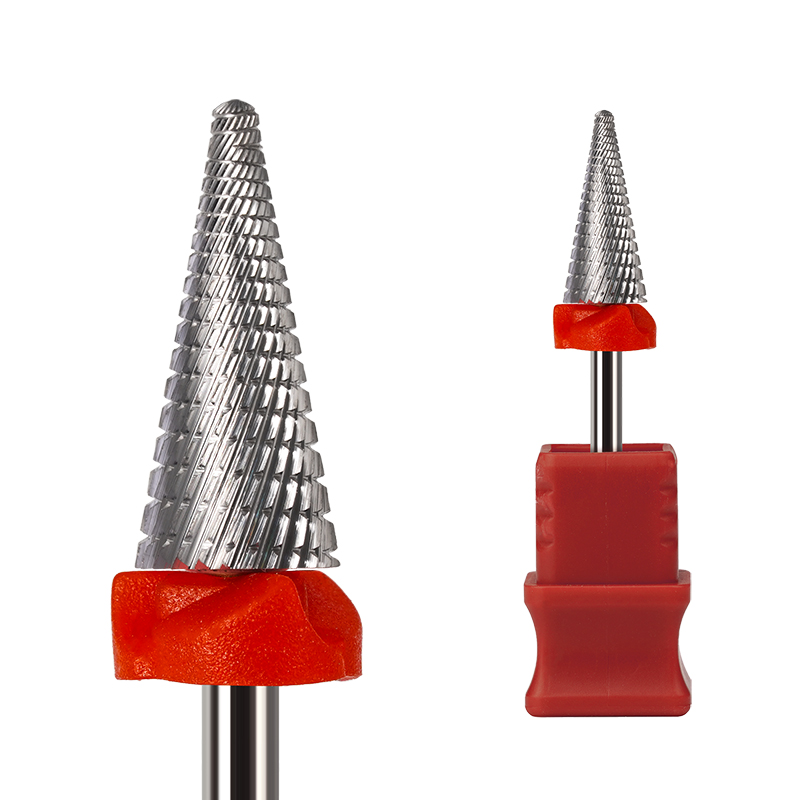
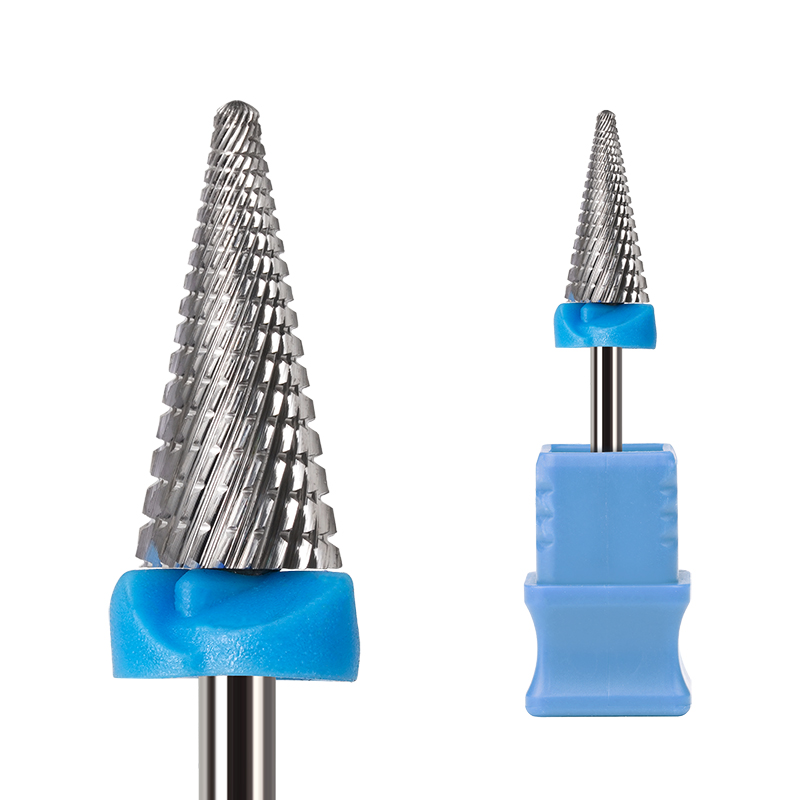
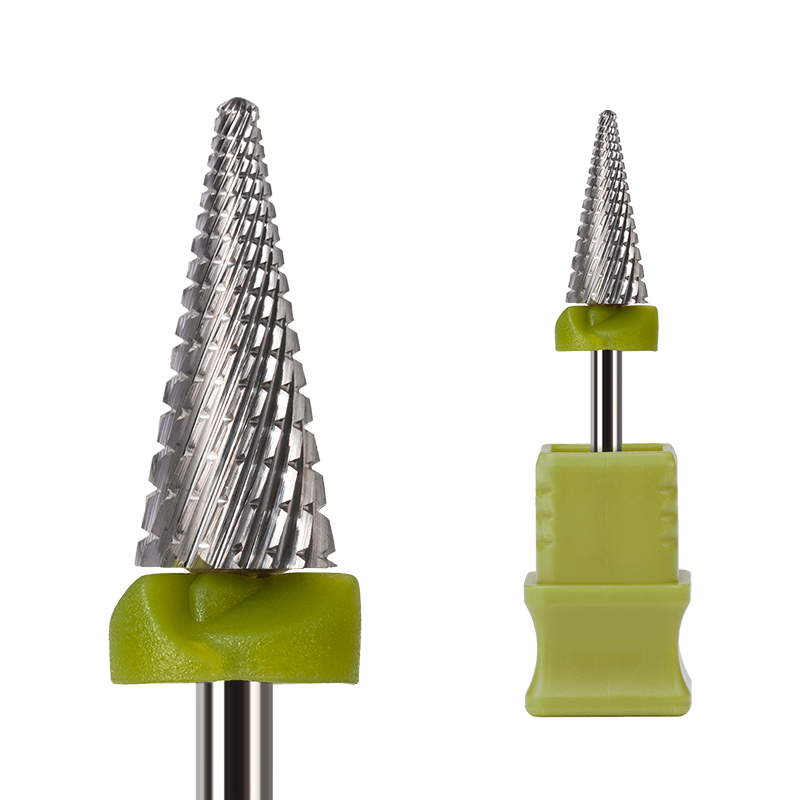
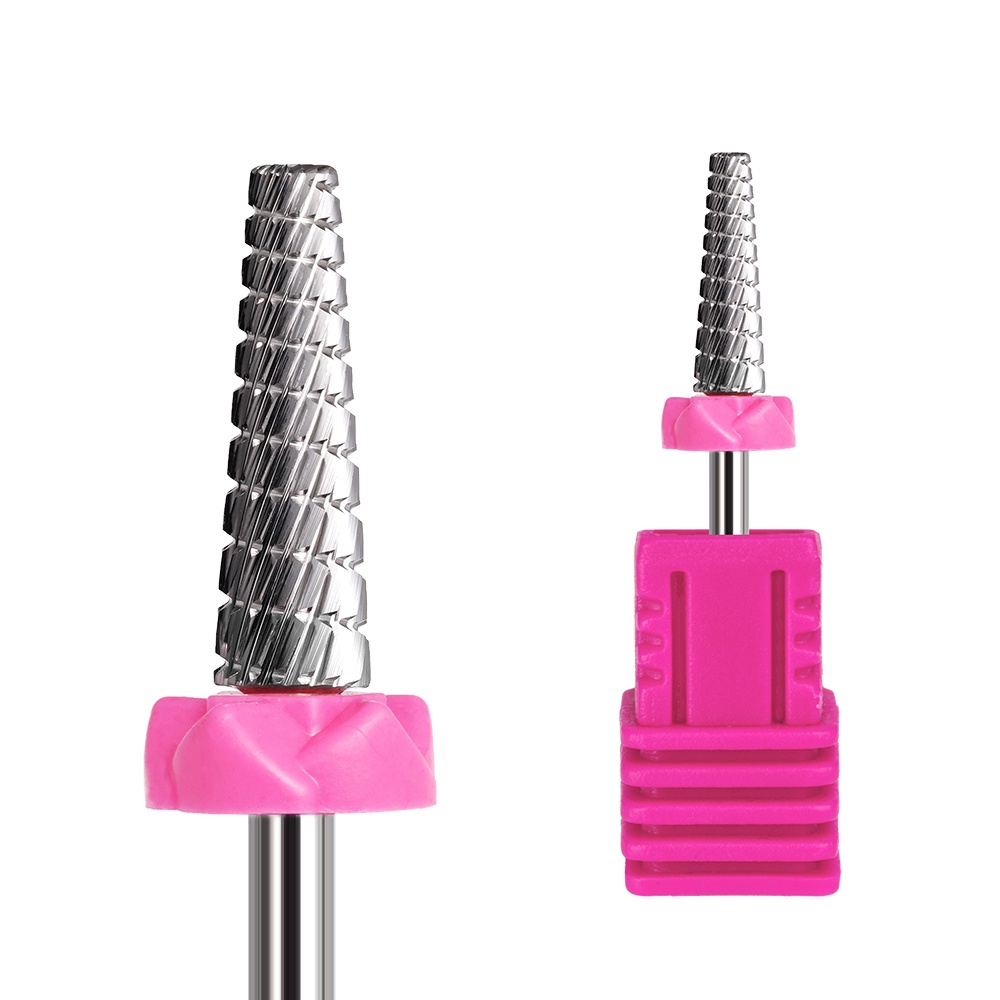
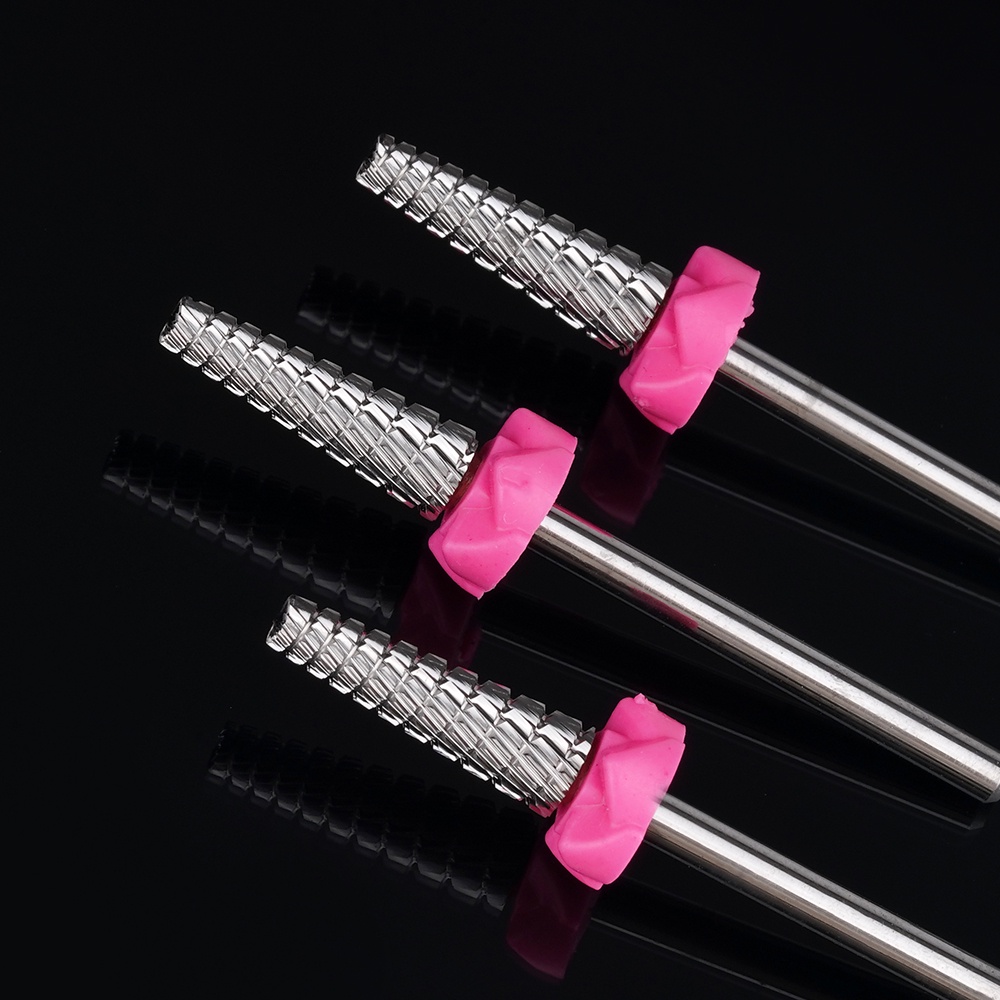
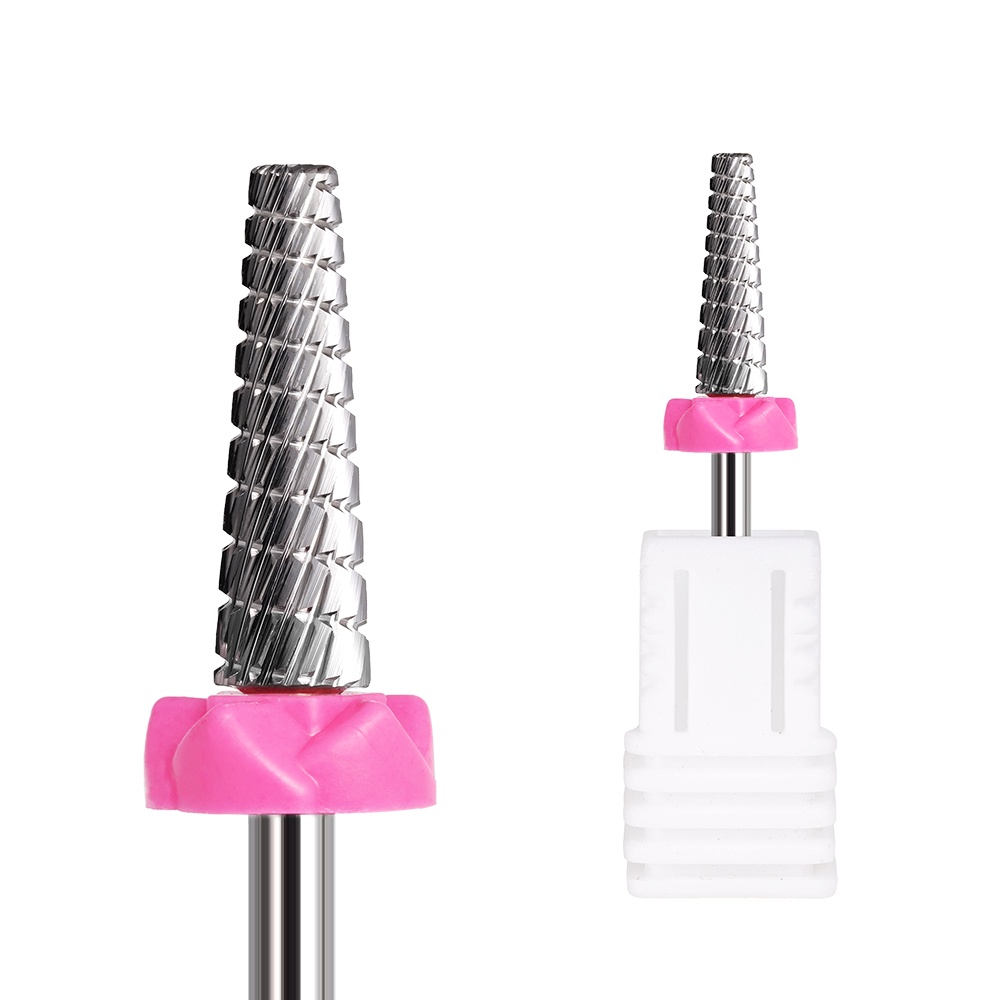
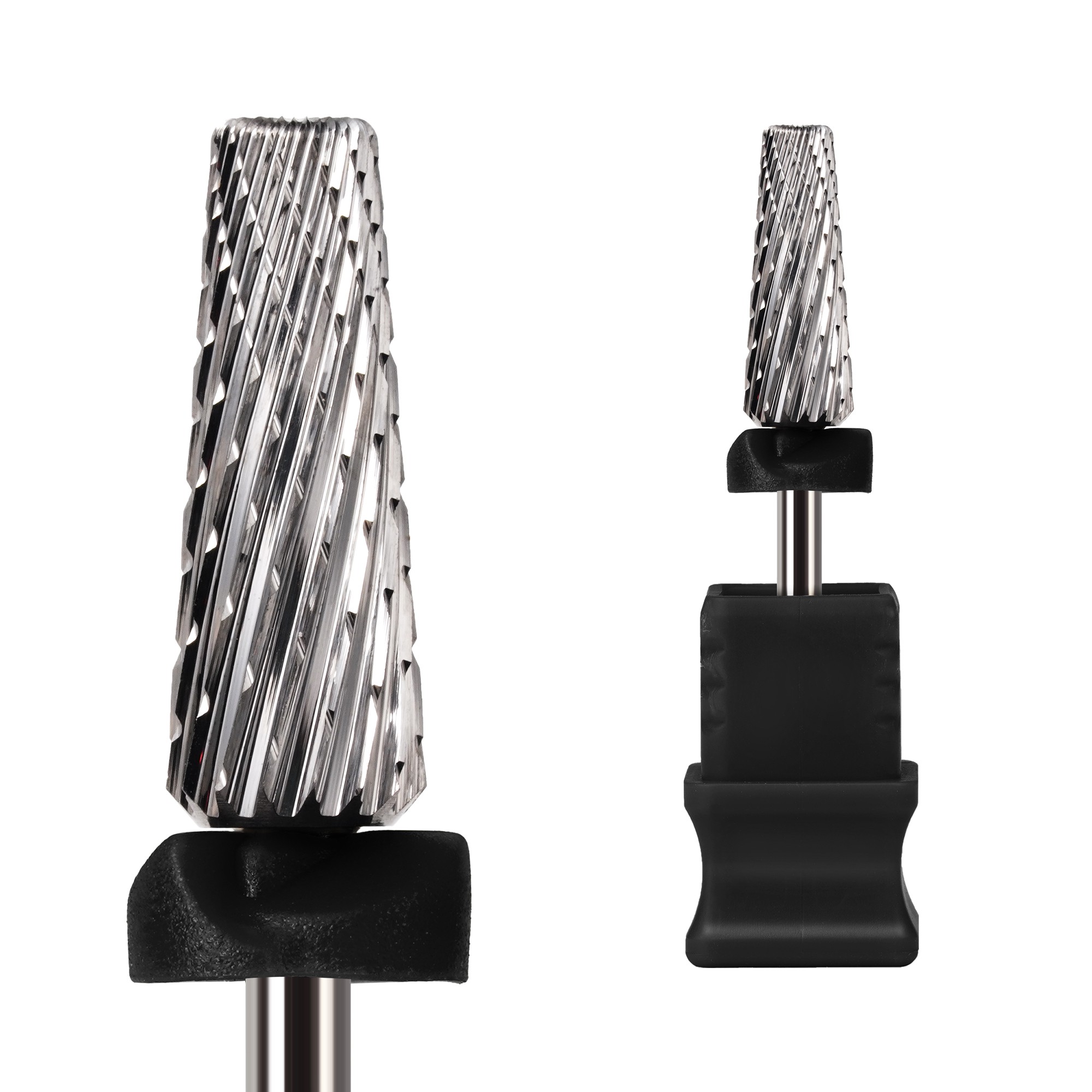
For salons that need separate cutting options for hard gels, soft gels, base gel, and prep work, a range such as electric nail file Nail Drill Bit carbide nail drill bits Tungsten Carbide Nail Drill Bit illustrates the type of selection to evaluate: coarse, medium, and fine cutting grades, plus narrow and wide profiles. The decision should still come back to how each bit will be assigned, cleaned, and replaced inside the salon's actual workflow.
A simple replacement system prevents inconsistent appointments
Busy salons benefit from a replacement system based on condition and usage, rather than allowing every technician to decide only when a bit becomes unusable. This does not require complicated tracking. A labeled set for each technician, a routine inspection point, and a designated container for worn or damaged bits can be enough.
Some salons rotate duplicate bits for the same task so that a cleaned backup is always available. Rotation also makes it easier to compare performance. When a familiar bit begins to take longer than its newer counterpart, it can be moved out of demanding removal work before it causes a rushed or uncomfortable service.
Keep coarse, medium, and fine bits visibly separated. A coarse bit is often the first to wear in a high-volume gel-removal routine, while a fine bit may remain sharp longer but should still be checked for clogging and damage. Assigning each bit a purpose also gives newer technicians clearer boundaries: they are less likely to use a coarse cutter near delicate areas or make a fine bit do bulk removal.
When shorter life is normal, and when it signals a problem
Shorter bit life can be normal when a salon regularly removes very hard, thick, or highly cured enhancement products. It can also be expected where multiple technicians share a limited tool pool or where clients frequently arrive for full removal rather than maintenance services. In these conditions, more frequent replacement is simply part of the cost of maintaining fast, controlled work.
It becomes a problem when several bits lose performance unusually quickly, when heat complaints rise despite sound technique, or when corrosion appears after routine processing. Investigate the complete system: product type, RPM, pressure, cleaning chemicals, drying process, storage, drill chuck condition, and whether the bit profile suits the service. Replacing bits without correcting the cause will only repeat the expense.
The useful life of carbide nail drill bits is therefore best judged one service at a time. A sharp, clean, stable bit helps the technician remove product efficiently while protecting the natural nail from unnecessary pressure and heat. Once it no longer delivers that controlled cut, replacement is a professional maintenance decision, not a sign that the bit must visibly fail first.
News List
- Preventing Gouges and Uneven Filing With Small Barrel Nail Drill BitsSep 20, 2026
- How Diameter and Grit Affect Small Barrel Nail Drill Bit PerformanceSep 20, 2026
- Can Hytos Nail Drill Bits Be Used Safely on Natural Nails and Gel Polish?Sep 20, 2026
- How to Verify Fit Between Hytos Nail Drill Bits and an E-File HandpieceSep 20, 2026
- Safe Speed Settings for Umbrella Nail Drill Bits Around the Nail FoldSep 20, 2026
- Umbrella vs Flame Nail Drill Bits: Which Shape Offers Better Cuticle Control?Sep 20, 2026
Best-Selling Products
 Cross Cut Safety Stainless Steel Tungsten Carbide Nail Drill Bits Salon Foot Use XF-C Grit for Removing Nails
 First-rate Quality Tungsten Carbide Nail Drill Bits Best Coating Manicure Remove Gel Nails Accessories
 Professional Advanced Safety Cuticle Bits Two-Way Rotate 3/32'' Carbide Tungsten 5 in 1 Nail Drill Bits
 Wholesale 5 in 1 Electric Manicure Nail Drill Bits Various Coating Cone Cuticle Bit with Rotary Cross Cut for Nail Art
 New Slant Tooth Tungsten Steel Nail Drill Bits Dead Skin Removal 5-in-1 Universal Grinding Nail Polish Head Tool Nail Drill Bits
 4.0mm Small 5 in 1 Integrated Sharpe Tungsten Nail Drill Bit Straight Teeth Gel Polish Removal
 Flame Sharp XF F M C XC Silver Safety Professional Corn Tungsten Carbide Nail Bit for Drill Machine Accessories
 Factory Direct 5 in 1 Tungsten Carbide Nail Drill Bits 6.8MM Cross Cut Safety Manicure 5 in 1 Nail Drill Bits
Please give us a message