
Quartz Nail Drill Bit for Gentle Surface Work: Where It Fits in a Nail Service Menu
Quartz Nail Drill Bit for Gentle Surface Work: Where It Fits in a Nail Service Menu
Quartz Nail Drill Bit for Gentle Surface Work: Where It Fits in a Nail Service Menu
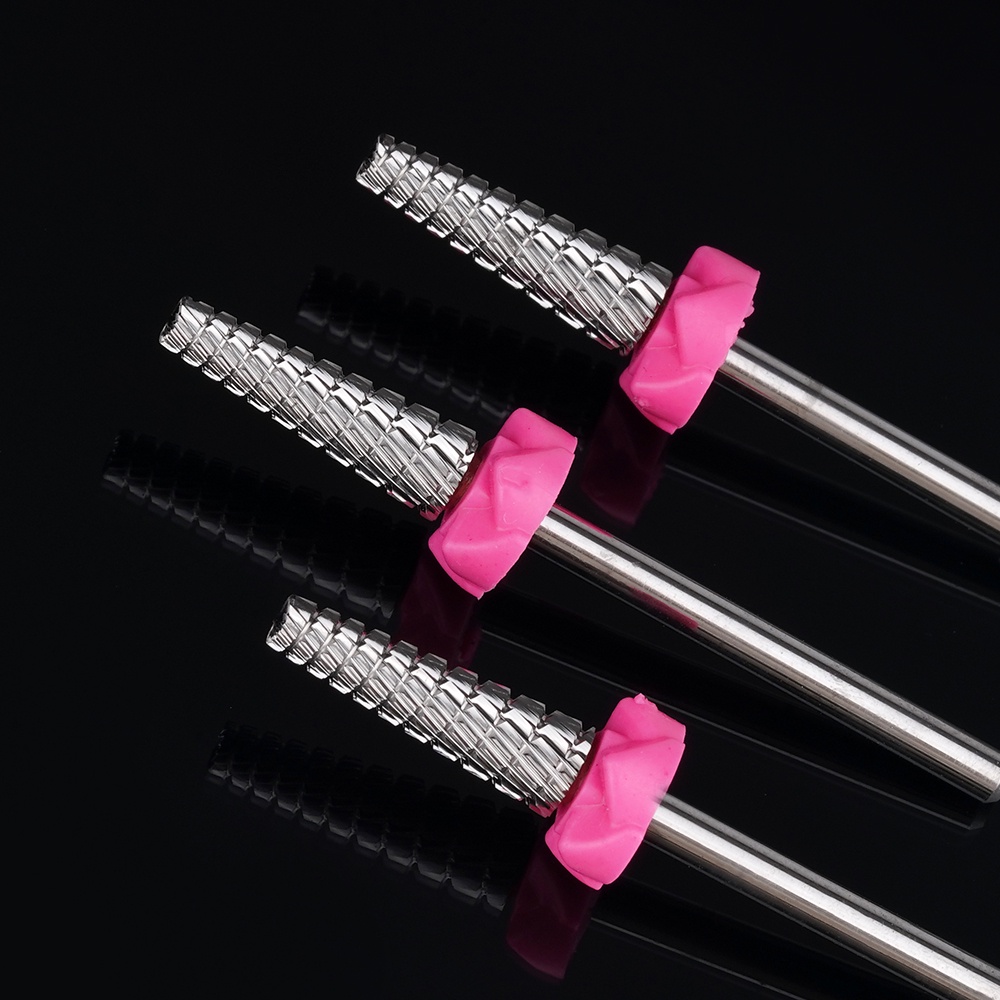
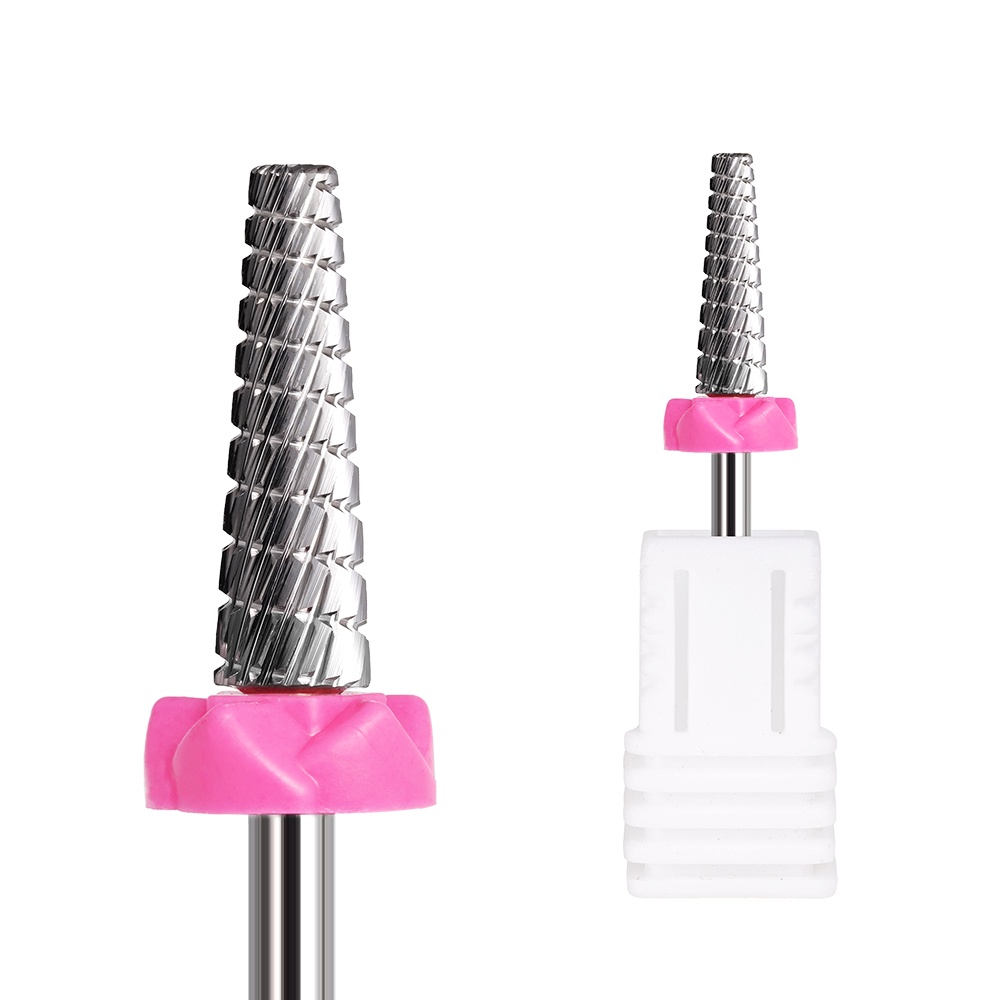
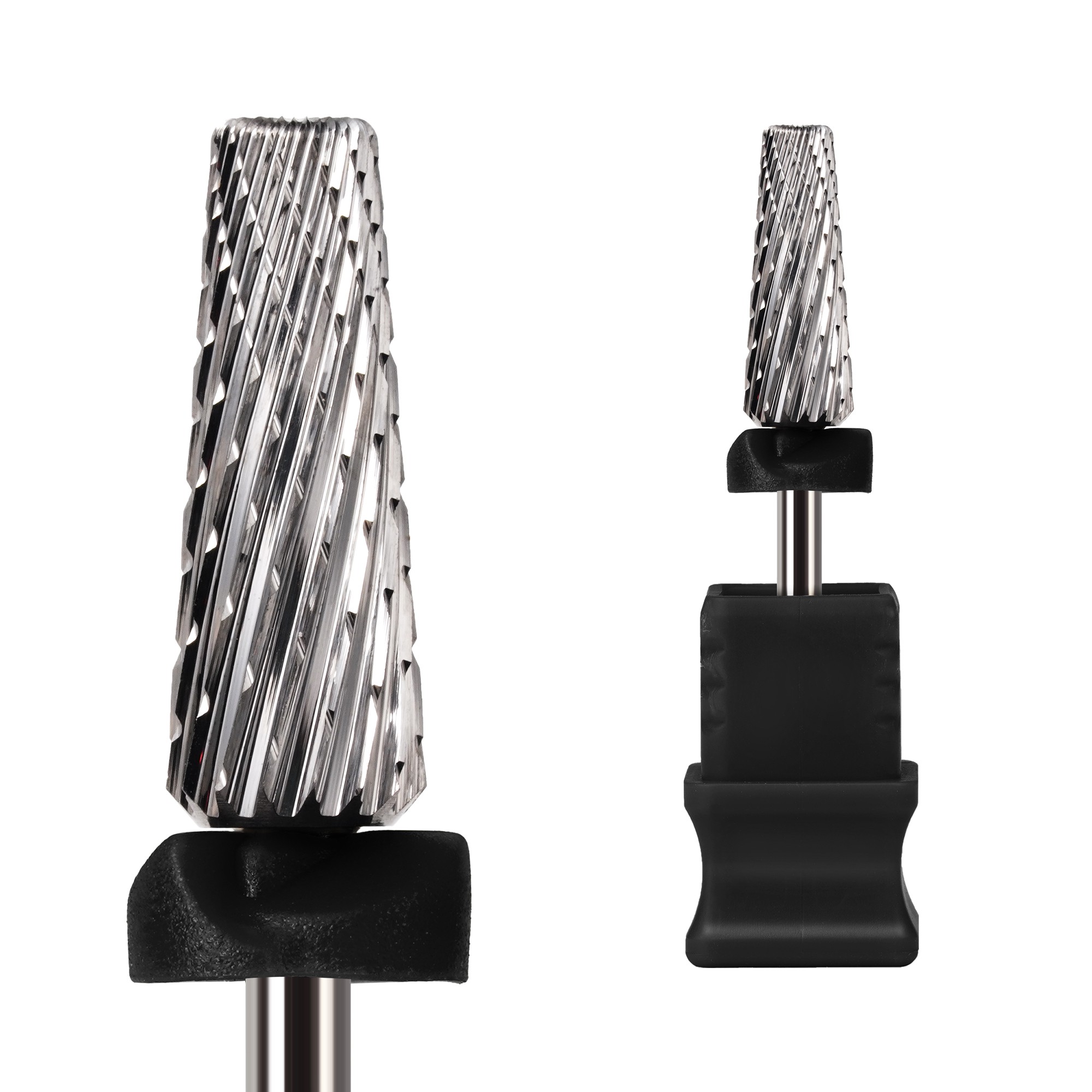
For salons, private-label brands, and supply planners, bit selection is not a minor accessory decision. It affects service speed, operator control, noise level, client comfort, and even how clearly a menu can be structured for technicians with different skill levels. A Quartz Nail Drill Bit usually enters the conversation when the goal is not heavy removal, but gentle surface work: refining the nail plate, smoothing transitions, and handling prep stages where too much aggression creates more problems than it solves.
That matters in a professional service environment. If every step is handled with one overly aggressive bit, the workflow may look fast on paper but become inconsistent in real use. Surface prep, cuticle-area refinement, and finishing are not the same task as bulk gel removal. A balanced nail service menu works better when each step has a tool matched to the material being touched and the amount of pressure that is safe to apply.
Why a gentle surface bit belongs in a modern menu
The demand for “gentle” is not only about client sensitivity. It is also about process control. In many salons, technicians move between natural nail prep, builder overlays, gel polish maintenance, and finishing corrections within the same appointment block. A Quartz Nail Drill Bit fits where the aim is controlled abrasion rather than rapid material removal.
Typical placement includes light smoothing before product application, blending small uneven areas, refining the surface near the sidewalls, and preparing a cleaner base for adhesion. In these steps, the bit should help the technician see what they are doing, not force them to compensate for excessive cutting action. That is why gentle surface bits often reduce rework: the user is less likely to create heat spikes or over-file an area that then needs to be corrected.
From a menu design perspective, this also makes service descriptions easier to standardize. When prep and finishing are assigned dedicated tools, training becomes clearer. It is simpler to define where a low-abrasion bit begins and where a high-efficiency removal bit takes over.
Where Quartz Nail Drill Bit works well—and where it usually does not
A common purchasing mistake is to judge all bits by removal speed. That metric is useful for debulking hard gel or old product layers, but it says very little about finish quality or comfort. Quartz Nail Drill Bit is usually better suited for tasks such as:
- surface refining on natural nails before coating
- smoothing minor texture differences after initial filing
- prep work where technicians need a lighter touch around delicate areas
- finishing stages that benefit from lower aggression and more feel
It is typically not the best tool for fast removal of thick UV gel, hard product reduction, or high-volume take-off work. In those cases, salons often pair a gentler surface bit with a harder, more efficient removal option. That division is practical, not theoretical. It helps preserve technician control while still keeping service times commercially reasonable.
For example, a salon may use a quartz-type bit during prep and final refinement, then switch to a carbide bit for bulk product removal. A product such as Tungsten Carbide Nail Drill Bits for Safe Removal of UV Gel Polish Electric Manicure Tool fits that second role more naturally, especially when high hardness, strong grinding efficiency, and stable cutting performance are required for gel polish or product take-down. The two are not substitutes for one another. In a well-built menu, they solve different parts of the same service chain.
The operational value is in consistency, not novelty
Project managers and service leads usually care less about whether a bit sounds innovative and more about whether it reduces avoidable variability. Gentle surface work is one of the places where inconsistency shows up quickly: uneven prep can affect adhesion, over-filing can make clients uncomfortable, and rough finishing can undermine the perceived quality of the entire appointment.
A Quartz Nail Drill Bit can support consistency in three practical ways. First, it narrows the margin for overly aggressive contact. Second, it gives less experienced technicians a safer tool for stages that require touch sensitivity. Third, it can help separate premium finishing steps from basic removal steps in the menu itself, which is useful for both training and pricing logic.
This is particularly relevant for distributors or multi-location buyers. If the service menu includes express gel maintenance, standard manicure prep, and higher-end finish detailing, one bit type rarely covers everything well. A narrower tool assignment by task often leads to fewer complaints and clearer replenishment planning.
What to check before adding it to your line or service package
The question is not only “Does this bit work?” but “Does it work inside our actual service model?” That means reviewing more than the material name.
- Match it to the service step. Prep, smoothing, and finishing require different behavior than removal.
- Consider technician skill mix. A bit that is forgiving under variable hand pressure is often easier to roll out across teams.
- Check machine compatibility and operating habits. The same bit can perform differently depending on RPM range, handpiece stability, and user technique.
- Look at replacement frequency. A lower-cost bit that wears unpredictably may increase total operating friction.
- Review packaging, labeling, and SKU clarity if the product will be distributed or rebranded.
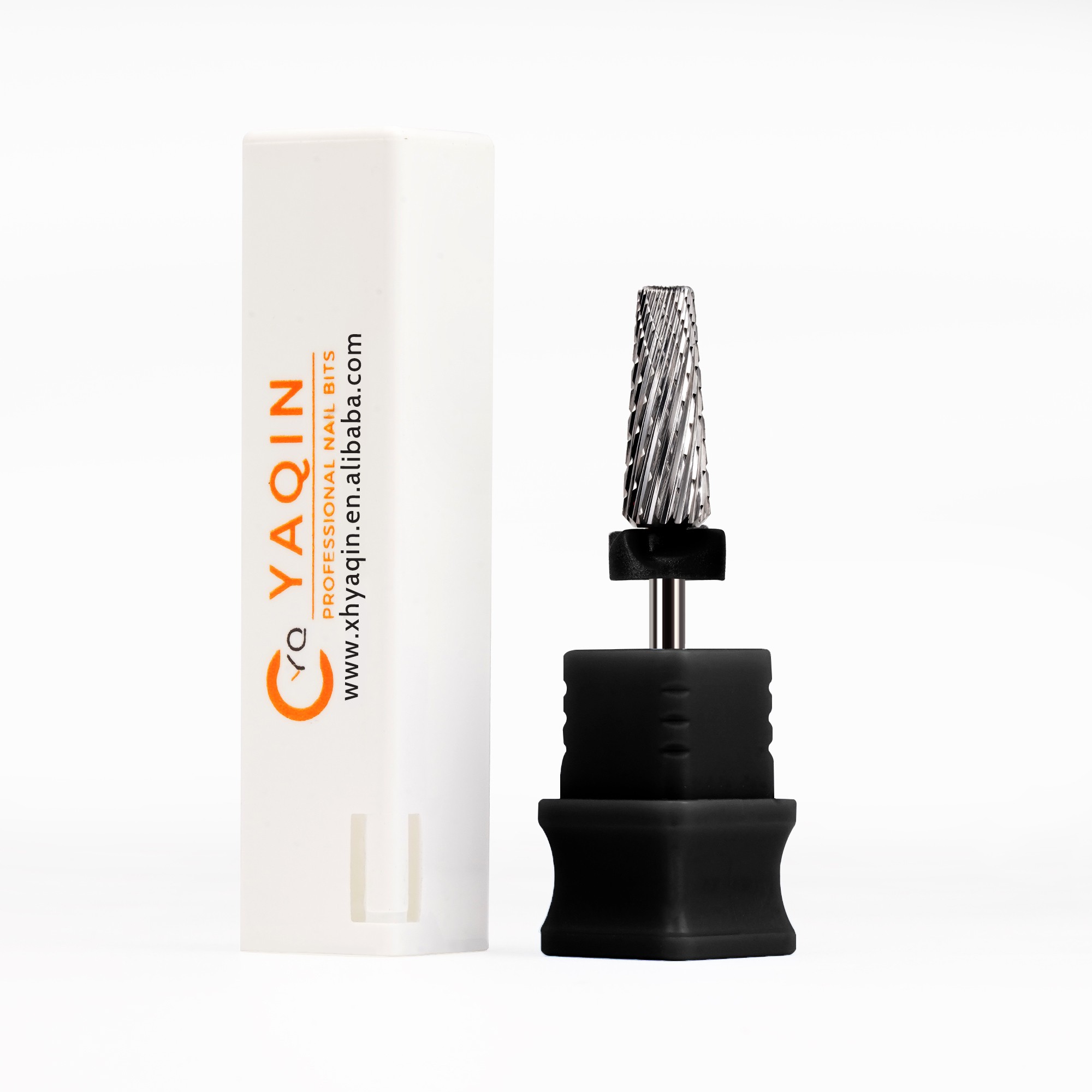
This is where supplier capability starts to matter. Wuxi Yaqin Trading Co., Ltd. has been focused on producing and exporting abrasive products for a broad international market including the USA, Canada, Germany, the UK, Italy, Poland, and many other countries. For buyers managing multiple channels or private-label programs, that matters less as a slogan than as an operational signal: export familiarity, QC coverage from raw material purchasing through production and packing, and one-stop coordination from manufacturing to delivery tend to reduce the risk of mismatch between sampling and repeat orders.
The company states that it works under a complete and strict quality control system and has passed ISO9001:2000 quality management system certification. For procurement teams, this does not replace product evaluation, but it does provide a more structured basis for discussing consistency, documentation, and OEM/ODM execution.
Quartz for refinement, carbide for removal: a more useful comparison
It is easy to compare bits by material alone and miss the more important question: what problem is each one solving inside the service flow?
That is why some buyers build assortments instead of chasing a single “all-purpose” bit. A harder option made from tungsten steel or high-quality alloy may offer longer service life, quieter and more stable grinding, and better maneuverability for removal-focused work. Those are useful attributes when the job is filing, dead skin removal, gel polish take-off, or shaping and polishing at higher efficiency. But they do not eliminate the need for a softer-touch surface tool where refinement is the priority.
Common misreads when evaluating gentle-work bits
One misread is assuming a bit is ineffective because it removes slowly. For prep or smoothing, slower can be appropriate if it improves control. Another is ignoring the way service menus are actually staffed. If junior technicians are expected to handle surface correction, a forgiving bit may save more time overall than a faster but less tolerant one.
There is also a branding angle that distributors sometimes overlook. Surface-work bits often sit in kits aimed at salons that care about finish quality and comfort messaging. In that context, packaging consistency, customizable color, and logo options can matter alongside function. That is one reason some buyers pair a quartz finishing item with a removal product such as Tungsten Carbide Nail Drill Bits for Safe Removal of UV Gel Polish Electric Manicure Tool in the same line architecture: the assortment tells a more complete operational story than either item alone.
A better way to decide
If you are deciding whether a Quartz Nail Drill Bit belongs in your service menu, start with the task map, not the catalog page. List where technicians need touch-sensitive abrasion, where they need speed, and where client comfort complaints are most likely to emerge. Then match bits to those moments.
For many businesses, the answer is not replacing harder tools with quartz, but using quartz where refinement matters and carbide where removal demands efficiency. That split usually makes training clearer, inventory planning more logical, and service quality easier to repeat across teams.
If the product will be sold across markets or under OEM/ODM arrangements, it is worth confirming not just shape and grit behavior, but also QC process, packing details, lead time expectations, and how the supplier handles customization. Those points tend to determine whether a bit works well in practice long after the sample stage is over.
News List
- Preventing Gouges and Uneven Filing With Small Barrel Nail Drill BitsSep 20, 2026
- How Diameter and Grit Affect Small Barrel Nail Drill Bit PerformanceSep 20, 2026
- Can Hytos Nail Drill Bits Be Used Safely on Natural Nails and Gel Polish?Sep 20, 2026
- How to Verify Fit Between Hytos Nail Drill Bits and an E-File HandpieceSep 20, 2026
- Safe Speed Settings for Umbrella Nail Drill Bits Around the Nail FoldSep 20, 2026
- Umbrella vs Flame Nail Drill Bits: Which Shape Offers Better Cuticle Control?Sep 20, 2026
Best-Selling Products
 Cross Cut Safety Stainless Steel Tungsten Carbide Nail Drill Bits Salon Foot Use XF-C Grit for Removing Nails
 First-rate Quality Tungsten Carbide Nail Drill Bits Best Coating Manicure Remove Gel Nails Accessories
 Professional Advanced Safety Cuticle Bits Two-Way Rotate 3/32'' Carbide Tungsten 5 in 1 Nail Drill Bits
 Wholesale 5 in 1 Electric Manicure Nail Drill Bits Various Coating Cone Cuticle Bit with Rotary Cross Cut for Nail Art
 New Slant Tooth Tungsten Steel Nail Drill Bits Dead Skin Removal 5-in-1 Universal Grinding Nail Polish Head Tool Nail Drill Bits
 4.0mm Small 5 in 1 Integrated Sharpe Tungsten Nail Drill Bit Straight Teeth Gel Polish Removal
 Flame Sharp XF F M C XC Silver Safety Professional Corn Tungsten Carbide Nail Bit for Drill Machine Accessories
 Factory Direct 5 in 1 Tungsten Carbide Nail Drill Bits 6.8MM Cross Cut Safety Manicure 5 in 1 Nail Drill Bits
Please give us a message