
Electric Nail File for Thick Nails: Which Bit Shapes and Grit Levels Work Best?
Electric Nail File for Thick Nails: Which Bit Shapes and Grit Levels Work Best?
Choosing an electric nail file for thick nails is rarely about speed alone. Thick natural nails, aging nails, fungal-damaged plates, and product-heavy enhancement layers all respond differently to bit shape and grit. The right combination improves control, reduces heat, and makes shaping or removal more predictable. In the light daily-use sector, that matters not only for salon efficiency, but also for product quality, hygiene, and repeatable performance across different markets.
Why thick nails require a different approach
A standard filing setup can struggle when nail density increases. Thick nails create more friction, demand steadier pressure, and expose weak bits very quickly.
That is why the best electric nail file for thick nails depends on two linked factors: the shape of the bit and the grit level on its surface.
Bit shape decides where the tool reaches. Grit decides how aggressively it cuts. If one is wrong, the result is slower work, rough surfaces, or unnecessary discomfort.
This is also a sourcing issue. Buyers comparing abrasive tools increasingly look beyond appearance and check material stability, fit, consistency, and quality control.
Start with the core variables
Bit shape controls access and pressure
For an electric nail file for thick nails, the bit must match the work area. Large surfaces, sidewalls, cuticle margins, and undersides need different contact points.
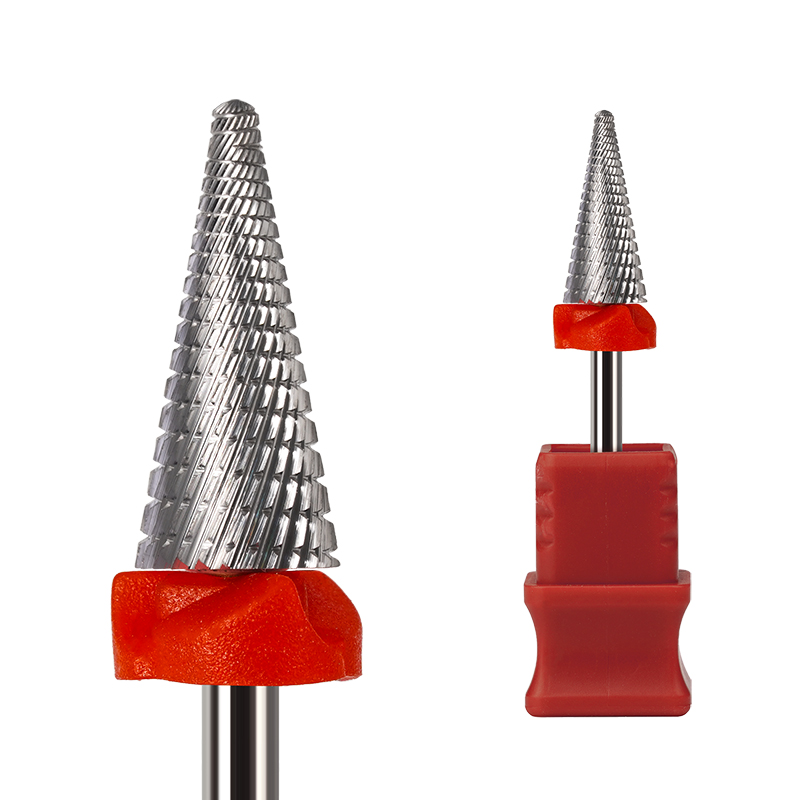
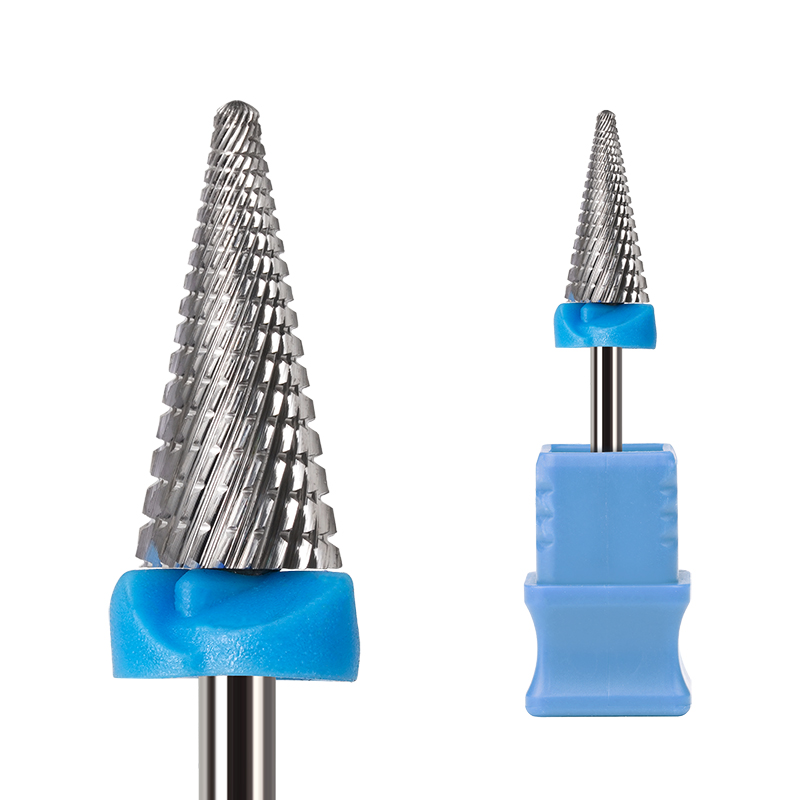
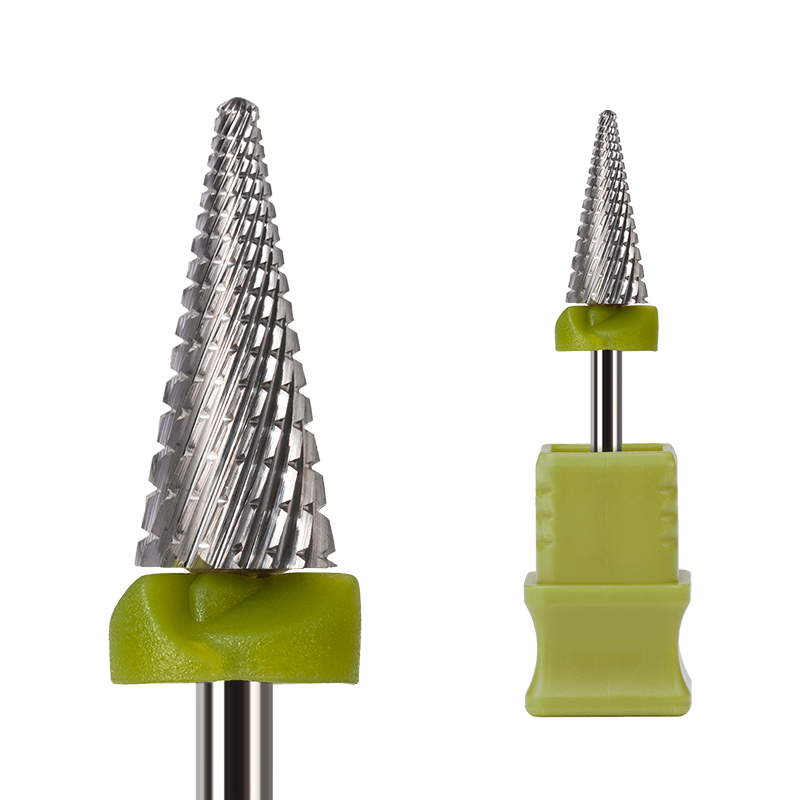
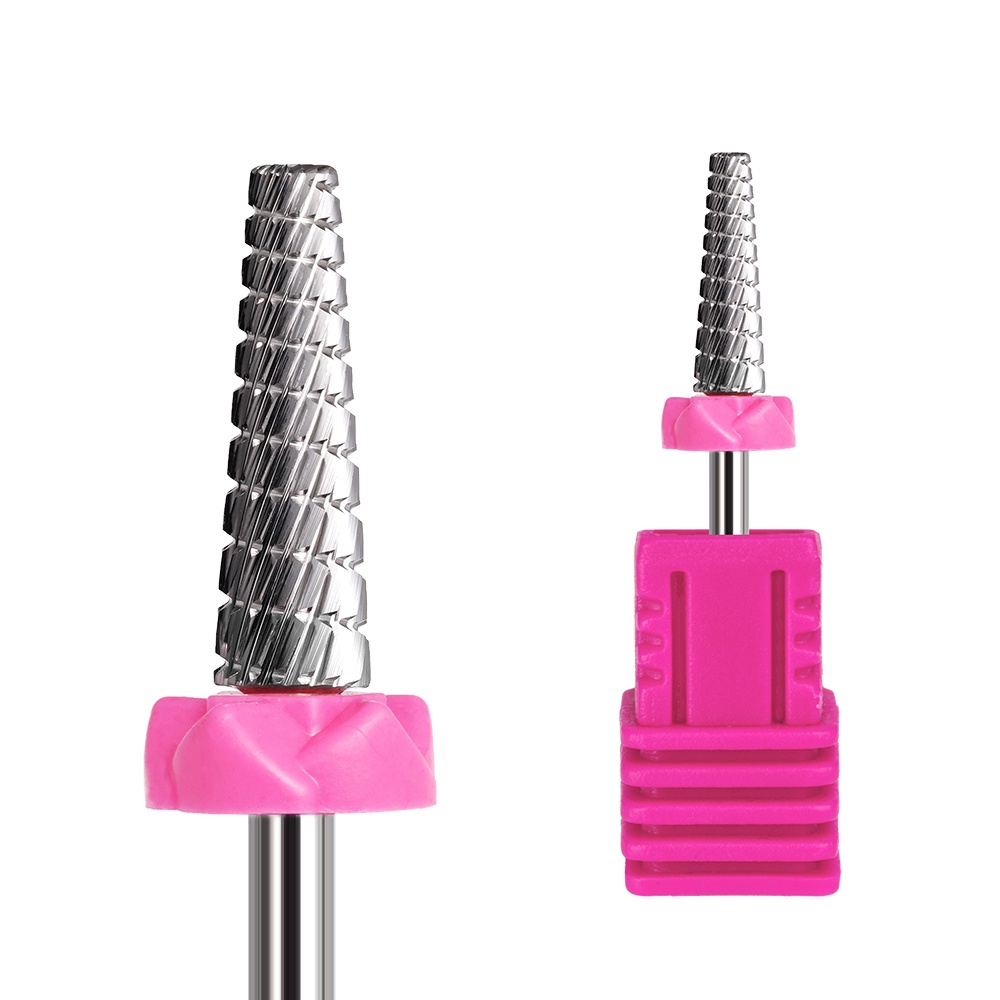
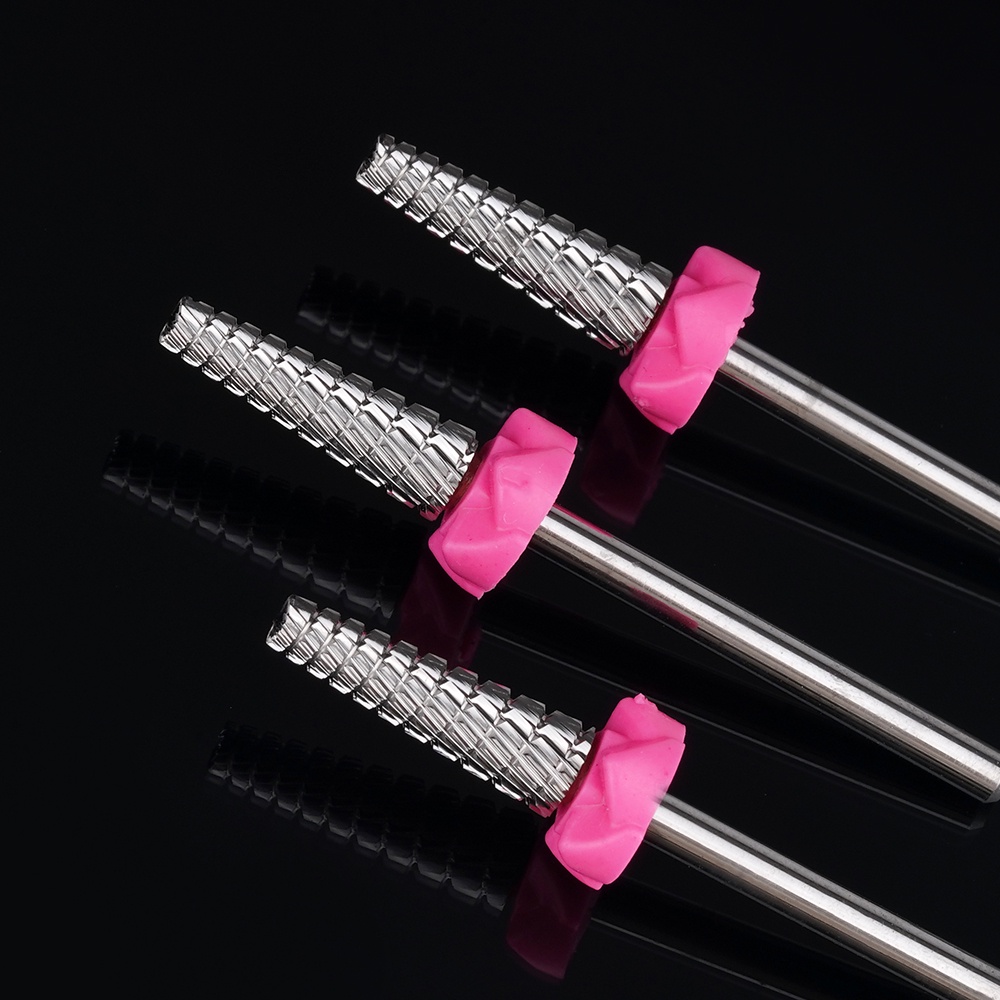
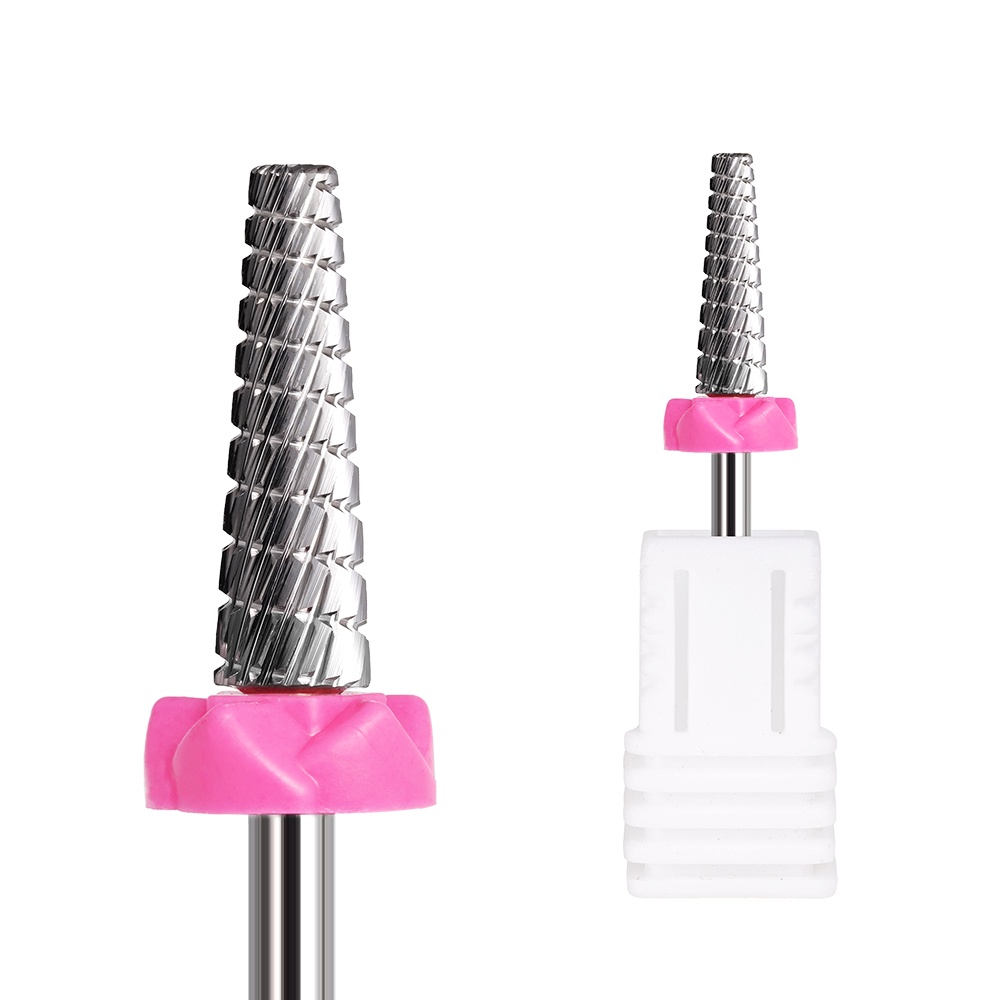
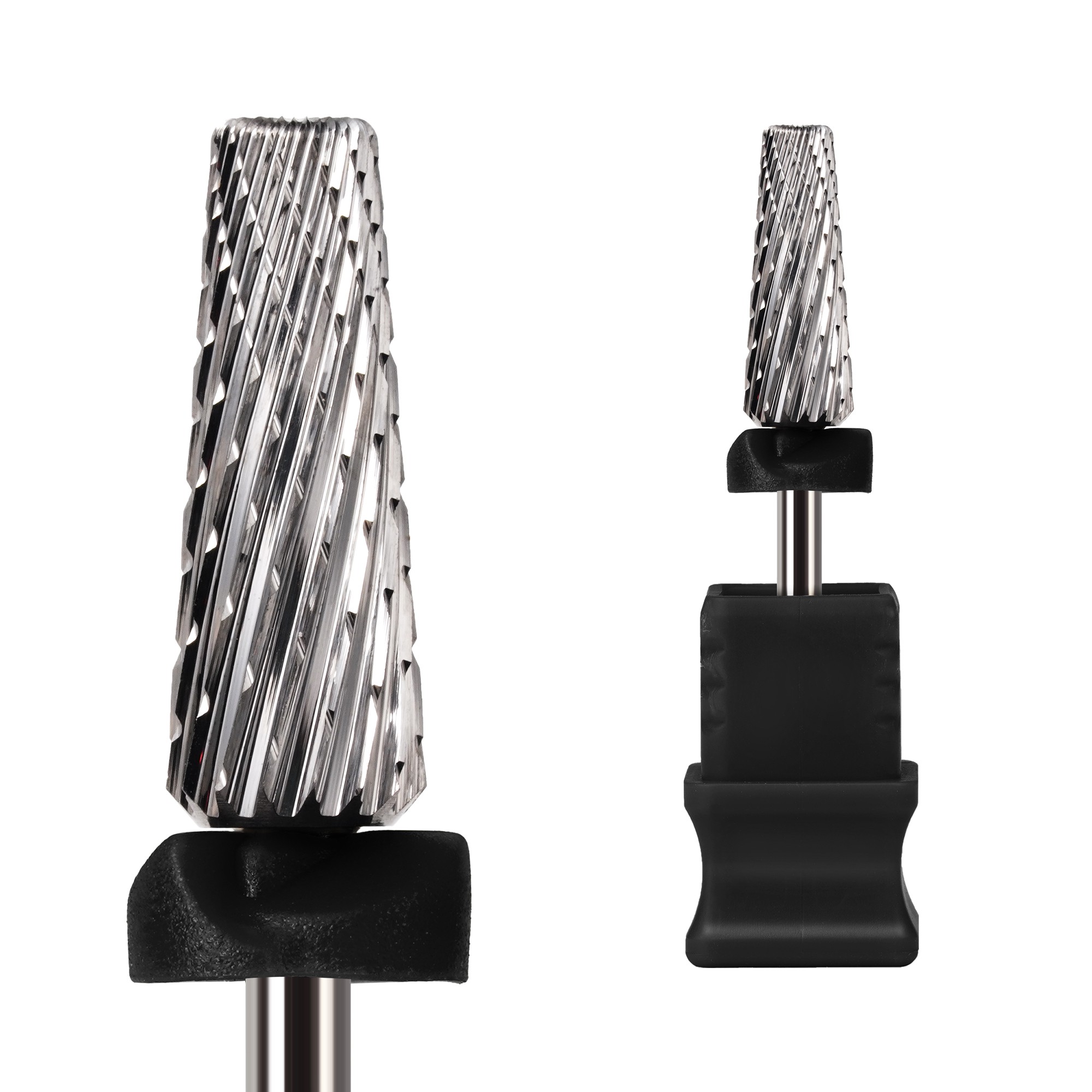
A barrel bit covers broad areas fast. A tapered cone reaches corners. A rounded safety top reduces the risk of cutting skin near sensitive edges.
Grit controls cutting speed and finish
Coarse grits remove bulk quickly, but leave stronger scratch patterns. Medium grits balance removal and finish. Fine grits refine the surface and support controlled detailing.
On very thick nails, aggressive grit may seem efficient. In practice, too much bite can create heat and reduce precision, especially during prolonged contact.
Which bit shapes work best on thick nails
No single shape handles every task well. The most useful setups combine a primary shaping bit with a smaller detailing bit.
For thick toenails, barrel and tapered shapes are usually the most practical starting point. For manicure preparation, flame and ball shapes often matter more than heavy reduction.
How to choose the right grit level
The best grit is task-specific, not universal. Thick nails may need strong removal in one step and delicate finishing in the next.
- Coarse grit works for shortening very dense edges or removing acrylic bulk quickly.
- Medium grit suits routine shaping, thickness reduction, and general surface correction.
- Fine grit is better for refinement, prep work, cuticle-area cleaning, and controlled finishing.
In many cases, the most effective electric nail file for thick nails is a two-step setup. Use medium or coarse for bulk, then switch to fine for control.
This reduces over-filing and helps maintain a cleaner final surface. It also supports safer use when nails are brittle, layered, or unevenly thick.
Material quality matters as much as grit
A bit can have the correct shape and still perform poorly if the material wears too fast. Thick nails expose low-grade abrasives immediately.
Tungsten steel remains a strong choice because it holds edge definition well, resists corrosion, and stays stable under repeated cleaning cycles.
That is one reason professional buyers compare not only the drill bit profile, but also shank accuracy, balance, and resistance to acetone-related exposure.
A practical reference is Gold Coated Efficient &Stable Nail Drill Bit Cuticle Clean, which uses tungsten steel, a 2.35mm shank, and a fine grit format for preparation and detailed cleanup.
Shapes such as sharp round tip, flat tip with fine teeth, and small ball tip are useful when thick nails also involve edge debris, dead skin, or tight cuticle zones.
Where this choice matters in daily-use nail care
The topic sits squarely in the light daily-use industry because nail tools are practical, high-frequency items. Performance affects comfort, hygiene, and service consistency.
Typical situations include gel polish removal on dense nails, acrylic maintenance, pedicure work on hard toenails, and surface prep before new enhancements.
In these scenarios, an electric nail file for thick nails must do more than remove material. It should rotate smoothly, limit vibration, and maintain predictable cutting behavior.
That consistency becomes especially important in export-oriented supply chains, where product expectations remain high across markets with different salon habits and regulatory attention.
What experienced buyers and users usually check
A reliable bit is judged in use, not only on a catalog page. Several details often separate dependable options from average ones.
- Whether the bit cuts cleanly without bouncing or dragging.
- Whether the grit stays effective after repeated sanitizing and solution exposure.
- Whether the shank fits most handpieces securely and runs without visible vibration.
- Whether the shape supports hygiene by cleaning easily after dust and residue buildup.
- Whether the bit is specialized enough for prep and cuticle work, not just bulk removal.
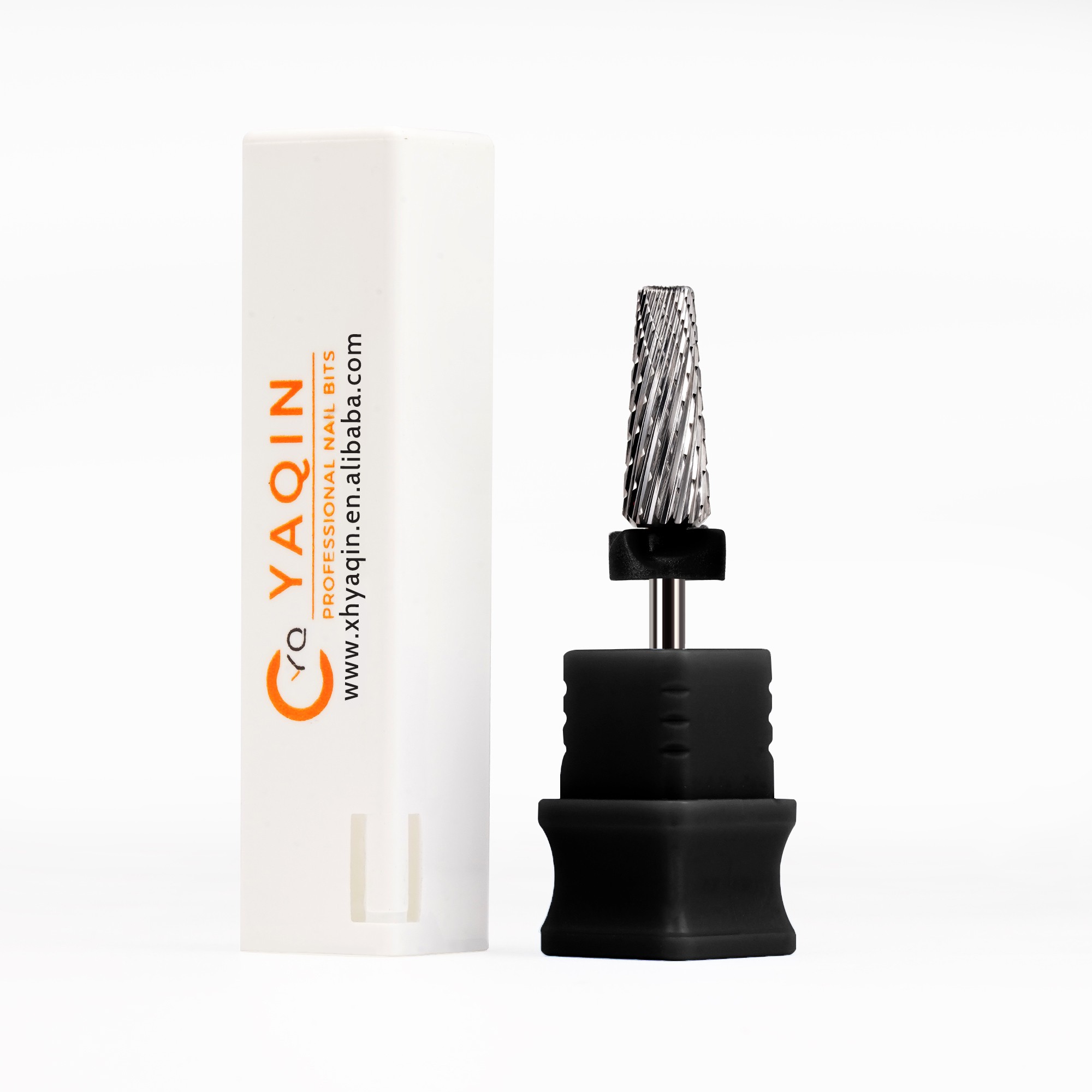
These points explain why factories with strict QC systems tend to stand out. Wuxi Yaqin Trading Co., Ltd. has built its position around high quality abrasive products, controlled production, and ISO9001:2000-certified management.
That background matters because thick-nail applications reveal inconsistency quickly. Stable manufacturing, packing control, and OEM/ODM experience help keep performance aligned from batch to batch.
Practical matching guide for shape and grit
If the goal is shortening a hard free edge, start with a barrel or tapered bit in medium to coarse grit. Keep the contact moving to avoid heat buildup.
If the goal is surface leveling on thick overlays, a medium barrel usually offers the best balance between removal speed and visibility of the working area.
If the nail is thick but fragile, move away from aggressive grit. A medium or fine option may take longer, yet it preserves control and lowers the chance of sudden over-cutting.
For prep near the cuticle and sidewalls, fine grit with a flame, small round, or ball profile is often more effective than a larger removal bit.
That is where a detailed tool such as Gold Coated Efficient &Stable Nail Drill Bit Cuticle Clean fits naturally into a broader bit set, rather than replacing bulk-removal bits.
A sensible next step when comparing options
The best electric nail file for thick nails is usually a matched system, not a single universal bit. Shape, grit, material, and machine compatibility should be reviewed together.
A useful comparison starts with the actual task: dense toenails, acrylic removal, gel prep, or cuticle cleanup. From there, narrow the choice by contact area, required finish, and durability expectations.
When product quality is evaluated through real use conditions, it becomes much easier to judge which bit profiles deserve a place in a working set and which are only broadly labeled.
That approach leads to better decisions, whether the priority is retail selection, private-label development, or building a more reliable professional tool range.
News List
- Is It Better to Source All Nail Drill Bits From One Factory?Aug 24, 2026
- How to Spot Fake Diamond Coating on Nail Drill BitsAug 24, 2026
- Are Silicone Nail Drill Bits Reusable After Sterilization?Aug 24, 2026
- Essential tools for manicures that make beginner work more consistentAug 24, 2026
- Which must-have items for nail technicians improve service speed mostAug 24, 2026
- How gel removal bits affect speed and heat during soak-off removalAug 24, 2026
Best-Selling Products
 Cross Cut Safety Stainless Steel Tungsten Carbide Nail Drill Bits Salon Foot Use XF-C Grit for Removing Nails
 First-rate Quality Tungsten Carbide Nail Drill Bits Best Coating Manicure Remove Gel Nails Accessories
 Professional Advanced Safety Cuticle Bits Two-Way Rotate 3/32'' Carbide Tungsten 5 in 1 Nail Drill Bits
 Wholesale 5 in 1 Electric Manicure Nail Drill Bits Various Coating Cone Cuticle Bit with Rotary Cross Cut for Nail Art
 New Slant Tooth Tungsten Steel Nail Drill Bits Dead Skin Removal 5-in-1 Universal Grinding Nail Polish Head Tool Nail Drill Bits
 4.0mm Small 5 in 1 Integrated Sharpe Tungsten Nail Drill Bit Straight Teeth Gel Polish Removal
 Flame Sharp XF F M C XC Silver Safety Professional Corn Tungsten Carbide Nail Bit for Drill Machine Accessories
 Factory Direct 5 in 1 Tungsten Carbide Nail Drill Bits 6.8MM Cross Cut Safety Manicure 5 in 1 Nail Drill Bits
Please give us a message