
All Kinds of Nail Burrs for Your Business
We customize and manufacture a wide range of products for brands or distributors in the beauty and health industry around the world.
Yaqin has launched beauty products such as nail bits, nail lamps, nail drills, sanding bands, nail files, and cuticle scissors for users with different needs.
CONTACT US TODAY
What An Electric Nail File For Thick Nails Really Means
An electric nail file for thick nails is a powered manicure and pedicure tool designed to reduce, shape, smooth, and refine nail surfaces that are harder, denser, or more resistant than average nails. In practical B2B use, this usually refers to equipment paired with purpose-built drill bits that can remove bulk efficiently while keeping heat, vibration, and surface trauma under control.
Thick nails may result from age, repeated gel or acrylic use, heavy wear, or naturally dense nail structure. Because these conditions demand stronger cutting performance and better dust management, the term electric nail file for thick nails should not be understood as only the machine itself. It is a working system that includes motor stability, torque, speed range, bit geometry, abrasive material, and sanitation workflow.
From an industry perspective, buyers usually evaluate these tools by consistency, operator safety, bit lifespan, and compatibility with dry service routines. Professional salons, distributors, and private-label brands also consider whether the file can support multiple tasks such as thickness reduction, cuticle zone preparation, shaping, and product removal without frequent bit replacement.
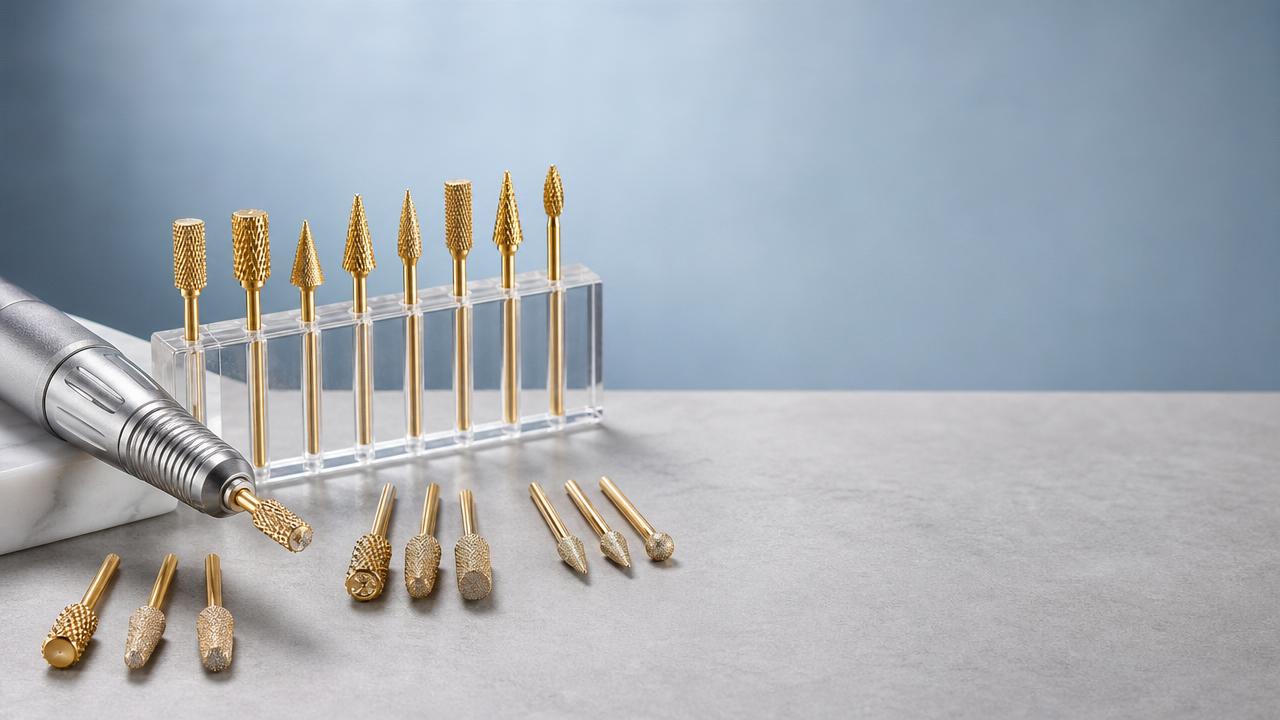
This is why specification language matters. Terms such as barrel, cone, flame, needle, ceramic, tungsten carbide, diamond, and grit grades like XF, F, M, C, and XC define the real working capability of an electric nail file for thick nails far better than generic retail descriptions.
How The Technology Works In Professional Use
The core principle is rotational abrasion or cutting. A motor drives a handpiece at controlled speed, and the attached bit transfers that motion to the nail surface. For thick nails, stable torque is more important than headline speed alone, because a machine that slows under pressure can create uneven cutting, excess friction, and user fatigue.
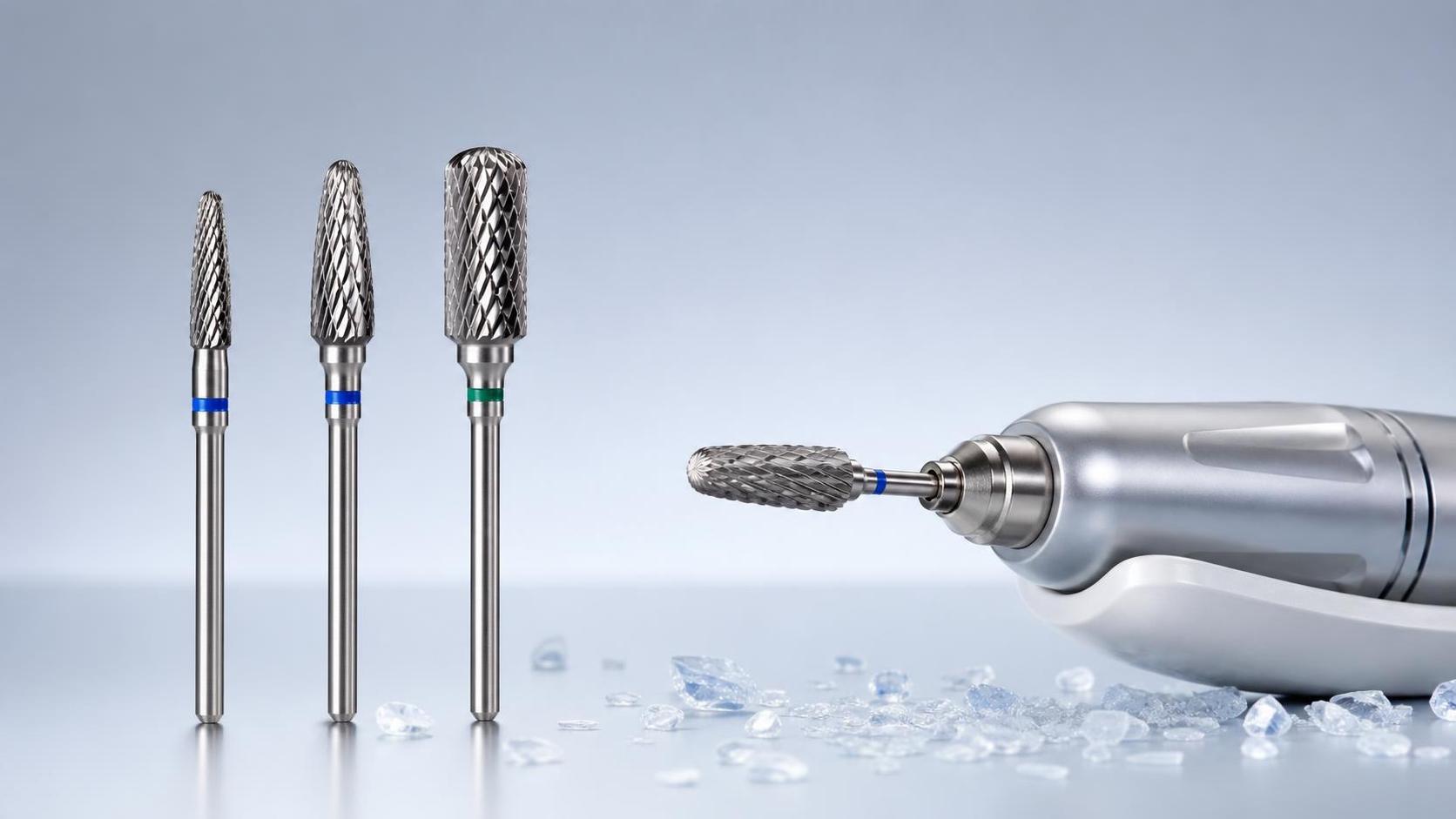
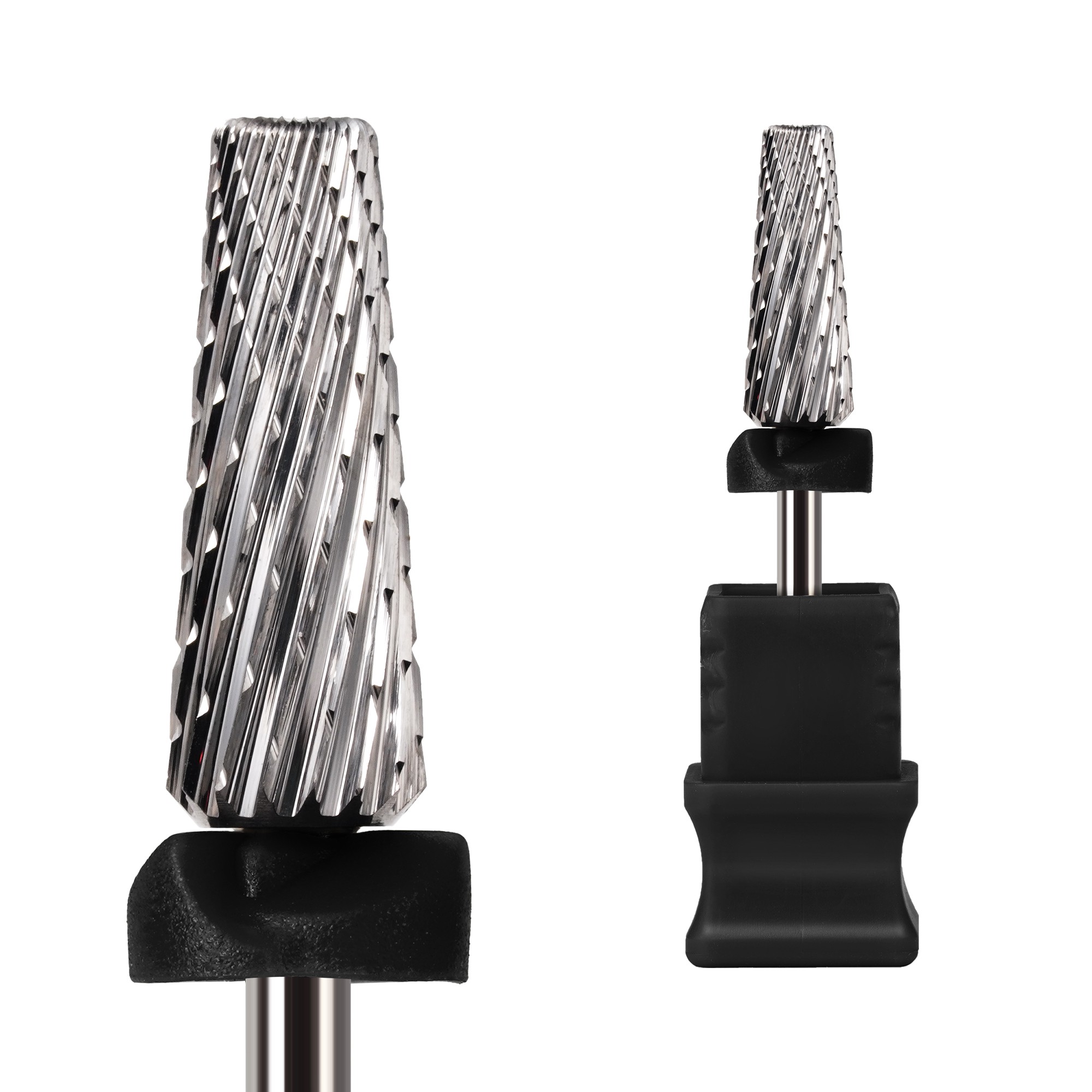
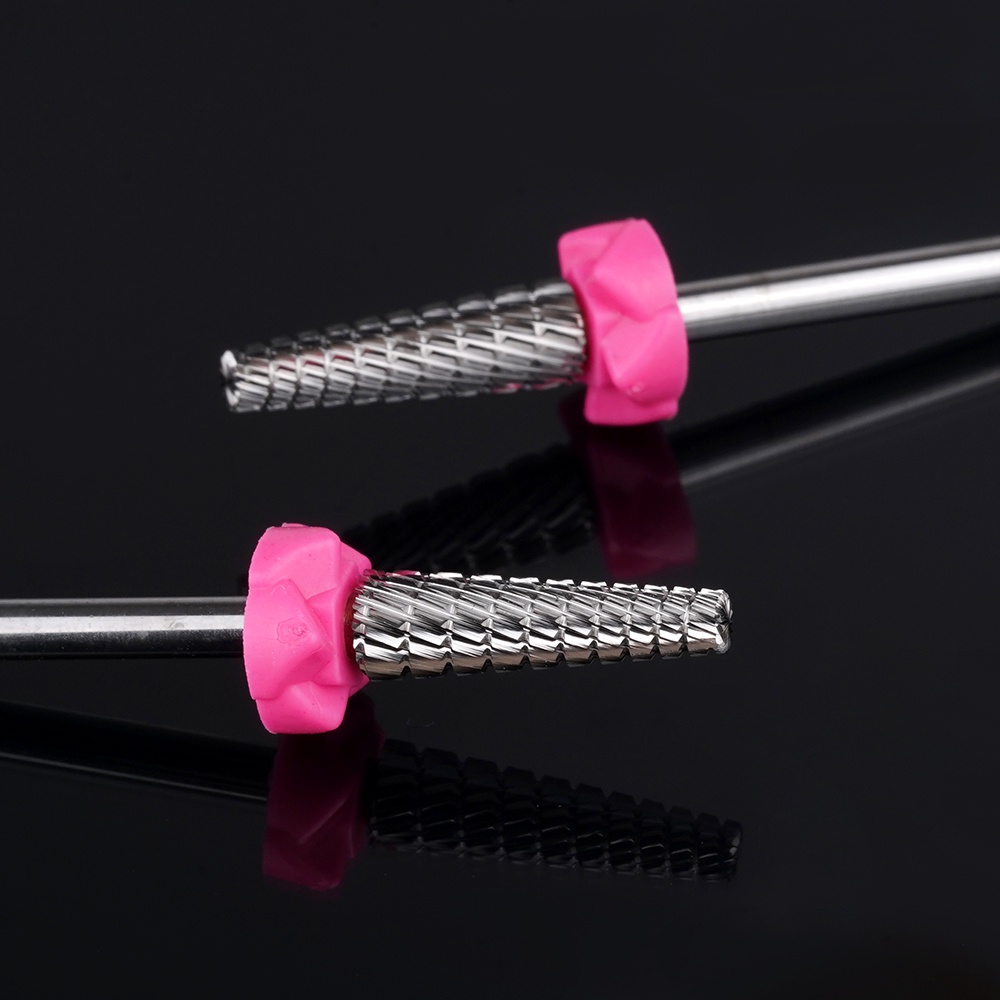
Bit material changes the cutting behavior. Tungsten carbide bits are widely used for fast product removal and bulk reduction because their fluted structure cuts efficiently and lasts well in high-frequency service. Diamond bits are typically preferred for surface refining, sidewall work, and cuticle-area preparation, while ceramic bits are valued for lower heat feel, corrosion resistance, and smoother debris release during extended sessions.
Grit level determines aggression. Extra fine and fine are suitable for finishing or controlled prep, medium supports routine shaping, and coarse or extra coarse is often selected for faster removal of thick overlays or hardened nail areas. The wrong grit can reduce efficiency or increase the risk of over-filing, so bit matching is a technical decision rather than a simple accessory choice.
Heat management also matters. Durable raw materials, balanced bit construction, and smooth machine output help reduce localized friction. In dry polishing environments, this directly affects client comfort, technician speed, and repeatable service quality, especially where salons process many appointments per day.
Main Types, Bit Shapes, And Working Categories
The market can be divided into machine category and bit category. On the machine side, compact desktop or portable nail drill machines serve independent technicians and mobile professionals, while higher-duty units are usually selected by salons that need longer continuous operating time, smoother handpieces, and stable supply support from wholesale partners.
On the bit side, tungsten carbide, diamond, and ceramic are the main material groups. Tungsten carbide is strong for reducing thickness and removing artificial product. Diamond works well in precision areas and pre-treatment steps. Ceramic is commonly chosen when buyers want lower heat sensation and easy-clean surfaces. Sanding bands and sanding caps remain useful for fast replacement and general shaping tasks.
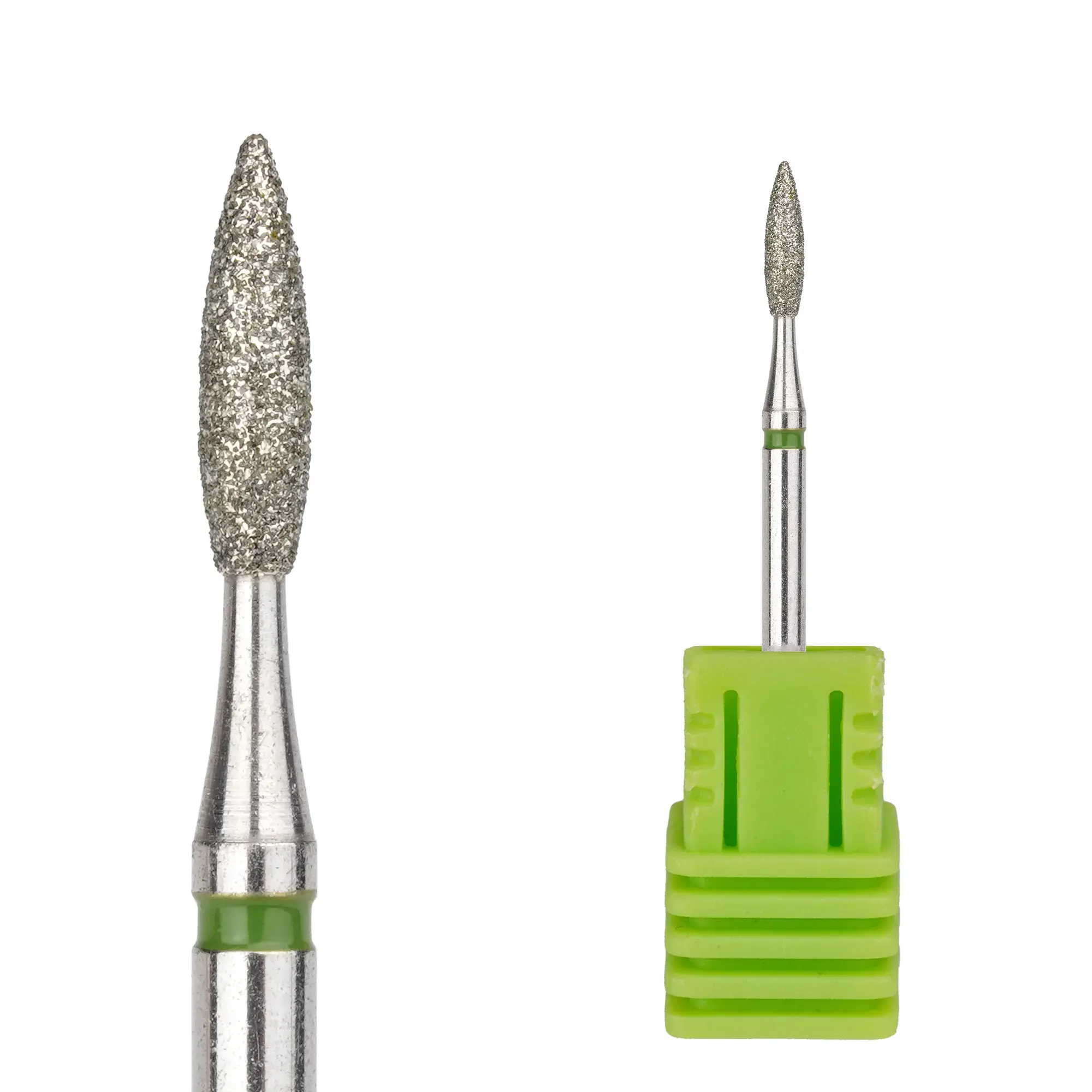
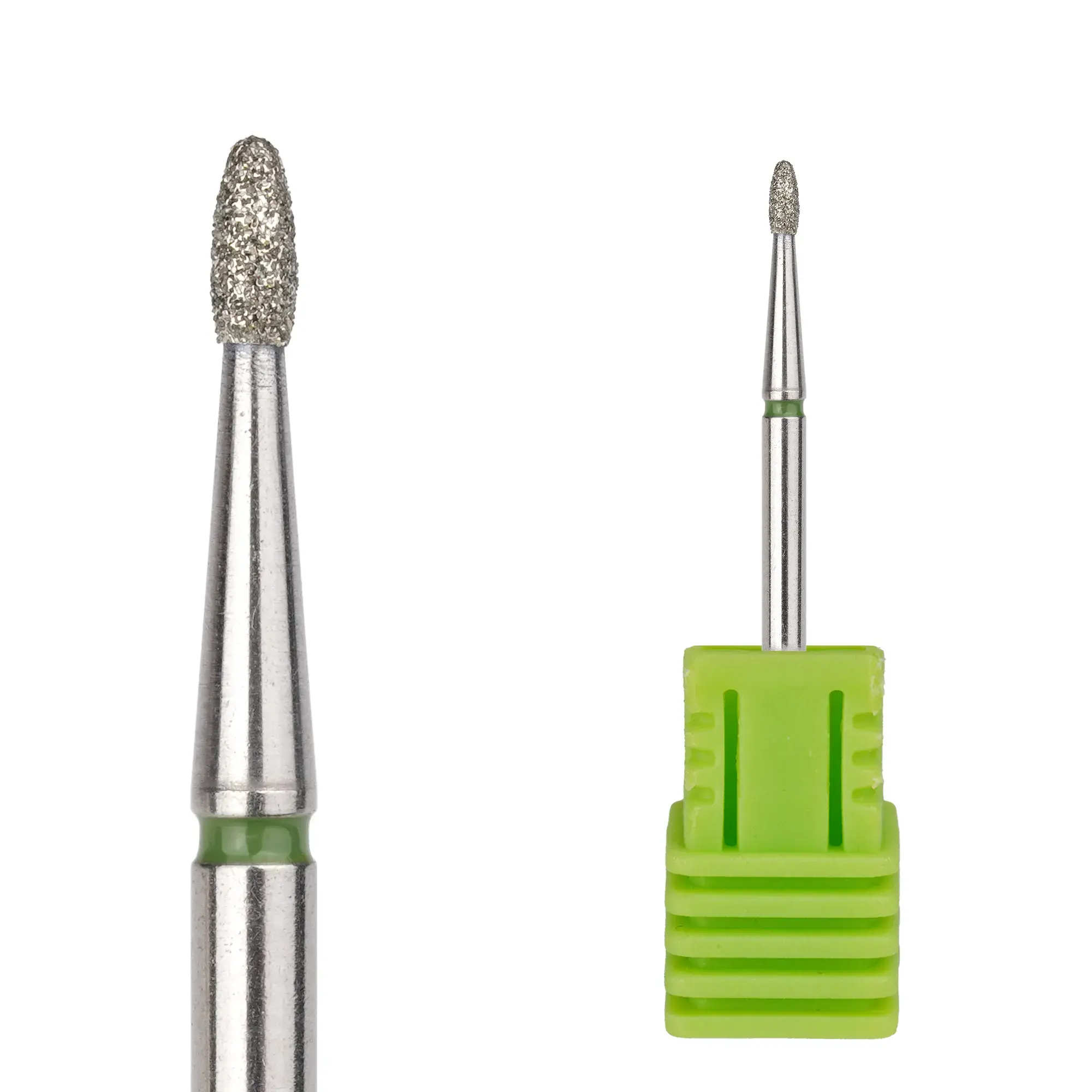
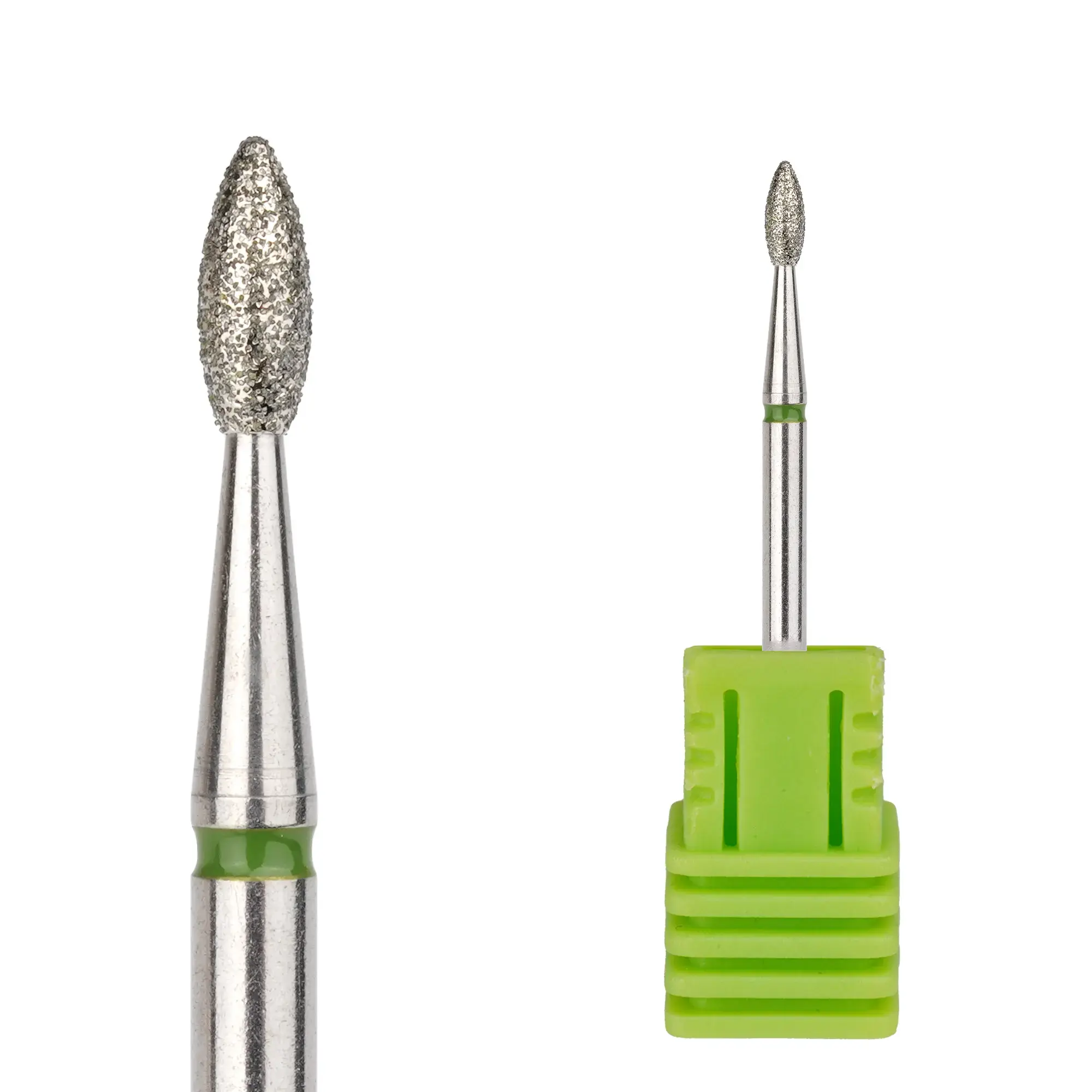
Shape affects task accuracy. Barrel bits are common for flattening and shortening broad nail surfaces. Cone and tapered shapes improve access to narrower zones. Flame bits are frequently used around cuticle areas, and a product such as the 2*8mm flame bit diamond nail drill bits stainless steel cuticle remover burr reflects this precision-use category. Needle shapes are more specialized for tight grooves and detail work.
For distributors building assortments, the best commercial strategy is usually not a single universal bit, but a layered product mix covering multiple shapes, grits, and materials. That approach better serves professional salons, retail technicians, and training schools that need a complete workflow around the electric nail file for thick nails.
Who Uses It And Why It Matters
The primary users are professional nail salons, pedicure studios, independent nail technicians, beauty distributors, and private-label brand owners. Each group values the electric nail file for thick nails for slightly different reasons. Service providers want speed, control, and client comfort. Distributors want stable quality and broad SKU coverage. Brand owners want customization, packaging flexibility, and dependable manufacturing support.
This tool is especially relevant where manual filing is too slow or inconsistent. Thick nails, hardened edges, gel removal, acrylic debulking, and dry prep services all benefit from powered filing. In higher-volume salon settings, consistent machine performance can improve service flow and reduce technician strain over time.
For the light industrial daily-use sector, this category also has strong aftermarket potential. Buyers often reorder bits, sanding bands, and maintenance consumables more frequently than machines. That makes the category commercially attractive not only as a one-time equipment sale, but as a recurring accessory business.
Yaqin fits naturally into this demand structure because its offering covers tungsten carbide nail drill bits, diamond nail bits, ceramic nail bits, sanding bands and sanding caps, and nail drill machines, along with OEM, ODM, and private-label support for buyers who need both performance and market-ready presentation.
Selection Standards For Buyers And Importers
Choosing an electric nail file for thick nails starts with matching the use case. For natural thick nails and routine salon maintenance, buyers often need moderate speed control, comfortable handpiece weight, and diamond or ceramic finishing options. For heavy gel or acrylic removal, stable torque and tungsten carbide bits become more important than compact size alone.
Bit specification should be reviewed systematically. Buyers should compare material, shape, shank compatibility, grit grades, coating consistency, and surface balance. A useful benchmark is whether the supplier can provide multiple forms such as barrel, cone, and needle, plus grit choices from XF to XC. This range helps importers build complete catalogs instead of isolated items.
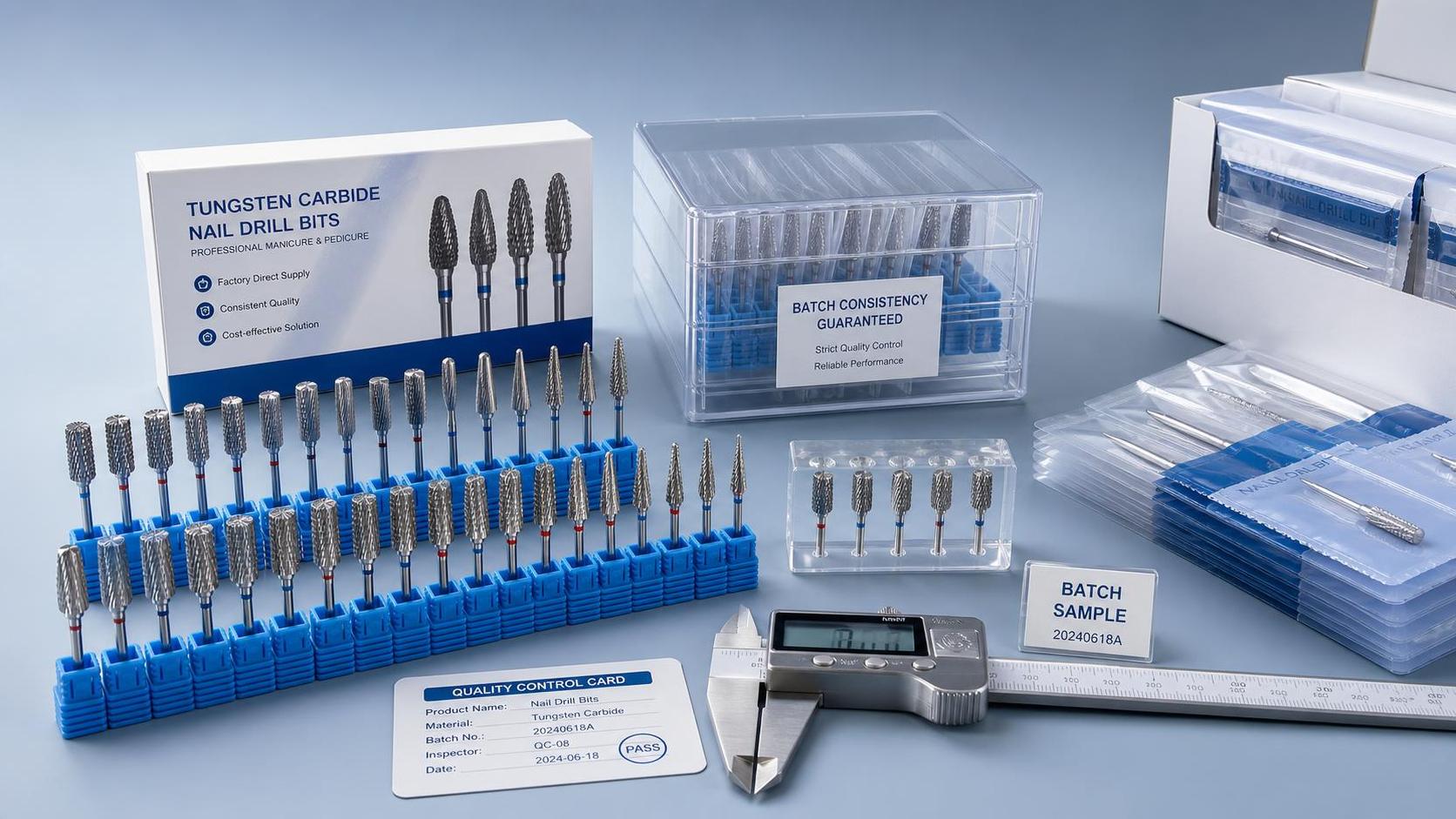
Quality assurance is another key filter. In cross-border trade, inspection discipline matters as much as design. Yaqin highlights an ISO9001:2000 certified quality management system and full inspection from raw material to packing, which is relevant for buyers seeking repeatable quality, lower complaint risk, and smoother replenishment planning.
Customization can also influence product-market fit. Distributors and private-label brands often need custom packaging, branded sleeves, or tailored bit combinations for local demand. A supplier that supports OEM and ODM can help shorten launch time and reduce sourcing complexity, especially when multiple accessory categories are bundled into one procurement program.
Manufacturing, Quality Control, And Care Best Practices
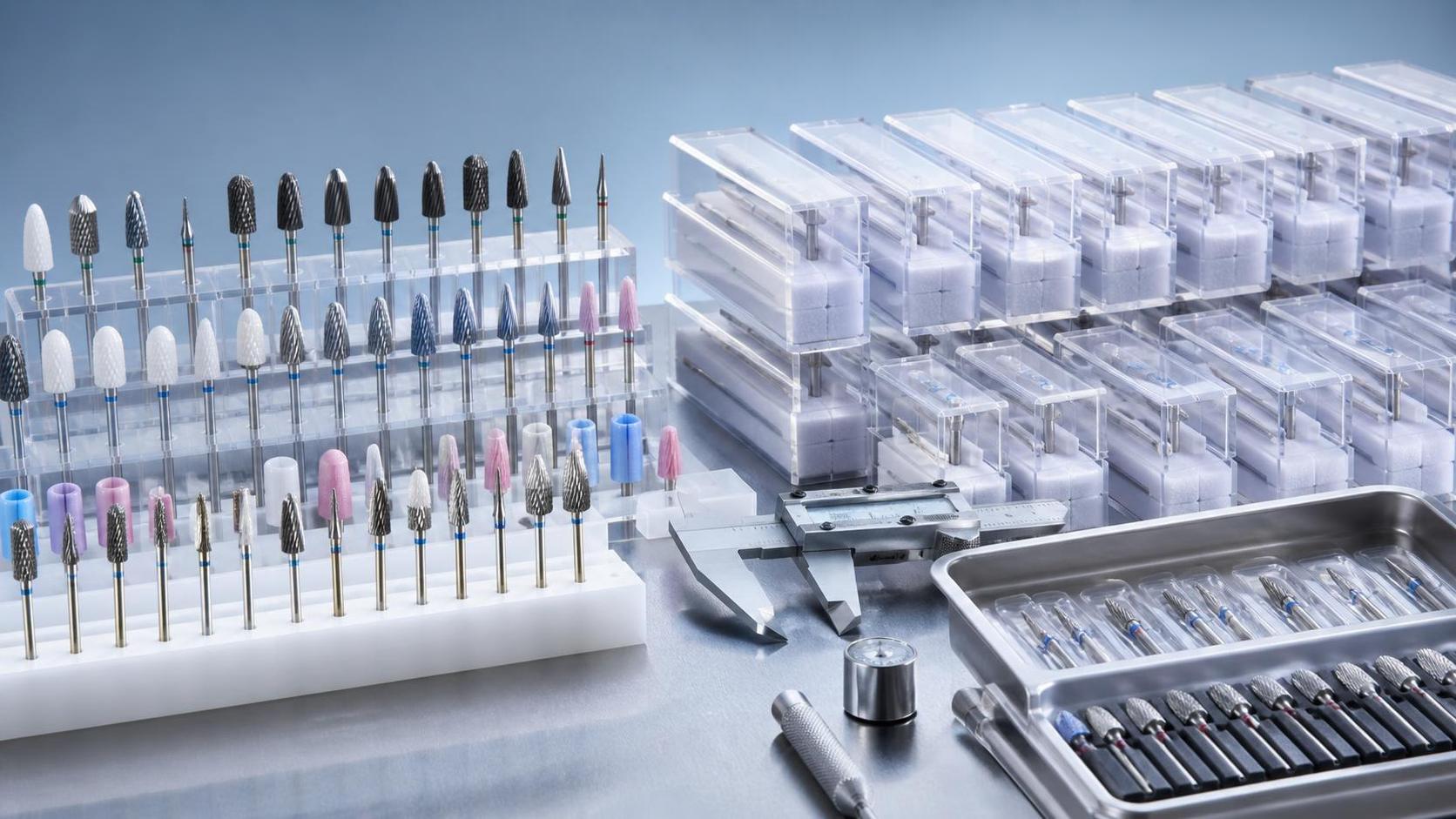
In production terms, reliable nail bits depend on material integrity, machining accuracy, abrasive consistency, and coating control where applicable. Tungsten carbide bits require precise flute formation and balance. Diamond bits depend on even abrasive distribution and strong substrate bonding. Ceramic bits need controlled firing and shape precision to avoid brittleness or unstable cutting behavior.
A sound quality workflow usually includes raw material screening, dimensional checks, in-process inspection, finishing review, cleaning, and packing control. These steps are not marketing extras. They directly affect runout, cutting smoothness, product life, and user confidence. For wholesale buyers, poor consistency across batches can create service complaints and raise replacement costs.
End-user care is equally important. Bits should be cleaned promptly after use, processed according to local salon hygiene practice, and stored dry to preserve performance. Machines should be operated within recommended speed ranges, and technicians should avoid excessive pressure, which can increase heat and shorten bit life. Regular replacement cycles should be based on wear pattern, not only elapsed time.
For training and after-sales content, buyers can also benefit from application education such as the related topic Electric Nail File for Thick Nails: Which Bit Shapes and Grit Levels Work Best. Educational support often improves customer satisfaction because technicians use the correct bit more quickly and with fewer avoidable errors.
Applications, Global Market Use, And Industry Practice
The electric nail file for thick nails is used in manicure tables, pedicure stations, retail-service hybrid salons, and distributor channels supplying small and medium-sized beauty businesses. Common applications include gel removal, cuticle cleaning, reshaping, surface refinement, and dry polishing services where speed and repeatability are important.
Customer examples show how these needs translate into purchasing behavior. Professional salon chains in the United States and Russia have sourced 5-in-1 tungsten steel grinding heads and diamond pre-treatment grinding heads for gel removal, cuticle cleaning, and nail shaping in high-frequency dry polishing environments. This reflects demand for durable bits that support multi-step service routines.
In Europe, including Germany, the UK, and Italy, distributors have sourced sanding rings, ceramic grinding heads, and nail machine sets for local salons and independent technicians, with customized packaging and branding. That pattern highlights the importance of assortment depth and OEM readiness when entering mature beauty distribution networks.
Another practical example comes from ORIENTAL NAILS & BEAUTY in the Dominican Republic, which sourced rainbow-coated diamond grinding heads, nail lamps, and related items for both retail and salon use. For international buyers, these cases suggest that product flexibility, visual differentiation, and stable supply can matter alongside the basic performance of the electric nail file for thick nails.
Total Cost Of Ownership And Future Market Trends
From a procurement standpoint, total cost of ownership includes more than the purchase price of a machine or bit. Buyers should calculate machine durability, bit lifespan, replacement frequency, packaging costs, shipping density, defect rate, training burden, and after-sales support. A lower unit price may not create savings if wear is fast or quality varies across lots.
Factory-direct sourcing can improve cost control when quality is stable. Yaqin positions itself around factory-direct pricing, broad product range, and stable supply without middlemen, which can be valuable for distributors building regular stock programs. The strongest ROI usually comes from combining dependable bits, suitable machines, and custom packaging into one coordinated sourcing plan.
Looking ahead, the category is likely to keep moving toward multi-material bit portfolios, more specialized grit segmentation, stronger private-label demand, and education-led selling. Buyers increasingly want not just products, but complete usage logic that helps salons choose the right combination for thick natural nails, overlays, and precision prep work.
As the market develops, the most competitive electric nail file for thick nails programs will balance efficiency, hygiene, material durability, and brand flexibility. Suppliers with manufacturing depth, inspection discipline, and customization capability are better positioned to support long-term distributor growth than vendors offering isolated items without technical or commercial continuity.
 Electric Nail File for Thick Nails: Which Bit Shapes and Grit Levels Work Best?Electric nail file for thick nails: discover the best bit shapes and grit levels for faster, smoother, safer filing. Compare barrel, cone, flame, and fine-to-coarse options.
 Are China nail drill bit suppliers consistent enough for repeat ordersChina Nail Drill Bit suppliers can support repeat orders when quality control, traceability, and OEM consistency are proven. Learn how to identify reliable partners and reduce sourcing risk.
 When does buying from a nail drill bit factory lower total sourcing costNail Drill Bit Factory sourcing cuts total cost when repeat orders, stable quality, and reliable OEM support reduce defects, rush freight, and after-sales risk. Learn when factory direct pays off.
 How gel removal bits affect speed and heat during soak-off removalGel removal bits directly impact soak-off speed, friction, and heat. Learn how material, grit, and shape improve comfort, control, and safer gel removal results.
 2*8mm Flame Bit Diamond Nail Drill Bits Stainless Steel Cuticle Remover BurrHigh-Performance Grinding Heads – Versatile Nail Preparation Tools for Professional and At-Home Use
Our High-Performance Grinding Heads , designed for both Russian and Japanese manicure techniques. Achieve salon-quality results with our affordable and high-quality products that cater to every nail technician’s needs. Professional Right and Left Handle Customized Logo Print Tungsten Manicure Art Use Carbide Nail Drill BitIntroducing our Tungsten Steel Nail Drill Bits – the ultimate solution for quick and safe gel removal. Designed specifically for nail professionals and beginners alike, these bits ensure a smooth and efficient nail prep process without harming your natural nails.
 Flame Sharp XF F M C XC Silver Safety Professional Corn Tungsten Carbide Nail Bit for Drill Machine AccessoriesIntroducing our Tungsten Steel Nail Drill Bits – the ultimate solution for quick and safe gel removal. Designed specifically for nail professionals and beginners alike, these bits ensure a smooth and efficient nail prep process without harming your natural nails.
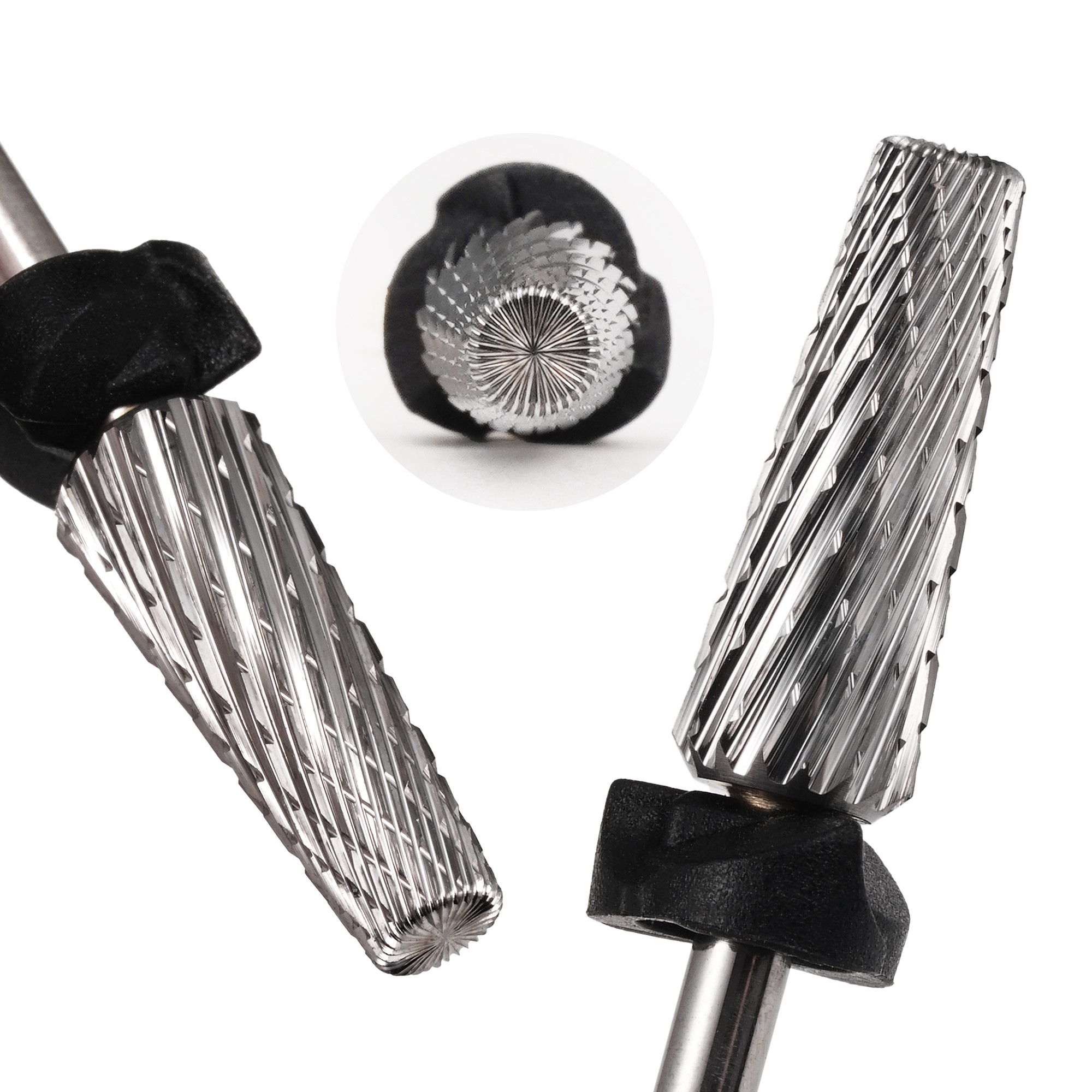
 High Quality Helical Tungsten Carbide Nail Drill Bits 5 in 1 Professional Cross Cut Teeth Fast Remove Nail Gel Nail Drill BitAchieve salon-quality nail care with our Tungsten Steel Nail Drill Bit, specially designed for efficient nail polish removal and nail preparation. This versatile, high-performance tool is perfect for professional nail technicians and DIY enthusiasts alike.
Please give us a message