
Electric Nail File for Home Use: How to Clean, Store, and Replace Bits Properly
Electric Nail File for Home Use: How to Clean, Store, and Replace Bits Properly
Why aftercare matters more in real home use
An electric nail file for home use performs well only when maintenance matches real usage habits.
Cleaning, storage, and bit replacement affect hygiene, motor stability, and filing precision.
In practice, the biggest problems rarely start during filing.
They appear later, when residue hardens, moisture stays trapped, or worn bits keep rotating beyond their safe life.
That is why an electric nail file for home use needs a simple but consistent aftercare routine.
For businesses handling abrasive tools across many export markets, this point is not minor.
Wuxi Yaqin Trading Co., Ltd. has long focused on abrasive product production and export, backed by strict QC, ISO9001:2000 certification, and one-stop OEM/ODM support.
That background matters because consistent product quality makes maintenance advice more reliable across different home care conditions.
Actual use conditions change what maintenance should look like
Not every electric nail file for home use faces the same wear pattern.
A device used once a month for light shaping needs different attention than one used weekly for gel removal.
The bit material, speed setting, dust exposure, and storage area all change maintenance priorities.
More frequent filing creates more fine debris.
Higher RPM increases heat and can bake product residue onto the bit surface.
Bathroom storage introduces humidity, which affects metal parts and cleanliness.
A useful maintenance judgment starts with one question: what is the tool mostly asked to remove?
Natural nail shaping, cuticle refinement, and acrylic removal do not stress bits in the same way.
A quick way to judge the maintenance load
This kind of comparison helps avoid a common mistake.
People often follow one cleaning routine for every bit, even when residue type is completely different.
When cleaning is simple and when it needs extra care
For an electric nail file for home use, basic cleaning should start immediately after each session.
Waiting until the next use usually makes residue harder to remove.
A soft brush is enough for loose dust.
Sticky product buildup needs more attention, especially around flutes and grooves.
If the tool is used only for light home shaping, dry brushing may be sufficient after most sessions.
If it handles gel, acrylic, or extension product, dry brushing alone is usually not enough.
Practical cleaning steps
- Turn off and unplug the device before removing the bit.
- Use a clean brush to remove visible dust from the bit surface first.
- Wipe the handpiece exterior with a slightly damp cloth, never soaking it.
- Clean the bit with an appropriate disinfecting or cleansing solution if residue is stubborn.
- Dry the bit completely before putting it back into storage.
The handpiece and the bit should be treated differently.
Bits may tolerate deeper cleaning, depending on material.
The handpiece should stay protected from liquid ingress.
That distinction is often overlooked in home routines.
Storage habits often decide tool life
An electric nail file for home use is frequently stored where space is convenient, not where conditions are stable.
Drawers with loose cosmetics, humid bathroom shelves, or travel pouches with leftover dust all create avoidable issues.
Bits lose edge quality faster when they knock against each other.
Moisture also raises hygiene concerns and can affect metal surfaces over time.
A better approach is controlled storage: dry, enclosed, and separated by bit type.
This matters even more when several bits are rotated for different tasks.
Labeling coarse, medium, and fine options reduces accidental misuse at the next session.
What good storage usually includes
- A dust-free case or stand with separate bit slots.
- A dry location away from steam, sunlight, and splashing water.
- No pressure on the cord, chuck, or handpiece head.
- A habit of storing only fully dry bits.
The difference seems small at first.
Over months, it affects smooth rotation, sanitation, and the need for early replacement.
Bit replacement depends on task, not just calendar time
Many users ask how long a bit should last.
In reality, the more useful question is how the bit still performs in its actual task.
A bit used for occasional buffing may remain effective much longer than one used for repeated product removal.
An electric nail file for home use should not keep using a bit that requires more pressure than before.
That often signals wear, clogging, or edge dullness.
Signs a bit should be replaced
- It takes longer to remove the same material.
- Extra pressure is needed to get results.
- The bit skips, vibrates, or cuts unevenly.
- Visible corrosion, chips, or bent structure appear.
- Heat builds faster than normal during routine use.
Some home users delay replacement because the bit still spins.
Spinning is not the same as cutting correctly.
A worn bit can increase friction and reduce control.
That is a quality issue, but also a safety issue.
Different bit types call for different judgment
Material and shape affect maintenance decisions more than many people expect.
Tungsten carbide bits, for example, are valued for efficient product removal and stable cutting performance.
In salon-linked routines that also influence home expectations, a pointed round head can help refine edges while reducing skin contact risk.
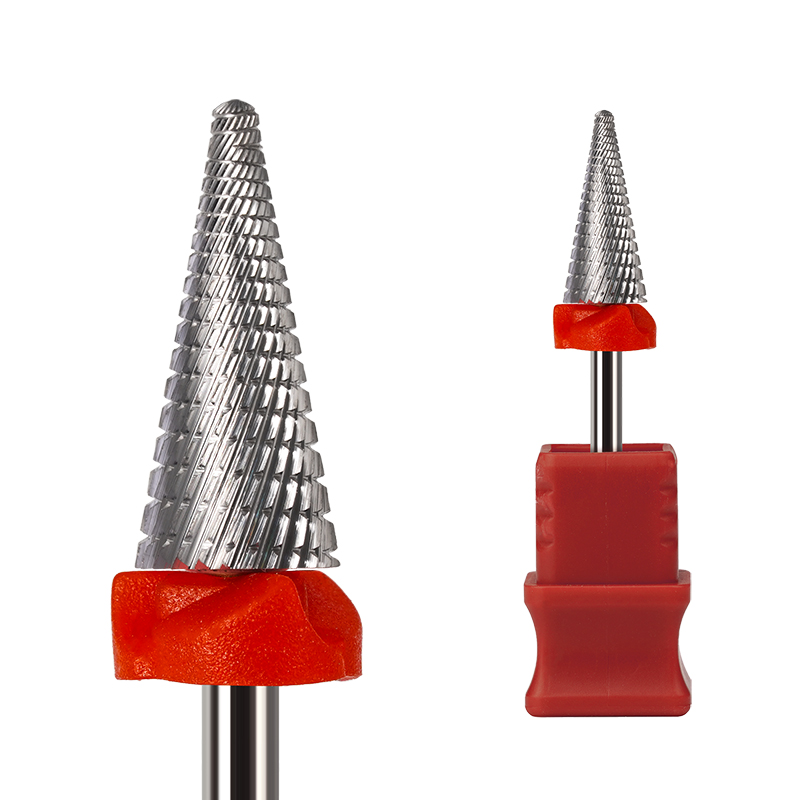
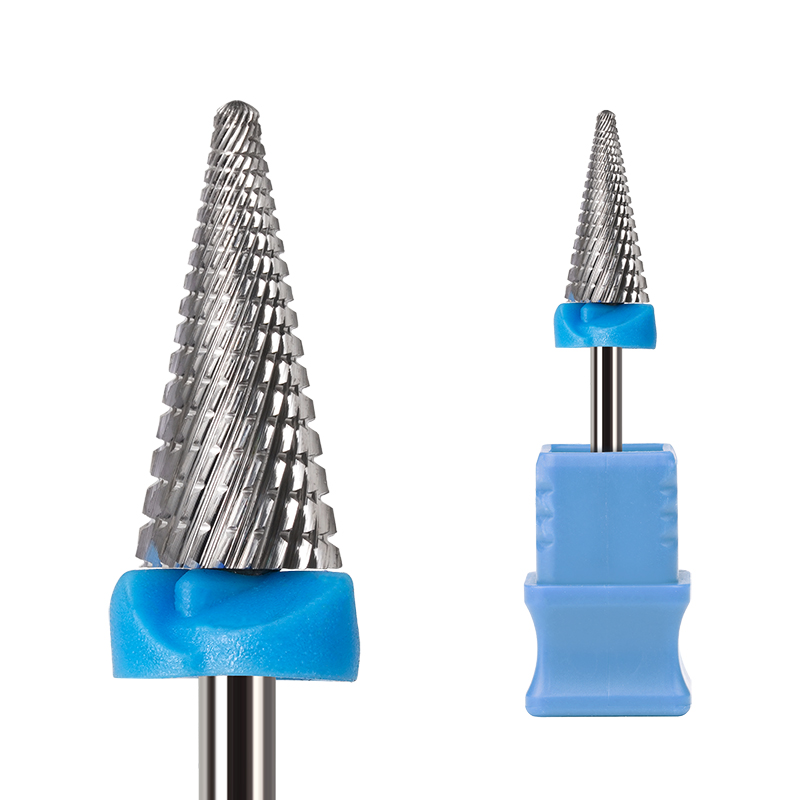
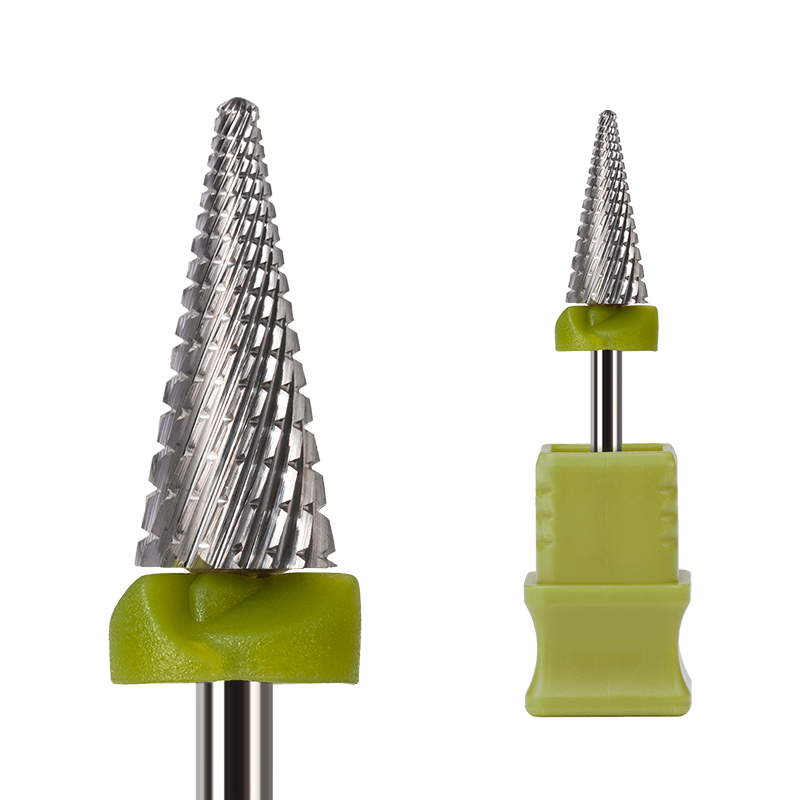
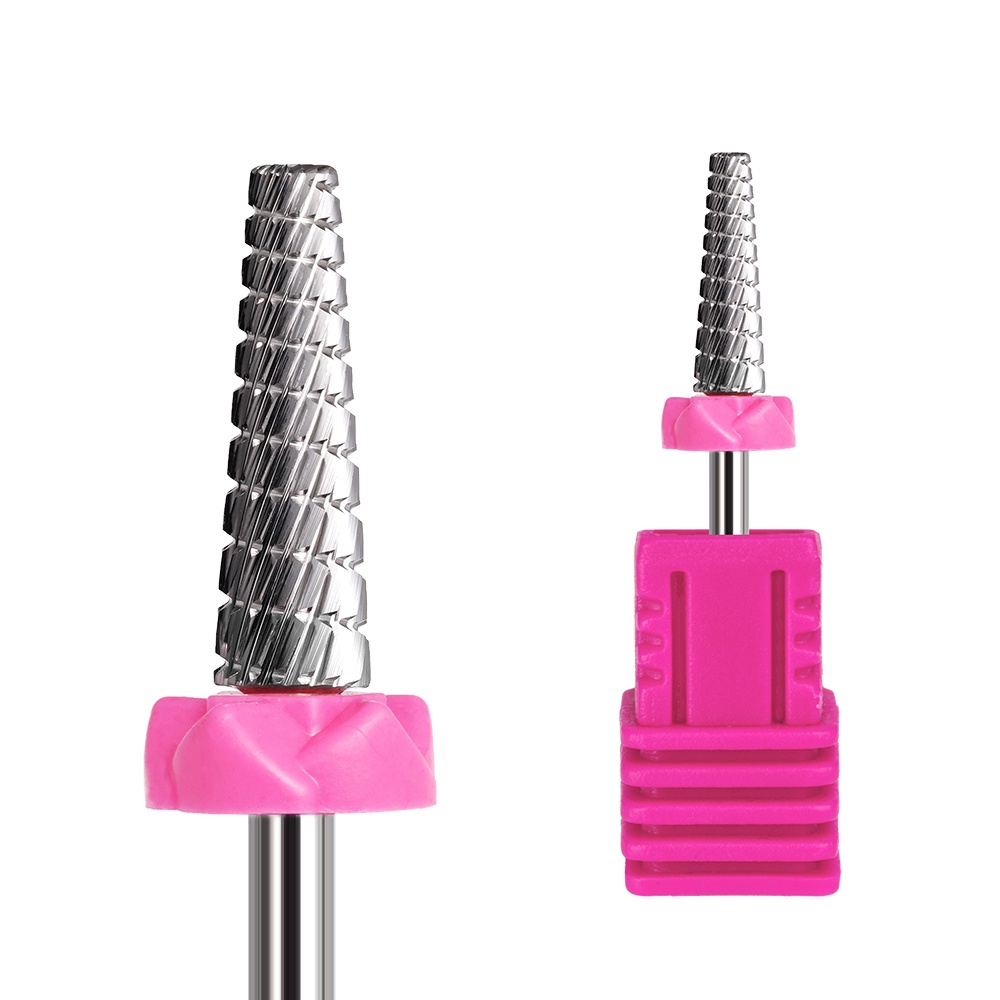
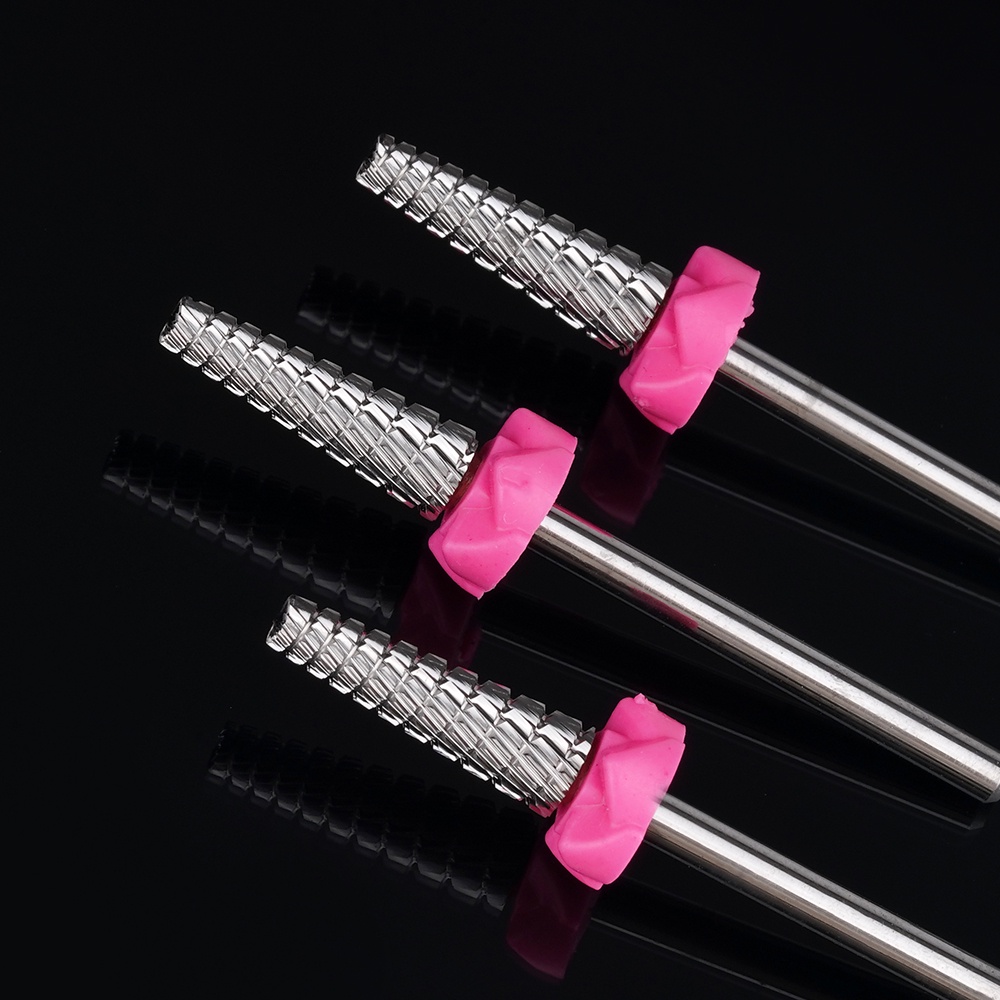
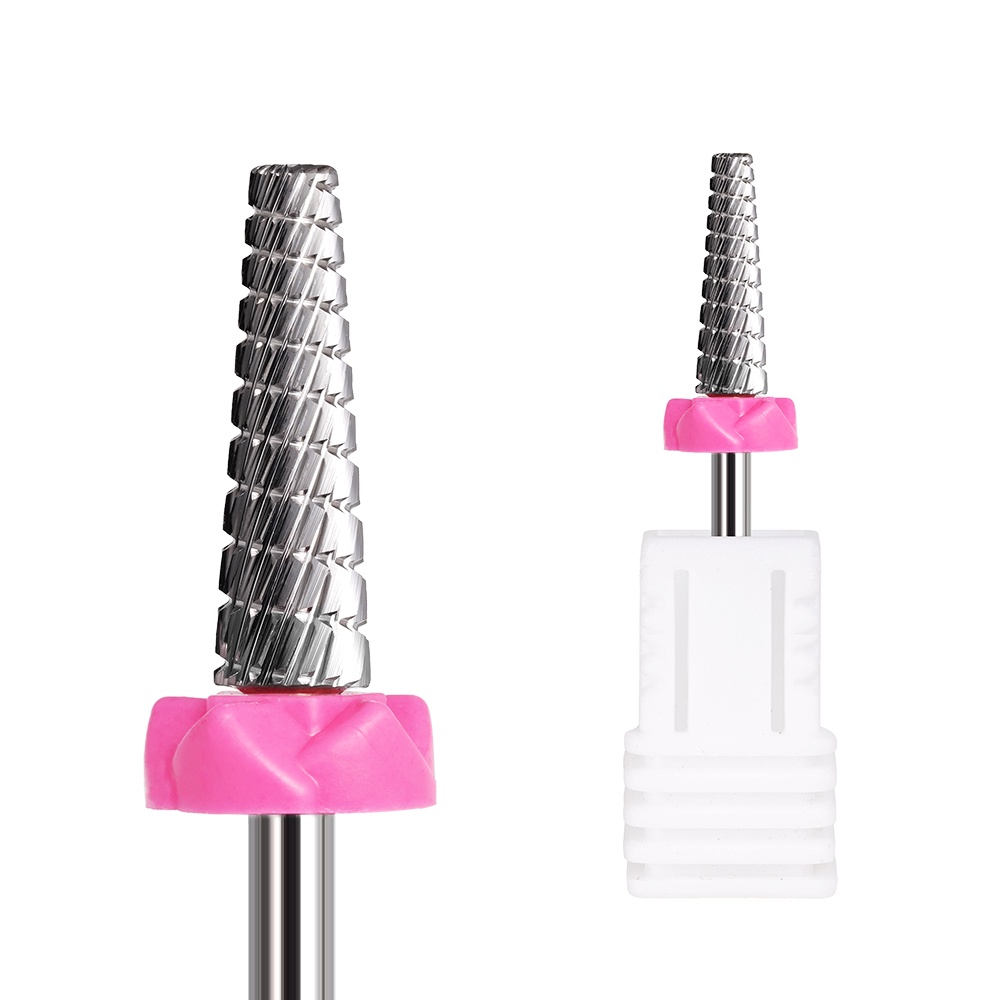
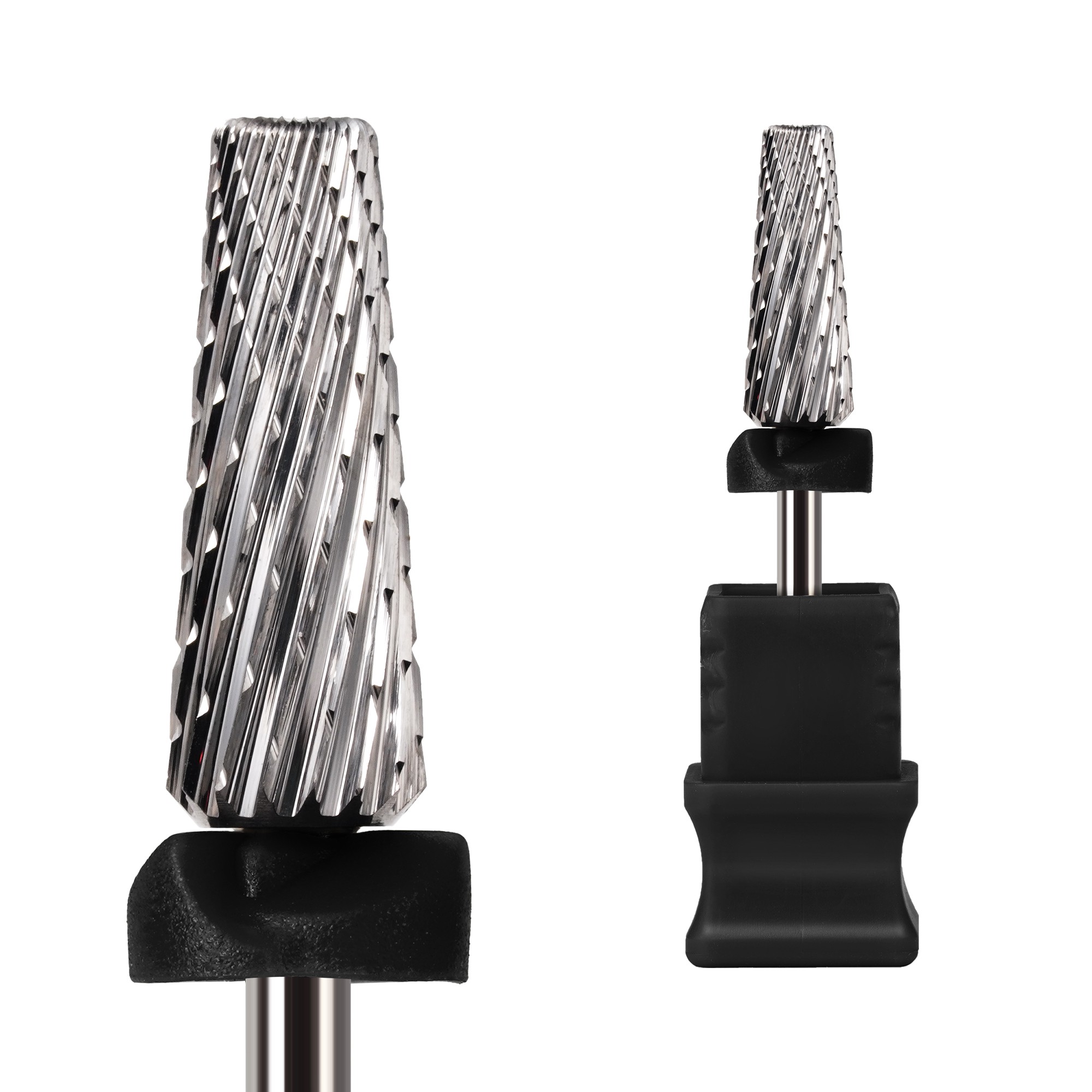
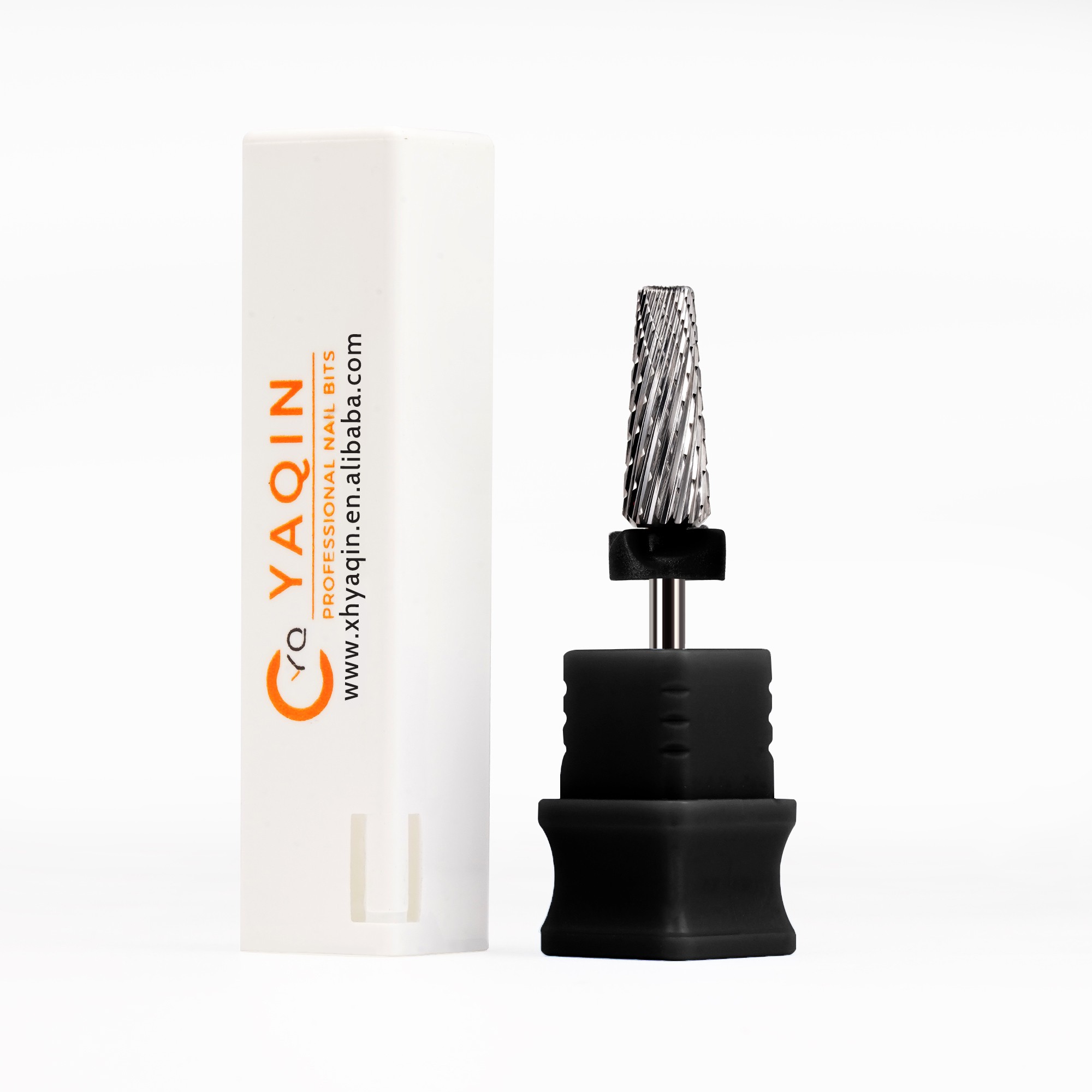
A relevant example is 5.0mm Corn Bullet Shape Universal Carbide Cuticle Dc Nail Bits.
Its use profile shows why replacement timing should follow grit, speed, and workload, not appearance alone.
Coarse grit usually works at 20k RPM and above.
Medium grit commonly runs at 15k to 20k RPM.
Fine grit is often better at 10k to 15k RPM.
When speed and bit type do not match, cleaning becomes harder and wear becomes less predictable.
Why this matters in home care
A home routine may involve beginner handling but still include hard gel or acrylic removal.
That mix creates a mismatch risk.
The bit may be professional in capability, while the maintenance routine stays too basic.
In those cases, choosing a precision-engineered carbide bit with safer geometry helps, but only if aftercare remains disciplined.
Where home routines often go wrong
Several maintenance mistakes appear again and again with an electric nail file for home use.
They look minor, yet they shorten tool life faster than expected.
- Using the same bit for every material without checking wear pattern.
- Cleaning the bit but ignoring dust around the chuck area.
- Storing cleaned bits before they are fully dry.
- Choosing replacement by price only, not compatibility or finish quality.
- Assuming a salon-use bit and a home-use routine need the same maintenance interval.
Another common misjudgment is focusing only on the bit and forgetting the full system.
If the handpiece grips poorly, even a good replacement bit may wobble.
If storage is humid, fresh bits can still degrade early.
A practical maintenance rhythm that fits most homes
The most reliable electric nail file for home use routine is not complicated.
It just needs to be repeatable.
This rhythm works because it matches how home devices are actually used.
It leaves room for occasional use, but still controls risk when sessions become more frequent.
What to review before the next replacement cycle
Before replacing bits or adjusting the routine, it helps to review the last few uses honestly.
Was the electric nail file for home use mainly shaping natural nails, or removing heavier product?
Did heat rise too quickly?
Did residue become harder to clean than before?
Were bits stored dry and separately after every session?
Those answers are more useful than following a fixed replacement date.
A well-maintained electric nail file for home use stays cleaner, files more evenly, and creates fewer avoidable performance issues.
The next practical step is to map current use frequency, bit types, and storage conditions, then set a cleaning and inspection routine that fits them.
That kind of simple standard is often what keeps home maintenance effective over time.
News List
- Is It Better to Source All Nail Drill Bits From One Factory?Aug 24, 2026
- How to Spot Fake Diamond Coating on Nail Drill BitsAug 24, 2026
- Are Silicone Nail Drill Bits Reusable After Sterilization?Aug 24, 2026
- Essential tools for manicures that make beginner work more consistentAug 24, 2026
- Which must-have items for nail technicians improve service speed mostAug 24, 2026
- How gel removal bits affect speed and heat during soak-off removalAug 24, 2026
Best-Selling Products
 Cross Cut Safety Stainless Steel Tungsten Carbide Nail Drill Bits Salon Foot Use XF-C Grit for Removing Nails
 First-rate Quality Tungsten Carbide Nail Drill Bits Best Coating Manicure Remove Gel Nails Accessories
 Professional Advanced Safety Cuticle Bits Two-Way Rotate 3/32'' Carbide Tungsten 5 in 1 Nail Drill Bits
 Wholesale 5 in 1 Electric Manicure Nail Drill Bits Various Coating Cone Cuticle Bit with Rotary Cross Cut for Nail Art
 New Slant Tooth Tungsten Steel Nail Drill Bits Dead Skin Removal 5-in-1 Universal Grinding Nail Polish Head Tool Nail Drill Bits
 4.0mm Small 5 in 1 Integrated Sharpe Tungsten Nail Drill Bit Straight Teeth Gel Polish Removal
 Flame Sharp XF F M C XC Silver Safety Professional Corn Tungsten Carbide Nail Bit for Drill Machine Accessories
 Factory Direct 5 in 1 Tungsten Carbide Nail Drill Bits 6.8MM Cross Cut Safety Manicure 5 in 1 Nail Drill Bits
Please give us a message