
Ceramic Nail Drill Bit vs Carbide: Key Use Cases
Ceramic Nail Drill Bit vs Carbide: Key Use Cases
Choosing between a ceramic nail drill bit and a carbide bit can directly affect filing speed, heat control, comfort, and finish quality during daily nail work.
For gel removal, acrylic shaping, cuticle-area refinement, or high-volume salon tasks, the correct bit improves efficiency and helps reduce client discomfort.
This guide compares both options from a practical use perspective, helping match each tool to safer, smoother, and more consistent nail service results.
Ceramic Nail Drill Bit and Carbide Bit Fundamentals
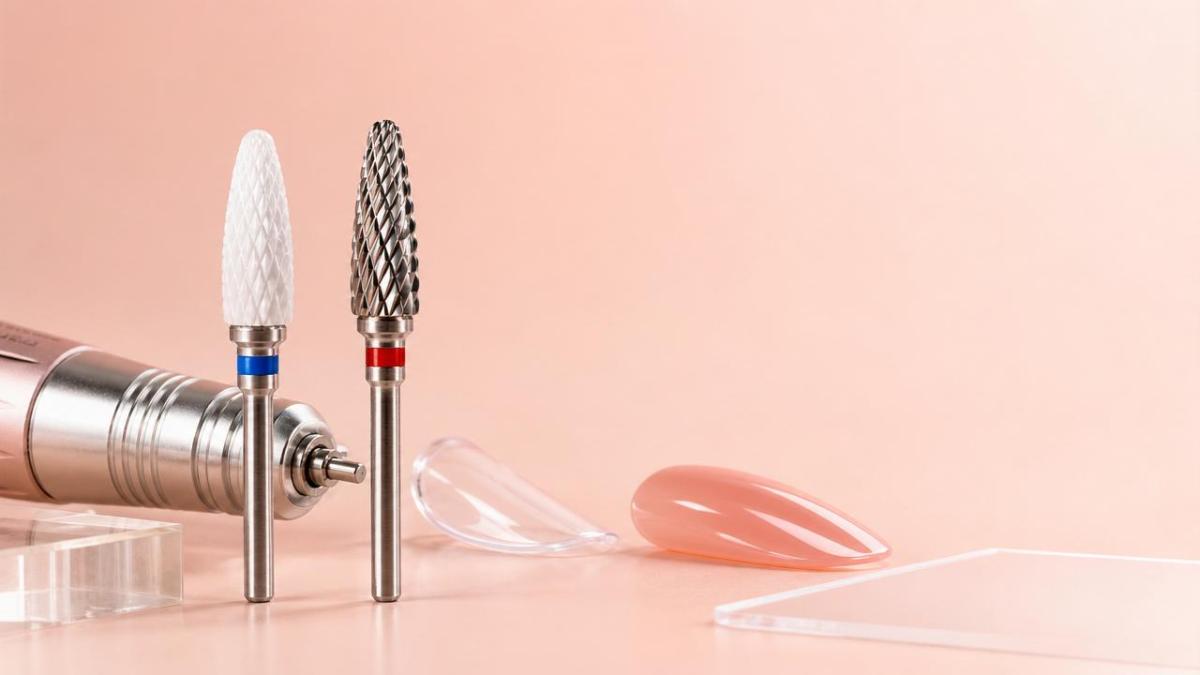
A ceramic nail drill bit is made from advanced ceramic material, usually zirconia-based, and is valued for heat resistance and smooth operation.
Its cutting surface removes product through flute design, while the ceramic body helps keep working temperature more comfortable.
A carbide bit is commonly made from tungsten carbide, a hard metal material known for durability, sharp cutting, and fast product removal.
Both tools are used with electric nail drills, yet their feel, aggressiveness, and ideal tasks are different.
A ceramic nail drill bit often feels lighter and gentler, especially during longer filing sessions or heat-sensitive services.
Carbide bits usually provide stronger cutting power, making them efficient for dense acrylic, hard gel, and rapid reshaping.
Core Difference in Daily Use
The main difference is not only material. It is how each bit transfers pressure, heat, vibration, and cutting force.
A ceramic nail drill bit is commonly selected when comfort, controlled removal, and heat management are priorities.
A carbide bit is preferred when speed, sharpness, and strong reduction of artificial nail product are needed.
Industry Background and Current Selection Priorities
Nail care services have become more product-intensive, with gel polish, builder gel, acrylic extensions, and structured manicures widely used.
This shift increases demand for abrasive products that provide predictable performance, clean finishing, and stable quality.
In light industry and daily-use beauty tools, nail drill bits must balance service speed with user safety and surface control.
Wuxi Yaqin Trading Co., Ltd. focuses on high quality abrasive products for markets including the USA, Canada, Germany, the UK, Italy, and Poland.
With strict QC from raw material purchasing to production and packing, consistent bit performance becomes easier to maintain across repeated orders.
Application Value in Nail Service Workflow
The value of a ceramic nail drill bit appears clearly when workflow requires repeated, controlled passes.
It can help reduce heat spikes during gel polish removal or thinning of overlays before hand filing.
Because ceramic does not conduct heat like metal, many users find it more comfortable for sensitive clients.
A ceramic nail drill bit also suits services where surface smoothness matters before refilling, redesigning, or applying new product.
Carbide bits provide clear value when the task involves thick acrylic, dense builder gel, or reducing extension length.
Their cutting edges stay effective through heavy use, especially when cleaning, disinfection, and storage are handled correctly.
For balanced tool kits, the ceramic nail drill bit and carbide bit should not be treated as direct replacements.
They serve different stages of the same workflow, from product reduction to smoothing and precision adjustment.
Why Heat Control Matters
Heat is one of the most common discomfort signals during e-file work.
Too much pressure, high speed, or lingering in one area can create a burning sensation.
A ceramic nail drill bit helps manage this risk, but technique still remains essential.
Light pressure, continuous movement, and correct grit choice protect both natural nail integrity and service quality.
Typical Use Cases by Material and Task
Selecting the right bit starts with identifying the product on the nail, the service goal, and the user’s control level.
A ceramic nail drill bit is a strong match for soft-to-medium product removal and smoother finishing steps.
Carbide bits are more suitable for aggressive reduction, especially where productivity and long service life are important.
Gel Removal and Refill Preparation
For gel removal, a ceramic nail drill bit offers controlled filing without excessive heat buildup.
It is useful when leaving a thin product layer to protect the natural nail.
Medium or fine grit can help blend old product smoothly before new application.
Acrylic and Dense Overlay Reduction
Acrylic often requires more aggressive cutting than gel polish or soft overlay work.
Carbide bits remove bulk quickly, reducing time spent on thick enhancement surfaces.
For this stage, tungsten carbide options provide strength and edge durability.
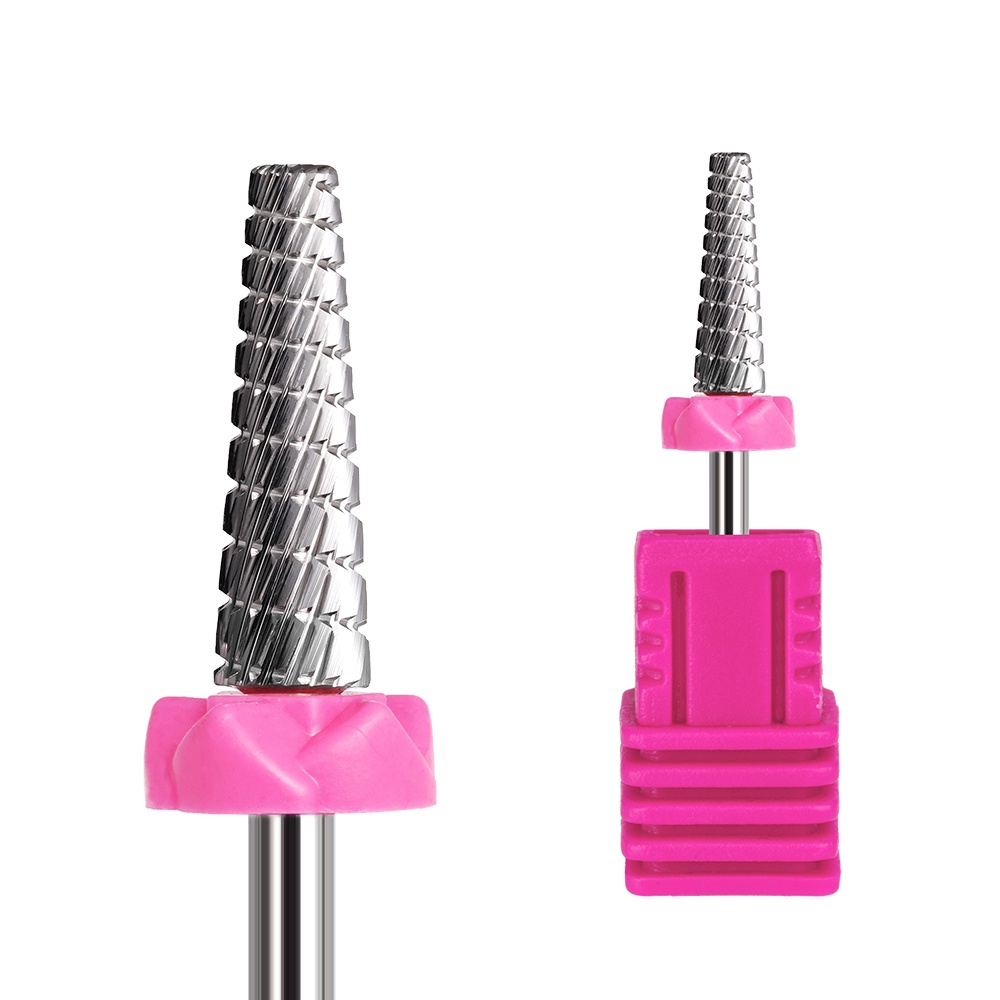
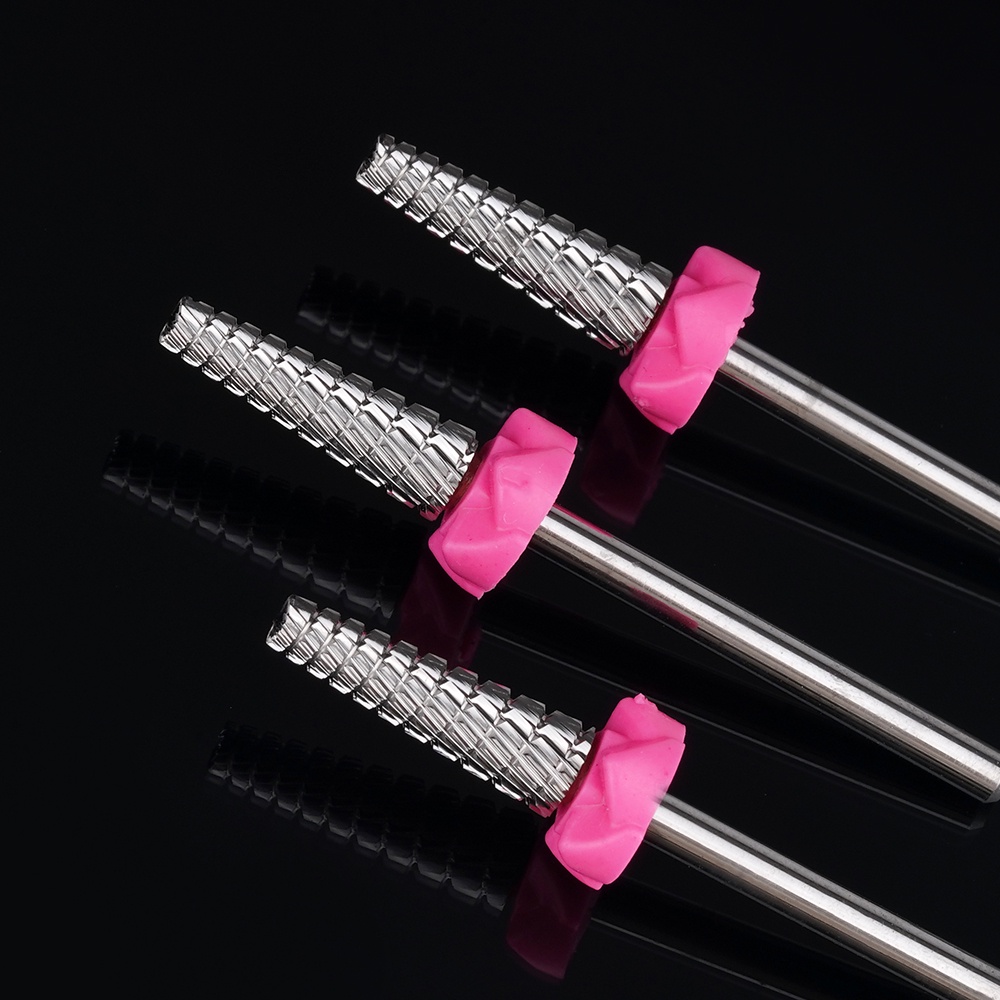
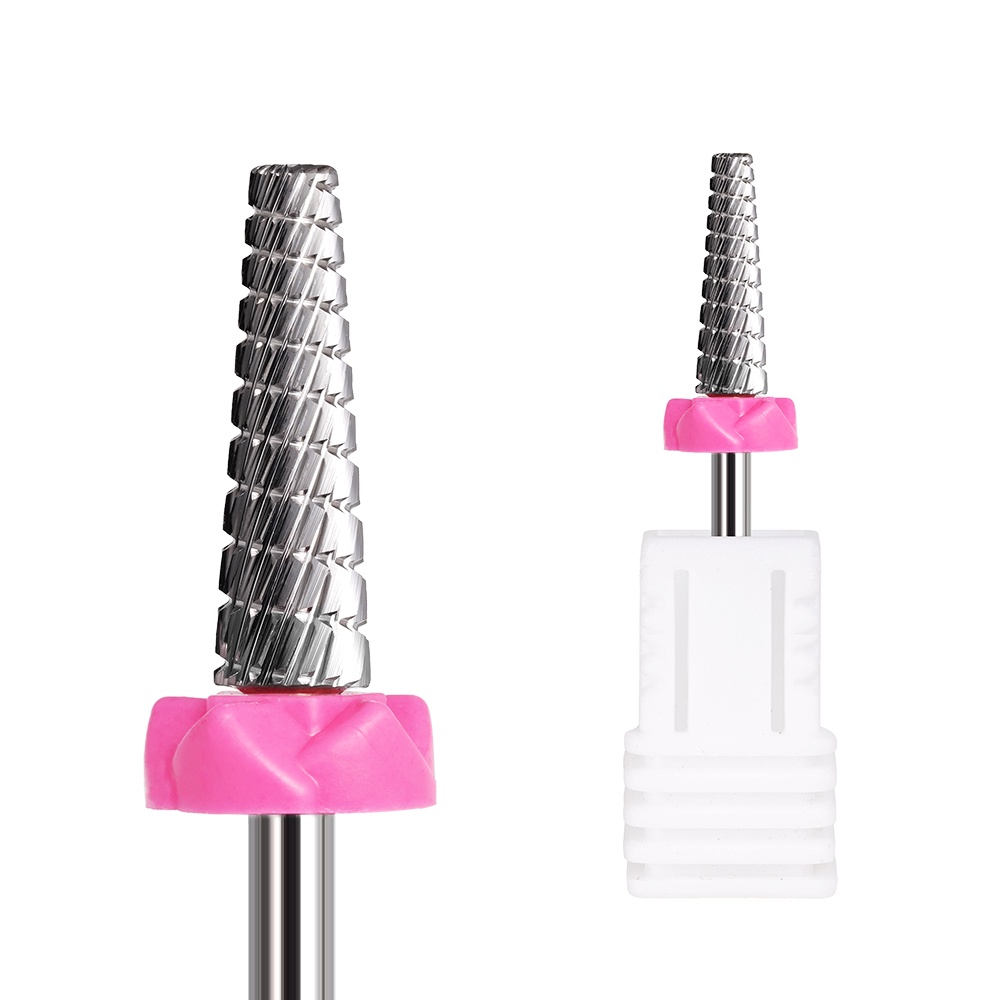
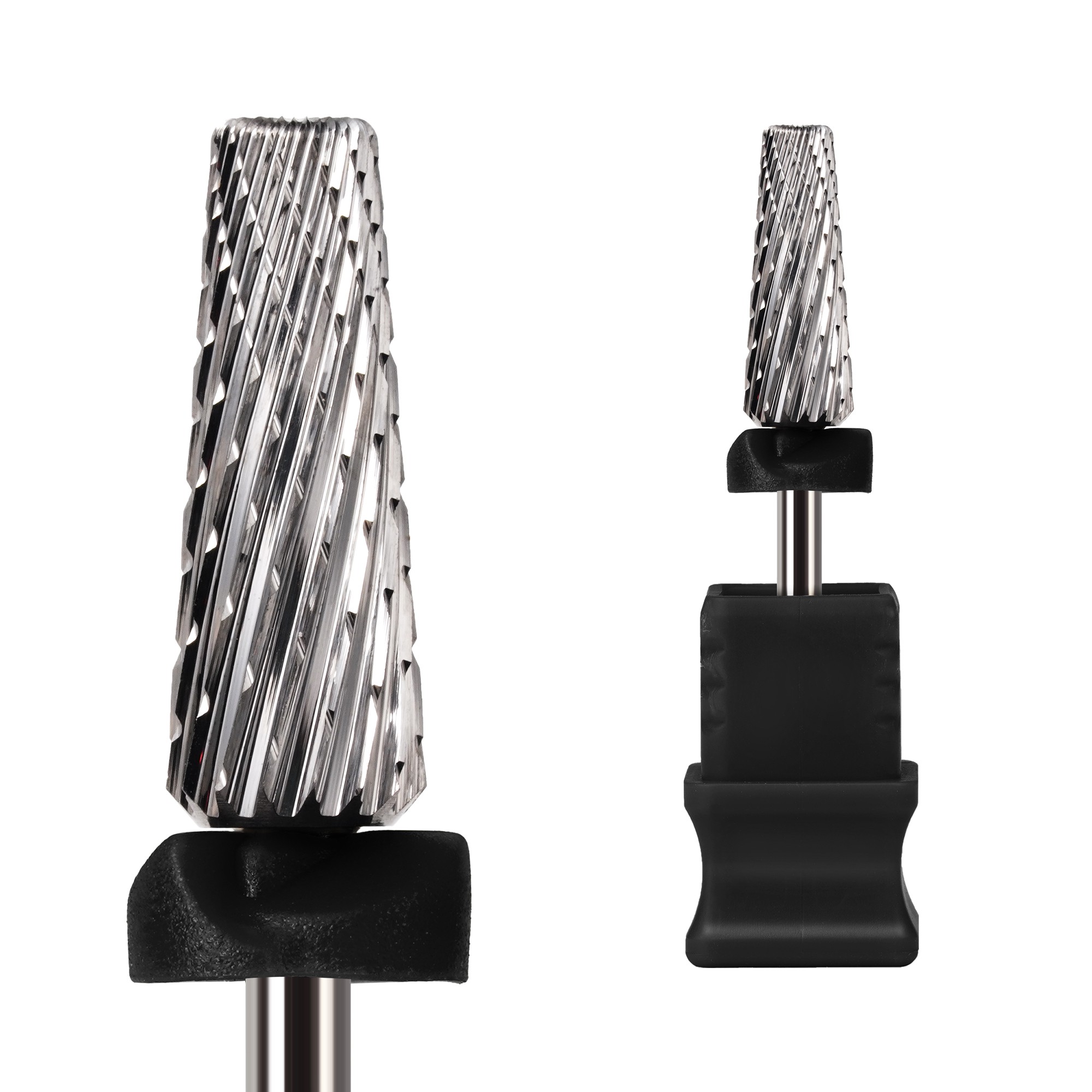
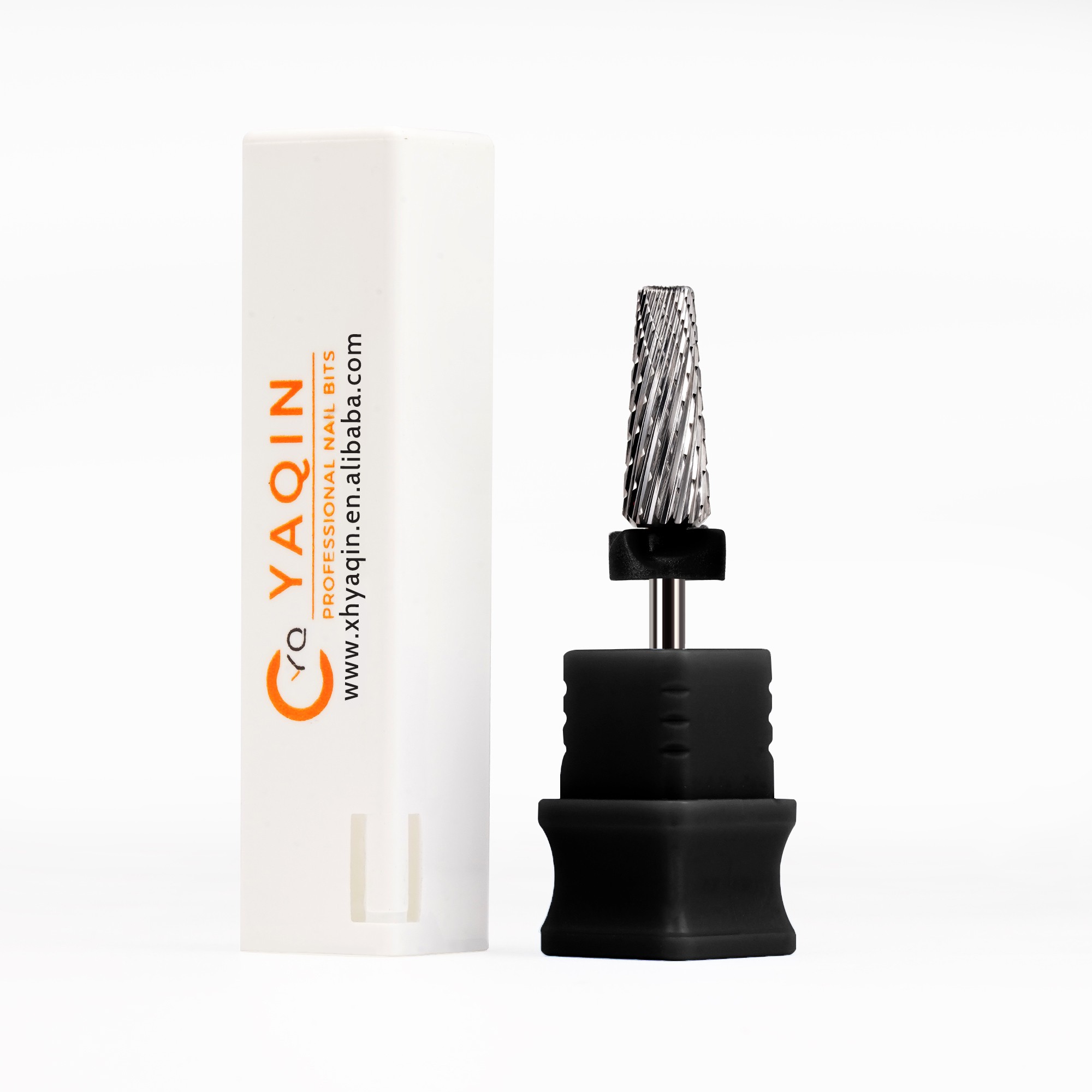
One example is Professional Right and Left Handle Customized Logo Print Tungsten Manicure Art Use Carbide Nail Drill Bit, designed for manicure art use and different handling preferences.
Grit, Shape, and Direction Considerations
Material matters, but grit and shape often decide whether the result feels safe and efficient.
A coarse ceramic nail drill bit removes product faster, while a fine ceramic bit supports detail refinement.
Barrel shapes are useful for surface leveling, while cone and flame shapes help around sidewalls and cuticle-adjacent areas.
Safety-top designs reduce the risk of sharp contact near skin, especially during close refinement work.
Right-hand, left-hand, and two-way cut designs should match operating habits and drill direction.
- Coarse grit: fast product reduction, not ideal for natural nail contact.
- Medium grit: balanced removal for gel, refill preparation, and overlay shaping.
- Fine grit: finishing, smoothing, and soft transitions near sensitive areas.
- Extra fine grit: delicate polishing work and light surface refinement.
A ceramic nail drill bit should be chosen in the grit that fits the task, not only by color or appearance.
For carbide, flute cut and sharpness also influence how quickly product is removed.
Practical Handling and Safety Notes
Even the best bit can cause discomfort if used with poor technique.
A ceramic nail drill bit supports comfort, but it should never stay in one spot for too long.
Use light contact, steady motion, and a drill speed suitable for the material being removed.
Avoid pressing harder to compensate for a dull or clogged bit.
Instead, clean the bit properly or replace it when cutting performance declines.
- Inspect the bit before use for cracks, chips, bending, or uneven rotation.
- Match grit to product thickness and avoid natural nail overfiling.
- Keep movement continuous to prevent heat spots and surface grooves.
- Clean dust from flutes so cutting remains smooth and predictable.
- Follow proper sanitation and storage procedures after each service.
A ceramic nail drill bit may be more brittle than carbide if dropped on a hard surface.
Carbide is tougher against impact, but its sharp edges still require careful handling.
For high-volume work, keeping multiple bits in rotation helps maintain consistent cutting quality.
Quality Control and Supply Consistency
Reliable abrasive tools depend on stable raw materials, accurate machining, controlled packing, and repeatable inspection standards.
A ceramic nail drill bit with inconsistent balance may create vibration, noise, and uneven filing marks.
A carbide bit with poor flute finishing may pull, skip, or cut less smoothly than expected.
Yaqin’s QC system covers raw material purchasing, production process control, and product packing.
The company has passed ISO9001:2000 quality management system certification and provides one-stop service from production to delivery.
OEM and ODM experience also supports customized specifications, packaging needs, and stable export supply.
For large-scale daily work, consistent bit quality can reduce operational variation and simplify restocking decisions.
Decision Guide for Better Results
A ceramic nail drill bit is generally the better choice for heat-sensitive removal, controlled smoothing, and comfortable finishing.
A carbide bit is the better choice for dense acrylic, fast debulking, and strong cutting performance.
The most effective toolkit usually includes both materials, several grits, and shapes suited to different work stages.
Before final selection, review product type, expected service volume, grit range, hand direction, and cleaning process.
For customized carbide choices, the Professional Right and Left Handle Customized Logo Print Tungsten Manicure Art Use Carbide Nail Drill Bit can be considered when strong cutting and branding options are required.
For comfort-focused gel work, add a ceramic nail drill bit in medium and fine grit to improve control.
For acrylic-heavy services, keep carbide options ready for efficient debulking before switching to smoother finishing bits.
The best result comes from matching material, shape, grit, and technique to each service step.
With proper selection and stable supply, a ceramic nail drill bit and carbide bit can work together for safer, cleaner, and more predictable nail care.
News List
- Is It Better to Source All Nail Drill Bits From One Factory?Aug 24, 2026
- How to Spot Fake Diamond Coating on Nail Drill BitsAug 24, 2026
- Are Silicone Nail Drill Bits Reusable After Sterilization?Aug 24, 2026
- Essential tools for manicures that make beginner work more consistentAug 24, 2026
- Which must-have items for nail technicians improve service speed mostAug 24, 2026
- How gel removal bits affect speed and heat during soak-off removalAug 24, 2026
Best-Selling Products
 Cross Cut Safety Stainless Steel Tungsten Carbide Nail Drill Bits Salon Foot Use XF-C Grit for Removing Nails
 First-rate Quality Tungsten Carbide Nail Drill Bits Best Coating Manicure Remove Gel Nails Accessories
 Professional Advanced Safety Cuticle Bits Two-Way Rotate 3/32'' Carbide Tungsten 5 in 1 Nail Drill Bits
 Wholesale 5 in 1 Electric Manicure Nail Drill Bits Various Coating Cone Cuticle Bit with Rotary Cross Cut for Nail Art
 New Slant Tooth Tungsten Steel Nail Drill Bits Dead Skin Removal 5-in-1 Universal Grinding Nail Polish Head Tool Nail Drill Bits
 4.0mm Small 5 in 1 Integrated Sharpe Tungsten Nail Drill Bit Straight Teeth Gel Polish Removal
 Flame Sharp XF F M C XC Silver Safety Professional Corn Tungsten Carbide Nail Bit for Drill Machine Accessories
 Factory Direct 5 in 1 Tungsten Carbide Nail Drill Bits 6.8MM Cross Cut Safety Manicure 5 in 1 Nail Drill Bits
Please give us a message