
Ceramic Nail Drill Bit Wear Signs to Watch
Ceramic Nail Drill Bit Wear Signs to Watch
Ceramic Nail Drill Bit Wear Signs to Watch
For after-sales maintenance teams, spotting wear on a ceramic nail drill bit early is essential to keeping nail services safe, efficient, and consistent.
A worn bit can reduce grinding performance, increase heat, damage natural nails, and lead to unnecessary customer complaints or replacements.
This guide highlights the key wear signs to watch, helping maintenance personnel evaluate bit condition, support proper product use, and extend service life through timely inspection and care.
Why Early Wear Detection Matters for After-Sales Teams
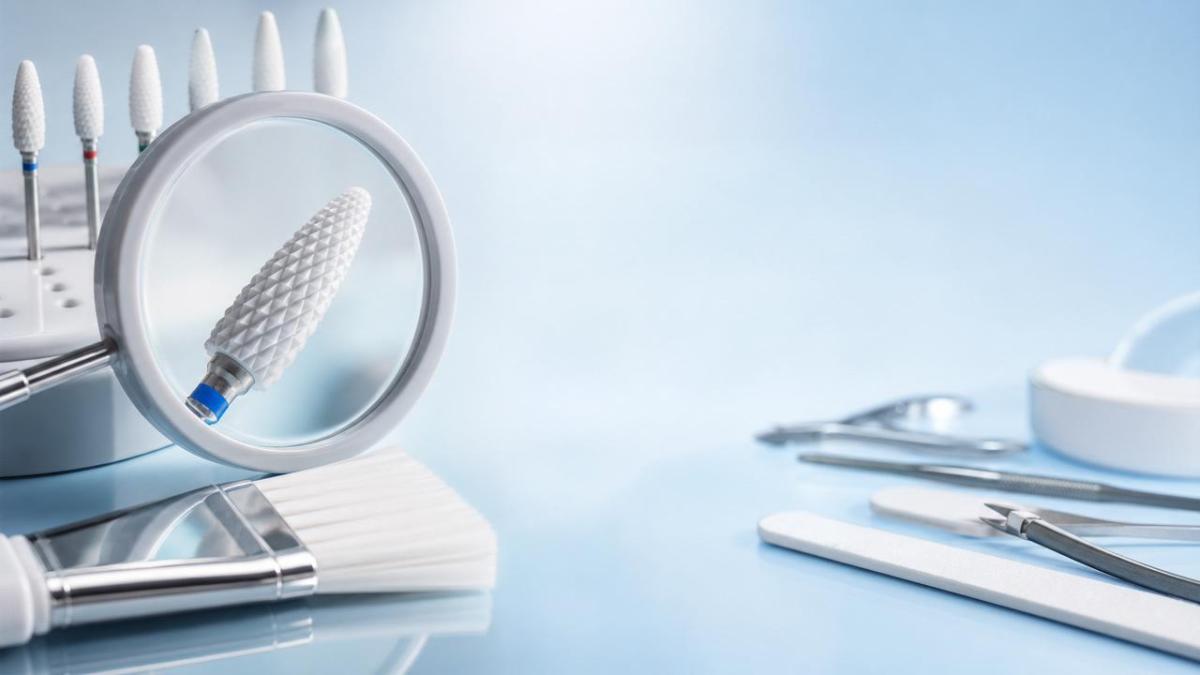
When customers report poor removal speed, discomfort, or uneven filing, the drill machine is not always the problem.
In many cases, the ceramic nail drill bit has already lost cutting efficiency, even if it still looks usable.
After-sales maintenance personnel need a practical way to separate normal aging from misuse, contamination, or product defects.
This helps reduce unnecessary returns, improve customer guidance, and protect the supplier’s reputation during warranty communication.
A ceramic nail drill bit is valued for heat resistance, corrosion resistance, and smooth performance on acrylic, gel, and surface refinement.
However, ceramic is not indestructible. Dropping, excessive pressure, improper cleaning, or long-term high-speed use can shorten its working life.
For maintenance teams, the goal is not only to identify failure, but to recognize early performance decline.
Early inspection allows teams to recommend cleaning, replacement, speed adjustment, or technique correction before complaints become serious.
Reduced Cutting Efficiency Is Usually the First Warning
The most common wear sign is slower product removal. A healthy ceramic nail drill bit should cut smoothly without requiring heavy pressure.
If technicians must press harder to remove gel or acrylic, the cutting edges may be rounded or clogged.
This condition often appears gradually, so salon users may not notice it until service time increases significantly.
After-sales teams should ask whether the bit previously performed faster on the same material, speed setting, and drill handpiece.
If all other factors are unchanged, reduced cutting efficiency is a strong indicator of wear or surface blockage.
Maintenance staff can also compare the suspected bit with a new sample under the same operating conditions.
A worn bit may skate across the surface instead of biting cleanly into the product layer.
This leads technicians to compensate with pressure, which increases heat, vibration, and risk to the natural nail.
For accurate judgment, avoid testing on only one product type. Hard gel, soft gel, and acrylic can produce different cutting feedback.
If poor efficiency appears across several materials, the ceramic nail drill bit likely needs replacement rather than simple cleaning.
Heat Buildup During Normal Use Should Not Be Ignored
Excessive heat is one of the most important complaints for after-sales teams to investigate carefully.
A ceramic nail drill bit is often chosen because it generally runs cooler than some metal alternatives during proper use.
When heat increases under the same speed and technique, the bit may no longer be cutting efficiently.
Instead of removing material cleanly, the surface rubs against the nail enhancement and creates uncomfortable friction.
Maintenance teams should ask whether the operator changed speed, pressure, angle, or product type before assuming bit wear.
If the working conditions are consistent, rising heat is often linked to dull flutes, clogging, or incorrect cleaning.
Technicians may also describe a burning sensation, hot spots, or needing to lift the bit more frequently.
These details help after-sales personnel determine whether the issue is wear, technique, or machine instability.
Heat complaints should be treated seriously because they directly affect client comfort and perceived service quality.
Even when the bit still removes product, excessive heat may justify replacement to prevent nail plate damage.
Visible Surface Changes: What Maintenance Staff Should Check
Visual inspection is a simple but valuable step, especially when combined with performance feedback from technicians.
Start by checking the flutes under bright light. Look for rounded edges, uneven texture, dark buildup, or polished smooth areas.
A new ceramic nail drill bit usually has defined cutting structure, while worn areas may look glossy or flattened.
If debris remains embedded after proper cleaning, the bit may feel ineffective even without true structural damage.
Product residue from gel, acrylic dust, oils, or disinfectant deposits can clog the cutting pattern and mimic wear.
After-sales staff should confirm whether the customer cleaned the bit using approved brushes, solutions, and drying procedures.
Cracks, chips, and missing sections require immediate removal from service. Ceramic material can fracture further during rotation.
Even a small chip can create vibration, scratch the nail surface, or cause inconsistent filing marks.
Check the tip carefully, especially on cone, flame, and barrel shapes where accidental drops often cause edge damage.
If the bit has visible cracks or chips, do not recommend continued use, even for low-speed finishing.
Unusual Vibration, Noise, or Wobbling Indicates Risk
A worn or damaged bit may create vibration that users feel through the handpiece during normal operation.
Vibration can come from an unbalanced head, bent shank, chipped ceramic body, or poor fit inside the chuck.
After-sales personnel should first confirm that the handpiece is clean, tightened correctly, and compatible with the bit shank.
If the same machine runs smoothly with another bit, the suspected bit should be inspected more closely.
Unusual noise is another warning. A rattling or uneven sound may suggest poor rotation balance or hidden damage.
This matters because vibration affects control, service comfort, and the technician’s ability to work close to the cuticle.
Continued use of an unstable bit can also accelerate handpiece wear, creating a larger after-sales issue.
Maintenance teams should advise customers to stop using any bit that wobbles visibly during rotation.
For professional environments, replacement is usually less costly than risking client injury or equipment damage.
Uneven Filing Marks and Poor Finish Quality
Wear does not always appear as complete performance failure. Sometimes the first sign is inconsistent surface finish.
A healthy ceramic nail drill bit should create predictable results when the technician uses stable movement and correct pressure.
If the nail surface shows ridges, skipping marks, or rough patches, the cutting edges may be damaged unevenly.
After-sales teams should ask whether the issue happens with one technician or across multiple users.
If only one user experiences the problem, training or speed selection may be the main cause.
If several technicians report the same finish issue, the bit condition deserves closer inspection.
Uneven wear can develop when users repeatedly work at one angle, especially during bulk reduction on hard product.
Over time, one side of the bit may become smoother than the rest, reducing control and consistency.
Maintenance teams can recommend rotation of working angles during service, but once wear is established, replacement is usually needed.
For salons focused on premium finish quality, even moderate wear can affect customer satisfaction and service repeatability.
Cleaning Problems That Look Like Wear
Not every weak-performing ceramic nail drill bit is truly worn out. Some bits simply need correct cleaning.
After-sales teams should avoid approving replacements before checking whether the cutting surface is clogged with product residue.
Gel dust, acrylic powder, pigment, and skin oils can build up inside the flutes after repeated services.
If the bit is disinfected without proper brushing first, debris may harden and become more difficult to remove.
A practical inspection process starts with dry brushing, followed by approved cleaning and complete drying before retesting.
Maintenance personnel should follow local hygiene standards and manufacturer recommendations for disinfection and sterilization compatibility.
If cutting performance returns after cleaning, the problem was maintenance-related rather than product wear.
This is an important distinction for after-sales teams because it supports customer education and reduces unnecessary claims.
However, if the bit remains smooth, slow, or hot after cleaning, the cutting structure is likely worn.
Documenting this process also helps create consistent internal standards for complaint handling and replacement decisions.
When Wear Is Caused by Operating Habits
Usage habits strongly influence how long a ceramic nail drill bit performs well in daily salon environments.
Excessive downward pressure is one of the most common causes of premature dulling and heat complaints.
Bits are designed to cut with controlled contact, not to be forced into the product surface.
Using too low a speed may also cause dragging, while too high a speed can magnify heat and vibration.
After-sales teams should ask about typical RPM range, service type, product hardness, and technician experience level.
Incorrect angles can also damage the bit. Working constantly on one edge concentrates wear and reduces overall efficiency.
Dropping the bit onto a hard floor is another frequent cause of chips that customers may overlook.
Improper storage, such as loose bits knocking together, can also create small fractures or edge damage.
Maintenance staff should provide practical use guidance, not only replacement conclusions, when handling recurring wear complaints.
This approach helps customers extend service life and reduces repeated after-sales requests for the same problem.
How to Build a Simple Inspection Checklist
A clear checklist helps maintenance teams evaluate every returned or complained-about bit consistently and fairly.
Start with customer feedback: slower removal, increased heat, poor finish, vibration, noise, or visible damage.
Then inspect the bit under good lighting, checking the flutes, tip, head shape, and shank condition.
Clean the bit according to approved procedures before making a final judgment on wear or clogging.
Next, compare performance with a reference bit on the same material and similar drill settings.
Record whether the issue remains after cleaning and whether it occurs across different test materials.
Finally, classify the result as normal wear, improper maintenance, accidental damage, operating misuse, or possible quality issue.
This classification protects both the supplier and customer by making after-sales decisions more evidence-based.
For companies serving multiple markets, a standardized checklist is especially valuable for communication across distributors and service teams.
It also helps identify patterns, such as repeated cleaning problems or specific user training needs.
Replacement Timing: When Continued Use Is Not Worth It
After-sales teams often face the question of whether a bit can still be used safely.
If the bit has cracks, chips, visible wobble, or abnormal vibration, it should be removed from service immediately.
If performance decline causes heat, heavy pressure, or inconsistent results, replacement is usually the better choice.
A worn ceramic nail drill bit may appear inexpensive to keep, but it can create larger costs.
These costs include client discomfort, longer service time, natural nail damage, and customer dissatisfaction with the salon.
For professional users, the practical replacement point is when the bit no longer performs predictably under normal technique.
Maintenance teams should communicate this in operational terms, not only as a technical judgment.
For example, if service time increases noticeably or heat complaints repeat, the bit has lost useful value.
Clear replacement standards reduce arguments and help customers understand that consumable tools have a service life.
This also supports better inventory planning for salons and distributors handling high-volume nail services.
Comparing Ceramic Bits with Other Professional Options
Although this guide focuses on ceramic wear signs, maintenance teams may also support customers using carbide bits.
Different materials have different strengths, and understanding those differences helps recommend the right tool for each service.
Ceramic bits are often preferred for smoothness, corrosion resistance, and lower heat under appropriate working conditions.
Carbide bits are widely used for fast product removal and durable cutting performance in professional salon environments.
For bulk removal, some technicians may choose products such as Tungsten Carbide Large Barrel Smooth Top Nail Drill Bits depending on technique and material.
The important after-sales point is not to treat all drill bits as identical consumables.
Wear evaluation should consider material, flute design, grit or cut type, application, and user behavior.
A ceramic nail drill bit with surface damage may show different symptoms than a carbide bit with dulled teeth.
By understanding these differences, support teams can provide more accurate troubleshooting and better product recommendations.
This improves customer trust because advice is based on use conditions rather than a generic replacement response.
Preventive Care Tips to Extend Service Life
Preventive care is often the simplest way to reduce complaints and extend usable life.
After each service, technicians should remove visible dust and product residue before disinfecting the bit.
Bits should be dried thoroughly and stored separately to prevent impact damage between different tools.
Customers should avoid dropping ceramic bits, using damaged handpieces, or applying excessive pressure during removal.
Training users to let the bit do the work can significantly reduce heat and premature dulling.
Maintenance teams can also recommend keeping multiple bits in rotation for busy salons with high daily usage.
This prevents one bit from carrying all workload and makes performance decline easier to notice through comparison.
Operators should match the bit to the service, using appropriate shapes and cuts for removal, refinement, or cuticle-area work.
Using one ceramic nail drill bit for every task increases wear and may produce unsatisfactory results.
Good care habits protect safety, reduce replacement disputes, and improve long-term customer satisfaction with abrasive products.
What After-Sales Teams Should Communicate to Customers
Clear communication is as important as technical inspection when handling wear-related complaints.
Customers should understand that reduced cutting speed, heat, vibration, and visible damage are not minor details.
These signs affect both service quality and client safety, so they require timely attention.
After-sales personnel should avoid vague answers such as “use it carefully” without explaining specific inspection points.
Instead, provide practical guidance: clean first, inspect under light, compare performance, and stop using damaged bits.
When replacement is recommended, explain the reason in terms of safety, efficiency, and predictable service results.
This helps customers accept the decision and prevents misunderstandings about normal consumable wear.
For repeat customers or distributors, sharing a simple maintenance checklist can improve consistency across their teams.
It also strengthens the supplier’s professional image and supports long-term cooperation in international markets.
For manufacturers and exporters, effective after-sales education is a direct part of product value.
Conclusion: Identify Wear Before It Becomes a Service Problem
A ceramic nail drill bit should be replaced or serviced when it no longer cuts smoothly, safely, and consistently.
The most important warning signs are reduced efficiency, increased heat, visible chips, clogged flutes, vibration, and uneven finish quality.
After-sales maintenance teams should combine user feedback, visual inspection, cleaning verification, and controlled performance comparison.
This method helps distinguish real wear from poor cleaning, improper technique, accidental damage, or equipment-related issues.
By identifying wear early, teams can reduce complaints, protect end users, and help salons maintain reliable service standards.
Consistent inspection and clear customer education turn a simple consumable issue into a stronger after-sales support process.
News List
- Is It Better to Source All Nail Drill Bits From One Factory?Aug 24, 2026
- How to Spot Fake Diamond Coating on Nail Drill BitsAug 24, 2026
- Are Silicone Nail Drill Bits Reusable After Sterilization?Aug 24, 2026
- Essential tools for manicures that make beginner work more consistentAug 24, 2026
- Which must-have items for nail technicians improve service speed mostAug 24, 2026
- How gel removal bits affect speed and heat during soak-off removalAug 24, 2026
Best-Selling Products
 Cross Cut Safety Stainless Steel Tungsten Carbide Nail Drill Bits Salon Foot Use XF-C Grit for Removing Nails
 First-rate Quality Tungsten Carbide Nail Drill Bits Best Coating Manicure Remove Gel Nails Accessories
 Professional Advanced Safety Cuticle Bits Two-Way Rotate 3/32'' Carbide Tungsten 5 in 1 Nail Drill Bits
 Wholesale 5 in 1 Electric Manicure Nail Drill Bits Various Coating Cone Cuticle Bit with Rotary Cross Cut for Nail Art
 New Slant Tooth Tungsten Steel Nail Drill Bits Dead Skin Removal 5-in-1 Universal Grinding Nail Polish Head Tool Nail Drill Bits
 4.0mm Small 5 in 1 Integrated Sharpe Tungsten Nail Drill Bit Straight Teeth Gel Polish Removal
 Flame Sharp XF F M C XC Silver Safety Professional Corn Tungsten Carbide Nail Bit for Drill Machine Accessories
 Factory Direct 5 in 1 Tungsten Carbide Nail Drill Bits 6.8MM Cross Cut Safety Manicure 5 in 1 Nail Drill Bits
Please give us a message