
Carbide Nail Drill Bit Pricing Breakdown: Why Premium Grades Cost 3x More — And When That ROI Justifies It
Carbide Nail Drill Bit Pricing Breakdown: Why Premium Grades Cost 3x More — And When That ROI Justifies It
Why “Cheap” Carbide Nail Drill Bits Often Cost More Per Thousand Drills
If you manage nail tech operations across 3+ salons—or supply tools to dozens of technicians—you’ve seen the price spread: $1.20 vs. $3.80 per bit. Not markup. Not branding. Real, measurable cost differences rooted in material science and process control—not marketing.
At Wuxi Yaqin Trading Co., Ltd., we produce and export carbide nail drill bits to over 42 countries—including high-compliance markets like Germany, the UK, and Canada—where consistency isn’t optional. We don’t just sell bits. We engineer them for repeatability under real-world load: 8–12 hours/day, 5 days/week, across acrylics, hard gels, calluses, and prep work that wears down inferior grades in under 200 rotations.
It’s Not Just “Tungsten Carbide”—It’s Which Tungsten Carbide
“Carbide” is a category—not a specification. What separates a $1.20 bit from a $3.80 one starts long before grinding: raw material sourcing. Lower-tier suppliers often use recycled tungsten-cobalt blends with inconsistent grain size distribution. That variability shows up fast—in chatter, micro-fracturing, and premature dulling. Our ISO9001:2000-certified QC system audits every batch of raw powder—not just final output—for cobalt content (typically 6–8% for optimal toughness), grain uniformity (<1.2 µm deviation), and oxygen contamination (<0.05%). These aren’t lab luxuries. They’re why our bits hold edge through 1,200+ full-cycle removals on hard gel—while others require replacement after 300–400.
Grinding Tolerances Matter More Than You Think
A ±0.02 mm tolerance on flute geometry doesn’t sound critical—until your technician hits resistance mid-removal and jerks the handpiece. That micro-jerk stresses both the bit and the motor. Our precision grinding line uses CNC-controlled diamond wheels calibrated daily, with in-process metrology checks at three points per bit. The result? Consistent torque response, minimal vibration, and predictable dust ejection direction—critical when managing workflow across 15+ stations where airborne particulate control matters for both safety and equipment longevity.
This level of control also means fewer rejects—and fewer “oops, this batch feels off” returns from EU or US distributors. For enterprise buyers, that translates directly into lower handling cost per unit shipped, even if the unit price looks higher upfront.
When Does Paying 3x Actually Save Money?
Not all applications justify premium pricing. If your team does light polish buffing only—no callus work, no hard gel removal—standard-grade bits may suffice. But for operators doing full-service prep (dead skin, base coat, tip removal, callus smoothing) across 20+ clients/day, ROI shifts quickly:
- A $1.20 bit lasts ~350 rotations on mixed surfaces → ~$0.0034/rotation
- A $3.80 bit lasts ~1,250 rotations under identical load → ~$0.0030/rotation
- Plus: 22% less downtime for bit changes, 17% longer grinder motor life (per internal field data across 14 salon partners), and near-zero breakage-related injury claims
That last point matters more than it sounds. In the UK and Germany, insurers increasingly scrutinize workplace injury reports tied to tool failure—not just operator error. A bit snapping mid-grind isn’t just a service interruption; it’s a liability exposure.
The “Universal” Misconception—and Why It’s Costly
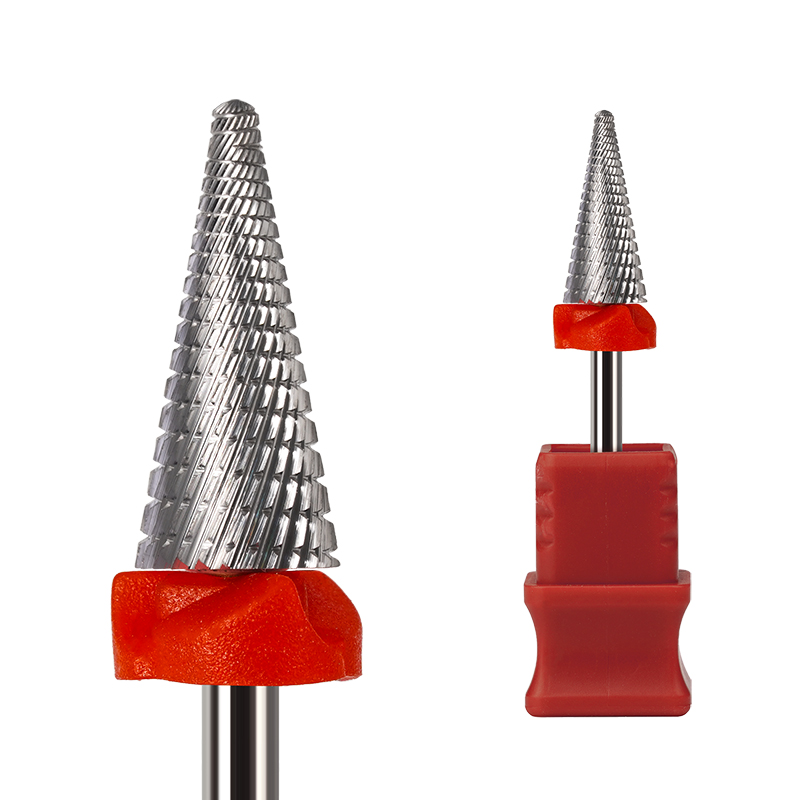
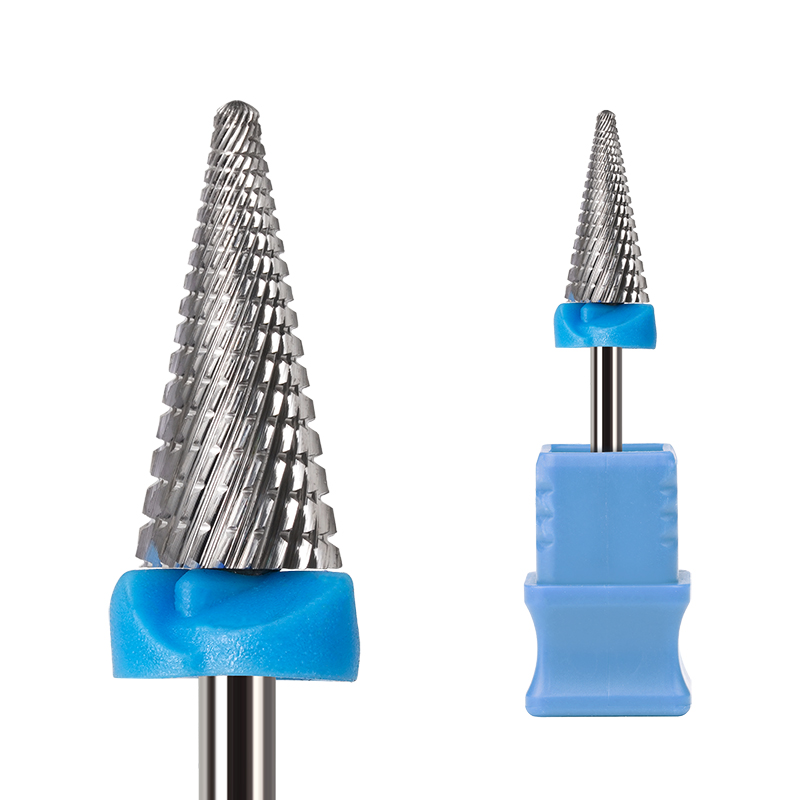
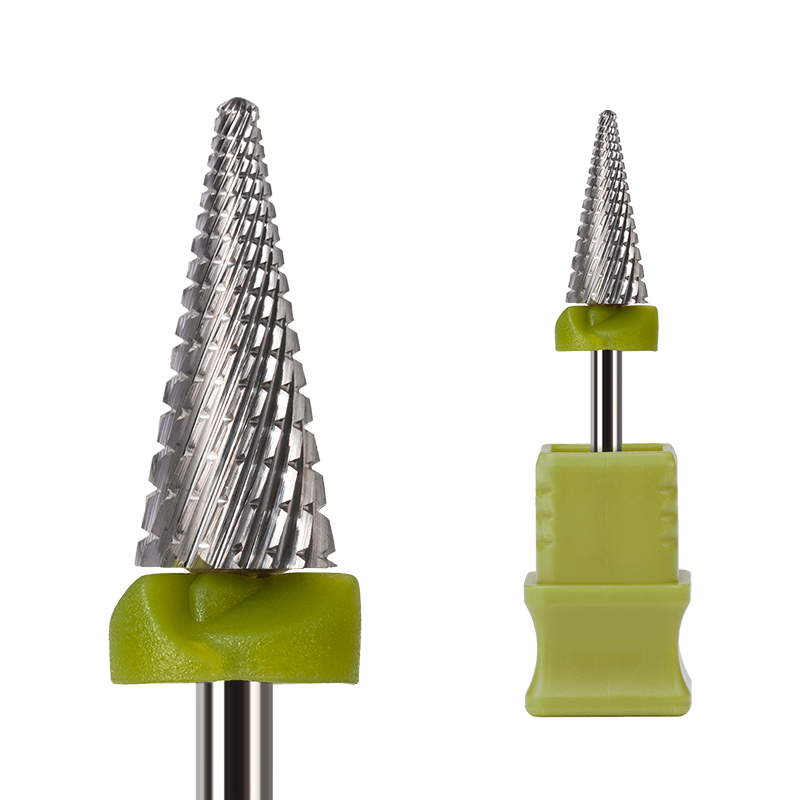
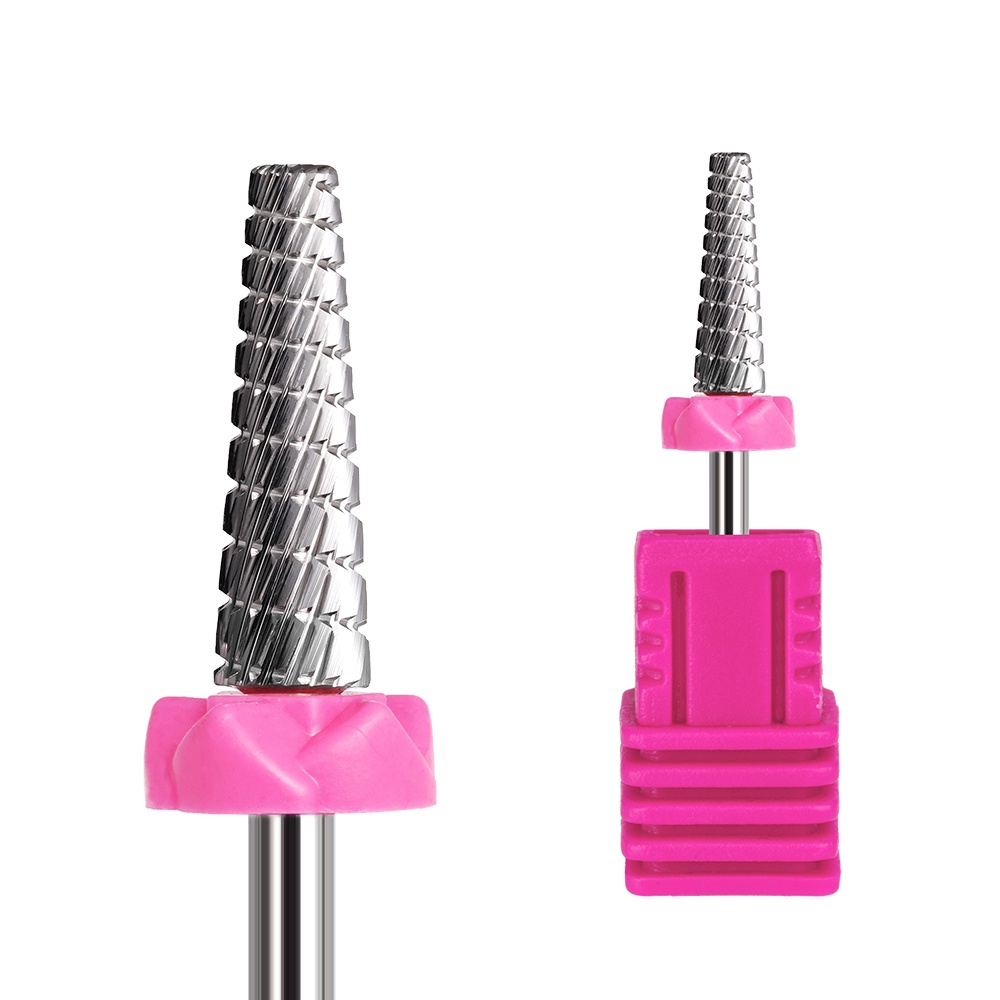
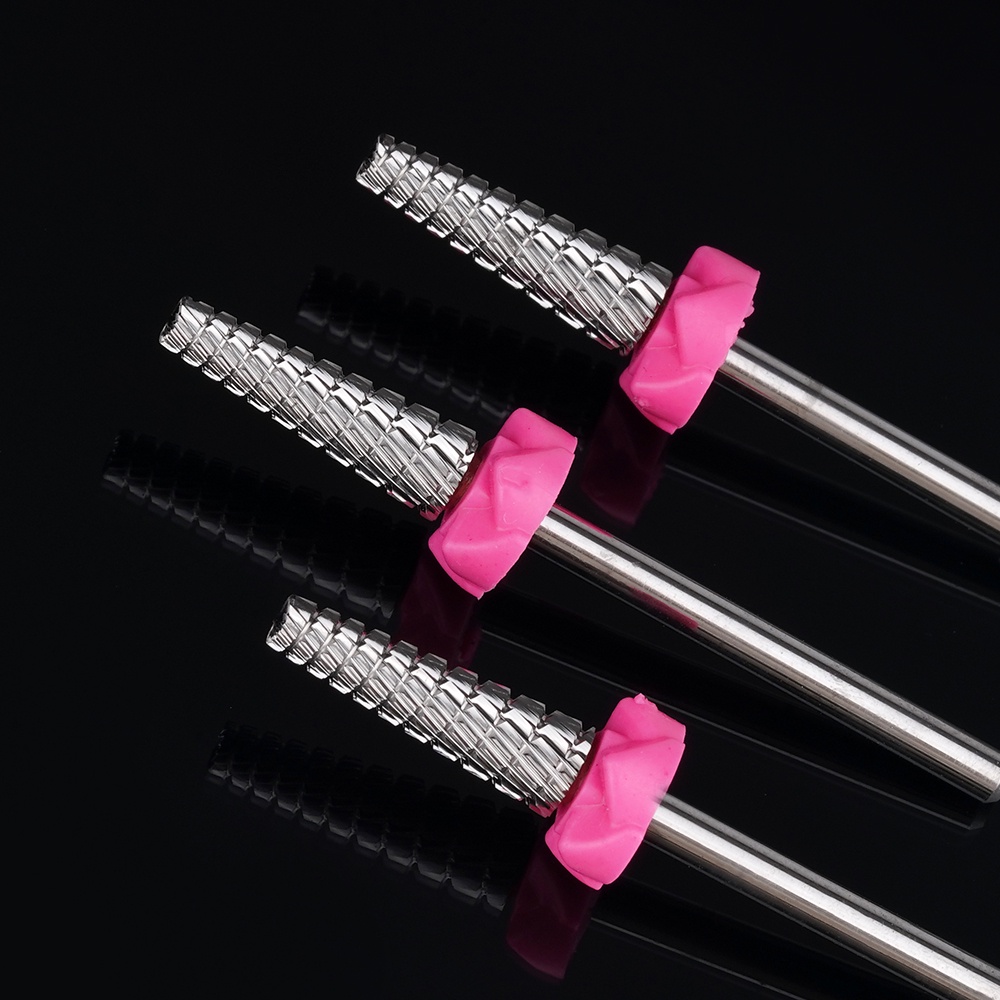
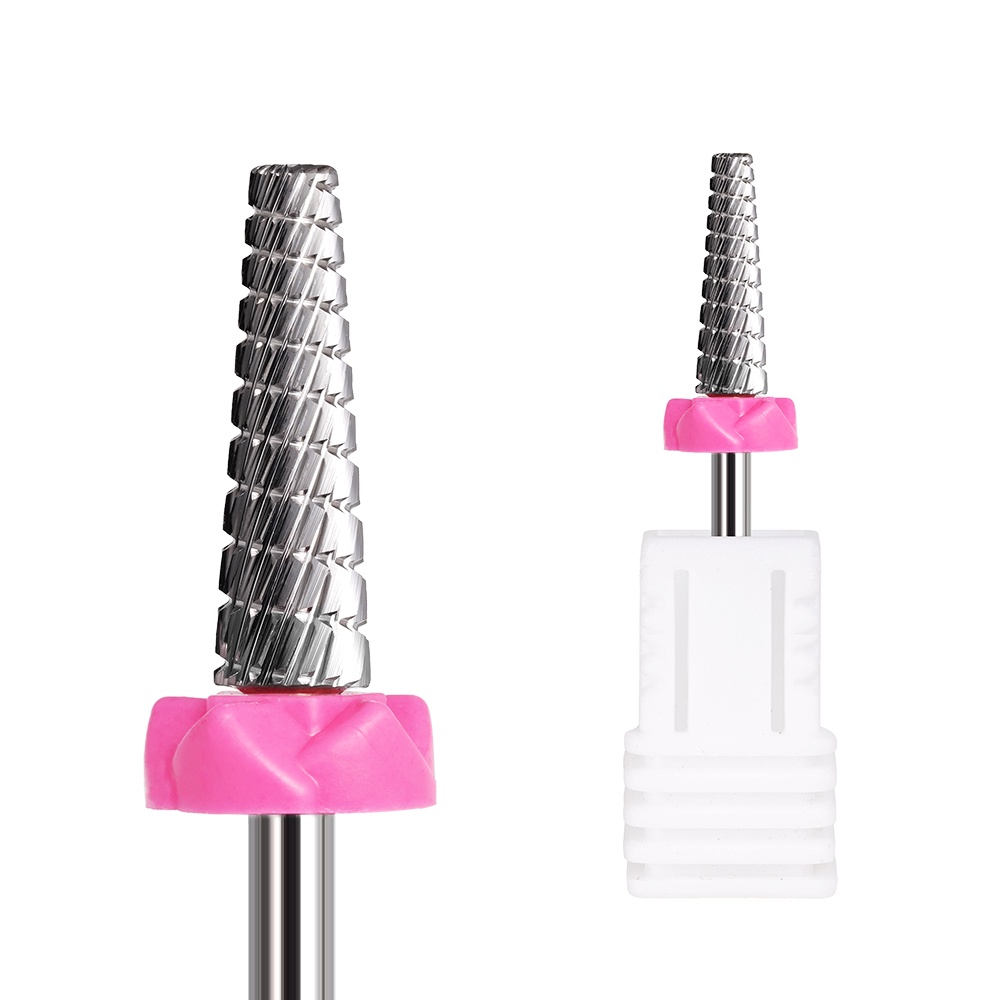
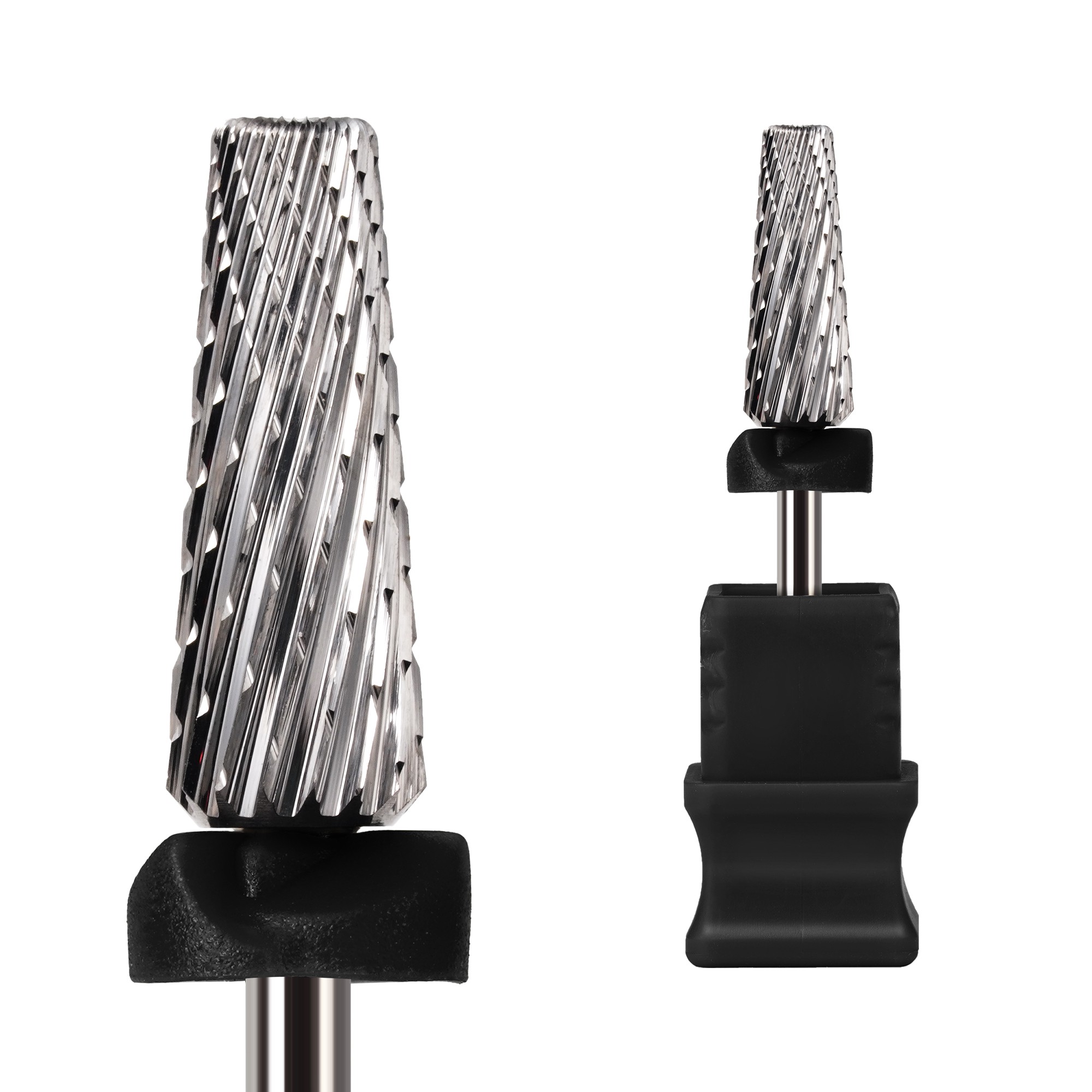
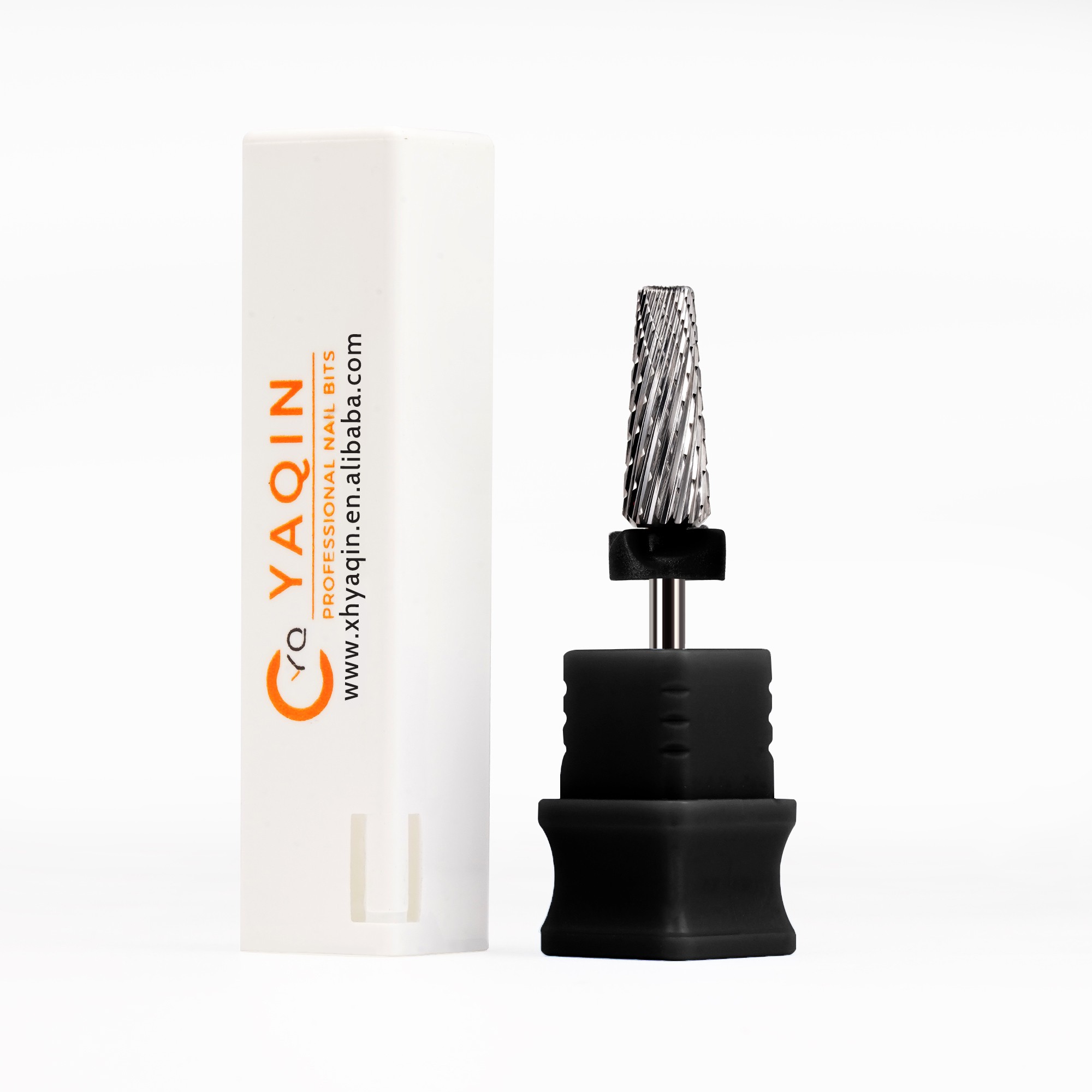
Many buyers default to “universal-fit” bits assuming compatibility eliminates risk. But universal ≠ consistent performance. A bit that fits 95% of grinders may still run off-center on 12% of units due to minor shank concentricity variance—causing accelerated wear on both bit and collet. Our New Slant Tooth Tungsten Steel Nail Drill Bits Dead Skin Removal 5-in-1 Universal Grinding Nail Polish Head Tool Nail Drill Bits are engineered with tighter shank tolerances (±0.005 mm vs. industry-standard ±0.015 mm), verified across 7 common grinder models used in North America and EU salons. That’s not about fit—it’s about force transfer efficiency.
The slant-tooth geometry itself serves dual purposes: faster material removal *and* directional dust ejection—reducing cleanup time and minimizing dust accumulation inside grinder housings. Over 6 months, that cuts maintenance frequency by ~40% in high-volume settings. You won’t see that in the spec sheet—but you’ll feel it in labor hours saved.
OEM/ODM Isn’t Just a Service—It’s a Risk Mitigation Strategy
When you source from a trading factory with end-to-end production oversight—not just drop-shipping—you gain visibility into what actually drives cost. At Yaqin, OEM/ODM isn’t about logo swaps. It’s about aligning your operational reality (e.g., “we replace bits every Tuesday”) with material selection, packaging durability (critical for transatlantic shipping), and QC checkpoints that match your risk profile. One US distributor reduced annual bit-related warranty claims by 68% after switching to our custom-ground 5-in-1 variant—because we adjusted cobalt ratio and flute depth specifically for their most-used gel brand.
That kind of tuning isn’t possible with commodity-grade imports. And it’s rarely worth negotiating on price alone when the hidden cost sits in technician frustration, client wait times, or grinder repair invoices.
Final Takeaway: Measure Cost Per Effective Rotation, Not Per Unit
If your procurement checklist stops at “carbide nail drill bit” and price, you’re optimizing for the wrong metric. Ask instead: What’s my average rotation count per bit? How many grinder motor failures have I logged in the past year? Do I track bit-related injury incidents—or assume they’re “just part of the job”? Those numbers—not the sticker price—determine whether paying 3x makes sense for your operation.
We don’t claim every buyer needs premium-grade bits. But if your volume crosses 5,000+ bits/year, or your technicians report frequent chipping, vibration, or inconsistent removal speed—we’ve likely seen the root cause before. And solved it—not with thicker coatings or louder marketing, but with tighter grain control, stricter grinding specs, and QC that treats each bit as a precision component—not a consumable.
News List
- Preventing Gouges and Uneven Filing With Small Barrel Nail Drill BitsSep 20, 2026
- How Diameter and Grit Affect Small Barrel Nail Drill Bit PerformanceSep 20, 2026
- Can Hytos Nail Drill Bits Be Used Safely on Natural Nails and Gel Polish?Sep 20, 2026
- How to Verify Fit Between Hytos Nail Drill Bits and an E-File HandpieceSep 20, 2026
- Safe Speed Settings for Umbrella Nail Drill Bits Around the Nail FoldSep 20, 2026
- Umbrella vs Flame Nail Drill Bits: Which Shape Offers Better Cuticle Control?Sep 20, 2026
Best-Selling Products
 Cross Cut Safety Stainless Steel Tungsten Carbide Nail Drill Bits Salon Foot Use XF-C Grit for Removing Nails
 First-rate Quality Tungsten Carbide Nail Drill Bits Best Coating Manicure Remove Gel Nails Accessories
 Professional Advanced Safety Cuticle Bits Two-Way Rotate 3/32'' Carbide Tungsten 5 in 1 Nail Drill Bits
 Wholesale 5 in 1 Electric Manicure Nail Drill Bits Various Coating Cone Cuticle Bit with Rotary Cross Cut for Nail Art
 New Slant Tooth Tungsten Steel Nail Drill Bits Dead Skin Removal 5-in-1 Universal Grinding Nail Polish Head Tool Nail Drill Bits
 4.0mm Small 5 in 1 Integrated Sharpe Tungsten Nail Drill Bit Straight Teeth Gel Polish Removal
 Flame Sharp XF F M C XC Silver Safety Professional Corn Tungsten Carbide Nail Bit for Drill Machine Accessories
 Factory Direct 5 in 1 Tungsten Carbide Nail Drill Bits 6.8MM Cross Cut Safety Manicure 5 in 1 Nail Drill Bits
Please give us a message