
How to Remove Thick Gel Faster With Electric Drill Manicure Bits
How to Remove Thick Gel Faster With Electric Drill Manicure Bits
Removing thick gel can be quick without turning rough or risky. The key is not force, but control. With the right electric drills removal manicure thick gel method, heavy product layers come off faster, heat stays lower, and the natural nail remains more protected.
That matters in both salon work and daily nail care routines. In the light industrial and daily-use nail tools market, efficiency now depends as much on bit quality and stability as on hand skill.
Why thick gel removal deserves more attention
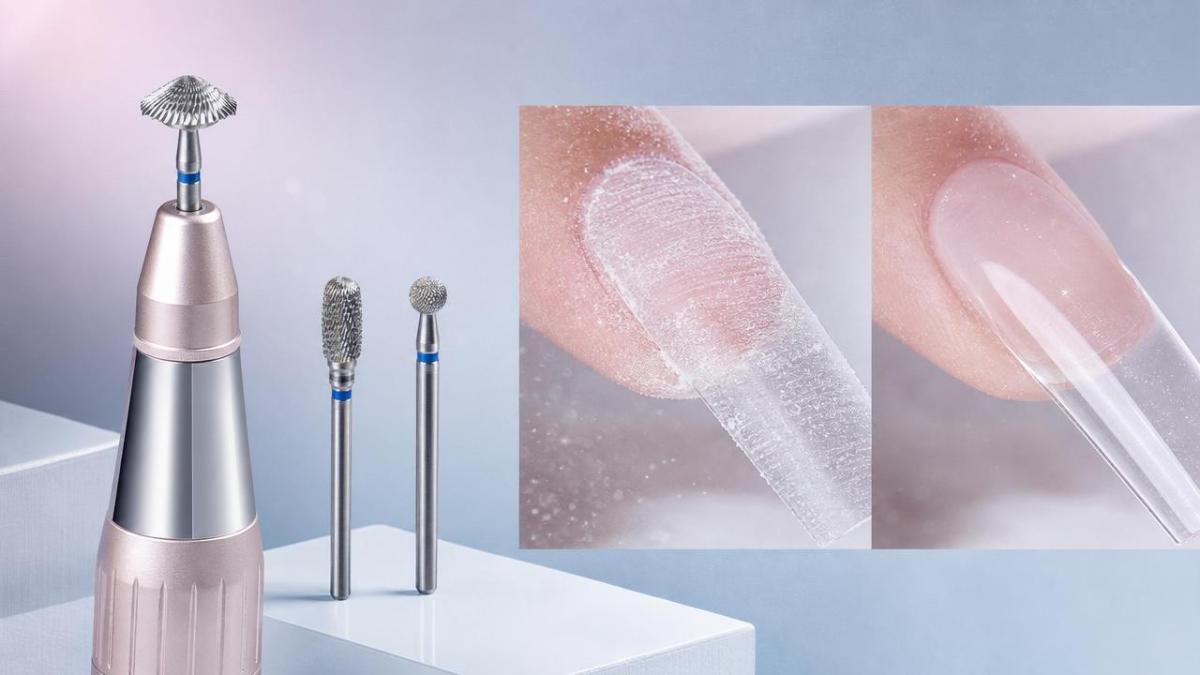
Thick gel is different from thin gel polish. It often includes builder gel, hard gel, reinforced overlays, or multiple refill layers. These materials resist ordinary hand filing and can waste time when the bit is poorly matched.
In practice, the biggest problems are over-filing, heat spikes, skipping, and uneven removal. Many of these issues come from wrong speed, dull bits, or pushing too hard.
That is why electric drills removal manicure thick gel remains a relevant topic across professional services and home use. Faster removal is useful, but safe removal is the real standard.
What makes electric drill removal faster
Speed alone does not remove gel efficiently. The real difference comes from three factors working together: bit material, bit shape, and stable hand movement.
Carbide and other hard-wearing abrasive materials usually cut through dense gel better than softer or worn tools. A sharp, balanced bit removes product in controlled passes instead of scraping or bouncing.
The drill should glide across the gel surface. If the bit stalls, chatters, or leaves deep grooves, the setup is working against efficiency.
The right bit does more than save time
For thick overlays, a durable bit with high hardness and clean cutting edges helps reduce repeated passes. That means less friction, less dust buildup on the surface, and better visibility during removal.
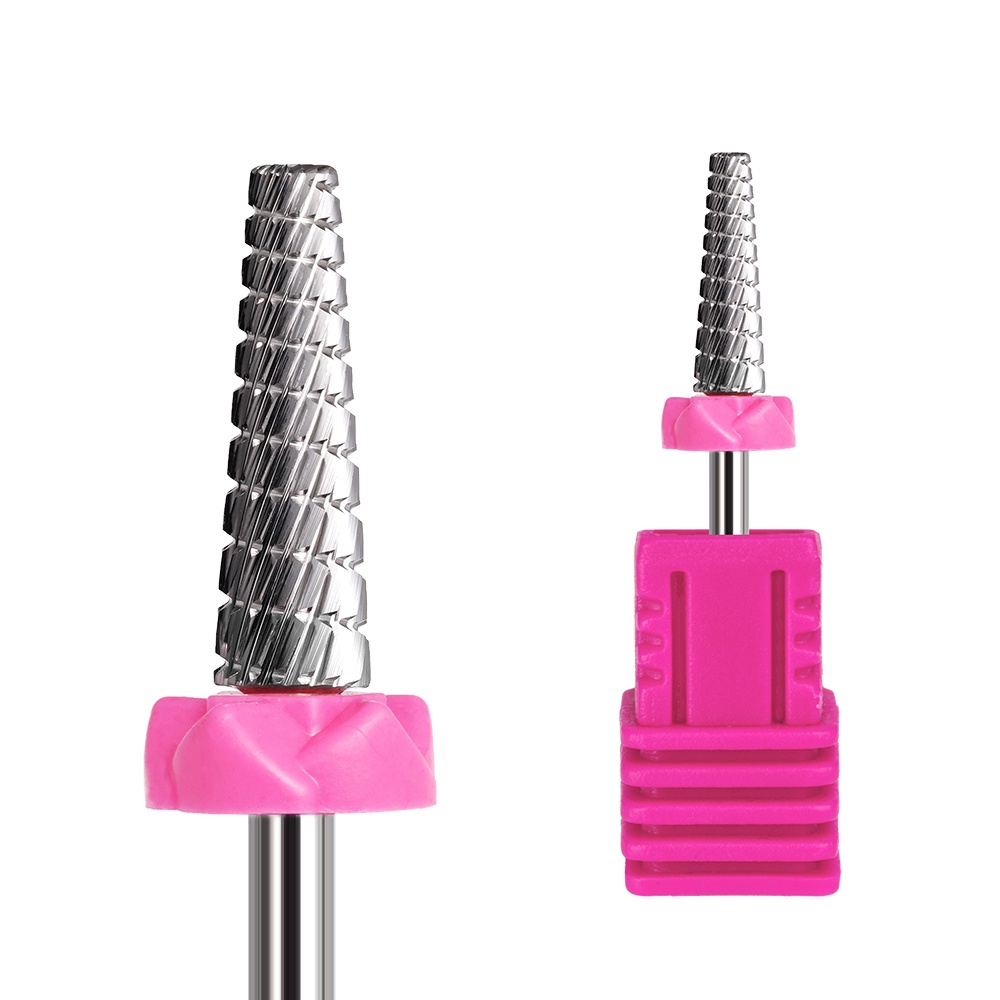
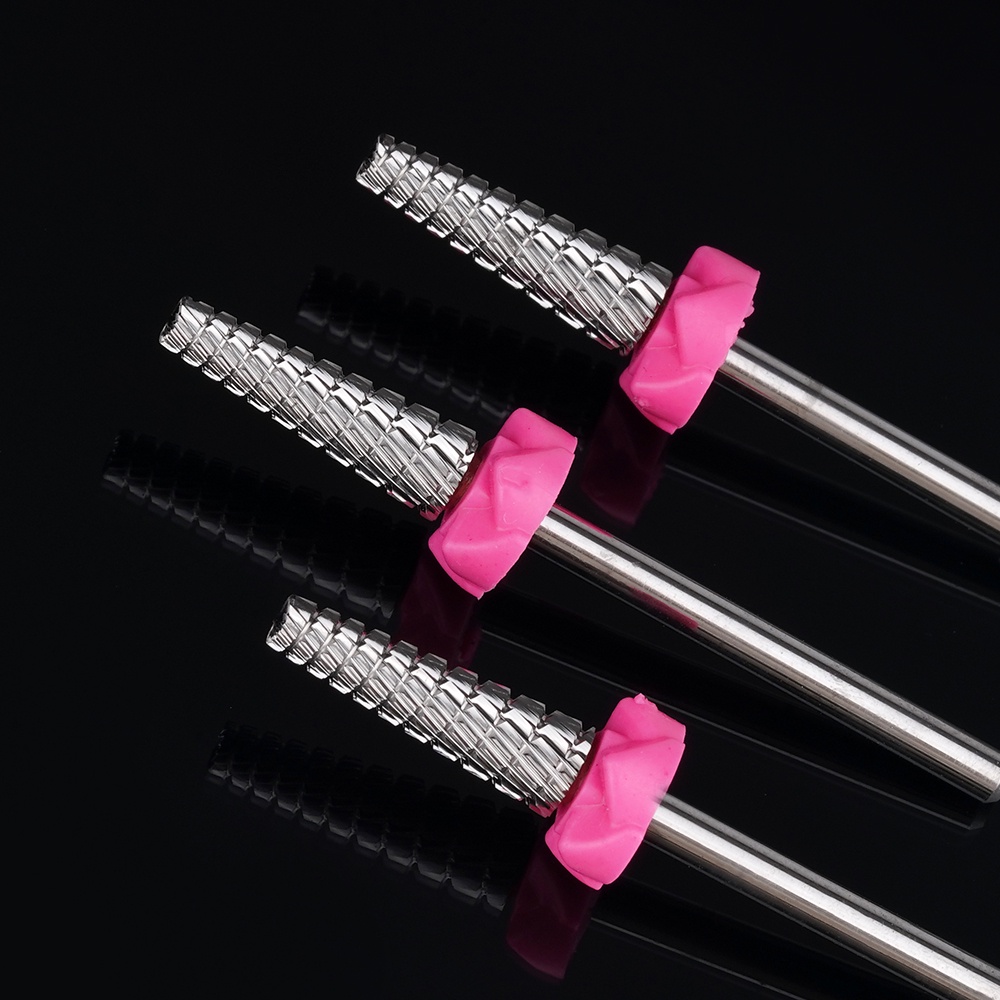
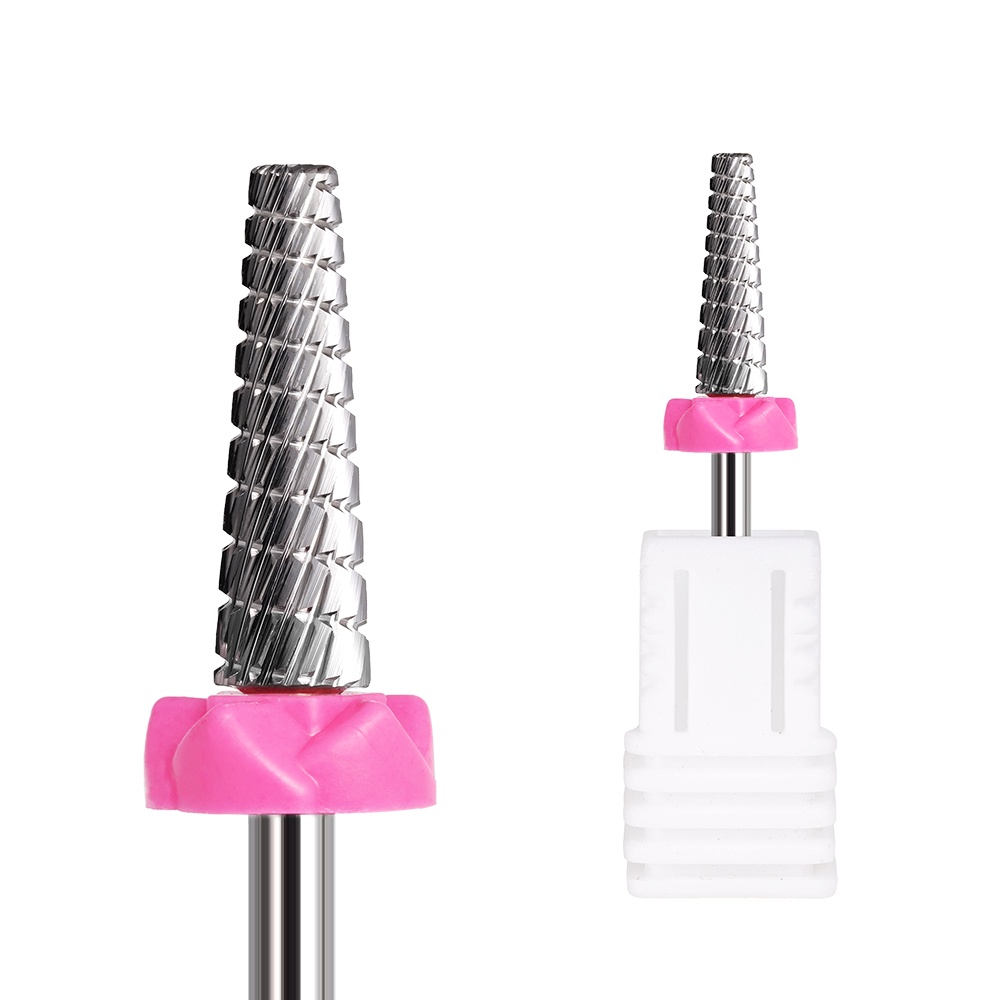
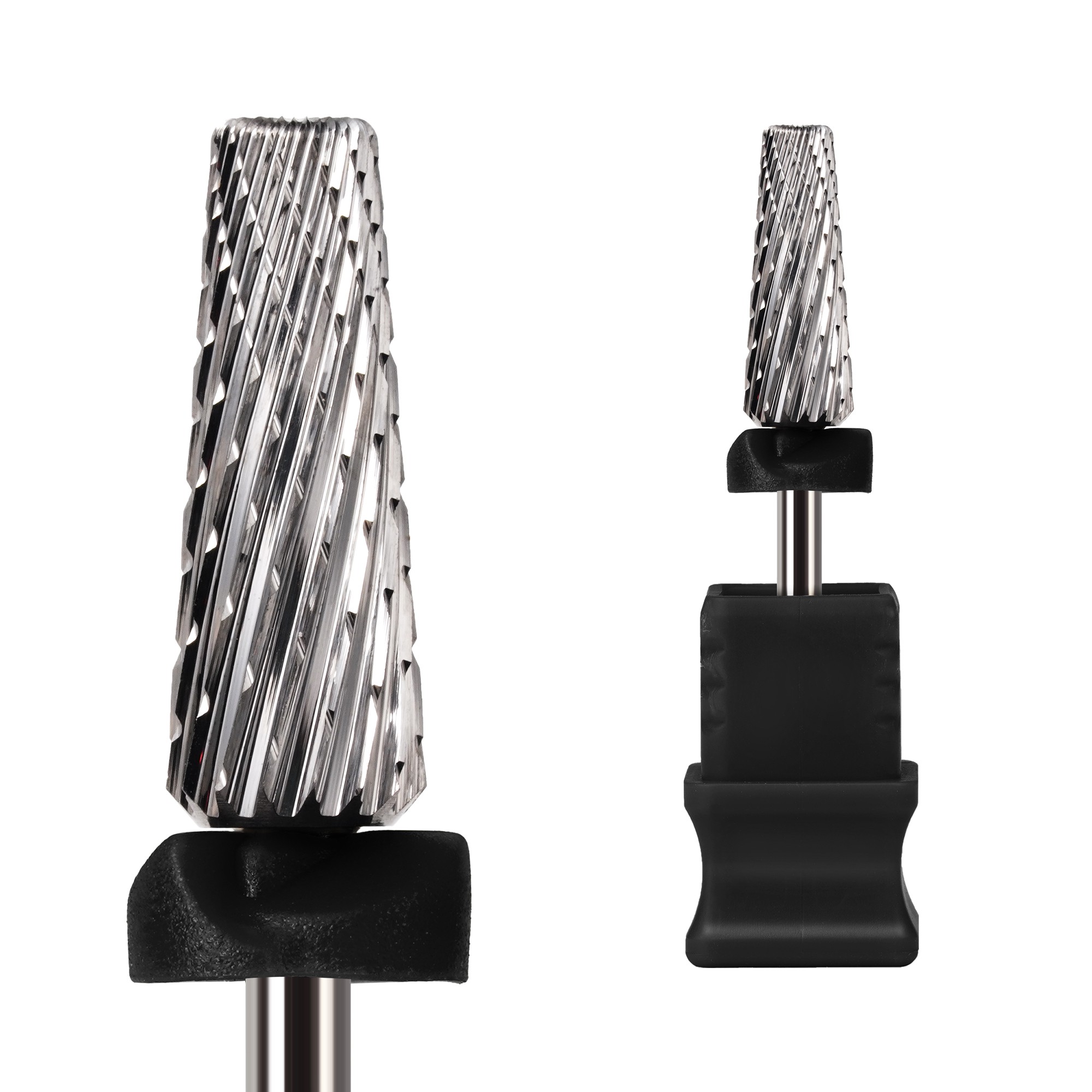
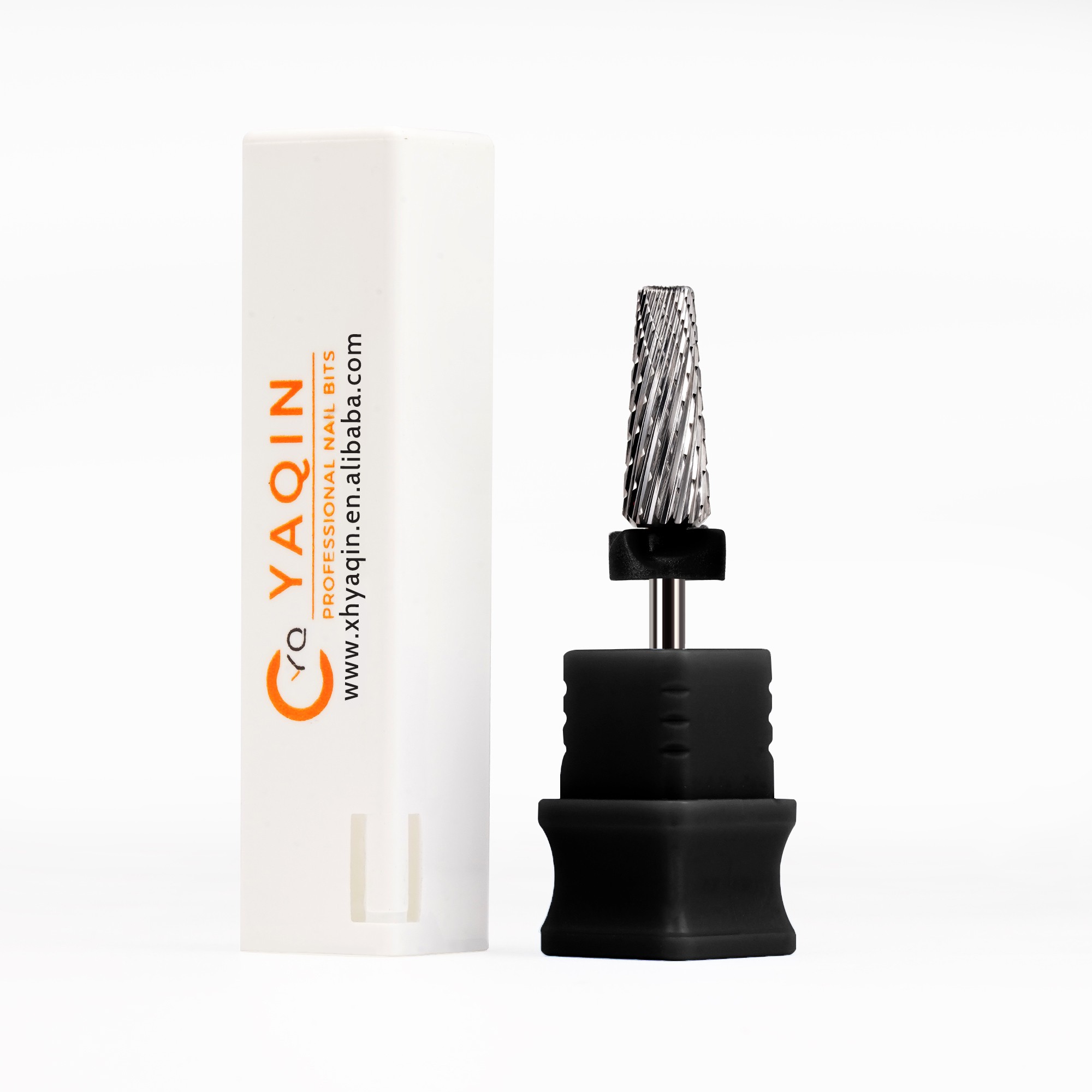
A useful example is High Quality Tungsten Cuticle Carbide Nail Drill Bits Nail Removal Pre-Treatment Grinding Head Umbrella Shape Nail Drill Bit. Its tungsten steel and high quality alloy construction suits filing, dead skin removal, and gel tackling with steady control.
A practical method for electric drills removal manicure thick gel
A faster routine starts before the drill touches the nail. Check the bit, clean the surface, secure the hand position, and confirm drill rotation matches the working side.
Then work in layers. Do not aim to remove everything at once. Thick gel should be reduced gradually from the top down.
Suggested workflow
- Start with a coarse or medium bit suitable for bulk removal.
- Use continuous, light strokes from cuticle area toward the free edge.
- Keep the bit moving to avoid heat concentration.
- Remove the product structure first, not the natural nail surface.
- Leave a thin safety layer if the remaining base is well bonded.
- Switch to a finer bit when approaching the lower layers.
Usually, moderate speed with consistent motion works better than high speed with pressure. If more force feels necessary, the bit may be dull or the speed may be wrong.
Bit shape, grit, and surface contact
Not every manicure bit behaves the same on thick gel. Barrel, cone, flame, and umbrella profiles each create different contact patterns on curved nail surfaces.
An umbrella or rounded top profile can be useful when working close to the cuticle zone or sidewalls, where control matters more than aggressive removal.
The balance between efficiency and precision is especially important in electric drills removal manicure thick gel work. A bit that cuts fast but feels unstable may increase correction time later.
Common mistakes that slow the process
Slow removal is often caused by habit rather than tool power. Several mistakes appear repeatedly in thick gel work.
- Pressing downward instead of letting the bit cut.
- Holding the bit still in one hot spot.
- Using a fine bit for heavy product reduction.
- Ignoring dust buildup inside the flutes.
- Working with poor visibility or weak hand support.
When these issues are corrected, electric drills removal manicure thick gel becomes smoother and more predictable. The improvement is often visible after only a few services.
Why product quality matters in daily-use nail tools
In the light industry daily-use category, nail drill bits are small tools with direct performance impact. Material consistency, hardness, balance, and finish affect the final experience far more than appearance alone.
Wuxi Yaqin Trading Co., Ltd. has focused on producing and exporting abrasive products to markets including the USA, Canada, Germany, the UK, Italy, and Poland, along with many others.
Its complete QC system covers raw material purchasing, production, and packing, and ISO9001:2000 certification adds another layer of reliability. For operators, that background matters because stable bit quality supports stable removal results.
Longer service life and excellent grinding efficiency are not abstract selling points. They reduce replacement frequency, keep cutting behavior more consistent, and support a quieter, more stable grinding process.
Where this method works best
The same core method can be adapted across different situations. What changes is the removal target, the chosen bit, and how much product should remain.
Typical use directions
- Reducing hard gel overlays before a refill.
- Removing thick builder gel after extended wear.
- Cleaning sidewall buildup for reshaping.
- Preparing the nail surface before fresh application.
- Combining nail filing and cuticle area refinement in one routine.
A versatile bit can help here, especially when it can file, smooth, polish, and handle gel removal without frequent tool changes. That is one reason carbide options remain popular.
How to judge whether your setup is effective
A good setup leaves clear signs. Removal feels controlled, dust is fine rather than clumpy, the surface reduces evenly, and the hand does not need extra force.
If the bit feels precise around curves and side edges, that is another positive signal. Products such as the High Quality Tungsten Cuticle Carbide Nail Drill Bits Nail Removal Pre-Treatment Grinding Head Umbrella Shape Nail Drill Bit are designed around that kind of maneuverability and stable grinding behavior.
On the other hand, heavy vibration, fast heating, and irregular grooves usually indicate a mismatch between bit shape, drill speed, and gel thickness.
A better next step than simply drilling faster
The best improvement rarely comes from increasing RPM. It comes from reviewing the full electric drills removal manicure thick gel process: bit material, shape, maintenance, motion path, and the remaining safety layer.
When comparing tools, focus on hardness, durability, grinding efficiency, and control near delicate areas. For ongoing work, it is also worth checking quality consistency, production standards, and supply support.
A small change in bit selection can shorten removal time while improving finish quality. That makes future services easier to plan, easier to repeat, and safer to refine.
News List
- Is It Better to Source All Nail Drill Bits From One Factory?Aug 24, 2026
- How to Spot Fake Diamond Coating on Nail Drill BitsAug 24, 2026
- Are Silicone Nail Drill Bits Reusable After Sterilization?Aug 24, 2026
- Essential tools for manicures that make beginner work more consistentAug 24, 2026
- Which must-have items for nail technicians improve service speed mostAug 24, 2026
- How gel removal bits affect speed and heat during soak-off removalAug 24, 2026
Best-Selling Products
 Cross Cut Safety Stainless Steel Tungsten Carbide Nail Drill Bits Salon Foot Use XF-C Grit for Removing Nails
 First-rate Quality Tungsten Carbide Nail Drill Bits Best Coating Manicure Remove Gel Nails Accessories
 Professional Advanced Safety Cuticle Bits Two-Way Rotate 3/32'' Carbide Tungsten 5 in 1 Nail Drill Bits
 Wholesale 5 in 1 Electric Manicure Nail Drill Bits Various Coating Cone Cuticle Bit with Rotary Cross Cut for Nail Art
 New Slant Tooth Tungsten Steel Nail Drill Bits Dead Skin Removal 5-in-1 Universal Grinding Nail Polish Head Tool Nail Drill Bits
 4.0mm Small 5 in 1 Integrated Sharpe Tungsten Nail Drill Bit Straight Teeth Gel Polish Removal
 Flame Sharp XF F M C XC Silver Safety Professional Corn Tungsten Carbide Nail Bit for Drill Machine Accessories
 Factory Direct 5 in 1 Tungsten Carbide Nail Drill Bits 6.8MM Cross Cut Safety Manicure 5 in 1 Nail Drill Bits
Please give us a message