
When wholesale nail drill bit pricing starts to save salons money
When wholesale nail drill bit pricing starts to save salons money
It usually starts with a small frustration rather than a big purchasing project. A salon goes through drill bits faster than expected, replacement orders become more frequent, and the monthly spend on tools feels inconsistent. At the same time, technicians do not want to compromise on smooth removal, client comfort, or sanitation routines. When that happens, the question is no longer “Where can we buy cheaper bits?” but “At what point does Wholesale Nail Drill Bit pricing actually lower total operating cost?”
That distinction matters. Buying in bulk can save money, but only when the bits perform consistently enough to reduce waste, downtime, and unnecessary reordering. If quality varies from batch to batch, the lower unit price may be offset by early wear, extra dust, poor cutting performance, or technician complaints. Many purchasing decisions in this category go wrong because the comparison stops at piece price instead of daily use conditions.
When the unit price stops being the real issue
In many salons, drill bits are treated as a routine supply item. They are small, easy to reorder, and often purchased reactively when stock runs low. That works for a while, especially in a single location with moderate demand. But once usage becomes predictable, the hidden costs become easier to notice.
One common situation is inconsistent replacement timing. Some bits last well; others seem to dull too quickly. Another is that technicians start favoring only certain pieces because they feel safer, cleaner, or more precise. Then there is the operational side: too many small orders, scattered SKUs, uncertain inventory, and no clear standard for when a bit should be retired. In that environment, switching to Wholesale Nail Drill Bit purchasing can save money, but only after a few practical questions are answered.
The first question is whether demand is stable enough to justify larger-volume ordering. If usage changes wildly from month to month, bulk buying may just tie cash up in stock. The second is whether the selected bit type can serve multiple common services without forcing technicians to switch tools too often. The third is whether the supplier can maintain the same material, shape accuracy, and packing quality across repeated orders.
The mistake many buyers make when comparing suppliers
A frequent mistake is comparing only catalog price and not the cost of use. For nail drill bits, cost of use includes lifespan, service compatibility, handling comfort, and even cleanup efficiency. A bit that removes product quickly but throws dust unevenly may create extra mess around the workstation. A bit that looks sharp at arrival but loses cutting consistency early can slow prep and removal. A bit with weak finishing quality may increase the risk of rough contact, making technicians less willing to use it for regular work.
This is why a lower quote does not automatically mean a better purchasing decision. If the tool is used daily in gel removal, prep, surface refining, or callus work, durability becomes part of the financial calculation. So does the ability to standardize around one or two reliable models rather than stocking too many specialty pieces with overlapping functions.
In practical terms, wholesale pricing starts to make sense when the bit itself supports repeatable use, and when the order process becomes simpler rather than more complicated. Stable supply is part of cost control. So is reducing trial-and-error purchasing.
A more useful way to judge buying readiness
Instead of asking whether your order volume is “big enough,” it helps to look at a few operating signals.
If your team already knows which bit profiles they reach for most often, you are closer to a smart wholesale purchase than a salon still experimenting with every shape on the market. If replacement cycles are becoming predictable, you can estimate replenishment more confidently. If hygiene handling and storage are already standardized, then bulk purchasing becomes less risky because stock is less likely to be damaged, mixed, or wasted before use.
Another good sign is when service demand has narrowed your preferred tool set. Many salons eventually realize that a small number of reliable bits can handle most routine work better than a large assortment of inconsistent options. That is often the point where Wholesale Nail Drill Bit sourcing begins to support margins, not just reduce invoice price.
Why multi-function bits often change the math
One reason bulk pricing works better for some buyers than others is tool consolidation. If one bit can handle several common tasks safely and efficiently, inventory becomes easier to manage. Fewer SKUs usually means clearer reordering, less confusion at the workstation, and better internal standardization.
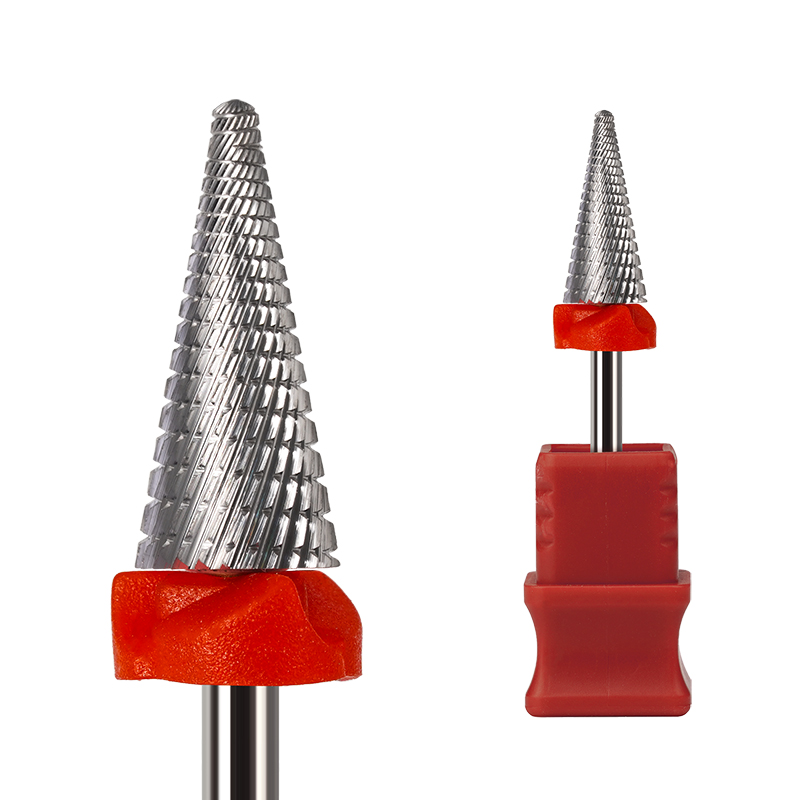
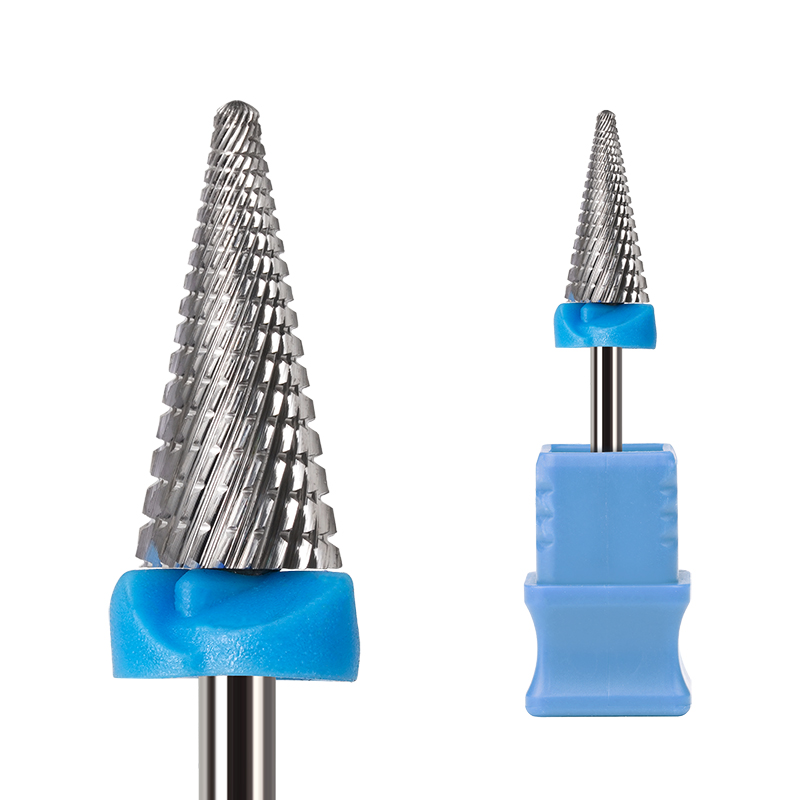
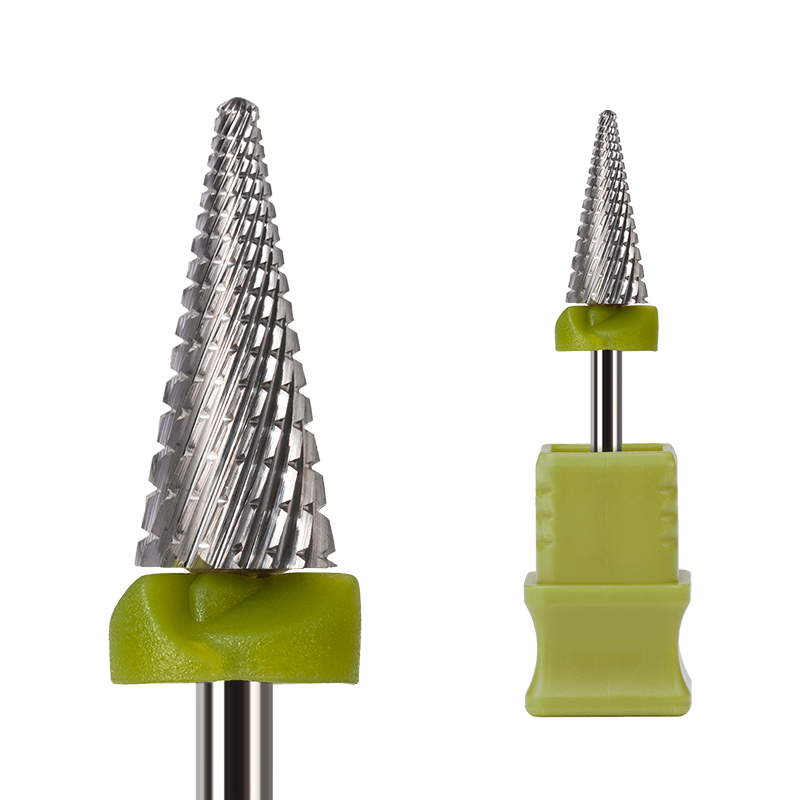
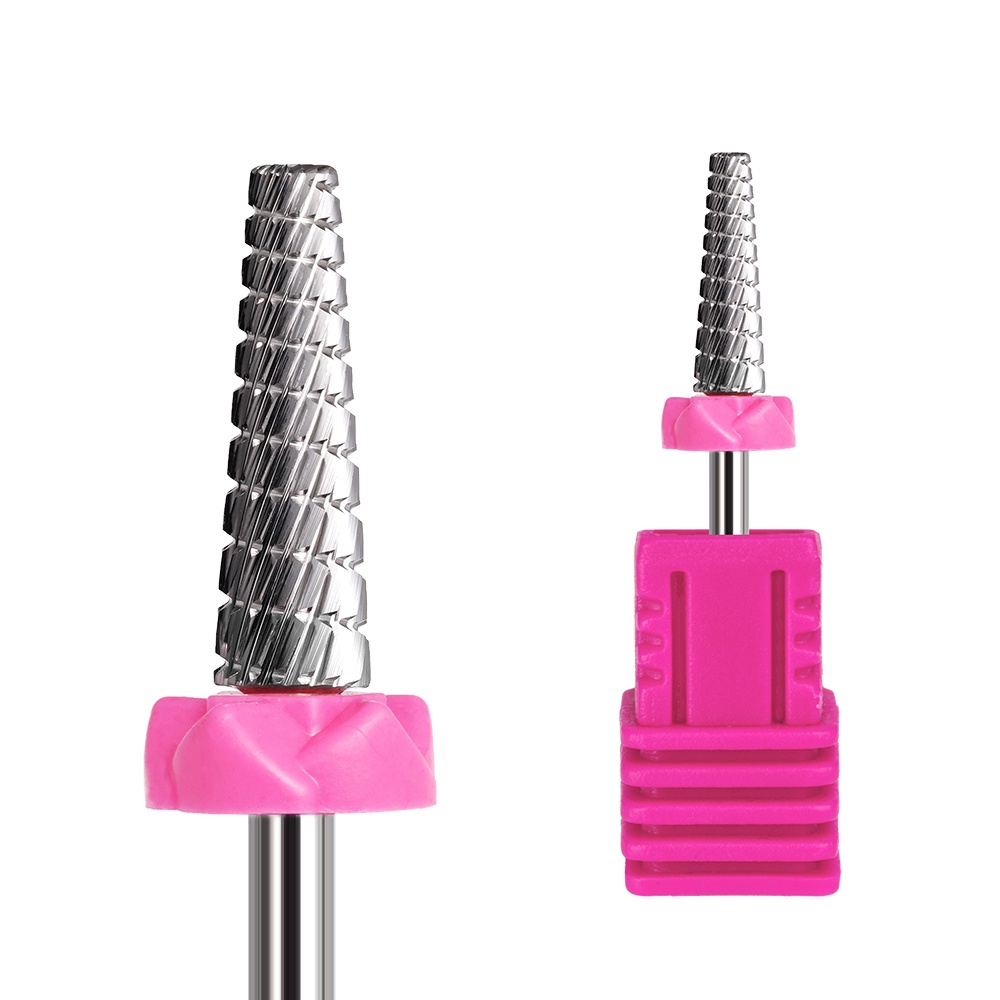
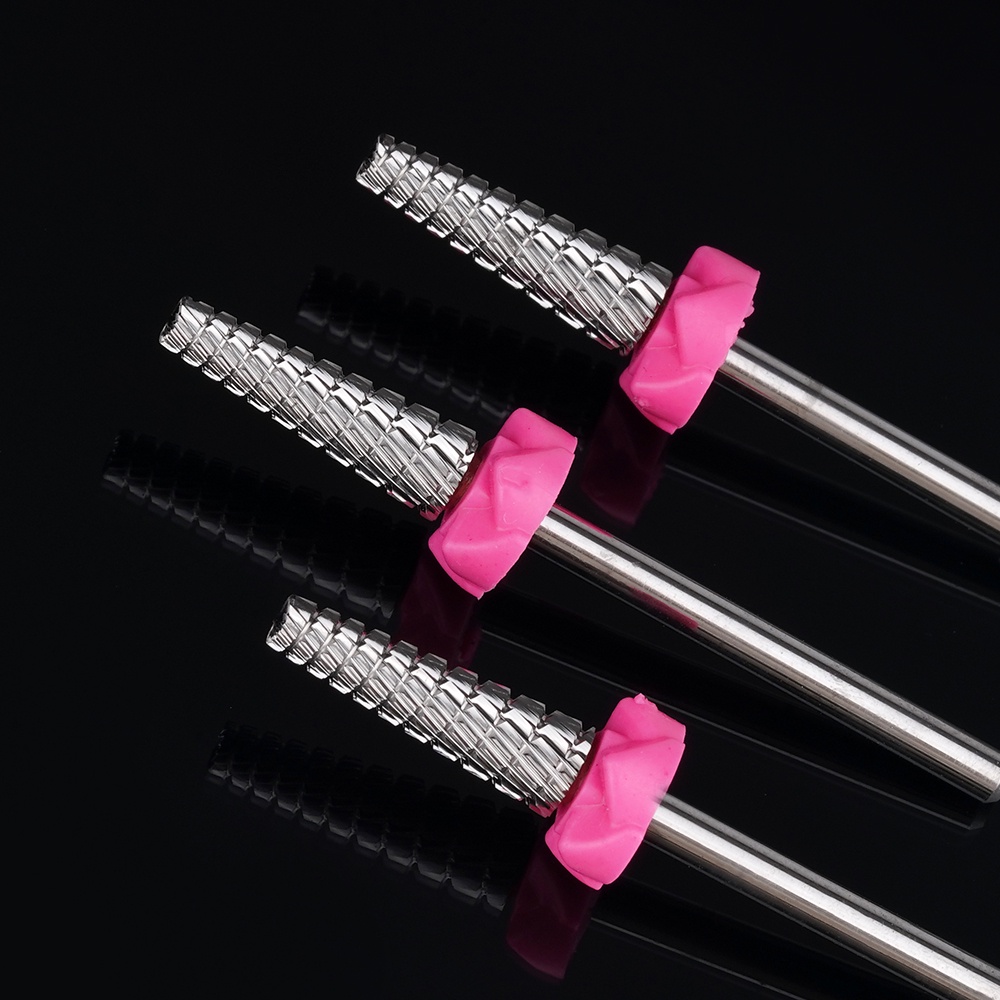
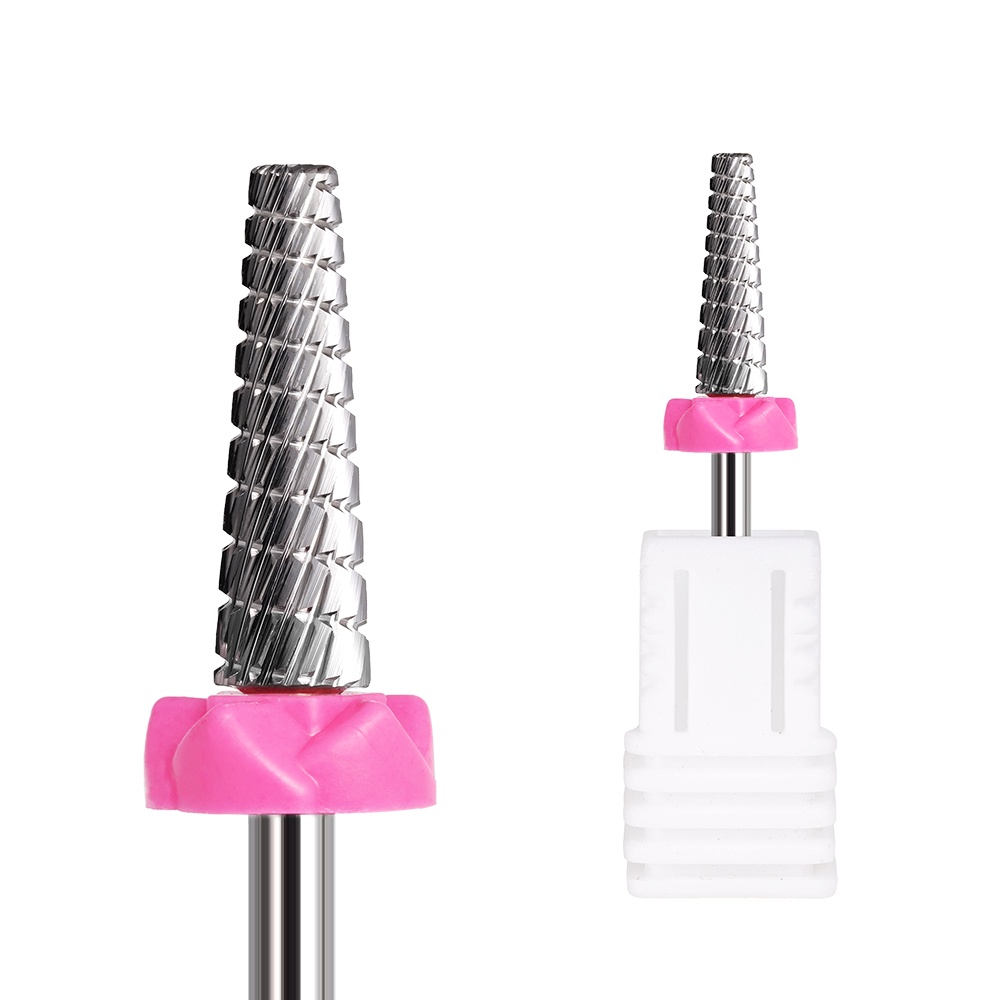
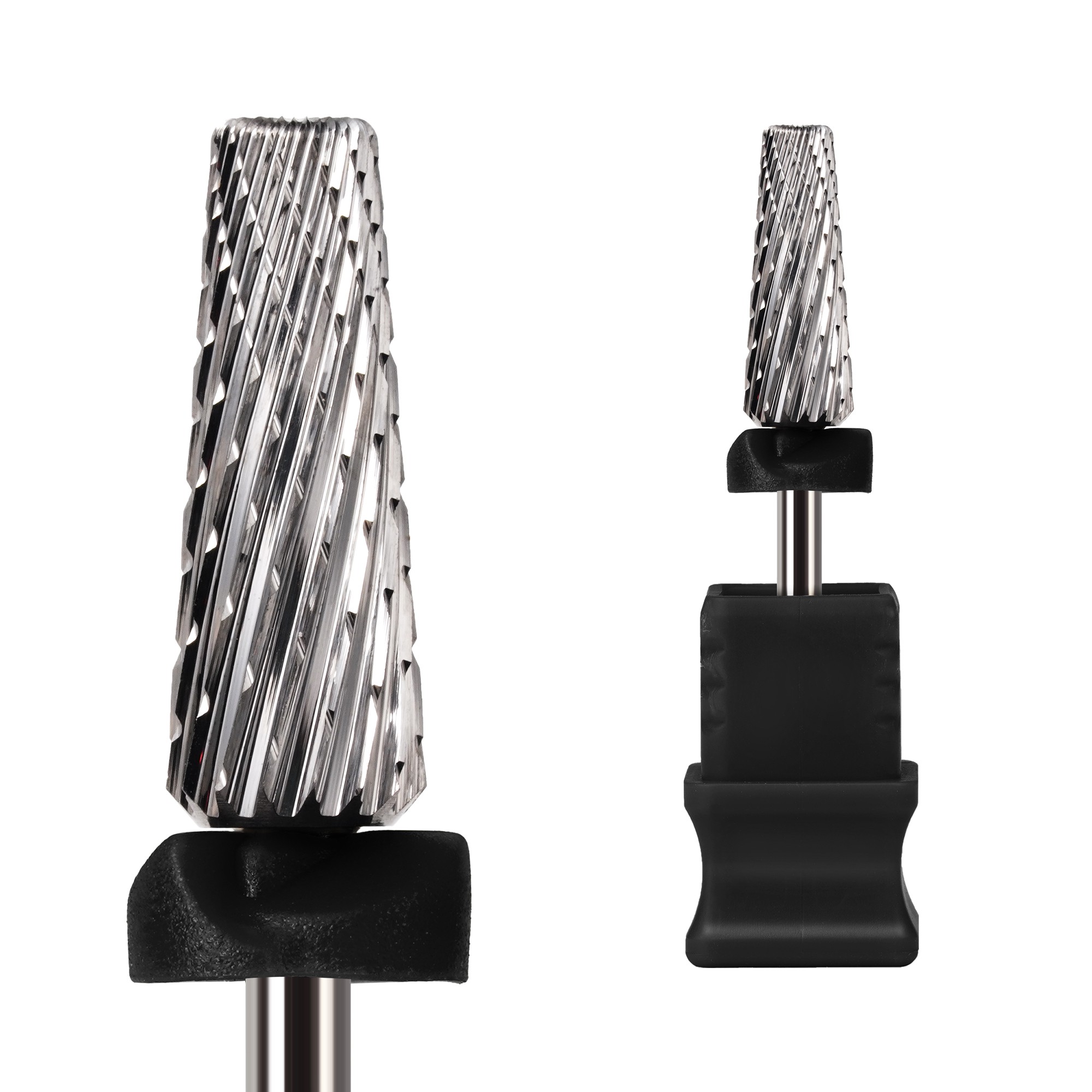
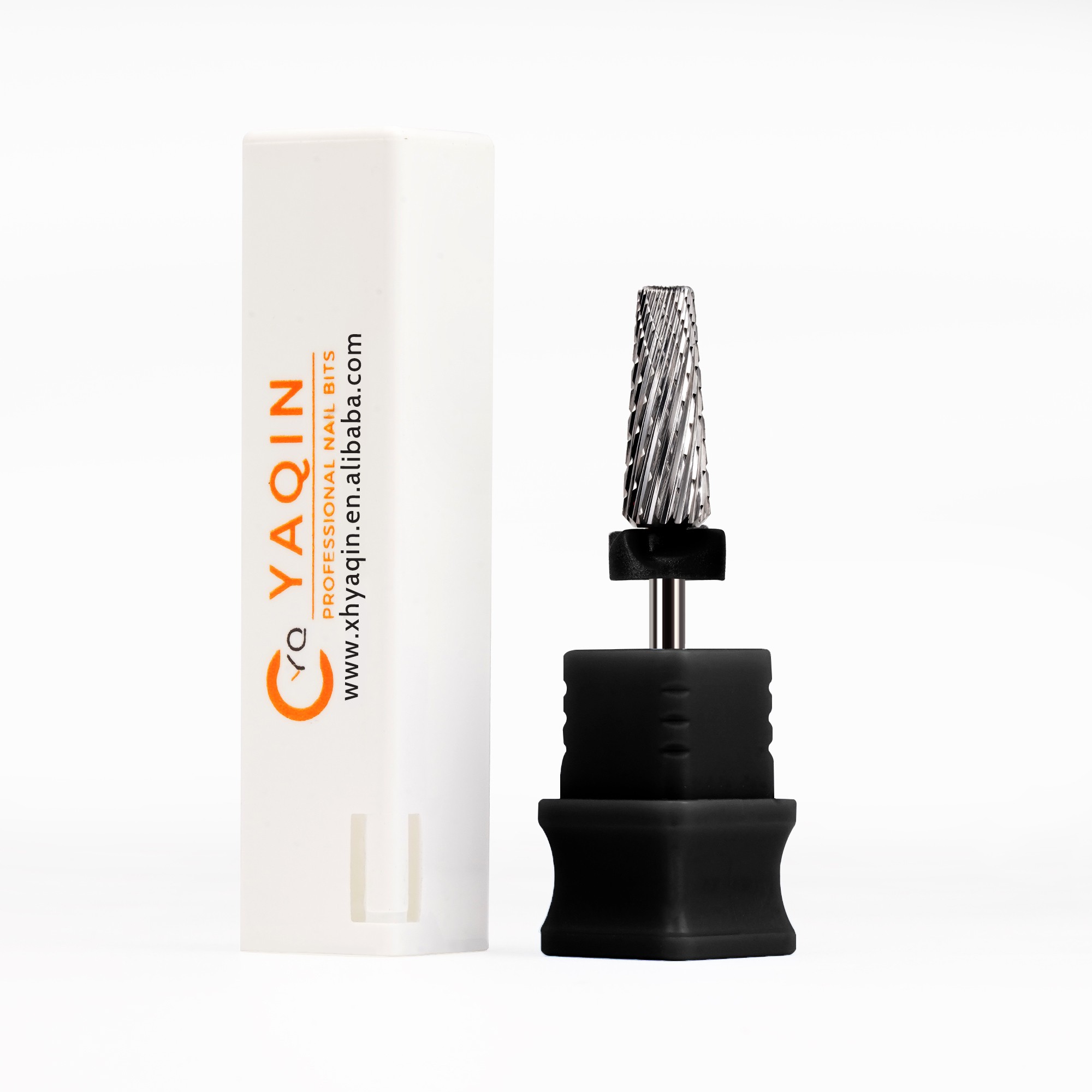
That is where certain professional-grade carbide styles become relevant. For example, a product such as 5 in 1 Nail Drill Bits Two-way Carbide Stainless Steel Professional Podiatry Chiropody Pedicure Manicure Drill Bit fits into purchasing discussions not because it sounds impressive, but because its use range is broad enough to matter operationally. A bit built from tungsten steel and carbide stainless steel, with high hardness and long-term wear resistance, is easier to evaluate as a working tool rather than as a low-cost consumable.
In everyday salon use, the practical value is simple: one bit that supports nail preparation, efficient nail polish removal, hard gel and soft gel removal, and work on tougher surfaces can reduce the need to overstock several narrowly used alternatives. If the design also helps maintain sharpness, supports consistent dust ejection, and is shaped to reduce accidental skin contact, the savings may show up in smoother workflow as much as in purchasing cost.
That does not mean every salon should replace its full bit range with one style. It means a multi-function bit is worth considering when you are trying to build a smaller, more dependable core inventory for repeat ordering.
How buyers usually verify whether wholesale pricing will really help
The most careful approach is not complicated, but it does require discipline. Start by identifying the bit types used most often across actual services, not just the ones that appear most often on purchase records. Those two are not always the same. Sometimes a bit is ordered frequently because it wears out too quickly, not because it is the best fit.
Next, separate essential performance requirements from preferences. Essential factors usually include cutting consistency, material durability, compatibility with daily cleaning routines, and safe handling during repetitive work. Preferences may include a specific surface feel, flute style, or shape familiarity. Both matter, but they should not carry equal weight in procurement.
Then review whether a supplier can support repeatability. For purchasing teams, consistency is often more valuable than chasing the absolute lowest quote. This includes material control, production discipline, packaging quality, and the ability to support OEM or ODM requests when a salon group or distributor wants a more standardized supply arrangement. Export experience also matters when the goal is fewer delays and clearer delivery expectations, especially for buyers sourcing across regions.
After that, compare order structure rather than only line-item price. A slightly higher unit cost can still produce lower total spend if it reduces emergency reorders, cuts the number of low-volume shipments, and lowers the share of unusable or underperforming stock.
Signs a salon is buying too early—or too late
Buying too early usually looks like this: no clear preferred bit profile, no stable monthly consumption pattern, and too many service variations to know what should be stocked in depth. In that stage, wholesale pricing may look attractive but lead to shelf-heavy inventory and weak rotation.
Buying too late looks different. The salon has stable demand, technicians repeatedly ask for the same few bit styles, and reordering is already frequent enough to interrupt purchasing efficiency. Small-lot buying continues only because “that’s how it has always been done.” When that happens, the business often keeps paying a premium for flexibility it no longer needs.
There is also a middle stage where a partial shift works well. Instead of moving every bit category into bulk ordering, buyers can standardize only the highest-rotation items first. This keeps inventory manageable while testing supplier reliability over multiple cycles.
Operational details that affect cost more than expected
A surprising amount of money is lost through poor matching between tool choice and actual use. If a bit intended for efficient gel removal is being used for surface work it was not selected for, wear can become harder to predict. If staff rotate between too many shapes with similar purposes, stock planning becomes messy. If cleaning and storage practices are uneven, even a durable bit will not deliver consistent service life.
It is also worth paying attention to dust management and machine compatibility. Bits designed for smoother dust ejection and stable use in dust-prone, wet, or frequently cleaned environments can reduce side effects that are easy to ignore during purchasing. Less splatter, easier cleanup, and reduced dust buildup around the grinder may not show on an invoice, but they still affect labor time and tool maintenance.
That is one reason some buyers prefer professional-use designs that support faster and safer removal without damaging the natural nail during proper use. The tool does not need to promise miracles; it only needs to perform predictably in the conditions technicians actually work in.
Choosing a supplier without turning it into a gamble
Most procurement problems in this category are not caused by one bad order. They come from weak standards before ordering. A better process is to ask specific, use-based questions: Are the materials suitable for repeated professional use? Is the finish consistent enough for precision work? Can the supplier handle repeat orders with stable specifications? Is there a clear quality control approach from raw material through packing? Can they support branded or customized requirements if the purchase program expands later?
These questions matter more than broad marketing claims. When a supplier has experience supporting international shipments and organized production-to-delivery coordination, buyers usually spend less time fixing avoidable supply issues. That does not eliminate risk, but it does make recurring orders easier to manage.
For salons, distributors, and import-focused buyers, that predictability is often where the real savings begin. Wholesale Nail Drill Bit purchasing becomes financially useful when it reduces friction across the entire buying cycle: selection, ordering, receiving, usage, and replenishment.
Where the savings usually start
The turning point is rarely a single order quantity. It is the moment when your usage pattern, service mix, and supplier standards align well enough that bulk purchasing stops being a price experiment and starts becoming a controlled routine.
If your operation is already relying on a narrow group of trusted bit types, if quality inconsistency has become more expensive than expected, and if reordering has turned into repetitive administrative work, then wholesale pricing may already be the more economical path. In those conditions, choosing durable, multi-use options such as 5 in 1 Nail Drill Bits Two-way Carbide Stainless Steel Professional Podiatry Chiropody Pedicure Manicure Drill Bit can support that transition by simplifying stock decisions rather than expanding them.
The real goal is not to buy more. It is to buy with fewer surprises. Once that becomes possible, cost savings tend to follow for practical reasons, not just accounting ones.
News List
- Preventing Gouges and Uneven Filing With Small Barrel Nail Drill BitsSep 20, 2026
- How Diameter and Grit Affect Small Barrel Nail Drill Bit PerformanceSep 20, 2026
- Can Hytos Nail Drill Bits Be Used Safely on Natural Nails and Gel Polish?Sep 20, 2026
- How to Verify Fit Between Hytos Nail Drill Bits and an E-File HandpieceSep 20, 2026
- Safe Speed Settings for Umbrella Nail Drill Bits Around the Nail FoldSep 20, 2026
- Umbrella vs Flame Nail Drill Bits: Which Shape Offers Better Cuticle Control?Sep 20, 2026
Best-Selling Products
 Cross Cut Safety Stainless Steel Tungsten Carbide Nail Drill Bits Salon Foot Use XF-C Grit for Removing Nails
 First-rate Quality Tungsten Carbide Nail Drill Bits Best Coating Manicure Remove Gel Nails Accessories
 Professional Advanced Safety Cuticle Bits Two-Way Rotate 3/32'' Carbide Tungsten 5 in 1 Nail Drill Bits
 Wholesale 5 in 1 Electric Manicure Nail Drill Bits Various Coating Cone Cuticle Bit with Rotary Cross Cut for Nail Art
 New Slant Tooth Tungsten Steel Nail Drill Bits Dead Skin Removal 5-in-1 Universal Grinding Nail Polish Head Tool Nail Drill Bits
 4.0mm Small 5 in 1 Integrated Sharpe Tungsten Nail Drill Bit Straight Teeth Gel Polish Removal
 Flame Sharp XF F M C XC Silver Safety Professional Corn Tungsten Carbide Nail Bit for Drill Machine Accessories
 Factory Direct 5 in 1 Tungsten Carbide Nail Drill Bits 6.8MM Cross Cut Safety Manicure 5 in 1 Nail Drill Bits
Please give us a message