
How to compare wholesale electric nail file options for salon use
How to compare wholesale electric nail file options for salon use
If you are comparing a Wholesale electric nail file for salon use, price should be one of the last filters, not the first. In real salon work, the bigger question is whether the machine can stay stable under daily load, keep vibration low enough for precise control, and work smoothly with the bits your technicians actually use. A model that looks competitive on paper can still become expensive if it causes hand fatigue, uneven removal, frequent overheating, or hard-to-source replacement parts.
For technical evaluation, the most useful approach is simple: judge the machine as a working system, not as a single motor unit. That means looking at torque behavior, speed consistency, handle comfort, dust management, compatibility with standard bits, and the supplier’s ability to support repeat orders and quality consistency.
Start with the salon workload, not the catalog
A lot of comparison mistakes happen before specs are even reviewed. Buyers often compare several machines side by side without first defining the actual salon environment. A file intended for occasional manicure stations is not the same as one expected to run through back-to-back gel removal, prep work, cuticle cleanup, and surface refinement all day.
In practice, you need to clarify four things first:
- How many hours per day the device is expected to run
- Whether the main work is removal, prep, shaping, or mixed service
- What skill level the technicians have
- Whether the salon values low noise and comfort as strongly as removal speed
If the workload is light, many mid-range options may be acceptable. If the unit will be used continuously in a professional salon, stability matters far more than peak RPM claims.
A short answer, if you need one: the best salon option is usually the one with steady torque at usable speeds, low vibration in the handpiece, good bit compatibility, and reliable supplier support for repeat orders and spare parts.
What really matters when comparing Wholesale electric nail file options
RPM is the most visible specification, but it is often overvalued. High speed alone does not tell you how the machine behaves when pressure is applied. For salon work, consistent output at normal working speeds matters more than an impressive maximum number.
When reviewing options, pay closer attention to these points.
1. Motor stability under load
A salon machine should not noticeably slow down when removing gel, smoothing overlays, or handling tougher surface work. If speed drops too easily, technicians compensate by pressing harder. That creates more heat, more fatigue, and a higher risk of over-filing.
Ask suppliers how the machine performs under continuous use, not only at no-load speed. If samples are available, test them during actual gel removal rather than on idle rotation.
2. Vibration and handpiece balance
This is one of the most overlooked factors in procurement. Even a reasonably powerful electric nail file becomes difficult to use if the handpiece vibrates too much. Excess vibration affects line control, technician comfort, and client experience. It also tends to expose weaker internal assembly quality over time.
Technical evaluators should check whether vibration increases at mid-range speeds, because that is where many salon tasks happen. A machine that feels acceptable at very low speed and unstable at working speed is not a good professional choice.
3. Heat management
Heat comes from both the machine and the bit. If the handpiece warms up quickly during normal operation, long sessions become uncomfortable. If the bit system creates excess friction, removal may feel aggressive even when the operator is experienced.
This is why machine evaluation and bit evaluation should happen together. A strong handpiece paired with a poor-quality bit can still deliver poor results.
4. Noise level
Noise is not only a comfort issue. In salons, persistent high-pitched noise can signal poor internal balance or weak bearing quality. It also affects how premium the service environment feels. If a supplier cannot provide a sample, ask for detailed operation videos under working conditions rather than silent product clips.
Do not evaluate the machine separately from the drill bits
Many teams compare only the power unit and forget that cutting efficiency, dust direction, safety, and finish quality depend heavily on the bit. A well-matched bit can make a moderate machine perform better in real work than a stronger unit with the wrong accessory.
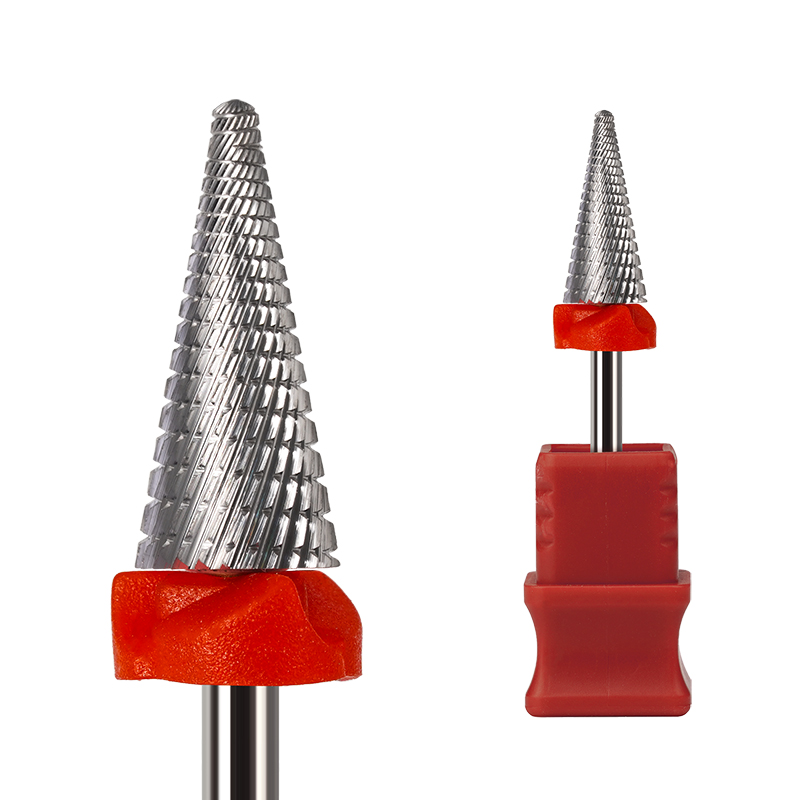
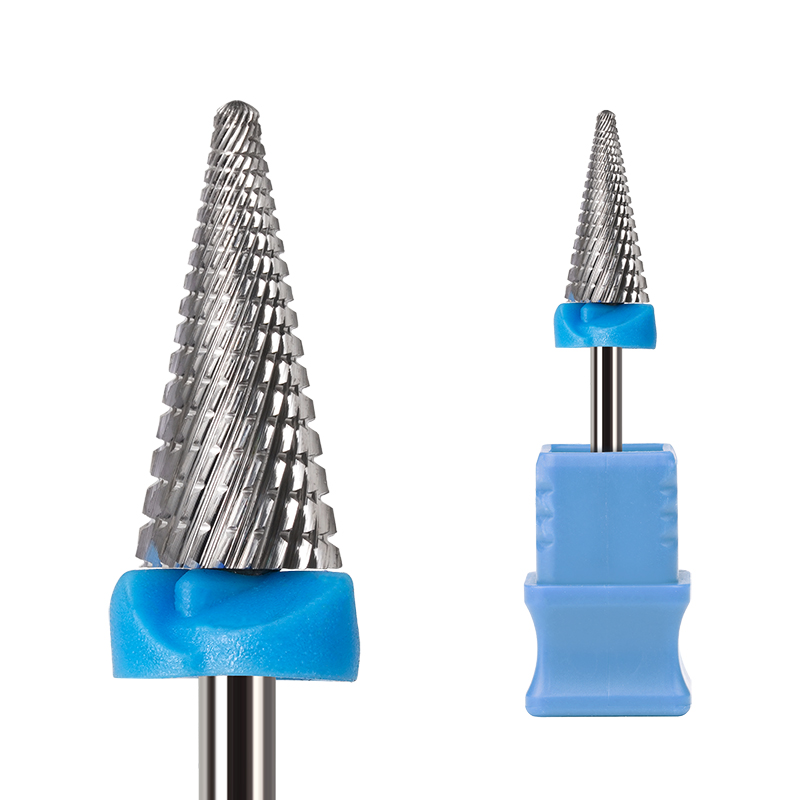
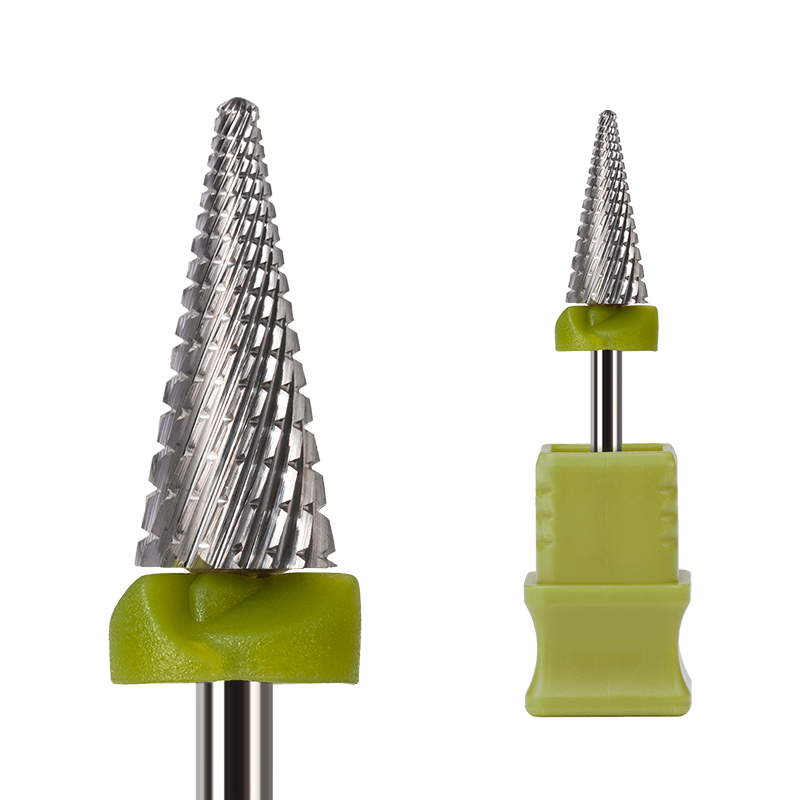
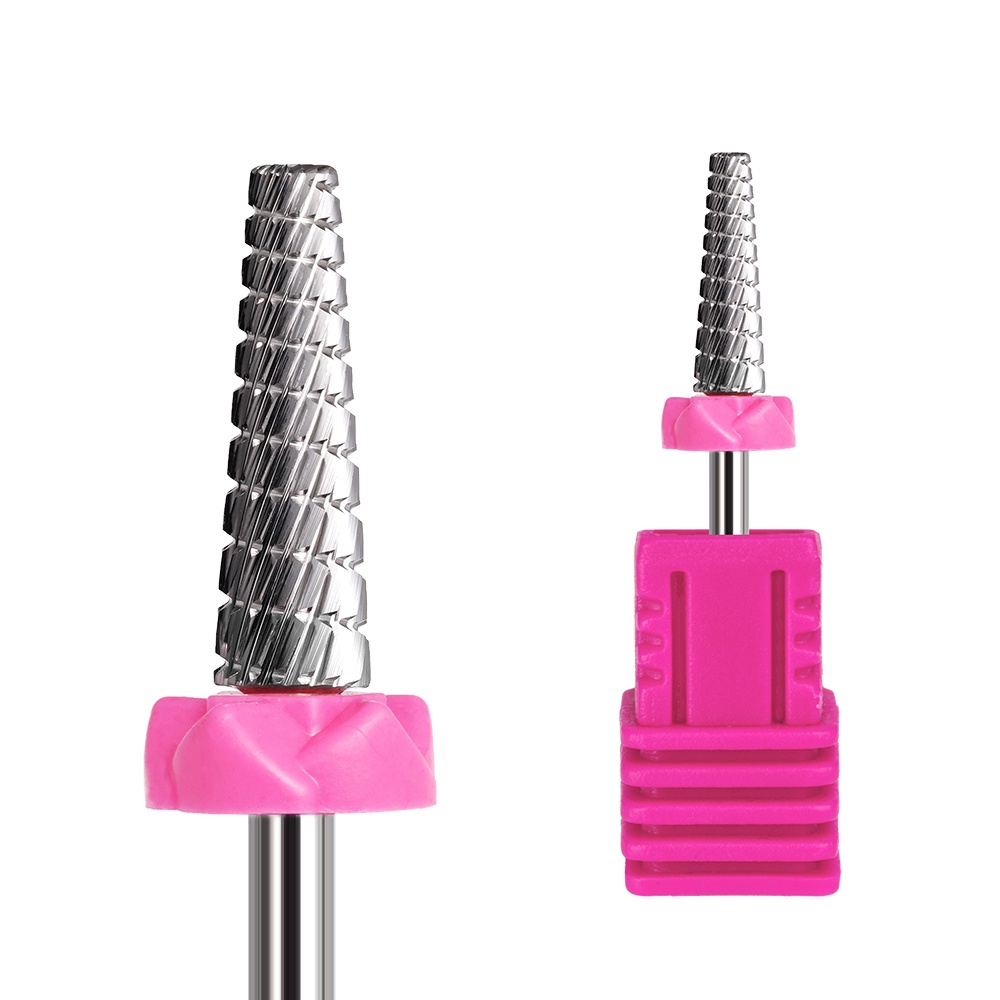
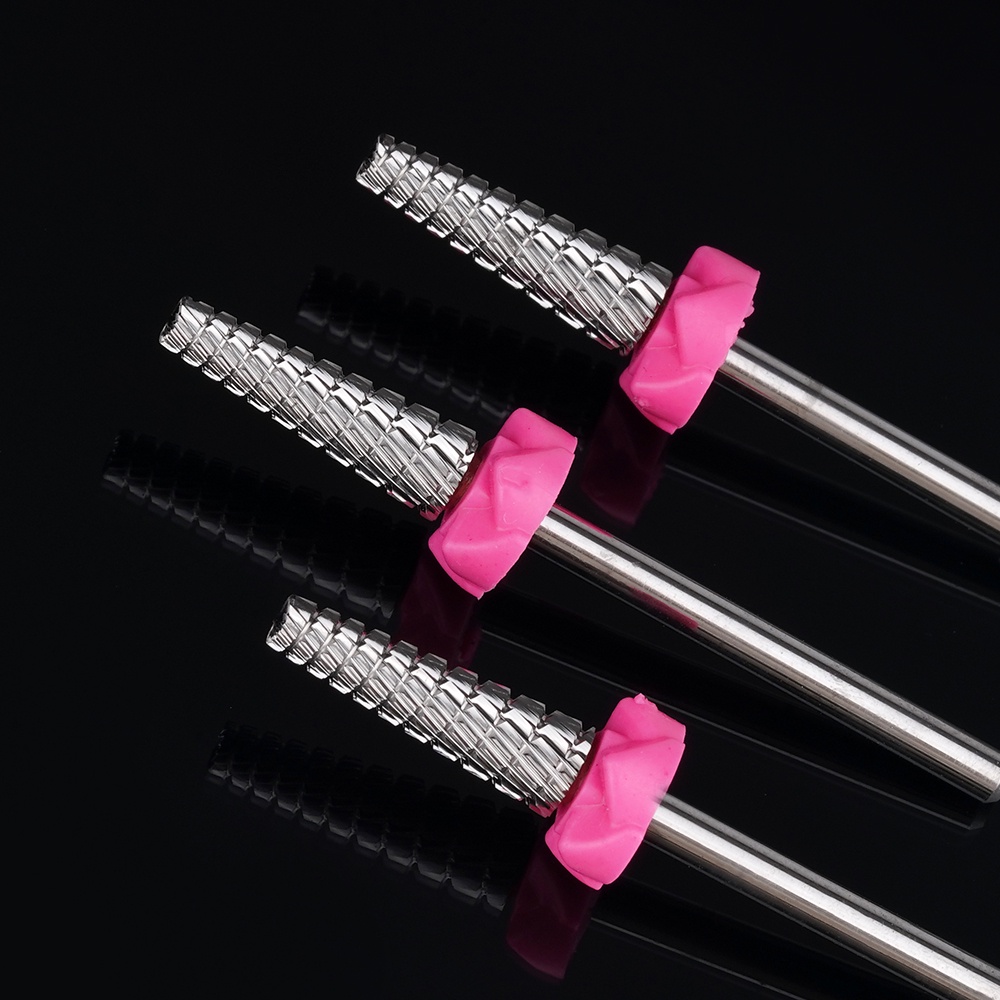
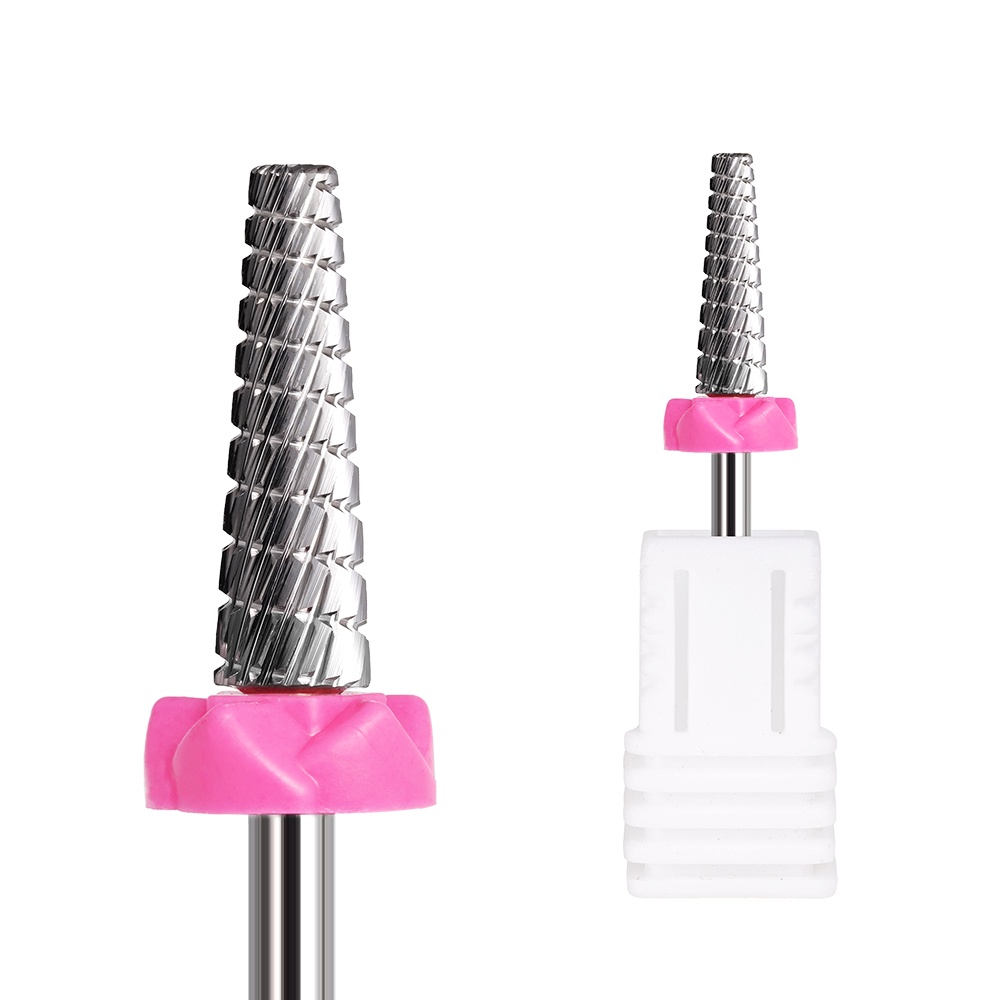
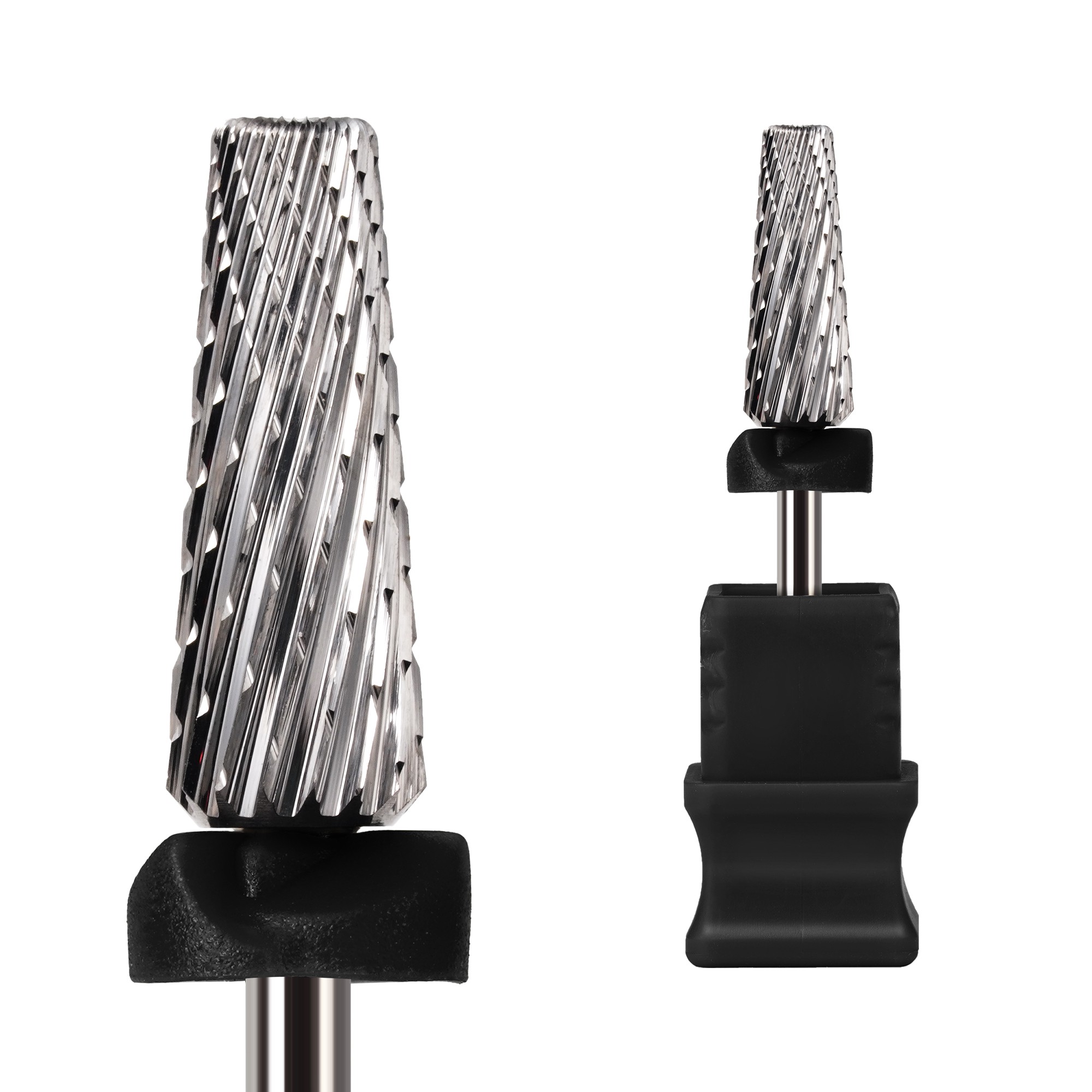
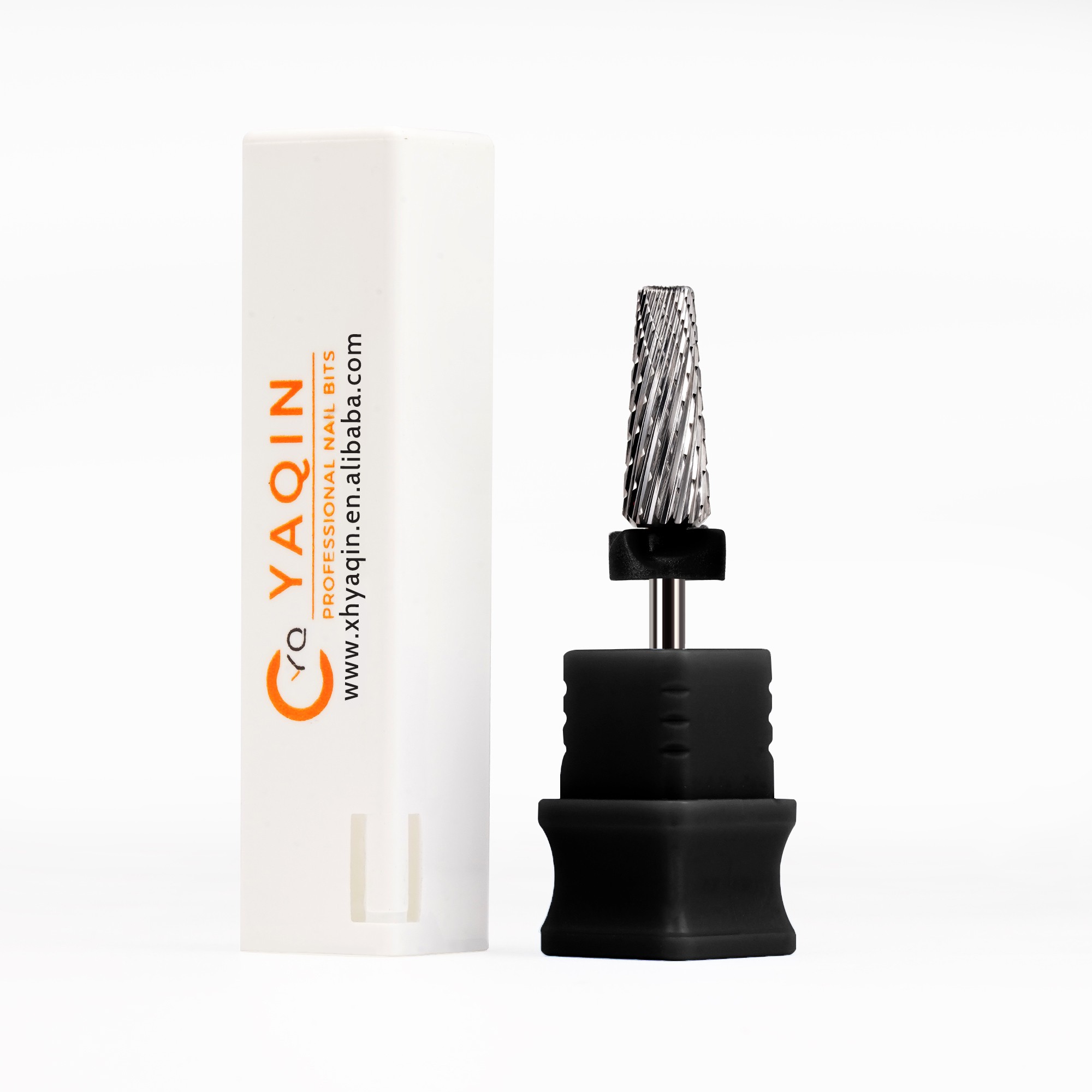
For example, when salons need one bit that can handle multiple prep and removal tasks, a universal tungsten carbide option may be a sensible reference point. A product such as New Slant Tooth Tungsten Steel Nail Drill Bits Dead Skin Removal 5-in-1 Universal Grinding Nail Polish Head Tool Nail Drill Bits fits the kind of evaluation criteria professionals usually care about: hardness for repeated use, controlled cutting action, suitability for removing polish and dead skin, and a shape designed to reduce unnecessary skin contact. That does not automatically make it the right choice for every salon, but it is the kind of bit that helps evaluators judge whether a machine works smoothly with multi-purpose professional accessories.
There is also a practical detail here. Bits with more consistent dust ejection and cleaner cutting behavior can help keep the work area more manageable and reduce stress on the overall system. In heavy salon use, that matters more than many buyers expect.
Compatibility is a procurement issue, not a minor detail
Some buyers treat compatibility as an afterthought because “universal” is used very loosely in product listings. That is risky. You should confirm shank compatibility, locking mechanism stability, and how securely the handpiece holds bits during repeated changes. If the salon rotates between prep bits, removal bits, and cuticle bits throughout the day, weak fit tolerance turns into downtime very quickly.
It is also useful to confirm whether the supplier supports commonly used replacement bits or can provide OEM/ODM adjustments if your market needs a different grit profile, tooth pattern, packaging format, or branding approach.
For distributors and chain salon buyers, this is where supplier depth starts to matter. A trading factory with established abrasive production experience can often support more consistent repeat supply than a seller focused mainly on short-term trading. Wuxi Yaqin Trading Co., Ltd., for example, positions itself around abrasive product production and export, with QC coverage from raw material purchasing through packing, ISO9001:2000 certification, and one-stop OEM/ODM support. For a technical evaluator, the relevance is not the marketing language itself. The relevance is whether the supplier can maintain product consistency across batches and support private-label or specification adjustments when scaling.
Common comparison mistakes that lead to the wrong decision
The first mistake is choosing by maximum speed. High RPM looks attractive, but salons rarely benefit from chasing top speed if torque, control, and bit quality are not equally strong.
The second is ignoring technician comfort. A machine may pass a basic test and still fail in real use because the handpiece is too heavy, too hot, or too unstable during fine work around the cuticle area.
Another common mistake is treating all carbide or tungsten bits as equivalent. They are not. Tooth geometry, cutting smoothness, tip shape, and material quality make a large difference. A smooth flat tip, for instance, is often a better fit when salons want a bit that is more forgiving for mixed skill levels.
One more issue: buyers sometimes focus on unit price without calculating service life. A cheaper option that wears down quickly, produces inconsistent results, or causes more client discomfort can become the more expensive choice over a quarter or a year.
How to run a useful sample test
If you are making a real buying decision, sample testing should be structured. Not complicated, just structured enough to reveal the weak points.
- Test the machine at low, mid, and high working speeds with actual salon materials such as gel overlays or base coat removal.
- Use more than one technician if possible. Skilled users often compensate for flaws that newer users cannot manage.
- Check hand fatigue after repeated sessions, not after one short pass.
- Observe dust flow, heat buildup, and whether the bit remains steady during directional changes.
- Review bit replacement speed and locking consistency.
If you are evaluating a multi-purpose bit, test more than one task. A 5-in-1 format may work well for polish removal, dead skin cleanup, hard gel work, and general prep, but the real question is whether it stays predictable across those tasks without forcing technicians to change pressure or angle too aggressively.
When OEM/ODM support becomes important
Not every salon buyer needs OEM or custom packaging. But if you are supplying multiple branches, managing a house brand, or planning stable repeat orders, this becomes relevant earlier than many teams expect.
Good OEM/ODM support is useful when you need:
- Consistent branding across machines and bits
- Custom packaging for distribution markets
- Batch-level quality consistency for repeat procurement
- Specific accessory combinations based on local service habits
This is one reason experienced evaluators often prefer suppliers that understand abrasive tools, not just finished-device trading. If the supplier already exports across multiple countries and has a stricter QC process, that can reduce procurement uncertainty. It is still worth verifying certifications, lead times, and sample consistency directly.
Which option is right for your salon setting?
If the salon mostly handles basic manicure services and lower daily usage, a simpler electric file with stable mid-range performance may be enough.
If the salon frequently removes hard gel, works through dense daily bookings, or employs technicians with different experience levels, you should prioritize a more durable system: stable motor, low-vibration handpiece, widely compatible bit fit, and bits that cut cleanly without feeling harsh.
For mixed-use stations, versatile accessories are often more valuable than extreme machine specs. That is where a well-made universal bit earns its place. The point is not to buy the most aggressive tool. The point is to reduce tool changes while keeping control and safety acceptable for professional use.
When you get close to a final decision on a Wholesale electric nail file, ask one last question: will this setup still be efficient after three months of repeated salon use, not just during the first demo? That question usually leads to a better choice than comparing catalog claims alone.
FAQ
Is higher RPM always better for salon use?
No. Stable torque, low vibration, and controllable cutting action matter more than the highest speed number.
Should I test the machine and the bit together?
Yes. Real performance depends on both. A strong machine with a poor bit can still deliver rough removal, excess heat, and poor finish quality.
Are universal bits a good choice for professional salons?
They can be, especially for mixed-service stations. But they still need to be tested for cutting smoothness, safety around skin, and durability under repeated use.
How important is supplier QC in this category?
Very important. Batch inconsistency in abrasive products or accessories can affect technician experience, service quality, and repeat purchasing efficiency.
When does OEM/ODM support matter?
It matters when you need private labeling, repeat procurement at scale, packaging customization, or a more controlled long-term supply setup.
Internal link anchor text suggestions
- electric nail drill bits buying guide: guide or category page
- tungsten carbide nail bit applications: educational product guide
- OEM nail drill bit manufacturing: service page
- how to choose salon nail tools: blog article or resource page
- professional abrasive products for nail salons: category or company solutions page
External authority source suggestions
- official product safety or electrical compliance guidance from government regulatory agencies
- brand official technical documentation for professional nail drill machines and accessories
- industry association materials related to salon hygiene, tool handling, and professional practice standards
News List
- Preventing Gouges and Uneven Filing With Small Barrel Nail Drill BitsSep 20, 2026
- How Diameter and Grit Affect Small Barrel Nail Drill Bit PerformanceSep 20, 2026
- Can Hytos Nail Drill Bits Be Used Safely on Natural Nails and Gel Polish?Sep 20, 2026
- How to Verify Fit Between Hytos Nail Drill Bits and an E-File HandpieceSep 20, 2026
- Safe Speed Settings for Umbrella Nail Drill Bits Around the Nail FoldSep 20, 2026
- Umbrella vs Flame Nail Drill Bits: Which Shape Offers Better Cuticle Control?Sep 20, 2026
Best-Selling Products
 Cross Cut Safety Stainless Steel Tungsten Carbide Nail Drill Bits Salon Foot Use XF-C Grit for Removing Nails
 First-rate Quality Tungsten Carbide Nail Drill Bits Best Coating Manicure Remove Gel Nails Accessories
 Professional Advanced Safety Cuticle Bits Two-Way Rotate 3/32'' Carbide Tungsten 5 in 1 Nail Drill Bits
 Wholesale 5 in 1 Electric Manicure Nail Drill Bits Various Coating Cone Cuticle Bit with Rotary Cross Cut for Nail Art
 New Slant Tooth Tungsten Steel Nail Drill Bits Dead Skin Removal 5-in-1 Universal Grinding Nail Polish Head Tool Nail Drill Bits
 4.0mm Small 5 in 1 Integrated Sharpe Tungsten Nail Drill Bit Straight Teeth Gel Polish Removal
 Flame Sharp XF F M C XC Silver Safety Professional Corn Tungsten Carbide Nail Bit for Drill Machine Accessories
 Factory Direct 5 in 1 Tungsten Carbide Nail Drill Bits 6.8MM Cross Cut Safety Manicure 5 in 1 Nail Drill Bits
Please give us a message