
Are China nail drill bit suppliers a good fit for private label lines
Are China nail drill bit suppliers a good fit for private label lines
Yes, China Nail Drill Bit suppliers can be a strong fit for private label lines when the sourcing decision is based on process control rather than unit price alone. In this category, small variations in raw material grade, flute geometry, shank tolerance, and surface finish can change how a bit performs in actual salon or home-use conditions. A private label line depends on repeatability. If a supplier can hold consistent dimensions, produce stable cutting behavior, and support packaging and marking requirements without drifting from batch to batch, the commercial case becomes much stronger.
The cost advantage often starts with manufacturing depth and supply chain concentration, but low ex-factory pricing by itself is not enough. Nail drill bits sit in a product segment where returns, complaints, and replacement costs can erase any early savings. A bit that cuts too aggressively may damage the user experience. One that loads quickly with residue, creates excess vibration, or wears down earlier than expected can weaken the private label position even if the initial order looked efficient on paper. The right evaluation question is whether the supplier can produce stable, saleable quality at the specification level your label needs.
Where the fit is usually strongest
Chinese suppliers tend to be a good match when the private label program needs a range of abrasive and precision bit types rather than a single basic item. This matters because a line extension strategy often includes carbide bits, ceramic bits, sanding bands, polishing tools, and specialty shapes for cuticle work, gel removal, smoothing, and surface preparation. If production can be coordinated within one supply network, the brand gains better visual consistency across packaging, easier carton planning, and fewer mismatch problems between samples and final goods.
They are also often suitable when customization goes beyond logo printing. In nail drill bit sourcing, real private label differentiation may include color coding, grit mapping, head shape selection, shank size confirmation, retail pack format, storage case style, and engraving clarity. A supplier that understands these details can usually move more smoothly from development sample to production approval. If customization is treated only as outer packaging, the finished line may still look generic once opened.
Quality questions that decide the outcome
For a China Nail Drill Bit program, material choice should be reviewed first. Carbide and tungsten-based bits are commonly selected for long service life and effective material removal, but the label alone does not reveal enough. The hardness range, alloy stability, machining accuracy, and finishing method affect sharpness retention and balance. On abrasive surfaces, grit adhesion or cutting edge uniformity becomes just as important as the core material. If the supplier cannot clearly explain the difference between cosmetic appearance and functional durability, that is a warning sign.
Shank precision deserves close attention because 3/32" is a standard expectation in many electric nail drill systems, yet actual tolerance control may vary. If the shank is slightly off, the bit may wobble in the handpiece, create noise, or feel unstable during detailed work. That instability can be misread as a machine problem when the root cause is the accessory itself. Good sampling should therefore include fit testing in more than one drill handle, not just visual inspection on a table.
Cut profile is another area where private label lines often succeed or fail quietly. Two bits may share the same broad shape but differ in tooth spacing, cone angle, tip sharpness, and cutting direction. Those differences affect heat buildup, debris discharge, speed of gel removal, and control near the cuticle area. A line that targets both salon and DIY channels may need a less aggressive profile than a line aimed only at advanced technicians. Without that alignment, the private label assortment can feel inconsistent even when the packaging looks polished.
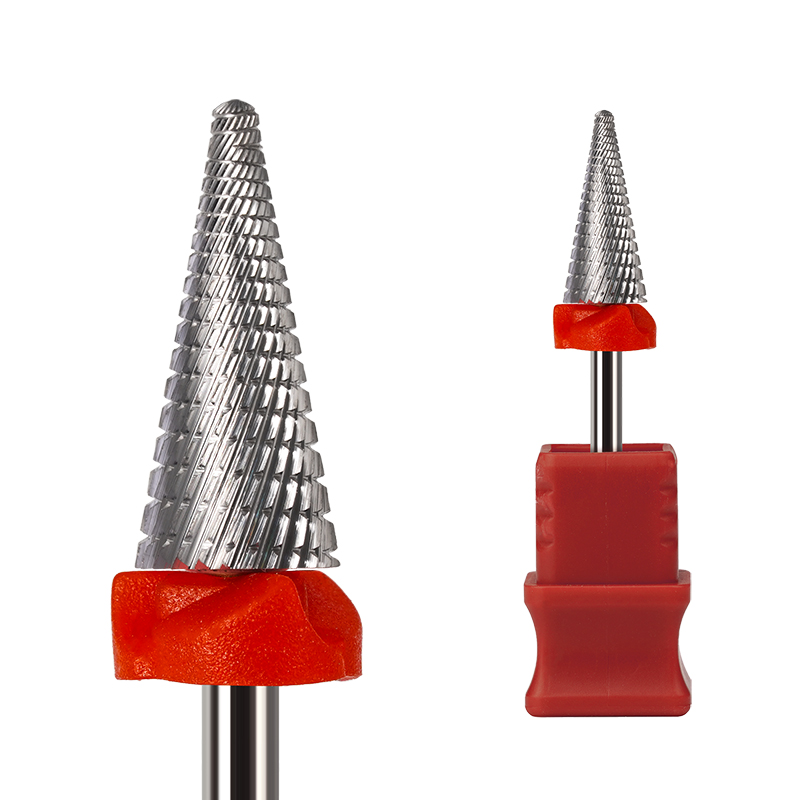
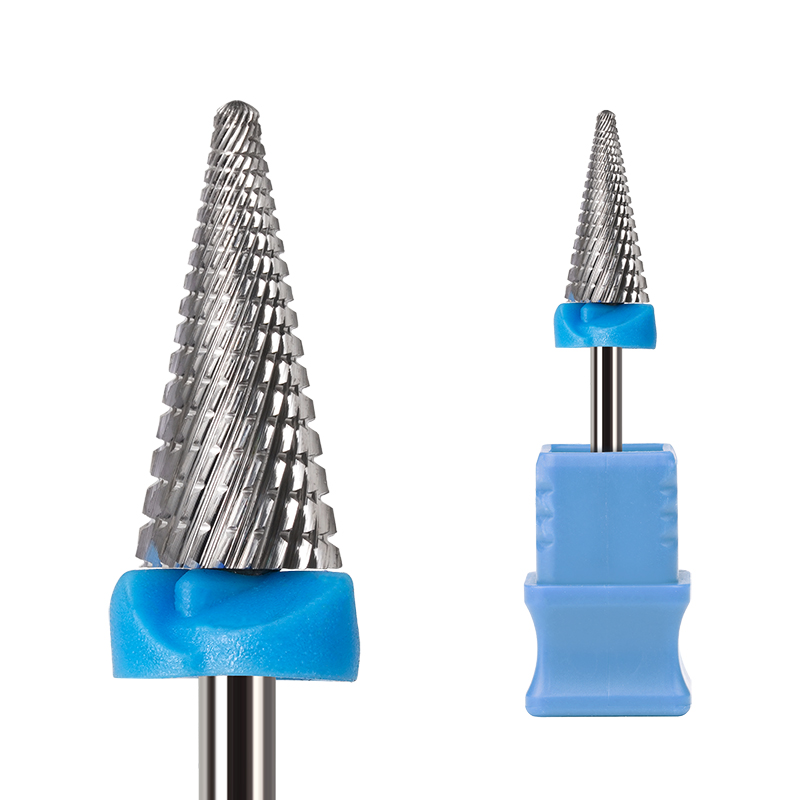
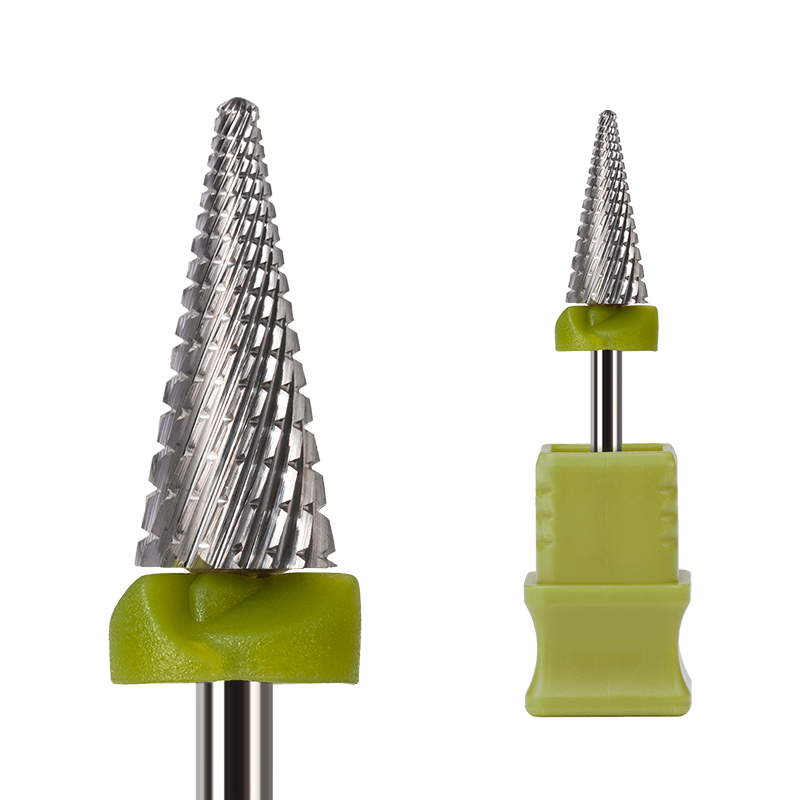
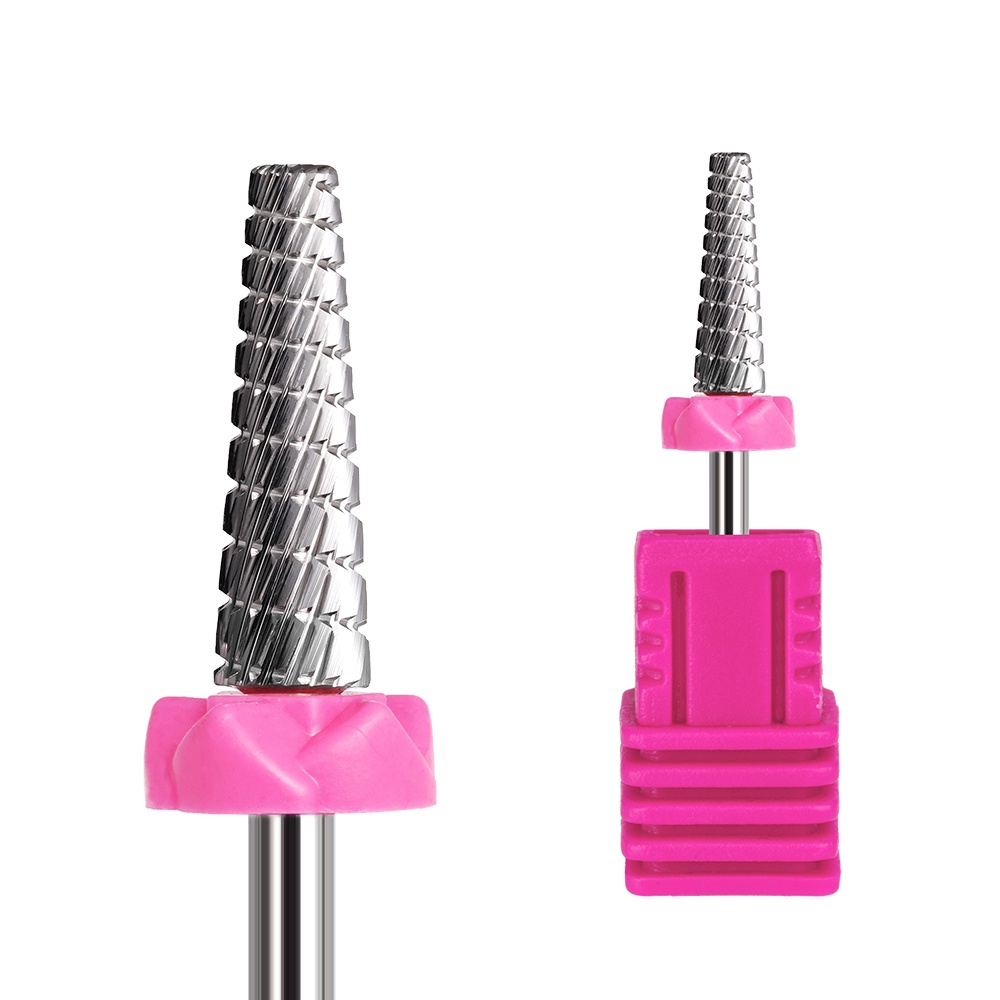
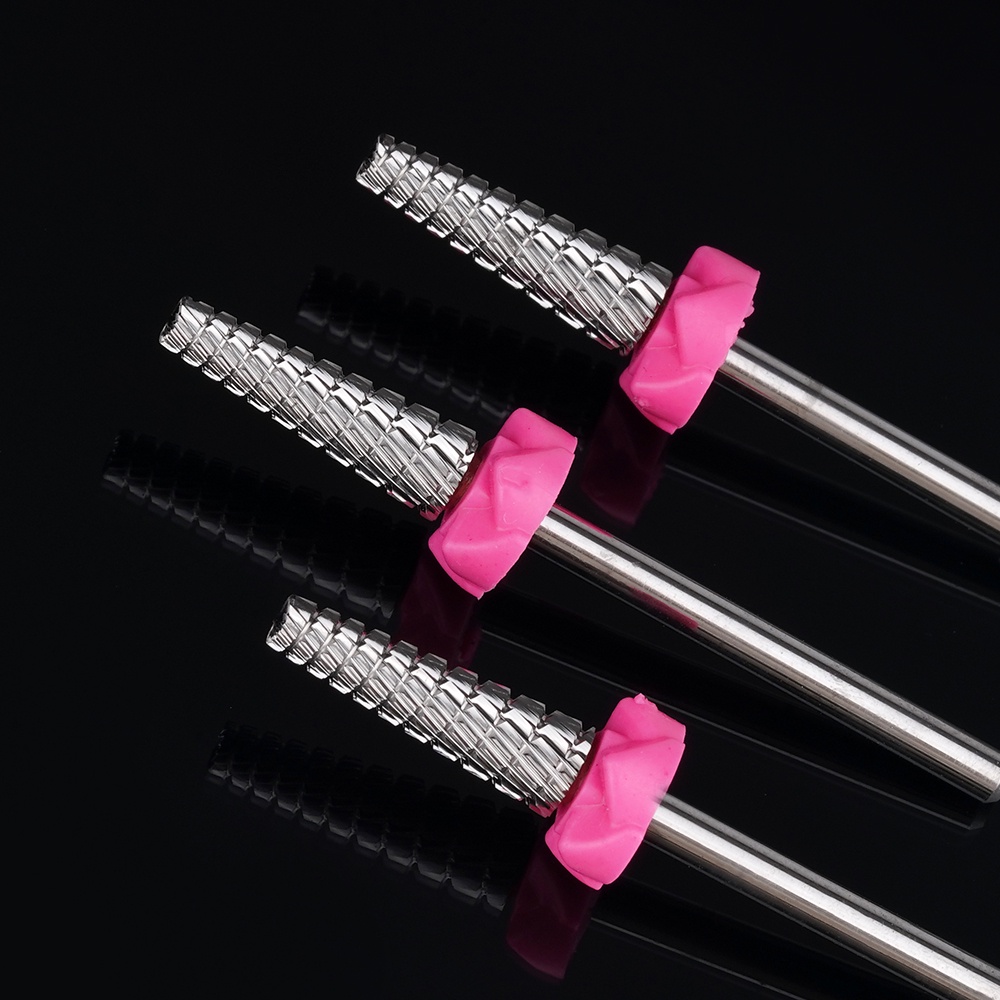
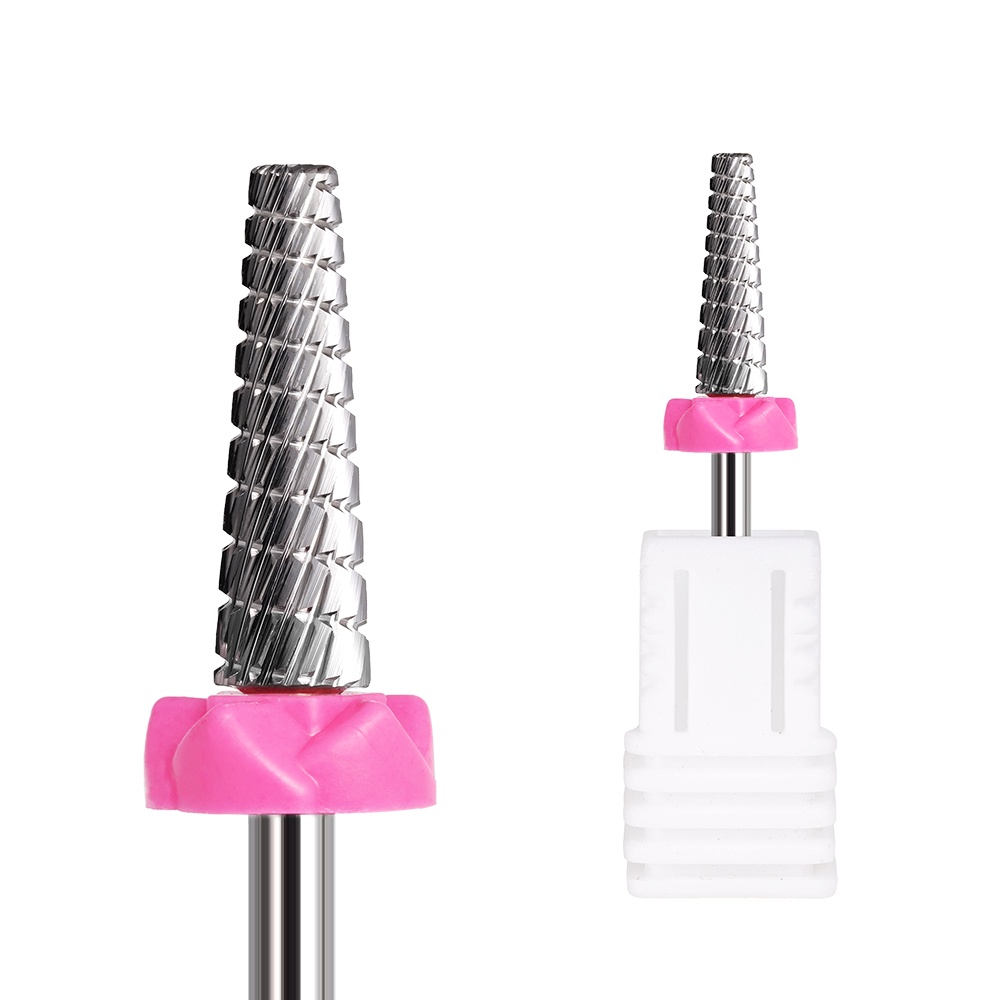
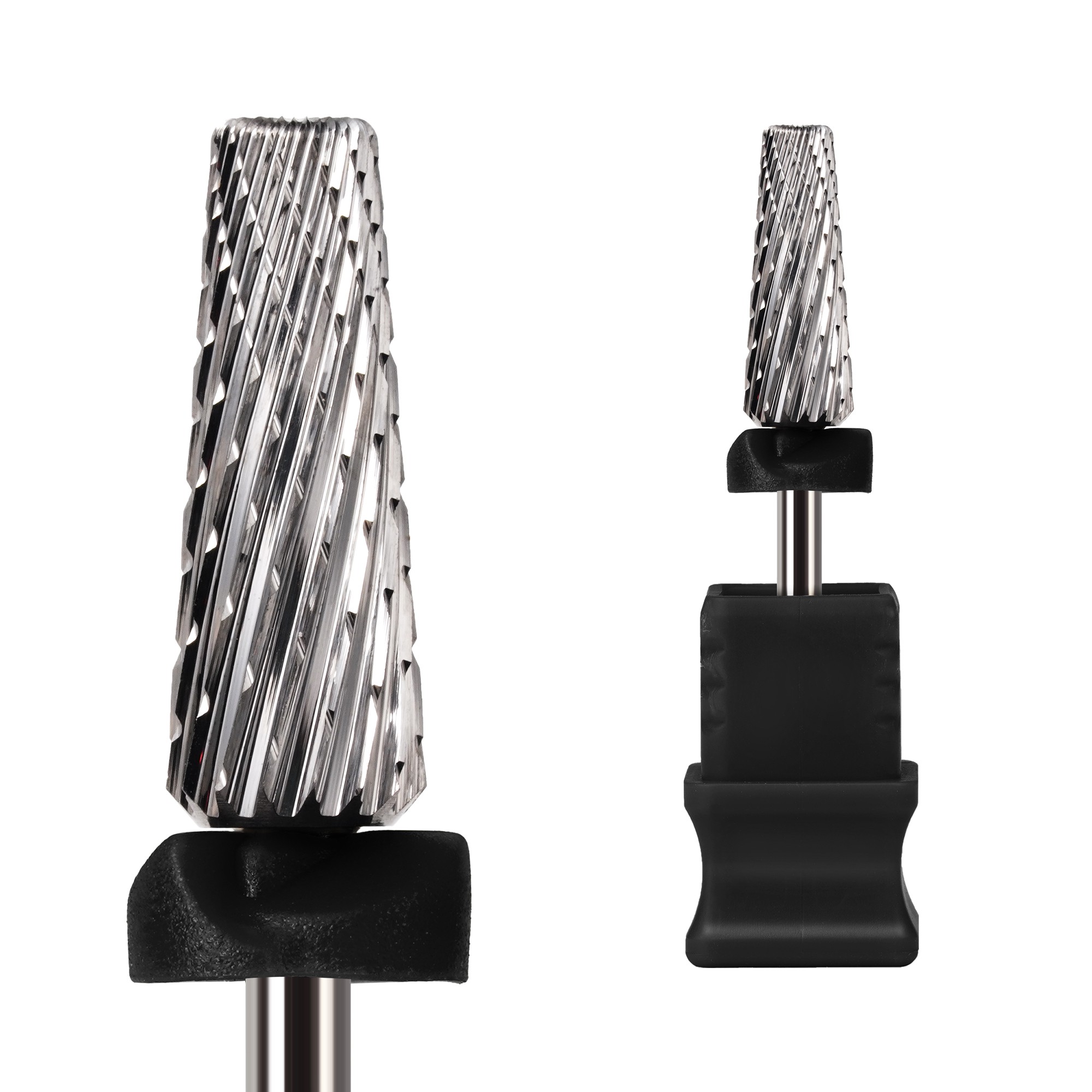
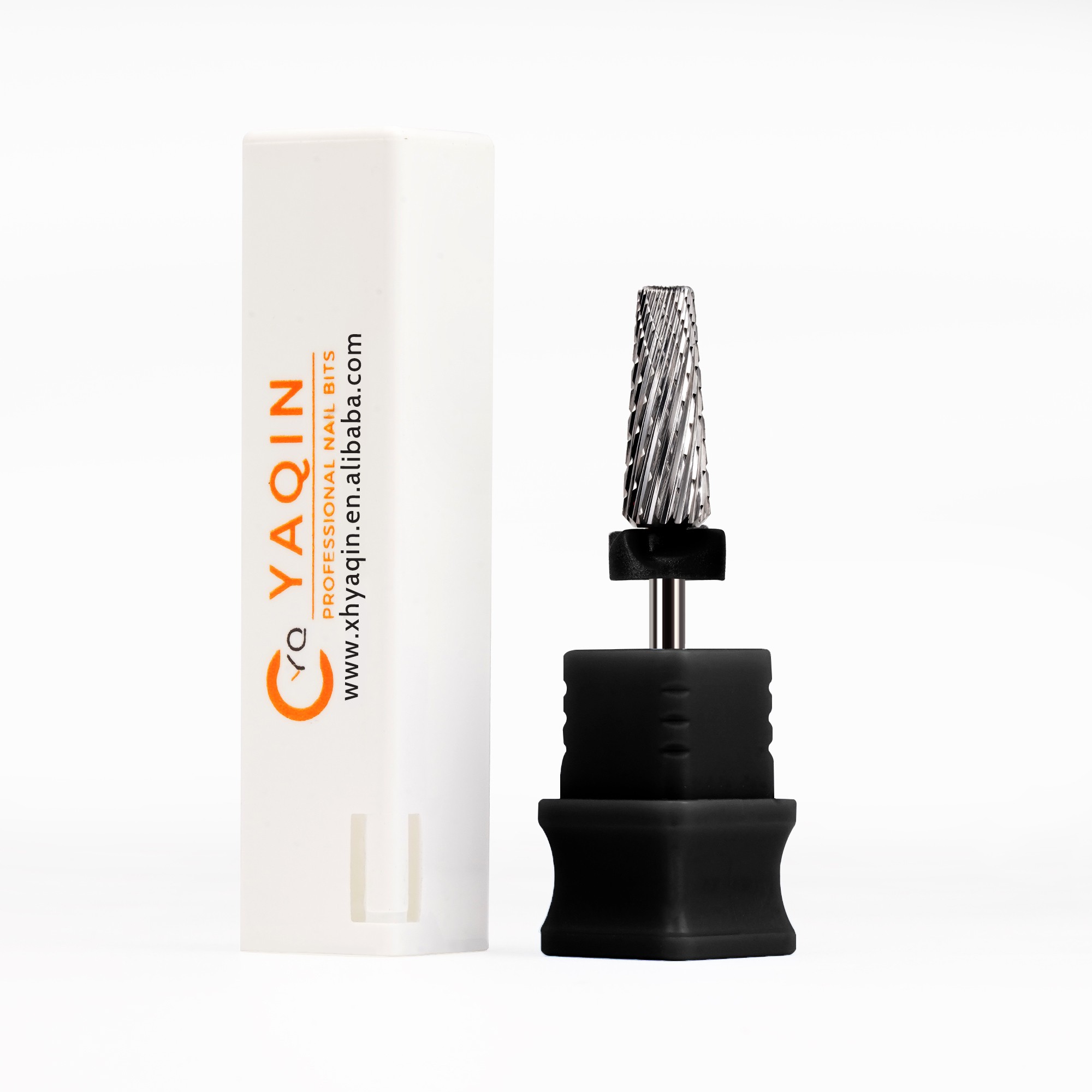
A practical example is a compact cone-style carbide bit designed for detailed cuticle cleaning and controlled surface work. In sample evaluation, an item such as Carbide Cuticle Cleaning Tool 3/32" Precision Milling Cutter Small Cone Nail Drill Bit would not be judged only on appearance. The relevant points are whether the tungsten steel or comparable alloy body stays balanced at working speed, whether the head geometry supports precise maneuvering, whether noise stays relatively low during contact, and whether the finish remains clean after repeated filing, dead skin removal, or gel polish work.
Private label cost is shaped by hidden variables
Many sourcing errors happen because the quoted piece price gets separated from the full cost of commercial use. Rework from poor logo placement, slow approval cycles caused by inconsistent samples, packaging damage in transit, and mixed performance across lots can all widen the real landed cost. Even a small accessory item can become expensive when each issue requires back-and-forth sorting across production, packing, and after-sales handling.
Tool life matters as much as purchase price. A lower-cost bit with weaker cutting retention may require a broader replacement policy or force the label to lower its quality positioning. By contrast, a higher-grade bit that runs more smoothly and lasts longer can protect margin if it reduces complaints and supports repeat orders. This is especially relevant in carbide styles, where grind quality and edge consistency determine whether the bit keeps working cleanly over time or starts dragging and heating up.
Packaging also changes the economics. Bulk inner boxes may lower factory cost, but retail-facing private label lines usually need individual labeling, readable size markers, and packaging that prevents edge damage during transport. If the bit surface scratches inside the pack or if color coding transfers during shipment, the line may look used before it reaches the shelf or fulfillment center. That damage is often avoidable only when packaging is validated together with the product, not after the production run has already been scheduled.
OEM and ODM fit depends on documentation quality
Suppliers are easier to work with when they can convert a broad product idea into a controlled production file. In this category, that usually means a specification set covering bit type, head shape, head dimensions, shank diameter, material, coating or surface treatment if any, grit or cut style, color requirement, logo method, unit packaging, and carton arrangement. Verbal alignment is rarely enough. Small accessories are often treated casually, but private label problems usually begin with an incomplete approval standard.
Sample approval should distinguish between development samples and pre-production samples. A development sample tests direction. A pre-production sample should represent the actual process route, including engraving, coating color if used, and final pack-out. Without that distinction, an attractive early sample may hide a later production compromise such as rougher machining marks, weaker edge definition, or unstable coloring between lots.
ODM can be useful when launching quickly, but it comes with a branding risk. If the underlying bit design is already common in the market, the line may compete mostly on packaging and price. OEM with adjusted geometry, finish, or assortment logic can create better separation, though it usually requires firmer technical communication and more disciplined sample review. The better path depends on whether the product line is meant to be broad and fast-moving or narrower and more specification-led.
Operational risks that are easy to underestimate
Noise and vibration are often overlooked during sourcing because they are hard to judge from photos and simple static samples. Yet they shape the perceived quality immediately. A bit with acceptable cutting ability may still feel inferior if balance is poor. This becomes more visible in fine-detail applications around the cuticle line, where stable contact matters more than raw removal speed.
Another common mistake is treating all coatings and colors as cosmetic. On some items, color coding improves assortment management and helps separate functions inside a kit. But if the coating process is unstable, the color may vary enough to confuse users or weaken the shelf appearance of the line. The same applies to logo addition. A personalized mark can support private label identity, but unclear engraving depth, off-center placement, or wear after limited use creates the opposite effect.
Freight planning also affects fit. Nail drill bits are small, but mixed-SKU orders can become packing-intensive. If carton labels, inner box counts, and item codes are not locked before shipment, receiving errors increase later. This is especially troublesome when several near-identical bit shapes are ordered together. The purchasing side may think the order is simple because of the size of the goods, while warehouse handling reveals the real complexity.
How to tell whether the supplier is commercially usable
A useful assessment comes from asking for consistency evidence in the form of repeat samples from different production moments, clear specification confirmation, and pack-out examples that match the intended market channel. Surface polish should be even. Cutting edges should appear clean under close inspection. Shanks should fit securely. Marking should stay legible. If two samples of the same item feel noticeably different in hand or show visible dimensional drift, the issue is usually deeper than presentation.
It also helps to compare performance across several common applications rather than a single test. A bit intended to shape, smooth, or polish the nail should not be assessed only on aggressive material removal. A detailed tool meant for dead skin cleanup or gel polish work should be checked for control, not just speed. When a supplier can maintain this functional alignment across the line, the private label program has a much better chance of staying coherent.
China Nail Drill Bit suppliers are generally a good fit when the project values controlled production, careful sample discipline, and realistic costing of quality outcomes. They are a poor fit when the sourcing model assumes that all bits with a similar shape are interchangeable. In private label, the differences that matter most are often the least visible at quotation stage.
News List
- Are China nail drill bit suppliers a good fit for private label linesAug 26, 2026
- What certifications matter when reviewing a nail drill bit supplier in the UKAug 25, 2026
- How shipping costs affect bulk orders from a nail drill bit supplier in CanadaAug 25, 2026
- What materials are most common from a nail drill bit supplier in ItalyAug 25, 2026
- How to compare minimum order terms from nail drill bit suppliers in PolandAug 25, 2026
- When does an Australia nail drill bit supplier make sense for local salonsAug 25, 2026
Best-Selling Products
 Cross Cut Safety Stainless Steel Tungsten Carbide Nail Drill Bits Salon Foot Use XF-C Grit for Removing Nails
 First-rate Quality Tungsten Carbide Nail Drill Bits Best Coating Manicure Remove Gel Nails Accessories
 Professional Advanced Safety Cuticle Bits Two-Way Rotate 3/32'' Carbide Tungsten 5 in 1 Nail Drill Bits
 Wholesale 5 in 1 Electric Manicure Nail Drill Bits Various Coating Cone Cuticle Bit with Rotary Cross Cut for Nail Art
 New Slant Tooth Tungsten Steel Nail Drill Bits Dead Skin Removal 5-in-1 Universal Grinding Nail Polish Head Tool Nail Drill Bits
 4.0mm Small 5 in 1 Integrated Sharpe Tungsten Nail Drill Bit Straight Teeth Gel Polish Removal
 Flame Sharp XF F M C XC Silver Safety Professional Corn Tungsten Carbide Nail Bit for Drill Machine Accessories
 Factory Direct 5 in 1 Tungsten Carbide Nail Drill Bits 6.8MM Cross Cut Safety Manicure 5 in 1 Nail Drill Bits
Please give us a message