
When should carbide nail drill bits be replaced in a busy salon?
When should carbide nail drill bits be replaced in a busy salon?
Replace carbide nail drill bits when they no longer remove product cleanly at a normal working speed, when they create unusual heat or vibration, or when cleaning no longer restores their cutting performance. In a busy salon, waiting until a bit is visibly ruined is usually too late. A worn bit changes the technician’s hand pressure, extends service time, and can make removal less comfortable for the client.
For maintenance teams, the practical question is not “How old is this bit?” but “Does it still perform predictably after it has been cleaned, inspected, and fitted correctly?” Carbide nail drill bits are durable, but they are consumable tools. Their replacement point depends on the materials being removed, how often they are used, the grit selected, cleaning practice, and whether staff are using suitable speed and pressure.
Use performance changes as the main replacement signal
A carbide bit can still look intact while its cutting edges have become too rounded to work efficiently. Visual inspection matters, but the most reliable signal is a change in removal behavior during normal salon work.
Replace or quarantine the bit when one or more of the following signs remain after thorough cleaning:
- Removal becomes noticeably slower. A technician needs more passes or more pressure to remove gel, acrylic, hard gel, or extension material that the bit previously handled efficiently.
- The bit produces more heat than usual. Heat can come from excessive pressure, incorrect speed, or product buildup. If those conditions are corrected and the bit still heats quickly, worn cutting surfaces are a likely cause.
- Vibration or wobble appears. A bit that does not run smoothly may have a bent shank, damaged head, contamination in the handpiece chuck, or poor fit. Do not continue using it until the cause is identified.
- The cutting action feels uneven. The bit may skip, grab intermittently, or remove material in patches rather than producing a controlled, consistent result.
- There are chipped, flattened, or missing flutes. Damaged teeth cannot be restored through cleaning. Replace the bit rather than trying to compensate with speed or pressure.
- Corrosion, stubborn residue, or surface damage is present. If residue blocks the flutes and cannot be removed without aggressive scraping, replacement is generally the more reliable option.
These signs matter because a dull bit invites technicians to press harder. More pressure increases friction and heat, while also reducing precision around the nail plate and sidewalls. The bit itself may be inexpensive compared with the cost of a delayed appointment, inconsistent finish, or avoidable client discomfort.
Do not replace a bit simply because it feels slow before cleaning
Product buildup is often mistaken for wear. Fine acrylic dust, gel residue, and other debris can pack into the flutes of carbide nail drill bits, reducing their cutting action even when the carbide edges are still in good condition. This is especially common in high-volume services where tools move quickly from one station to the next.
A practical maintenance sequence is simple: remove visible debris according to the salon’s cleaning and disinfection process, dry the bit completely, inspect the flutes under good light, then test it in a properly functioning handpiece. If the bit returns to normal cutting behavior, it did not need replacement. If it remains slow, hot, rough, or unstable, take it out of rotation.
Do not use a damaged bit for a “less demanding” service merely to get more use from it. A damaged shank or uneven cutting surface can affect control regardless of whether the task is gel polish removal, acrylic reduction, or edge refinement.
Separate wear from setup and technique problems
Replacement decisions become unreliable when every performance problem is blamed on the bit. Before discarding a tool, check the operating conditions that can mimic bit wear.
This distinction is important in a busy salon. Replacing good bits too early increases operating cost, but continuing to use genuinely worn bits passes the cost into service time, technician fatigue, and avoidable complaints. A short inspection process gives maintenance staff a consistent basis for both decisions.
Different services wear bits at different rates
There is no useful universal replacement interval based only on calendar time. A bit used occasionally for gel polish removal may remain effective for far longer than a bit repeatedly used to reduce thick acrylic or hard gel enhancements. Coarser bits generally remove bulk material faster, but the service material, working pressure, cleaning routine, and individual technique all influence wear.
For this reason, organize inventory by task rather than treating all bits as interchangeable. A bit assigned to bulk removal should be checked more frequently than a fine bit used mainly for controlled refinement around the nail edge. Marking tool trays by grit, shape, and intended task also helps technicians avoid using a fine finishing bit for aggressive product removal, which can overwork both the bit and the handpiece.
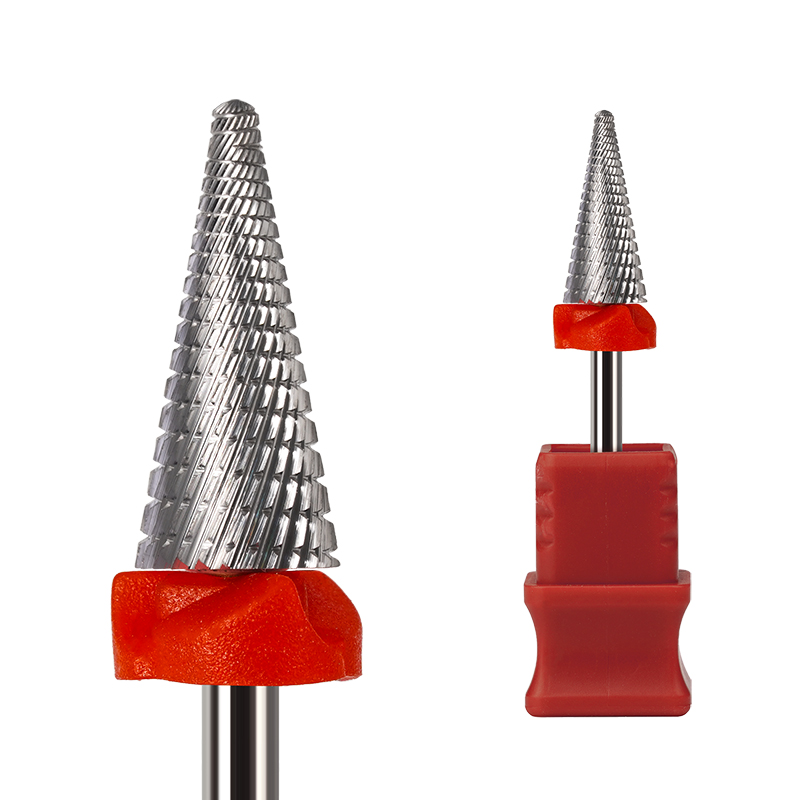
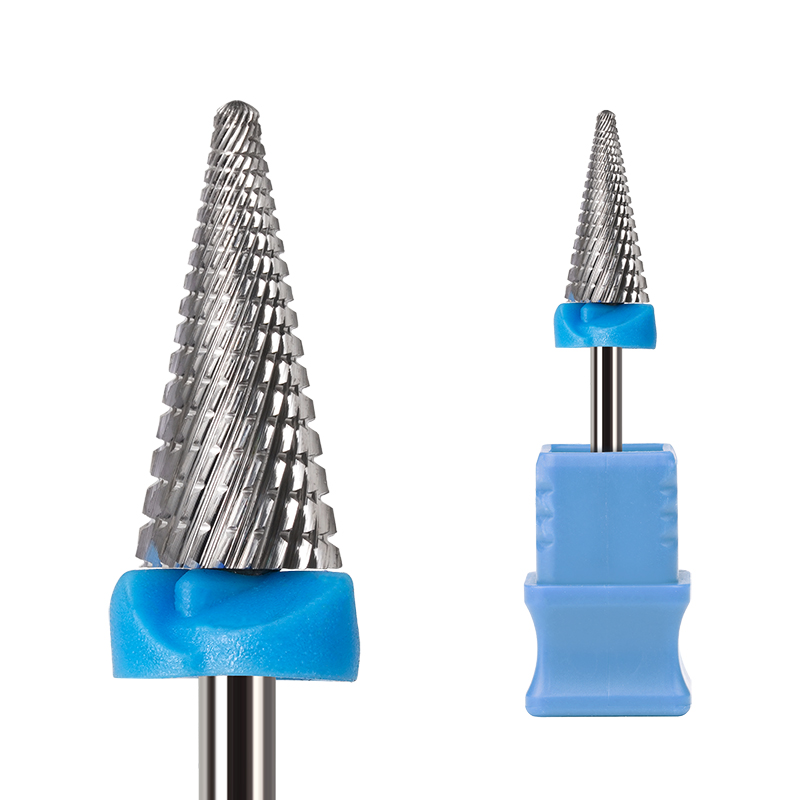
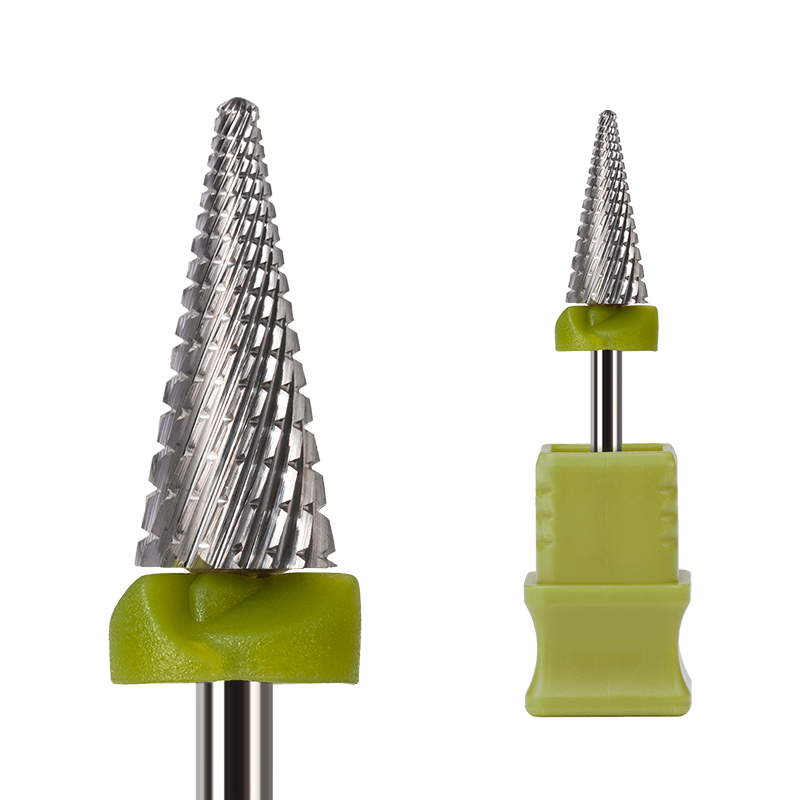
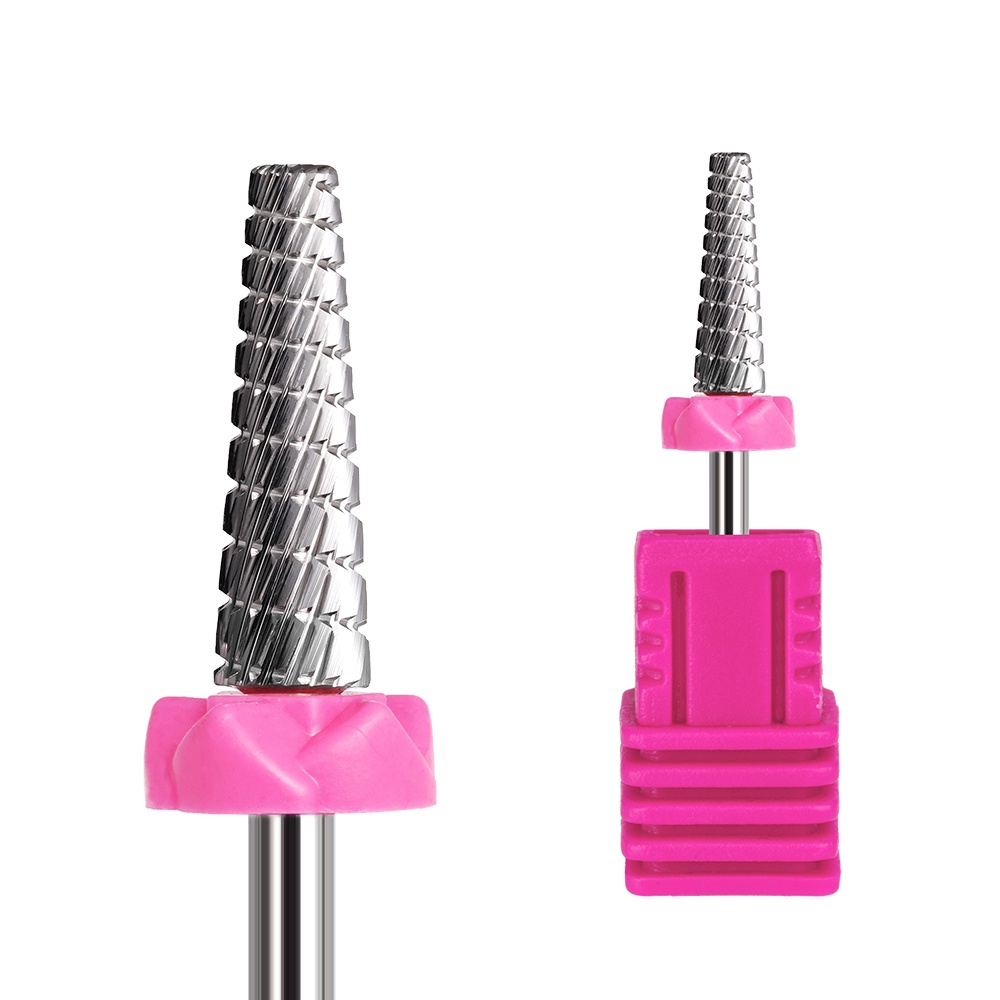
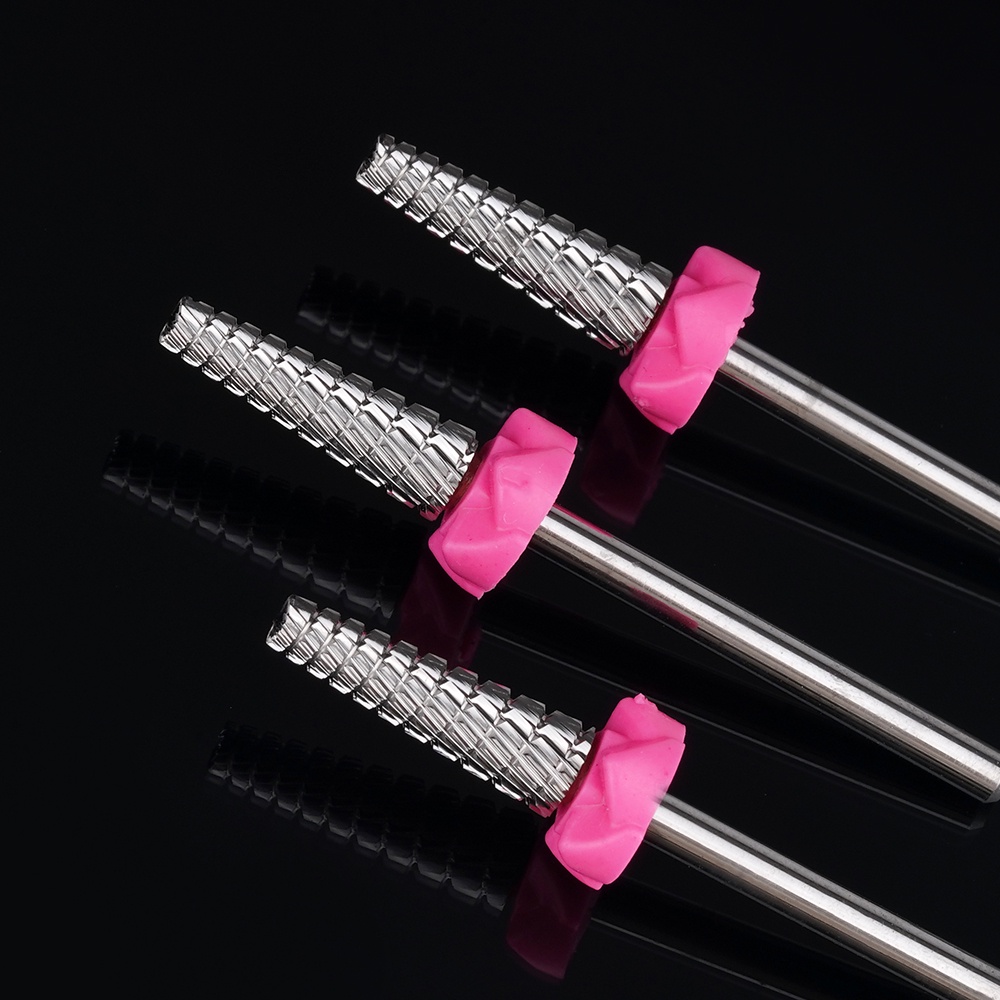
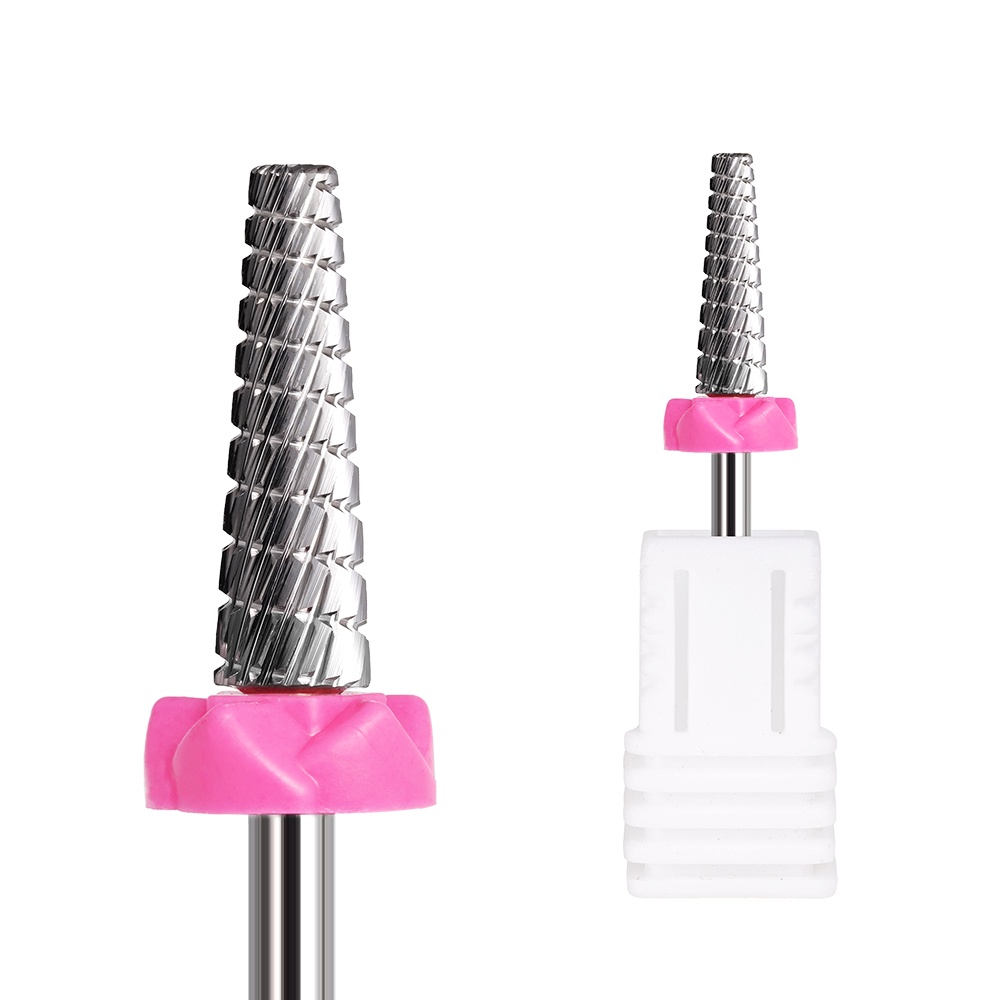
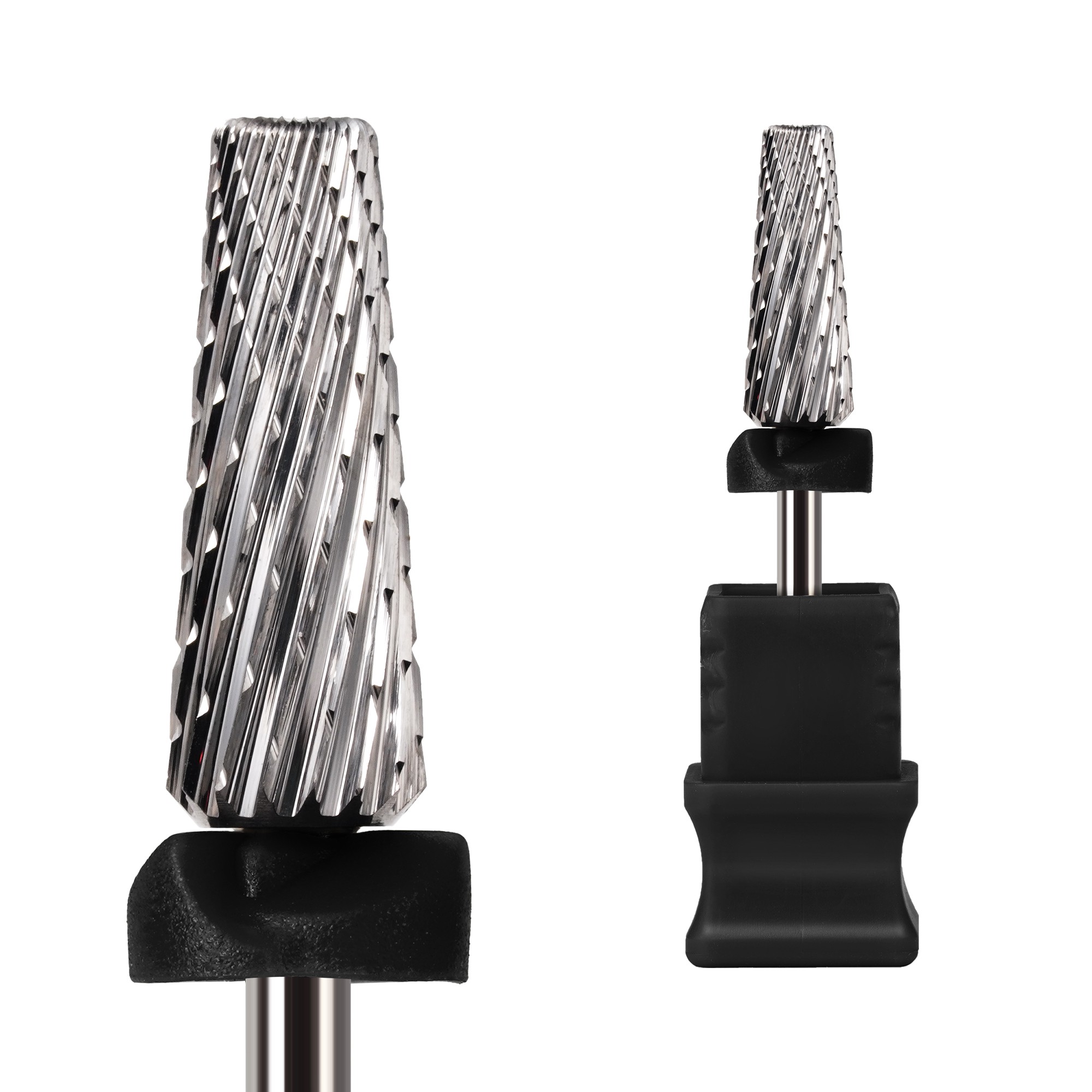
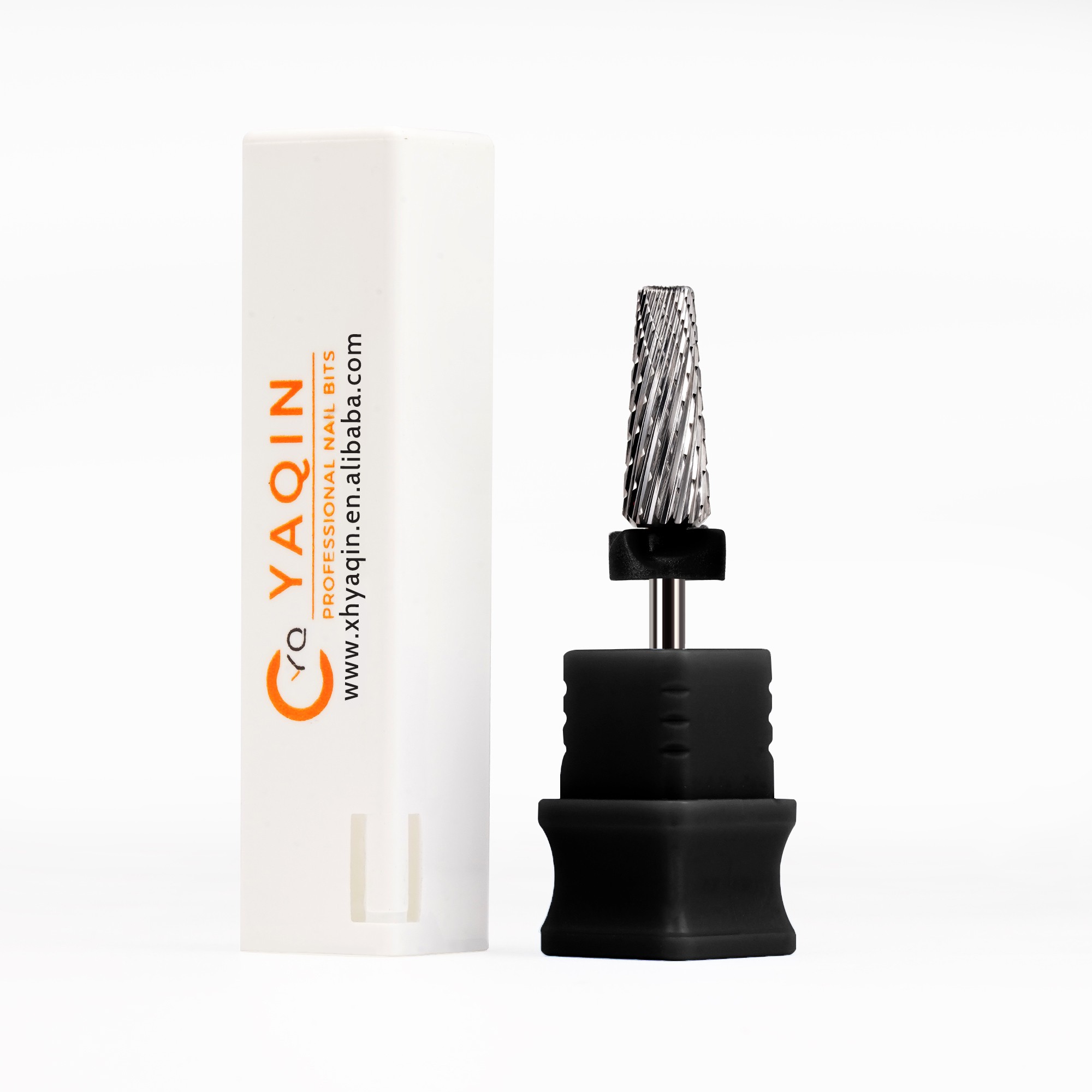
For example, a rounded or bullet-shaped carbide head can be suitable where technicians need controlled removal and more confidence near surrounding skin. The 5.0mm Corn Bullet Shape Universal Carbide Cuticle Dc Nail Bits is a tungsten-carbide option intended for salon work involving gel polish, acrylics, extension gels, hard gel, and edge refinement. Its pointed round head is designed to reduce the chance of accidental contact damage around the nail area, but shape alone does not eliminate the need for correct pressure, speed, and regular inspection.
Speed is part of the maintenance decision
A bit used below the range needed for its task can feel ineffective even when it is not worn. Conversely, using excessive speed or pressure can create heat, reduce control, and accelerate wear. The right setting depends on grit, bit shape, product thickness, handpiece behavior, and technician control.
For the product above, the stated working guidance is 20k RPM and above for coarse grit, 15k to 20k RPM for medium grit, and 10k to 15k RPM for fine grit. These ranges should be treated as operating references for that bit type, not as a reason to push every service to the top setting. A maintenance check should confirm that the handpiece runs smoothly, the bit is fully seated, and technicians are not using force to make up for a dull tool.
If a bit only performs acceptably when the technician increases speed beyond their normal controlled setting or applies more pressure, it is nearing the end of its useful service life. Replacing it is usually the better decision.
Build a rotation system instead of relying on memory
In a high-volume environment, shared tools often fail without anyone being able to identify when the decline began. A simple rotation system makes wear visible before it affects appointments. The system does not need complicated tracking; it needs a clear route for tools entering service, returning for cleaning, being inspected, and being removed from use.
- Assign a tray or holder for clean, ready-to-use bits and a separate container for used bits awaiting processing.
- After cleaning and drying, inspect the head, flutes, and shank under bright light.
- Return only smooth-running, clean, undamaged bits to the ready tray.
- Place questionable bits in a review tray rather than returning them to a technician’s station.
- Record recurring issues by bit type, service type, or handpiece station. Patterns can reveal a cleaning gap, unsuitable grit selection, or a handpiece problem.
It also helps to keep replacement stock in the same grit and shape categories used daily. Buying a general assortment without maintaining the specific shapes technicians rely on leads to poor substitutions. A replacement should match the job: bulk reduction, product removal, controlled work near the cuticle area, or surface refinement.
When a bit should be removed immediately
Some conditions do not require a trial service or further comparison. Remove carbide nail drill bits immediately when the shank is bent, the head is cracked or chipped, the bit visibly wobbles in a known-good handpiece, or corrosion affects the working surface. A bit with damaged cutting geometry can catch unpredictably. A bit with a compromised shank can also place unnecessary stress on the handpiece chuck.
Do not attempt to sharpen carbide flutes in a salon setting. The original geometry is what allows a carbide bit to cut in a controlled manner. Improvised sharpening can change that geometry, create uneven edges, and make the next service less predictable.
Common replacement mistakes
The first mistake is replacing bits based on appearance alone. Some dirty bits look worn but recover after proper cleaning; some dull bits look almost new. Performance and inspection need to be considered together.
The second is treating heat as proof of a defective bit. Heat is a signal, not a diagnosis. Check debris, pressure, speed, and handpiece stability first. If the heat persists under normal conditions, then replace the bit.
The third is mixing worn and serviceable bits in the same storage tray. This makes it easy for a technician to pick up a questionable tool during a rushed appointment. Clear segregation is more useful than relying on staff to remember which bit felt slow earlier in the day.
Finally, do not judge tool quality only by how aggressively it removes product. The usable bit is the one that removes the intended material with controlled contact, stable rotation, and an acceptable level of effort. For maintenance staff, that is the standard that protects both service flow and equipment reliability.
A busy salon should replace a carbide bit when cleaning and correct setup no longer restore smooth, efficient, controlled performance. Establish that decision rule, inspect tools between processing cycles, and keep task-matched replacements available. This turns replacement from a last-minute reaction into a routine part of dependable nail service.
News List
- Preventing Gouges and Uneven Filing With Small Barrel Nail Drill BitsSep 20, 2026
- How Diameter and Grit Affect Small Barrel Nail Drill Bit PerformanceSep 20, 2026
- Can Hytos Nail Drill Bits Be Used Safely on Natural Nails and Gel Polish?Sep 20, 2026
- How to Verify Fit Between Hytos Nail Drill Bits and an E-File HandpieceSep 20, 2026
- Safe Speed Settings for Umbrella Nail Drill Bits Around the Nail FoldSep 20, 2026
- Umbrella vs Flame Nail Drill Bits: Which Shape Offers Better Cuticle Control?Sep 20, 2026
Best-Selling Products
 Cross Cut Safety Stainless Steel Tungsten Carbide Nail Drill Bits Salon Foot Use XF-C Grit for Removing Nails
 First-rate Quality Tungsten Carbide Nail Drill Bits Best Coating Manicure Remove Gel Nails Accessories
 Professional Advanced Safety Cuticle Bits Two-Way Rotate 3/32'' Carbide Tungsten 5 in 1 Nail Drill Bits
 Wholesale 5 in 1 Electric Manicure Nail Drill Bits Various Coating Cone Cuticle Bit with Rotary Cross Cut for Nail Art
 New Slant Tooth Tungsten Steel Nail Drill Bits Dead Skin Removal 5-in-1 Universal Grinding Nail Polish Head Tool Nail Drill Bits
 4.0mm Small 5 in 1 Integrated Sharpe Tungsten Nail Drill Bit Straight Teeth Gel Polish Removal
 Flame Sharp XF F M C XC Silver Safety Professional Corn Tungsten Carbide Nail Bit for Drill Machine Accessories
 Factory Direct 5 in 1 Tungsten Carbide Nail Drill Bits 6.8MM Cross Cut Safety Manicure 5 in 1 Nail Drill Bits
Please give us a message