
What to Look for in a Nail Drill Bit Factory Before Starting OEM Orders
What to Look for in a Nail Drill Bit Factory Before Starting OEM Orders
If you are comparing a Nail Drill Bit Factory for OEM orders, the real question is not who gives the lowest quote first. It is who can keep your defect rate, reorder cost, and delivery risk under control after the first shipment. In this category, a factory that looks inexpensive on paper can become expensive very quickly if bit sharpness is inconsistent, shank tolerance is unstable, packaging is weak, or repeat orders do not match the approved sample.
That is why experienced buyers usually start from manufacturing discipline, not sales language. A factory that can hold quality over multiple batches, communicate clearly about specifications, and support OEM changes without confusion is often the better commercial choice even if the unit price is not the lowest on day one.
Start with process control, not the catalog
Many factories can show a broad product list. That tells you very little. What matters more is whether the factory can make the same nail drill bit profile repeatedly, with stable cutting performance, balance, finish, and packing quality.
When reviewing a supplier, ask practical questions:
- How are raw materials checked before production?
- Are production steps standardized for different bit shapes and grit levels?
- How is final inspection handled before packing?
- Can they trace a quality issue back to batch level?
In abrasive and nail tool products, small process variation creates large downstream problems. A bit that looks acceptable in photos may still overheat, eject dust poorly, wear too fast, or perform unevenly in salon use. That leads to complaints, returns, and damage to private label credibility.
A short answer for most buyers: choose the factory that can explain its process in a clear, specific way and provide evidence of consistency, not just promises of capacity.
What a reliable Nail Drill Bit Factory should be able to prove
There are a few things a serious OEM partner should be able to show without hesitation.
First, quality management must exist beyond a final visual check. In this product category, control should cover raw material purchasing, production process, and product packing. If a supplier only talks about “checking before shipment,” that is usually too late.
Second, certification helps, but only when it connects to actual factory behavior. If a supplier has passed ISO9001:2000 quality management system certification, that is useful as a baseline, not as proof of perfect execution. You still need to see how inspection records, production standards, and corrective actions work in practice.
Third, export experience matters more than many buyers expect. Factories serving multiple overseas markets usually understand labeling accuracy, packaging expectations, transit protection, and communication rhythm better than suppliers that mostly sell domestically. For example, a trading factory such as Wuxi Yaqin Trading Co., Ltd. positions itself around high quality abrasive product production and export, with market coverage across the USA, Canada, Germany, the UK, Italy, Poland, and many other countries. That kind of footprint can be relevant when you need a supplier familiar with cross-border OEM requirements, not just manufacturing alone.
Still, export history should support your evaluation, not replace it. Ask what percentage of orders are OEM, how often artwork changes are handled, and what the standard approval flow looks like before mass production starts.
The biggest cost mistake: judging only by unit price
In nail drill bits, the visible purchase price is only one part of your actual cost. Business evaluators often know this in theory, but during quotation comparison it is easy to fall back to a simple spreadsheet ranking.
Here is where hidden cost usually appears:
- Samples and production lots do not match
- Bit lifespan is shorter than expected in end use
- Coating, tooth pattern, or finish varies between batches
- Lead times slip during peak season
- OEM packaging errors create relabeling work
- Complaint handling is slow, so inventory gets stuck
This is especially important for tungsten carbide or tungsten steel bits. Material claims alone are not enough. Two suppliers may both say “high hardness” and “durable,” but one may hold edge sharpness much better in repeated salon use because of more stable machining and finishing control.
If your market position depends on repeat purchase, professional use, or lower complaint rates, a slightly higher ex-factory cost may still produce a better landed margin.
Ask for sample logic, not just samples
A sample can be misleading when it is treated as a showroom piece. The better question is whether the supplier has a controlled sample approval process that can be carried into production.
When you review samples, focus on details that affect commercial performance:
- Shank size consistency and fit
- Cutting behavior on different materials
- Heat generation during use
- Surface finish and tip safety
- Dust ejection direction and cleanliness in operation
- Retail packaging condition after transport simulation
In practice, some of the most useful sample discussions happen around edge cases. Ask what changes when the bit is intended for hard gel removal versus dead skin removal, or when the product is positioned for professional nail technicians rather than casual home users. A factory that understands application-specific tradeoffs is usually easier to develop with.
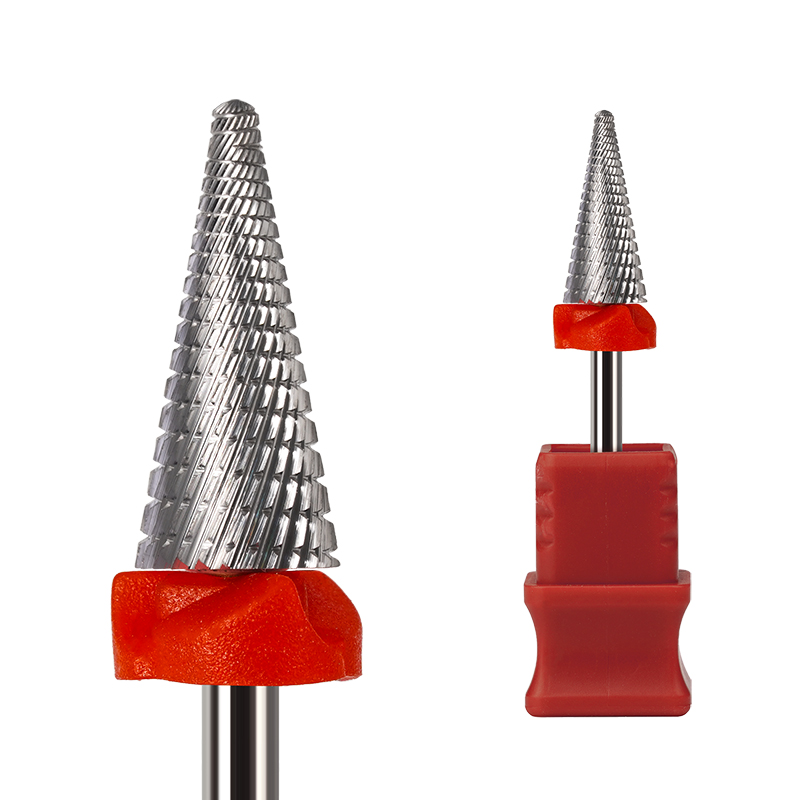
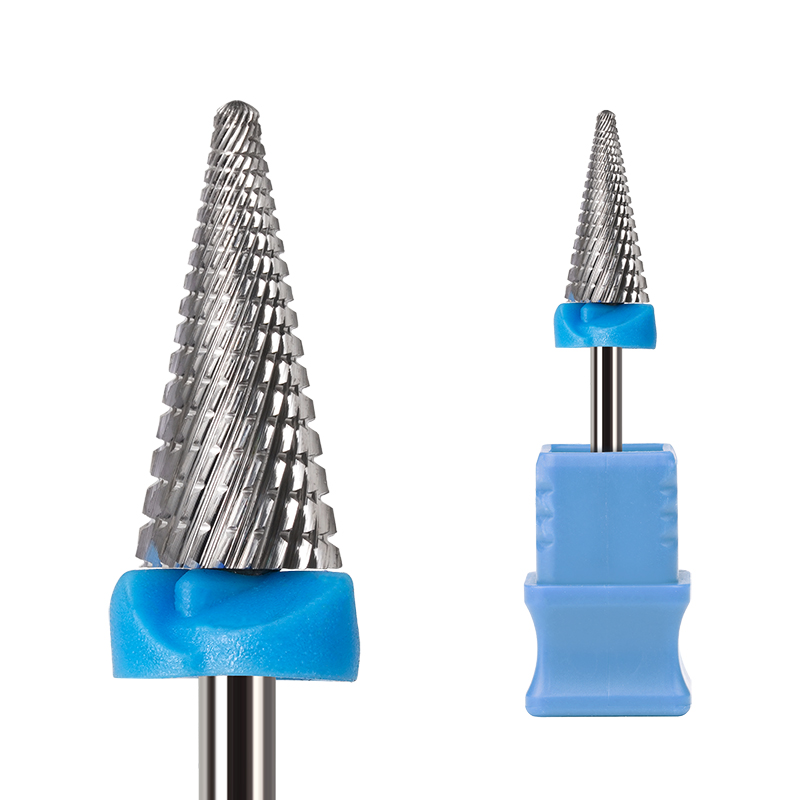
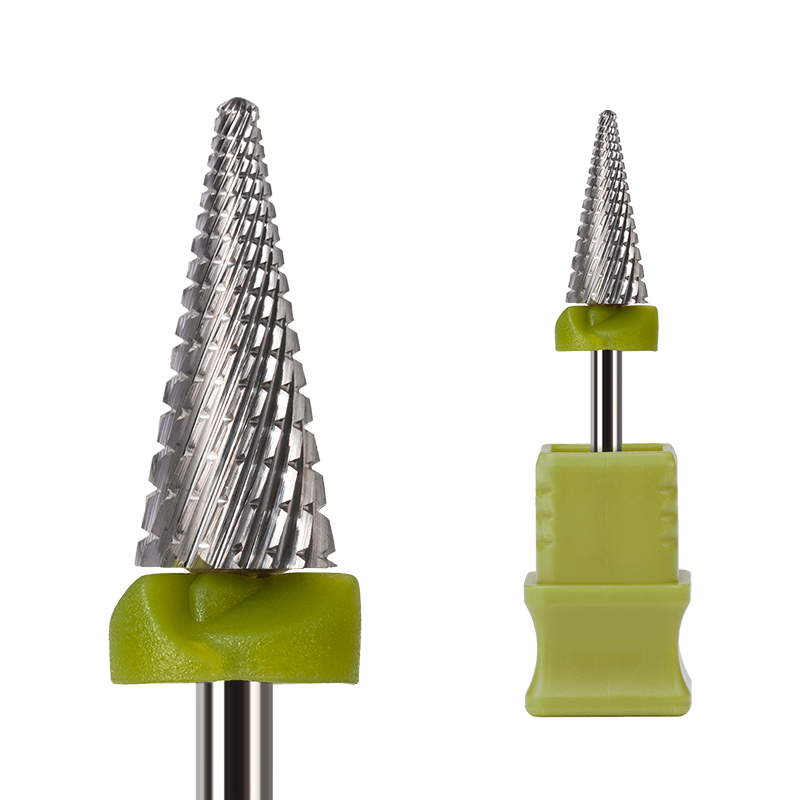
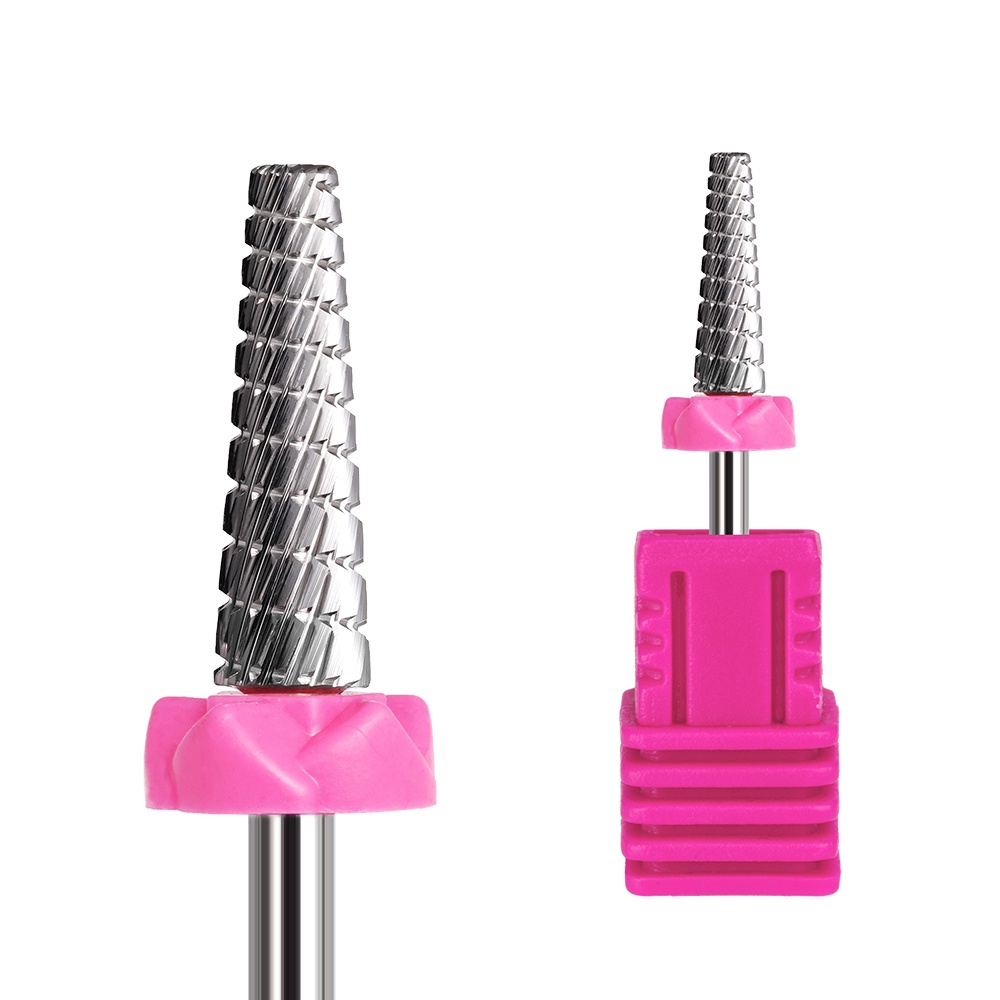
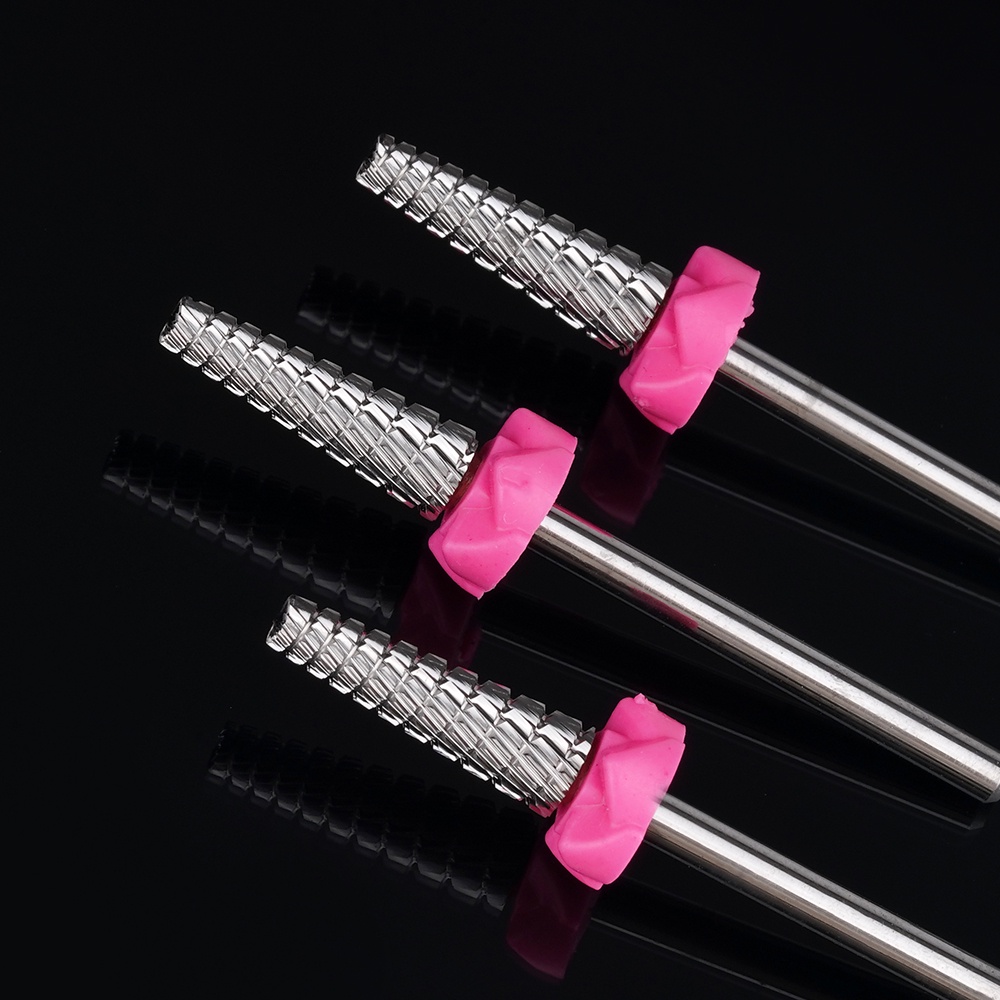
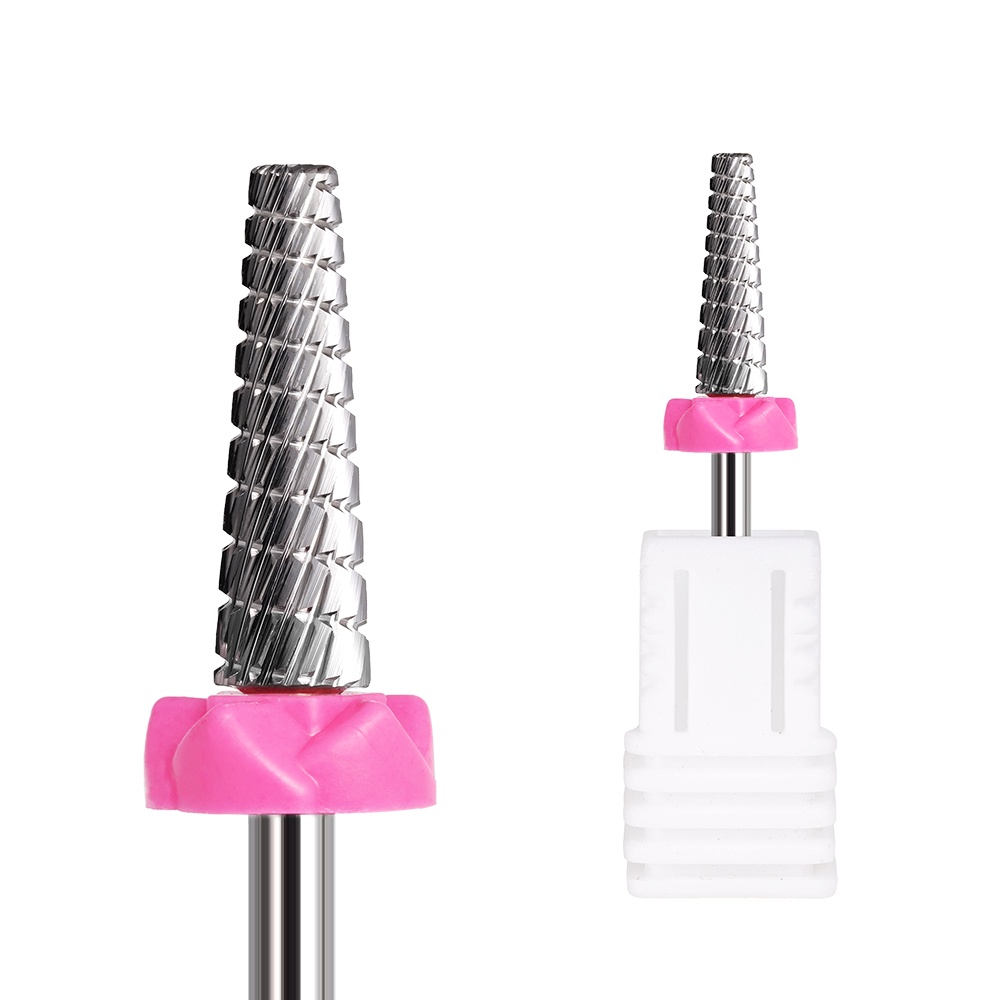
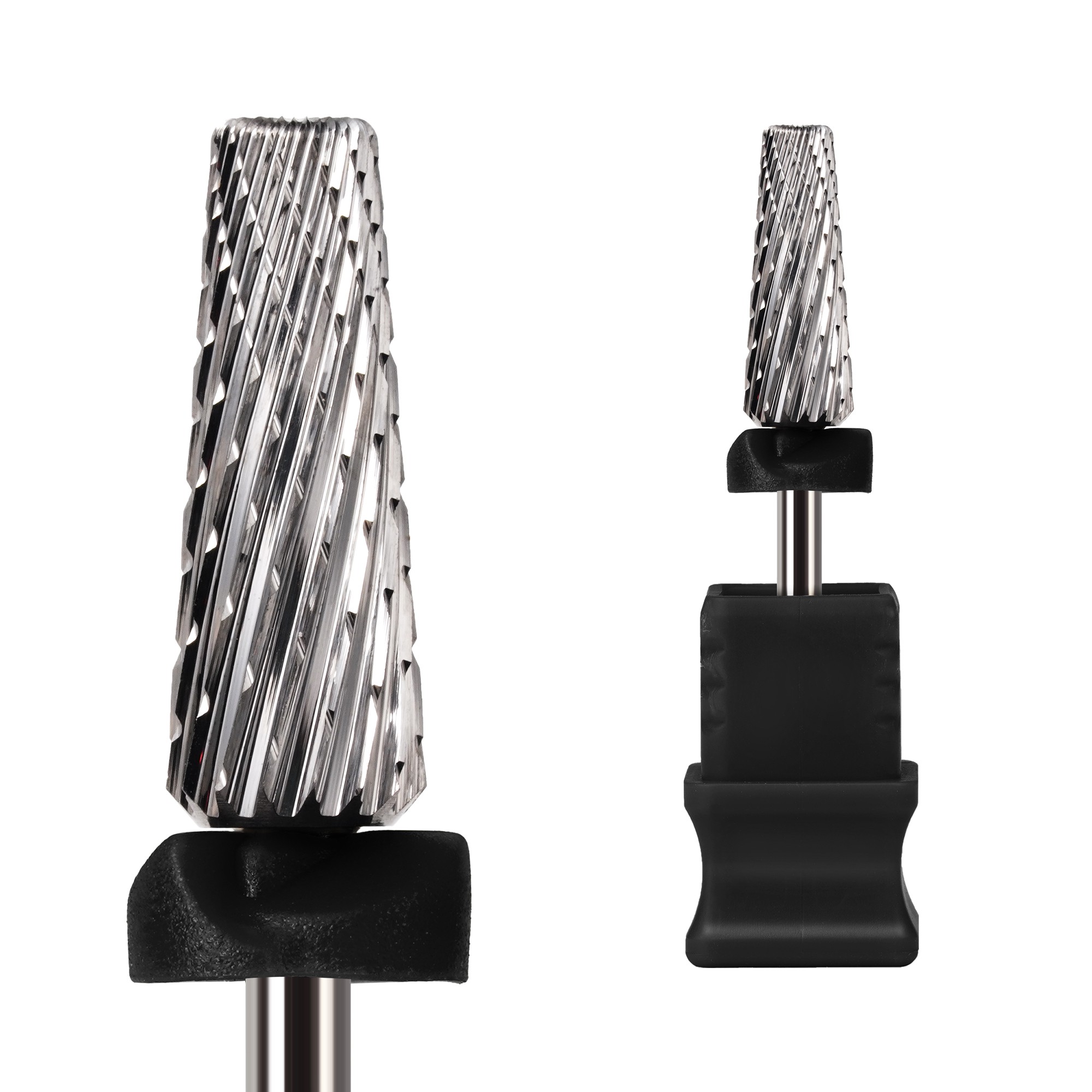
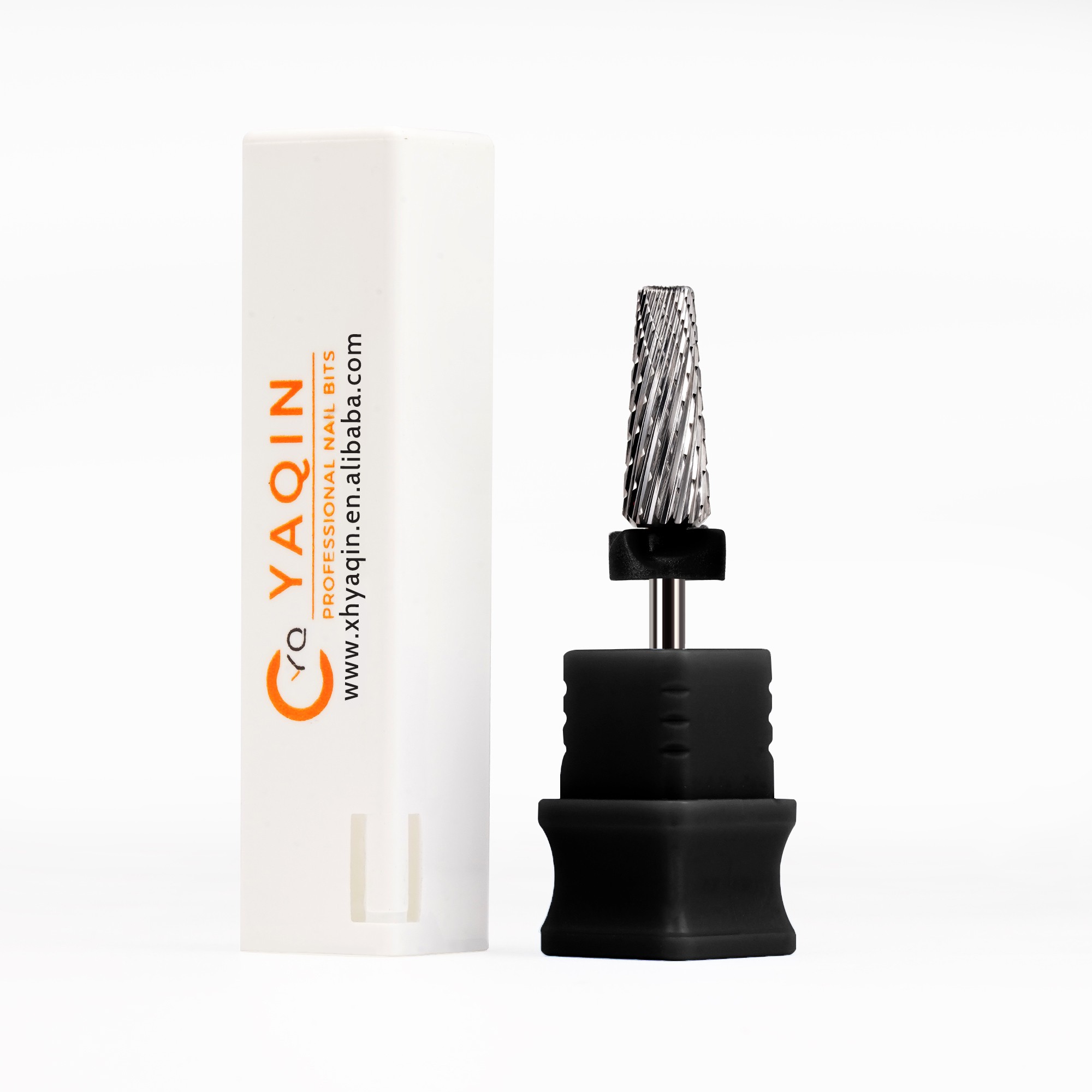
For instance, if you are assessing a 5-in-1 style bit for broader retail appeal, a product such as New Slant Tooth Tungsten Steel Nail Drill Bits Dead Skin Removal 5-in-1 Universal Grinding Nail Polish Head Tool Nail Drill Bits can be a useful reference point in discussions about multifunction use, safety tip design, and whether the bit is more suited to trained technicians, DIY users, or both. The value here is not the name itself. It is whether the factory can explain why that geometry and material combination makes sense for the target market.
OEM ability shows up in small details
Many suppliers say they do OEM and ODM. Fewer handle it cleanly. In this business, OEM strength is visible in the parts that are easy to underestimate: artwork confirmation, barcode accuracy, carton marking, instruction language, accessory matching, and consistency between approved packaging files and final packed goods.
If a factory offers one-stop service from production to delivery, that can simplify coordination. But before treating that as an advantage, confirm where responsibility starts and ends. Does the supplier manage only manufacturing, or also packaging sourcing, inspection, consolidation, and shipment booking? The more integrated the service, the more important it is to clarify accountability.
A useful test is to ask how they manage change requests after sampling. If color labels, box dimensions, or logo positions change, what is the revision process? Is there a final signed specification sheet? Are old materials isolated to prevent mixed packaging? These are ordinary questions, but they reveal whether the OEM system is mature or improvised.
Capacity matters, but delivery discipline matters more
A factory may have enough machines and workers for your order volume, yet still be a poor fit if scheduling is unstable. Nail drill bits are often purchased as part of a broader line rollout, so one delayed item can hold up an entire launch.
Ask about normal lead times, busy season pressure, and how they handle urgent replenishment. Then compare the answer with how they communicate. Slow, vague replies during quotation stage often become worse after deposit payment.
It also helps to understand whether the factory makes mainly standard models, mainly customized products, or a mix of both. A mixed model is common and can work well, but it requires clearer production planning. If your order uses custom packaging, special finish requirements, or a private label insert, ask whether these steps are done in-house or coordinated externally.
That is one reason some buyers prefer suppliers with established export routines and broad OEM experience. Wuxi Yaqin, for example, presents itself as a trading factory with professional OEM/ODM experience, strict QC coverage, and an operating philosophy built around honesty, rigor, responsibility, and mutual benefit. For evaluation purposes, the key point is not the slogan. It is whether those claims show up in response speed, document control, sample consistency, and delivery follow-through.
Where buyers often get the factory fit wrong
One common mistake is choosing a supplier that is technically capable but commercially mismatched. A factory may be excellent at large-volume standard production yet slow and costly for frequent low-volume OEM adjustments. Another may be flexible with development but less suitable for highly compressed replenishment cycles.
Another mistake is treating all nail drill bits as if they carry the same quality risk. They do not. A simple sanding band accessory and a precision-cut tungsten carbide bit should not be evaluated with the same tolerance for variation. The more performance-sensitive the item, the more important factory control becomes.
There is also a branding mistake that shows up later: buyers approve a bit based on looks and basic use, but fail to ask how it performs after repeated cleaning, storage, and daily professional use. Claims such as durability, safety, and sharpness should be considered directionally useful, but final judgment needs sample testing against your own market expectations.
Questions worth asking before you place the first OEM order
- What quality checkpoints are documented from raw material to packing?
- How do you ensure mass production matches the approved sample?
- What tolerance standards do you use for shank size and cutting area?
- How do you handle OEM artwork revision control?
- What is your usual lead time, and what changes in peak periods?
- How are defects handled if issues are found after arrival?
- Which parts of the order are produced in-house, and which are outsourced?
These questions do not need complicated presentations. They need direct, consistent answers. If the supplier avoids specifics, your risk is already visible.
Final decision: choose a Nail Drill Bit Factory that reduces repeat uncertainty
The best Nail Drill Bit Factory for OEM is usually the one that makes repeat business easier to predict. Stable quality, usable documentation, export familiarity, disciplined packing, and realistic lead times matter more than a polished catalog or an aggressive first quote.
If you are still comparing suppliers, use the first order as a controlled test, not a blind scale-up. Confirm the specification sheet, inspect samples carefully, review packaging details, and make sure the factory can explain its process in plain terms. In this category, confidence comes from repeatability. That is what protects margin, reputation, and purchasing efficiency over time.
FAQ
Is ISO certification enough to approve a supplier?
No. It is a useful baseline, but you still need to review batch consistency, inspection records, and how the factory handles OEM changes.
Should I choose a factory with the lowest MOQ?
Not automatically. A low MOQ can help with testing, but it does not tell you whether the supplier can hold quality and delivery once volume grows.
How many samples should be checked before OEM production?
There is no universal number. It depends on product complexity, but one approved sample is rarely enough if packaging, finish, or function is sensitive.
Is a trading factory a disadvantage for nail drill bit sourcing?
Not necessarily. It depends on how well the supplier controls production, QC, and delivery coordination. Some trading factories are stronger in OEM service and export execution than small standalone workshops.
Internal Link Anchor Text Suggestions
- Anchor text: how to evaluate tungsten carbide nail drill bits for private label
- Anchor text: OEM packaging checklist for nail tool products
- Anchor text: common quality defects in abrasive nail bits
- Anchor text: how to compare nail drill bit samples before bulk order
- Anchor text: salon vs DIY nail bit product positioning guide
External Source Suggestions
- Industry association materials related to manicure, pedicure, or professional nail equipment standards
- Government regulatory agency pages covering product labeling, import compliance, and packaging requirements in target markets
- Official technical documentation from material or tooling manufacturers on tungsten carbide performance and wear characteristics
News List
- Preventing Gouges and Uneven Filing With Small Barrel Nail Drill BitsSep 20, 2026
- How Diameter and Grit Affect Small Barrel Nail Drill Bit PerformanceSep 20, 2026
- Can Hytos Nail Drill Bits Be Used Safely on Natural Nails and Gel Polish?Sep 20, 2026
- How to Verify Fit Between Hytos Nail Drill Bits and an E-File HandpieceSep 20, 2026
- Safe Speed Settings for Umbrella Nail Drill Bits Around the Nail FoldSep 20, 2026
- Umbrella vs Flame Nail Drill Bits: Which Shape Offers Better Cuticle Control?Sep 20, 2026
Best-Selling Products
 Cross Cut Safety Stainless Steel Tungsten Carbide Nail Drill Bits Salon Foot Use XF-C Grit for Removing Nails
 First-rate Quality Tungsten Carbide Nail Drill Bits Best Coating Manicure Remove Gel Nails Accessories
 Professional Advanced Safety Cuticle Bits Two-Way Rotate 3/32'' Carbide Tungsten 5 in 1 Nail Drill Bits
 Wholesale 5 in 1 Electric Manicure Nail Drill Bits Various Coating Cone Cuticle Bit with Rotary Cross Cut for Nail Art
 New Slant Tooth Tungsten Steel Nail Drill Bits Dead Skin Removal 5-in-1 Universal Grinding Nail Polish Head Tool Nail Drill Bits
 4.0mm Small 5 in 1 Integrated Sharpe Tungsten Nail Drill Bit Straight Teeth Gel Polish Removal
 Flame Sharp XF F M C XC Silver Safety Professional Corn Tungsten Carbide Nail Bit for Drill Machine Accessories
 Factory Direct 5 in 1 Tungsten Carbide Nail Drill Bits 6.8MM Cross Cut Safety Manicure 5 in 1 Nail Drill Bits
Please give us a message