
Essential tools for manicures that help improve service consistency
Essential tools for manicures that help improve service consistency
Service consistency is rarely lost in the final polish. It usually breaks much earlier, in small decisions repeated hundreds of times a week: which bit a technician reaches for, how aggressively product is removed, whether tools perform the same way from one workstation to the next, and how often replacements are needed before anyone notices quality drift. For project managers and operational leads, that is why selecting the essential tools for manicures is not a purchasing task alone. It is a workflow decision.
In multi-technician salons, training centers, outsourced service networks, or growing beauty brands, consistency depends on tools that reduce variation rather than amplify it. A good manicure system should make outcomes more predictable, onboarding easier, and quality checks simpler. When tools are mismatched, worn too quickly, or sourced inconsistently, even skilled staff can deliver uneven results.
The practical question is not just “what tools are needed?” but “which tools help teams repeat the same standard under real working conditions?” That shift in perspective matters for anyone responsible for service quality, supply planning, or process control.
Why standardization starts with the toolkit
Many manicure businesses focus their standardization efforts on technician training manuals or service timing targets. Those are necessary, but they only work when the toolkit itself supports repeatable performance. If one station uses a bit that cuts too aggressively and another uses a dull abrasive that drags across the surface, the process no longer follows one standard, even if the written SOP says otherwise.
The essential tools for manicures should do more than complete the service. They should narrow the gap between different users, reduce avoidable errors, and create a stable service rhythm. This is especially important for project managers overseeing expansion, cross-location operations, or OEM/ODM product sourcing, where every inconsistency tends to multiply.
From a management point of view, tools typically affect consistency in five ways:
- They influence how much technician technique varies from one service to another.
- They shape service speed and the likelihood of rework.
- They determine how safely product can be removed or prepared.
- They affect replacement frequency and inventory planning.
- They make quality audits either clearer or more difficult.
That is why “basic manicure tools” should not be treated as a generic shopping list. The right selection is part of process engineering.
The non-negotiable categories in a consistency-focused manicure setup
Not every salon or nail service provider will use the same exact configuration, but the most stable systems usually include a balanced combination of hand tools, abrasive tools, electric drill accessories, sanitation support, and storage controls.
1. Surface preparation tools
Nail files, buffers, and cuticle pushers shape the starting condition of the nail. If these tools vary too much in grit, rigidity, or durability, prep quality becomes uneven. For managers, it is wise to define approved grit ranges and replacement rules rather than leaving selection entirely to personal preference.
Consistency improves when prep tools are chosen according to service type. A natural nail service, gel overlay, and removal-prep cycle do not all require the same abrasive behavior. One frequent mistake is assuming “more aggressive” means “more efficient.” In reality, overly harsh prep can create unnecessary damage, increase sensitivity risk, and make outcomes less repeatable across technicians with different experience levels.
2. Removal and refinement tools
This is where service variability often becomes most visible. Gel removal, product thinning, and surface refinement require precision. If the wrong bit shape, cut, or grit is used, technicians may leave residue, create heat, or remove too much material. Those issues directly affect customer comfort and the quality of the next application.
For businesses that rely on electric filing, carbide and abrasive bits are central to standardization. A well-made bit should cut cleanly, remain stable under repeated use, and resist corrosion so that performance does not degrade too quickly between sanitation cycles.
3. Hygiene and handling tools
Brushes, dust management accessories, cleaning trays, and storage containers are easy to undervalue because they do not directly shape the nail. Yet they strongly affect service consistency. Tools stored poorly, mixed across grit categories, or inadequately dried after cleaning can perform unpredictably and wear out earlier than expected.
Managers who want better repeatability often benefit from simple labeling logic: color-coded categories, designated storage by use case, and clear retirement criteria for worn abrasives.
What project managers should look for when choosing nail drill bits
Among all the essential tools for manicures, nail drill bits tend to have the biggest operational impact because they sit at the intersection of speed, safety, and finishing quality. For procurement or technical leads, the wrong drill bit is expensive in ways that are not always visible on the invoice. It may save a small amount upfront while increasing training time, replacement rates, or service inconsistency.
When evaluating drill bits, focus on functional criteria instead of broad claims. Four considerations matter most.
Material stability
Tungsten steel and tungsten carbide are widely valued in professional use because they offer sharpness, wear resistance, and heat tolerance. These properties matter in high-frequency service environments where bits need to maintain cutting behavior over time instead of becoming unpredictable after limited use.
Cutting precision
A bit should remove product cleanly, not chatter across the nail surface or leave uneven residue. Precision manufacturing matters here. Better cutting control supports both faster removal and more uniform prep, especially when multiple technicians are expected to follow the same method.
Safety-oriented design
Rounded tip designs can reduce the risk of accidental skin contact, which is useful not only for beginners but also for busy teams working under time pressure. Safety in tool design is part of consistency because fewer avoidable incidents mean fewer interruptions and less quality variation.
Matching grit and width to the service
Coarse, medium, and fine are not interchangeable. Neither are narrow and wide configurations. A wide bit may speed removal on larger surfaces, while a narrow option offers more controlled access around tighter zones. Standardization often improves when managers define exactly which combinations are approved for hard gel removal, soft gel removal, base coat work, and natural nail prep.
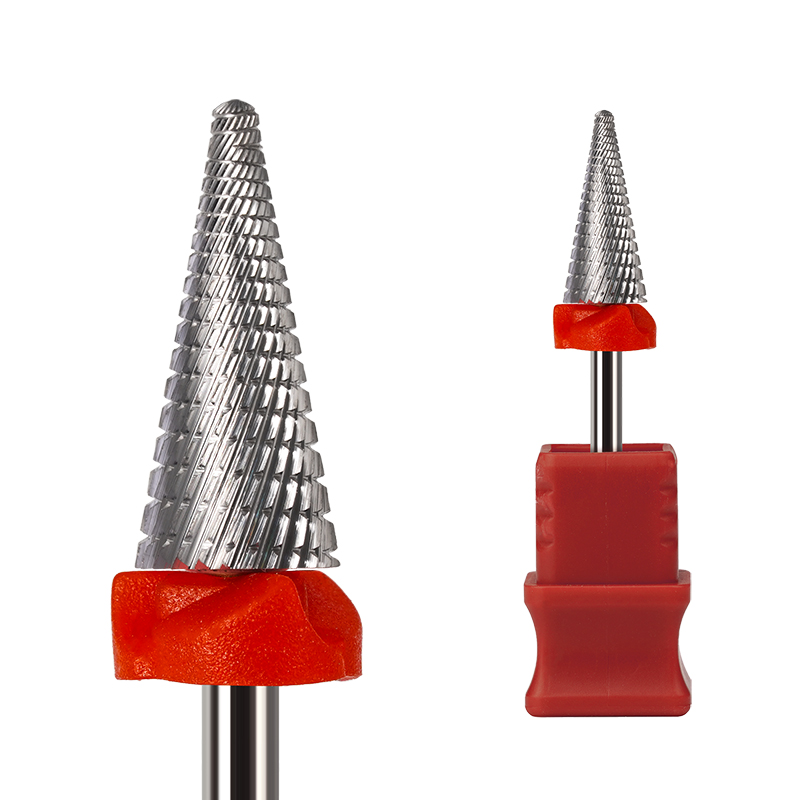
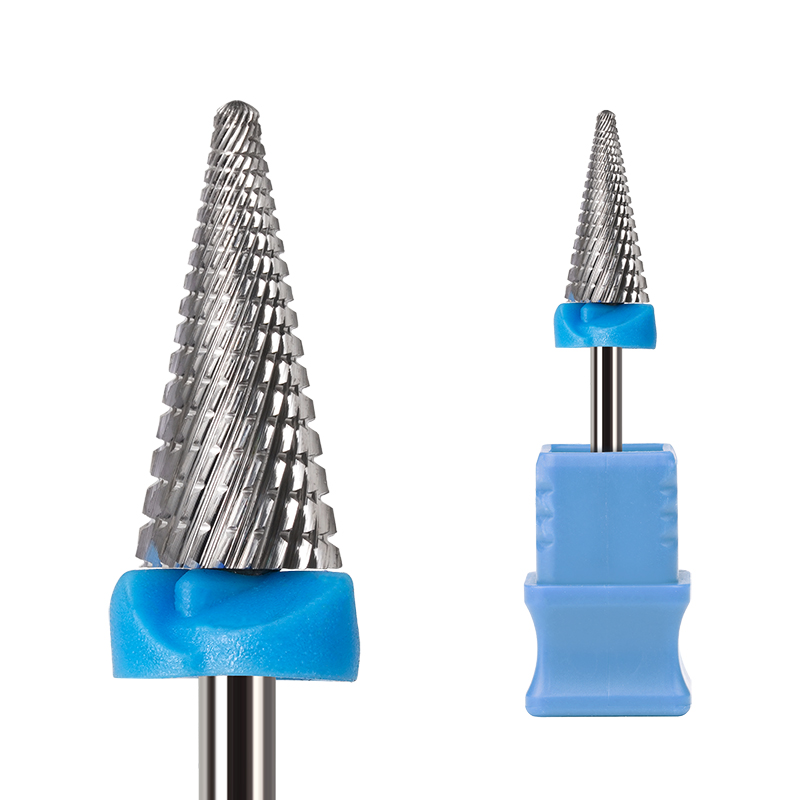
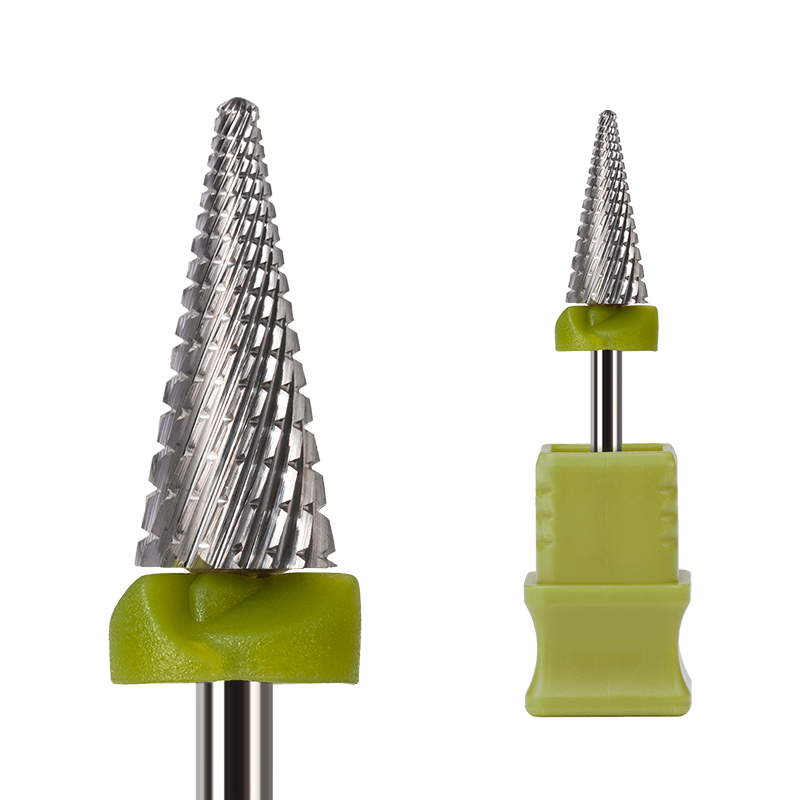
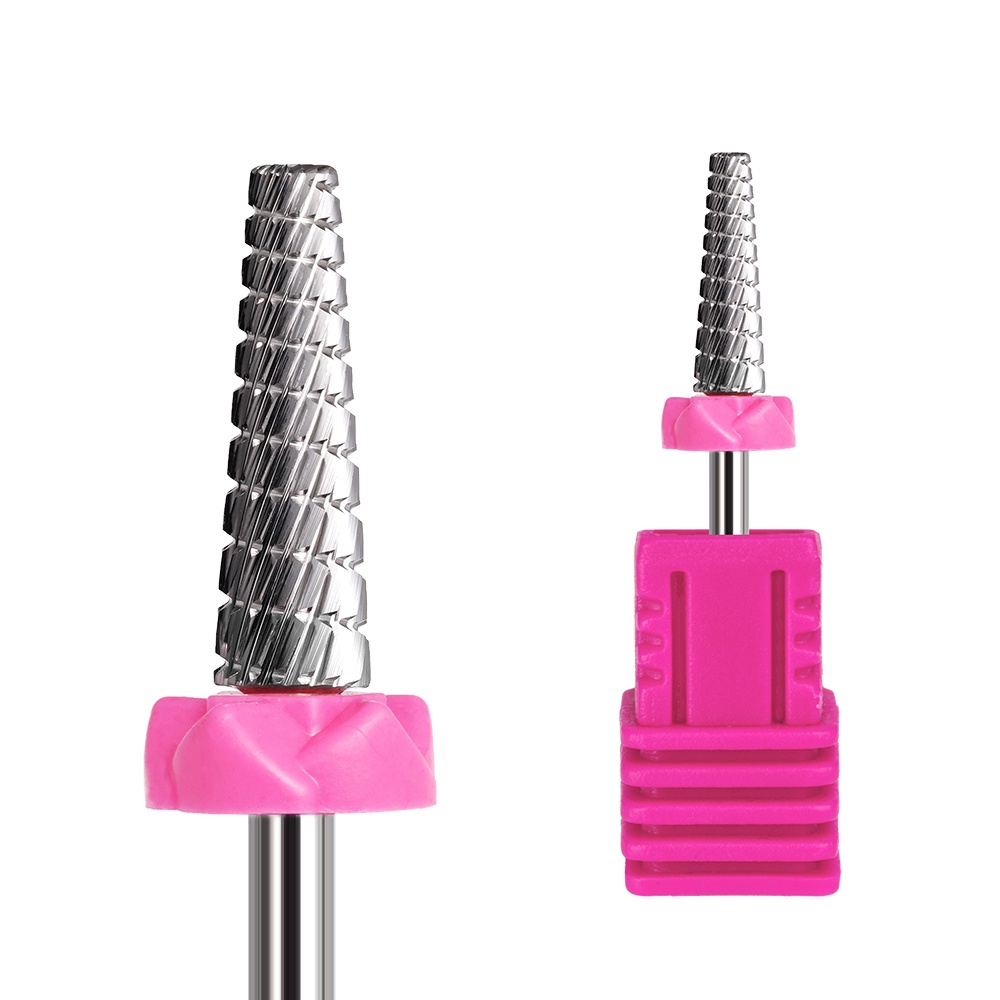
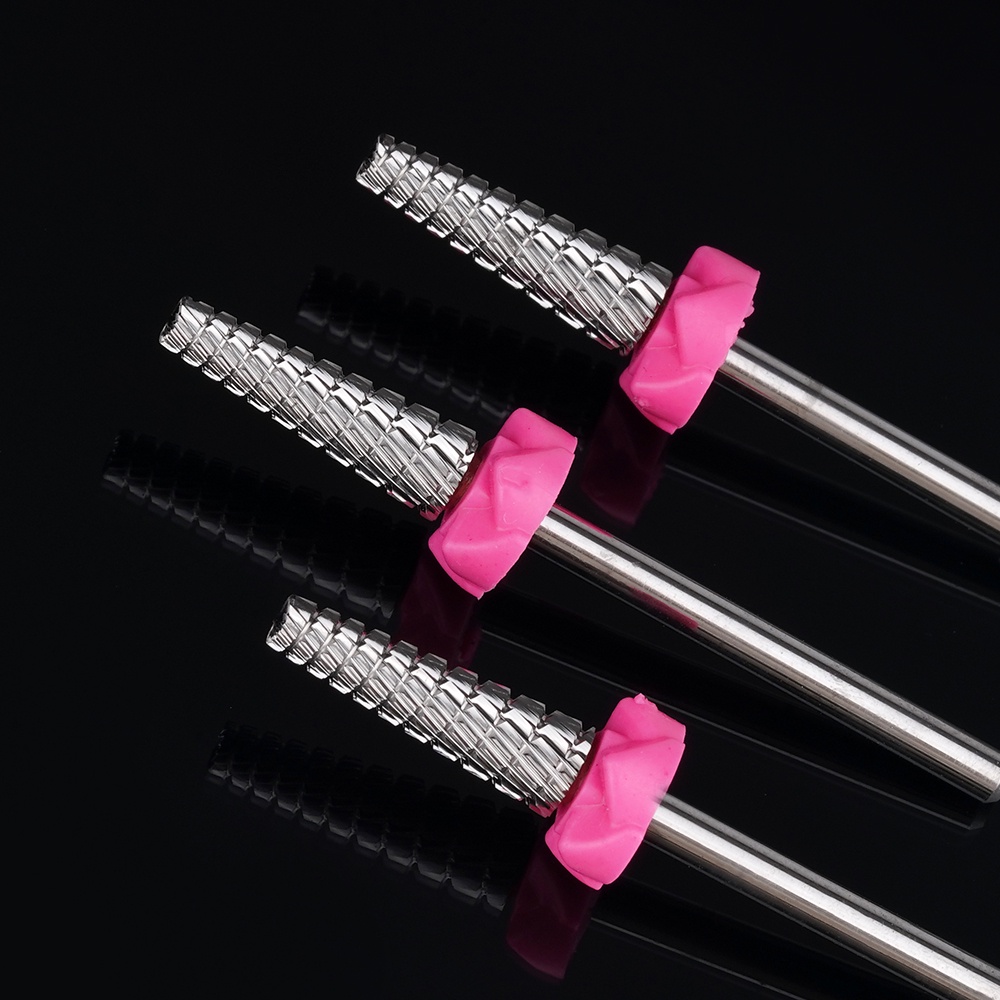
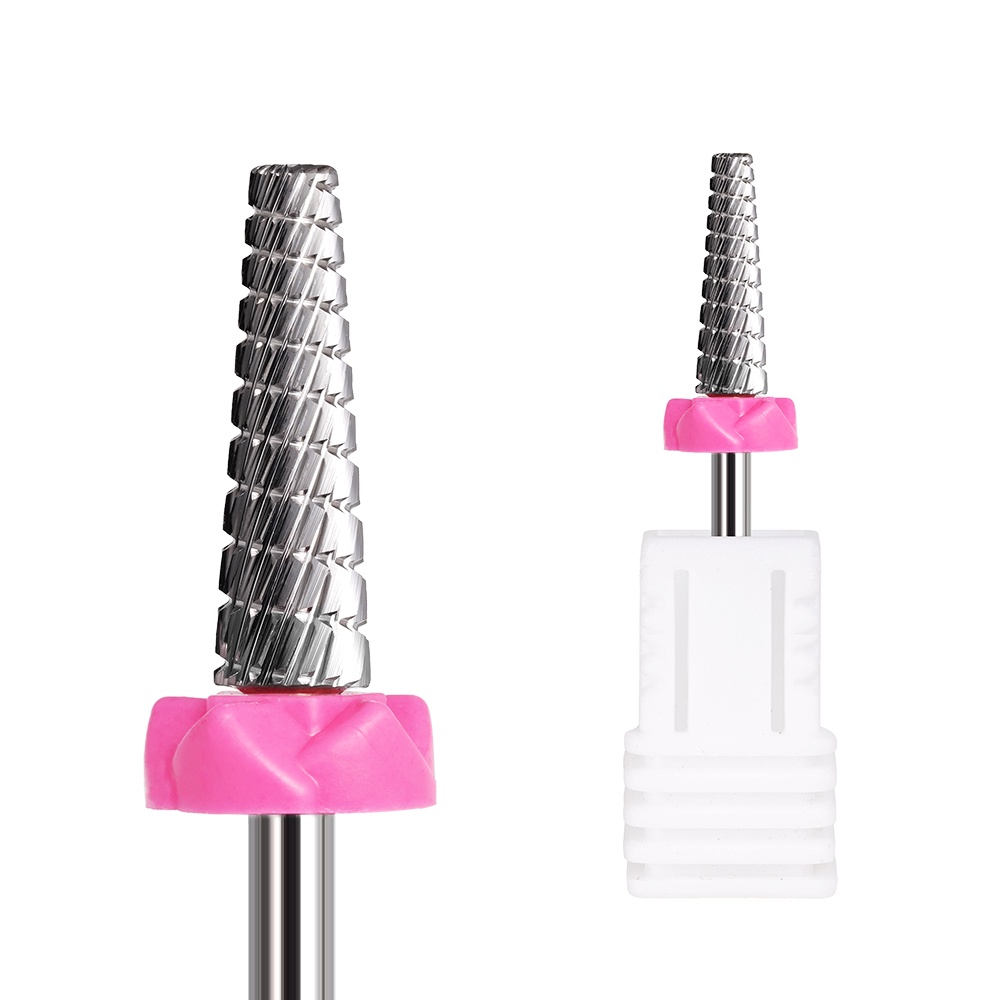
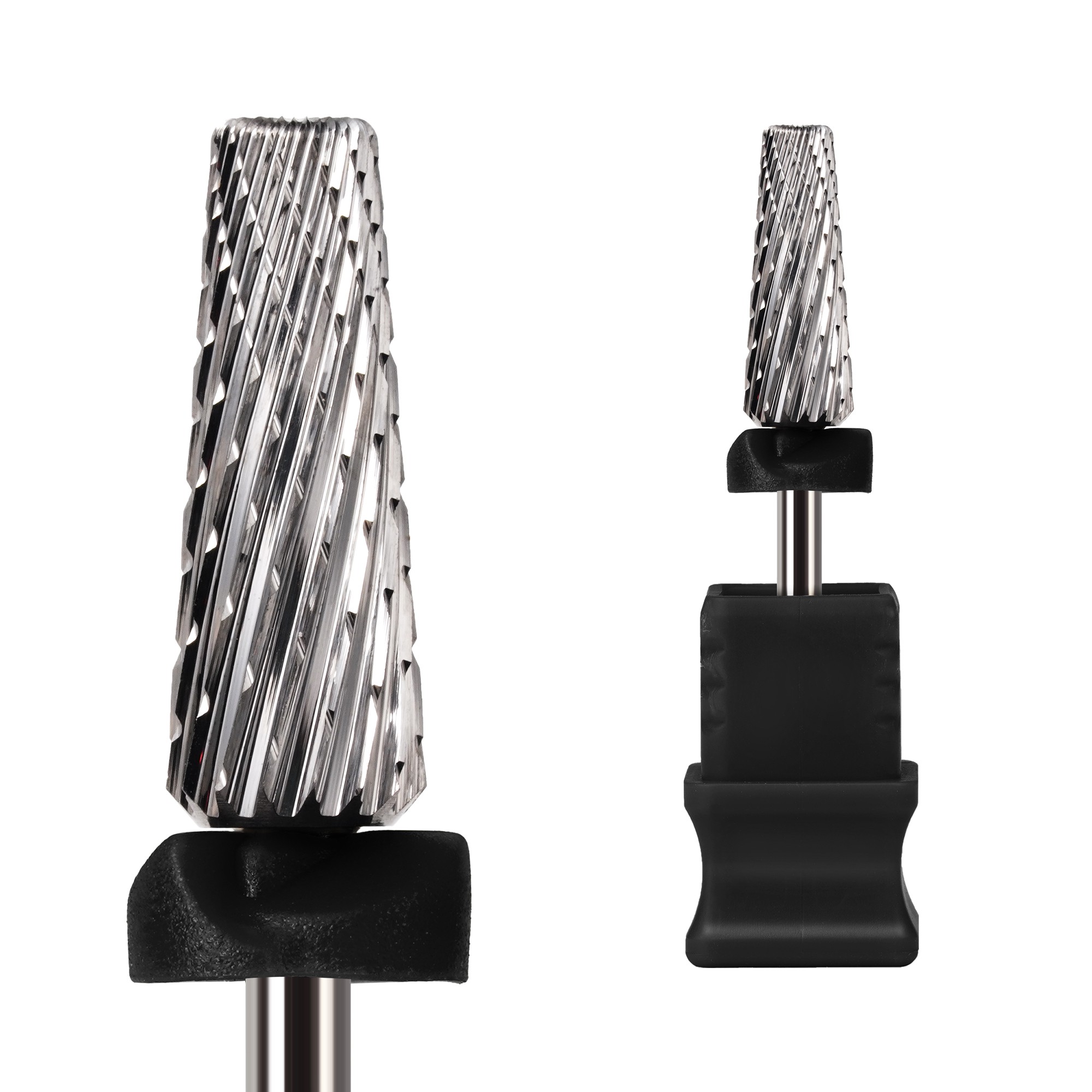
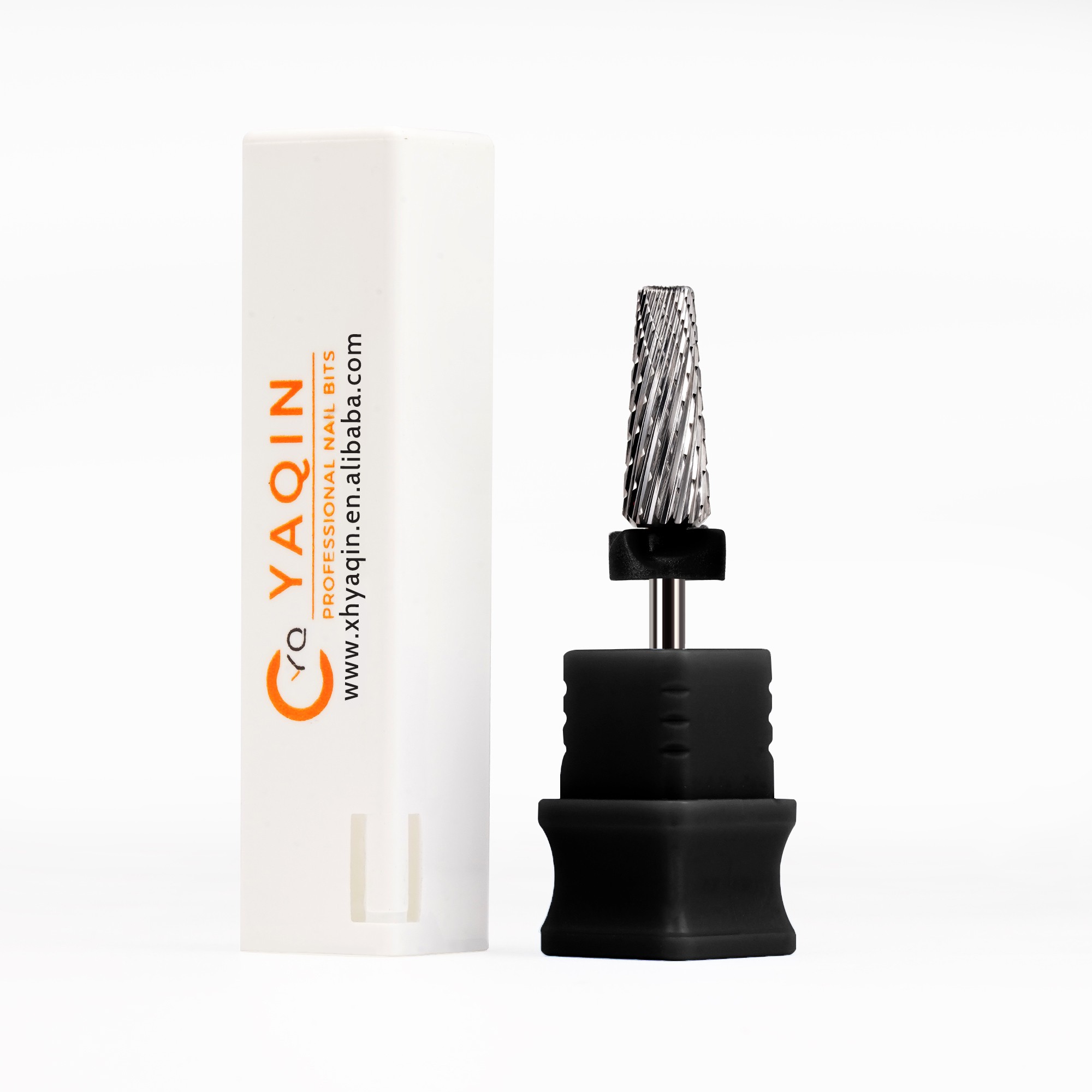
One example worth considering is the Professional Right and Left Handle Customized Logo Print Tungsten Manicure Art Use Carbide Nail Drill Bit. For teams trying to reduce variation, features such as corrosion resistance, precision cutting, and a user-friendly rounded tip are more than product details; they are process safeguards. Available in coarse, medium, and fine options, as well as narrow and wide sizes, this kind of configuration makes it easier to align tools with specific SOPs rather than relying on ad hoc substitutions.
Consistency is also about speed control, not just tool quality
Even excellent tools can create inconsistent results if they are used outside appropriate operating ranges. That is why a manicure toolkit should be linked to usage guidance. For instance, recommended RPM ranges for different gel types help reduce guesswork. Hard gel removal typically calls for a higher speed band than soft gel or base gel removal. When these ranges are documented and taught, teams are less likely to overwork the nail or leave uneven layers behind.
Managers often assume technicians naturally know when to adjust speed. Some do. But a scalable operation should not depend on intuition alone. If your goal is repeatable service, pair every key tool with a basic usage framework: approved task, speed range, replacement condition, and handling notes.
How to build a manicure tool matrix for multi-person teams
A useful approach is to stop thinking in terms of one general-purpose kit and start defining tools by task category. This reduces overlap and confusion.
A simple matrix might include:
- Prep tools: cuticle pusher, fine abrasive file, buffer, dust brush
- Removal tools: carbide bit by gel type, file backup option, residue-cleaning brush
- Refinement tools: medium or fine bit for smoothing, shaping file, finishing buffer
- Hygiene tools: cleaning container, drying rack, labeled storage case
- Control tools: SKU labels, usage logs, inspection checklist
This may sound procedural, but it actually gives technicians more confidence. Instead of improvising under pressure, they know which tool belongs to which step. That lowers cognitive load and protects service consistency, especially during busy periods or staff transitions.
Common sourcing mistakes that weaken service quality
Managers searching for the essential tools for manicures often compare products only on unit cost. In practice, several hidden issues matter just as much.
Inconsistent batches: If abrasives or bits vary noticeably from one shipment to another, retraining becomes necessary and trust in the toolkit drops.
Poor corrosion resistance: Tools exposed to repeated cleaning and disinfection need reliable anti-corrosion performance. Rust or surface degradation is not just an appearance issue; it affects function and hygiene confidence.
Undefined QC standards: Without a supplier that controls raw material purchasing, production process, and packing quality, replacement cycles can become erratic.
No OEM/ODM flexibility: Growing brands and multi-site operators often need custom labeling, packaging, or logo integration to support internal control and brand presentation. When suppliers cannot support that, operational friction increases.
This is one reason experienced sourcing teams often prefer partners with structured quality systems and export experience. Wuxi Yaqin Trading Co., Ltd., for example, has focused on high-quality abrasive products for international markets and operates with a complete QC system covering raw materials, production, and packing. For buyers managing cross-border supply stability, that kind of discipline can be just as important as the product specification itself.
Training beginners without lowering standards
A strong manicure system should work for both experienced nail professionals and newer staff. This is where tool design can quietly improve outcomes. Bits that support quick and safe gel removal while staying gentle on natural nails help beginners develop correct habits without excessive risk. That does not remove the need for training, but it makes training more transferable.
In practical terms, safer geometry, predictable cutting behavior, and clear grit distinctions help managers shorten the gap between “learning the process” and “performing the process consistently.” For teams expanding quickly, this matters. Every tool that reduces avoidable variation saves time in supervision.
Another useful option for standardization is selecting drill bits designed for right- and left-hand handling, particularly in diverse technician teams. Details like this are easy to overlook during procurement, yet they affect comfort, control, and ultimately service uniformity.
What a dependable manicure toolkit should deliver over time
When the toolkit is chosen well, the benefits show up gradually but clearly. Services feel more predictable. Customer complaints related to uneven removal or rough prep decrease. Inventory becomes easier to forecast. Technicians spend less time compensating for tool limitations. Quality checks focus more on skill refinement than on correcting preventable equipment-related issues.
The best essential tools for manicures are not necessarily the most complicated ones. They are the tools that keep performing the same way across users, service types, and replenishment cycles. That reliability is what allows managers to scale without losing control of the client experience.
If your operation is reviewing its current setup, begin with the highest-impact points: abrasive quality, drill bit suitability, sanitation compatibility, and supplier consistency. A durable tungsten carbide option such as the Professional Right and Left Handle Customized Logo Print Tungsten Manicure Art Use Carbide Nail Drill Bit fits naturally into that conversation because it addresses practical concerns—precision, durability, corrosion resistance, and safer handling—that directly influence standardization.
In manicure services, consistency is rarely accidental. It is built through tool choices that support repeatable work, day after day. For project managers and service leaders, that makes the toolkit more than equipment. It becomes part of the operating system.
News List
- Preventing Gouges and Uneven Filing With Small Barrel Nail Drill BitsSep 20, 2026
- How Diameter and Grit Affect Small Barrel Nail Drill Bit PerformanceSep 20, 2026
- Can Hytos Nail Drill Bits Be Used Safely on Natural Nails and Gel Polish?Sep 20, 2026
- How to Verify Fit Between Hytos Nail Drill Bits and an E-File HandpieceSep 20, 2026
- Safe Speed Settings for Umbrella Nail Drill Bits Around the Nail FoldSep 20, 2026
- Umbrella vs Flame Nail Drill Bits: Which Shape Offers Better Cuticle Control?Sep 20, 2026
Best-Selling Products
 Cross Cut Safety Stainless Steel Tungsten Carbide Nail Drill Bits Salon Foot Use XF-C Grit for Removing Nails
 First-rate Quality Tungsten Carbide Nail Drill Bits Best Coating Manicure Remove Gel Nails Accessories
 Professional Advanced Safety Cuticle Bits Two-Way Rotate 3/32'' Carbide Tungsten 5 in 1 Nail Drill Bits
 Wholesale 5 in 1 Electric Manicure Nail Drill Bits Various Coating Cone Cuticle Bit with Rotary Cross Cut for Nail Art
 New Slant Tooth Tungsten Steel Nail Drill Bits Dead Skin Removal 5-in-1 Universal Grinding Nail Polish Head Tool Nail Drill Bits
 4.0mm Small 5 in 1 Integrated Sharpe Tungsten Nail Drill Bit Straight Teeth Gel Polish Removal
 Flame Sharp XF F M C XC Silver Safety Professional Corn Tungsten Carbide Nail Bit for Drill Machine Accessories
 Factory Direct 5 in 1 Tungsten Carbide Nail Drill Bits 6.8MM Cross Cut Safety Manicure 5 in 1 Nail Drill Bits
Please give us a message