
What certifications matter when reviewing a nail drill bit supplier in the UK
What certifications matter when reviewing a nail drill bit supplier in the UK
When assessing a nail drill bit supplier UK importers may shortlist, the most useful certifications are the ones that reveal how consistently the factory controls raw materials, machining tolerances, surface treatment, traceability, and final inspection. In this product category, certificates should be read together with technical records. A document on its own says little unless it matches the actual bit geometry, shank dimensions, abrasive performance, corrosion resistance, packaging control, and labeling discipline seen in production samples.
ISO 9001 is usually the first document worth verifying
For nail drill bits, ISO 9001 matters because defects often come from process drift rather than from a single visible failure. Cutting edge shape, grit uniformity, concentricity, weld quality where applicable, and surface finish all depend on repeatable controls. A valid ISO 9001 certificate suggests that the supplier has defined procedures for incoming material inspection, in-process checks, nonconforming product handling, corrective action, and document control.
That said, the certificate should not be treated as proof that every drill bit is suitable for salon or professional distribution. It is more useful as evidence that the supplier has an auditable management framework. The practical review point is whether the scope on the certificate actually covers the relevant products or manufacturing activity. If the scope is too broad or unrelated, it carries less weight. It is also reasonable to request supporting records such as inspection forms, calibration logs for measuring tools, and batch identification methods used on finished lots.
UK conformity and product safety records deserve a separate review
In the UK market, technical approval should distinguish between a management certificate and market-access compliance. A nail drill bit is often a detachable accessory rather than a powered device, so the applicable conformity route may differ from that of the electric nail drill machine itself. That difference matters. Some suppliers present broad compliance claims that belong to the handpiece, charger, or complete e-file system, not to the bit being sourced.
For that reason, any declaration related to UK regulations should be checked against the exact item description, intended use, packaging, and labeling. If a supplier claims UKCA or another conformity status, the technical file should make clear why the product falls within that framework. If the item is simply a mechanical carbide or abrasive bit with no electrical function, the more relevant concern may be material safety, labeling accuracy, and general product safety rather than a conformity mark that is commonly associated with electrical equipment.
A careful review also looks at how the supplier separates the compliance documents of accessories from those of the full device. Mixing them together is a common source of confusion in sourcing files.
Material-related declarations often matter more than decorative certificates
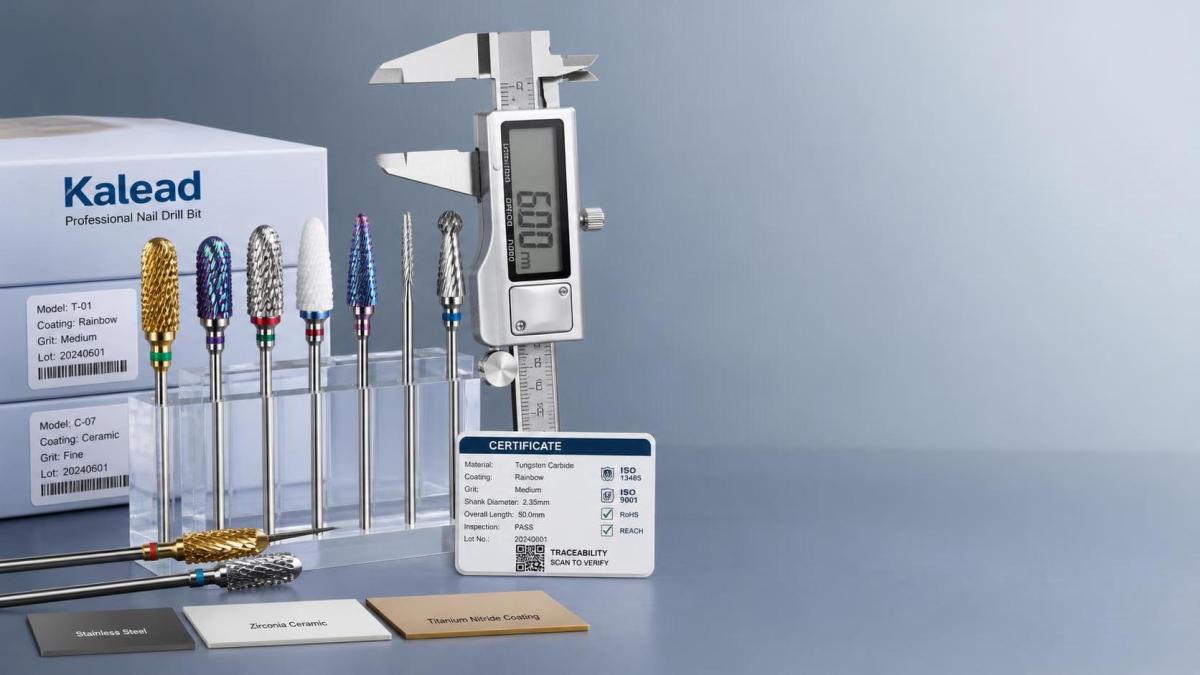
Nail drill bits are frequently made from tungsten carbide, tungsten steel, ceramic, or stainless steel components, sometimes with coatings intended to improve wear resistance or corrosion behavior. In this context, material declarations can be more informative than a generic presentation sheet. If the product will contact skin, dust, moisture, disinfectants, and repeated cleaning chemicals, the reviewer should ask whether the supplier can identify the substrate material and any surface coating used on the bit.
In the UK and wider European trading environment, requests may include statements concerning restricted substances in metal finishes, coatings, adhesives, inks, and packaging components. The supplier should be able to explain whether such declarations are based on actual test reports, supplier statements from upstream material sources, or internal specifications. The distinction is important. A declaration backed by traceable inputs is more reliable than a simple unsigned statement attached late in a transaction.
For plated or coated bits, extra attention should be given to wear behavior. A gold-colored surface, for example, may be a functional coating or only a visual finish. The technical concern is whether the layer changes cutting performance, cleaning resistance, or the stability of the flute edges after repeated use.
RoHS and REACH-style material controls can still be relevant
Even when a nail drill bit is not an electronic product, substance control requests can appear in quality agreements or import documentation. RoHS is widely recognized, but its direct applicability depends on the final product category. REACH-related statements or similar restricted-substance declarations may be requested when there is concern about coatings, plating compounds, packaging inks, or residues from production chemicals.
The useful approach is not to ask for every possible certificate by default. It is better to ask the supplier which declarations they can support for the exact SKU and then review whether those declarations are technically connected to the item. If a carbide bit includes bonded abrasive elements, color coatings, or polymer packaging components, the supporting documentation may need to cover more than the metal substrate alone.
For sterilization and hygiene claims, evidence has to match the claim language
Some nail drill bits are sold with wording related to cleaning, disinfection, or sterilization compatibility. Those statements should be tested carefully because they affect both performance expectations and post-sale risk. If the supplier states that the bit is autoclavable, corrosion-resistant, or suitable for repeated chemical disinfection, there should be some internal validation basis. That basis may include material selection records, surface treatment specifications, or durability testing after exposure to heat and disinfectants.
Without this support, a claim can be misleading. A bit may tolerate short-term use yet still develop corrosion, edge dulling, discoloration, or imbalance after repeated cleaning cycles. For abrasive products, hygiene claims also need to be considered alongside particle retention and surface integrity. If abrasive fragments shed during use or after cleaning, the issue becomes both a performance and safety concern.
Calibration and inspection discipline are often better indicators than marketing paperwork
For a nail drill bit supplier uk sourcing files should ideally include evidence that key dimensions are measured using controlled equipment. Shank diameter is a basic example. If the nominal size is 3/32 inch or another standard fitting, the actual tolerance must be stable enough to avoid wobble, poor chuck retention, or vibration at operating speed. Concentricity, head profile, flute spacing, and grit consistency also affect cut quality and heat generation.
Calibration records are relevant because inspection results cannot be trusted if the gauges, micrometers, or runout instruments are not maintained. Where the supplier machines carbide bits, it is reasonable to ask how often measuring tools are checked and how nonconforming lots are isolated. These details may reveal more than a stack of unrelated certificates.
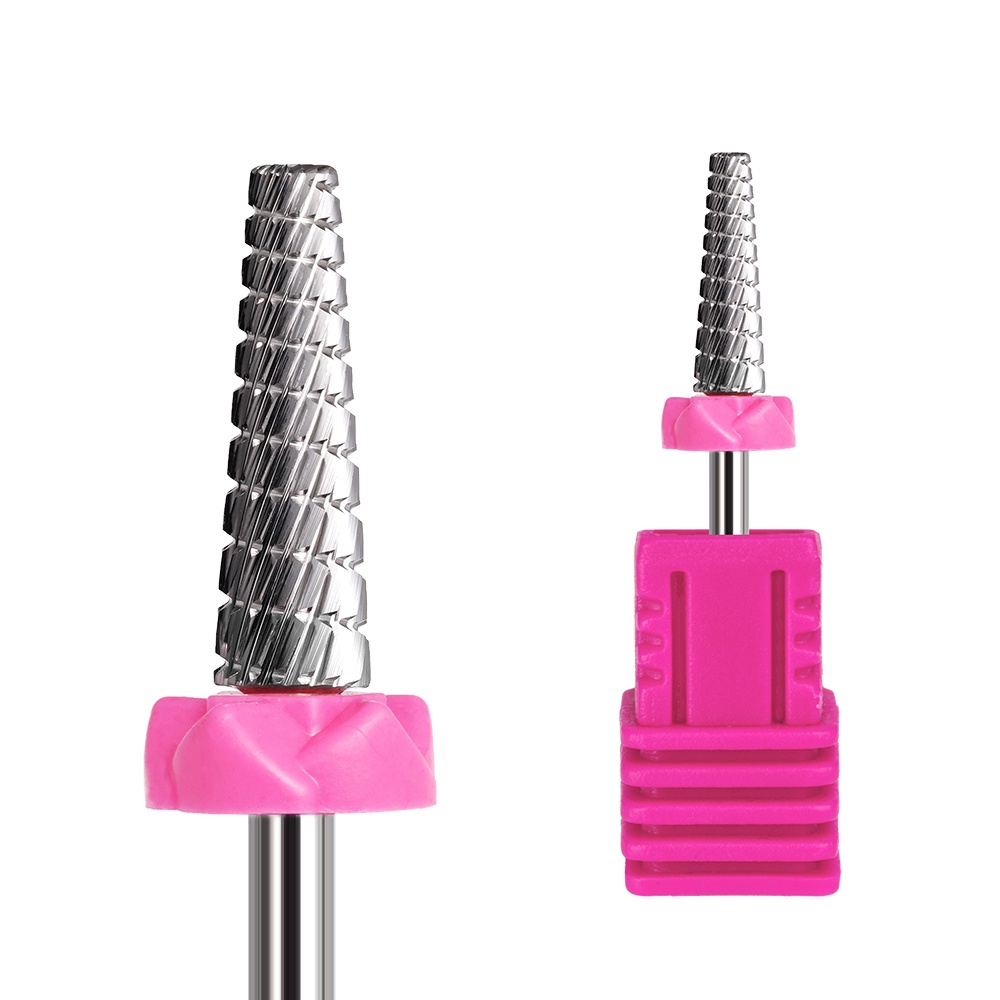
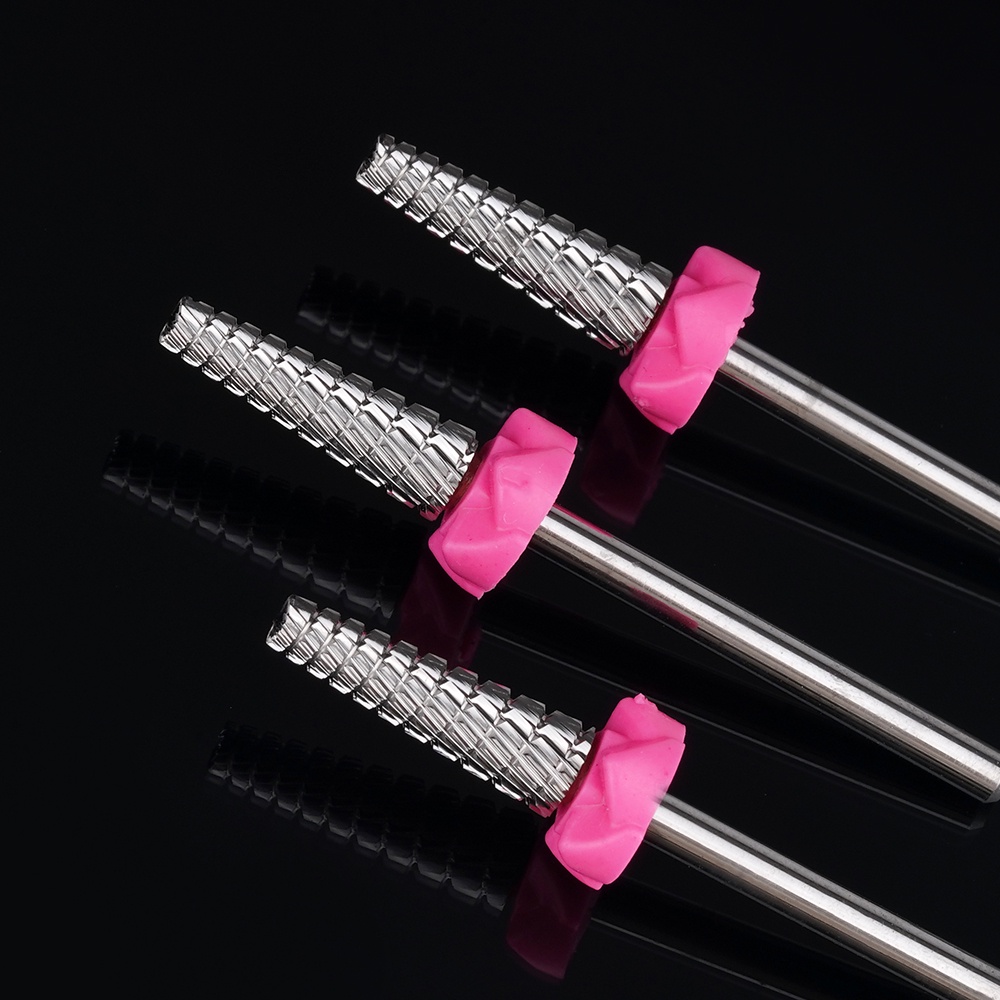
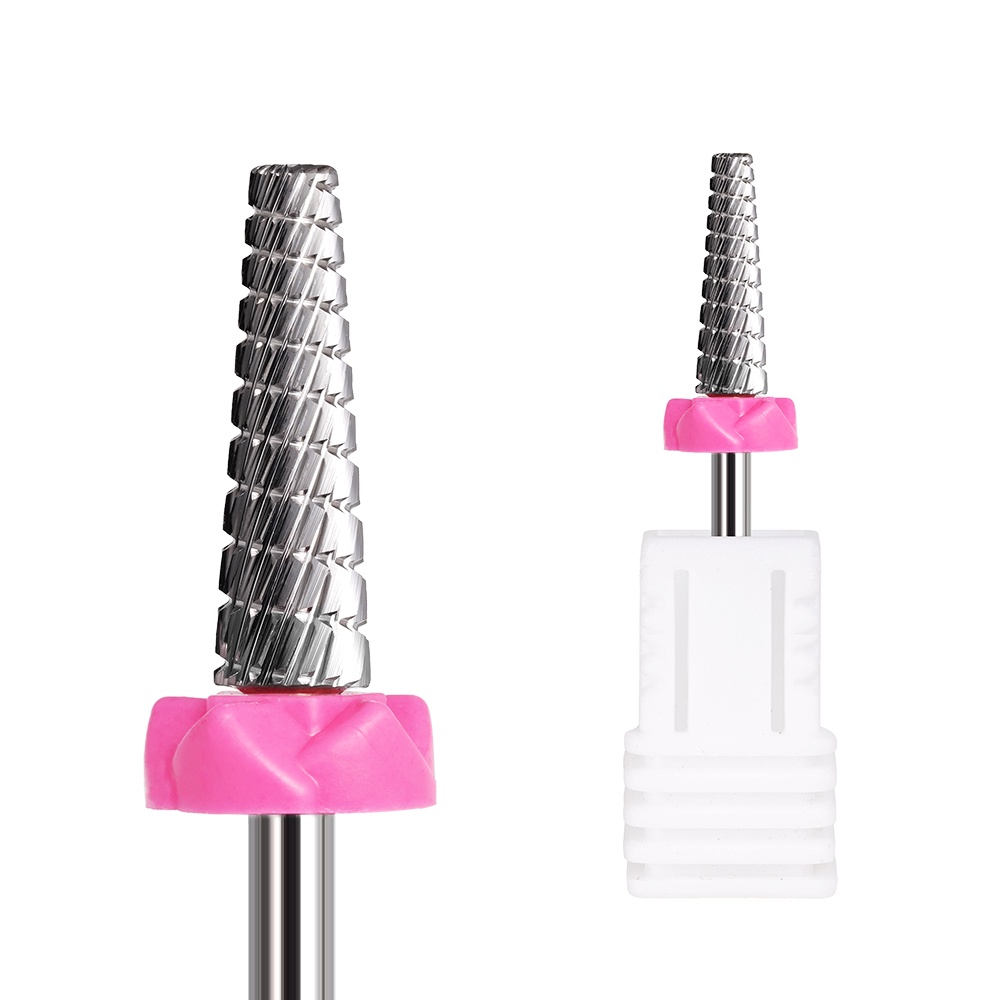
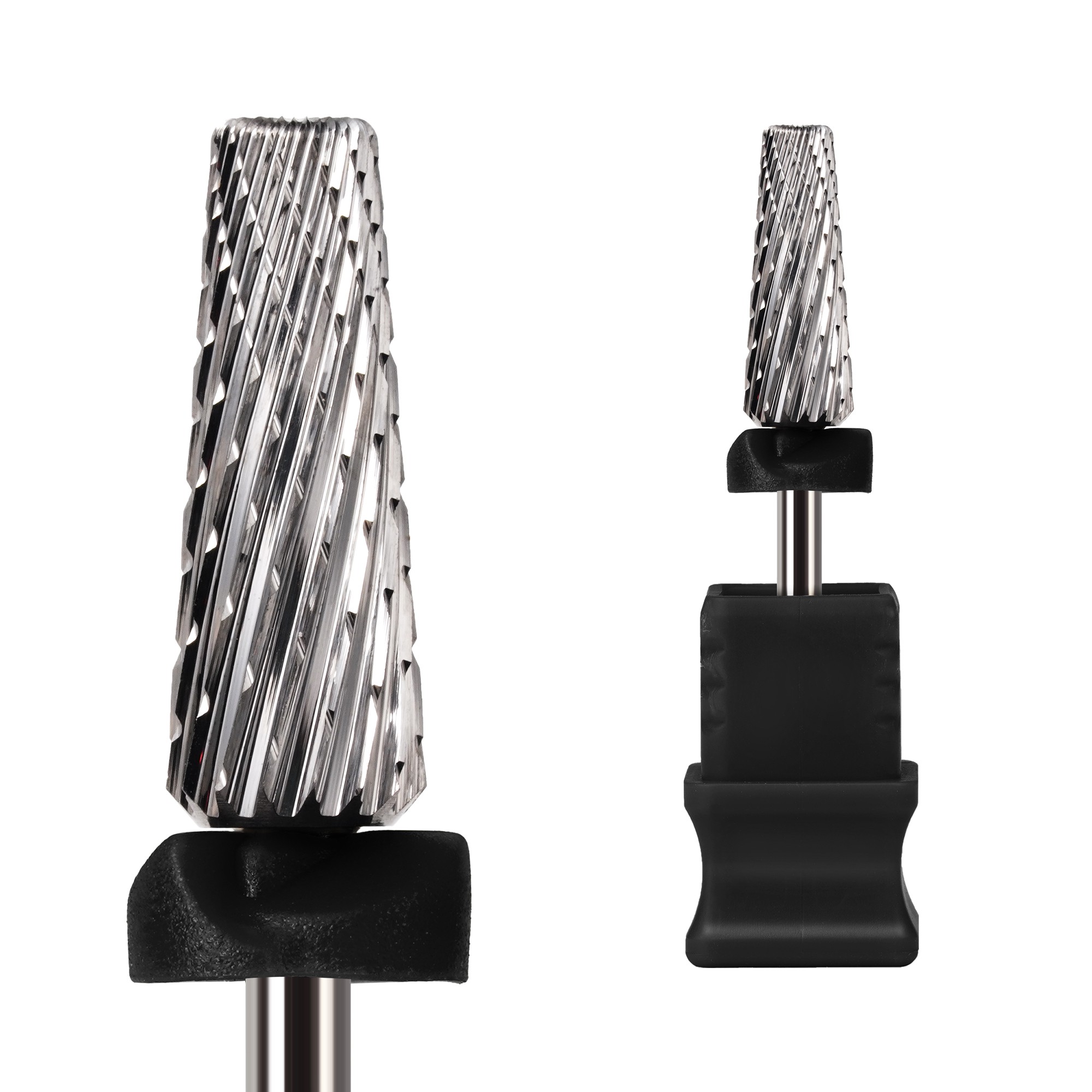
An example often used in sample reviews is 5.35mm Round Top Barrel Gold Carbide Nail Drill Bit Set Hard Gel Removal. In a case like this, certification review should be tied to actual technical points: tungsten carbide or tungsten steel composition, coarse/medium/fine variants, narrow or wide dimensions, and whether the recommended RPM ranges are supported by the bit’s balance, cut pattern, and finish quality rather than copied from a template.
Packaging and labeling controls should not be overlooked
Packaging rarely appears in certification discussions, yet it can become a rejection point during inbound inspection. Small rotary bits are vulnerable to edge damage, mix-ups between grit grades, and lot traceability loss. A supplier with solid quality control should be able to show how finished goods are identified by model, grit level, batch code, and quantity before shipment.
This matters especially where several visually similar SKUs are packed together. Coarse, medium, and fine bits may look similar in photographs but behave very differently in use. Mislabeling is not a minor warehouse error; it can lead to incorrect material removal, overheating, or inconsistent salon results. If barcodes, warning labels, or origin markings are required by the customer specification, those elements should be part of the documented packing inspection, not added informally at the end.
Social and environmental audits have a place, but they do not replace product controls
Some sourcing reviews include social compliance or environmental management documents. These may be relevant within broader supplier approval systems, yet they should not be confused with proof of bit performance. A supplier can hold an environmental certificate and still have weak control of grit adhesion, flute sharpness, coating uniformity, or cleaning resistance. For that reason, such audits are best treated as supplementary information rather than the technical core of the file.
Where surface treatment chemicals, polishing compounds, or wastewater-related processes are involved, environmental controls may still provide useful context. They can indicate whether the supplier manages potentially hazardous process inputs in a structured way. But that value is indirect. The direct technical decision still depends on drawings, specifications, inspection data, and production consistency.
Common mistakes when reviewing certificates
One recurring problem is accepting certificates that belong to a trading entity while never confirming which factory actually machines or finishes the drill bits. Another is relying on expired documents because the format looks familiar. There is also the risk of reading a test report for a similar item as if it applied to the current SKU, even though grit type, coating, flute count, or head shape has changed.
Another mistake is treating an English translation as the primary record when the original certificate contains the legal scope and issuing body information. If a translation is used, it should match the original exactly on product scope, site name, and validity period. A small wording difference can change whether the document is relevant.
It is also easy to overvalue broad statements such as “all products compliant” when the supplier cannot map that statement to a specific model code, production lot, or material source. In nail drill bit sourcing, traceability is often a stronger signal than polished presentation.
Sample validation should sit beside the paperwork
Certification review becomes meaningful when matched against physical samples and routine production records. If a bit is intended for hard gel removal, the evaluation should look at cut smoothness, heat build-up, residue retention between flutes, post-cleaning surface condition, and shank fit after repeated insertion into the handpiece. If the model is sold in coarse, medium, and fine versions, each grade should be verified separately because one certificate will not confirm grade separation accuracy.
Where RPM guidance is provided, those ranges should be plausible for the head shape and cutting geometry. Recommended speeds that are too high may increase vibration or heat; values that are too low may indicate that the bit design is not cutting efficiently. These are technical observations, but they also test whether the supplier’s documentation is connected to real manufacturing knowledge.
A strong approval file for a nail drill bit supplier in the UK usually combines a valid quality management certificate, relevant material or substance declarations where applicable, clear product safety documentation, calibration-backed inspection records, and sample evidence that matches the stated specification. When those elements align, the certification set starts to mean something. When they do not, the paperwork should be treated as incomplete rather than reassuring.
News List
- Are China nail drill bit suppliers a good fit for private label linesAug 26, 2026
- What certifications matter when reviewing a nail drill bit supplier in the UKAug 25, 2026
- How shipping costs affect bulk orders from a nail drill bit supplier in CanadaAug 25, 2026
- What materials are most common from a nail drill bit supplier in ItalyAug 25, 2026
- How to compare minimum order terms from nail drill bit suppliers in PolandAug 25, 2026
- When does an Australia nail drill bit supplier make sense for local salonsAug 25, 2026
Best-Selling Products
 Cross Cut Safety Stainless Steel Tungsten Carbide Nail Drill Bits Salon Foot Use XF-C Grit for Removing Nails
 First-rate Quality Tungsten Carbide Nail Drill Bits Best Coating Manicure Remove Gel Nails Accessories
 Professional Advanced Safety Cuticle Bits Two-Way Rotate 3/32'' Carbide Tungsten 5 in 1 Nail Drill Bits
 Wholesale 5 in 1 Electric Manicure Nail Drill Bits Various Coating Cone Cuticle Bit with Rotary Cross Cut for Nail Art
 New Slant Tooth Tungsten Steel Nail Drill Bits Dead Skin Removal 5-in-1 Universal Grinding Nail Polish Head Tool Nail Drill Bits
 4.0mm Small 5 in 1 Integrated Sharpe Tungsten Nail Drill Bit Straight Teeth Gel Polish Removal
 Flame Sharp XF F M C XC Silver Safety Professional Corn Tungsten Carbide Nail Bit for Drill Machine Accessories
 Factory Direct 5 in 1 Tungsten Carbide Nail Drill Bits 6.8MM Cross Cut Safety Manicure 5 in 1 Nail Drill Bits
Please give us a message