
When does an Australia nail drill bit supplier make sense for local salons
When does an Australia nail drill bit supplier make sense for local salons
For salon owners and distributors evaluating growth, choosing a nail drill bit supplier australia can be a smart move when product consistency, fast response, and scalable OEM/ODM support matter. As client expectations rise around hygiene, finishing quality, and tool durability, the sourcing decision becomes less about finding the cheapest bit and more about building a dependable supply model. In practice, that means weighing the convenience of local access against the manufacturing depth, quality systems, and long-term stability behind the products.
If you are making procurement decisions for a salon group, academy, distributor, or private label line, the real question is not simply whether an Australian supplier is “better.” It is when that choice makes operational and commercial sense.
The point where local supply starts to matter
Many salons can get by with fragmented ordering when they are small. A few bits here, a few replacement tools there, perhaps different styles from different sellers. That approach usually works until service volume grows. Once a team is turning over multiple appointments a day, inconsistency becomes expensive. One batch cuts smoothly, another overheats. One shipment arrives on time, another stalls. Staff begin adapting their technique around tool quality instead of focusing on the client experience.
That is often the moment a local sourcing strategy becomes worth considering. A supplier closer to your market may make sense when you need:
- shorter replenishment cycles for fast-moving SKUs,
- more predictable communication around stock and delivery,
- simpler handling of after-sales questions,
- easier alignment with local salon preferences and usage habits,
- support for repeatable purchasing across multiple branches or technicians.
For decision-makers, the shift is really about reducing friction. A salon cannot bill for appointments lost to poor consumable planning. A distributor cannot scale if every reorder turns into a quality check exercise.
Not every “local” supplier solves the real problem
There is an assumption in procurement that local always means safer. Sometimes it does. But in the abrasive tools category, local availability only helps if the upstream manufacturing is disciplined. Nail drill bits are precision items. Small differences in material quality, cutting geometry, balance, and finishing can affect removal speed, dust control, user comfort, and even technician confidence.
So when evaluating a nail drill bit supplier australia, it is useful to separate two layers of value:
- Market-side value: faster response, local warehousing, easier coordination, better understanding of Australian buyer expectations.
- Factory-side value: consistent raw materials, controlled production, stable packaging, export experience, and the ability to maintain standards over time.
If either layer is weak, the partnership may not hold up under growth. A nearby seller without strong quality systems can still create returns, complaints, and technician dissatisfaction. On the other hand, a manufacturing-backed supplier with clear QC and international export experience can support both local convenience and product reliability.
What salon groups usually worry about before switching suppliers
The concerns are rarely abstract. They tend to show up in very practical ways.
One common issue is variation between batches. For salons offering cuticle work, gel removal, callus treatment, or Russian manicure services, the feel of the bit matters. If the cutting action changes, technicians notice immediately. Training also becomes harder because one person may be learning on a tool that behaves differently from the one used by a senior technician.
Another concern is hygiene workflow. While the bit itself is only one part of the cleaning and sanitation routine, its construction and finish affect how comfortably it fits into repeated professional use. Buyers want tools that are not only effective but also dependable under real salon conditions.
Then there is brand risk. If you distribute under your own label or manage multiple outlets, inconsistency does not stay in the back room. It becomes visible in service speed, finish quality, technician feedback, and reorder urgency. Procurement teams are often trying to avoid exactly that kind of silent operational drag.
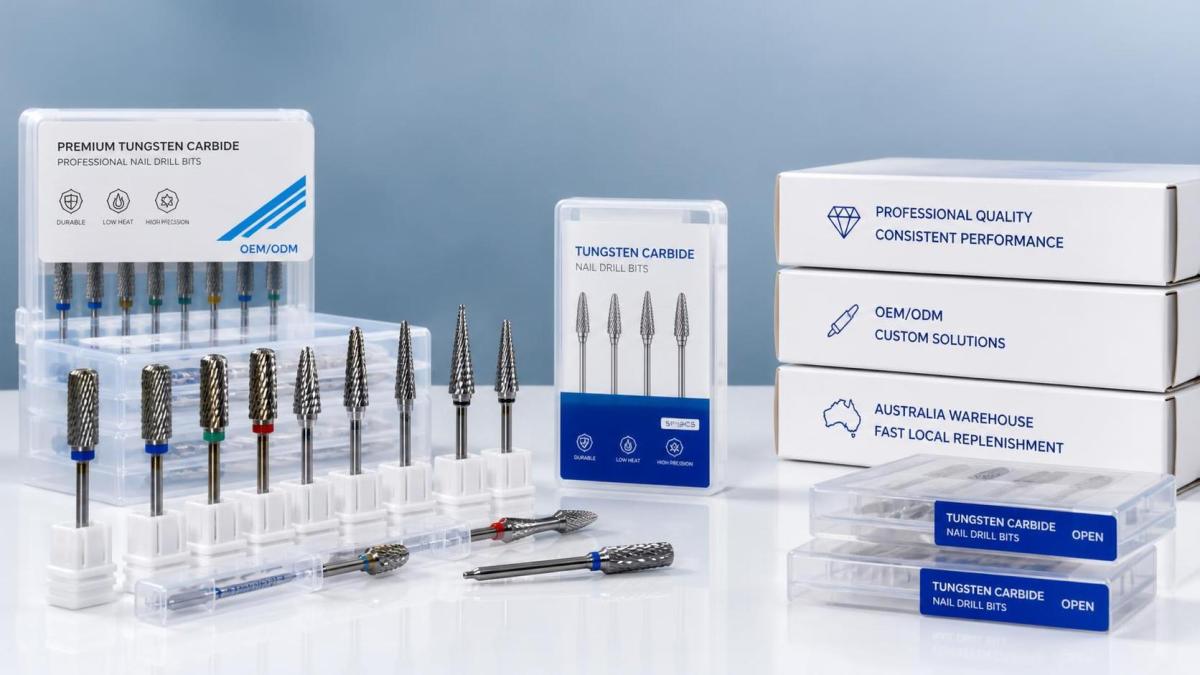
When an Australia-based supply option is the smarter move
There are a few situations where local sourcing becomes especially compelling.
You run a multi-location salon business
Centralized procurement only works when product standards are easy to maintain. If each branch improvises its own supply, service consistency starts to break down. A supplier serving the Australian market can simplify restocking, standardize preferred bit types, and make rollouts more manageable when new branches open or seasonal demand rises.
You need quicker replenishment for high-use items
Nail drill bits are not all equal in turnover. Some shapes move steadily, while others become essentials depending on your service menu. If your best-selling treatments rely on specific carbide or tungsten steel bits, local access can reduce the pressure of long forecasting windows. That does not eliminate inventory planning, but it does give you more flexibility.
You are building a private label or distributor portfolio
For importers and resellers, a local-facing supply partner makes sense when paired with OEM/ODM capability in the background. That combination supports market responsiveness without sacrificing factory control. It is particularly useful if packaging, assortment planning, or category expansion are part of your growth strategy.
You need more than a catalogue seller
Some buyers are not looking for a one-off product source; they need a supplier that can maintain documentation, packaging consistency, and repeat production standards. In that case, the best fit is often not just a trader, but a trading factory with manufacturing familiarity and export discipline.
How product detail influences procurement confidence
On paper, many drill bits can look interchangeable. In use, they are not. Material selection, surface finish, shape precision, and debris management all matter. For example, a bit intended for cuticle work or gel removal needs to balance cutting efficiency with control. Aggressive removal may save time, but not if it increases the risk of technician fatigue or damage to the natural nail.
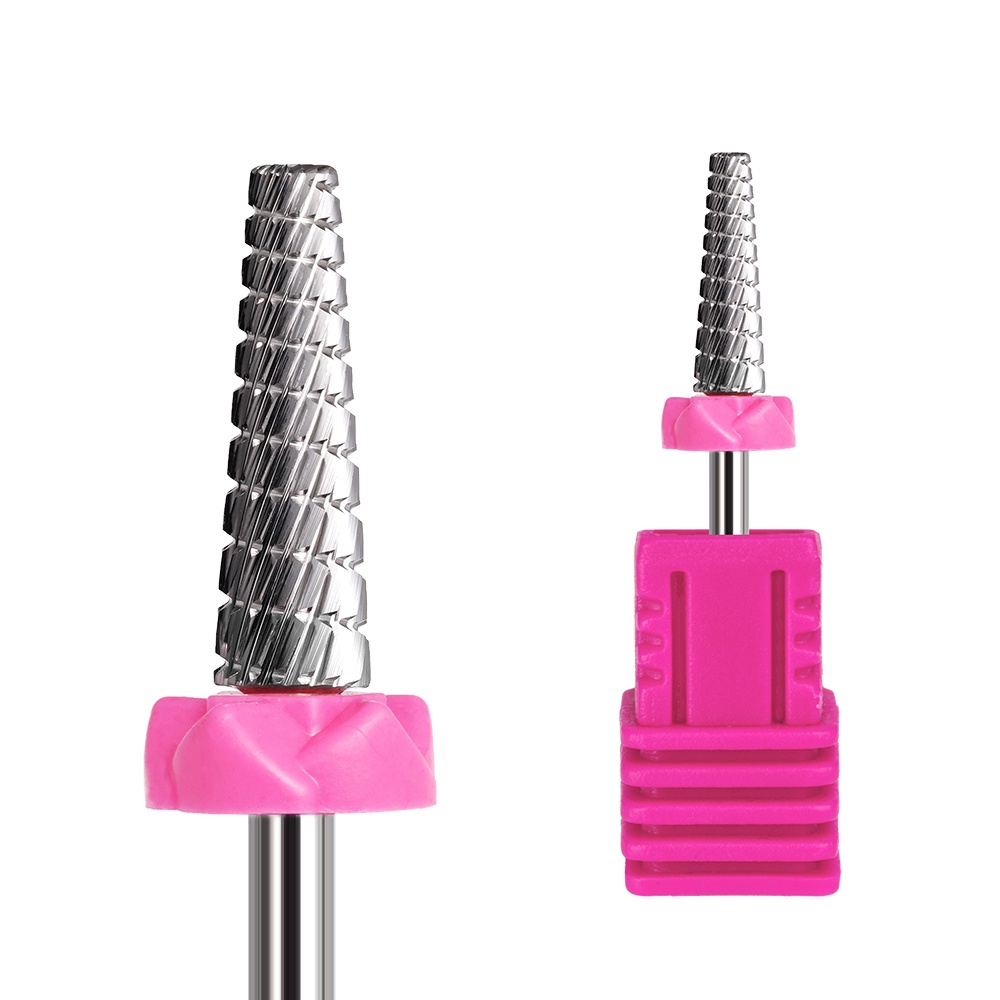
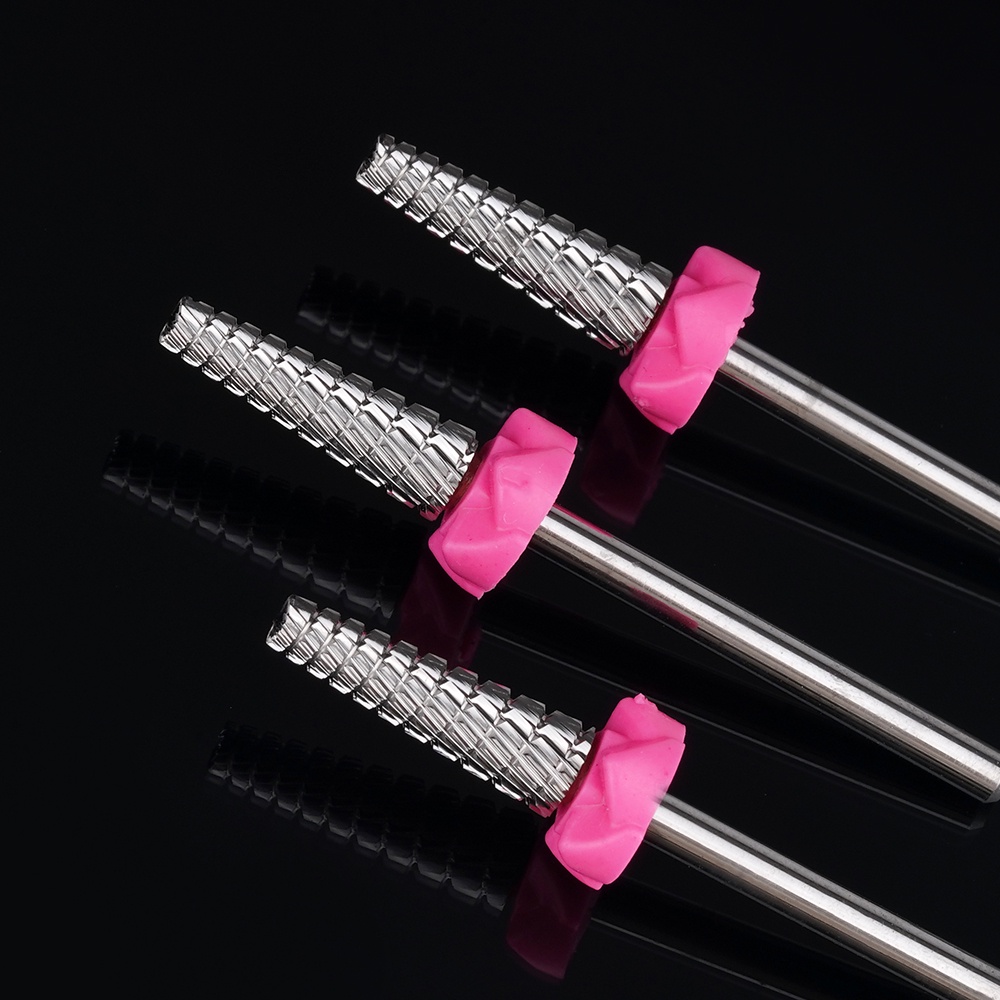
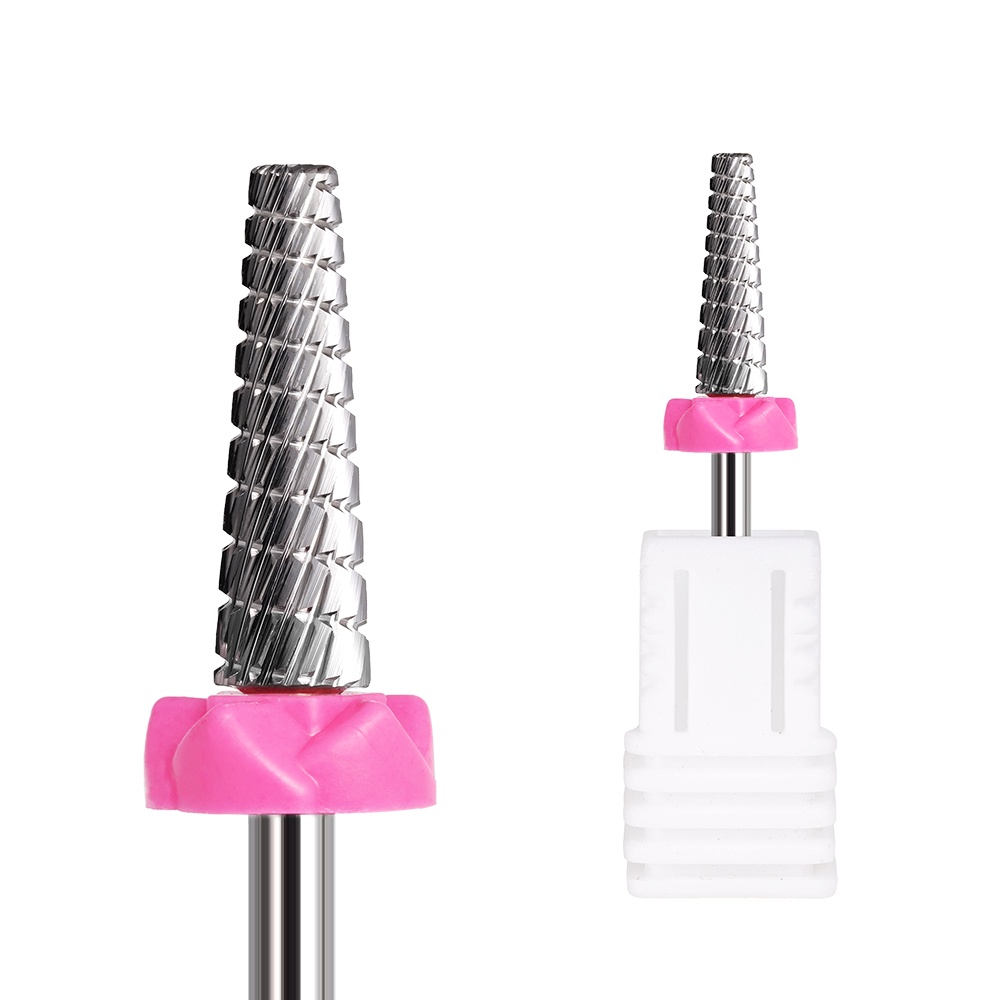
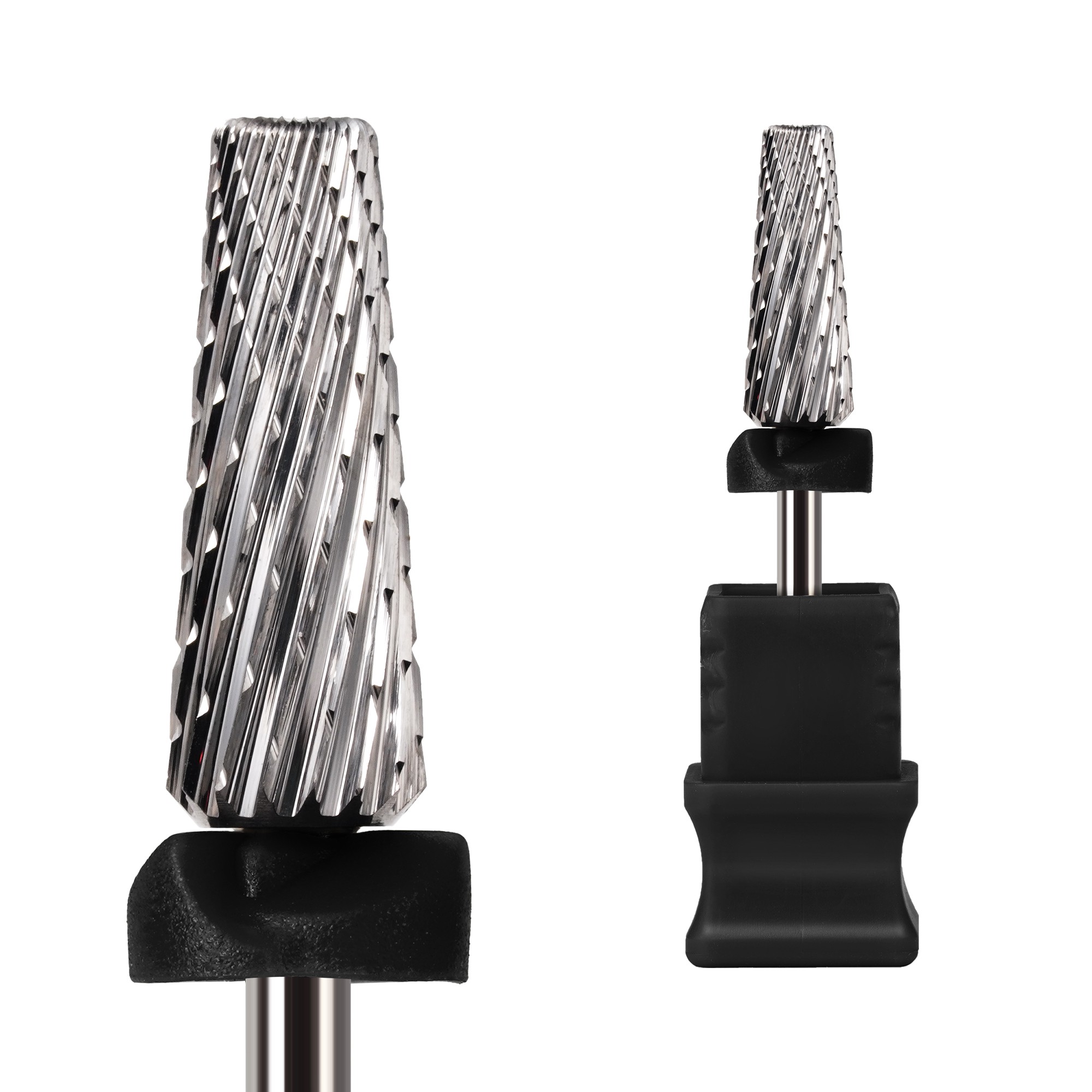
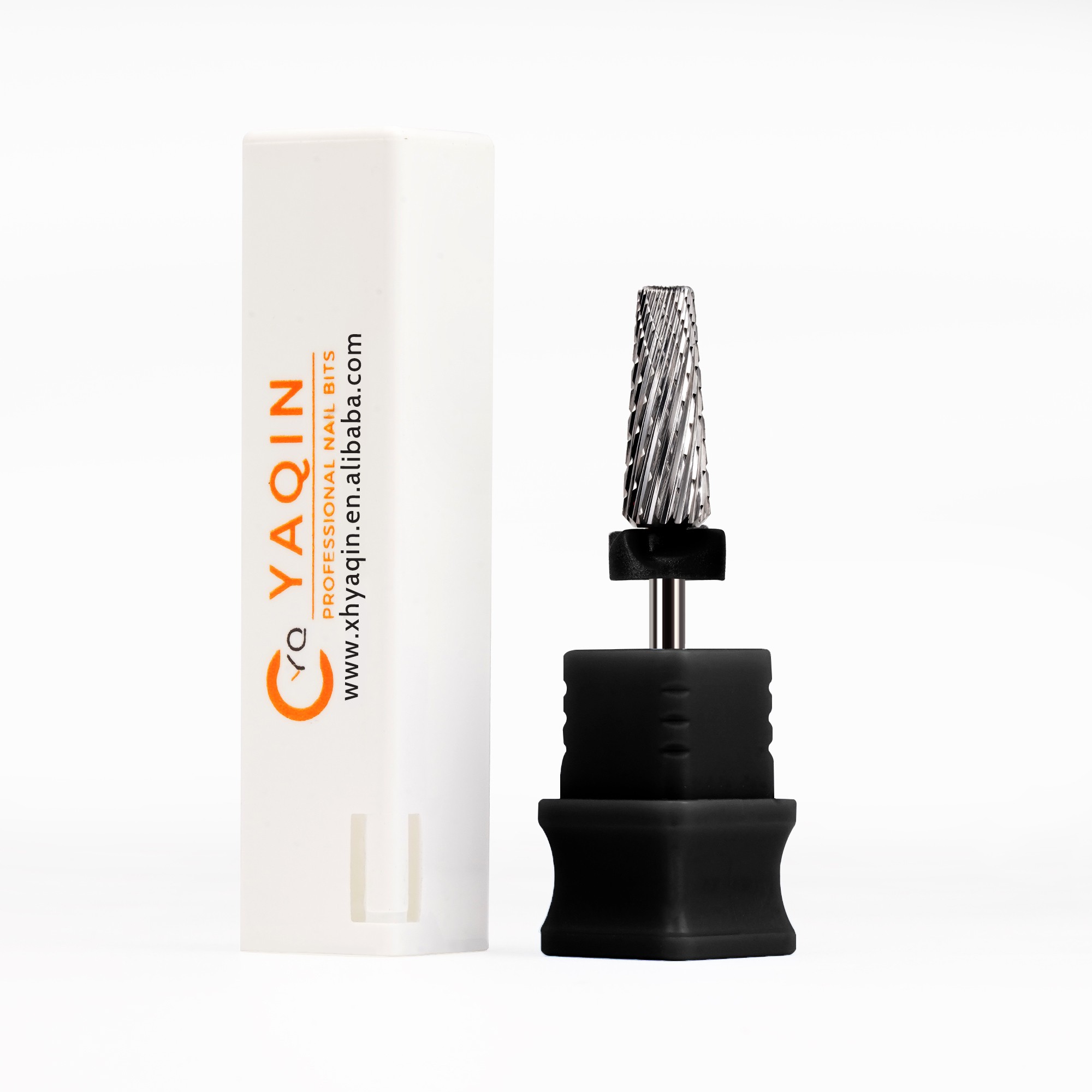
That is why buyers often review not only broad categories but specific application profiles. A product such as Cylinder Cuticle Nail Drill Bits Russian Manicure fits into this conversation because it reflects what many professional users now expect: durable tungsten steel construction, a smooth flat tip designed to help protect the skin, and a grinding profile suitable for removing nail polish, dead skin, hard gels, soft gels, base coats, and even tough surface buildup. Features like consistent dust ejection direction are not just technical talking points; they affect cleanliness at the workstation and the feel of daily use.
For procurement teams, details like these help separate a commodity purchase from a service-supporting tool. The more specialized your menu, the more this distinction matters.
What to check behind the supplier’s product list
Experienced buyers usually go one layer deeper than the sample itself. They want to know whether the supplier can reproduce the same result order after order.
That is where factory systems become relevant. A company such as Wuxi Yaqin Trading Co., Ltd., which focuses on the production and export of abrasive products, signals value not only through product range but through process control. A complete QC system covering raw material purchasing, production procedures, and packing reduces the chance that quality drifts unnoticed between shipments. For B2B buyers, this matters more than polished sales language.
Export experience also carries weight. Supplying markets such as the USA, Canada, Germany, the UK, Italy, and Poland suggests a supplier is used to working with different standards, preferences, and packaging requirements. Add ISO9001:2000 quality management system certification and one-stop service from production to delivery, and the conversation becomes less about isolated products and more about supply continuity.
This is especially important if you require OEM/ODM support. Custom branding is not difficult to promise, but it is much harder to execute reliably unless the supplier already has systems, communication habits, and packaging discipline in place.
Local convenience vs. manufacturing strength is not an either/or decision
One of the more useful ways to frame the choice is this: you are not just choosing between “Australia” and “overseas.” You are deciding how close to your business the service layer should be, and how strong the production layer needs to be behind it.
For many buyers, the ideal arrangement is a supplier relationship that gives them Australia-market responsiveness while still being backed by serious production capability. This matters because nail bits are repeat-use tools with performance expectations. If the supplier can answer quickly but cannot hold quality, the convenience fades fast. If the factory is excellent but inaccessible, small issues become slow-moving problems.
The right procurement model aligns both.
Questions worth asking before you commit
Decision-makers often save time by asking sharper questions earlier. A few are especially revealing:
- How is batch consistency managed across raw materials, production, and packing?
- What materials are used for core product lines, and why were they selected?
- Can the supplier support both standard stock and OEM/ODM development without disrupting lead times?
- How are high-rotation products prioritized for repeat orders?
- Does the supplier understand professional salon use cases, not just retail descriptions?
- What kind of communication can your purchasing team expect when adjustments are needed?
These questions often tell you more than a low introductory quote ever will.
So, when does a nail drill bit supplier australia make sense?
Usually when your business has moved beyond opportunistic buying and into repeatable operations. If your salon or distribution business depends on stable quality, easier replenishment, cleaner communication, and the option to scale branded product lines, local supply becomes strategically useful. But it only becomes truly valuable when that local-facing convenience is connected to reliable manufacturing and disciplined quality control.
In other words, the best choice is not simply the closest seller. It is the supplier setup that protects your service standards, supports your growth plans, and reduces avoidable sourcing stress. For Australian salons and distributors, that is the point where a sourcing decision starts to feel less like purchasing and more like infrastructure.
And that is exactly when choosing the right nail drill bit supplier australia stops being a routine order and becomes a smart business move.
News List
- When does an Australia nail drill bit supplier make sense for local salonsAug 25, 2026
- How to verify product consistency from a nail drill bit supplier in FranceAug 25, 2026
- Do lead times vary much between nail drill bit suppliers in SpainAug 25, 2026
- What to check before choosing a nail drill bit supplier in RussiaAug 25, 2026
- Are Tungsten Carbide Bits Suitable for Acrylic Nails?Aug 24, 2026
- Why Does My Electric Nail File Overheat With Certain Bits?Aug 24, 2026
Best-Selling Products
 Cross Cut Safety Stainless Steel Tungsten Carbide Nail Drill Bits Salon Foot Use XF-C Grit for Removing Nails
 First-rate Quality Tungsten Carbide Nail Drill Bits Best Coating Manicure Remove Gel Nails Accessories
 Professional Advanced Safety Cuticle Bits Two-Way Rotate 3/32'' Carbide Tungsten 5 in 1 Nail Drill Bits
 Wholesale 5 in 1 Electric Manicure Nail Drill Bits Various Coating Cone Cuticle Bit with Rotary Cross Cut for Nail Art
 New Slant Tooth Tungsten Steel Nail Drill Bits Dead Skin Removal 5-in-1 Universal Grinding Nail Polish Head Tool Nail Drill Bits
 4.0mm Small 5 in 1 Integrated Sharpe Tungsten Nail Drill Bit Straight Teeth Gel Polish Removal
 Flame Sharp XF F M C XC Silver Safety Professional Corn Tungsten Carbide Nail Bit for Drill Machine Accessories
 Factory Direct 5 in 1 Tungsten Carbide Nail Drill Bits 6.8MM Cross Cut Safety Manicure 5 in 1 Nail Drill Bits
Please give us a message