
What Buyers Should Check Before Ordering Carbide Nail Drill Bit in Bulk
What Buyers Should Check Before Ordering Carbide Nail Drill Bit in Bulk
Bulk ordering a carbide nail drill bit sounds simple until the first shipment arrives and the quality is uneven, the shanks do not fit well, or the bits wear out much faster than the sample. For buyers, the real issue is not getting the lowest unit price. It is making sure the whole batch is consistent, safe to use, and worth reordering. A small mistake at sourcing stage can turn into customer complaints, returns, or dead stock very quickly.
If you are comparing suppliers now, focus on the points that actually affect cost over time: raw material quality, cutting precision, grit consistency, shank tolerance, packaging control, and the supplier’s ability to deliver the same standard again. That is where bulk purchasing decisions usually succeed or fail.
Start with the material, not the catalog photo
Many buyers first compare shape, color ring, or listed grit. Those details matter, but material quality comes first. A carbide bit may look nearly identical across suppliers, yet perform very differently in actual salon or professional foot-care use.
When a supplier says the bit is made from tungsten carbide, ask one level deeper. Is the cutting head really tungsten carbide, and is the shank stainless steel? Is the alloy grade stable across production lots? If the answer stays vague, that is already useful information.
A good carbide nail drill bit should hold sharpness well, resist chipping, and stay balanced during high-speed use. Cheap material often shows up in two ways: the teeth become dull too quickly, or the bit runs with slight vibration. Neither problem is obvious in product photos, and both increase hidden cost.
A practical buying rule: if a supplier only talks about price and appearance, but cannot explain wear resistance, hardness, or expected performance in real use, you are not looking at a mature supply partner yet.
Check whether the cut pattern matches the end market
Not every buyer needs the same tooth pattern or grit level. This is one of the most common mistakes in bulk purchasing. A bit that performs well for fast gel removal may be too aggressive for another market segment. A salon-focused distributor, a training school, and a private-label brand aimed at home users may all need different specifications.
Cross-cut, safety-top, barrel, cone, under-nail, and 5-in-1 designs all serve different purposes. The question is not which design is “best.” The question is whether the design matches the technician’s habits and the customer’s expectations.
For example, if your customers want a versatile bit for filing nails, shaping, smoothing, and removing gel polish, a multi-function design may make more sense than ordering several narrow-use items in large volume. If your buyers serve salon foot-use applications, they may also care about control, stability, and how smoothly the bit handles dead skin removal without excessive heat buildup.
That is why sampling should include not only visual review, but also use-case review. Test the bit on the actual service scenarios your market sells most.
What to ask for before placing the order
Here is the short version: before confirming a bulk order, request a clear specification sheet, production sample, packaging sample, and QC standard. If a supplier hesitates on these basics, the risk is already higher than the savings.
- Shank diameter tolerance and machine compatibility
- Head shape, cut pattern, grit level, and intended use
- Material details for both head and shank
- Surface finish and color customization options
- Expected consistency across lots
- Packing method, labeling, and barcode support if needed
- Inspection process before shipment
This may sound routine, but many bulk issues come from assumptions. The buyer assumes “fine grit” means one thing; the factory defines it differently. The buyer expects standard 3/32" fit; the tolerance is loose. The buyer assumes the gold coating is decorative; the market assumes it signals a certain product tier. Clarify these points before deposit, not after production.
Consistency matters more than one excellent sample
A single good sample does not prove stable mass production. Procurement teams sometimes approve a bit because the sample looks sharp, clean, and well packed, then run into problems in the main order because the batch is outsourced differently or production control is weak.
This is where supplier systems matter. Wuxi Yaqin Trading Co., Ltd. works as a trading factory focused on abrasive product production and export, with sales across the USA, Canada, Germany, the UK, Italy, Poland, and many other markets. That kind of export background matters when you are buying in volume, because it usually means the supplier is already used to different market requirements, packaging expectations, and repeat-order control. The more important point is not the country list itself, but whether the supplier has a structured QC process covering raw material purchasing, in-process checks, and final packing inspection.
Ask direct questions such as:
- Do you inspect every batch or by sampling standard?
- How do you control cut sharpness consistency?
- How do you check shank straightness and balance?
- What happens if one carton shows mixed quality?
Suppliers with a real QC workflow can usually answer these without turning it into a sales speech.
The cheapest unit price is often the most expensive option
Procurement teams under cost pressure often compare quotes line by line, but carbide bits should be judged by usable life and complaint rate, not just landed price per piece.
Imagine two offers. One is cheaper by a small margin, but the bits wear out fast, generate more vibration, or lead to more returns from distributors. The other costs slightly more, but performs consistently and supports repeat sales. On paper, the first deal looks better. In reality, the second usually produces lower total cost.
Hidden cost in this category often includes:
- Higher replacement frequency
- Negative feedback from professional users
- Repacking or relabeling issues
- Inventory tied up in slow-moving variants
- Time spent handling after-sales claims
That is why serious buyers should evaluate value per use cycle, not just price per unit.
OEM and ODM ability can save more than it costs
If you are building your own brand, OEM/ODM support is not just a nice extra. It can help you avoid standard-market competition where everyone sells the same bit with a different sticker.
Still, not every order needs heavy customization. Sometimes buyers overcomplicate the first purchase with too many color variants, too many shapes, or packaging changes that make stock management harder. A better approach is to confirm one strong core SKU first, then extend the range after sell-through data comes back.
For buyers who do need customization, ask whether the supplier can support logo, ring color, packaging format, and product mix without changing the underlying quality standard. If the supplier offers OEM/ODM service, the key question is whether customization happens on top of a stable production process, not instead of one.
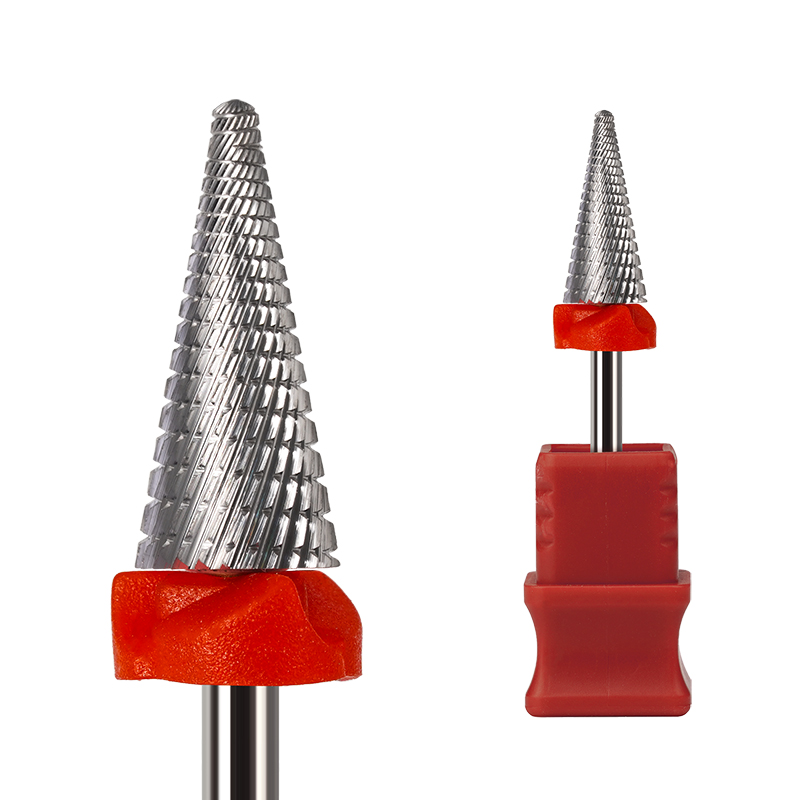
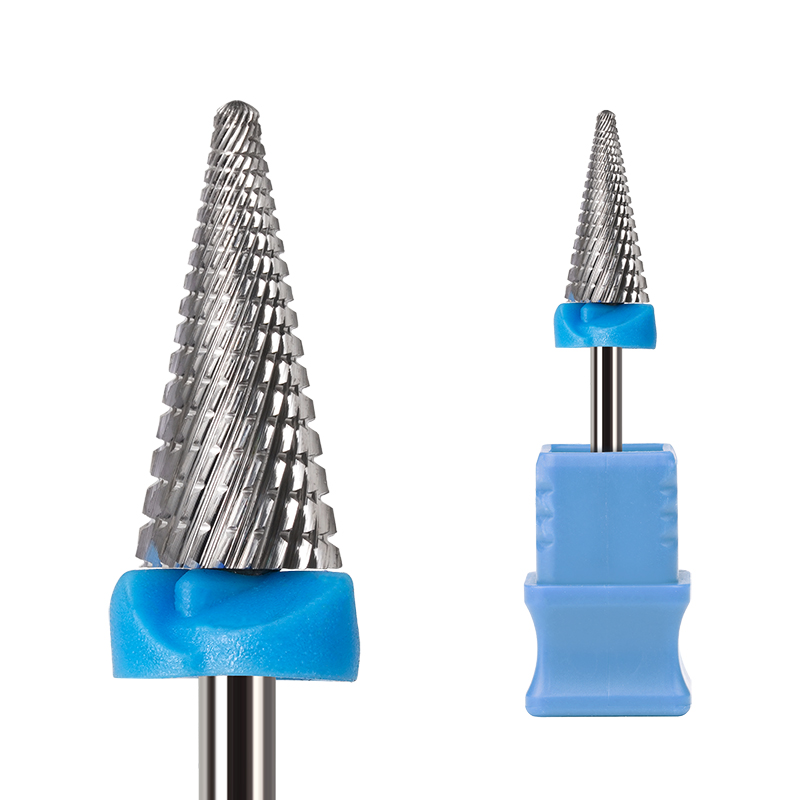
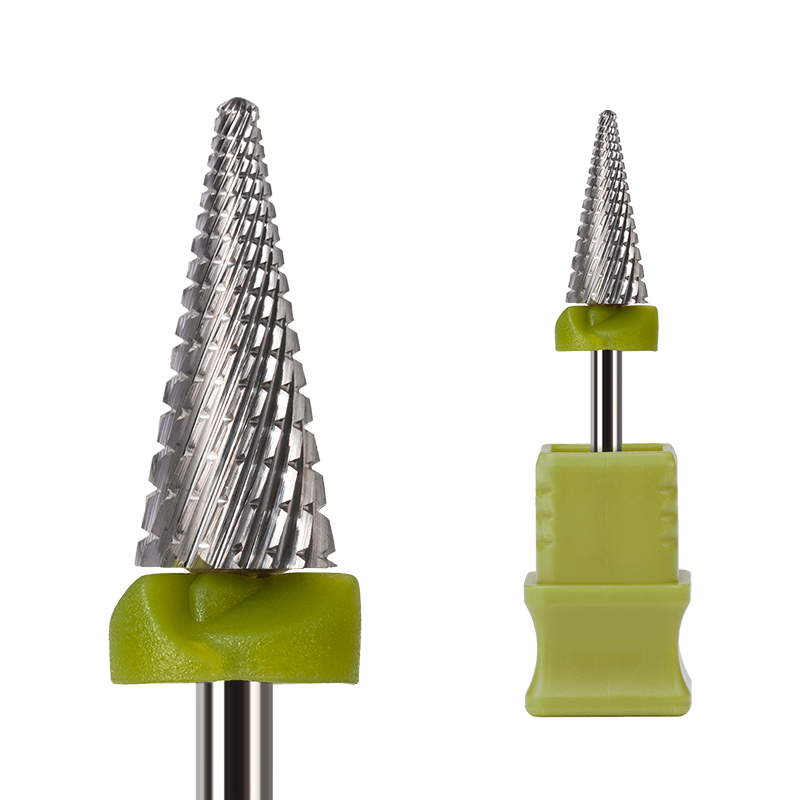
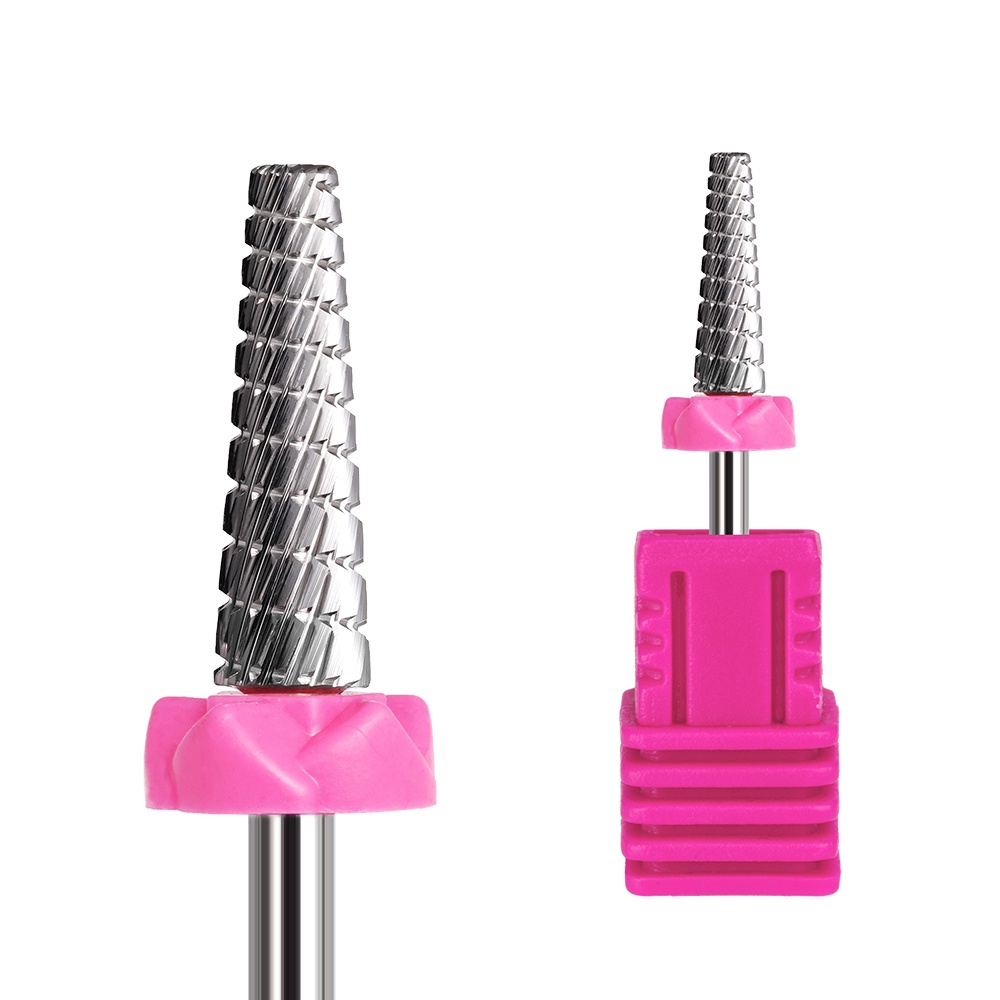
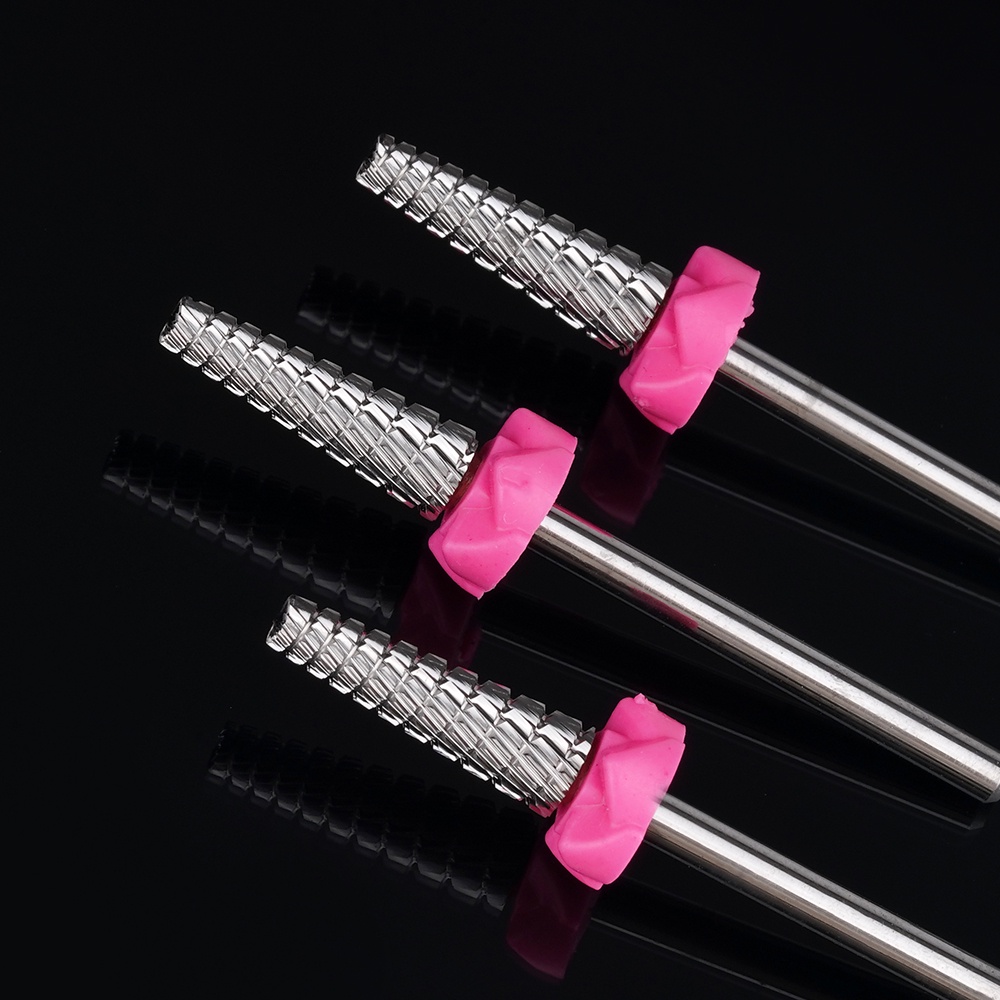
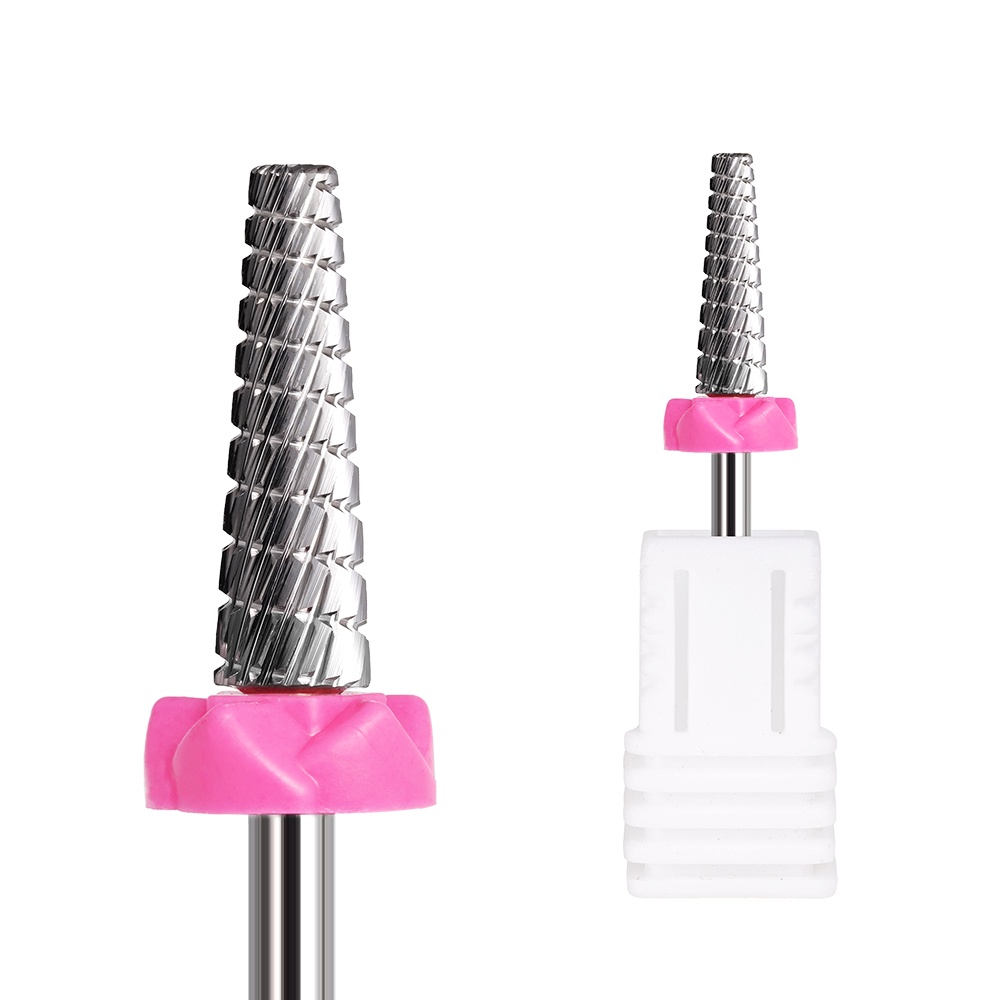
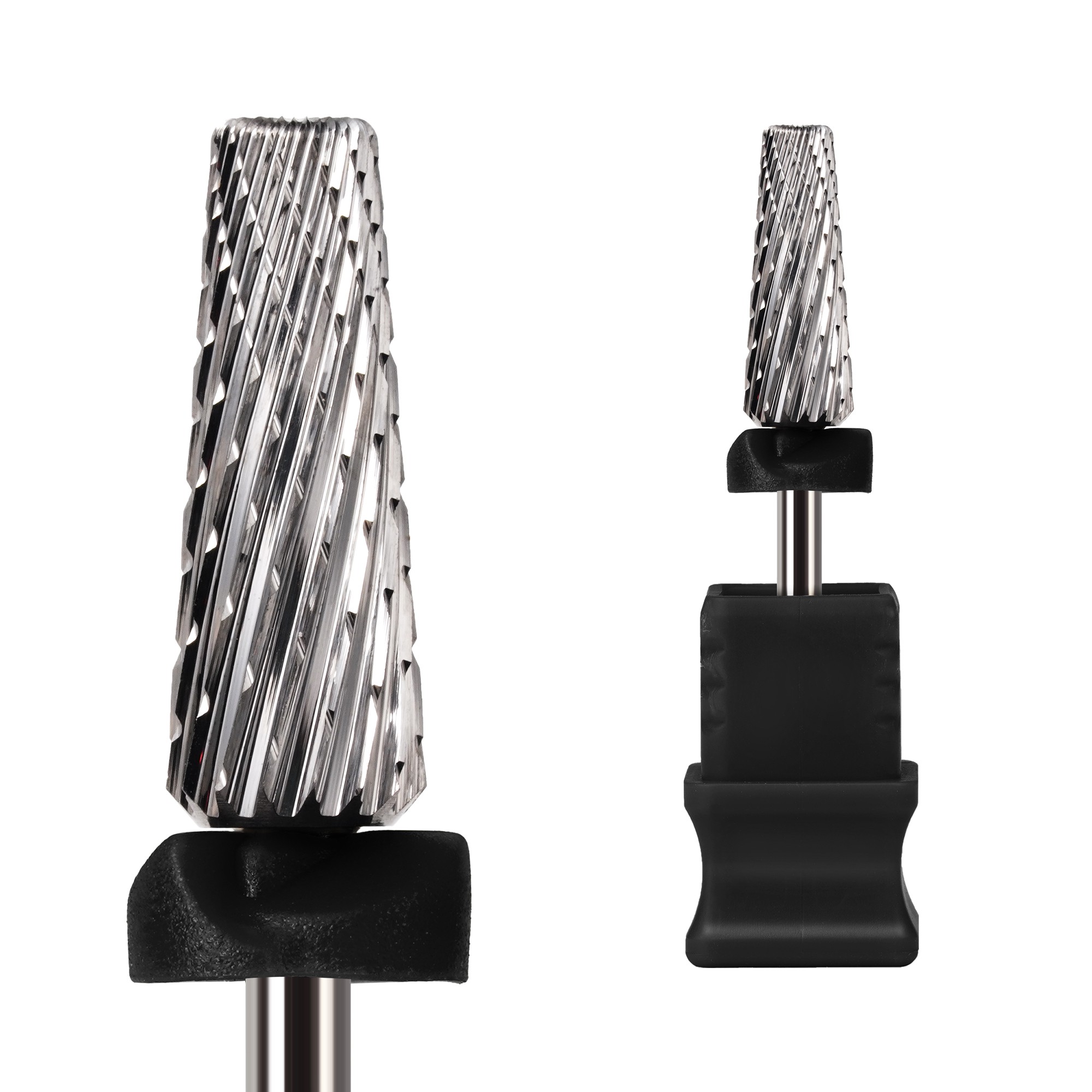
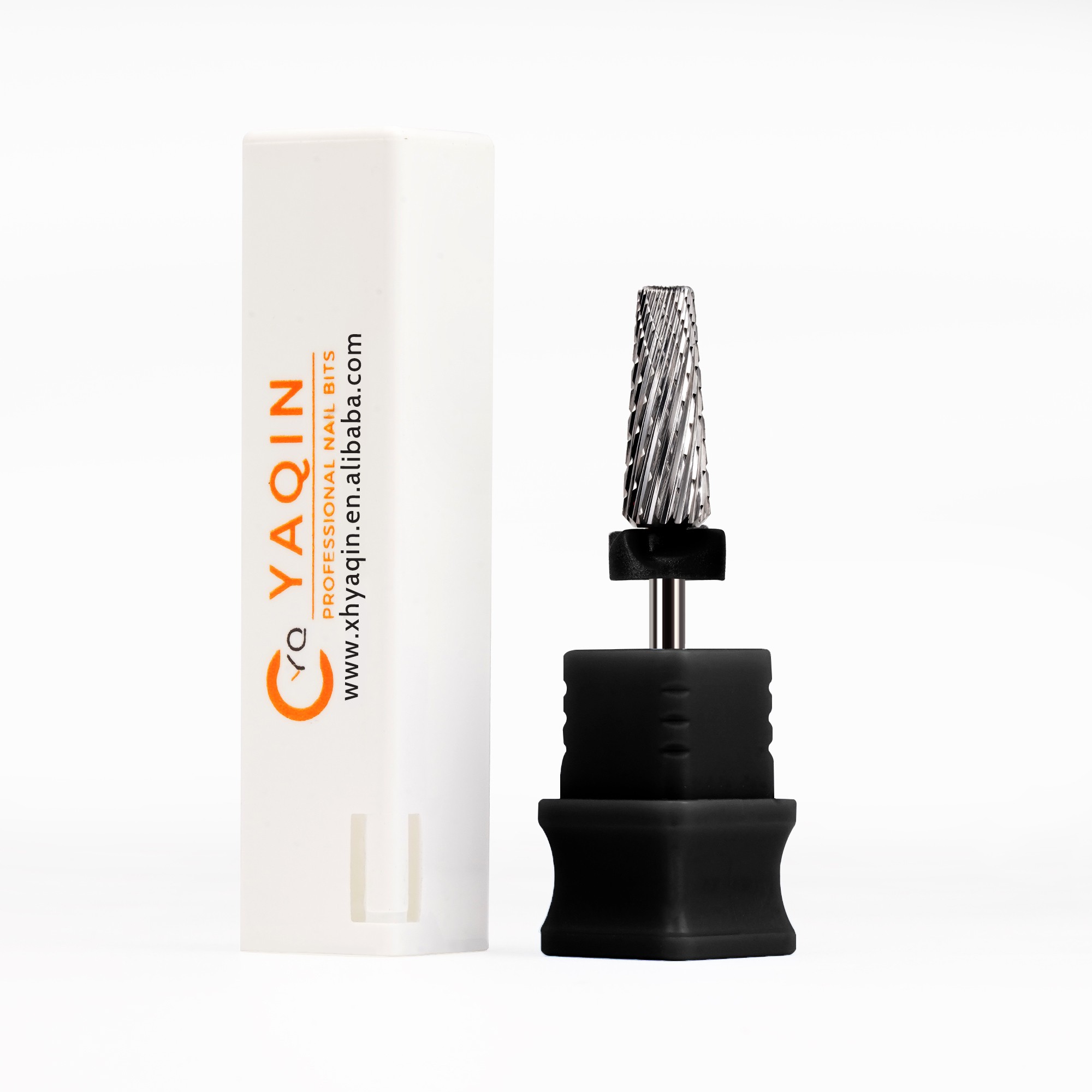
One relevant example for buyers sourcing multi-purpose salon bits is Cross Cut Safety Stainless Steel Tungsten Carbide Nail Drill Bits Salon Foot Use XF-C Grit for Removing Nails. It is the kind of product worth reviewing when your market wants one item that covers filing, shaping, smoothing, gel polish work, and some foot-use scenarios. What matters here is not the product name itself, but the selection logic behind it: tungsten carbide head, stainless steel structure, strong grinding efficiency, and a design intended to balance control with durability.
Do not ignore packaging and post-production details
In light industry and daily-use products, packaging errors create more friction than many new buyers expect. Wrong labels, inconsistent color coding, weak inner protection, or unclear batch identification can damage an otherwise acceptable order.
For carbide bits, post-production details also affect perceived quality. Check whether the bit is clean after finishing, whether coating color is even if color customization is offered, and whether the protective pack prevents scratches or tooth damage during transport.
If you sell to distributors or retail channels, ask for packaging samples in advance. A good supplier should be able to show how products are packed for export, how cartons are marked, and whether private-label needs can be handled cleanly.
How experienced buyers usually screen suppliers
They do not rely on one conversation or one sample. They compare across several layers.
First, they confirm whether the supplier understands the target market. A supplier serving Europe and North America for years may already know that buyers there care about repeatability, packaging compliance, and finish quality more than flashy claims.
Second, they look for process discipline. A supplier mentioning ISO-certified management, raw material control, production inspection, and final packing checks is at least speaking the right operational language. That does not replace verification, but it is far more useful than generic “high quality” statements.
Third, they test communication quality. Slow or unclear replies during quotation stage often become bigger problems during production and shipment.
In practice, that is one reason some buyers prefer working with suppliers like Yaqin that offer one-stop support from production to delivery and have experience with OEM/ODM orders. The advantage is not just convenience. It reduces handoff mistakes, especially when specifications, branding, and packing all need to align in one order.
Common buying mistakes in this category
One is choosing only by shape popularity. A top-selling shape in one market may move slowly in another.
Another is approving samples without documenting the reference standard. If you do not record the exact sample code, grit, dimensions, and packaging version, it becomes harder to challenge inconsistencies later.
A third mistake is ordering too broad a range in the first bulk shipment. Unless you already know your demand mix, spreading quantity across too many SKUs usually weakens cost efficiency and makes replenishment planning harder.
And one more point that gets missed: not every carbide nail drill bit is suitable for every user group. A more aggressive cut may suit trained salon professionals but create a higher complaint risk in beginner-oriented channels. That is not a product flaw. It is a matching issue.
Before you send the purchase order
Run one final check. Is the bit designed for your actual end use? Is the material clearly defined? Has the supplier shown batch-level QC logic? Do you have confirmed specs, samples, packaging, and lead time in writing? Can the supplier keep the same standard on the second and third order, not just the first?
Those questions matter more than a small difference in quote. In bulk purchasing, a reliable carbide nail drill bit supplier helps protect margin by reducing failure rate, complaint handling, and replacement cost. That is what buyers should really be comparing before they place the order.
FAQ
How many samples should a buyer test before ordering in bulk?
At least enough to judge consistency, not just appearance. If possible, test multiple pieces from the same sample lot and review them in real-use conditions.
Is tungsten carbide always better than other materials for nail drill bits?
Not automatically. It is a strong choice for durability and grinding efficiency, but only if the material quality and manufacturing precision are stable.
Should buyers choose one multi-purpose bit or several specialized bits?
That depends on the market. If end users want simplicity and faster stock turnover, a versatile core SKU often works better. Professional channels may still need a broader range.
What is the biggest risk in a low-price bulk order?
Inconsistent batch quality. That usually leads to returns, faster wear, and more after-sales work, which can erase the initial savings.
Internal Link Anchor Text Suggestions
- carbide nail drill bit types: product category page
- how to choose nail drill bit grit: buying guide page
- OEM nail drill bits supplier: service page
- nail drill bit packaging and private label options: packaging or customization page
- tungsten carbide nail bits for salon use: product collection page
External Source Suggestions
- Government import or product safety guidance related to salon tools and personal care accessories
- Industry association materials for professional nail technicians or salon equipment standards
- Official technical documentation from machine manufacturers on shank compatibility and operating requirements
News List
- Preventing Gouges and Uneven Filing With Small Barrel Nail Drill BitsSep 20, 2026
- How Diameter and Grit Affect Small Barrel Nail Drill Bit PerformanceSep 20, 2026
- Can Hytos Nail Drill Bits Be Used Safely on Natural Nails and Gel Polish?Sep 20, 2026
- How to Verify Fit Between Hytos Nail Drill Bits and an E-File HandpieceSep 20, 2026
- Safe Speed Settings for Umbrella Nail Drill Bits Around the Nail FoldSep 20, 2026
- Umbrella vs Flame Nail Drill Bits: Which Shape Offers Better Cuticle Control?Sep 20, 2026
Best-Selling Products
 Cross Cut Safety Stainless Steel Tungsten Carbide Nail Drill Bits Salon Foot Use XF-C Grit for Removing Nails
 First-rate Quality Tungsten Carbide Nail Drill Bits Best Coating Manicure Remove Gel Nails Accessories
 Professional Advanced Safety Cuticle Bits Two-Way Rotate 3/32'' Carbide Tungsten 5 in 1 Nail Drill Bits
 Wholesale 5 in 1 Electric Manicure Nail Drill Bits Various Coating Cone Cuticle Bit with Rotary Cross Cut for Nail Art
 New Slant Tooth Tungsten Steel Nail Drill Bits Dead Skin Removal 5-in-1 Universal Grinding Nail Polish Head Tool Nail Drill Bits
 4.0mm Small 5 in 1 Integrated Sharpe Tungsten Nail Drill Bit Straight Teeth Gel Polish Removal
 Flame Sharp XF F M C XC Silver Safety Professional Corn Tungsten Carbide Nail Bit for Drill Machine Accessories
 Factory Direct 5 in 1 Tungsten Carbide Nail Drill Bits 6.8MM Cross Cut Safety Manicure 5 in 1 Nail Drill Bits
Please give us a message