
Silicone Nail Drill Bits Explained: When Soft-Tip Abrasion Is Preferred Over Cutting — Ideal for Natural Nail Prep
Silicone Nail Drill Bits Explained: When Soft-Tip Abrasion Is Preferred Over Cutting — Ideal for Natural Nail Prep
Silicone Nail Drill Bits Explained: When Soft-Tip Abrasion Is Preferred Over Cutting — Ideal for Natural Nail Prep
Silicone nail drill bits offer a gentler, safer alternative for natural nail prep—especially when soft-tip abrasion is preferred over aggressive cutting. Designed for precision and comfort, these flexible, non-slip bits minimize heat buildup and reduce the risk of nail plate damage, making them ideal for technicians prioritizing client safety and nail health. At Wuxi Yaqin Trading Co., Ltd., our high-quality silicone nail drill bits are rigorously tested across raw materials, production, and packaging—ensuring consistency, durability, and performance in daily professional use.
Why Technicians Are Switching to Silicone Bits for Natural Nail Preparation
For nail technicians who work daily with clients seeking healthy, strong natural nails—especially those avoiding acrylics or gels—the biggest concern isn’t speed. It’s control, predictability, and zero margin for error. Silicone nail drill bits answer that need directly. Unlike rigid carbide or diamond-coated bits, silicone bits flex slightly on contact, conforming to the subtle contours of the nail plate without digging in. This inherent compliance means less pressure is required, less friction is generated, and—critically—less heat transfers to the nail bed. That’s why they’re increasingly chosen for buffing, shine removal, cuticle blending, and surface smoothing before polish application or soak-off gel services.
This isn’t about “softness” as compromise—it’s about intelligent abrasion. Silicone bits deliver consistent, even micro-removal across keratin layers without micro-tearing or lifting. For clients with thin, brittle, or sensitized nails, this difference is measurable in reduced post-service soreness, fewer white spots, and visibly healthier regrowth after repeated sessions.
When Soft-Tip Abrasion Outperforms Cutting—A Practical Decision Tree
Not every service calls for aggressive material removal—and confusing the two can lead to avoidable damage. Here’s how experienced technicians decide:
Choose silicone bits when: Prepping natural nails for polish (no gel overlay), refining eponychium edges, smoothing ridges pre-base coat, removing light top coat residue, or performing gentle exfoliation around the nail fold. These tasks demand tactile feedback—not torque.
Reserve tungsten carbide bits for: Removing thick hard gels, debulking acrylic overlays, shaping nail tips, or deep callus reduction on feet. These require high-density, non-flexible cutting geometry and thermal stability.
The key insight? Silicone bits excel where *precision surface refinement* matters more than *bulk material removal*. They’re not “weaker”—they’re *purpose-built* for integrity-first prep. And because they don’t generate sharp dust particles or metal shavings, they also support cleaner workspaces and easier vacuum filtration—critical for salon air quality compliance.
What Makes a High-Performance Silicone Bit—Beyond the Material
Not all silicone bits perform equally—even within the same category. Performance hinges on three interdependent factors: compound formulation, core reinforcement, and tip geometry.
First, medical-grade silicone compounds resist thermal degradation better than standard polymers, maintaining elasticity after repeated sterilization cycles. Second, many premium bits—including those engineered by Wuxi Yaqin—integrate a lightweight polymer or fiberglass-reinforced core. This prevents excessive bending under load while preserving surface compliance. Third, tip shape matters: dome-tipped bits distribute pressure evenly; tapered conical tips allow controlled edge work near cuticles without slipping.
Crucially, silicone bits should never be used at speeds exceeding 15,000 RPM. Excessive rotation causes internal hysteresis heating, accelerating wear. That’s why pairing them with a variable-speed handpiece—and training staff on appropriate RPM ranges—is part of responsible implementation.
How Silicone Bits Fit Into Your Full Tool Ecosystem
No bit works in isolation. A well-structured nail tech toolkit balances function, safety, and workflow efficiency. Silicone bits belong in the “refinement” tier—used *after* initial shaping with a carbide bit and *before* final polishing or product application.
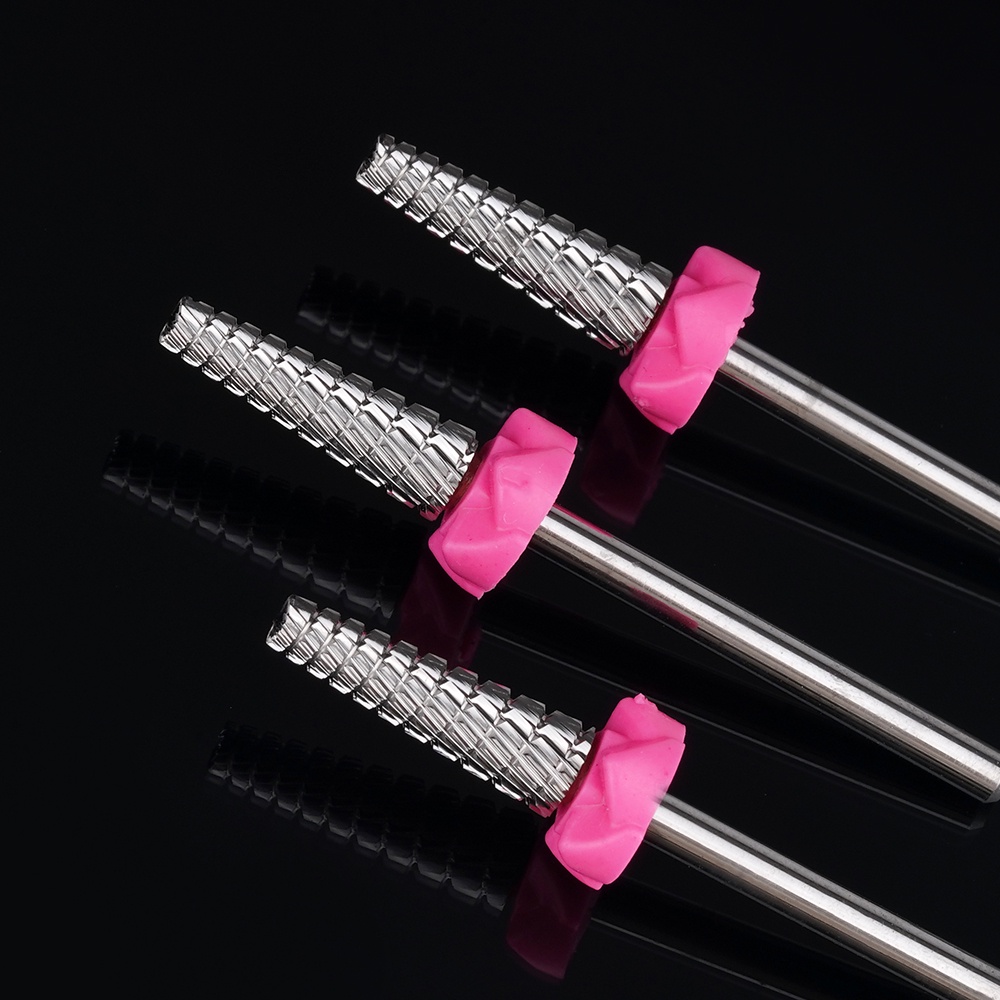
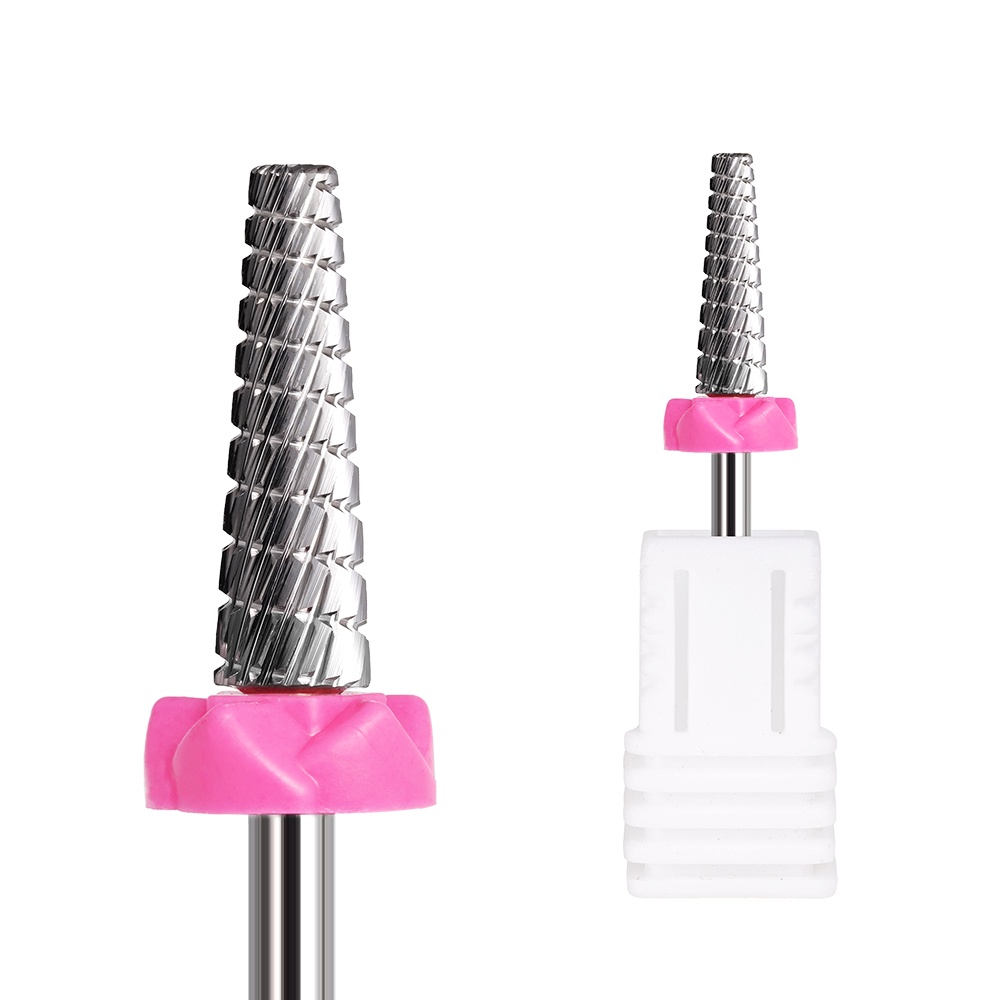
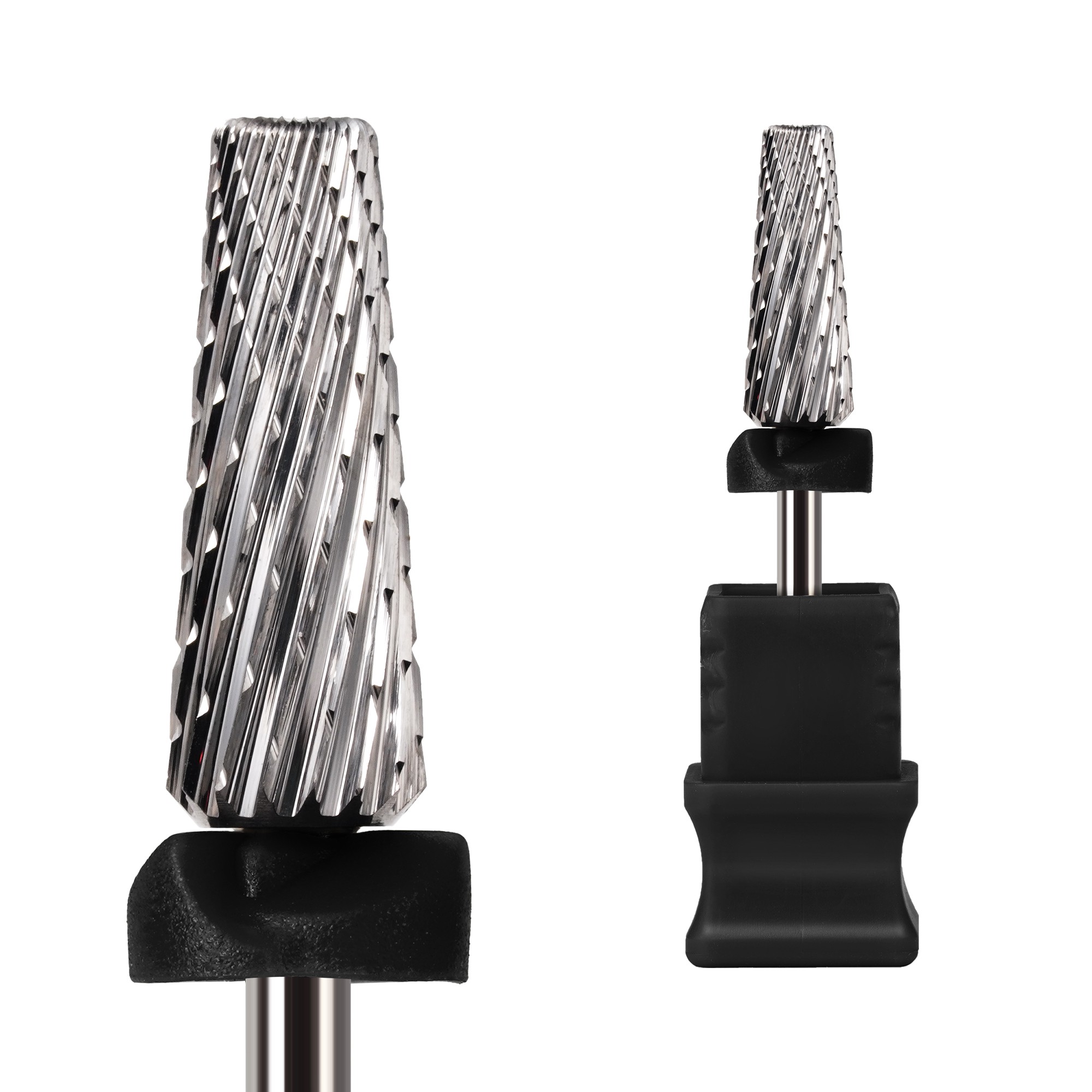
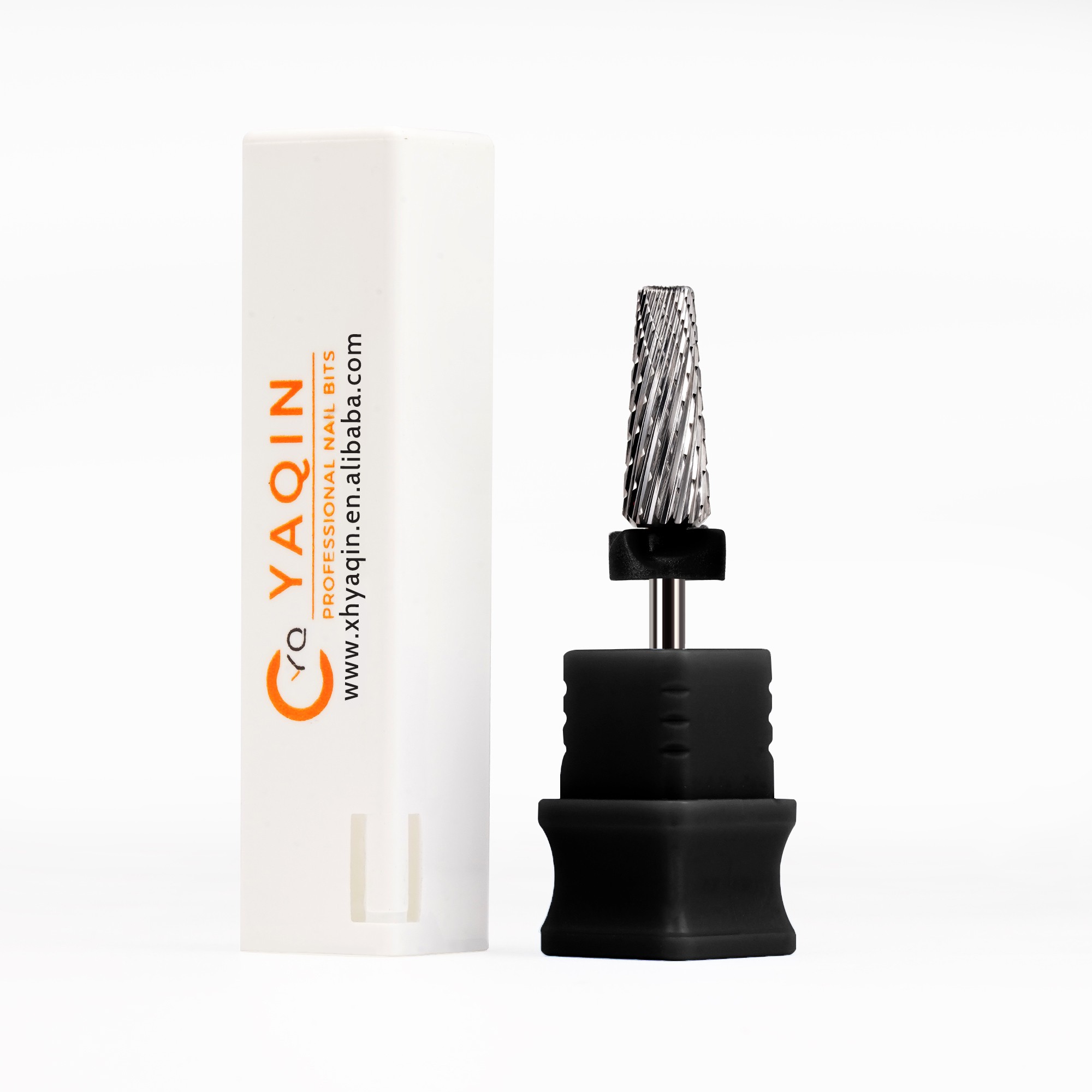
For example, a typical natural nail prep sequence might involve: (1) Light contouring with a High Quality Tungsten Carbide Nail Drill Bits Bidirectional Super Long Gel Nail Polish Cuticle Nail Drill Bits to remove excess length or unevenness; (2) Transitioning to a silicone barrel bit for seamless ridge blending and surface leveling; (3) Finishing with a felt buffer or ultra-fine silicone cone for high-gloss readiness.
This layered approach reduces overall grinding time per client, extends bit life (since no single bit bears full workload), and delivers consistently smoother results—without pushing the natural nail beyond its biomechanical limits.
Real-World Benefits You’ll Notice in Your Daily Workflow
Technicians report three tangible improvements within days of integrating silicone bits: faster client intake (less time spent explaining “why we’re going slow”), fewer post-service complaints about sensitivity, and noticeably lower bit replacement frequency—especially among newer staff who are still calibrating hand pressure.
From an operational standpoint, silicone bits also reduce abrasive dust volume by up to 60% compared to standard carbide bits. That means less frequent vacuum filter changes, lower maintenance costs for your electric file system, and reduced respiratory exposure during prolonged use—supporting both OSHA-aligned best practices and long-term technician wellness.
And because silicone bits maintain consistent surface texture across their lifespan—no dulling, no chipping—they eliminate guesswork in reordering. You replace based on visual wear, not unpredictable performance drop-offs.
Making the Right Choice for Your Salon or Training Program
If you manage a team—or train future technicians—selecting the right silicone bit isn’t just about specs. It’s about aligning with your service philosophy. Do you position yourself as a health-forward, low-risk provider? Then silicone bits reinforce that promise visibly and functionally. Are you expanding into natural nail enhancement or corrective care? These bits become foundational—not optional accessories.
At Wuxi Yaqin Trading Co., Ltd., every silicone nail drill bit undergoes triple-stage QC: incoming raw material verification, in-process hardness and flexibility testing, and final packaging inspection. Our ISO9001:2000–certified system ensures batch-to-batch reliability—so whether you order 50 pieces or 5,000, performance stays uniform. That consistency builds trust—not just with your team, but with every client whose nail health rests in your hands.
Remember: The goal isn’t to eliminate cutting tools. It’s to expand your precision toolkit—so you choose the right level of interaction for each nail, each client, and each moment of service.
Final Takeaway: Precision Isn’t Just About Sharpness—It’s About Intention
Silicone nail drill bits represent a shift from “how much can I remove?” to “how gently can I prepare?” They reflect growing industry awareness that nail health begins before the first drop of polish—and ends only when the natural nail remains intact, resilient, and ready for its next cycle.
For technicians who treat every nail as a living structure—not just a canvas—silicone bits aren’t a trend. They’re a standard. And when paired with rigorously engineered tools like our High Quality Tungsten Carbide Nail Drill Bits Bidirectional Super Long Gel Nail Polish Cuticle Nail Drill Bits for demanding tasks, they complete a balanced, professional-grade system built for longevity, safety, and real-world results.
News List
- Preventing Gouges and Uneven Filing With Small Barrel Nail Drill BitsSep 20, 2026
- How Diameter and Grit Affect Small Barrel Nail Drill Bit PerformanceSep 20, 2026
- Can Hytos Nail Drill Bits Be Used Safely on Natural Nails and Gel Polish?Sep 20, 2026
- How to Verify Fit Between Hytos Nail Drill Bits and an E-File HandpieceSep 20, 2026
- Safe Speed Settings for Umbrella Nail Drill Bits Around the Nail FoldSep 20, 2026
- Umbrella vs Flame Nail Drill Bits: Which Shape Offers Better Cuticle Control?Sep 20, 2026
Best-Selling Products
 Cross Cut Safety Stainless Steel Tungsten Carbide Nail Drill Bits Salon Foot Use XF-C Grit for Removing Nails
 First-rate Quality Tungsten Carbide Nail Drill Bits Best Coating Manicure Remove Gel Nails Accessories
 Professional Advanced Safety Cuticle Bits Two-Way Rotate 3/32'' Carbide Tungsten 5 in 1 Nail Drill Bits
 Wholesale 5 in 1 Electric Manicure Nail Drill Bits Various Coating Cone Cuticle Bit with Rotary Cross Cut for Nail Art
 New Slant Tooth Tungsten Steel Nail Drill Bits Dead Skin Removal 5-in-1 Universal Grinding Nail Polish Head Tool Nail Drill Bits
 4.0mm Small 5 in 1 Integrated Sharpe Tungsten Nail Drill Bit Straight Teeth Gel Polish Removal
 Flame Sharp XF F M C XC Silver Safety Professional Corn Tungsten Carbide Nail Bit for Drill Machine Accessories
 Factory Direct 5 in 1 Tungsten Carbide Nail Drill Bits 6.8MM Cross Cut Safety Manicure 5 in 1 Nail Drill Bits
Please give us a message