
All Kinds of Nail Burrs for Your Business
We customize and manufacture a wide range of products for brands or distributors in the beauty and health industry around the world.
Yaqin has launched beauty products such as nail bits, nail lamps, nail drills, sanding bands, nail files, and cuticle scissors for users with different needs.
CONTACT US TODAY
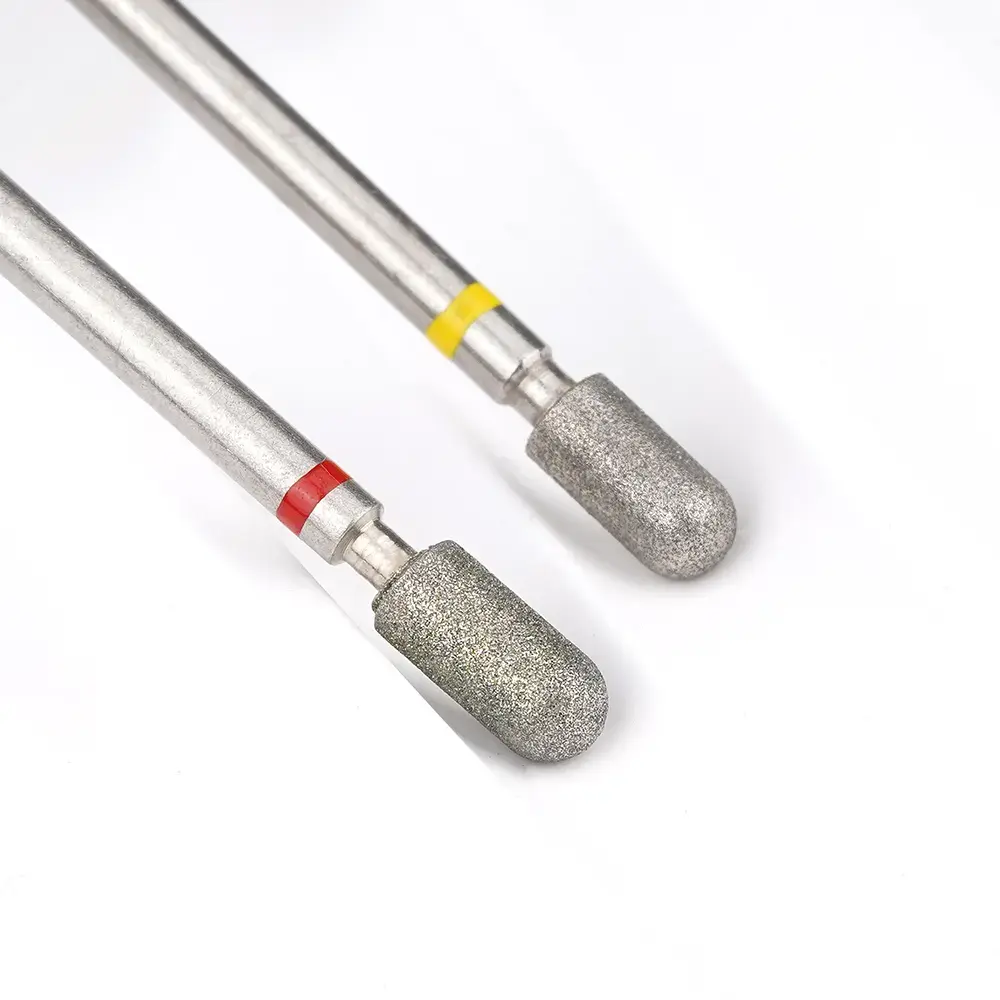
What Is A Silicone Nail Drill Bit
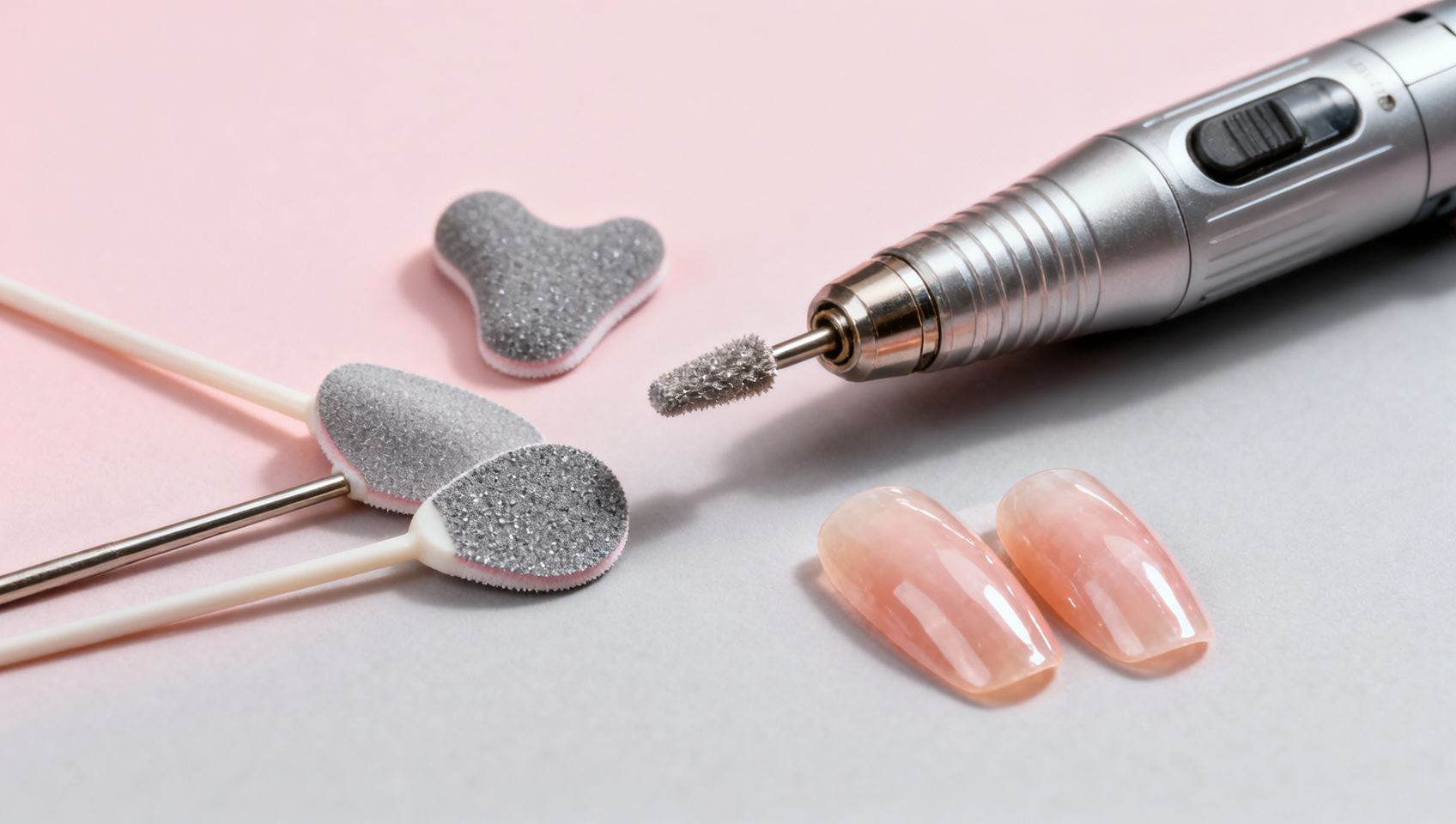
A silicone nail drill bit is a soft-abrasive finishing bit designed for controlled polishing rather than aggressive removal. In professional nail work, it is commonly used after carbide, ceramic, or diamond bits have completed shaping, cuticle preparation, or product reduction. Its main role is to smooth minor surface irregularities and refine the final feel of the nail or surrounding area.
Unlike cutting bits, a silicone nail drill bit usually relies on an elastic binder combined with fine abrasive particles. That structure gives it a cushioned contact feel, helping technicians reduce scratch depth and lower the risk of over-filing when working on delicate finishing steps. This makes it especially relevant in natural nail shine services and in finishing stages for gel or acrylic systems.
In supply terms, buyers should treat silicone bits as part of a complete bit system rather than a standalone item. They work best when matched with upstream tools such as tungsten carbide nail drill bits for removal, diamond nail bits for detail work, and sanding bands for broad surface preparation. This sequence improves efficiency and service consistency across salons and training environments.
For B2B buyers, the value of a silicone nail drill bit lies in repeatable finishing quality, client comfort, and reduced rework. When selected correctly, it supports premium service positioning without requiring complex technique changes for experienced technicians.
How The Technology Works
The working principle of a silicone nail drill bit is friction-based micro-abrasion. As the bit rotates, the abrasive particles embedded in the silicone body contact the nail or enhancement surface in a more flexible way than metal-coated tools. This allows gradual smoothing instead of deep cutting, which is why speed control and pressure discipline remain important even with softer finishing bits.
Bit performance depends on several technical factors: abrasive particle size, silicone density, profile shape, heat behavior, and rotational stability. Finer particles usually create a smoother finish but remove less material per pass. A denser body often offers longer service life, while a softer body can improve adaptability on curved nail surfaces and sidewall transitions.
Heat management matters because finishing often happens at the final stage of service, when clients are more sensitive to discomfort. A well-made silicone nail drill bit should run with stable balance and predictable contact, helping reduce chatter and hot spots. This is one reason many professional buyers source finishing tools from manufacturers that also understand broader e-file system compatibility and quality control.
In production and sourcing discussions, it is practical to evaluate dimensional consistency, shank accuracy, and bonding uniformity. Those factors affect vibration, wear rate, and technician confidence more than appearance alone.
Main Types, Shapes, And Grits
The most common way to classify a silicone nail drill bit is by grit, shape, and application stage. Fine and extra-fine options are preferred for natural nail shine, final buffing, and smoothing after prep. Medium grades are more suitable when technicians need a little more corrective power on enhancement surfaces before top finishing. Coarser versions exist, but they are generally less common in delicate finishing workflows.
Shape also changes function. Bullet or cone profiles help with targeted access around the cuticle line and sidewalls. Barrel shapes provide broader contact for even surface refinement. Pointed detail shapes can support precise finishing in narrow zones, but they require better hand control and lower pressure. Buyers serving salon chains often benefit from stocking multiple profiles in matched grit sets.
In practical assortment planning, silicone finishers are usually paired with more aggressive categories. A salon may use a 5-in-1 carbide bit for bulk gel removal, a diamond bit for cuticle cleaning, and then a silicone nail drill bit for the last refinement step. This workflow mirrors how many distributors build mixed tool portfolios for professional users.
Yaqin’s broader range in tungsten carbide nail drill bits, diamond nail bits, ceramic nail bits, sanding bands and caps, and nail drill machines is relevant here because buyers often prefer one supplier that can support the full sequence. That simplifies replenishment, compatibility checks, and private label planning.
Who Uses It And Where It Fits
A silicone nail drill bit is most useful for professional nail technicians, salon chains, nail academies, distributors, and private label brands serving the manicure market. It is particularly suitable for users who want a safer finishing option at the end of prep, polishing, or enhancement maintenance services. Independent technicians also value it because it helps improve service feel without adding a steep learning curve.
Typical applications include smoothing the nail plate after gentle preparation, refining enhancement surfaces before final coating, softening small transitions near sidewalls, and creating a controlled natural nail shine. It is not a substitute for heavy removal tools, but it plays an important role in overall service quality because finishing is the stage clients often notice most.
Customer sourcing patterns in different markets reflect this. Salon chains in the US and Russia often combine high-frequency service tools such as 5-in-1 tungsten steel heads and diamond pre-treatment bits for gel removal, cuticle cleaning, and shaping; a silicone finishing step complements that workflow by improving the final touch and client comfort in dry polishing services.
European distributors in Germany, the UK, and Italy commonly purchase mixed categories including sanding rings, ceramic bits, and nail machine sets for local salons and freelancers. In these channels, a silicone nail drill bit is often positioned as a finishing accessory that adds value to professional starter kits and branded maintenance bundles.
Selection Standards For Buyers
When selecting a silicone nail drill bit, buyers should start with the intended service menu. For natural nail polishing and light finishing, finer grit and softer contact are typically preferred. For enhancement refining, a slightly firmer structure may perform better. The wrong grit often leads either to inefficient work or to unnecessary surface marking, so product positioning should be clear before purchase.
The second criterion is consistency. Bulk buyers should verify shank precision, shape uniformity, rotation balance, and wear behavior from batch to batch. Even small deviations can change technician handling and client experience. Asking for sample comparison across different grits and profiles is often more useful than evaluating a single reference piece.
The third criterion is system compatibility. A silicone nail drill bit must match the drill machine’s standard shank requirements and perform reliably at recommended operating speeds. Buyers supplying schools or multi-location salons should also consider whether the bit is intuitive enough for varying skill levels and whether the supplier can support replenishment with stable specifications.
Finally, consider packaging and branding needs. Yaqin offers OEM, ODM, private label, and custom packaging support, which is useful for distributors creating differentiated retail lines or salon-exclusive consumable programs. This can strengthen channel identity while keeping sourcing centralized.
Manufacturing, Quality Control, And Supply Reliability
For professional procurement, the quality of a silicone nail drill bit depends not only on material formulation but also on process discipline. Reliable production should include controlled raw material selection, molding or forming consistency, accurate shank fitting, balance checks, cleaning, inspection, and packing review. These steps help reduce common issues such as wobble, uneven wear, or inconsistent polishing effect.
Yaqin’s manufacturing profile is relevant for buyers comparing long-term partners. The company highlights a strict QC system, ISO9001:2000 certification, and full inspection from raw material to packing. For importers and distributors, that matters because finishing tools are frequently reordered, and stable quality is usually more important than chasing isolated low quotes.
The company’s broader capability in carbide, diamond, and ceramic materials also supports cross-category sourcing. Buyers who purchase a silicone nail drill bit together with barrel, cone, or needle-type bits in multiple grits can standardize vendor management and reduce fragmentation across SKUs. Factory-direct pricing and stable supply are especially important when demand spans salons, academies, and regional distribution networks.
Because Yaqin exports to 42 countries and works with global distributors, buyers can reasonably expect familiarity with packaging variation, assortment complexity, and recurring order coordination. That supply experience is often valuable in private label or multi-market projects.
Cost Structure, TCO, And ROI
The purchase price of a silicone nail drill bit is only one part of total cost of ownership. Buyers should also account for service life, replacement frequency, technician efficiency, risk of rework, client comfort, and the value of a more polished service finish. A lower-cost bit that wears quickly or produces inconsistent results can increase cost per treatment even if the unit price looks attractive.
For distributors, TCO is influenced by assortment complexity, packaging requirements, quality claims management, and reorder predictability. A supplier that can provide both premium and standard finishing options, together with core removal and prep tools, may lower administrative and logistics cost across the product line. This is often more important than negotiating the last small percentage on a single SKU.
ROI usually comes from faster finishing, fewer service corrections, stronger client perception of comfort, and easier upselling of premium nail care packages. In education channels, a more forgiving finishing bit can also support training outcomes by helping students learn controlled e-file handling with less risk of visible over-filing.
A practical sourcing approach is to compare sample sets by cost per completed service rather than cost per piece. This method gives a more realistic view of commercial value, especially for high-frequency salon operations.
Maintenance Cycles And 2026 Market Trends
A silicone nail drill bit should be replaced when polishing performance drops, the surface becomes uneven, or hygiene and visual inspection standards indicate wear. Actual replacement cycles vary by grit, pressure, rotation speed, service frequency, and the type of surface being treated. Professional users should set internal replacement rules rather than waiting for severe performance decline.
Looking toward 2026, the market direction is clear: buyers increasingly want complete e-file systems instead of isolated tools. That means better matching across machines, prep bits, removal bits, and finishing bits. Demand is also moving toward safer service positioning, more transparent grit communication, and packaging formats suitable for distributor branding and salon retail programs.
Another trend is the growth of content-led procurement. Buyers now evaluate not only samples and prices but also whether a supplier can explain applications clearly. Topics such as silicone nail drill bit finishing tips for safer natural nail shine and safer finishing uses are becoming part of the buying conversation because they help distributors support downstream customers.
For companies building long-term supply partnerships, the strongest opportunity lies in combining dependable manufacturing, full-range bit categories, and customization support. In that context, a silicone nail drill bit is no longer just a small accessory; it becomes part of a broader professional nail care system with measurable commercial value.
 Silicone Nail Drill Bit Finishing Tips for a Safer Natural Nail ShineSilicone nail drill bit finishing tips for a safer natural nail shine. Learn how to reduce heat, control friction, and choose reliable polishing tools for consistent, salon-ready results.
 When to Use a Silicone Nail Drill Bit in the Finishing StepSilicone nail drill bit guide: learn the best finishing step timing to smooth light scratches, refine cuticle edges, and achieve a cleaner, more professional nail finish.
 How gel removal bits affect speed and heat during soak-off removalGel removal bits directly impact soak-off speed, friction, and heat. Learn how material, grit, and shape improve comfort, control, and safer gel removal results.
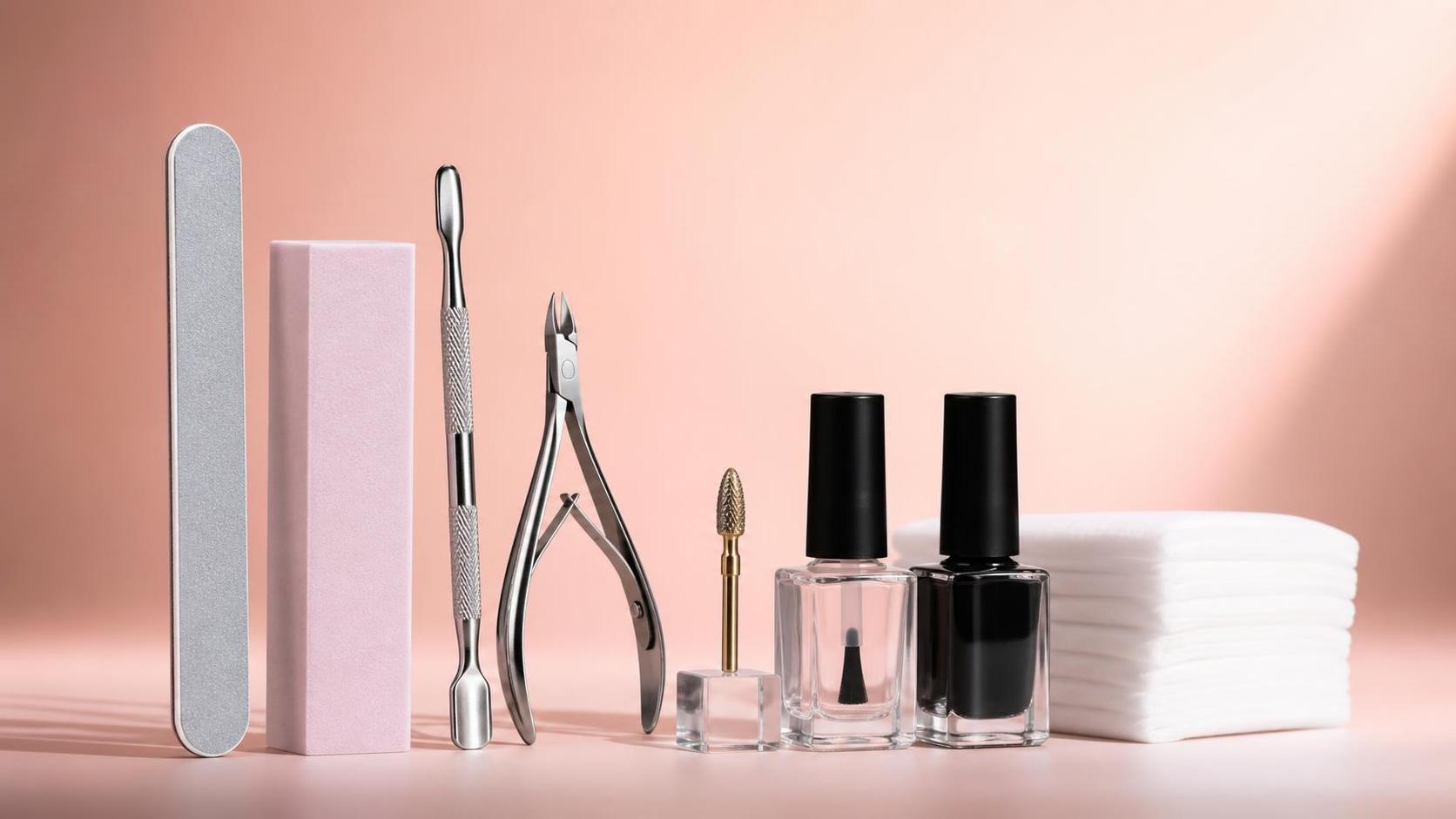
 Essential tools for manicures that make beginner work more consistentEssential tools for manicures every beginner should own. Learn which files, cuticle tools, and prep basics create cleaner, longer-lasting results with less trial and error.
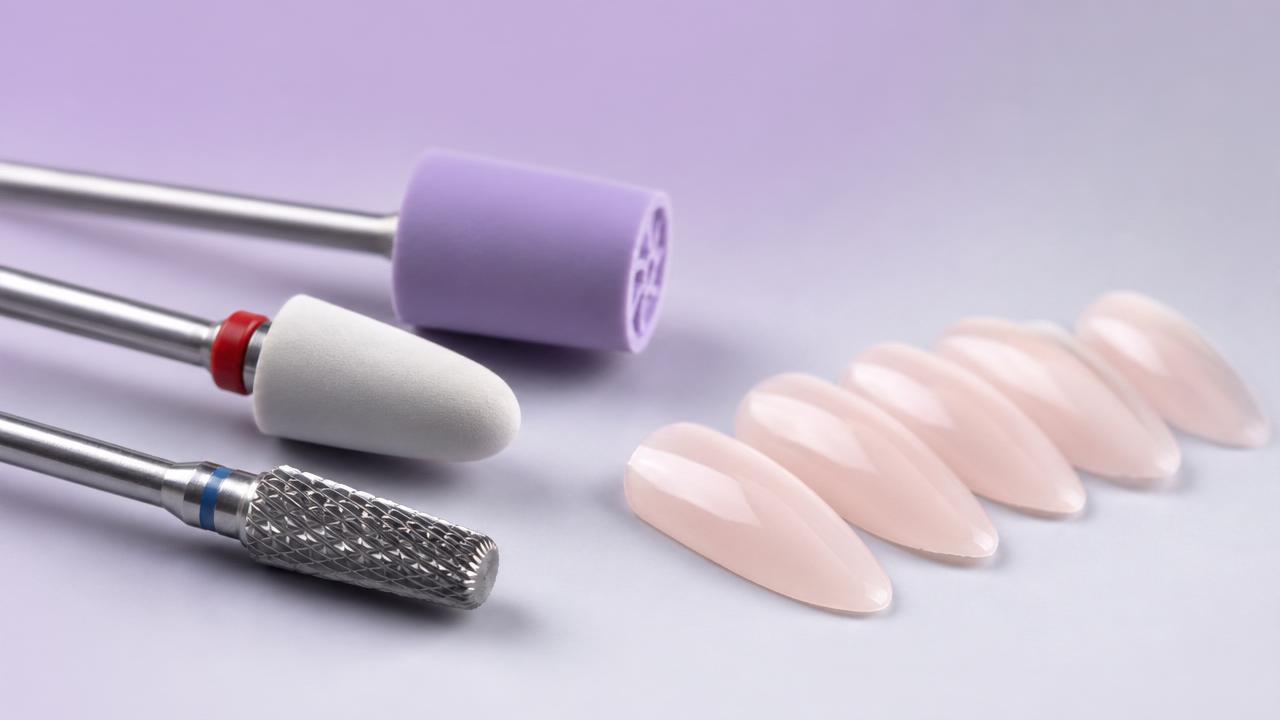
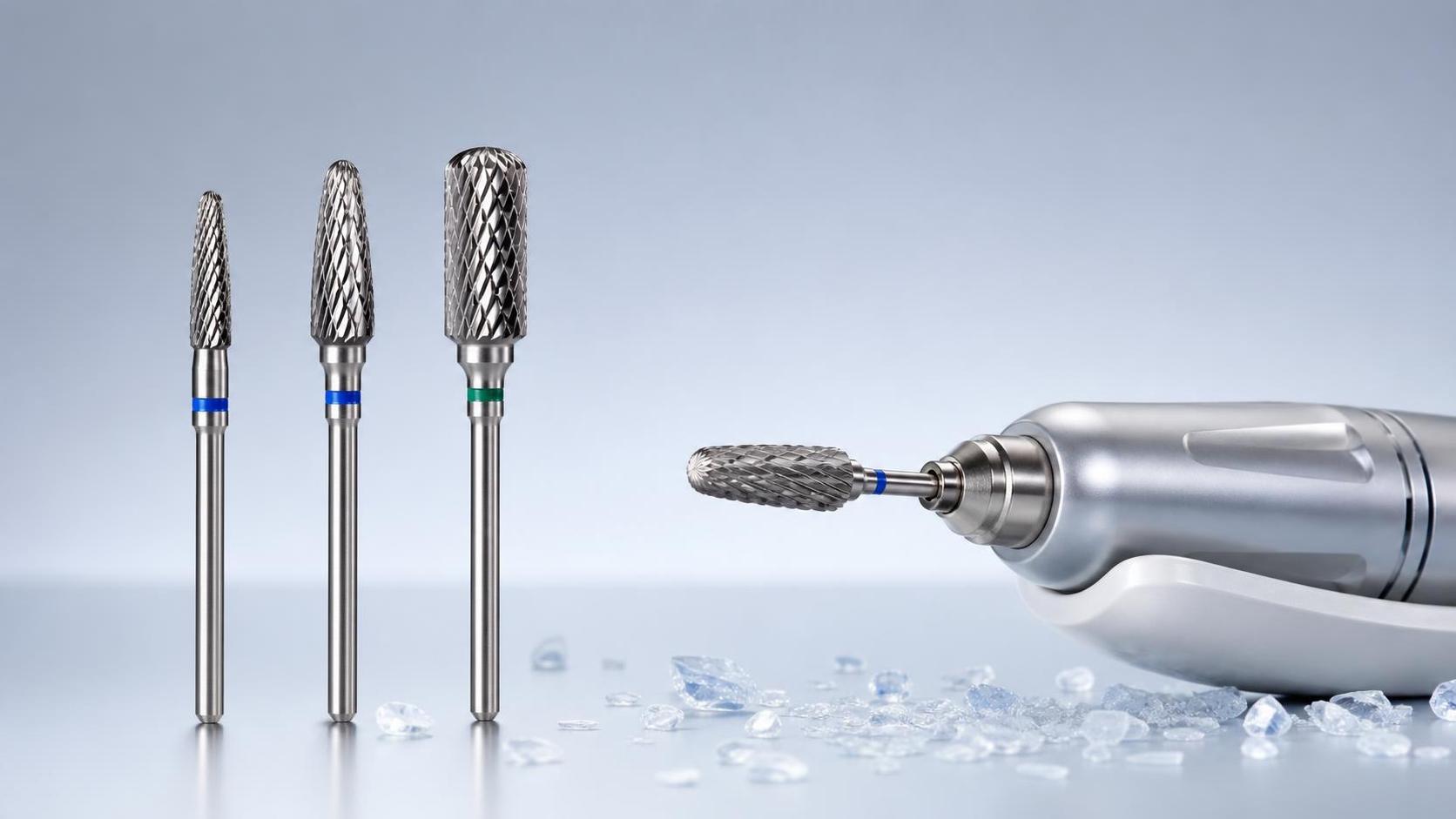
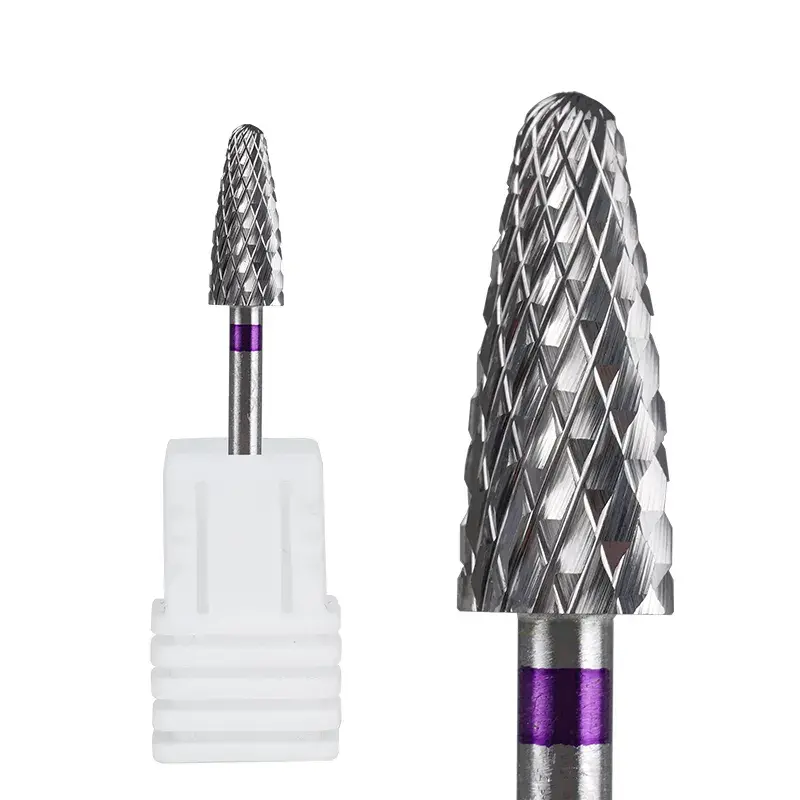
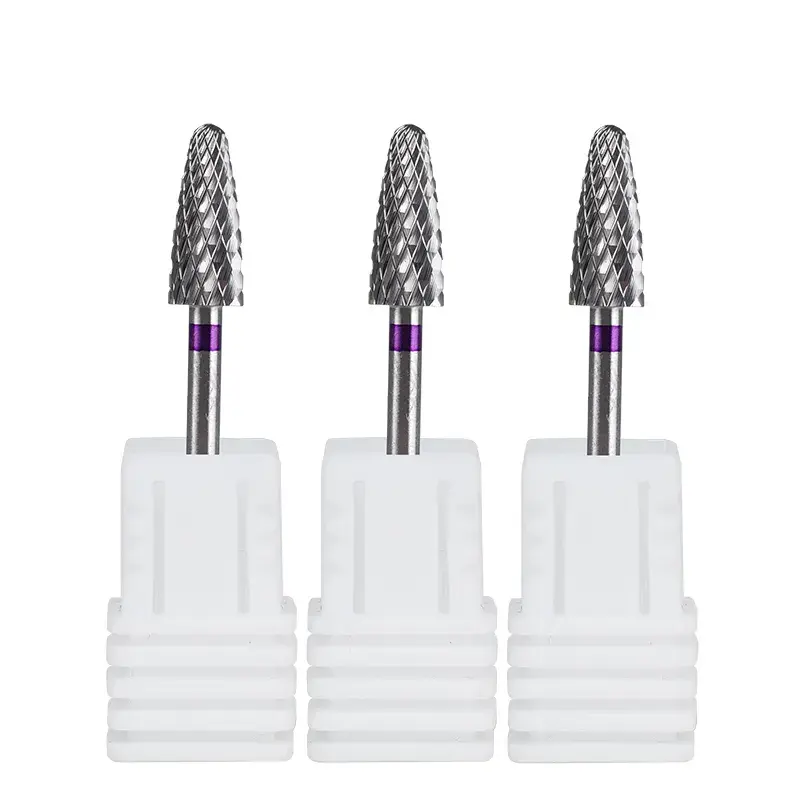
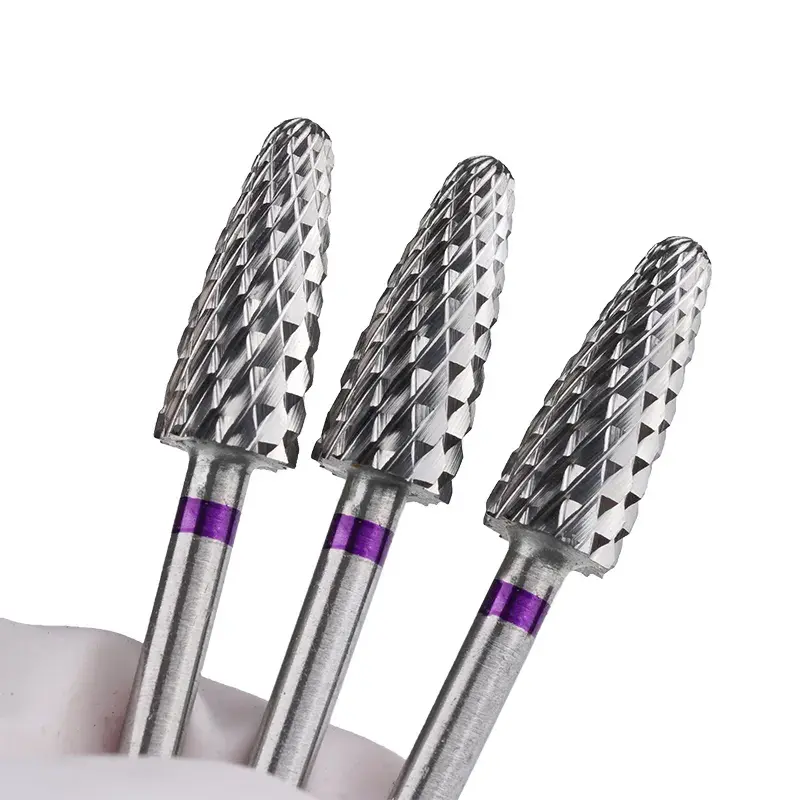
 5.0mm Corn Bullet Shape Universal Carbide Cuticle Dc Nail BitsElectric Tungsten Carbide Nail Drill Bits – Universal Drill Bit Tool for Nail Salons
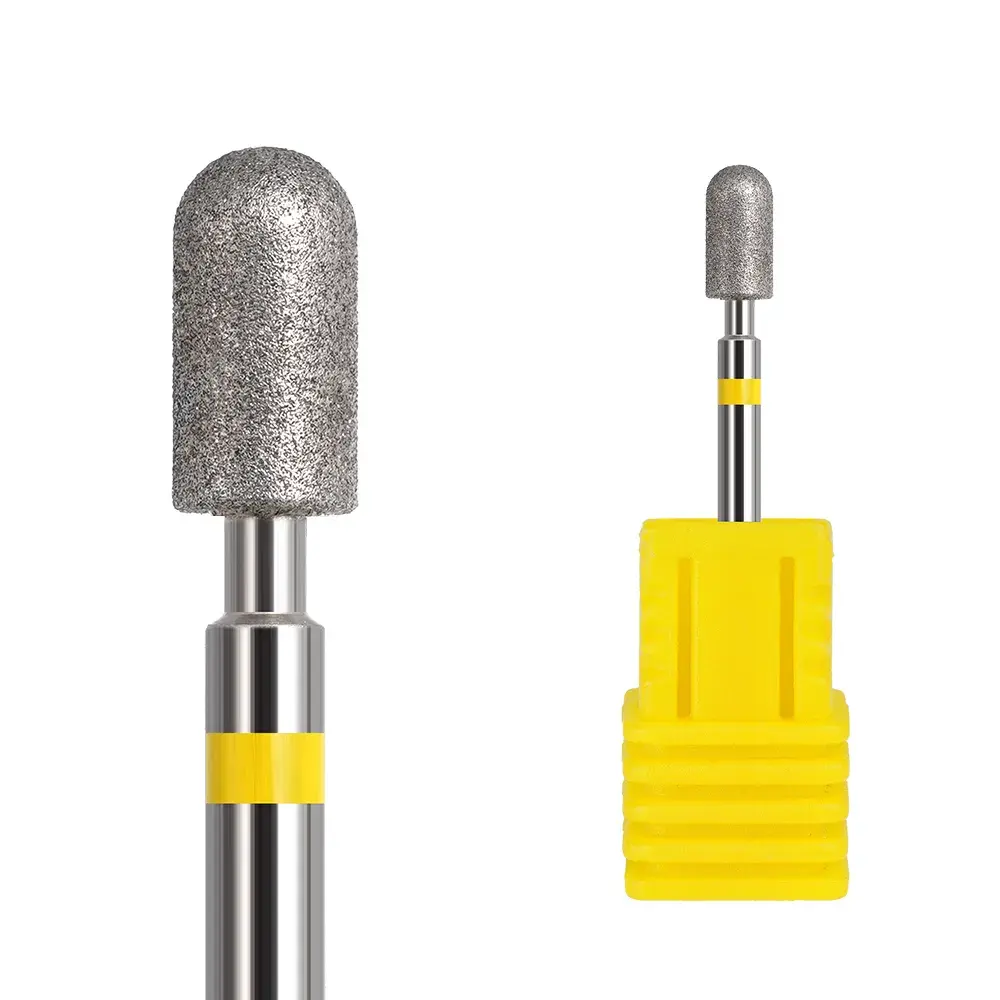
Enhance your nail salon experience with our Electric Tungsten Carbide Nail Drill Bits, specifically designed for the efficient removal of gel polish, acrylics, and other nail enhancements. Our precision-engineered bits ensure a safe and effective nail care routine for both seasoned professionals and newcomers alike. Smooth Top Barrel Safety E File Wholesale Russian Cuticle Clean Diamond Nail BitsIntroducing our Master-Level Pre-Treatment Grinding Heads, crafted with high-quality diamond grit to meet the needs of professional nail technicians. These indispensable nail care tools are designed for precision and effectiveness, ensuring a flawless manicure experience every time.
Please give us a message