
Nail Drill Bit Factory Capabilities You Can’t Overlook: ISO Certification, Batch Traceability, and OEM Customization Support
Nail Drill Bit Factory Capabilities You Can’t Overlook: ISO Certification, Batch Traceability, and OEM Customization Support
Sep 25, 2026
When procurement professionals evaluate a Nail Drill Bit Factory for long-term, high-volume sourcing—especially across regulated markets like the US, EU, or Canada—three operational capabilities carry disproportionate weight in real-world supply decisions: ISO 9001:2000 certification as evidence of embedded quality discipline; full batch traceability that enables root-cause resolution when field issues arise; and OEM customization support that aligns production with brand-specific requirements—not just labeling, but functional, regulatory, and packaging adaptations. These are not checkboxes on a supplier questionnaire. They reflect underlying system maturity: how rigorously raw materials are qualified, how tightly process deviations are controlled, and whether engineering capacity exists to modify tool geometry, coating specifications, or packaging configurations without compromising performance consistency.
ISO 9001:2000 certification matters—not because it’s outdated (it predates the 2015 revision), but because its continued use by certain factories signals stability in documented procedures rather than reactive compliance. Factories certified to this version typically maintain robust control over incoming material inspection logs, in-process torque and RPM validation points during grinding, and final dimensional verification against master gauges—all traceable to specific operator IDs and shift records. For buyers managing multi-tier distribution, this means fewer unexplained field failures, faster containment when nonconformities occur, and auditable justification for rejecting suspect lots before they reach end users. It does not guarantee zero defects—but it does eliminate ambiguity about *why* a defect occurred and *where* in the process it originated.
Batch traceability goes beyond lot numbering. In abrasive nail drill bit manufacturing, where tungsten carbide grain size, sintering temperature profiles, and post-sintering grinding parameters directly affect edge retention and heat resistance, true traceability links each finished bit to its raw material heat lot, furnace run ID, and even the specific CNC toolpath used during profile cutting. Without this, a reported issue—say, premature dulling during hard gel removal—cannot be isolated to a single variable: was it inconsistent binder content in the tungsten carbide powder? A calibration drift in the diamond wheel dresser? Or a humidity fluctuation during packaging that affected anti-corrosion coating adhesion? Factories offering only “batch number = production date” provide no actionable data. Those linking bits to metallurgical certificates, machine calibration logs, and environmental monitoring records do.
OEM customization support is frequently misunderstood as logo printing or box redesign. Real capability lies in adapting core product behavior to meet downstream requirements—without sacrificing mechanical integrity. For example, modifying flute geometry to reduce dust accumulation during prolonged cuticle work requires recalculating chip evacuation angles and verifying thermal dissipation under continuous 30,000+ RPM operation. Adjusting tip radius for beginner-safe use demands finite element analysis to confirm stress distribution remains within fracture thresholds—even when users apply lateral pressure during soft gel removal. Suppliers who treat OEM requests as purely cosmetic lack the metrology infrastructure, material testing access, or process validation protocols to deliver safe, repeatable variants. Their “customization” often introduces hidden variability: inconsistent surface finish affecting grip in wet environments, or minor dimensional shifts altering fit in specific grinder collets—both leading to vibration-induced micro-fractures over time.
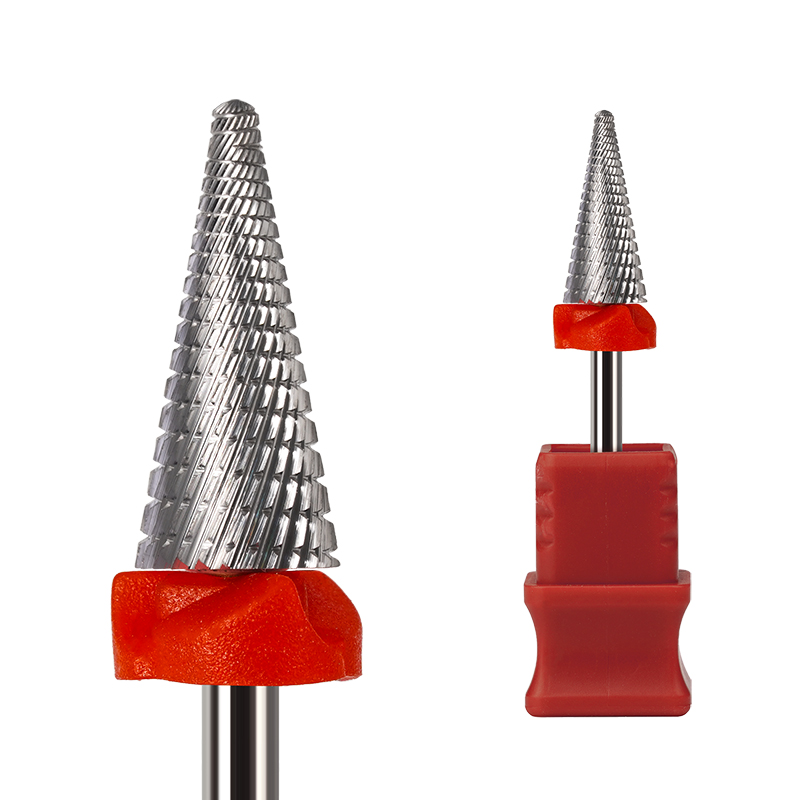
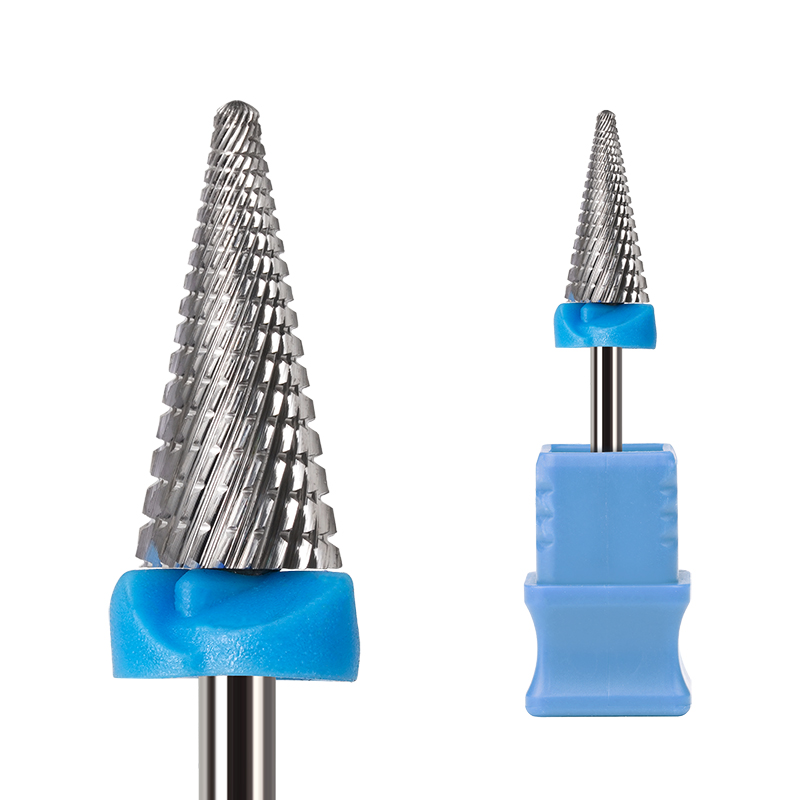
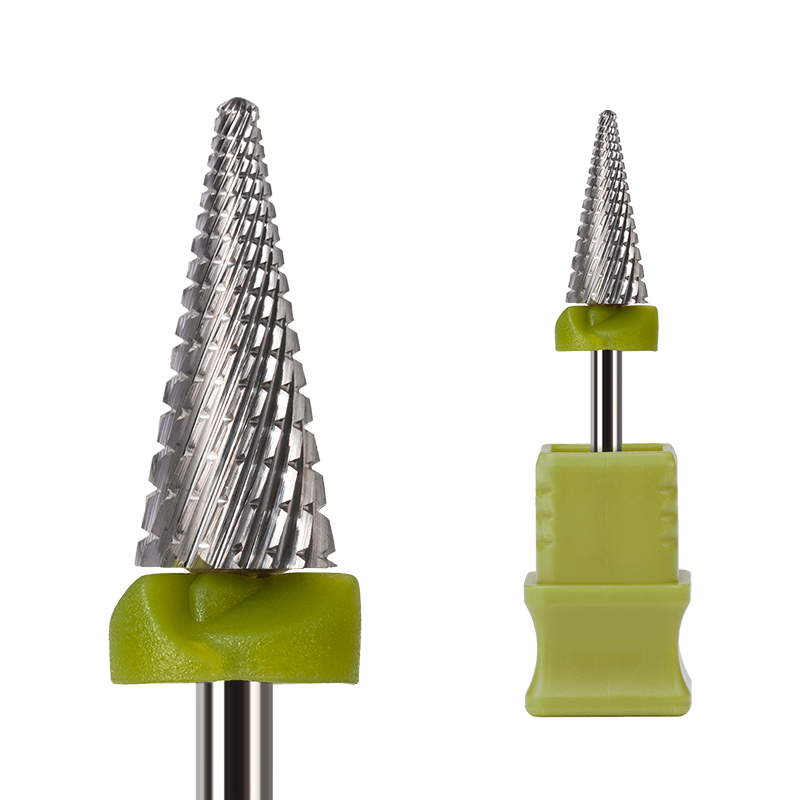
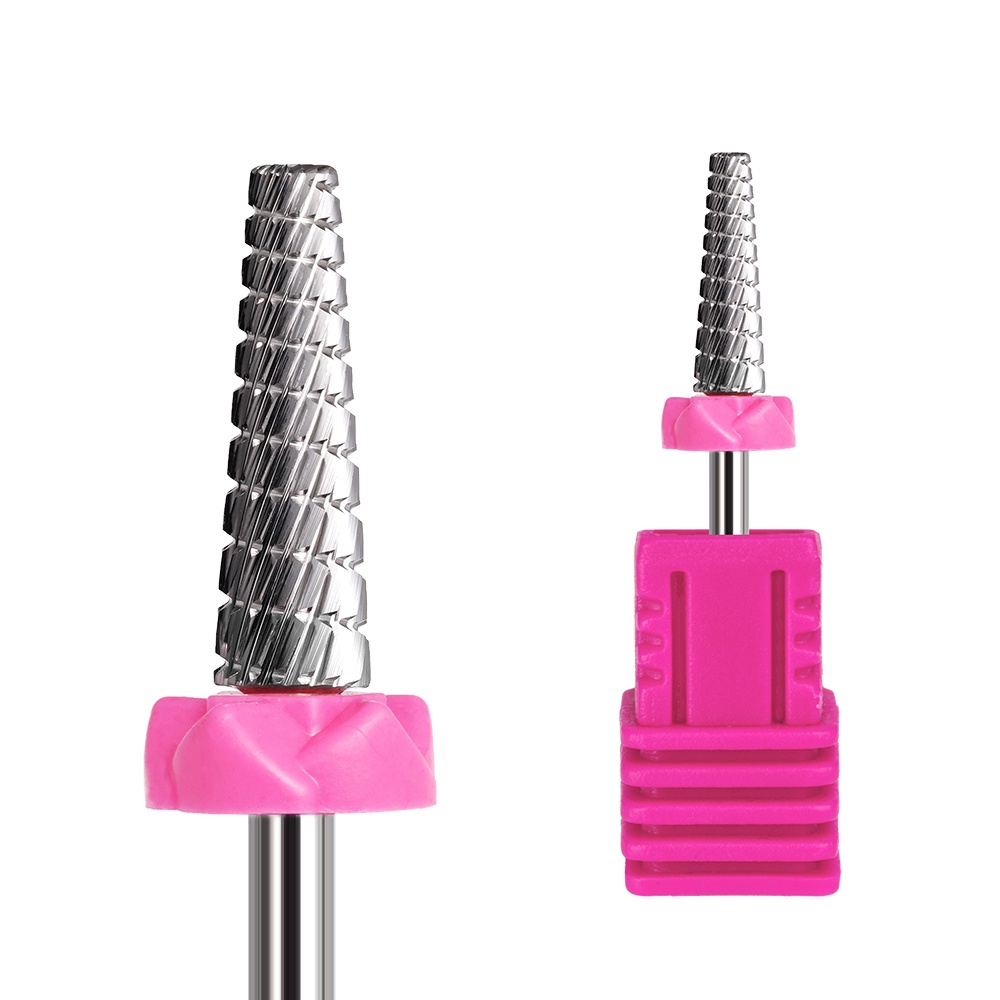
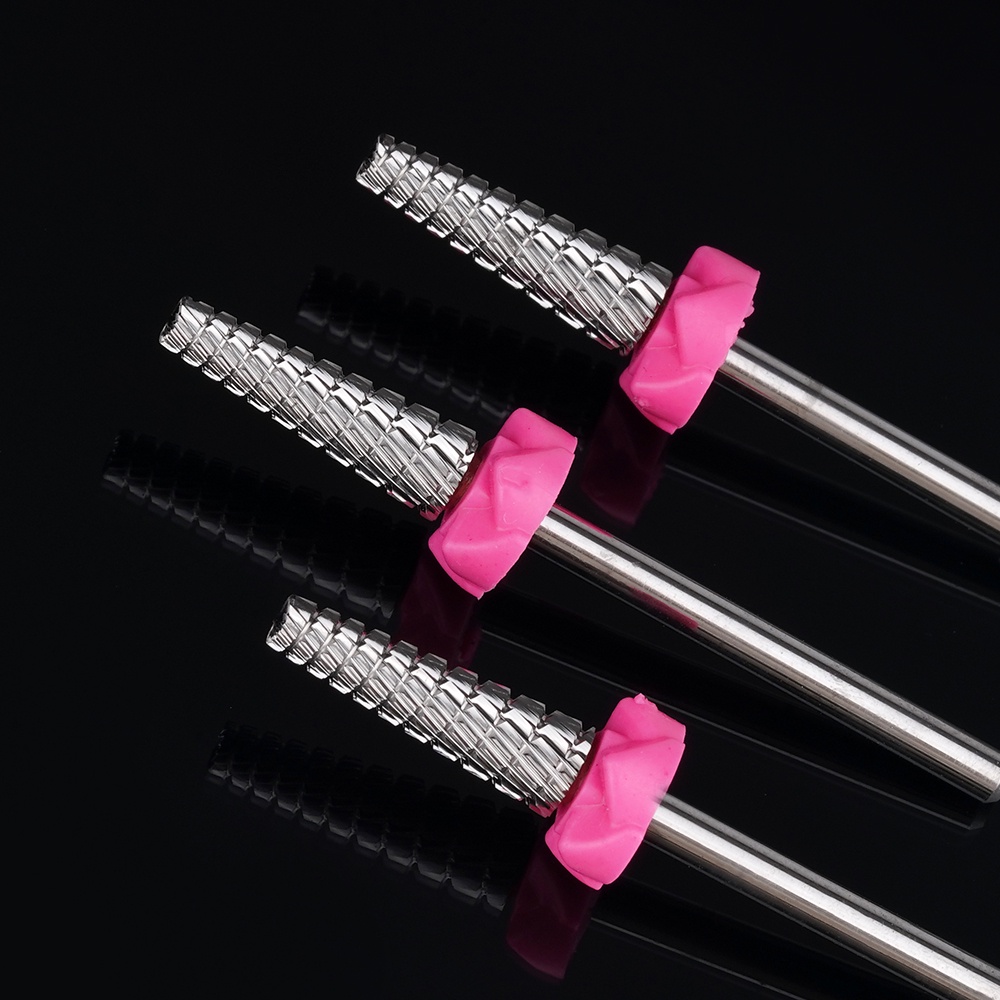
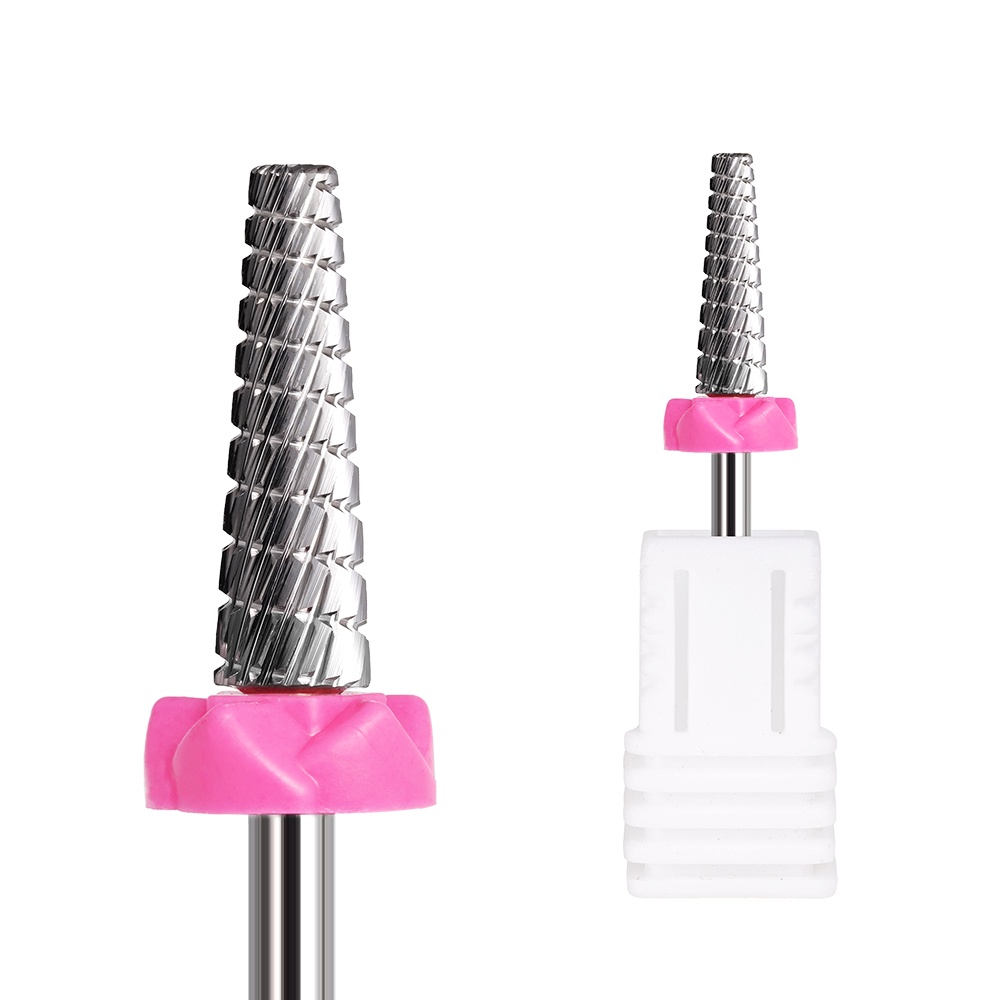
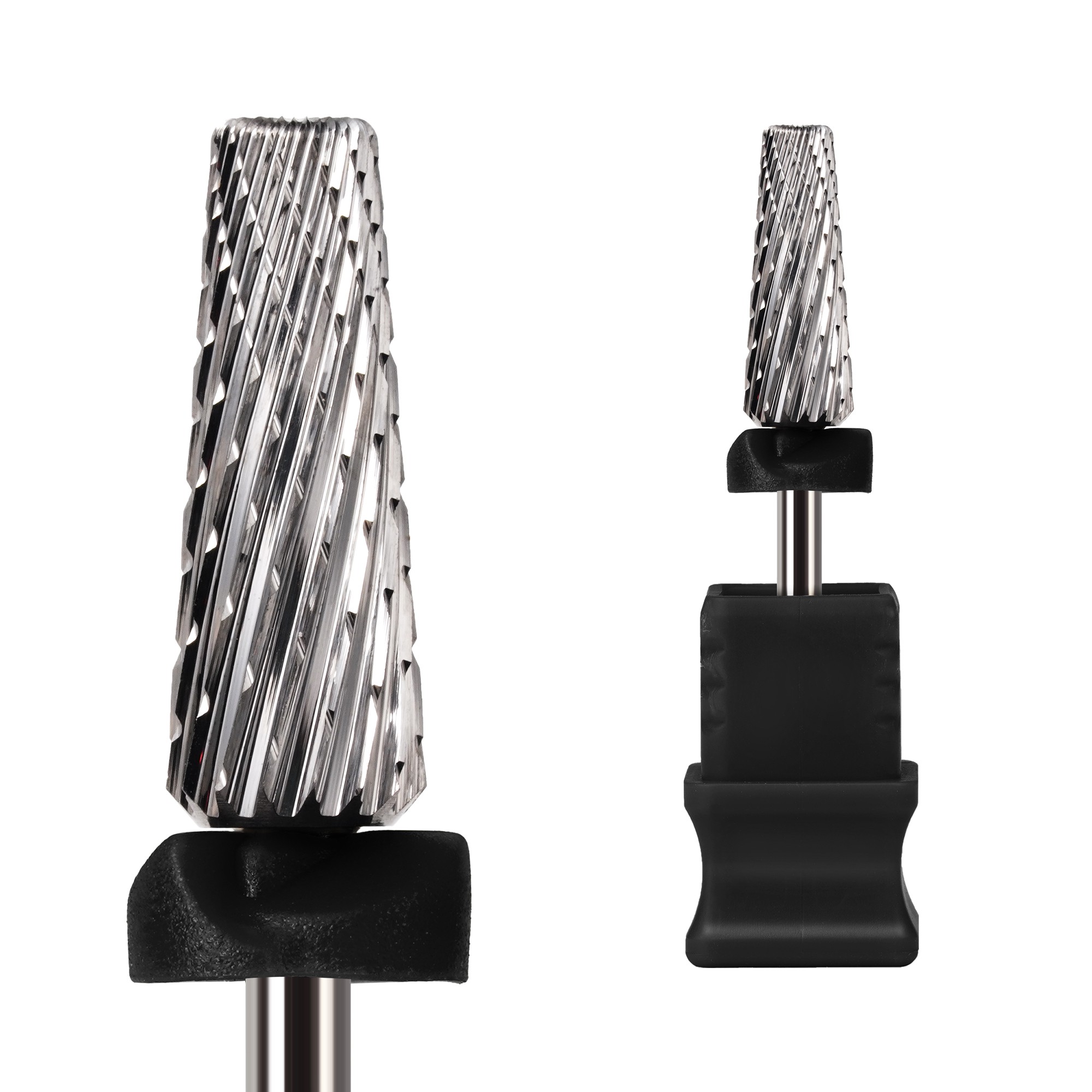
This is where functional alignment becomes critical. Consider the High Quality Tungsten Carbide Nail Drill Bits Bidirectional Super Long Gel Nail Polish Cuticle Nail Drill Bits. Its bidirectional design isn’t just marketing—it requires symmetrical hardness distribution across both cutting edges, verified via Rockwell C-scale mapping across 100% of production units. The “Smooth Flat Tip for Safety” relies on sub-micron tolerance control during final honing; a 0.02mm deviation risks either ineffective skin protection or excessive friction heating. These aren’t features added at packaging—they’re engineered into the sintering and grinding sequence. A factory without closed-loop feedback between QC measurement data and process adjustment cannot sustain them across batches.
Cost implications follow directly. Buyers who prioritize lowest unit price often absorb hidden costs: higher rejection rates due to inconsistent sharpness, increased customer returns from tip breakage during nail tip removal, or urgent air freight to replace failed batches lacking traceability. One North American distributor reported a 27% reduction in annual warranty claims after switching to a supplier with full batch traceability and ISO-certified process controls—even though unit cost rose 11%. The savings came from eliminated root-cause investigation labor, avoided shelf-stock write-offs, and reduced need for safety-margin inventory buffers.
Procurement decisions here hinge less on catalog specs and more on observable evidence of system control. Ask for:
- Raw material certificates showing tungsten carbide particle size distribution (D50) and cobalt binder content—verified per ASTM B394;
- Calibration records for all metrology equipment used in final inspection (e.g., optical comparators, profilometers);
- A sample traceability report linking one finished bit to its raw material lot, sintering cycle log, and final inspection data;
- Documentation of OEM change control processes—how many test runs precede full production of a modified geometry, and what failure modes are re-validated.
Certification alone doesn’t ensure capability. Traceability without metrological rigor creates false confidence. Customization without mechanical validation introduces liability. What separates reliable suppliers isn’t their ability to say “yes” to requests—it’s their willingness to explain *how* they verify each “yes” holds across thousands of units, across seasons, across shifts. That level of transparency doesn’t reduce procurement cost—it reallocates spend away from firefighting and toward predictable, scalable performance.
News List
- Preventing Gouges and Uneven Filing With Small Barrel Nail Drill BitsSep 20, 2026
- How Diameter and Grit Affect Small Barrel Nail Drill Bit PerformanceSep 20, 2026
- Can Hytos Nail Drill Bits Be Used Safely on Natural Nails and Gel Polish?Sep 20, 2026
- How to Verify Fit Between Hytos Nail Drill Bits and an E-File HandpieceSep 20, 2026
- Safe Speed Settings for Umbrella Nail Drill Bits Around the Nail FoldSep 20, 2026
- Umbrella vs Flame Nail Drill Bits: Which Shape Offers Better Cuticle Control?Sep 20, 2026
Best-Selling Products
 Cross Cut Safety Stainless Steel Tungsten Carbide Nail Drill Bits Salon Foot Use XF-C Grit for Removing Nails
 First-rate Quality Tungsten Carbide Nail Drill Bits Best Coating Manicure Remove Gel Nails Accessories
 Professional Advanced Safety Cuticle Bits Two-Way Rotate 3/32'' Carbide Tungsten 5 in 1 Nail Drill Bits
 Wholesale 5 in 1 Electric Manicure Nail Drill Bits Various Coating Cone Cuticle Bit with Rotary Cross Cut for Nail Art
 New Slant Tooth Tungsten Steel Nail Drill Bits Dead Skin Removal 5-in-1 Universal Grinding Nail Polish Head Tool Nail Drill Bits
 4.0mm Small 5 in 1 Integrated Sharpe Tungsten Nail Drill Bit Straight Teeth Gel Polish Removal
 Flame Sharp XF F M C XC Silver Safety Professional Corn Tungsten Carbide Nail Bit for Drill Machine Accessories
 Factory Direct 5 in 1 Tungsten Carbide Nail Drill Bits 6.8MM Cross Cut Safety Manicure 5 in 1 Nail Drill Bits
Please give us a message