
How to Clean and Maintain Diamond Nail Drill Bits for Longer Service Life
How to Clean and Maintain Diamond Nail Drill Bits for Longer Service Life
How to Clean and Maintain Diamond Nail Drill Bits for Longer Service Life
Proper cleaning and maintenance can significantly extend the service life of every diamond nail drill bit in a professional salon or after-sales service operation. For maintenance teams, the issue is not simply whether a bit looks clean after use. Nail dust, product residue, moisture, disinfectant exposure, and poor storage can all affect cutting consistency, hygiene control, and the condition of the electric file itself.
Diamond-coated bits are widely used for surface refinement, cuticle-area work, callus care, and controlled preparation around natural nails. Their abrasive surface is effective because exposed diamond particles create many small cutting points. Once these spaces become packed with gel dust, skin debris, or polishing residue, the bit can feel less efficient even when the abrasive coating has not actually worn out. Cleaning is therefore a performance task as much as a sanitation task.
A practical maintenance routine should separate four activities: removing visible debris, cleaning the working surface, disinfecting or sterilizing according to the applicable procedure, and inspecting the bit before it returns to service. Combining them carelessly is where many avoidable failures begin.
Why Diamond Bits Lose Performance Before They Wear Out
A diamond nail drill bit does not normally become ineffective overnight. More often, technicians notice that it requires extra pressure, leaves an uneven finish, runs hotter than expected, or produces less predictable contact near the cuticle. These symptoms may indicate abrasive wear, but they can also result from clogging.
Fine diamond grits are particularly vulnerable to packed debris. Filing dust can mix with oils, gel residue, and moisture to form a film between the abrasive particles. The bit then skates across the surface instead of cutting cleanly. Increasing hand pressure or machine speed may seem like a quick solution, but it can generate more heat, reduce control, and place unnecessary stress on both the bit and the nail plate.
The shank also deserves attention. Residue left on the shank can interfere with secure insertion into the handpiece. If a bit is not seated correctly, vibration may be mistaken for a quality issue with the bit itself. In reality, the cause may be dust in the chuck, a bent shank, or a mismatch between the handpiece and the bit’s dimensions. Maintenance staff should treat the tool and the handpiece as one operating system.
A Reliable Cleaning Sequence After Use
The safest routine starts as soon as practical after service. Dried residue is harder to remove and is more likely to require aggressive brushing, extended soaking, or repeated processing. Before handling used bits, follow the site’s protective-equipment and hygiene procedures. A dedicated maintenance area is preferable to cleaning tools on a manicure station where dust and product containers are already present.
1. Remove loose dust before wet processing
Use a clean, purpose-designated brush to dislodge visible nail dust from the diamond surface, flutes, and shank. A nylon brush is generally a sensible choice because it can reach the texture without being overly aggressive. Brush along the contours of the bit rather than forcing debris deeper into the abrasive layer. Avoid using damaged brushes that shed bristles or metal tools that may scratch the shank and complicate later inspection.
This dry step is often skipped, yet it makes wet cleaning more effective. A disinfectant solution is not a substitute for physical removal of visible debris. If powder remains lodged in the diamond texture, the chemical process may not reach all relevant surfaces as intended.
2. Clean with a compatible solution
Wash the bit using a cleaning solution and method compatible with the bit construction and the hygiene protocol used by the facility. Follow the chemical supplier’s dilution, contact-time, and rinsing instructions rather than assuming that a stronger concentration will clean better. Excessively harsh chemicals, improper dilution, or unnecessarily long exposure can damage certain finishes, promote corrosion on non-diamond components, or leave residues that affect later use.
For heavily clogged bits, gentle brushing while the cleaning solution is present may help release compacted dust. If an ultrasonic cleaner is used, the equipment instructions and the bit supplier’s guidance should be checked first. Ultrasonic processing can be useful for intricate surfaces, but it is not a universal answer: poor loading, incompatible solutions, or extended cycles can create their own maintenance problems.
3. Rinse and dry completely
After cleaning, rinse where the chosen process requires it. Drying is not an optional finishing touch. Moisture caught around the shank, inside a storage container, or in a poorly ventilated bit holder can lead to staining and corrosion on susceptible metal parts. Dry with a clean lint-free material or allow the bits to dry fully in a controlled, clean area before packaging or storage.
Never return a damp bit directly to a closed case. This common shortcut can turn a clean tool into a storage problem, especially when many bits are processed at the end of a busy day.
Disinfection, Sterilization, and Material Compatibility
Cleaning removes debris; disinfection or sterilization addresses microbial control. These are related steps, not interchangeable terms. The appropriate procedure depends on the intended use of the bit, the salon or service organization’s protocol, equipment capability, product instructions, and applicable local requirements. Maintenance teams should not create a universal process based only on convenience.
Before adopting a chemical or heat-based process, confirm that the complete bit assembly can tolerate it. The diamond working surface, bonding layer, steel shank, color coating, and any marking system may react differently. If a supplier provides reprocessing instructions, those should be the starting point. If no compatibility information is available, testing a small controlled batch and documenting the results is more prudent than exposing an entire inventory to a new method.
A bit that looks polished after repeated processing is not necessarily in good condition. Frequent exposure to unsuitable solutions can dull markings, attack the shank, or weaken the bond holding abrasive particles. The right objective is a repeatable process that meets operational hygiene needs without shortening usable life unnecessarily.
Inspection: Deciding Whether a Bit Should Return to Service
Inspection should be quick enough to perform routinely but specific enough to catch problems before they reach a technician’s handpiece. Good lighting and a simple magnification aid can make a substantial difference, especially with fine-grit diamond bits.
A useful rule is that a bit should not need increased pressure to do routine work. When users compensate for poor cutting by pressing harder, the process becomes less controlled. Replacement decisions should be based on condition and working behavior, not only on how long a bit has been in circulation.
Storage Habits That Protect the Bit and the Handpiece
Clean bits should be stored dry, separated, and protected from impact. Tossing them loose into a drawer allows abrasive heads to strike each other and makes it difficult to distinguish processed tools from used ones. A labeled holder, rack, or covered organizer supports inventory control and reduces accidental damage to the working ends.
For organizations servicing multiple stations, segregation matters. Keep used, cleaned, processed, and rejected bits in clearly different locations. This is less about creating a complicated system and more about avoiding ambiguity during busy periods. A maintenance log can also be useful for high-volume operations, particularly when a recurring issue appears with a certain grit, bit shape, cleaning chemical, or handpiece.
Dust management should include the drill unit as well as the bits. Fine debris that enters a handpiece can affect chuck operation and cooling. Where the workflow involves substantial product removal, a dust-proof ring and appropriate extraction practice can help limit accumulation around the operating area.
Do Not Apply One Maintenance Method to Every Bit Type
Maintenance teams often work with diamond bits alongside carbide, ceramic, sanding, and polishing attachments. They should not be treated as identical tools. Diamond bits rely on a textured abrasive coating and are generally selected for refinement and controlled surface work. Carbide bits use cutting flutes and are often chosen for faster removal of hard gel, soft gel, base coats, artificial tips, or callused material. Their cleaning needs overlap, but their wear patterns do not.
For example, a carbide burr should be checked closely for compacted material inside its flutes, while a diamond bit should be examined for uneven abrasive loss or blocked texture. In mixed inventories, labeling bits by material and intended task helps prevent the wrong tool being used for a job simply because it is available.
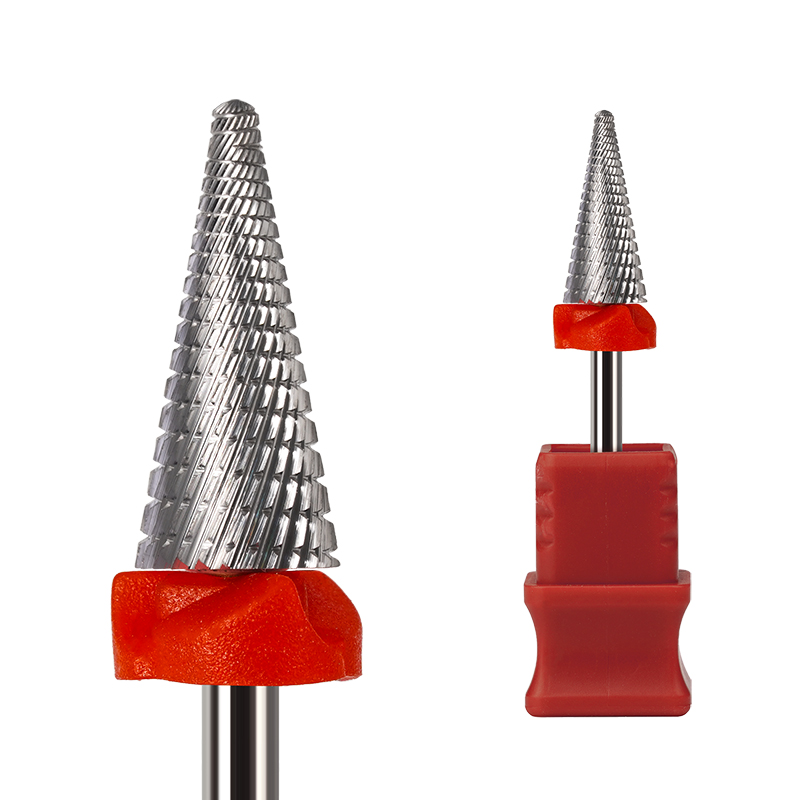
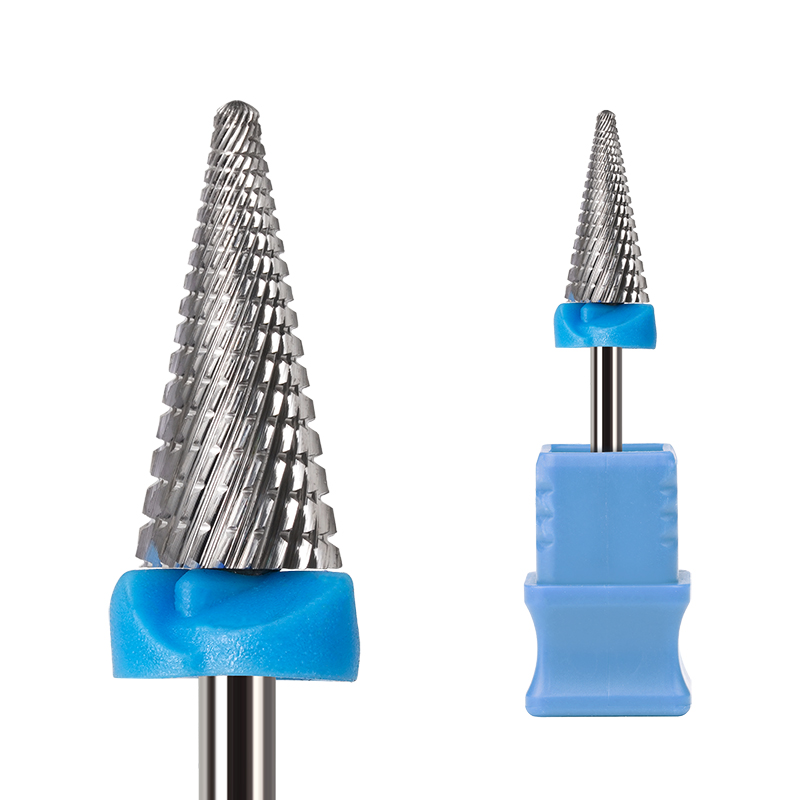
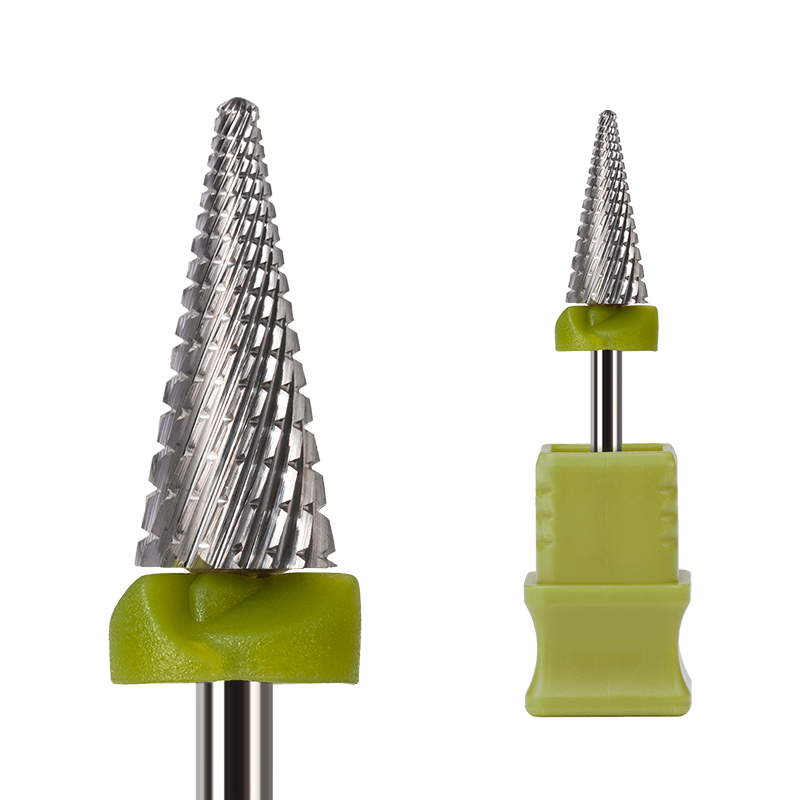
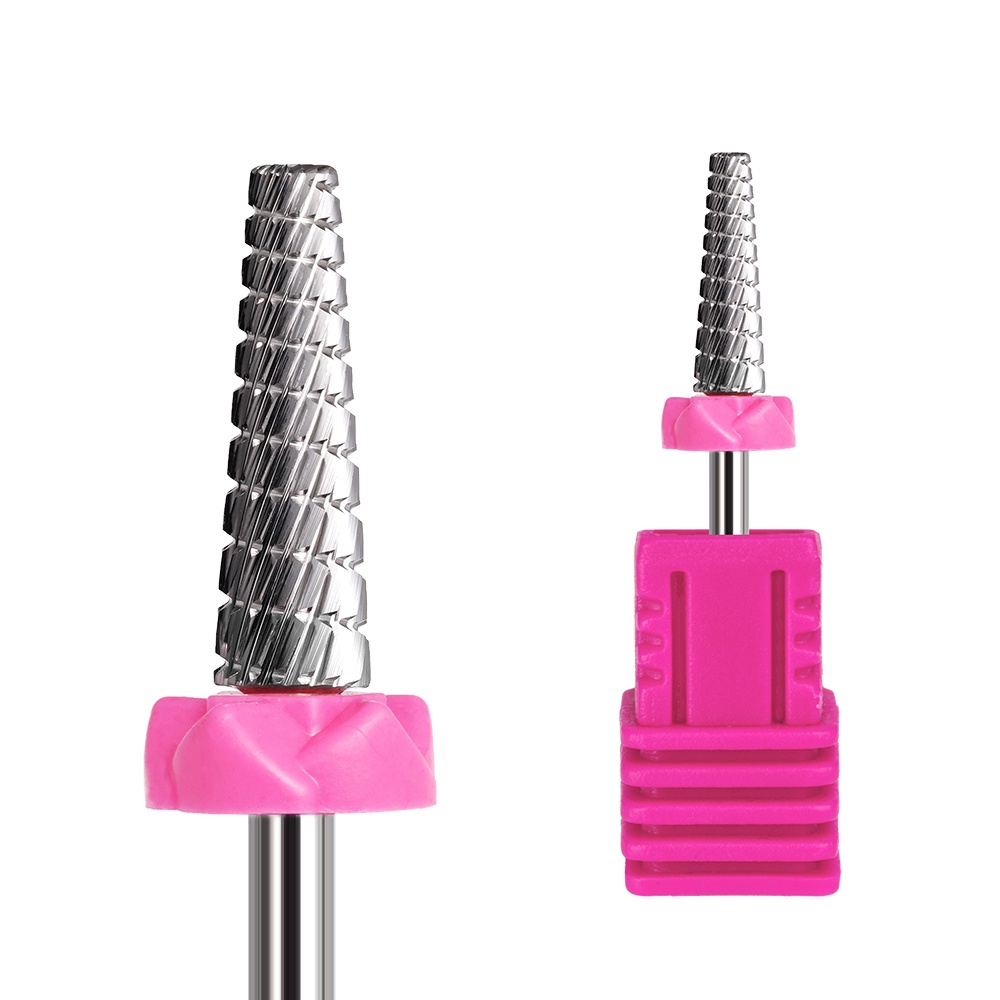
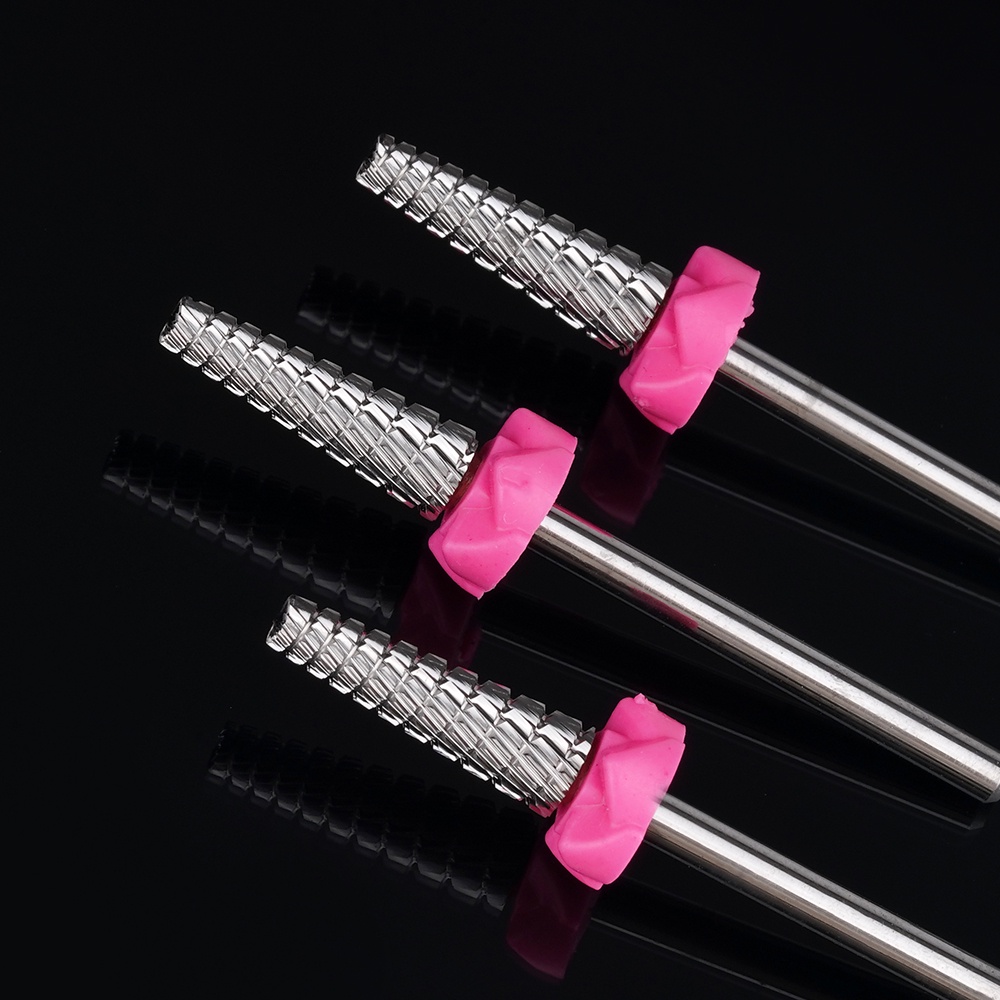
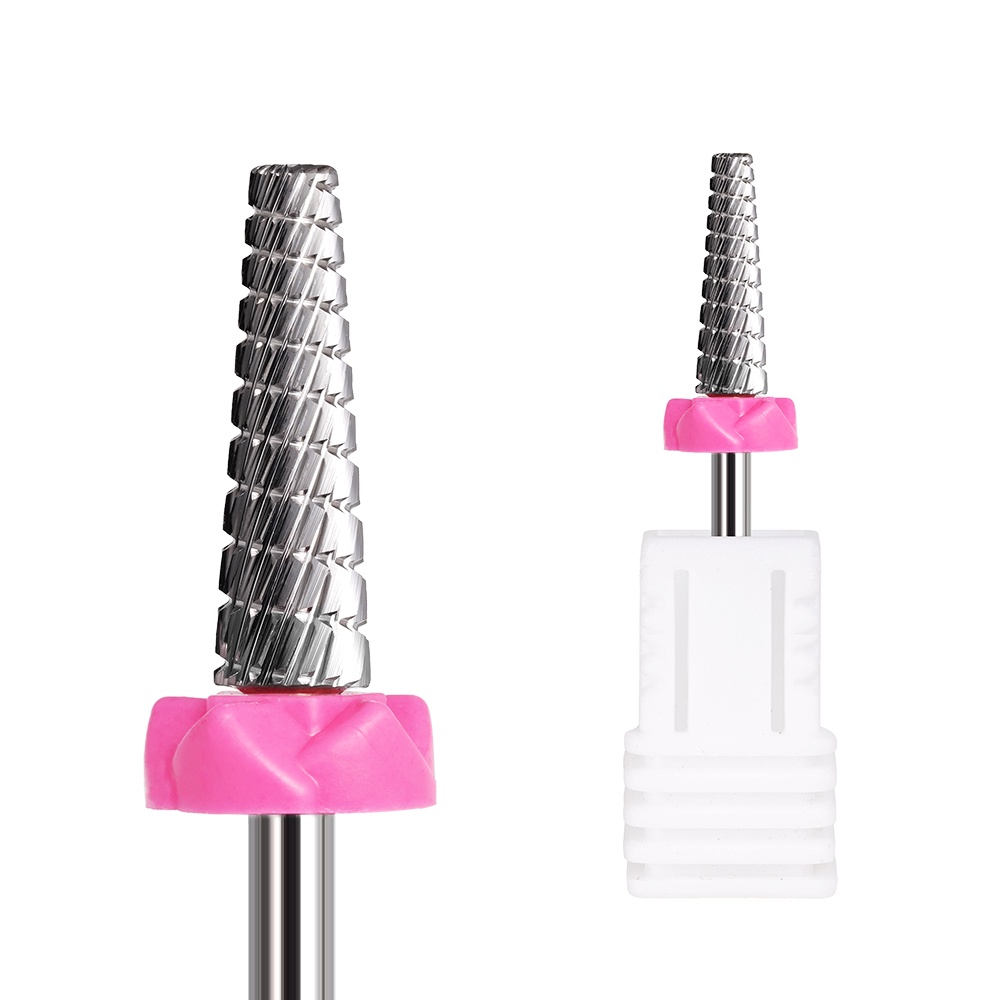
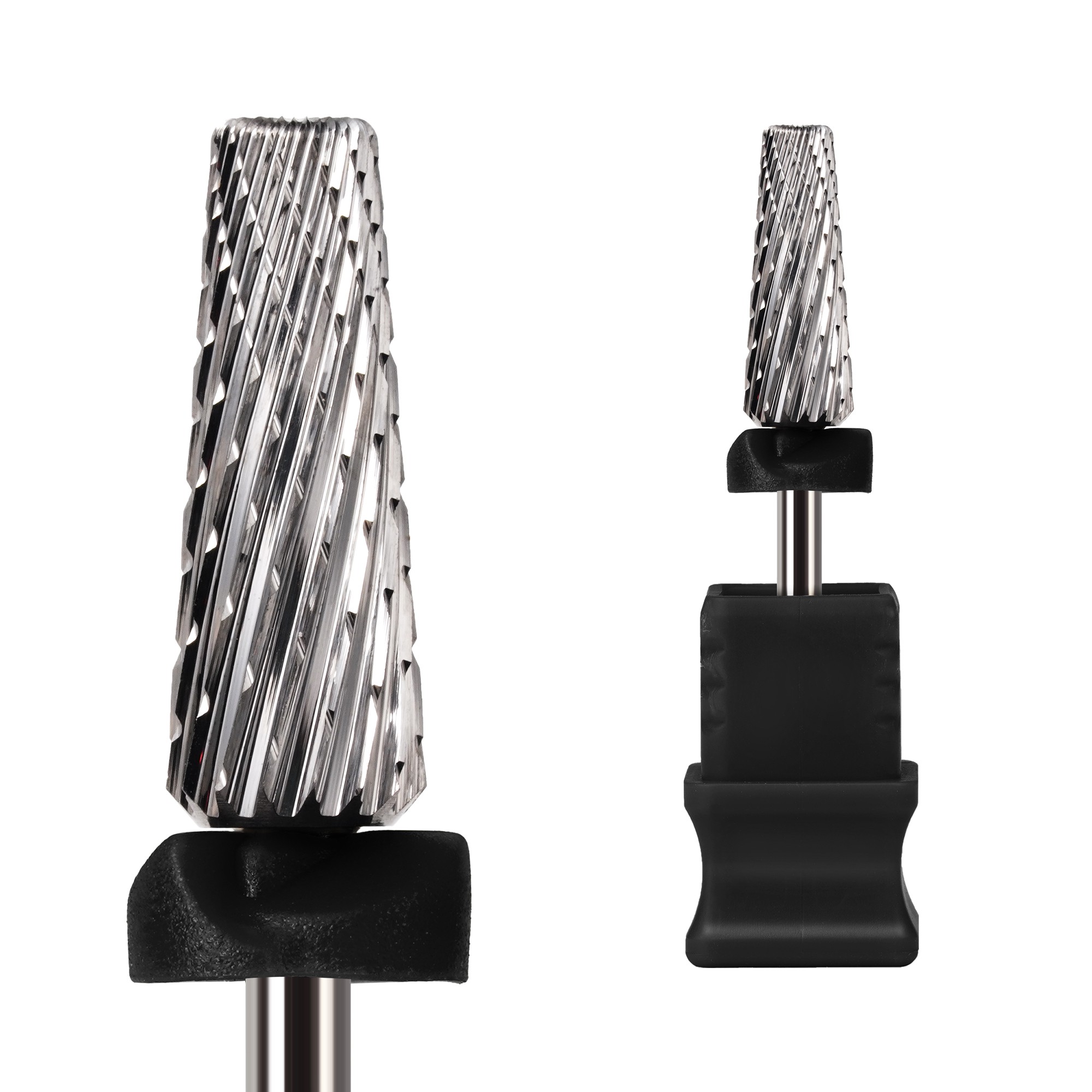
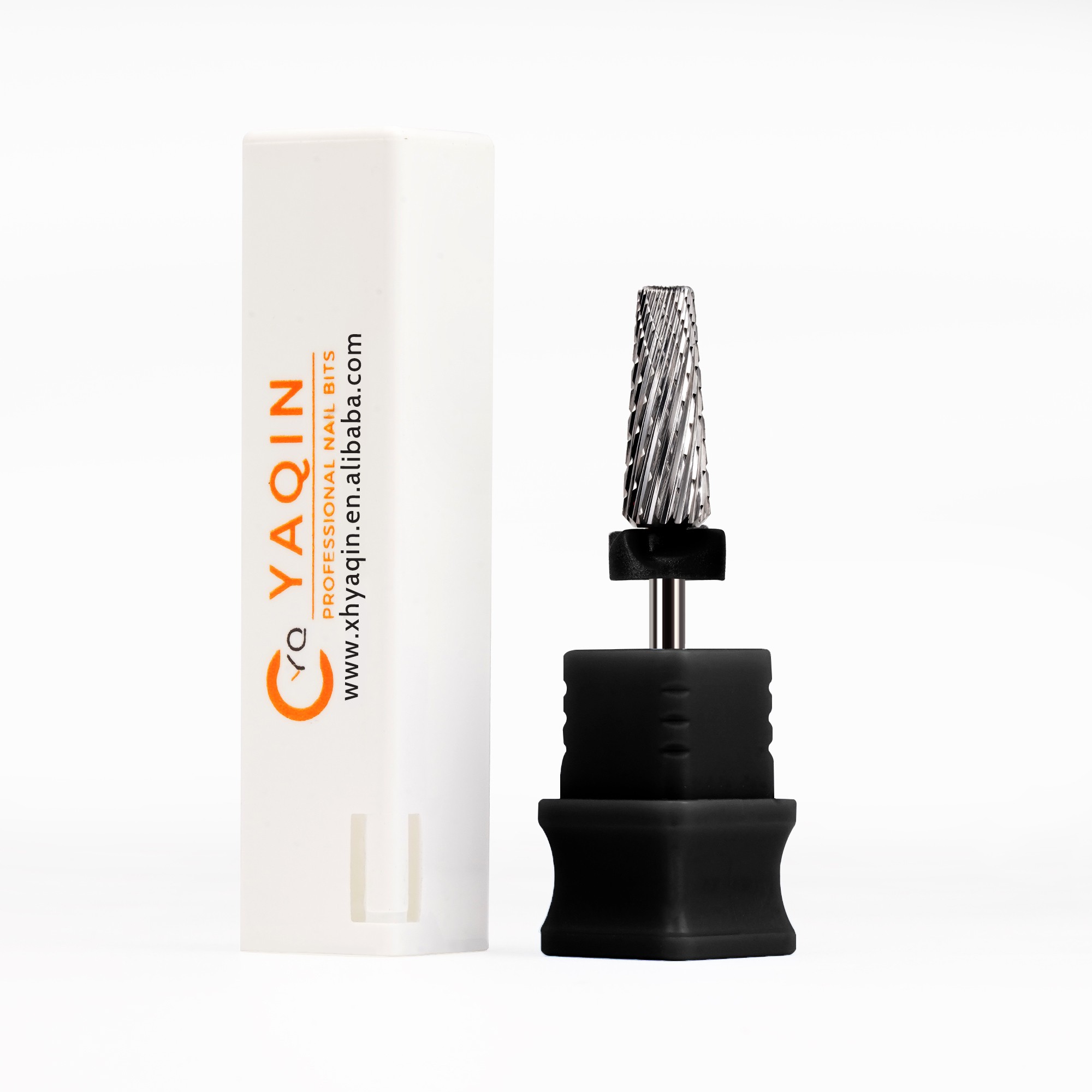
Where fast gel removal is part of the workflow, a high-hardness tungsten carbide option such as the Hot Sale Professional 3XC Tungsten Carbide Nail Art Drill Bit Burr Milling Cutter for Manicure may be used alongside diamond finishing bits. Its flute design is intended to direct dust consistently during removal work, while diamond attachments can be reserved for the more controlled finishing stages. This division of tasks can reduce unnecessary wear caused by asking one bit type to perform every operation.
Building a Maintenance Routine That Holds Up Under Volume
The most effective routine is usually the one that staff can follow without improvisation: collect used bits safely, brush off visible dust, clean using an approved process, rinse and dry where required, process for hygiene according to the established protocol, inspect, then store in a clearly identified clean location. Training should explain why each step exists. Staff are more likely to brush a bit thoroughly when they understand that hidden debris changes cutting behavior, not just appearance.
For buyers managing replacement stock across different markets, consistency begins upstream as well. Wuxi Yaqin Trading Co., Ltd. focuses on the production and export of abrasive products and serves markets including the United States, Canada, Germany, the United Kingdom, Italy, Poland, and many other countries. Its quality-control process covers raw-material purchasing, production, and packing, while its ISO9001:2000 quality management certification and OEM/ODM experience support customers that need clearer product identification, packaging coordination, or model-specific supply planning.
Before setting a service-life expectation for any diamond nail drill bit, confirm the intended application, grit, bit profile, handpiece compatibility, and the exact cleaning and reprocessing method in use. A well-made bit can only perform as consistently as the maintenance process around it. Clean promptly, dry thoroughly, inspect without shortcuts, and retire tools when their condition no longer supports controlled work.
News List
- Preventing Gouges and Uneven Filing With Small Barrel Nail Drill BitsSep 20, 2026
- How Diameter and Grit Affect Small Barrel Nail Drill Bit PerformanceSep 20, 2026
- Can Hytos Nail Drill Bits Be Used Safely on Natural Nails and Gel Polish?Sep 20, 2026
- How to Verify Fit Between Hytos Nail Drill Bits and an E-File HandpieceSep 20, 2026
- Safe Speed Settings for Umbrella Nail Drill Bits Around the Nail FoldSep 20, 2026
- Umbrella vs Flame Nail Drill Bits: Which Shape Offers Better Cuticle Control?Sep 20, 2026
Best-Selling Products
 Cross Cut Safety Stainless Steel Tungsten Carbide Nail Drill Bits Salon Foot Use XF-C Grit for Removing Nails
 First-rate Quality Tungsten Carbide Nail Drill Bits Best Coating Manicure Remove Gel Nails Accessories
 Professional Advanced Safety Cuticle Bits Two-Way Rotate 3/32'' Carbide Tungsten 5 in 1 Nail Drill Bits
 Wholesale 5 in 1 Electric Manicure Nail Drill Bits Various Coating Cone Cuticle Bit with Rotary Cross Cut for Nail Art
 New Slant Tooth Tungsten Steel Nail Drill Bits Dead Skin Removal 5-in-1 Universal Grinding Nail Polish Head Tool Nail Drill Bits
 4.0mm Small 5 in 1 Integrated Sharpe Tungsten Nail Drill Bit Straight Teeth Gel Polish Removal
 Flame Sharp XF F M C XC Silver Safety Professional Corn Tungsten Carbide Nail Bit for Drill Machine Accessories
 Factory Direct 5 in 1 Tungsten Carbide Nail Drill Bits 6.8MM Cross Cut Safety Manicure 5 in 1 Nail Drill Bits
Please give us a message