
What Should Salons Check Before Buying Diamond Nail Drill Bits in Bulk?
What Should Salons Check Before Buying Diamond Nail Drill Bits in Bulk?
A bulk order of diamond nail drill bits can reduce unit cost, but only when the bits match the salon’s real service mix and arrive with consistent quality. A low quotation becomes expensive when technicians need more passes to remove product, grit feels different from one bit to the next, or a batch cannot be cleaned and stored properly. Before comparing suppliers, define what the salon needs the bits to do, then assess the sample, specification, packaging, and replacement risk as one purchasing decision.
Start with the service menu, not the supplier catalogue
“Diamond” describes an abrasive surface, not a single working result. Diamond nail drill bits are generally selected for controlled surface work: refining the nail plate, smoothing rough areas, preparing around the cuticle, and working on dry skin when the shape and grit are appropriate. They are not automatically the right choice for every removal task.
A salon offering frequent hard-gel removal, extension takedowns, or thick product debulking will normally need a separate removal category in its inventory. Buying only diamond bits because they appear versatile can slow technicians down and increase wear on tools intended for finer work. In that setting, carbide bits may be a more economical companion purchase for bulk gel removal, while diamond bits cover preparation and finishing tasks.
Build the order around actual demand. Review a typical week of services and separate the required functions:
- Cuticle-area preparation and dead-skin refinement
- Nail plate preparation before application
- Surface smoothing and finishing
- Light product work or detail correction
- Fast removal of gel, acrylic, or extensions
This simple split prevents a common purchasing error: ordering many shapes because a set looks complete, then finding that only a few shapes are repeatedly used. High-turnover shapes deserve the largest quantities. Specialty shapes can remain in a smaller trial order until technicians confirm that they fit the salon’s technique.
Check grit consistency, not only the grit label
Coarse, medium, and fine labels are useful, but they are not a complete specification. Two bits described as “medium” may feel noticeably different in use because abrasive particle size, density, bonding method, and surface coverage vary. For a salon, inconsistency creates a training problem: technicians cannot predict how a replacement bit will behave near the natural nail or cuticle area.
Ask for samples from the production batch or a sample that represents the proposed specification. Assess each sample under practical conditions. The abrasive surface should feel even rather than patchy, and the working area should not show obvious bare spots, loose particles, or an uneven transition near the edges. A bit can look acceptable in a product photo while still cutting irregularly in use.
For bulk purchasing, it is more useful to approve a defined sample than to approve a generic description. Record the shape, working length, diameter, grit grade, shank size, finish, and intended use. That approved sample becomes the reference for later deliveries.
Confirm shank compatibility before discussing quantities
A high-quality bit is of little value if it does not fit securely in the salon’s e-file handpieces. Confirm the shank diameter required by the machines in use, and do not rely on a catalogue image. Also consider the consistency of the shank itself. It should be straight, smoothly finished, and free from burrs that could affect insertion or removal.
Compatibility is not limited to whether a bit can enter the chuck. A loose or poorly finished shank may cause vibration, reduce precision, and make technicians apply more pressure. That affects both client comfort and bit life. During sampling, run the bit at the working speeds normally used in the salon and check for visible wobble, abnormal noise, or inconsistent contact.
If the salon operates several handpiece brands or branches with different equipment, list the machine types before placing the order. A mixed fleet may justify separate stock-keeping codes or clearly separated packaging so the wrong bit is not distributed to the wrong workstation.
Evaluate shape as a control issue
Shape determines where technicians can work safely and efficiently. A larger barrel shape may be practical for broad surface refinement, but it offers less access near sidewalls and detail areas. Flame, ball, cone, and small cylindrical profiles serve different purposes. The right assortment is therefore not the widest assortment; it is the one that supports repeatable technique across the salon team.
Pay attention to edges and transitions. A working head with abrupt, rough, or inconsistent edges makes precise work harder, particularly around the cuticle. For salons training newer technicians, stable geometry matters even more because it reduces variation between tools and makes the service process easier to standardize.
Colour coding can help with inventory control, but it should not replace a clear written system. If colours are customized, specify exactly whether they identify grit, task, branch, or technician kit. A personalized logo can also support retail-ready or branded professional kits, but it adds value only when the salon has a practical distribution or merchandising use for it.
Calculate total use cost, not the purchase price per piece
Bulk pricing should be compared against usable service life, technician time, rejects, and replenishment effort. A cheaper diamond nail drill bit that loses abrasive performance early may require more pressure and more passes. It may also force the salon to replace stock more often, creating hidden labour and administration costs.
There is no single best lifespan because it depends on the bit’s task, cleaning routine, product contact, technician pressure, and frequency of use. Instead of demanding an unsupported lifespan claim, ask the supplier how the abrasive layer is applied, what inspection points are used, and how batch consistency is controlled. Then compare samples after repeated cleaning and normal working use.
Use a straightforward internal comparison:
- Unit price after freight, duties, and handling
- Number of bits expected to be rejected on arrival
- Average time required for the intended service task
- How often working performance drops below technician expectations
- Time spent identifying, replacing, and reordering stock
A lower-priced offer can still win this comparison, but it needs to perform reliably in the salon’s actual workflow. Avoid treating a mixed assortment pack as proof that every individual size and grit will be consistent at production scale.
Packaging and hygiene affect operational cost
Bits are reusable tools, but they still need a hygienic workflow. Bulk packaging should protect the abrasive heads and shanks during shipment, keep different specifications identifiable, and allow staff to store clean stock separately from used tools. Loose, mixed packaging raises the chance of damage, misidentification, and unnecessary handling.
Ask how each bit is packed, how boxes are labelled, and whether grit and shape can be identified without opening every unit. For salon chains or distributors, inner-pack quantities and barcode-ready labels can make receiving and branch allocation much easier. For a smaller salon, individual sleeves or compartmented boxes may be more useful than a large loose pack.
Cleaning compatibility should be addressed at the same time. The salon needs a process that removes visible debris and follows its established hygiene procedures without damaging the working surface or packaging system. Procurement should align the purchase with the equipment and procedures already used by the service team, rather than expecting technicians to create a workaround after delivery.
Use a sample order to test the supplier’s process
The sample is not only for testing the bit. It is also a test of supplier communication and production control. A dependable supplier should be able to provide a clear specification, distinguish between diamond and carbide applications, confirm packing details, and respond coherently when a buyer asks how quality is checked.
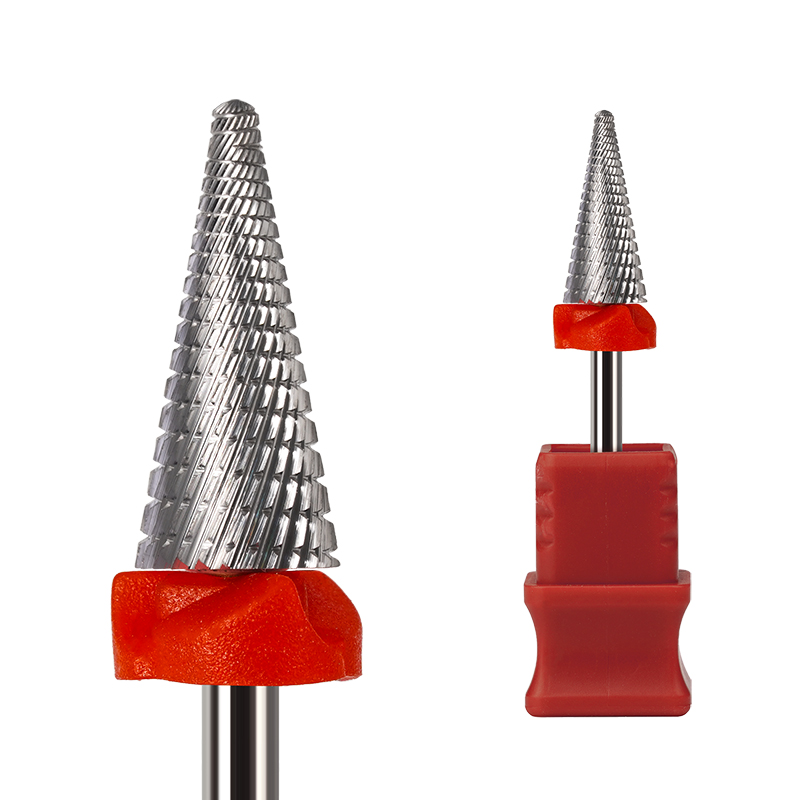
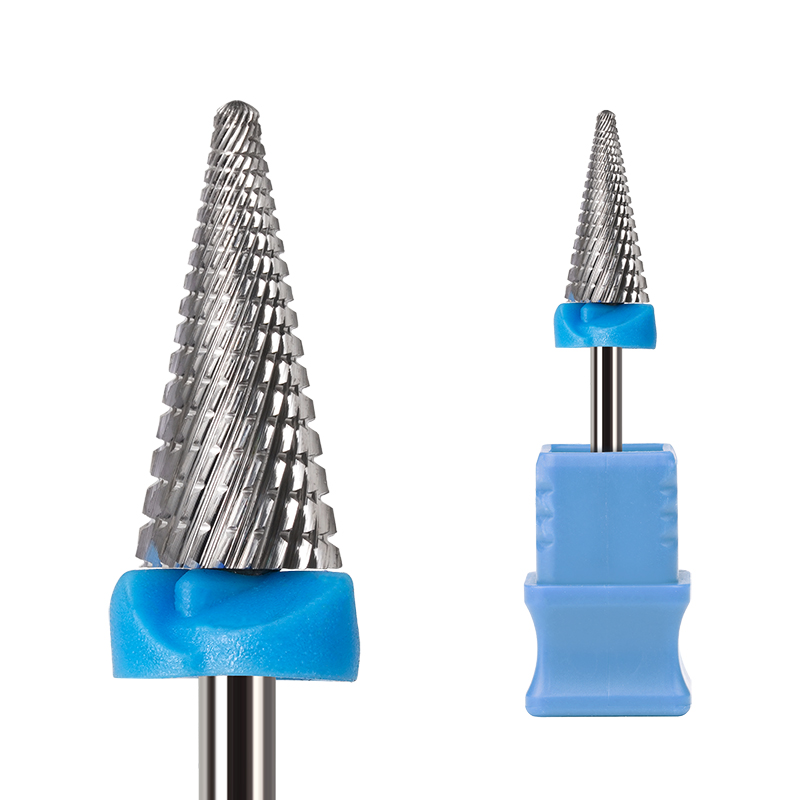
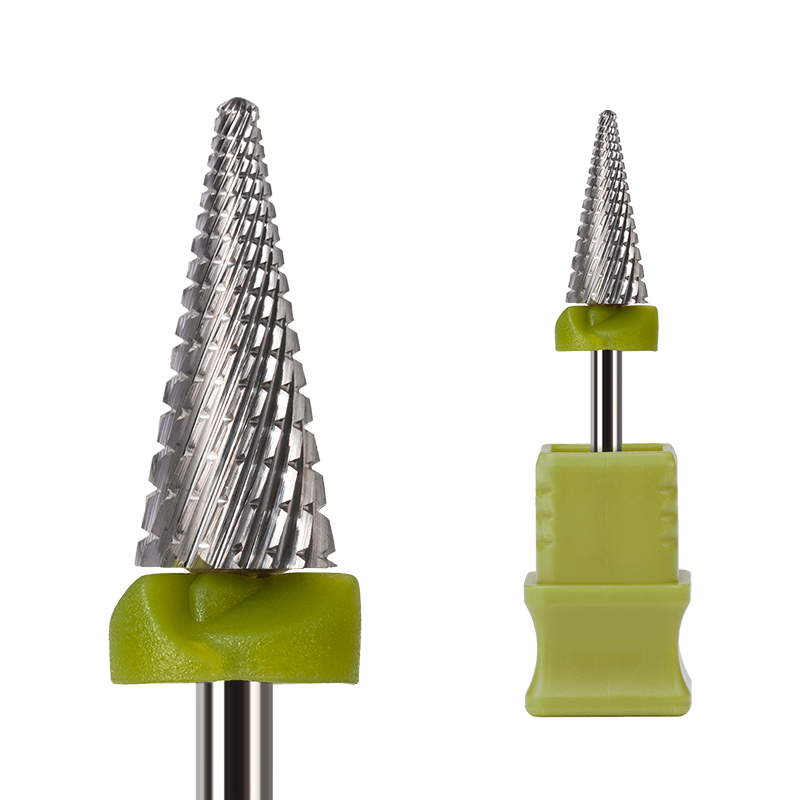
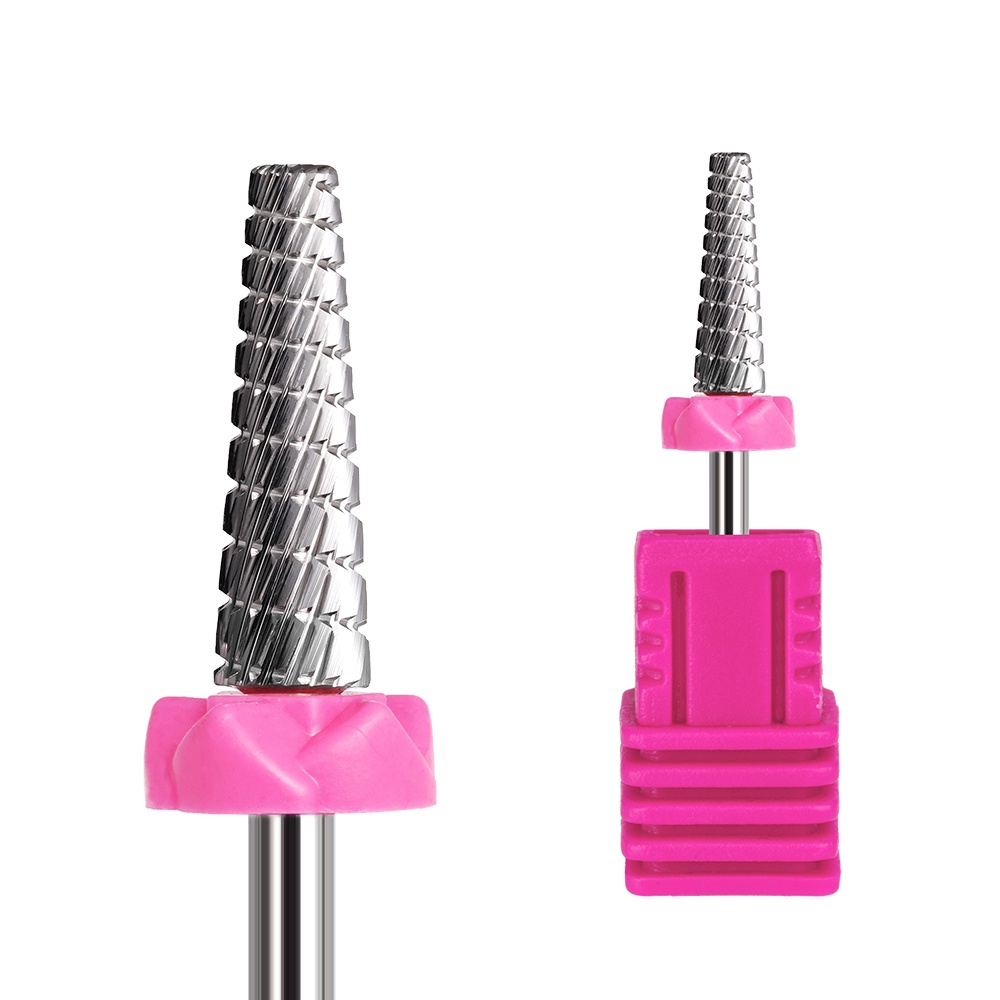
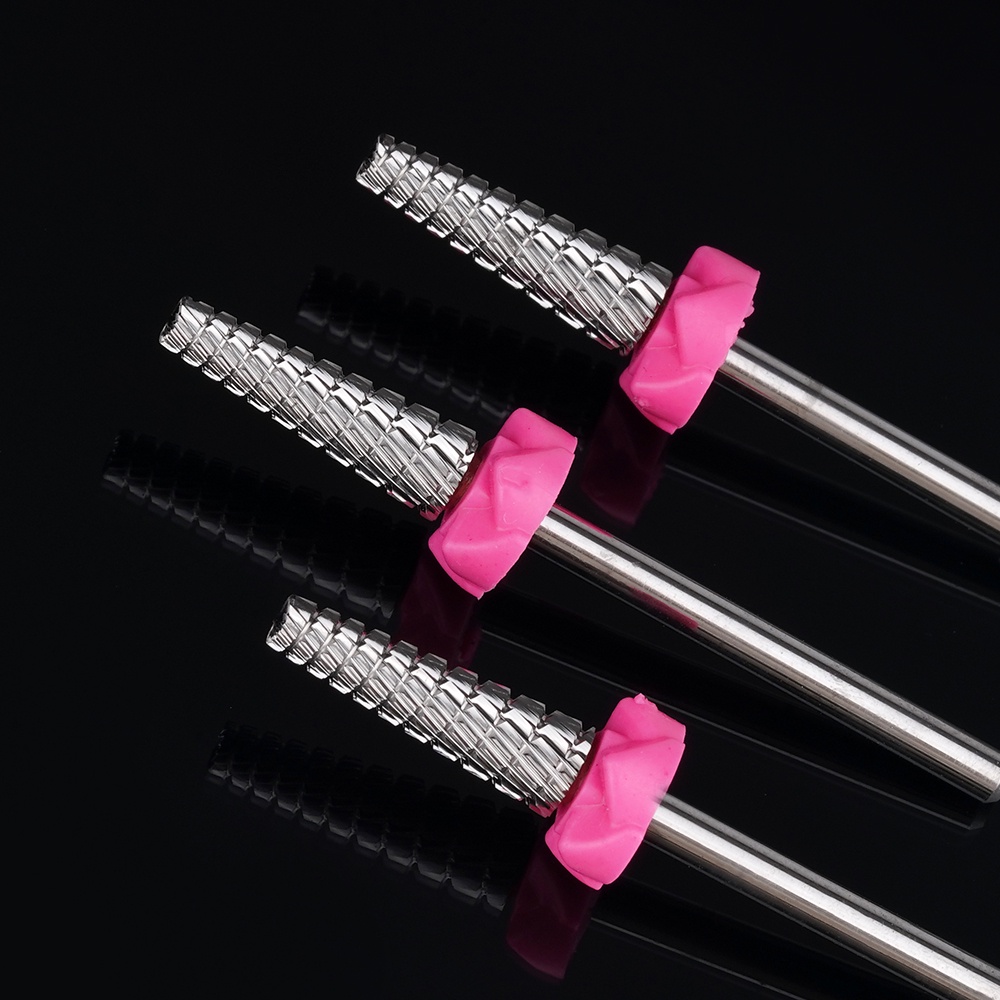
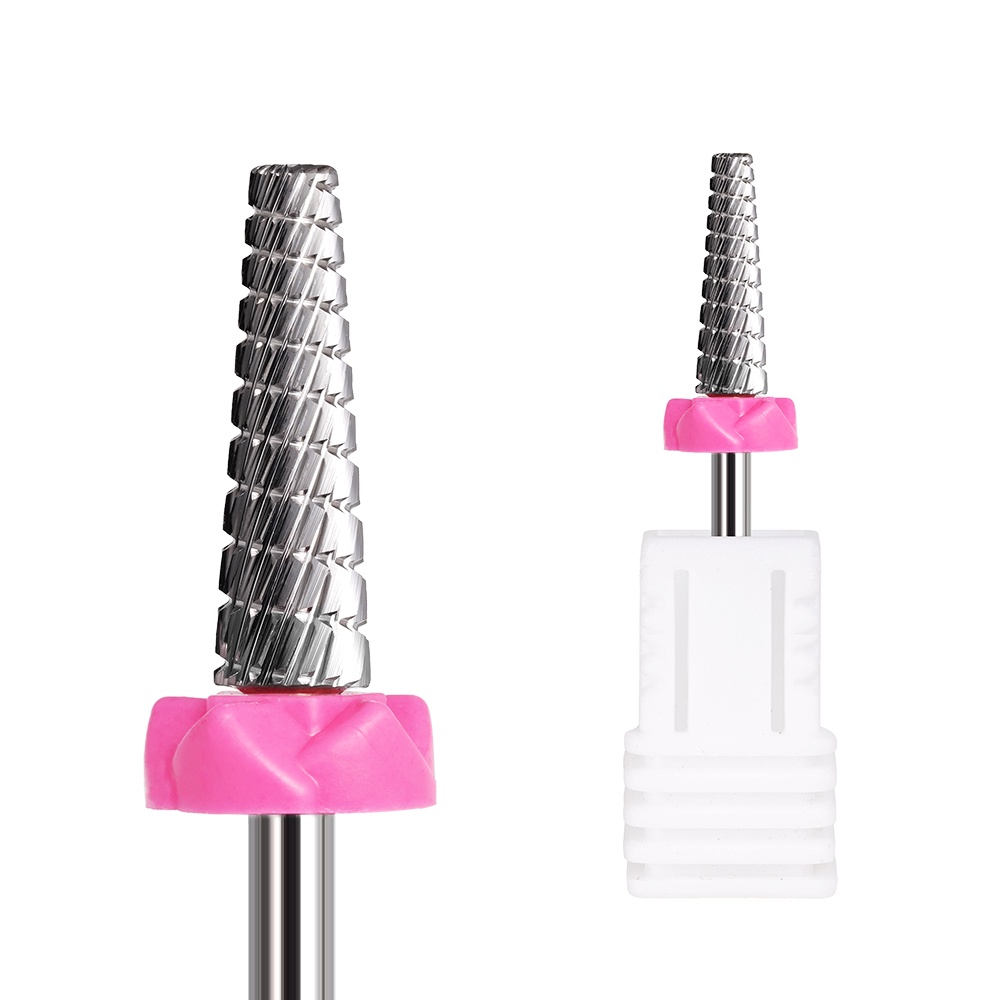
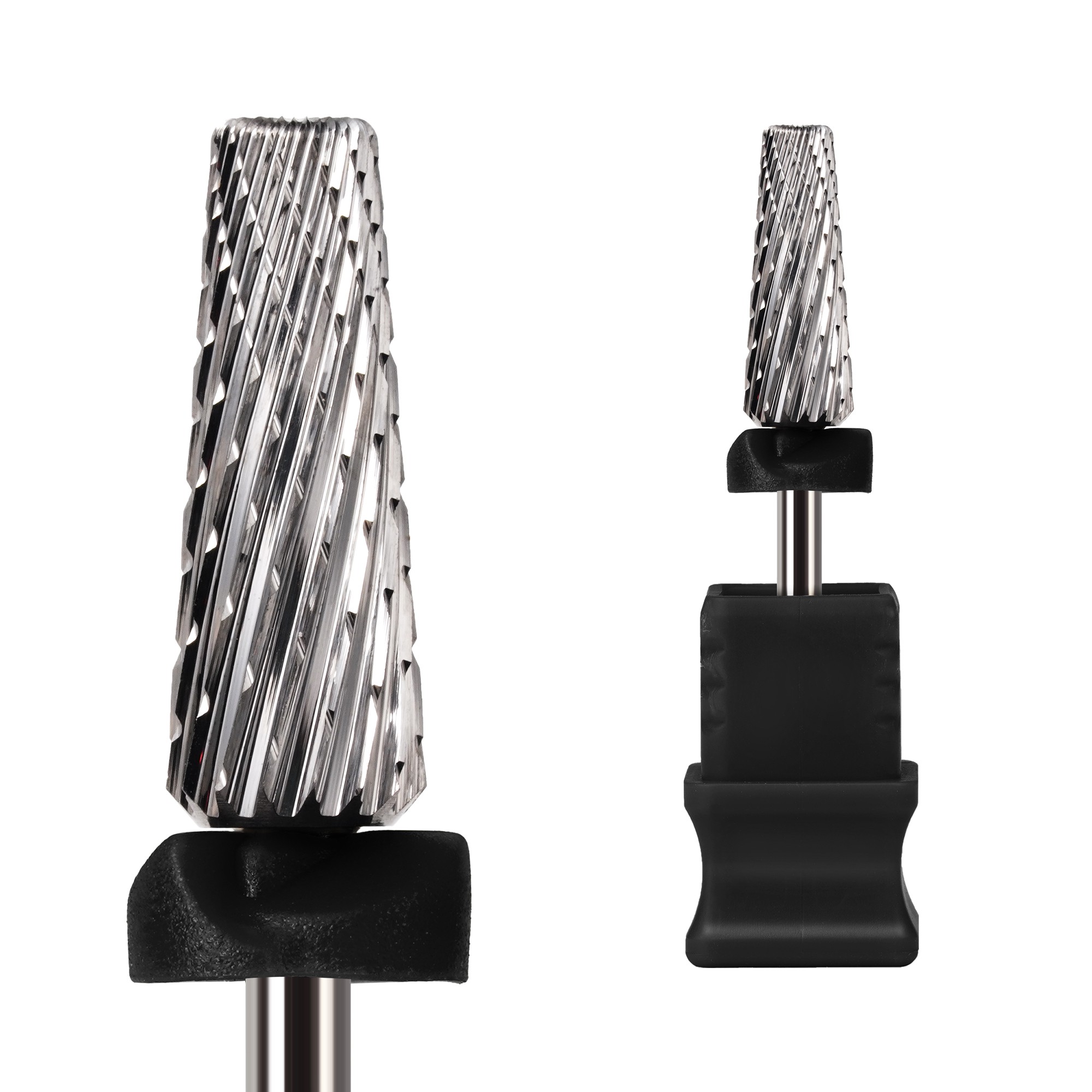
For example, a salon that needs faster removal of gel polish should not assume that a diamond tool is the appropriate answer. A whole-carbide cross-cut design may be a better fit for that defined task, while diamond bits remain in the preparation and detail-work range. Buyers evaluating that category can review the Whole Tungsten Carbide Material Nail Drill Bit Cross Cut Teeth Fast Remove Nail Gel Professional Nail Use as a separate removal option. Its value depends on matching the bit to product removal rather than using it near sensitive detail areas where a finer tool is more appropriate.
For larger orders, request documented agreement on the approved sample, tolerances that matter to your operation, packing configuration, lead time, and the process for handling a non-conforming delivery. Suppliers with structured raw-material, production, and packing checks are generally better positioned to support repeat orders than suppliers who can only provide a low quote and a catalogue image.
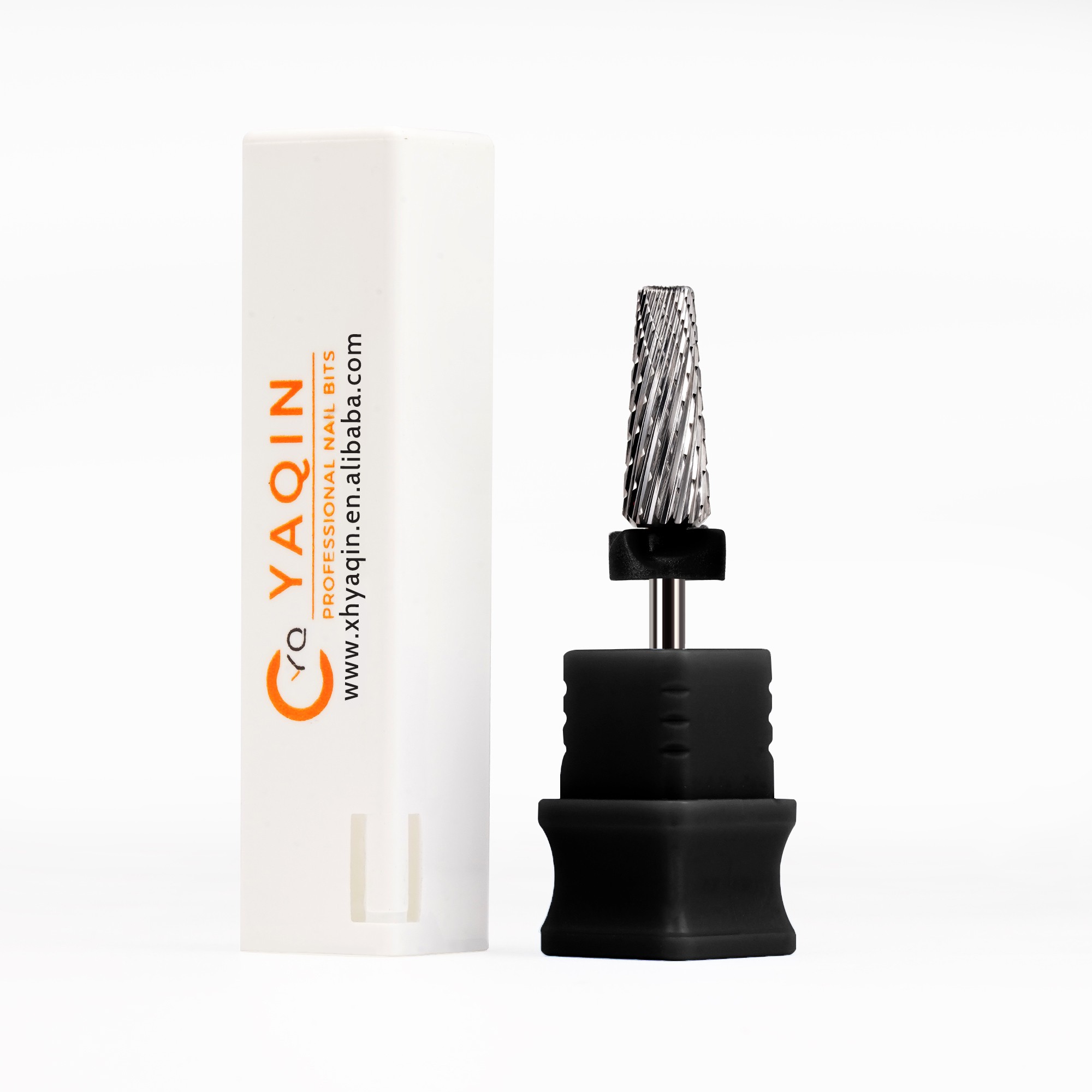
Wuxi Yaqin Trading Co., Ltd. supplies abrasive products for export markets and states that its quality controls cover raw-material purchasing, production, and product packing. For procurement teams considering OEM or ODM presentation, the practical questions remain the same: confirm the approved bit specification first, then discuss colour, logo, packing, and delivery requirements. Customization should make stock easier to manage or strengthen a defined brand program; it should not distract from fit, grit consistency, and quality control.
Place the first bulk order with a controlled assortment
A sensible first order is usually a working assortment built around the salon’s most common services, not the largest possible range. Keep the order quantities weighted toward proven shapes and grit grades. Include only a limited quantity of unfamiliar profiles, then collect technician feedback on control, finish quality, cleaning practicality, and replacement frequency.
Before issuing the purchase order, make sure the specification sheet answers these questions:
- Which service task is each bit intended to support?
- What are the agreed shape, grit, head dimensions, and shank size?
- Which sample is the production reference?
- How will each unit and inner pack be labelled?
- What inspection and replacement process applies if the delivery differs from the approved sample?
- Which items are diamond bits, and which removal tasks require carbide or another dedicated tool?
That final distinction protects both cost and service quality. The most efficient bulk purchase is rarely the order with the lowest unit price or the broadest assortment. It is the order that gives technicians predictable tools for the work they actually perform, keeps hygiene and stock handling manageable, and can be repeated without re-evaluating every batch from the beginning.
News List
- Preventing Gouges and Uneven Filing With Small Barrel Nail Drill BitsSep 20, 2026
- How Diameter and Grit Affect Small Barrel Nail Drill Bit PerformanceSep 20, 2026
- Can Hytos Nail Drill Bits Be Used Safely on Natural Nails and Gel Polish?Sep 20, 2026
- How to Verify Fit Between Hytos Nail Drill Bits and an E-File HandpieceSep 20, 2026
- Safe Speed Settings for Umbrella Nail Drill Bits Around the Nail FoldSep 20, 2026
- Umbrella vs Flame Nail Drill Bits: Which Shape Offers Better Cuticle Control?Sep 20, 2026
Best-Selling Products
 Cross Cut Safety Stainless Steel Tungsten Carbide Nail Drill Bits Salon Foot Use XF-C Grit for Removing Nails
 First-rate Quality Tungsten Carbide Nail Drill Bits Best Coating Manicure Remove Gel Nails Accessories
 Professional Advanced Safety Cuticle Bits Two-Way Rotate 3/32'' Carbide Tungsten 5 in 1 Nail Drill Bits
 Wholesale 5 in 1 Electric Manicure Nail Drill Bits Various Coating Cone Cuticle Bit with Rotary Cross Cut for Nail Art
 New Slant Tooth Tungsten Steel Nail Drill Bits Dead Skin Removal 5-in-1 Universal Grinding Nail Polish Head Tool Nail Drill Bits
 4.0mm Small 5 in 1 Integrated Sharpe Tungsten Nail Drill Bit Straight Teeth Gel Polish Removal
 Flame Sharp XF F M C XC Silver Safety Professional Corn Tungsten Carbide Nail Bit for Drill Machine Accessories
 Factory Direct 5 in 1 Tungsten Carbide Nail Drill Bits 6.8MM Cross Cut Safety Manicure 5 in 1 Nail Drill Bits
Please give us a message