
How the USA nail drill bit supplier market is changing for private label buyers
How the USA nail drill bit supplier market is changing for private label buyers
It often starts with a small but expensive problem. A product line looks fine on paper, samples seem acceptable, and pricing appears competitive. Then a few months later the complaints begin: one batch cuts smoothly, the next feels rough; packaging changes without warning; reordering takes longer than expected; and a private label launch loses momentum because the supplier relationship was built on cost rather than consistency.
That pattern has become more common as the nail drill bit supplier usa market changes. For buyers managing resale, wholesale, or private label programs, the old approach of comparing catalogs and negotiating unit cost is no longer enough. The market is moving toward shorter planning cycles, tighter quality expectations, broader product variation, and more pressure to support professional end users who notice small differences immediately. If you are reviewing supply options now, the challenge is not just finding bits to buy. It is figuring out which supplier setup is still workable under current market conditions.
Why familiar sourcing habits are causing more trouble now
Many buyers still rely on a process that worked a few years ago: request a quote, compare finishes and grit options, ask for logo packaging, and place an order based on price plus lead time. The issue is that this method assumes the product category is stable. It is not.
In practice, nail drill bits now sit at the intersection of salon performance, online reviews, packaging presentation, and operational reliability. A buyer may think they are sourcing a simple accessory, but the market treats it more like a repeat-use professional tool. That changes what matters. If the bit runs hot, creates excess dust, wears down too fast, or behaves differently in left-handed versus right-handed use, the problem does not stay at the product level. It moves into returns, brand damage, stock planning, and support questions.
Another shift is that buyers are less willing to hold large safety stock while waiting for uncertain replenishment. That makes supplier stability more important than before. A source that offers attractive pricing but inconsistent process control can become more costly than a supplier with slightly higher unit cost but better repeatability.
What private label buyers are noticing in the USA market
One of the clearest changes is the rise of performance-based evaluation. Buyers are asking fewer general questions like “Do you have carbide bits?” and more practical ones such as: Does the bit cut evenly across multiple uses? Is the shank size reliably compatible with standard handpieces? Can the finish and grit progression stay consistent between production runs? How easy is it to clean? Does the supplier understand retail packaging as well as bulk packaging?
These questions matter because the end market is more segmented. Some users want fast removal for salon speed, others care more about surface smoothness, heat control, or gentler contact near the skin. A supplier that treats all demand as one generic category will struggle to support a serious private label program.
The second noticeable shift is greater attention to OEM and ODM flexibility. Buyers do not just want a logo printed on a box. They may need a bit assortment adjusted for a target audience, color ring coding aligned with their existing line, packaging language adapted for different channels, or a balanced mix of standard and specialty pieces. That means the supplier relationship now depends on communication depth as much as manufacturing ability.
The third shift is quality verification earlier in the process. Instead of assuming that a sample represents all future orders, more buyers are testing sample sets against practical use conditions and then comparing them with later batches. This is not excessive caution. It is a response to the reality that visual similarity can hide noticeable performance differences.
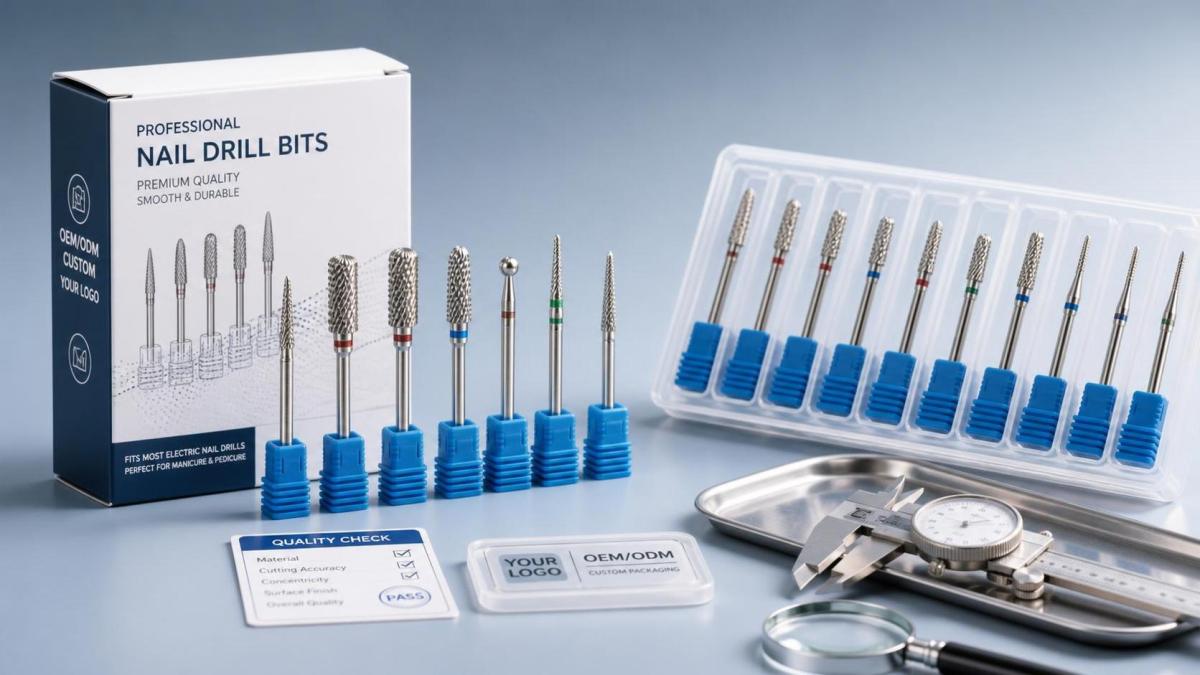
The biggest misconception: a sample that looks right will sell right
This is where many sourcing problems begin. A nail drill bit can look polished, well-coated, and properly packed, yet still be the wrong choice for a private label range. Surface appearance alone does not tell you enough about cutting feel, durability, balance, heat generation, or how the bit behaves across different techniques.
It is also easy to overvalue broad product catalogs. A supplier may show dozens of shapes and finishes, but that does not automatically mean they can keep specifications stable when production scales. In the current market, consistency is often more valuable than variety. A narrower range produced with stronger control can be a better fit than a huge catalog with uneven repeatability.
Another misconception is that USA-based distribution automatically removes supply risk. It can reduce transit time for some buyers, but it does not solve upstream issues such as raw material variation, process inconsistency, or weak packaging control. When people search for a nail drill bit supplier usa, they are often really searching for responsiveness and lower uncertainty. Those benefits depend on the full supply chain, not just warehouse location.
A more reliable way to compare suppliers now
If you are trying to choose between options, start by separating visible features from operational indicators. Visible features include shape, grit label, finish, and box design. Operational indicators are less obvious but more important: how quickly technical questions are answered, whether specification details are clear, whether sample-to-batch consistency can be discussed openly, and whether packaging and production requirements are handled as part of one process rather than separate conversations.
It helps to review suppliers through four practical lenses.
1. Product behavior in real use
Do not stop at “sharp” or “smooth.” Ask how the bit is intended to be used: for removal, shaping, cuticle-area work, surface refining, or multi-step service. A bit designed for one purpose may perform poorly if positioned as a general-use item. If your line is meant for professional use, details like bidirectional rotation support, heat control, and ease of cleaning become meaningful selling points rather than technical extras.
2. Range logic, not just range size
A good product line should make sense. Fine, medium, and coarse options should correspond to real use differences. Specialty designs should fill a purpose, not just add SKU count. For example, a multi-functional bit can help reduce confusion in a starter assortment if it genuinely handles more than one task without becoming too aggressive or too limited.
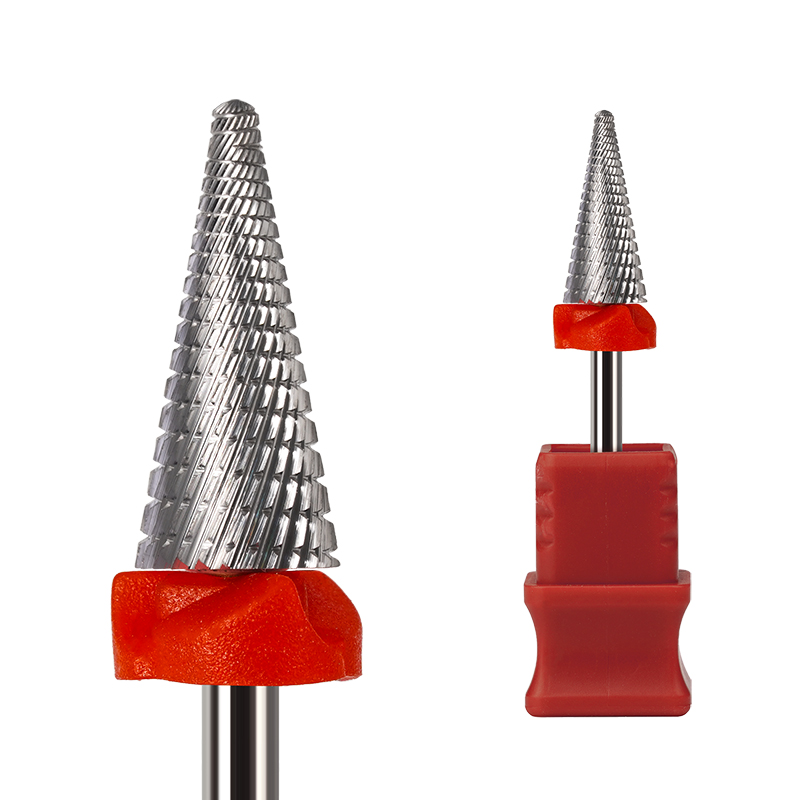
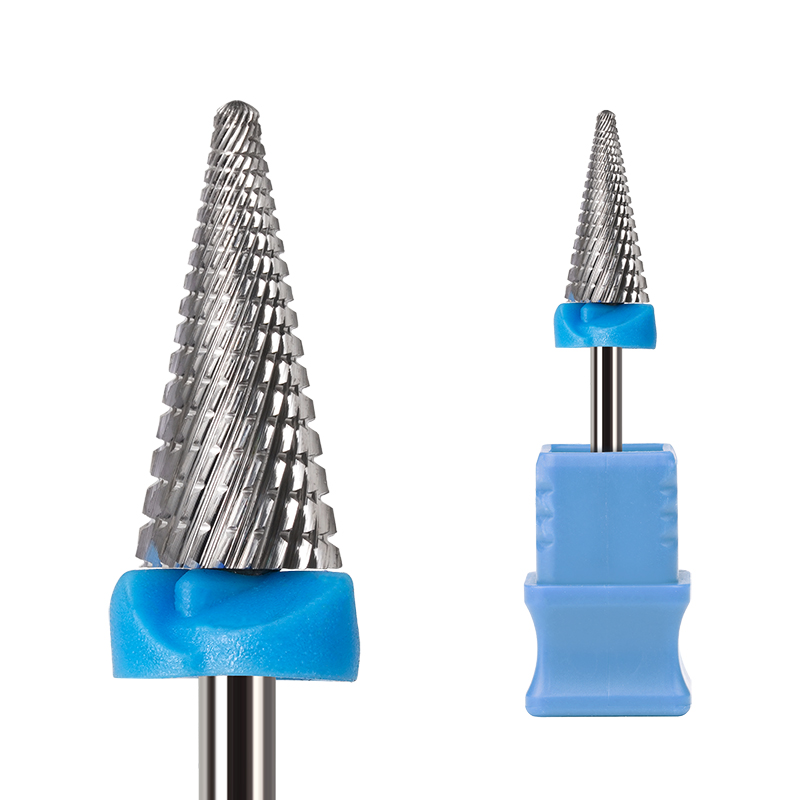
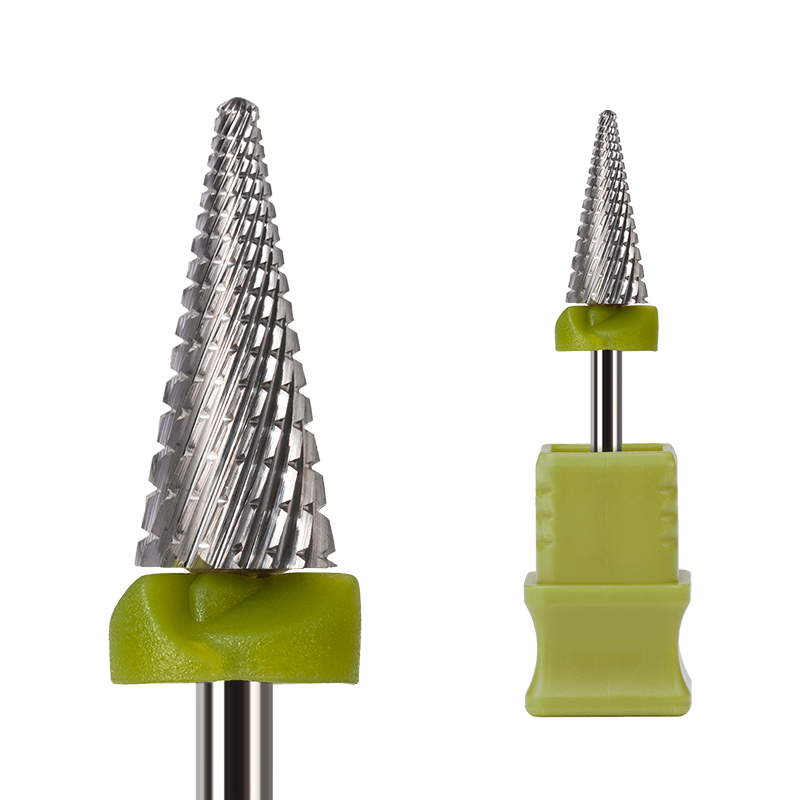
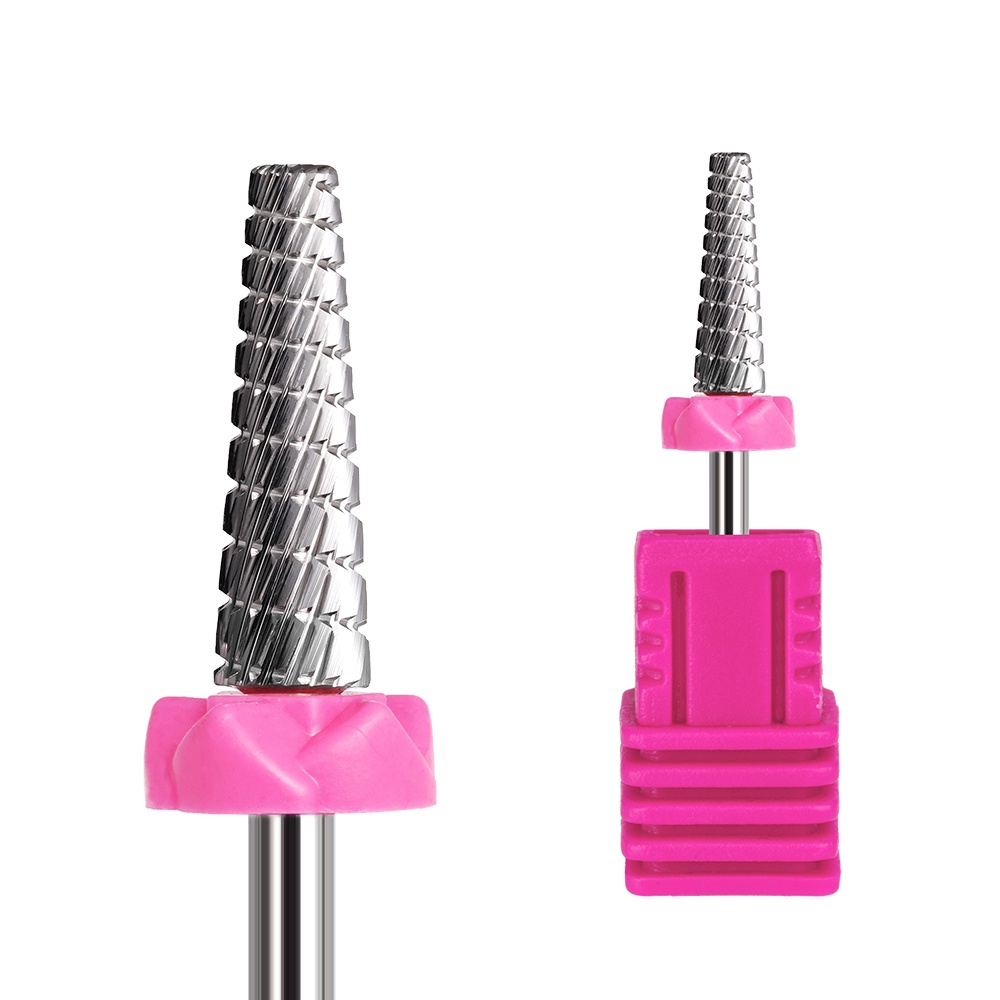
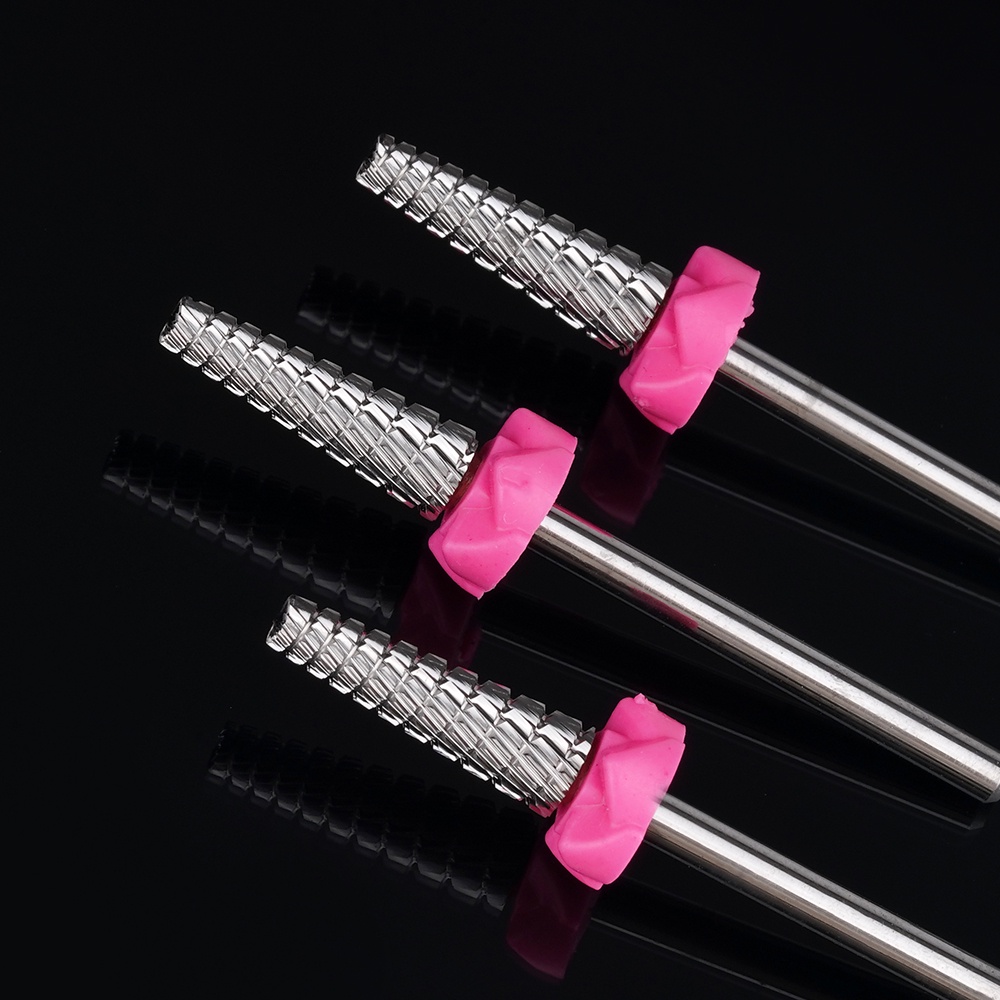
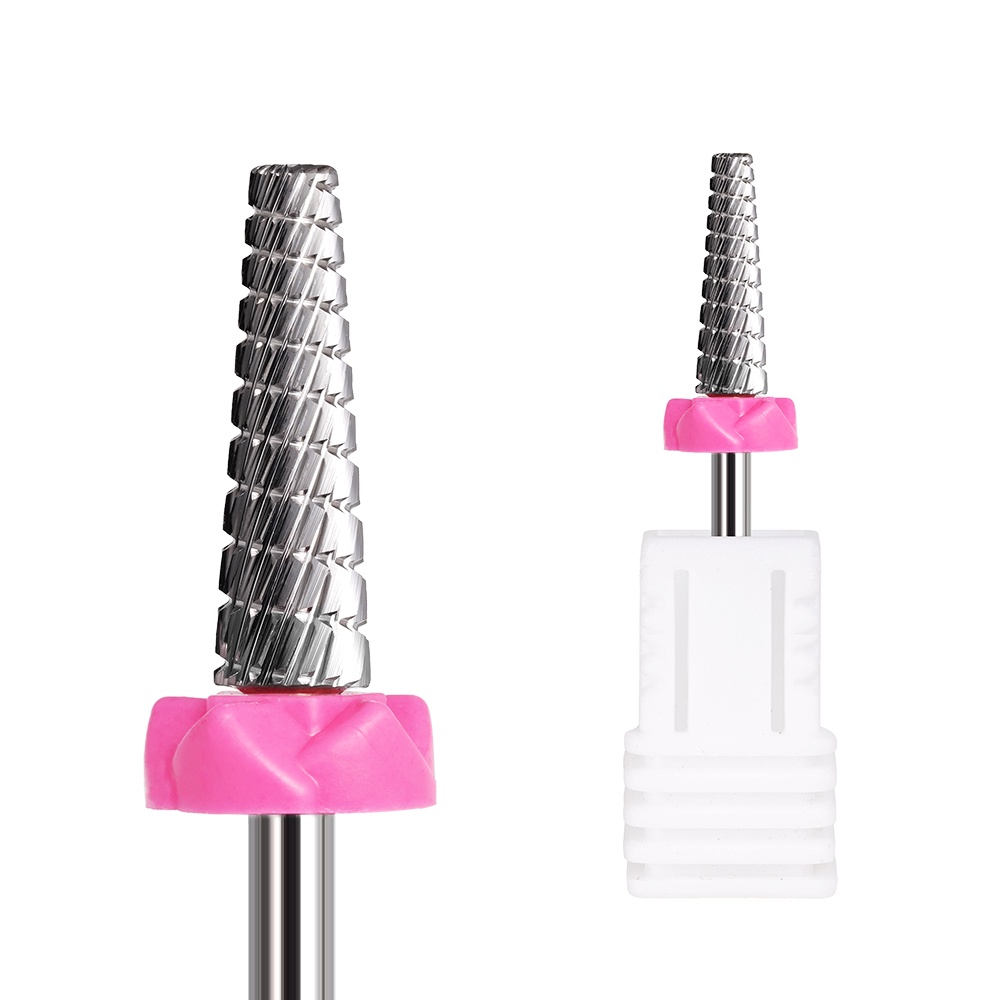
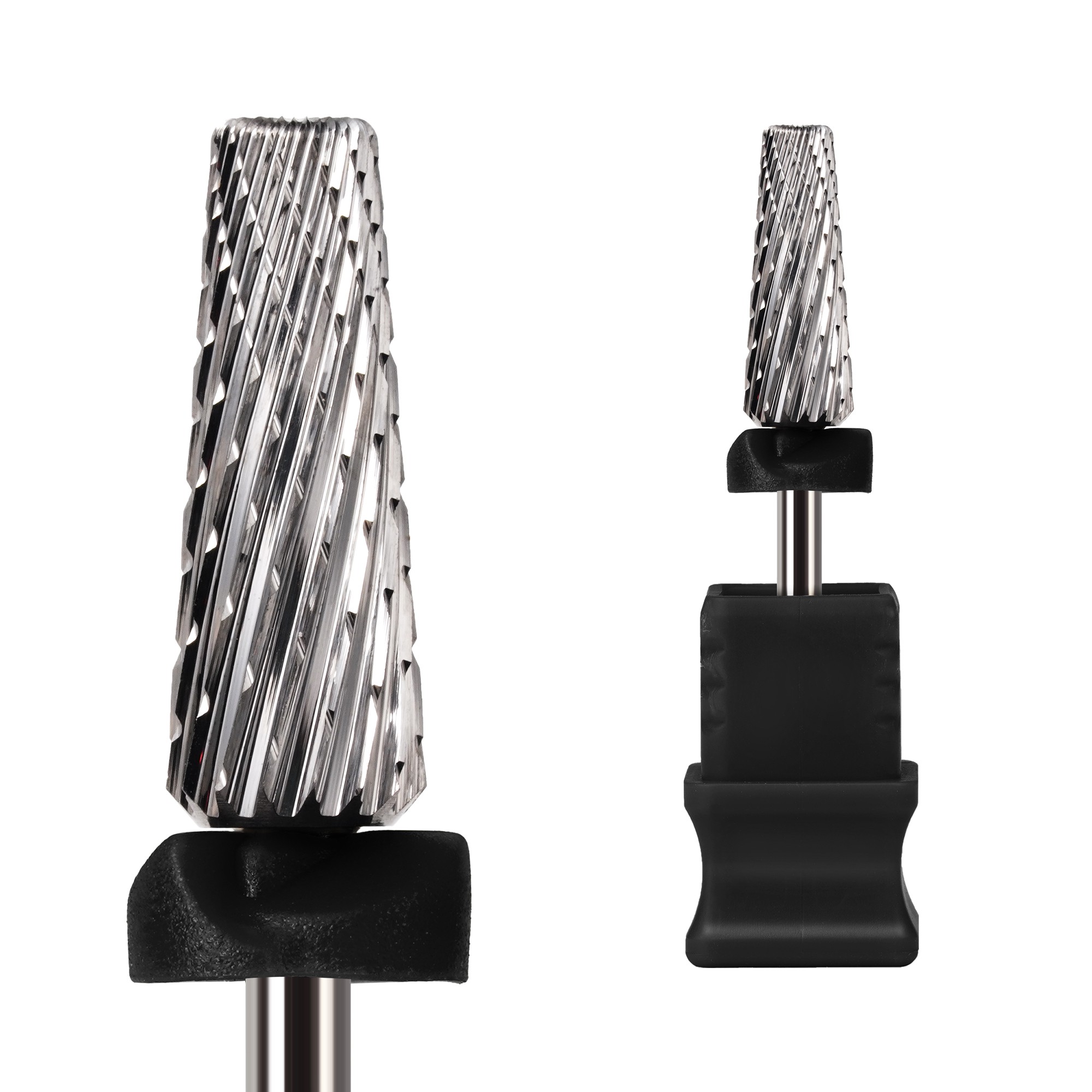
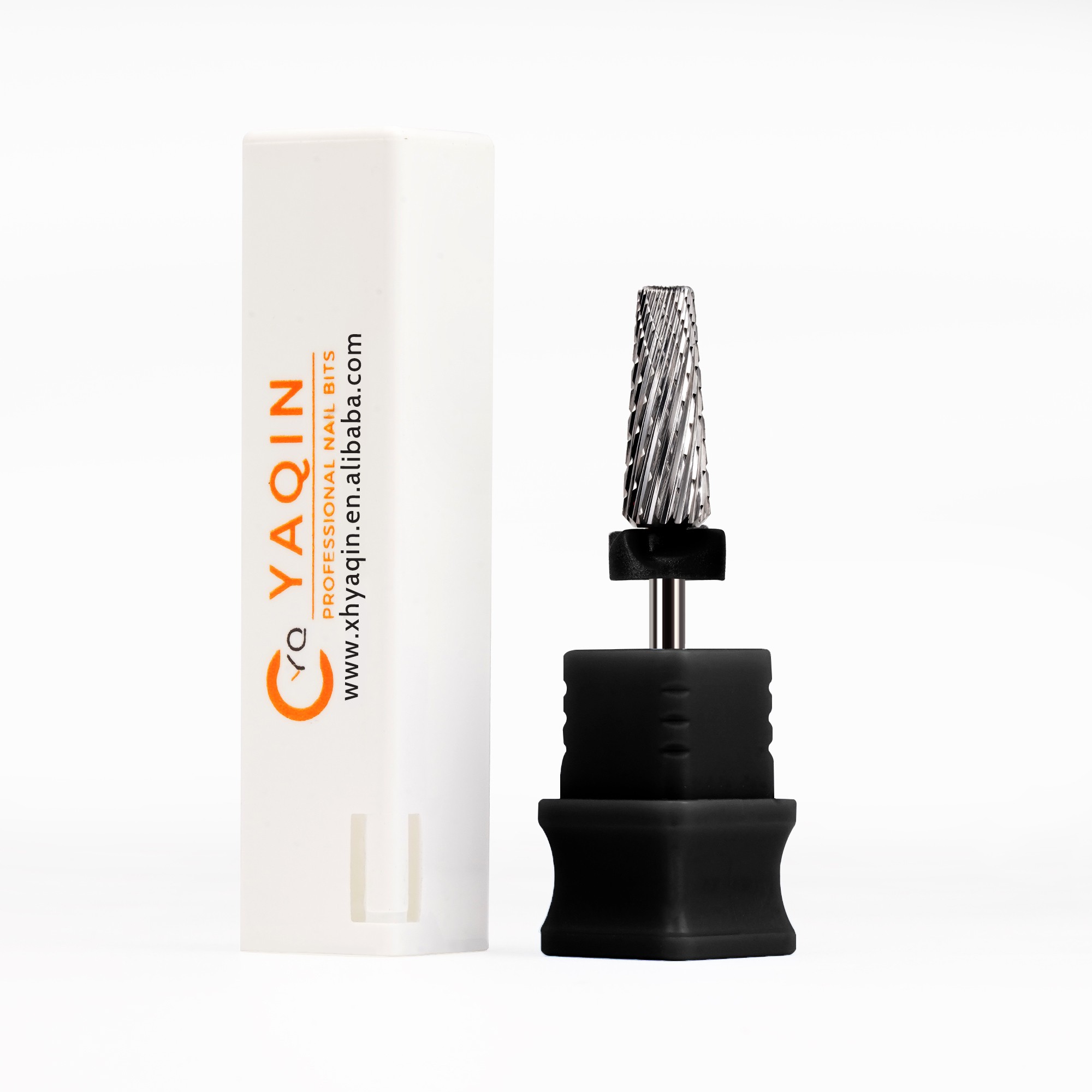
That is why some buyers are adding products such as 5-in-1 Multi-Functional to their evaluation set. A tungsten steel bit with a fine-to-coarse surface transition, 3/32 inch shank compatibility, and bidirectional use is not automatically right for every line, but it offers a useful test of whether a supplier understands practical performance. When a single bit is expected to help with filing nails, shaping, smoothing, buffing, and gel polish work while staying easy to clean and resistant to corrosion, the conversation quickly moves beyond price into actual usability.
3. OEM/ODM coordination
Private label buying gets complicated when product specs, branding, and packing are handled in fragments. A supplier may say yes to custom work, but the real question is whether those custom elements are coordinated clearly. If box artwork is approved before technical labeling is settled, or if grit selection changes late without updating inserts, small mistakes can create unnecessary friction during launch.
Look for communication that connects product function to presentation. That usually signals more mature process control than a simple “customization available” claim.
4. Reorder stability
The first order is rarely the hardest part. Reorders reveal the real strength of a supplier relationship. Ask yourself whether specifications are documented clearly enough to support repeat production. If not, every reorder becomes a partial restart, which increases the chance of avoidable variation.
Where the market is becoming stricter
There is also a noticeable tightening around expectations that used to be considered negotiable. Packaging quality matters more because many buyers sell through channels where presentation affects first impressions immediately. Cleaning and maintenance matter more because professional users discuss those details openly. Material choice matters more because buyers are comparing lifespan and cutting feel, not just initial sharpness.
This is one reason tungsten steel options continue to attract attention in sourcing discussions. The interest is not only about hardness; it is also about durability expectations and whether the bit can keep performing without becoming inconvenient to maintain. A product like 5-in-1 Multi-Functional fits that conversation because its selling point is not novelty alone. It reflects a wider market preference for tools that reduce SKU overlap while still covering multiple nail care tasks.
Another area getting stricter is directional usability. In the past, some buyers treated left- and right-hand compatibility as a niche detail. That is less true now. If a bit is supposed to serve a broad professional audience, bidirectional performance is easier to justify than maintaining separate product messaging around limited directional use.
How to adjust your sourcing process without overcomplicating it
The solution is not to turn every sourcing decision into a long technical project. It is to ask better questions earlier.
Start with your intended market position. Are you building a basic replacement range, a salon-focused performance line, or a more curated private label assortment that needs stronger differentiation? Once that is clear, you can evaluate suppliers based on fit rather than assumptions.
Then review samples with use scenarios in mind. A coarse option should not only remove product quickly; it should do so in a controlled way. A fine option should not just look refined in packaging; it should behave predictably in finishing work. If you are considering a multi-use bit, test whether its versatility is genuine or just a compromise that does many tasks passably but none particularly well.
Next, pay attention to how the supplier handles detail. Are specifications written clearly? Are shank size, grit level, directional use, and material described consistently? Does the supplier discuss cleaning, corrosion resistance, or heat behavior when relevant, or do they rely on generic sales language? In the current market, those process signals often tell you more than the first quote does.
Finally, think about replenishment before the first order is placed. If your business grows, can this supplier support repeat demand without changing the product experience in subtle ways? That question matters more now because buyers want tighter inventory cycles while still keeping product reviews stable.
Choosing well in a market that no longer rewards shortcuts
The supplier side of this category is not becoming impossible to navigate, but it is becoming less forgiving of vague decisions. A buyer can still find many options in the USA market, yet the strongest choices are usually the ones supported by clear product logic, stable specifications, workable customization, and communication that treats performance as seriously as appearance.
So if you are reassessing the nail drill bit supplier usa landscape, the most useful shift is mental rather than procedural. Stop viewing drill bits as low-risk accessories that can be sourced on price and images alone. Treat them as repeat-use tools that directly affect product reputation. Once you do that, the market changes become easier to read, and supplier selection becomes less about chasing the cheapest line on a spreadsheet and more about building a product range that can be reordered with confidence.
News List
- Are China nail drill bit suppliers a good fit for private label linesAug 26, 2026
- How the USA nail drill bit supplier market is changing for private label buyersAug 25, 2026
- Are German nail drill bit suppliers better for premium salon product linesAug 25, 2026
- What certifications matter when reviewing a nail drill bit supplier in the UKAug 25, 2026
- How shipping costs affect bulk orders from a nail drill bit supplier in CanadaAug 25, 2026
- What materials are most common from a nail drill bit supplier in ItalyAug 25, 2026
Best-Selling Products
 Cross Cut Safety Stainless Steel Tungsten Carbide Nail Drill Bits Salon Foot Use XF-C Grit for Removing Nails
 First-rate Quality Tungsten Carbide Nail Drill Bits Best Coating Manicure Remove Gel Nails Accessories
 Professional Advanced Safety Cuticle Bits Two-Way Rotate 3/32'' Carbide Tungsten 5 in 1 Nail Drill Bits
 Wholesale 5 in 1 Electric Manicure Nail Drill Bits Various Coating Cone Cuticle Bit with Rotary Cross Cut for Nail Art
 New Slant Tooth Tungsten Steel Nail Drill Bits Dead Skin Removal 5-in-1 Universal Grinding Nail Polish Head Tool Nail Drill Bits
 4.0mm Small 5 in 1 Integrated Sharpe Tungsten Nail Drill Bit Straight Teeth Gel Polish Removal
 Flame Sharp XF F M C XC Silver Safety Professional Corn Tungsten Carbide Nail Bit for Drill Machine Accessories
 Factory Direct 5 in 1 Tungsten Carbide Nail Drill Bits 6.8MM Cross Cut Safety Manicure 5 in 1 Nail Drill Bits
Please give us a message