
Are German nail drill bit suppliers better for premium salon product lines
Are German nail drill bit suppliers better for premium salon product lines
For project managers building premium salon product lines, the real question is not whether a German source sounds better on paper. It is whether that supplier can support the quality level, operating stability, and brand claims your business needs at scale. In nail tools, especially rotary bits used for gel removal and surface work, the gap between a “good sample” and a reliable production supplier is often much wider than buyers expect.
That is why searches around a nail drill bit supplier germany usually come from decision-makers who are trying to reduce sourcing risk, not simply find a country of origin. They want to know whether German suppliers actually provide a measurable advantage for premium positioning, or whether experienced export manufacturers with strict process control can deliver a better balance of consistency, flexibility, and total cost.
Why Germany gets associated with premium in the first place
German industrial sourcing carries a reputation for precision engineering, stable tolerances, and disciplined quality systems. In categories where tool geometry directly affects end use, that reputation matters. Nail drill bits are small components, but they influence heat generation, removal speed, vibration, operator control, and the finished look on the nail surface. In premium salon lines, those details affect both technician experience and end-customer perception.
There are practical reasons buyers lean toward German sourcing in this segment:
- Expectation of tighter machining control and more uniform cutting patterns
- Stronger confidence in documentation, traceability, and process discipline
- Perceived fit with premium European branding strategies
- Lower tolerance for cosmetic and dimensional inconsistency
But this is where many procurement discussions become too simplistic. A supplier being based in Germany does not automatically mean its output is better for your project. Some German suppliers are strong at low-volume, high-spec supply but less competitive on customization, lead-time elasticity, or OEM response. Meanwhile, some global manufacturers serving Europe and North America have built mature QC systems and export workflows that outperform buyers’ assumptions.
The premium question is really about control, not nationality
For a premium salon product line, the core issue is control over repeatability. If your bits are sold under your own brand, every batch needs to behave the same way in salons: same cut feel, same durability, same balance on the handpiece, same surface finish, same packaging accuracy. Country reputation can be a screening shortcut, but it is not a selection method.
A more useful evaluation framework looks at five areas.
1. Material and wear behavior
Premium bits usually depend on stable raw material quality and predictable wear performance. For carbide bits, buyers should look beyond broad claims like “high hardness” and ask how the material behaves under repeated salon use. A bit that cuts aggressively in the first sessions but loses consistency too quickly can create hidden replacement cost and user complaints. In practical terms, you are assessing whether the supplier can maintain service life without making the bit overly harsh in operation.
2. Geometry consistency
In this product category, shape variation matters more than many non-technical buyers realize. Flute design, head profile, shank accuracy, and surface finish all affect heat, noise, debris removal, and smoothness. A premium line needs uniformity from lot to lot, because a salon chain or distributor will notice if one shipment feels different from the previous one.
3. Application fit
Not all “premium” bits are premium for the same job. Some are optimized for fast bulk removal, some for more controlled gel work, and some for refining and smoothing. If your line is aimed at professional salons, your supplier should be able to match bit design to the actual workflow rather than sell one shape as a universal solution.
4. OEM/ODM responsiveness
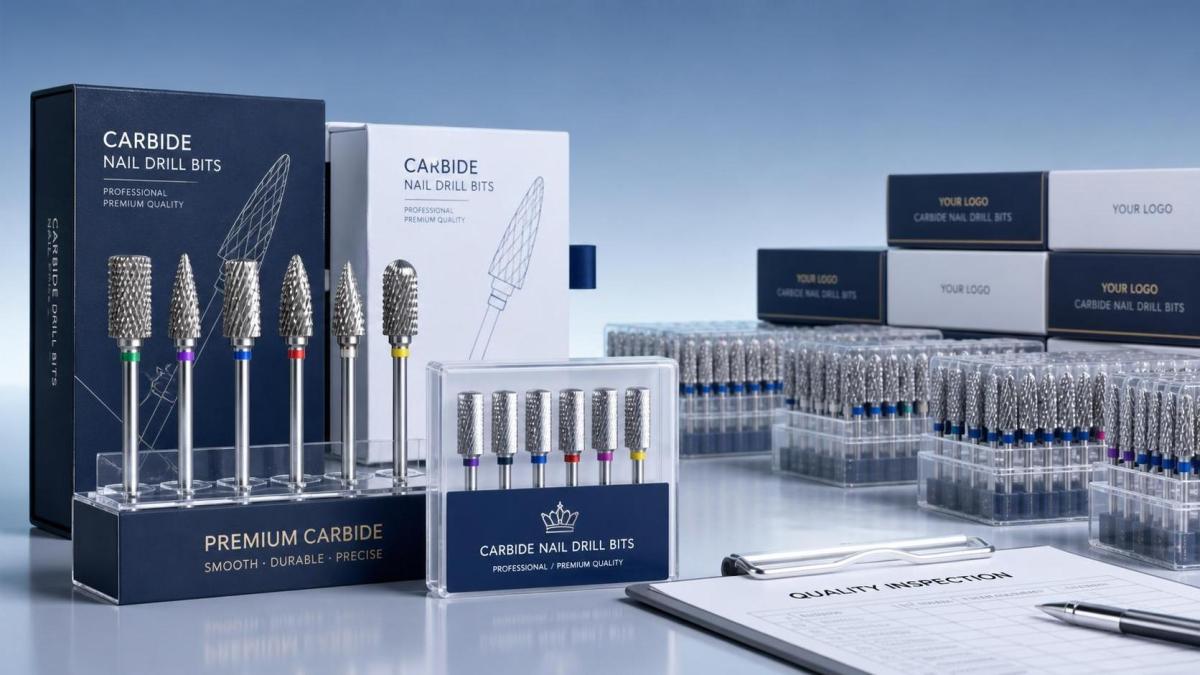
Project managers often underestimate how important private-label execution becomes after sampling. Premium positioning usually requires specific color coding, logo treatment, packaging standards, and sometimes application-specific bundles. A technically capable supplier that cannot manage these details consistently can still damage the launch.
5. Delivery reliability under scale
One of the most common sourcing mistakes is approving a supplier based on development-stage performance, then discovering that bulk orders introduce inconsistency. Premium lines are especially exposed because defects are more visible, returns cost more, and distributor confidence is harder to rebuild.
Where German suppliers may genuinely be better
German suppliers can be the stronger choice when your program depends on a narrow set of conditions. First, if your brand strategy is tightly linked to European manufacturing claims, the supplier location may have commercial value beyond product performance. Second, if your product line requires especially strict dimensional repeatability and smaller production runs, some German partners may provide stronger control in those environments. Third, buyers with internal technical teams may benefit from more structured engineering communication and documentation, though this still varies by company.
In other words, Germany may be the right fit when your business model rewards precision-first sourcing more than flexibility-first sourcing.
Where the “German is better” assumption often breaks down
It breaks down when buyers use origin as a proxy for supplier capability. In salon tools, premium performance is increasingly available from export-focused manufacturers that have built robust quality management around raw material purchasing, process inspection, and final packing control. A factory with a complete QC system, ISO-based management discipline, and established shipment experience into the USA, Canada, Germany, the UK, Italy, Poland, and other mature markets may be better prepared for scale than a smaller European supplier with limited OEM bandwidth.
That matters for project managers because the real downstream risks are operational:
- Batch drift after the first approved order
- Packaging or labeling inconsistency in private-label programs
- Longer-than-expected replenishment cycles
- Slow response to corrective action requests
- Weak support for product line extensions
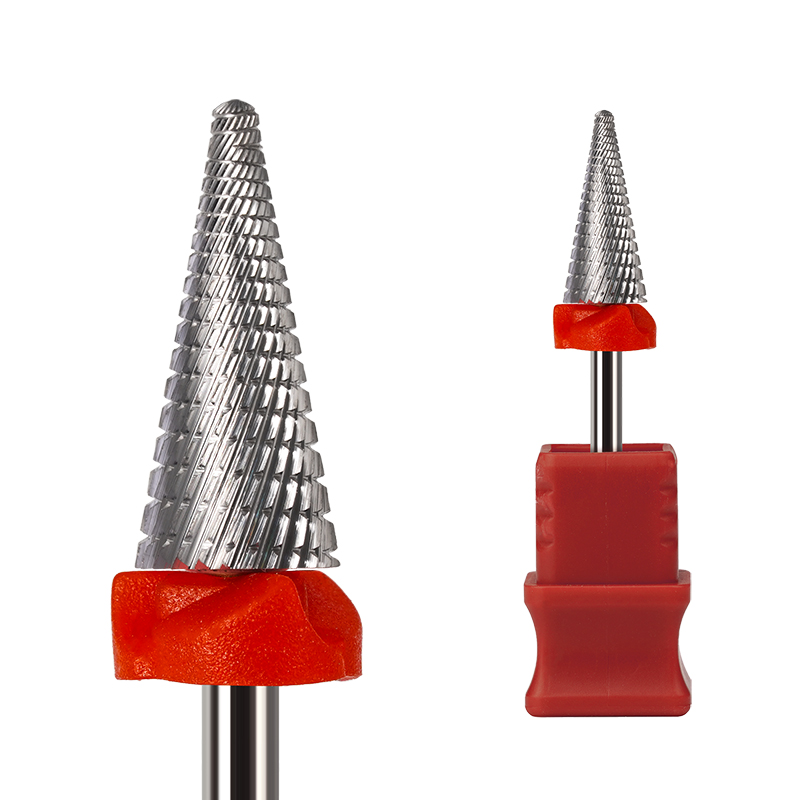
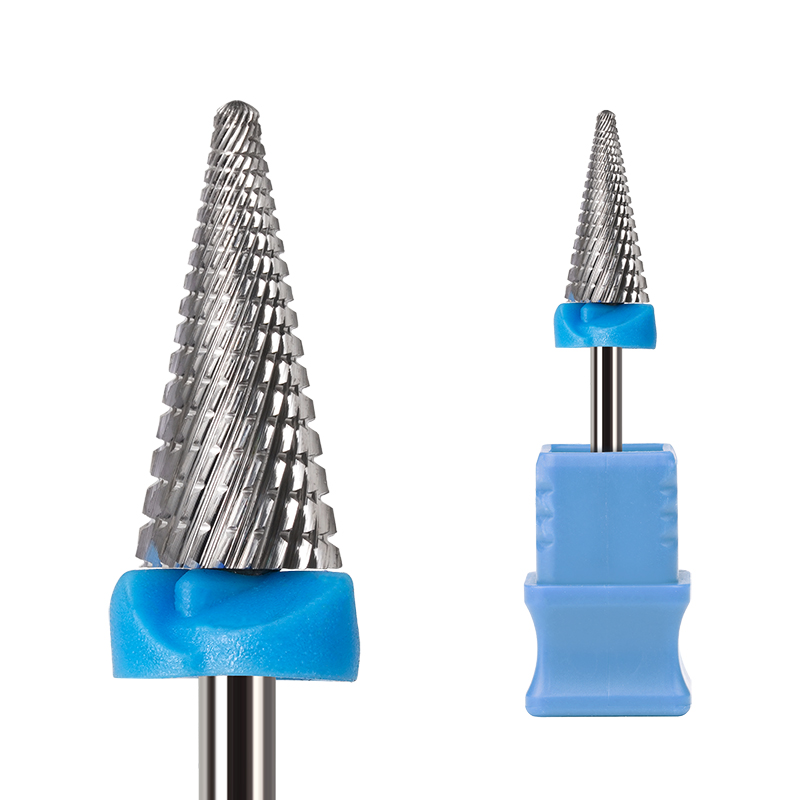
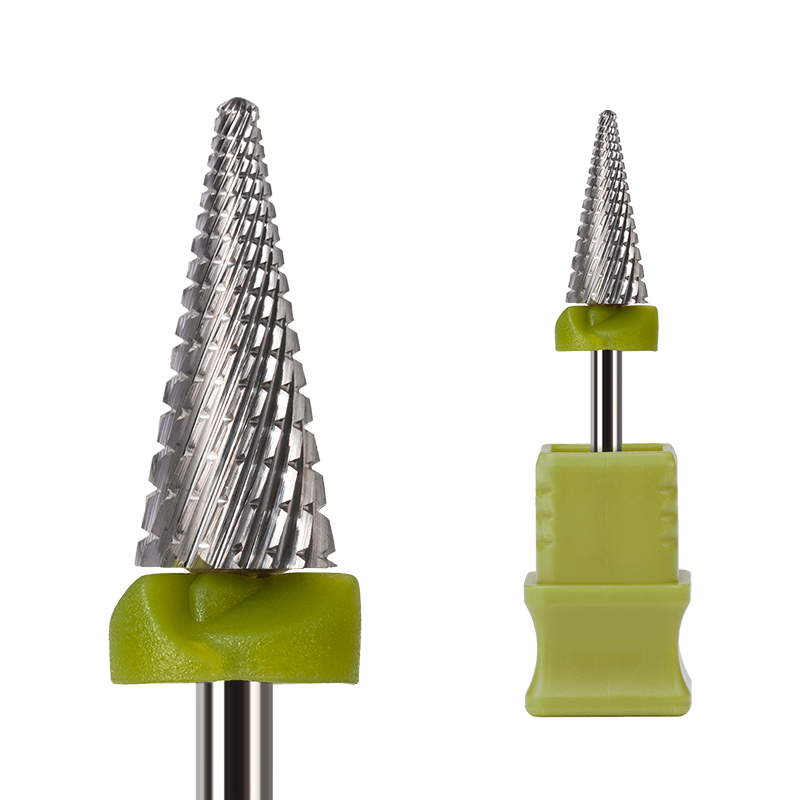
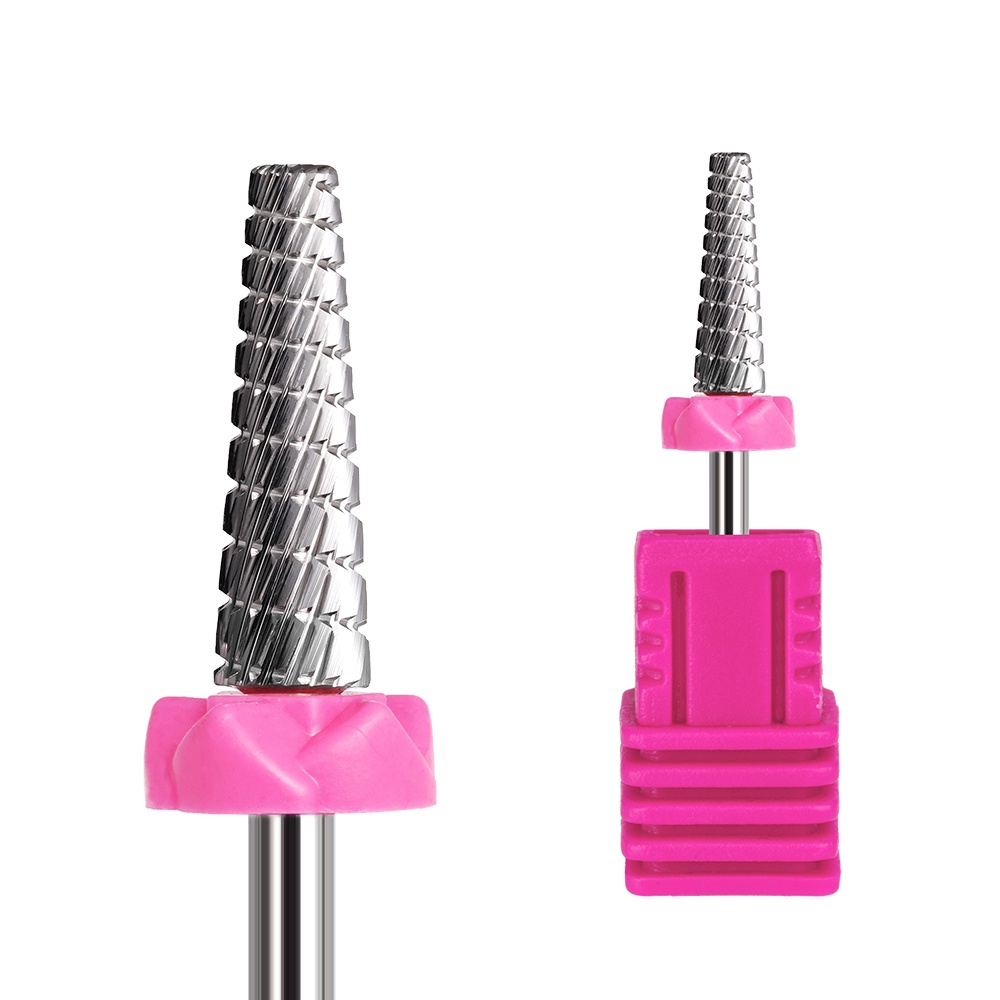
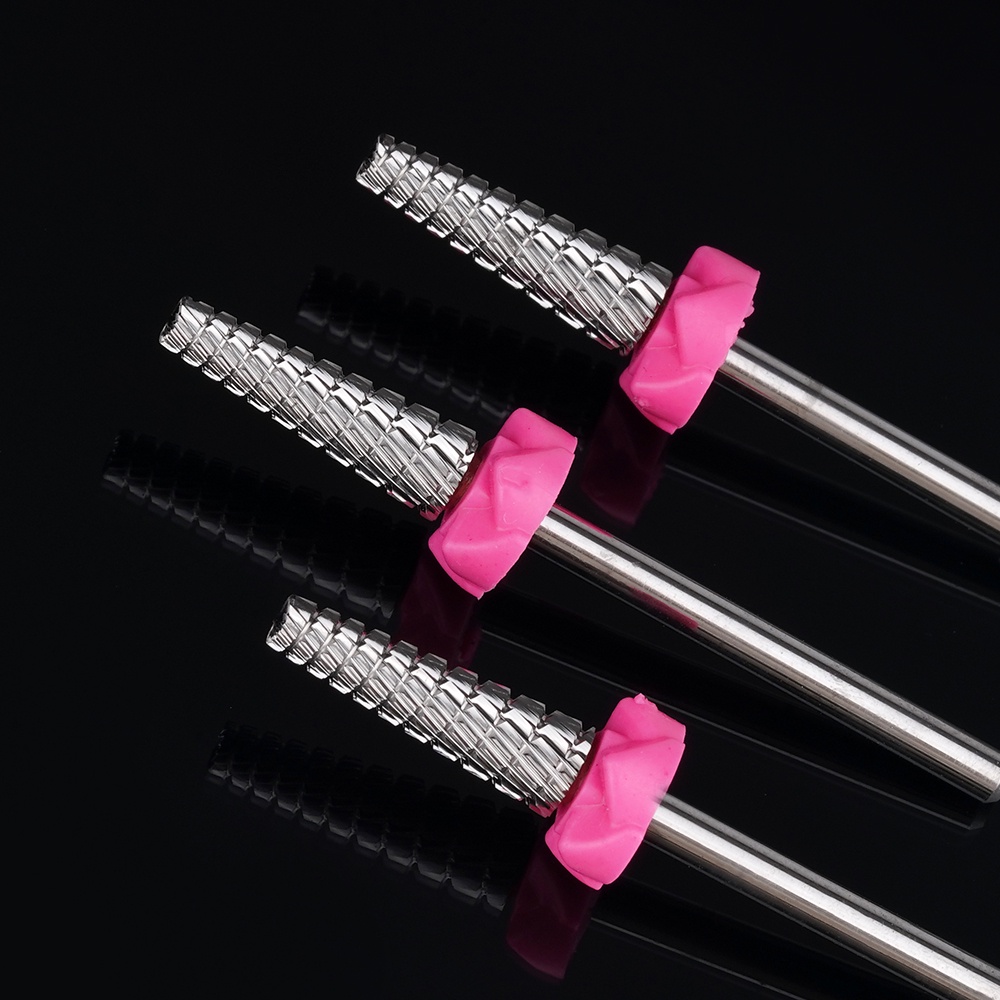
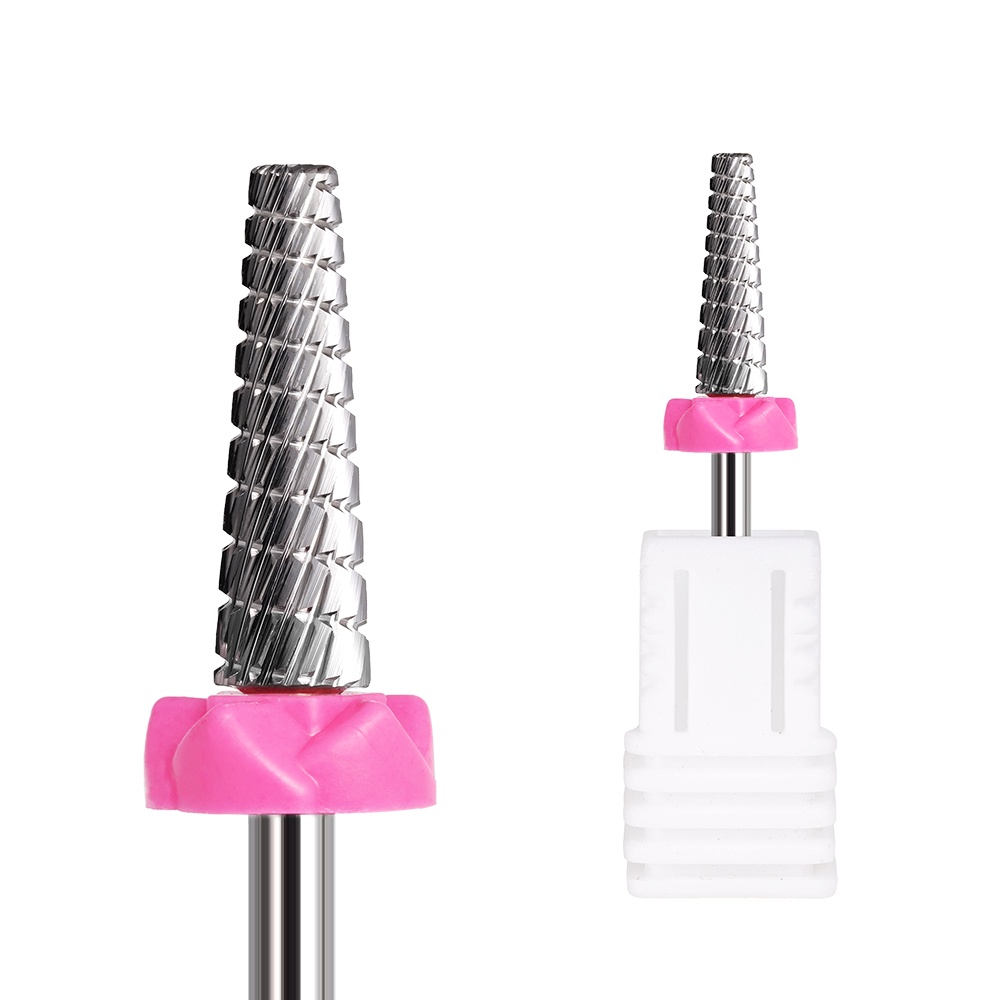
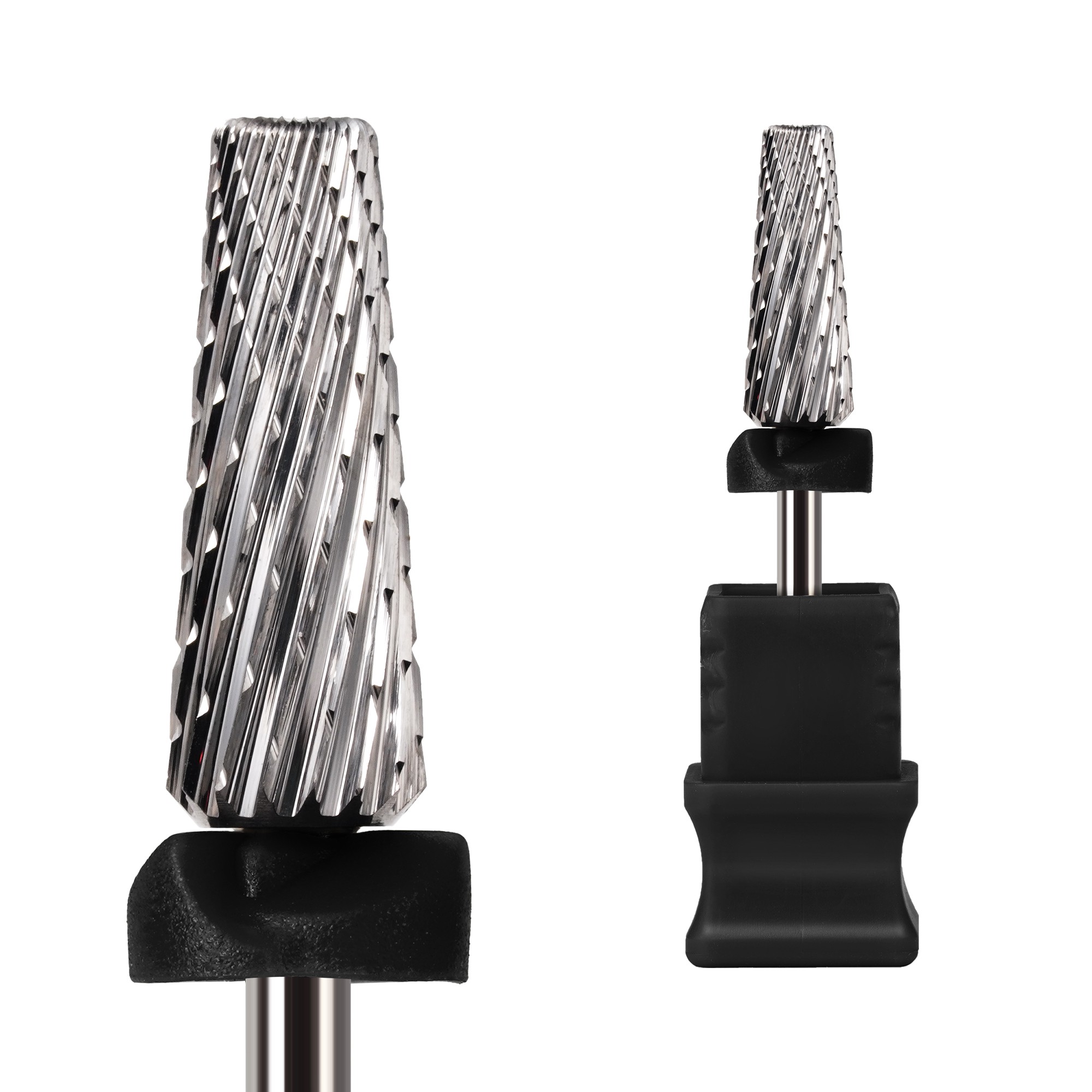
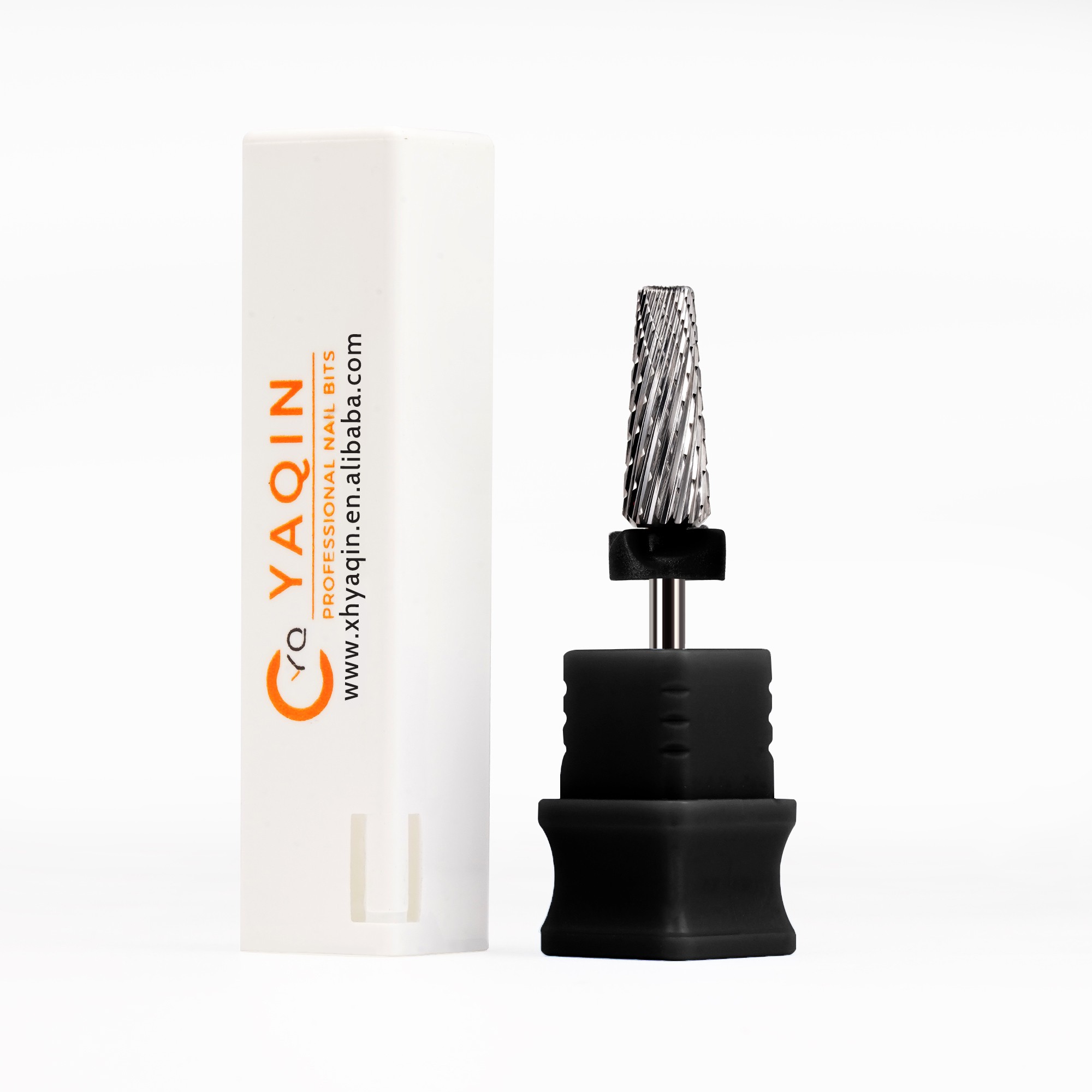
For example, if your line includes professional carbide bits designed for filing, dead skin removal, gel polish work, and shaping or polishing, what matters is not whether the source sounds prestigious but whether the supplier can repeatedly deliver the same cutting behavior, stable grinding performance, and acceptable noise and vibration levels. A product such as Tungsten Carbide Nail Drill Bits for Safe Removal of UV Gel Polish Electric Manicure Tool fits this discussion because it reflects the kind of application-driven specification buyers actually need to evaluate: material quality, grinding efficiency, operator control, service life, and customization options for branded lines.
What project managers should check before shortlisting suppliers
If the goal is premium positioning with scalable salon operations, the shortlist should be built around evidence. A practical review process usually includes the following questions.
These checks often tell you more than a location label. A supplier with strong process visibility will usually answer concretely. A weaker supplier tends to rely on general statements such as “high quality,” “premium material,” or “professional use” without showing how consistency is maintained.
Testing samples the right way
For this category, sample testing should not stop at visual inspection. Project teams should simulate real salon use conditions and compare suppliers on operational behavior. That means checking removal speed, smoothness, heat buildup, dust discharge, stability at working RPM ranges, and user control during longer sessions. If your line targets premium salons, technician feedback is as important as engineering feedback.
It is also worth separating “best-performing sample” from “most manufacturable program.” Some suppliers can produce an excellent pilot sample through extra manual attention but struggle to hold that level in production. Ask for samples from different lots where possible, or request small pilot production instead of relying on hand-picked prototypes.
The hidden cost side of premium sourcing
Premium sourcing decisions are often distorted by unit price comparison. For project managers, the more relevant number is total program cost. A slightly cheaper bit becomes expensive if it wears out faster, creates user dissatisfaction, increases replacement frequency, or leads to inconsistent reviews from salons. On the other hand, an expensive European source is not automatically cost-effective if it limits assortment flexibility, slows replenishment, or complicates private-label growth.
In practice, the strongest supplier for a premium line is usually the one that balances four things at once: stable tool performance, acceptable landed cost, flexible branding support, and predictable delivery. Very few suppliers excel at all four, which is why structured tradeoff evaluation is more useful than country-based assumptions.
How global manufacturers can compete in premium programs
Experienced trading factories and manufacturing exporters have become more relevant in this category because premium salon lines increasingly need both quality and supply chain responsiveness. A company that combines production oversight with export execution can reduce coordination friction for buyers managing launches across multiple SKUs. This becomes especially valuable when the supplier has a strict QC system covering raw material purchasing, production process, and packing, along with OEM/ODM experience and familiarity with developed salon markets.
That model can suit brand owners who need one-stop execution from production to delivery, particularly when expanding beyond a single hero product into a broader line architecture. It does not replace the need for technical qualification, but it can improve commercial practicality.
What to watch next
Buyers in this segment should keep an eye on three changes. First, salon professionals are placing more attention on control, comfort, and reduced vibration rather than just fast removal. Second, private-label programs are becoming more design-sensitive, which increases the value of customization discipline. Third, global sourcing decisions are being shaped more by reliability and less by old shorthand assumptions about geography.
So, are German nail drill bit suppliers better for premium salon product lines? Sometimes, yes, especially when your brand and technical requirements strongly align with their strengths. But for many project-led sourcing programs, the better question is narrower and more useful: which supplier can prove premium consistency, support customization, and deliver repeatable performance without introducing scale risk? That answer may come from Germany, but it may just as easily come from a manufacturer with stronger QC, broader OEM experience, and a more reliable export operating model.
News List
- Are China nail drill bit suppliers a good fit for private label linesAug 26, 2026
- How the USA nail drill bit supplier market is changing for private label buyersAug 25, 2026
- Are German nail drill bit suppliers better for premium salon product linesAug 25, 2026
- What certifications matter when reviewing a nail drill bit supplier in the UKAug 25, 2026
- How shipping costs affect bulk orders from a nail drill bit supplier in CanadaAug 25, 2026
- What materials are most common from a nail drill bit supplier in ItalyAug 25, 2026
Best-Selling Products
 Cross Cut Safety Stainless Steel Tungsten Carbide Nail Drill Bits Salon Foot Use XF-C Grit for Removing Nails
 First-rate Quality Tungsten Carbide Nail Drill Bits Best Coating Manicure Remove Gel Nails Accessories
 Professional Advanced Safety Cuticle Bits Two-Way Rotate 3/32'' Carbide Tungsten 5 in 1 Nail Drill Bits
 Wholesale 5 in 1 Electric Manicure Nail Drill Bits Various Coating Cone Cuticle Bit with Rotary Cross Cut for Nail Art
 New Slant Tooth Tungsten Steel Nail Drill Bits Dead Skin Removal 5-in-1 Universal Grinding Nail Polish Head Tool Nail Drill Bits
 4.0mm Small 5 in 1 Integrated Sharpe Tungsten Nail Drill Bit Straight Teeth Gel Polish Removal
 Flame Sharp XF F M C XC Silver Safety Professional Corn Tungsten Carbide Nail Bit for Drill Machine Accessories
 Factory Direct 5 in 1 Tungsten Carbide Nail Drill Bits 6.8MM Cross Cut Safety Manicure 5 in 1 Nail Drill Bits
Please give us a message