
How a nail drill bit supplier can help reduce inconsistent bit quality
How a nail drill bit supplier can help reduce inconsistent bit quality
Inconsistent nail drill bit quality is worth treating as a process-control issue, not simply a purchasing inconvenience. When bits vary from one shipment to another, operators may see uneven cutting, premature dulling, vibration, excess heat, irregular dust discharge, or differences in shank fit. For a salon chain, distributor, training organization, or private-label brand, those variations create more than product returns. They complicate safety procedures, increase incoming inspection work, and make it harder to keep service results consistent across locations.
A capable Nail Drill Bit Supplier can reduce this variation by controlling the points where quality commonly drifts: material selection, bit geometry, manufacturing consistency, finishing, inspection, and packing. The supplier cannot eliminate every application-related failure, since machine speed, pressure, operator technique, cleaning methods, and the type of product being removed all affect performance. It can, however, make the purchased product substantially more predictable from batch to batch.
Why bit inconsistency becomes a safety concern
Nail drill bits work at high rotational speeds and come into close contact with natural nails and surrounding skin. A small difference in flute depth, edge sharpness, tip finish, concentricity, or surface treatment can alter how a bit behaves in the hand. One batch may remove hard gel efficiently with moderate pressure, while another may feel aggressive at the same speed. An operator who has adapted to the first batch may unintentionally overwork the nail plate or touch the skin when using the second.
Quality variation also creates a training problem. Standard operating procedures depend on tools behaving within a known range. When one carbide bit clears product cleanly and another clogs, skips, or generates excessive heat, it becomes difficult to establish reliable guidance on RPM, pressure, contact time, and replacement intervals. Safety managers then have to compensate with more conservative instructions and more frequent checks, without being certain that the underlying product issue has been addressed.
Some warning signs appear quickly: rough finish, loose or poorly seated shanks, visible burrs, chipped cutting areas, inconsistent coating appearance, or packaging damage. Others emerge only after use. A bit that loses sharpness too early, throws debris unpredictably, or begins to vibrate after limited service may indicate inconsistent material properties, insufficient process control, or a mismatch between the bit design and its intended application.
Trace quality backward through the supply process
Receiving inspection is necessary, but it is a late control point. By the time a quality team finds mixed profiles or unstable cutting performance, the shipment has already consumed handling time and may be close to distribution. The more useful question is whether the supplier has controls upstream that prevent a poor batch from becoming a receiving problem.
For tungsten carbide and tungsten steel nail drill bits, material consistency matters because it influences strength, wear resistance, and edge retention. A supplier should be able to maintain defined material requirements for a given product line rather than switching inputs without notification. This does not require a buyer to demand proprietary production details. It does require clarity on how raw materials are approved, how incoming lots are checked, and how material changes are managed.
Geometry is equally important. The same general bit shape can perform very differently depending on flute pattern, cutting direction, taper, tip configuration, and surface finish. For example, a bit used for hard gel removal needs predictable cutting behavior across its working surface. A design intended to approach cuticle areas needs a finish that reduces the chance of unintended skin contact. Where a product is marketed as bidirectional, both rotation directions should produce stable, controlled removal rather than simply functioning in a nominal sense.
Process monitoring separates repeatable production from a batch of visually similar parts. Buyers should look for suppliers that inspect critical characteristics during production, not only after all pieces have been finished. Useful controls may include checks for shank diameter and straightness, flute form, tip smoothness, surface defects, and concentricity. The exact acceptance criteria will vary by product, but the inspection method should be consistent enough that a replacement shipment is not judged by a different standard from the original order.
Packaging is part of product control
Packing often receives less attention than cutting performance, yet it can be a source of avoidable quality complaints. Drill bits can be damaged when packed loosely, exposed to moisture or contamination, or allowed to strike one another during transport. Mixed labels, incomplete lot identification, and inconsistent pack counts also make receiving inspection and downstream traceability harder.
A supplier that controls packing can help a buyer isolate issues efficiently. If a complaint arises, the buyer should be able to identify the affected product type, shipment, and production lot without inspecting unrelated stock. This is especially valuable for distributors and multi-location operations that need to determine whether an issue is confined to one delivery or present across inventory.
Ask for a control system, not only a sample
Samples are useful for checking compatibility with a particular nail drill machine, gel system, or service workflow. They are not enough to prove batch stability. A sample may perform well because it came from a carefully selected run, while later production varies in material, geometry, finishing, or packing.
When qualifying a supplier, quality and safety teams can focus the discussion on a short set of operational questions:
- How are raw materials approved and kept consistent for the same bit specification?
- Which features are inspected during production, and which are checked before packing?
- How are damaged, out-of-tolerance, or mixed parts prevented from entering finished goods?
- Can each shipment be linked to a defined production lot or packing batch?
- What happens when a buyer reports premature wear, vibration, rough edges, or unstable cutting?
- How are specification changes, packaging changes, or substitute materials communicated before shipment?
The value of these questions lies in the answers' specificity. A supplier that can explain its inspection stages, corrective-action process, and shipment identification practices gives the buyer a basis for managing risk. Broad statements about “high quality” do not tell a quality manager how variation is detected or contained.
For larger or repeat orders, buyers can also define a practical approval routine. That may include retaining a reference sample, documenting the intended application, confirming the bit profile and cutting direction, and checking representative pieces from each incoming lot. The goal is not to make the customer responsible for factory quality control. It is to create a shared reference so that performance complaints can be investigated against an agreed product expectation.
Match the bit design to the actual use case
Some apparent quality failures are selection failures. A bit that performs poorly on hard gel may have been chosen for soft-gel removal or surface preparation. A highly aggressive profile may be efficient for bulk removal but unsuitable near sensitive areas. When the application is not defined at purchase stage, operators often compensate by increasing pressure or speed, which raises the chance of heat buildup, unwanted abrasion, and inconsistent results.
Product selection should therefore be documented by use, not only by a generic name. Consider whether the bit is intended for removing hard gels, base coats, soft gels, nail tips, or calluses; whether it will be used by right- and left-handed operators; whether the working area includes the cuticle zone; and whether the team requires a smoother tip geometry for routine safety control.
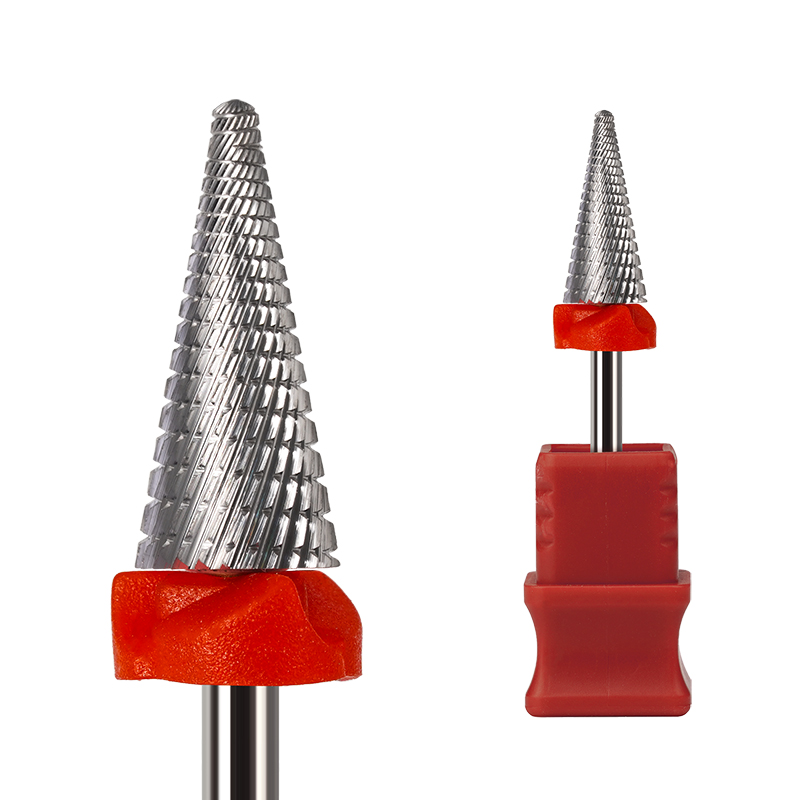
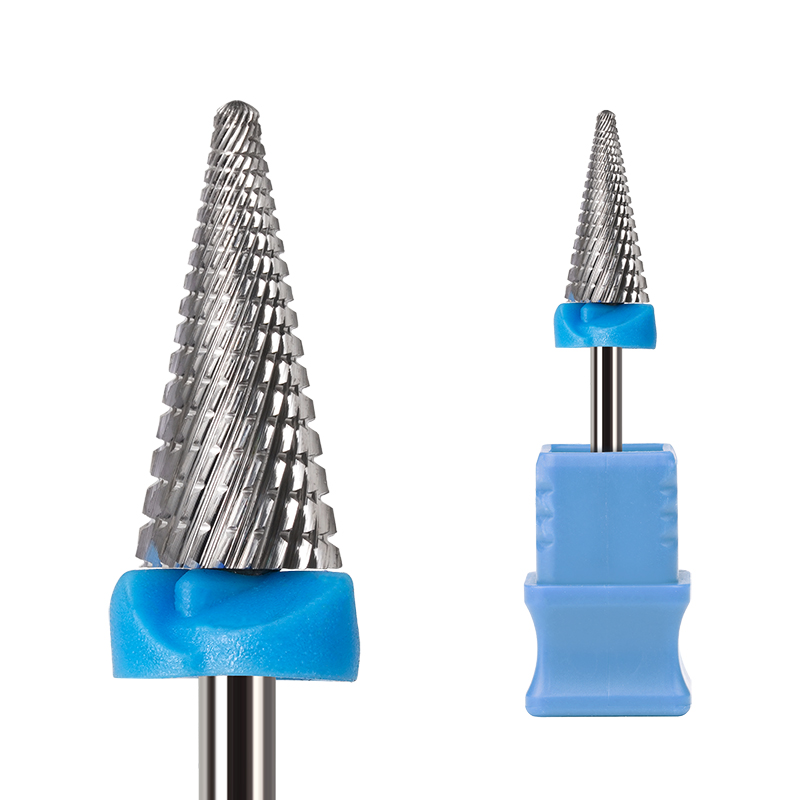
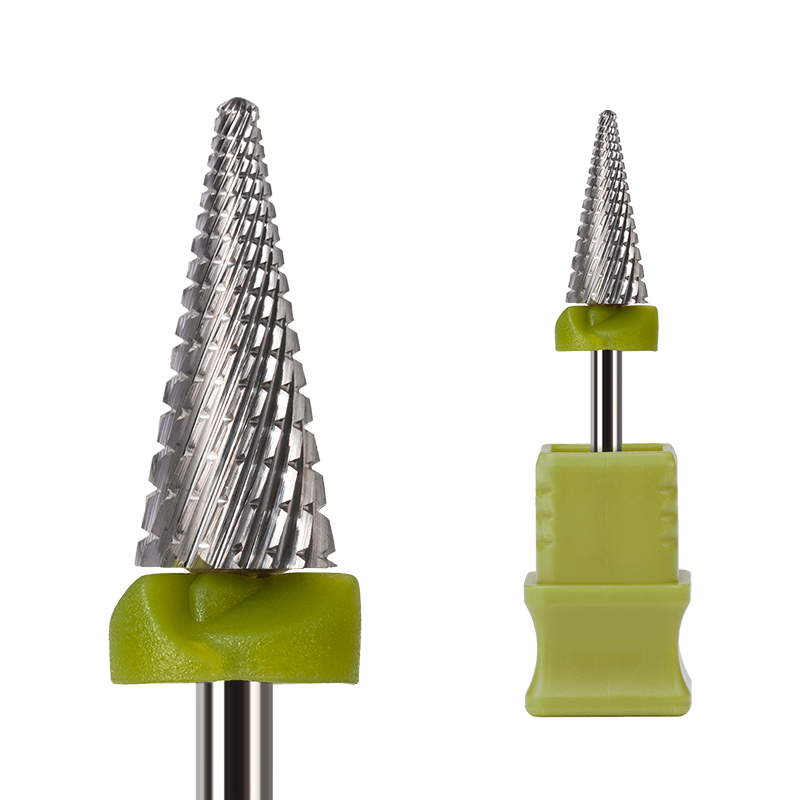
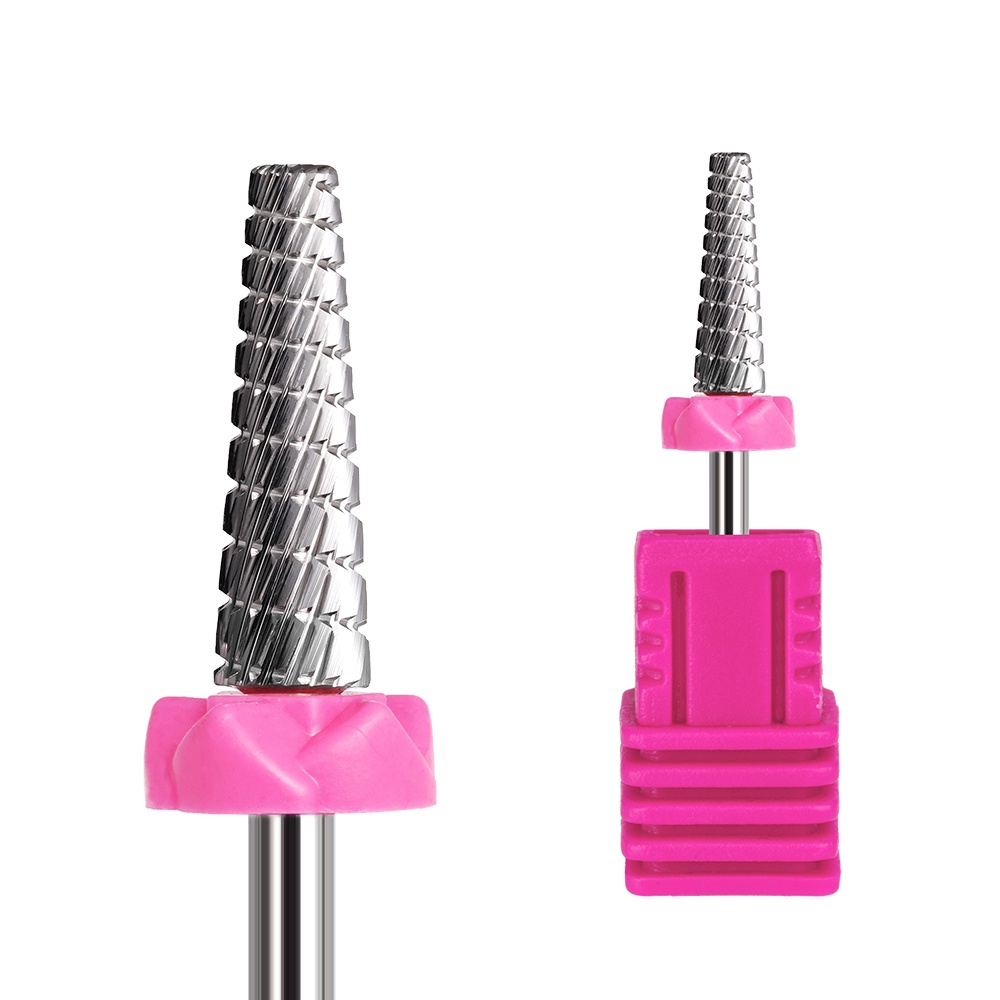
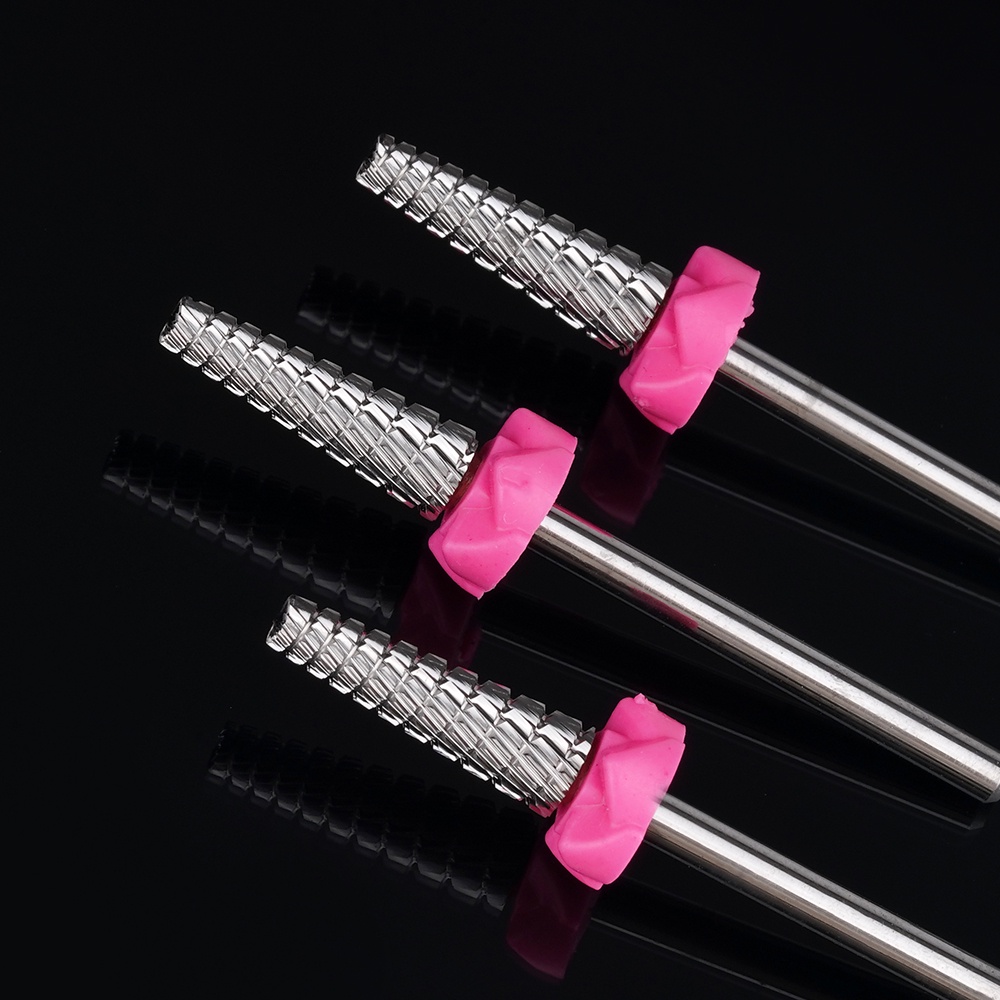
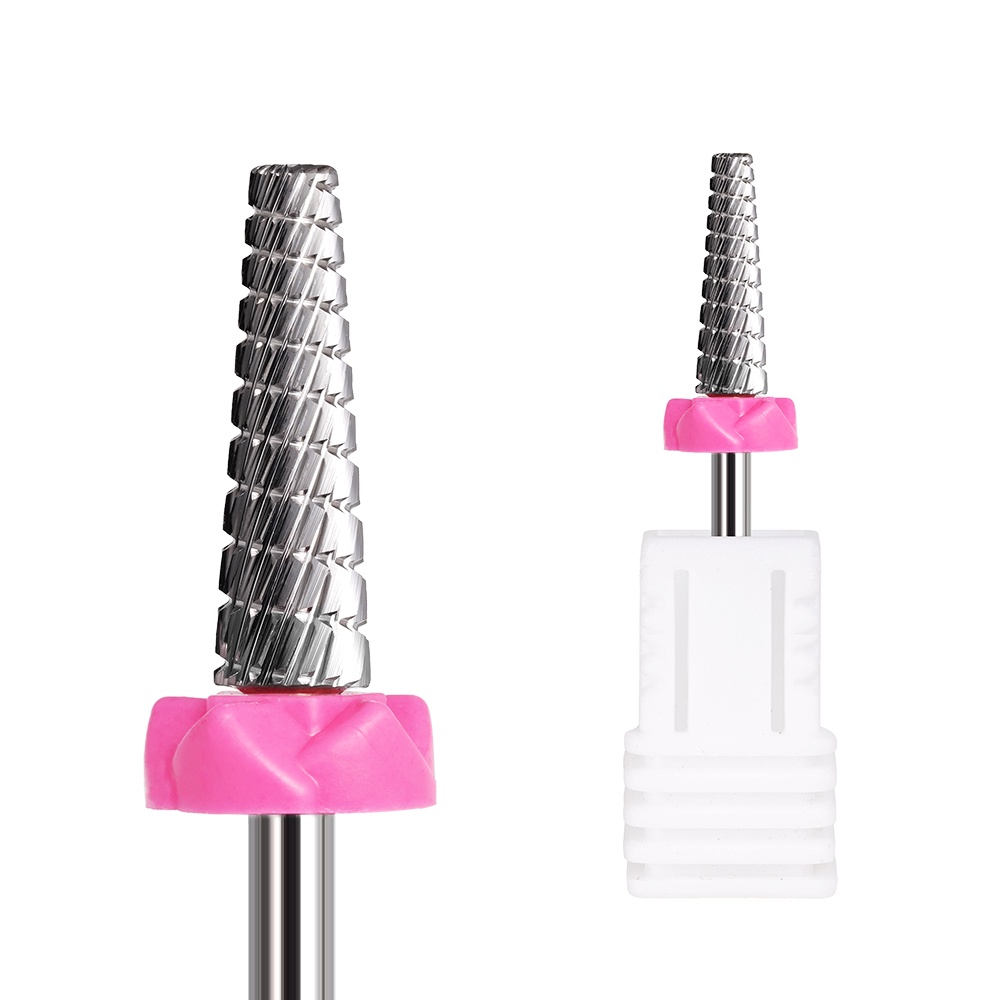
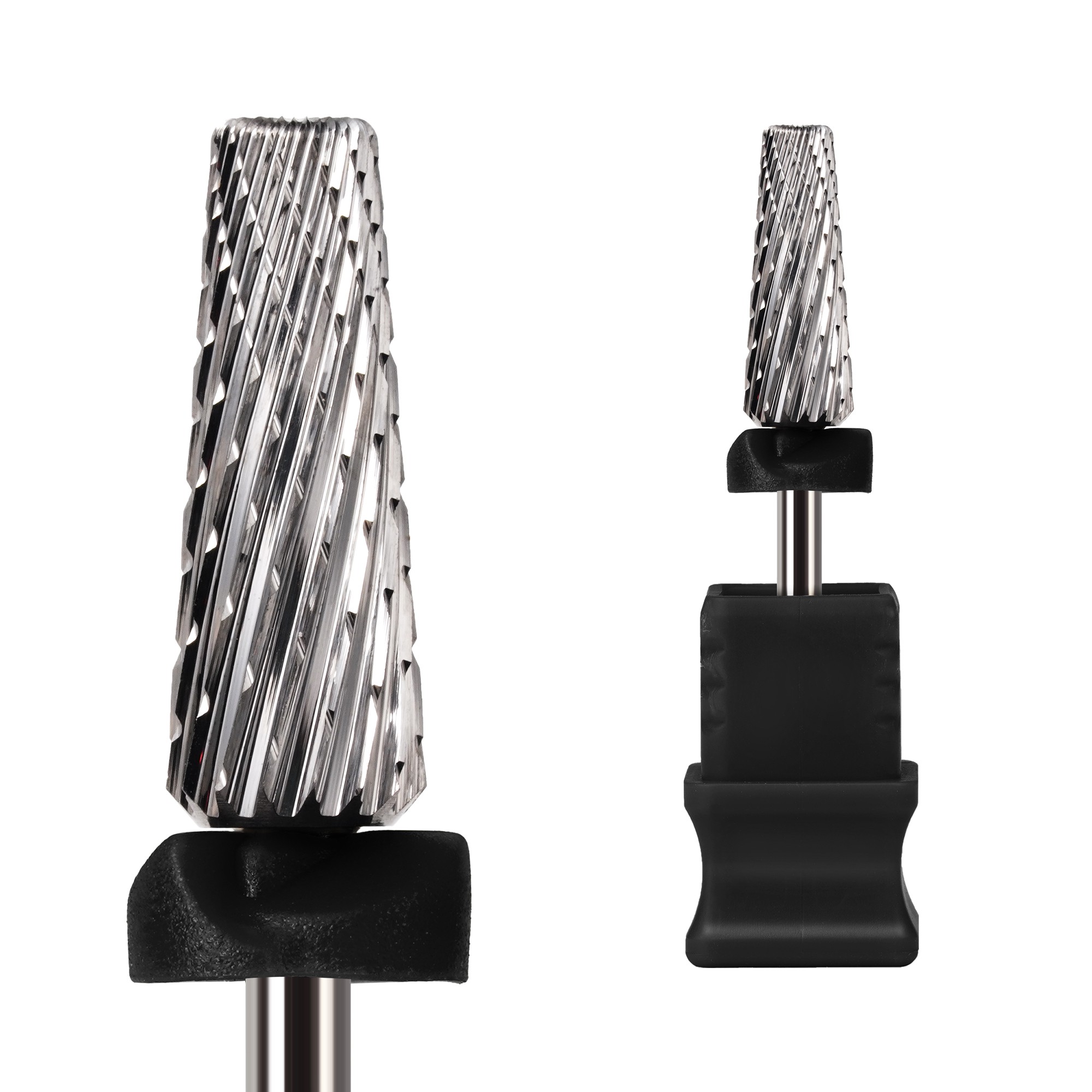
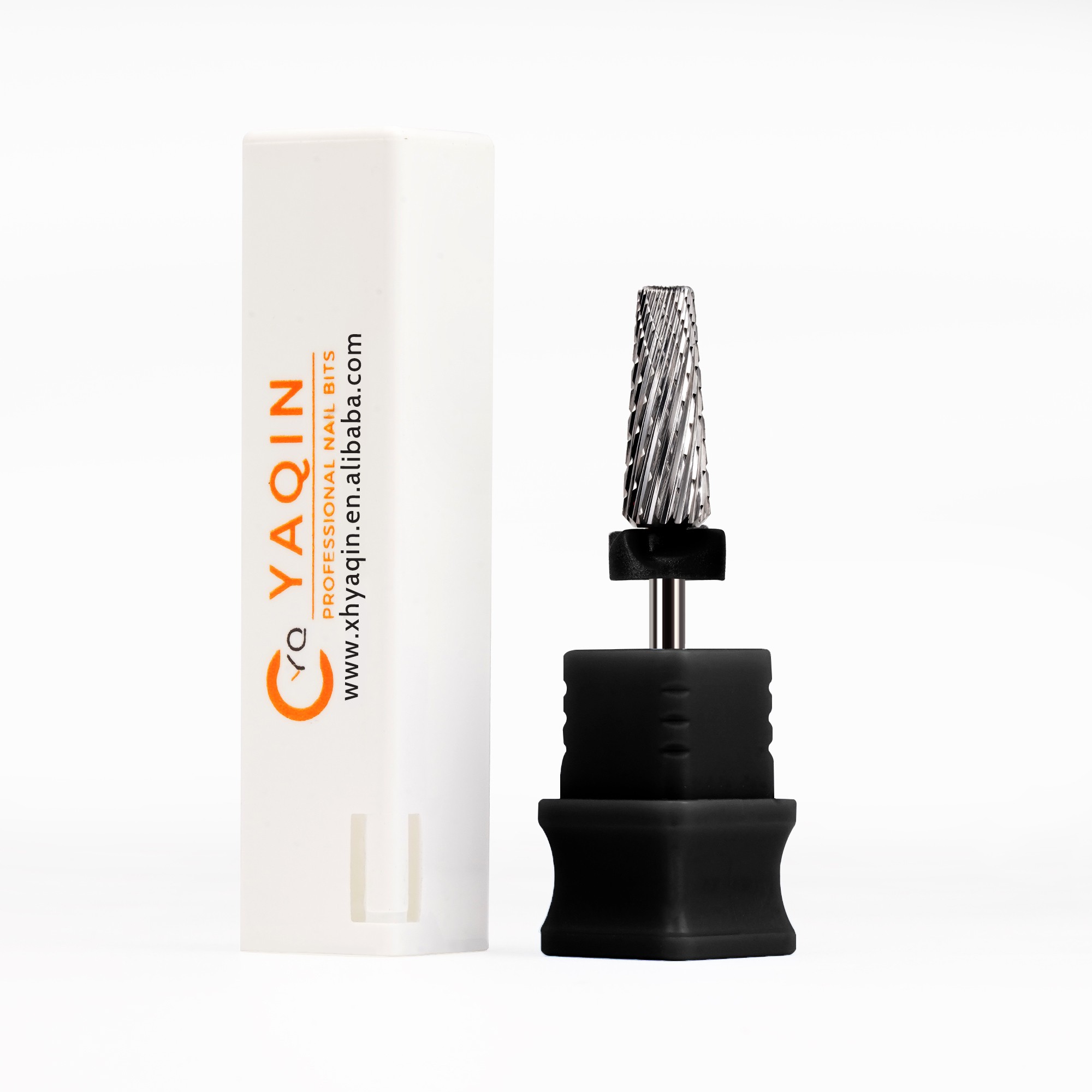
A tungsten carbide option such as High Quality Tungsten Carbide Nail Drill Bits Bidirectional Super Long Gel Nail Polish Cuticle Nail Drill Bits illustrates the kind of attributes that should be evaluated in context: bidirectional use, cutting performance on gel products, dust ejection, durability, and a smooth flat tip intended to reduce skin-contact risk. None of those attributes should be accepted as a substitute for inspection. They provide a useful starting point for defining what the purchased bit must do and where its limits should be.
Dust behavior deserves particular attention in controlled work areas. A bit that clears removed material consistently can improve visibility around the working surface and reduce accumulation on the bit. But dust management is also affected by extraction equipment, machine speed, material type, cleaning frequency, and operator position. A supplier can provide a bit design with stable flute geometry; the user still needs a work process that handles airborne and deposited debris appropriately.
Build incoming checks around high-consequence defects
Not every incoming inspection needs to be extensive. It should focus on defects that can affect safety, usability, or traceability. A simple, repeatable receiving check may be more effective than an elaborate procedure that is applied inconsistently.
Where possible, inspect representative pieces from more than one pack rather than drawing every sample from the top carton. This can reveal packing mix-ups or localized handling damage. If the operation has a defined reference machine, a controlled fit and runout check can be included for selected samples. The purpose is to identify abnormal behavior before products reach routine use, not to recreate a full production test in the receiving area.
Measure supplier performance after the first order
A supplier relationship should be evaluated over repeat deliveries, because consistency is a trend rather than a single event. Useful internal records include nonconforming quantity, defect type, lot number, return reason, replacement response, and whether the issue was contained in later shipments. This makes it easier to distinguish isolated transport damage from recurring variation in a particular bit design or production stage.
When a problem occurs, the most productive supplier response is one that narrows the cause. Was the issue limited to a lot? Did it involve a specific profile, packing configuration, material input, or finishing condition? Can the supplier identify corrective controls for future production? A vague replacement offer may resolve an immediate shortage but does little to reduce recurrence.
For quality control and safety managers, the purchasing decision is therefore less about finding the sharpest initial sample and more about establishing a dependable operating range. A supplier with disciplined material control, in-process inspection, final checks, lot traceability, and clear handling of deviations gives the buyer a stronger basis for standardizing tool use. That consistency helps protect natural nails and skin, reduces inspection friction, and makes everyday safety procedures easier to enforce.
News List
- Preventing Gouges and Uneven Filing With Small Barrel Nail Drill BitsSep 20, 2026
- How Diameter and Grit Affect Small Barrel Nail Drill Bit PerformanceSep 20, 2026
- Can Hytos Nail Drill Bits Be Used Safely on Natural Nails and Gel Polish?Sep 20, 2026
- How to Verify Fit Between Hytos Nail Drill Bits and an E-File HandpieceSep 20, 2026
- Safe Speed Settings for Umbrella Nail Drill Bits Around the Nail FoldSep 20, 2026
- Umbrella vs Flame Nail Drill Bits: Which Shape Offers Better Cuticle Control?Sep 20, 2026
Best-Selling Products
 Cross Cut Safety Stainless Steel Tungsten Carbide Nail Drill Bits Salon Foot Use XF-C Grit for Removing Nails
 First-rate Quality Tungsten Carbide Nail Drill Bits Best Coating Manicure Remove Gel Nails Accessories
 Professional Advanced Safety Cuticle Bits Two-Way Rotate 3/32'' Carbide Tungsten 5 in 1 Nail Drill Bits
 Wholesale 5 in 1 Electric Manicure Nail Drill Bits Various Coating Cone Cuticle Bit with Rotary Cross Cut for Nail Art
 New Slant Tooth Tungsten Steel Nail Drill Bits Dead Skin Removal 5-in-1 Universal Grinding Nail Polish Head Tool Nail Drill Bits
 4.0mm Small 5 in 1 Integrated Sharpe Tungsten Nail Drill Bit Straight Teeth Gel Polish Removal
 Flame Sharp XF F M C XC Silver Safety Professional Corn Tungsten Carbide Nail Bit for Drill Machine Accessories
 Factory Direct 5 in 1 Tungsten Carbide Nail Drill Bits 6.8MM Cross Cut Safety Manicure 5 in 1 Nail Drill Bits
Please give us a message