
When should distributors switch to a new nail drill bit supplier?
When should distributors switch to a new nail drill bit supplier?
A distributor should consider changing a Nail Drill Bit Supplier when the supplier’s failures begin to affect sell-through, returns, reorder planning, or the confidence of nail technicians who buy through the channel. The decision is rarely triggered by one late shipment or one isolated complaint. It becomes necessary when the same issues recur: bit sharpness varies between batches, coatings or finishes deteriorate in storage, packaging arrives damaged, replenishment dates remain unclear, or private-label requirements receive slow and incomplete responses.
In the nail tool category, a drill bit is a small item with a large effect on customer perception. A salon professional may judge an entire distributor by whether a carbide bit removes gel smoothly, runs without excessive heat, fits the expected handpiece, and arrives in usable condition. When those basics become unreliable, holding onto the existing source simply because switching feels disruptive can cost more than a controlled supplier transition. The practical question is not whether a new supplier looks better on paper; it is whether the current supplier can still support predictable, profitable distribution.
Start with a pattern, not a single incident
Every supply relationship has occasional exceptions. A port delay, temporary raw-material disruption, or artwork correction does not automatically justify a change. The warning sign is a pattern that the supplier cannot explain, correct, or prevent from recurring.
For nail drill bits, distributors should look beyond total sales volume and review the operational signals behind it. A rise in customer questions about rough cutting, unusual vibration, rust spots, loose shanks, inconsistent grit, or bits that dull earlier than expected may point to an incoming-quality issue. So can internal problems: warehouse staff spending extra time sorting mixed specifications, sales teams avoiding a fast-moving SKU because availability is uncertain, or procurement repeatedly chasing confirmation on production status.
It also helps to separate product problems from expectation problems. A coarse carbide bit will naturally feel more aggressive than a fine bit; a narrow head is intended for more detailed work than a wide barrel. Those are specification differences, not defects. The concern begins when nominally identical items behave differently across lots, or when supplied specifications do not match the product received.
Quality inconsistency is the clearest reason to reassess
Quality should be evaluated at the level that affects end use, not only appearance at unpacking. Nail drill bits are used close to the natural nail and surrounding skin, so geometry, material condition, shank accuracy, and surface finish all matter. A bit can look polished in a sample box yet create problems after repeated use if its cutting edges are not made consistently or its corrosion resistance is weak.
Signs that incoming inspection is no longer enough
- Different lots of the same SKU show visible changes in head shape, flute pattern, shank length, or finishing.
- Customers report that one batch removes gel cleanly while another leaves residue, skips across the surface, or requires excessive pressure.
- Rounded safety tops are uneven, making it harder to market a bit as beginner-friendly or suitable for close cuticle work.
- Bits discolor, corrode, or feel rough after normal cleaning and storage conditions.
- Packaging does not protect the cutting head, causing loose pieces, bent protective caps, or damaged labels on arrival.
A supplier should be able to describe how it controls raw materials, production steps, inspection standards, and packing. The answer does not need to be overly technical, but it should be specific enough to verify. “Quality is good” is not a usable purchasing standard. Ask how product identity is maintained between samples and repeat orders, what is inspected before packing, how defects are handled, and whether the supplier can provide retained samples or lot traceability when a complaint is raised.
For carbide products, material claims deserve particular attention. Tungsten steel drill bits are selected for hardness, wear resistance, and efficient cutting performance, but distributors should still confirm the actual product configuration, head style, and intended use rather than assuming every carbide bit delivers the same result. A reliable supplier will help align coarse, medium, fine, narrow, and wide options with their intended applications instead of treating all bits as interchangeable.
When lead-time uncertainty starts limiting sales
Late delivery is more damaging than a longer but dependable lead time. A distributor can plan around a clear production and shipping schedule. It is much harder to plan around dates that move only after stock has already been committed to retailers, salons, or online orders.
Switching should be on the table when the supplier repeatedly confirms availability without giving realistic production status, changes lead times after deposits are paid, or cannot distinguish between ready inventory and made-to-order stock. These gaps force distributors to carry more safety stock, substitute products without adequate preparation, or lose orders on high-turning items such as gel-removal bits.
Review the full replenishment cycle rather than focusing solely on factory lead time. Include order confirmation, sample approval where needed, material preparation, production, inspection, packaging, export documentation, handover to freight, and the time needed for receiving inspection at destination. A supplier may quote an attractive production window while leaving the rest of the sequence vague. That is not necessarily a reason to reject the supplier, but it is a reason to demand a clearer operating process.
OEM and packaging limitations can become a commercial problem
A standard catalog may be sufficient at the beginning, but a growing distributor often needs differentiation. That can mean branded labels, retail-ready packs, protective storage caps, assorted bit sets, barcode placement, or product instructions that match the target market. When a supplier treats every customization request as an exception, the distributor may be unable to develop a coherent range.
This does not mean changing suppliers simply because every request cannot be accepted. Reasonable limits exist around minimum quantities, printing methods, packaging dimensions, and production schedules. The issue is whether the supplier communicates those limits early and offers workable choices. A supplier that cannot explain what can be customized, how artwork is approved, or how revised packaging affects lead time makes product planning unnecessarily risky.
Before moving, create a short list of requirements that matter to the channel. It may include individual sleeves, retail cartons, multilingual instructions, set configuration, protective caps, private labeling, or master-carton markings for warehouse receiving. Then compare suppliers against the same brief. This prevents the decision from being driven by a low initial quote that does not include the packaging or service level needed to sell the goods properly.
Test the replacement supplier under realistic conditions
A supplier change should not be treated as a simple sample comparison. Samples are useful, but they rarely reveal whether repeat orders will be consistent, whether communication remains responsive during a problem, or whether packaging survives normal logistics. The safer approach is to qualify the supplier in stages.
- Define the non-negotiable specifications. Identify the bit types, head shapes, shank requirements, material expectations, packaging format, labels, and quality points that the replacement must meet. Avoid vague requests such as “same quality as current supplier.”
- Compare application performance. Test representative samples for the tasks they are intended to perform. A gel-removal bit should be assessed for cutting control, heat behavior, smoothness, and residue removal at suitable operating speeds. Testing should reflect the skill level and equipment typically used by the intended market.
- Check consistency across more than one sample. One good piece proves little. Compare several pieces of the same specification and look for variations in flute geometry, finish, balance, and protective packaging.
- Place a controlled first order. Start with selected high-demand or lower-risk SKUs instead of immediately transferring the entire range. Inspect the delivered order against the approved sample and agreed packing details.
- Measure supplier behavior as well as product quality. Note how quickly questions are answered, whether documents are accurate, whether changes are confirmed in writing, and how the supplier handles any discrepancy discovered before or after shipment.
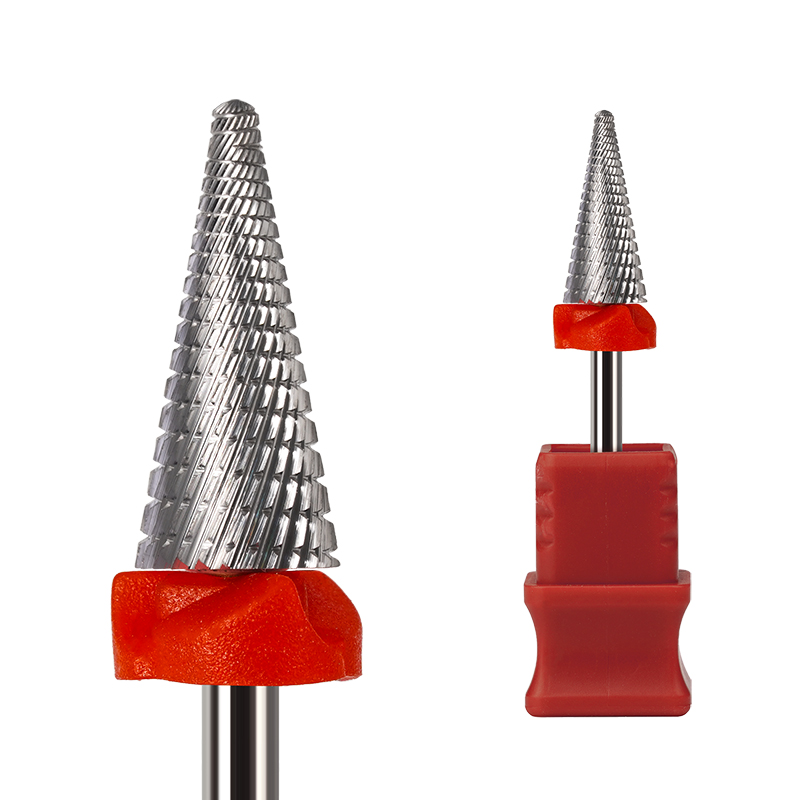
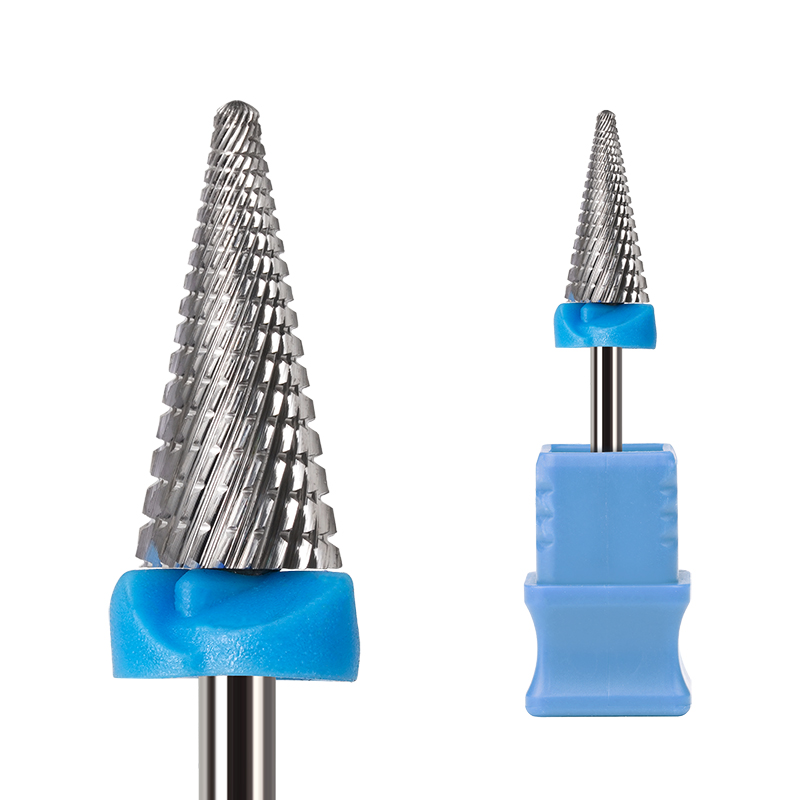
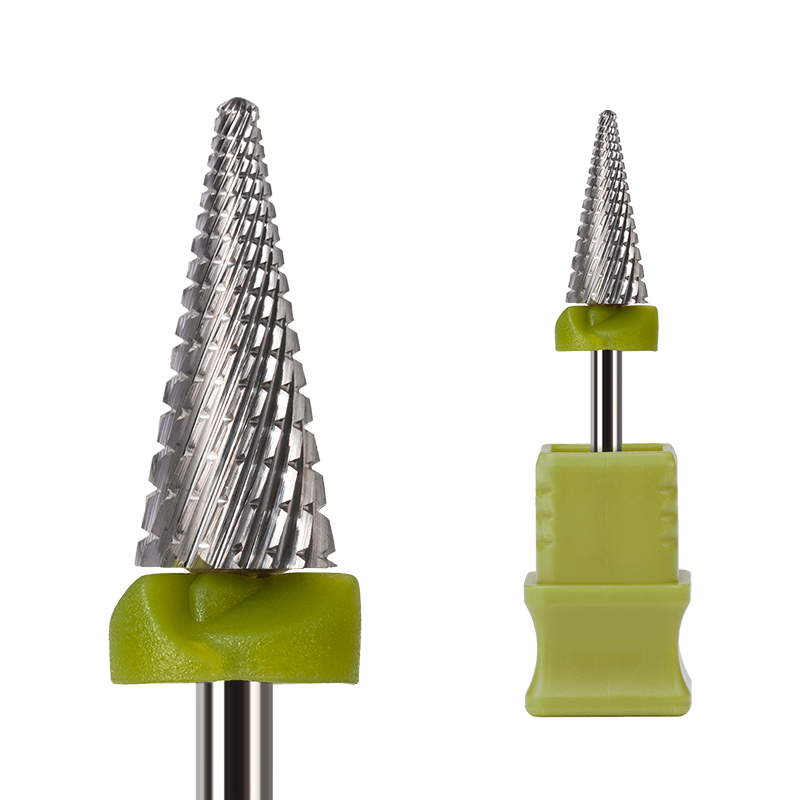
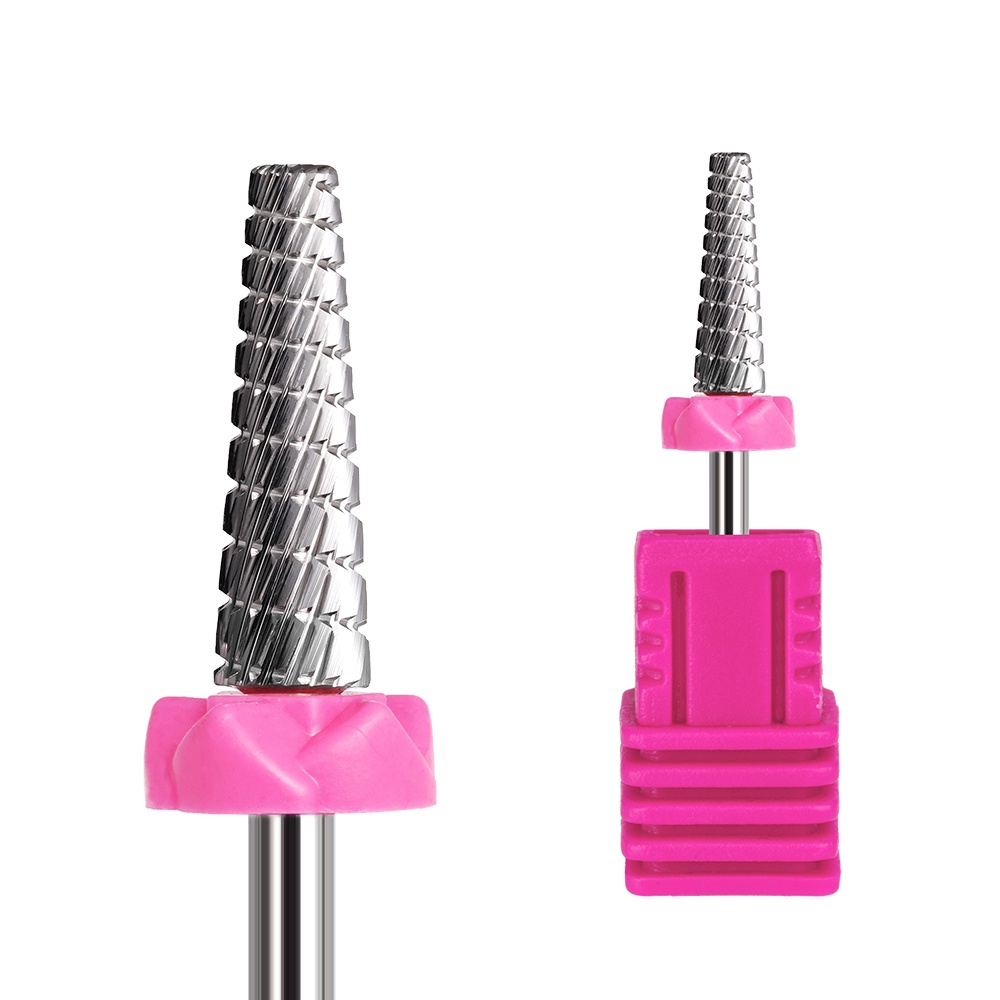
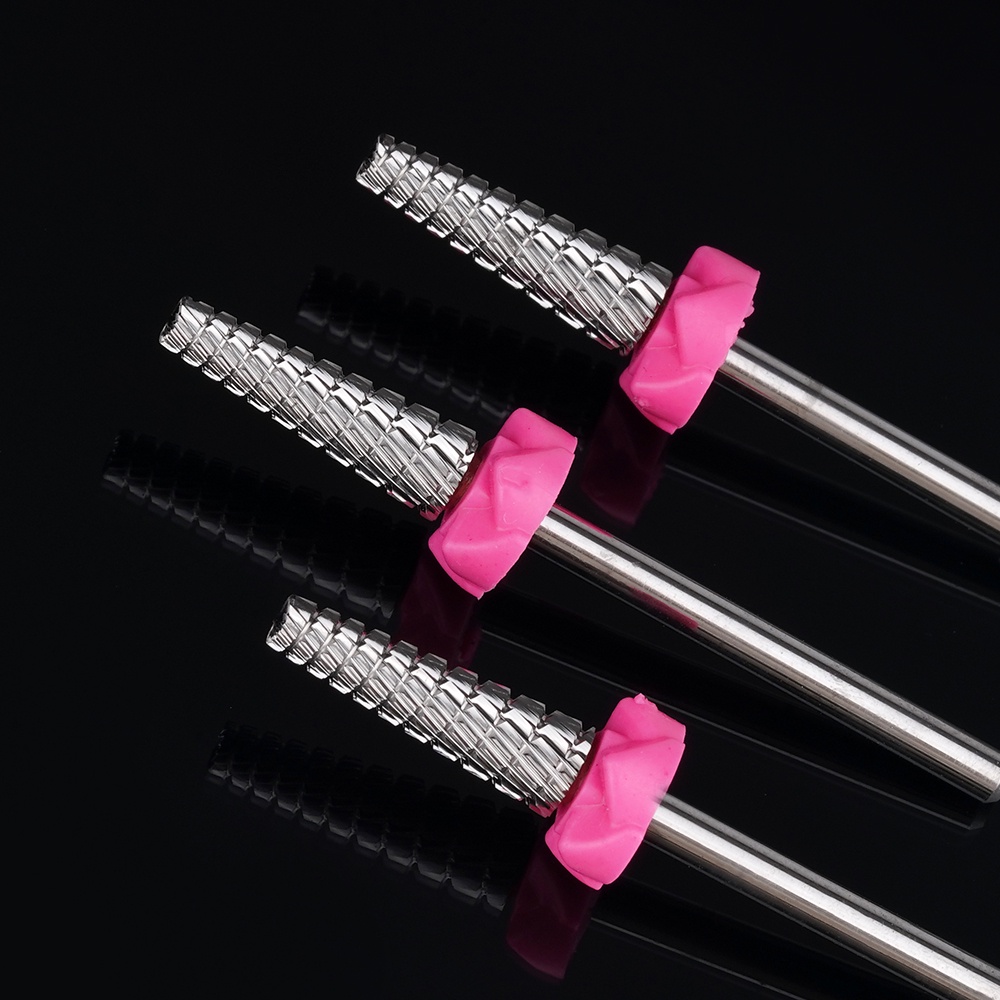
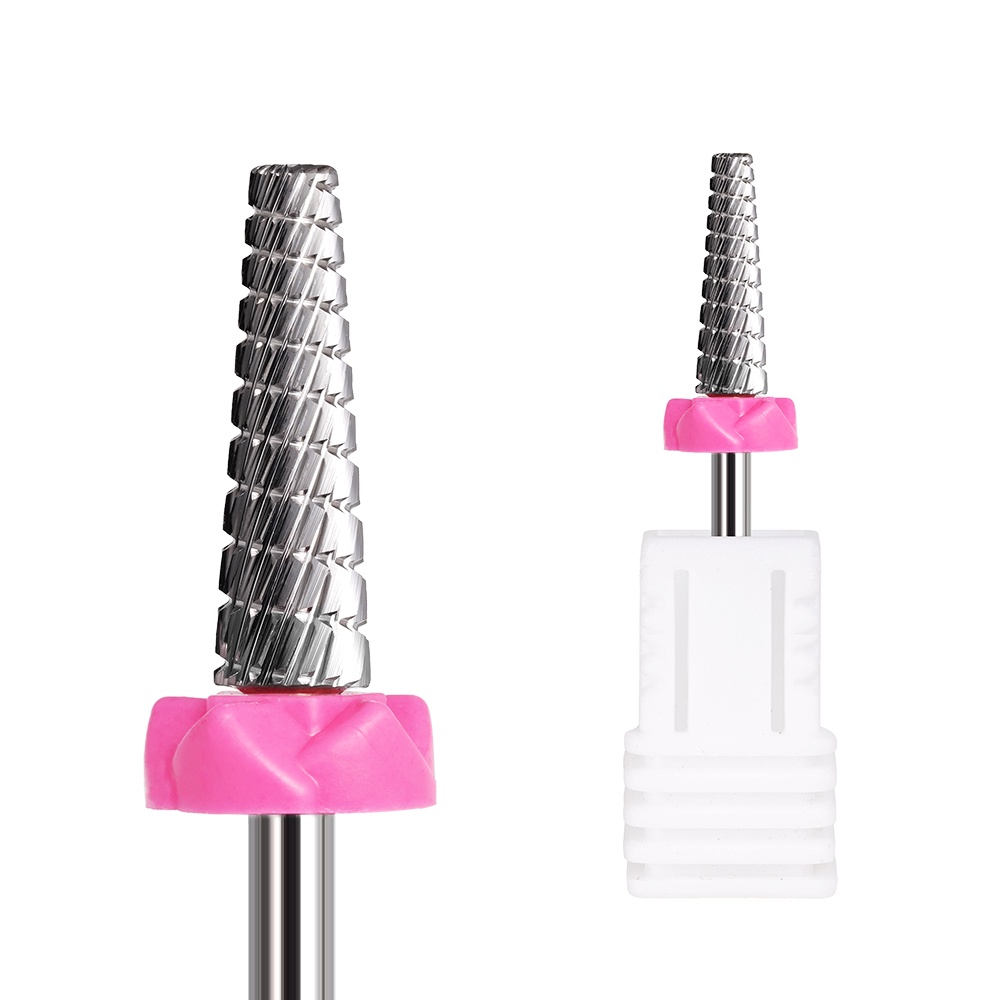
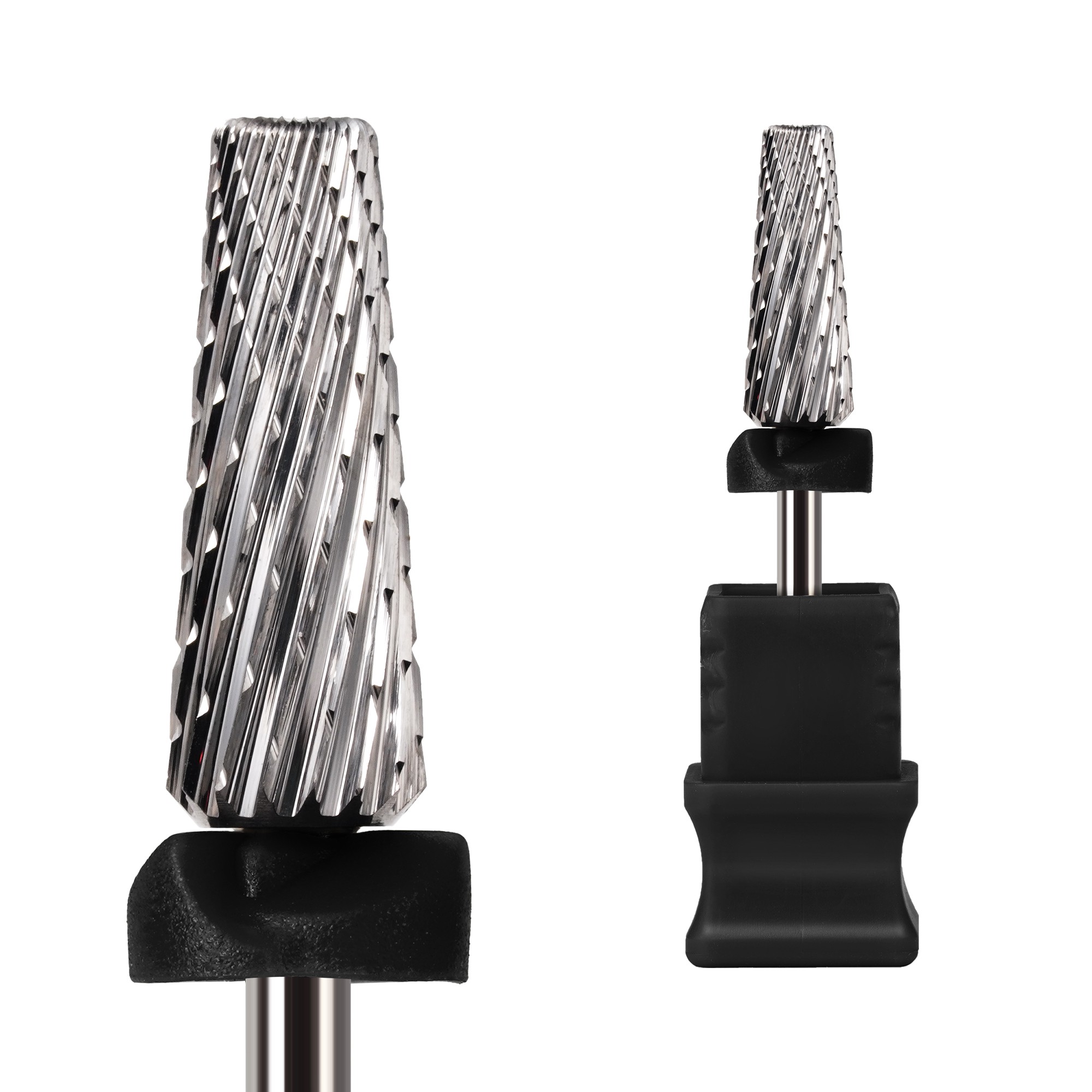
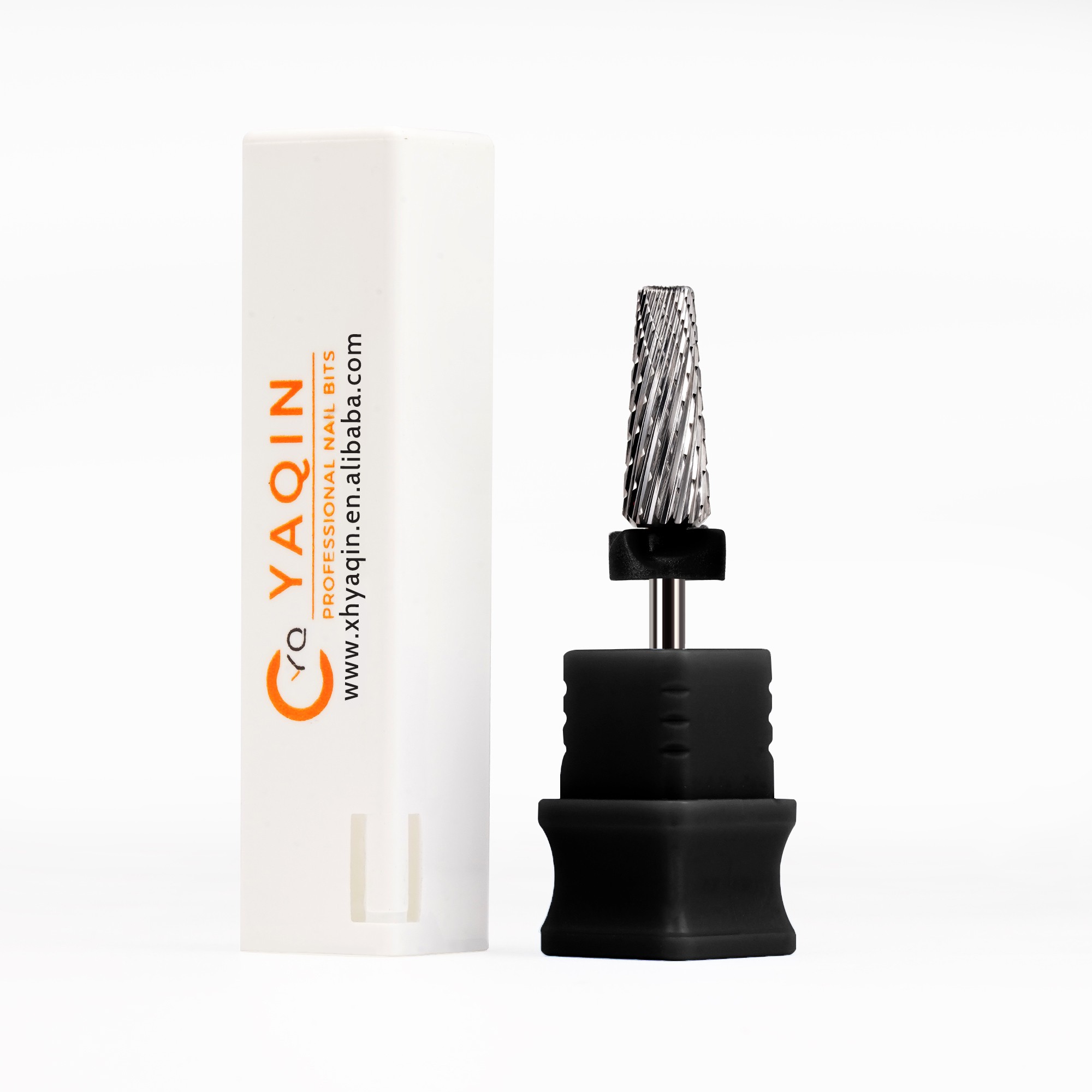
For example, a product range such as Nail Supplier Manicure Art Carbide Drill Bits Set Sharp 5XC Nail Drill Bit Tungsten Drill Bits for Nail Gel Cuticle Take Off may be evaluated as a set rather than as a single generic bit. The coarse, medium, and fine options should have clearly defined roles, while narrow and wide designs should match the intended nail sizes and working areas. The product information indicates tungsten steel construction, a rounded-tip approach intended to reduce skin-injury risk, and protective caps for storage and transport. Those are useful attributes only when the received goods consistently match the approved configuration.
Use application details to ask better purchasing questions
Technical questions do not need to turn a commercial review into a laboratory exercise. They simply help a distributor distinguish a supplier that understands the product from one that only repeats catalog terms.
For gel-removal bits, ask which head design is recommended for hard gel, soft gel, base gel, and gel polish removal. Confirm the suggested operating range and whether the guidance changes by material or bit cut. In the supplied product information, hard gel removal is associated with 15,000–20,000 RPM, while soft gel and base gel removal are associated with 10,000–15,000 RPM. These figures should be treated as product-use guidance, not as a substitute for proper technician training, handpiece compatibility, or cautious operation near the natural nail.
Ask how the rounded tip is finished, whether the bit is intended for right- or left-handed use where relevant, and how the supplier distinguishes coarse, medium, and fine cuts. Request clear SKU identification on both inner and outer packaging. A distributor who cannot reliably tell one grade from another will struggle with customer support, even if the bits themselves are acceptable.
Do not switch before protecting the transition
The risk of changing suppliers is not limited to the new product. Existing inventory, customer expectations, product listings, packaging artwork, and reorder timing all need attention. A rushed switch can create a new set of problems even when the replacement supplier is stronger.
Keep the current supplier active long enough to protect critical stock where the relationship remains functional and contractual terms allow it. At the same time, do not continue placing large orders merely to avoid a decision. Segment the range: move products with recurring defects or poor availability first, retain stable products temporarily, and avoid mixing old and new versions under the same SKU unless the specifications and performance have been checked carefully.
Update sales teams with factual differences rather than broad quality claims. If packaging changes, if a bit profile changes, or if a new set has a different coarse-to-fine assortment, the people selling it should know how to describe that difference accurately. Warehouse teams also need revised receiving criteria so that the first shipments are checked against the approved sample and purchase order rather than against memory.
A supplier should make repeat business easier, not harder
The strongest reason to switch is not that another supplier offers the lowest quote. It is that the new source can support repeatable decisions: the same specification can be reordered, quality questions receive useful answers, delivery dates can be planned around, and customization is managed without constant uncertainty.
When quality inconsistency, unreliable replenishment, weak documentation, or limited OEM support becomes routine, waiting usually transfers the cost to the distributor’s customers and internal teams. A controlled qualification process, focused on the products and service conditions that actually affect sales, provides a more defensible path than reacting only after returns or stockouts become severe.
News List
- Preventing Gouges and Uneven Filing With Small Barrel Nail Drill BitsSep 20, 2026
- How Diameter and Grit Affect Small Barrel Nail Drill Bit PerformanceSep 20, 2026
- Can Hytos Nail Drill Bits Be Used Safely on Natural Nails and Gel Polish?Sep 20, 2026
- How to Verify Fit Between Hytos Nail Drill Bits and an E-File HandpieceSep 20, 2026
- Safe Speed Settings for Umbrella Nail Drill Bits Around the Nail FoldSep 20, 2026
- Umbrella vs Flame Nail Drill Bits: Which Shape Offers Better Cuticle Control?Sep 20, 2026
Best-Selling Products
 Cross Cut Safety Stainless Steel Tungsten Carbide Nail Drill Bits Salon Foot Use XF-C Grit for Removing Nails
 First-rate Quality Tungsten Carbide Nail Drill Bits Best Coating Manicure Remove Gel Nails Accessories
 Professional Advanced Safety Cuticle Bits Two-Way Rotate 3/32'' Carbide Tungsten 5 in 1 Nail Drill Bits
 Wholesale 5 in 1 Electric Manicure Nail Drill Bits Various Coating Cone Cuticle Bit with Rotary Cross Cut for Nail Art
 New Slant Tooth Tungsten Steel Nail Drill Bits Dead Skin Removal 5-in-1 Universal Grinding Nail Polish Head Tool Nail Drill Bits
 4.0mm Small 5 in 1 Integrated Sharpe Tungsten Nail Drill Bit Straight Teeth Gel Polish Removal
 Flame Sharp XF F M C XC Silver Safety Professional Corn Tungsten Carbide Nail Bit for Drill Machine Accessories
 Factory Direct 5 in 1 Tungsten Carbide Nail Drill Bits 6.8MM Cross Cut Safety Manicure 5 in 1 Nail Drill Bits
Please give us a message