
Essential Tools for Manicures That Reduce Rework and Service Time
Essential Tools for Manicures That Reduce Rework and Service Time
Why do essential tools for manicures matter so much for speed and consistency?

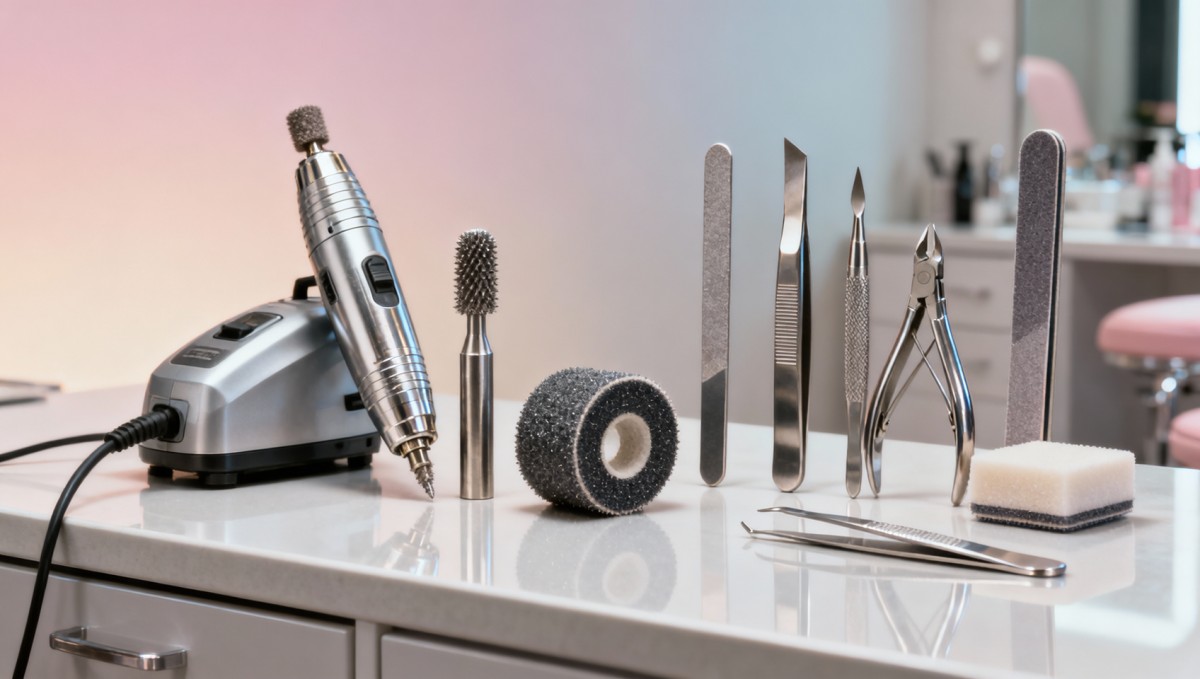
Choosing essential tools for manicures is not only about appearance. It affects timing, finish quality, repeat work, and how smoothly each service moves from prep to polish.
In daily nail care operations, rework usually comes from three issues. The bit is wrong for the task, the abrasive wears too fast, or the tool feels unstable in hand.
When that happens, shaping becomes uneven, gel removal takes longer, and cuticle cleanup needs extra correction. Service time expands even when technique is good.
That is why professional setups focus on dependable performance, not just low unit price. Stable abrasive quality often saves more than it costs.
A practical manicure kit should support accuracy from the first touch. It should also reduce vibration, heat buildup, and premature wear during repeated use.
In this sense, essential tools for manicures are workflow tools. They help shorten treatment steps while keeping results predictable across busy service schedules.
What are the essential tools for manicures in a professional working setup?
People often search for one perfect tool, but efficient manicure work depends on a balanced set. Each item handles a specific stage and prevents mistakes from passing forward.
The core set usually includes the following:
- Nail drill machine with steady speed control
- Different nail drill bits for gel removal, shaping, and cuticle work
- Abrasive bands or files with consistent grit
- Cuticle pusher and nippers for detailed prep
- Buffers for final smoothing
- Dust control and sanitation tools
The mistake is treating all bits and abrasives as interchangeable. In real use, material hardness, surface finish, and balance directly affect comfort and efficiency.
For example, carbide bits are often chosen when gel polish must be removed quickly without dragging across the nail surface. They can improve speed when matched to the correct technique.
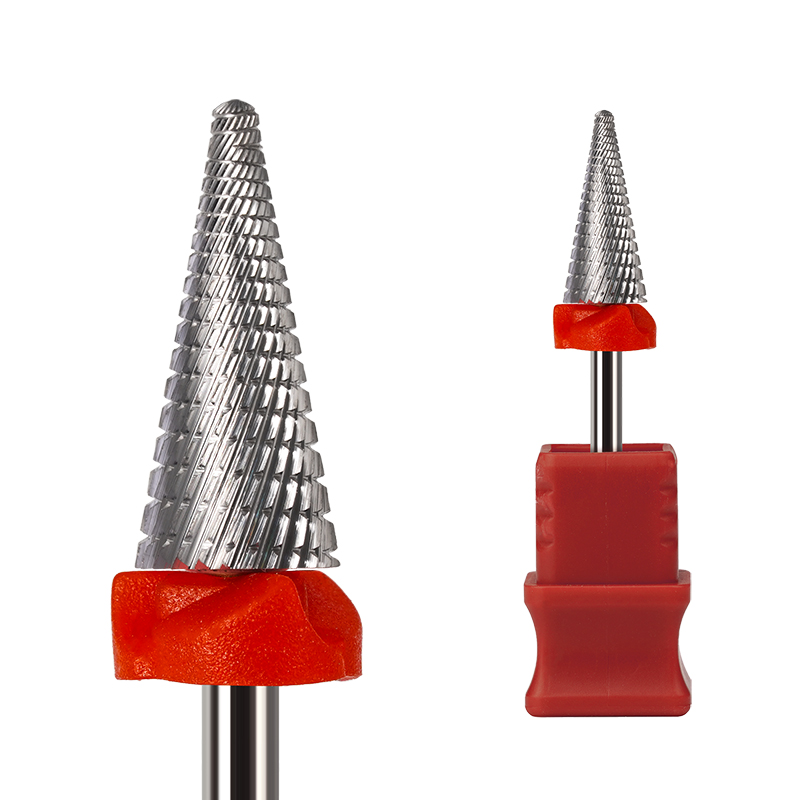
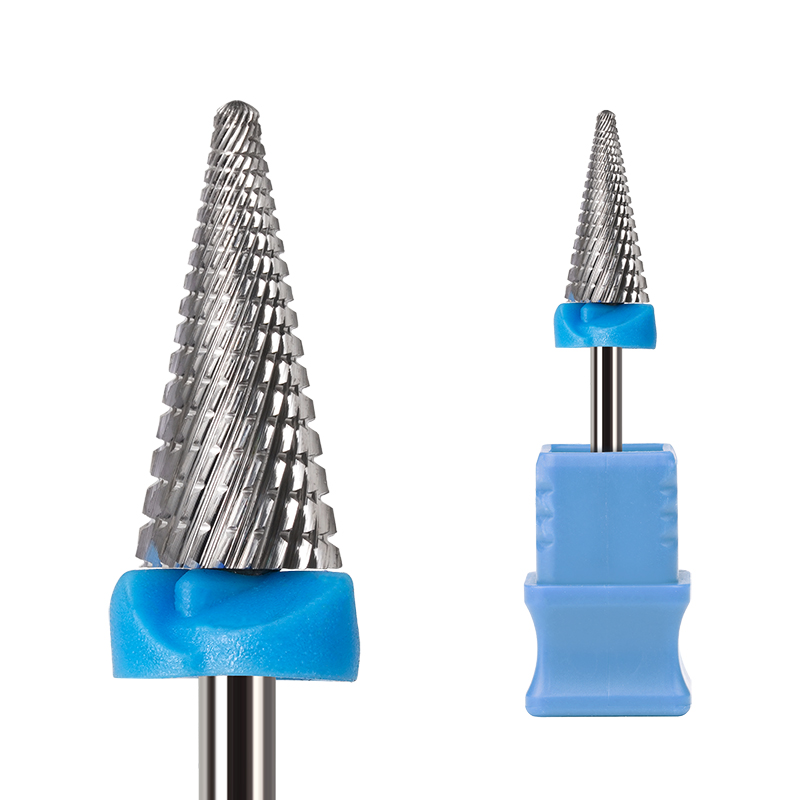
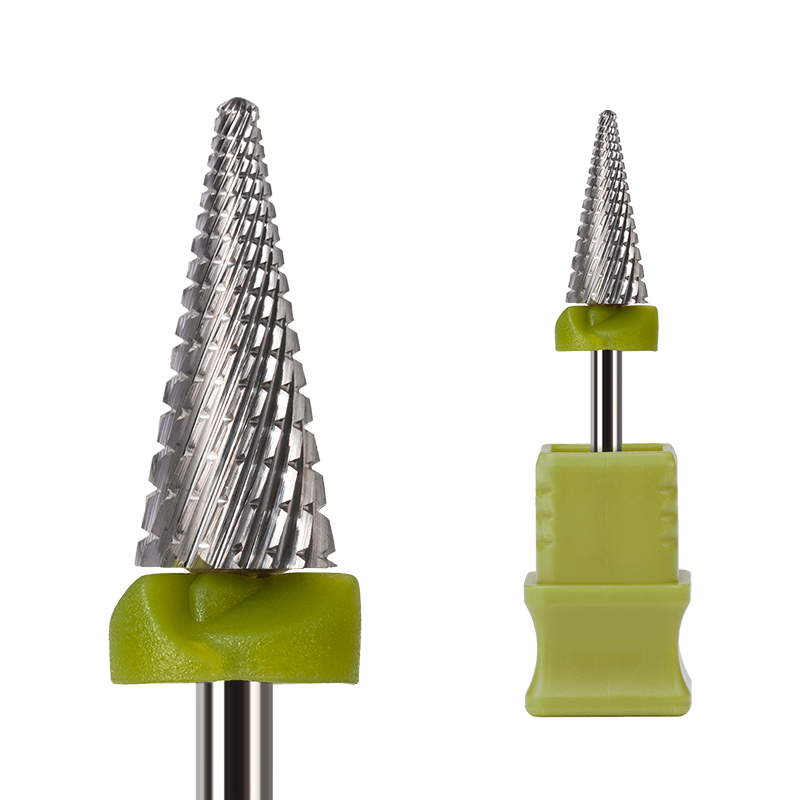
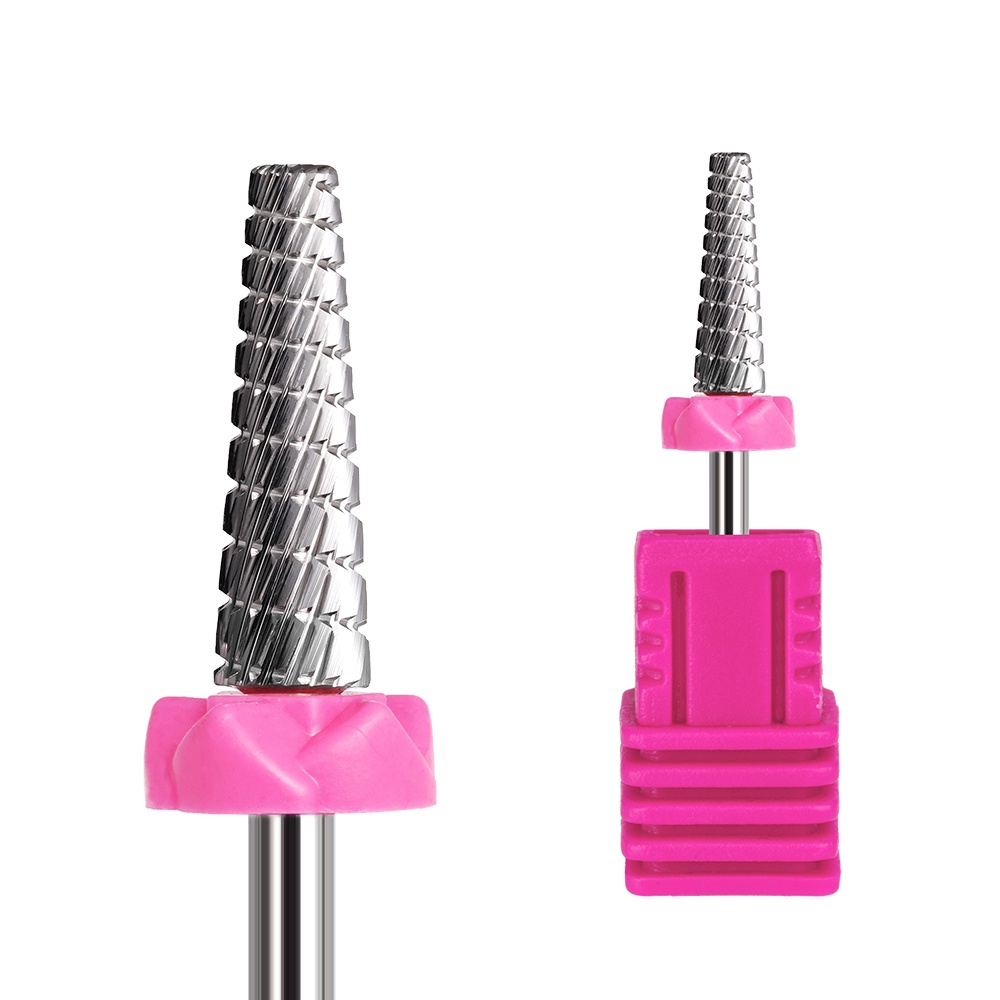
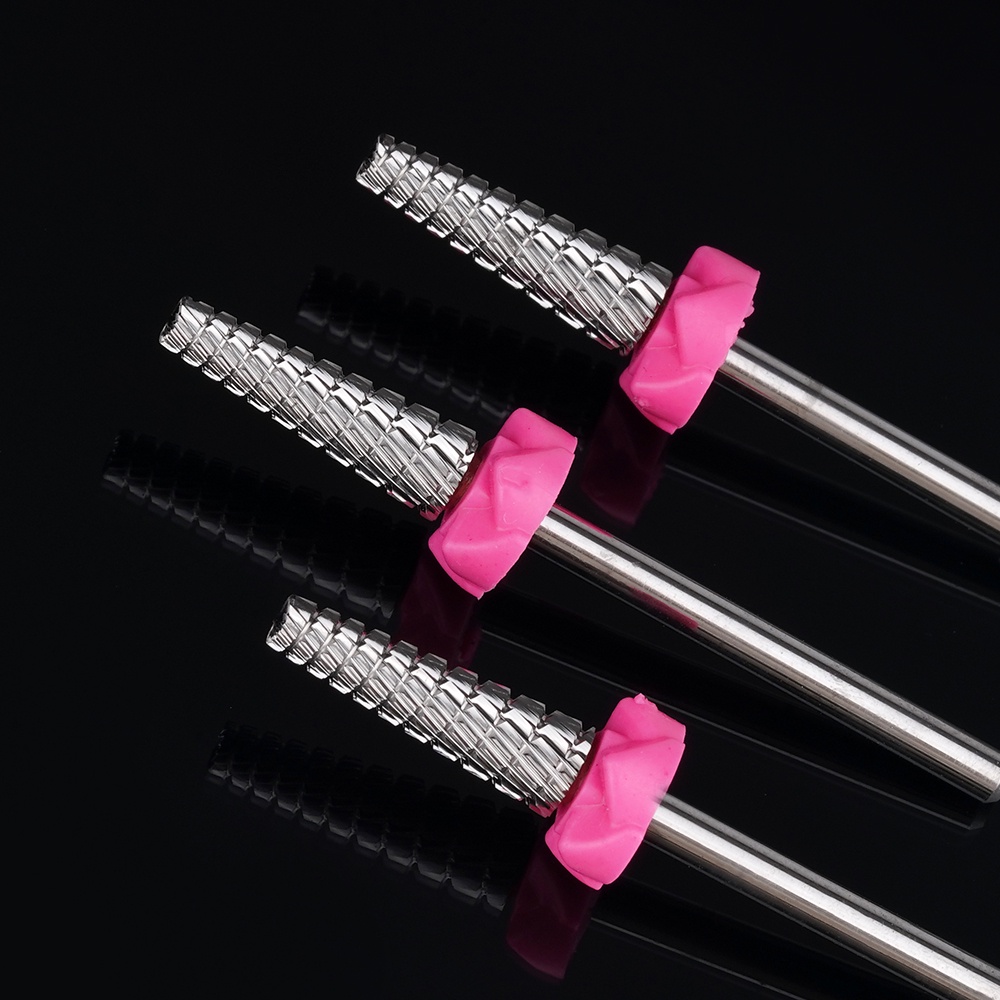
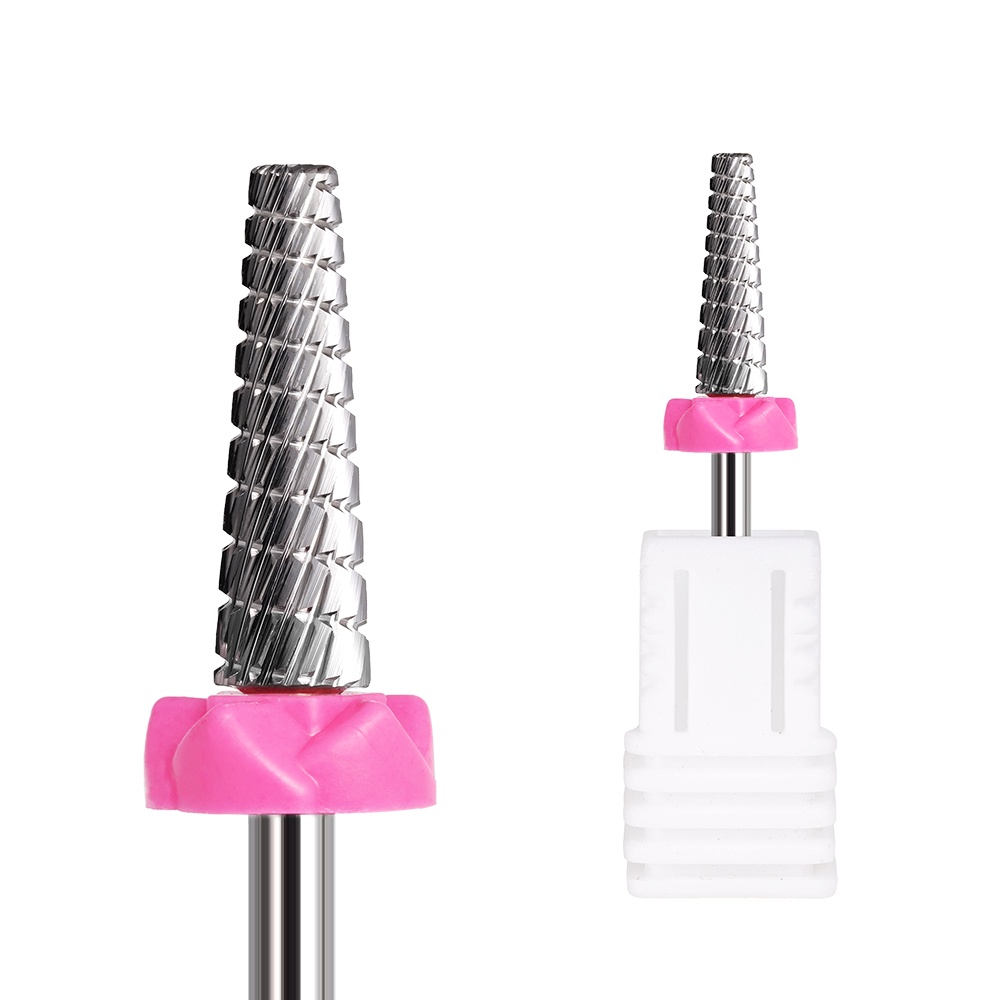
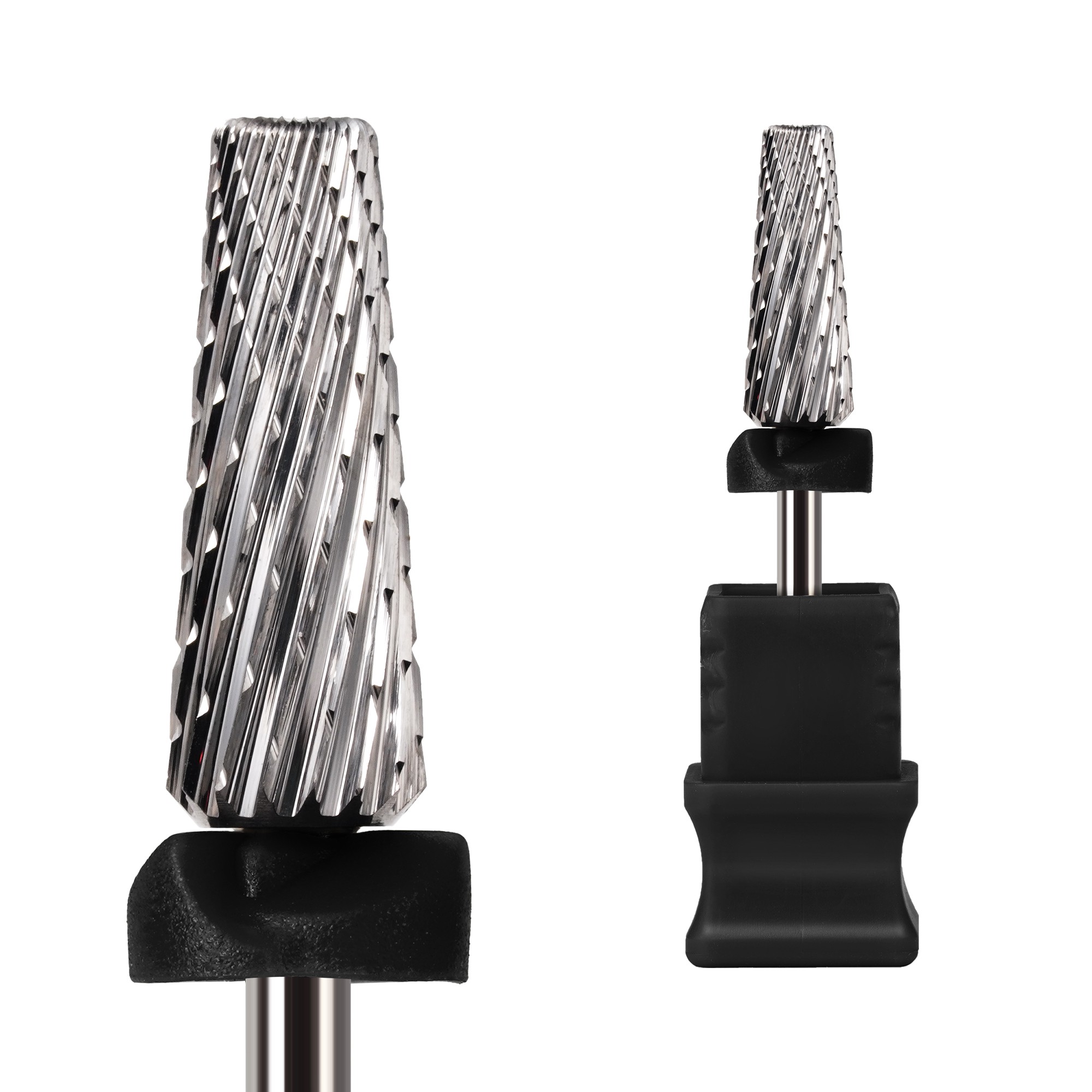
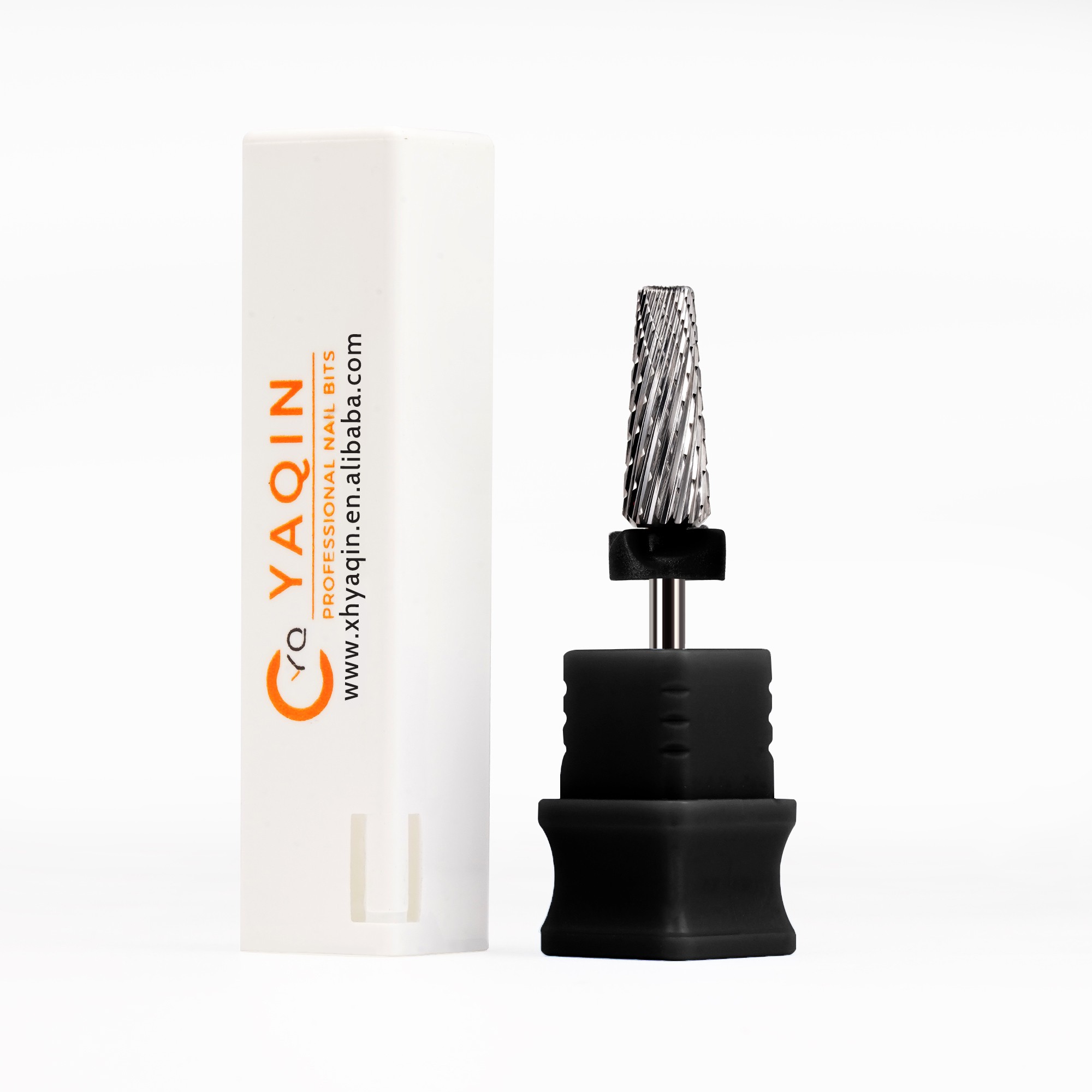
One relevant option is Tungsten Carbide Nail Drill Bits for Safe Removal of UV Gel Polish Electric Manicure Tool. It fits nail care and nail art work where precise filing, dead skin removal, and gel handling matter.
Because tungsten steel and high quality alloy offer high hardness and excellent grinding efficiency, the tool can stay effective longer and support a quieter, steadier grinding process.
How can you tell whether a manicure tool will actually reduce rework?
A useful way to judge essential tools for manicures is to look beyond product labels. The real question is whether the tool keeps results consistent over repeated sessions.
The table below summarizes the signs worth checking before standardizing a tool set.
A simple test is to compare two tools on the same task. Count passes, observe dust pattern, check edge smoothness, and note hand fatigue after several uses.
If a tool feels sharp only in the beginning, it may not be one of the essential tools for manicures that support efficient long-term use.
Which tool differences are most important when comparing files, bands, and drill bits?
This is where many setups lose time. Similar-looking manicure tools can behave very differently once speed, pressure, and service frequency increase.
Files and sanding bands are useful for broad shaping and blending, but they wear faster and may require more frequent replacement. That adds interruption.
Drill bits, especially well-balanced carbide options, are better for targeted removal and detailed contour work. They can reduce hand strain and improve accuracy.
The key differences usually come down to these factors:
- Material durability under repeated friction
- How quickly the tool removes gel or refines shape
- How stable the tool feels near sensitive areas
- Whether the finish remains smooth without extra buffing
In actual applications, one bit should not do every job. A removal bit, prep bit, and finishing abrasive each serve different points in the manicure sequence.
That is why well-organized essential tools for manicures reduce both service time and operator hesitation. The right tool is already assigned to the right step.
What common mistakes make manicure tools slow down the service instead of improving it?
The most common mistake is choosing by price alone. A cheaper abrasive that dulls early can increase replacements, extend service time, and create rougher finishes.
Another issue is overusing one bit for prep, removal, and finishing. It seems convenient, but it often causes heat, uneven pressure, and unnecessary touch-up work.
Maintenance is another overlooked factor. Even high-grade essential tools for manicures lose value if cleaning is inconsistent or storage causes edge damage.
There is also the problem of unstable supply quality. If each batch performs differently, service standards become harder to control.
This is where supplier discipline matters. A strict QC system covering raw materials, processing, and packing helps keep abrasive performance more consistent from batch to batch.
Companies with export experience across multiple markets usually understand this requirement well. Consistency is not a slogan when products must work in the USA, Europe, and beyond.
Wuxi Yaqin Trading Co., Ltd. reflects that approach through abrasive product manufacturing, ISO9001:2000 certification, and one-stop production-to-delivery support with OEM and ODM experience.
How should you evaluate cost, lifespan, and implementation before updating your tool set?
A smarter cost review looks at total use, not only purchase price. One durable bit that performs longer may be more economical than several low-cost replacements.
Start by asking a few practical questions.
- How many services can the tool complete before performance drops?
- Does it shorten gel removal or surface refinement time?
- Will it reduce operator fatigue during back-to-back appointments?
- Can it be cleaned, checked, and replaced without interrupting workflow?
If customization is needed, that should also be part of the decision. Some professional bits offer customizable color and logo, which helps standardization and internal identification.
A useful example is the Tungsten Carbide Nail Drill Bits for Safe Removal of UV Gel Polish Electric Manicure Tool, designed for shaping, smoothing, polishing, and safe gel handling with precise maneuverability.
Implementation works best when one step is tested at a time. Begin with high-frequency procedures, compare time saved, and document whether rework actually falls.
That method turns essential tools for manicures into a measurable improvement rather than a guess based on catalog descriptions.
So, what should be your next move when selecting essential tools for manicures?
The best next step is to map tools to tasks. Separate removal, prep, shaping, and finishing instead of expecting one item to cover every stage.
Then compare tools by control, lifespan, stability, and cleaning ease. Those four points usually reveal whether a product will reduce time or create hidden rework.
It also helps to define a simple evaluation standard for every new batch. Check cutting consistency, feel, wear rate, and finish quality after repeated use.
When essential tools for manicures are chosen this way, workflow becomes easier to manage, quality stays steadier, and cost decisions become more realistic.
If you are reviewing options now, focus on the tasks that create the most delay. That is usually where better abrasives and more precise drill bits deliver the clearest improvement.
News List
- Is It Better to Source All Nail Drill Bits From One Factory?Aug 24, 2026
- How to Spot Fake Diamond Coating on Nail Drill BitsAug 24, 2026
- Are Silicone Nail Drill Bits Reusable After Sterilization?Aug 24, 2026
- Essential tools for manicures that make beginner work more consistentAug 24, 2026
- Which must-have items for nail technicians improve service speed mostAug 24, 2026
- How gel removal bits affect speed and heat during soak-off removalAug 24, 2026
Best-Selling Products
 Cross Cut Safety Stainless Steel Tungsten Carbide Nail Drill Bits Salon Foot Use XF-C Grit for Removing Nails
 First-rate Quality Tungsten Carbide Nail Drill Bits Best Coating Manicure Remove Gel Nails Accessories
 Professional Advanced Safety Cuticle Bits Two-Way Rotate 3/32'' Carbide Tungsten 5 in 1 Nail Drill Bits
 Wholesale 5 in 1 Electric Manicure Nail Drill Bits Various Coating Cone Cuticle Bit with Rotary Cross Cut for Nail Art
 New Slant Tooth Tungsten Steel Nail Drill Bits Dead Skin Removal 5-in-1 Universal Grinding Nail Polish Head Tool Nail Drill Bits
 4.0mm Small 5 in 1 Integrated Sharpe Tungsten Nail Drill Bit Straight Teeth Gel Polish Removal
 Flame Sharp XF F M C XC Silver Safety Professional Corn Tungsten Carbide Nail Bit for Drill Machine Accessories
 Factory Direct 5 in 1 Tungsten Carbide Nail Drill Bits 6.8MM Cross Cut Safety Manicure 5 in 1 Nail Drill Bits
Please give us a message