
Ceramic Nail Drill Bit Cost vs Lifespan in High-Frequency Service
Ceramic Nail Drill Bit Cost vs Lifespan in High-Frequency Service
For finance decision-makers evaluating salon tool budgets, the real question is not just the unit price of a ceramic nail drill bit, but how long it performs under high-frequency service. A lower upfront cost can lead to faster wear, more replacements, and higher operating expense. This article helps you compare cost versus lifespan to make smarter, ROI-focused purchasing decisions.
What Finance Buyers Are Really Measuring in a High-Frequency Salon Environment
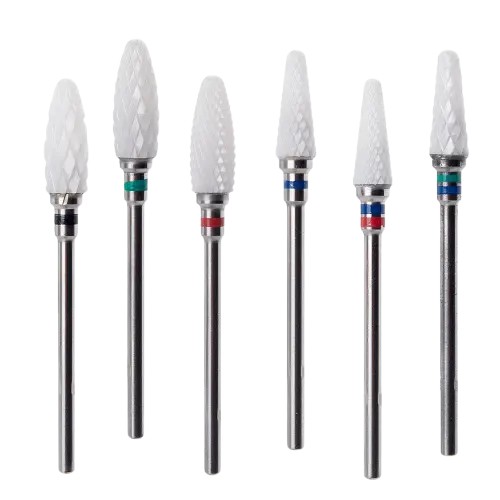
When searching for a ceramic nail drill bit, finance teams usually are not asking which bit is cheapest. They are asking which option lowers total operating cost over time.
In high-frequency service, a bit may be used repeatedly across long technician shifts, multiple service types, and varying operator skill levels. Under these conditions, lifespan becomes a budget issue.
A ceramic nail drill bit that costs less upfront but dulls quickly can trigger more frequent replacements, slower service time, inconsistent removal quality, and extra pressure on procurement cycles.
By contrast, a higher-quality bit with stable cutting performance can support predictable tool planning, reduce emergency reorders, and improve service consistency across busy salon locations.
For a financial approver, the most useful comparison is not price per piece. It is cost per usable service hour, replacement frequency, and the downstream effect on labor efficiency.
Core Search Intent: Cost Versus Lifespan, Not Cost Alone
The core search intent behind this topic is commercial evaluation. Buyers want to understand whether paying more for a ceramic nail drill bit actually reduces total cost in high-volume use.
They also want clarity on what determines lifespan: material quality, grit structure, heat resistance, technician handling, cleaning routine, and the type of product being removed.
This audience is less interested in broad educational content about nail bits in general. They need a practical framework to compare purchasing options with real operating logic.
That means the most valuable content should focus on ROI, service durability, replacement math, maintenance impact, and supplier quality consistency rather than general beauty-tool descriptions.
Why Unit Price Can Be a Misleading Metric
Unit price looks simple on a spreadsheet, but it rarely captures the full economics of salon tools. A low-price bit may appear efficient while actually increasing annual spend.
Imagine two ceramic nail drill bit options. One is cheaper by 20 percent, but lasts only half as long under heavy gel removal work. The lower-priced option is not the lower-cost option.
Now add indirect costs. Frequent replacement means more ordering time, more inventory handling, more interruptions for technicians, and greater risk of using worn tools beyond safe performance limits.
There is also service-speed impact. As bits lose cutting efficiency, technicians often need more passes, more pressure, or more time to complete removal, which reduces daily chair productivity.
For finance teams, this is why price should be normalized against lifespan and application intensity. Cost per week or cost per 100 services is usually more meaningful than cost per piece.
What Drives the Lifespan of a Ceramic Nail Drill Bit
Lifespan is influenced first by manufacturing quality. Ceramic composition, shaping precision, balance, and surface consistency all affect how well the bit maintains performance over repeated use.
Second is service type. Removing soft gel, hard gel, overlays, or bulk product places different levels of stress on the bit. High-frequency salons often demand wider application range and greater durability.
Third is technician technique. Excessive pressure, poor angle control, or running at unsuitable speed can shorten usable life, even when the ceramic nail drill bit itself is well made.
Fourth is maintenance discipline. Proper cleaning, drying, and sterilization procedures matter. Build-up residue can reduce cutting efficiency, while poor handling can chip or damage the bit structure.
Finally, machine compatibility matters. A bit used in a stable, well-maintained handpiece typically performs more consistently than one used in a poorly balanced or aging drill system.
How Finance Teams Should Calculate True Cost Per Use
The best way to evaluate a ceramic nail drill bit is to convert purchasing data into usage economics. This allows direct comparison between suppliers, materials, and product grades.
Start with unit purchase price. Then estimate average lifespan in service hours or number of removal sessions under your salon’s real operating conditions, not ideal test conditions.
Next, divide the total price by total usable service count. If one bit costs 30 percent more but lasts 70 percent longer, it usually offers stronger financial efficiency.
You should also include hidden operational costs. These may include technician slowdown, inconsistent finish quality, added hand fatigue, product redo risk, and more frequent replacement administration.
A useful internal metric is total annual tool spend per technician. This helps reveal whether a higher-quality ceramic nail drill bit reduces overall annual expense despite a higher catalog price.
Risk Factors That Turn a “Cheap” Purchase Into an Expensive One
Low-cost bits often carry hidden risk in quality consistency. If dimensions, sharpness, or balance vary from batch to batch, salons face uneven performance and difficult usage forecasting.
That inconsistency creates budget instability. One batch may perform well, while the next requires premature replacement. For financial planning, inconsistent quality can be harder to manage than a higher stable price.
There is also safety and reputation exposure. A worn or poorly made bit can increase heat, vibration, or rough removal, affecting client comfort and potentially increasing complaint rates.
In multi-location purchasing, these small problems scale quickly. Even minor reductions in bit life or service speed become meaningful when multiplied across many technicians and weeks of operation.
This is why supplier QC, production controls, and material consistency deserve attention during sourcing. Reliable quality often produces better financial outcomes than chasing the lowest visible quote.
When Ceramic Makes Sense, and When Another Material May Deliver Better ROI
Ceramic bits are often selected for smoother operation, lower heat feel, and comfort during product removal. In many salons, they perform well for routine gel work and regular high-turnover services.
However, finance buyers should not assume one material fits every workload. For demanding removal tasks or very tough surfaces, another bit material may offer better long-term economics.
For example, some salons combine ceramic for comfort-focused tasks and tungsten carbide for aggressive or high-volume removal. This mixed-tool strategy can improve both service efficiency and tool lifespan.
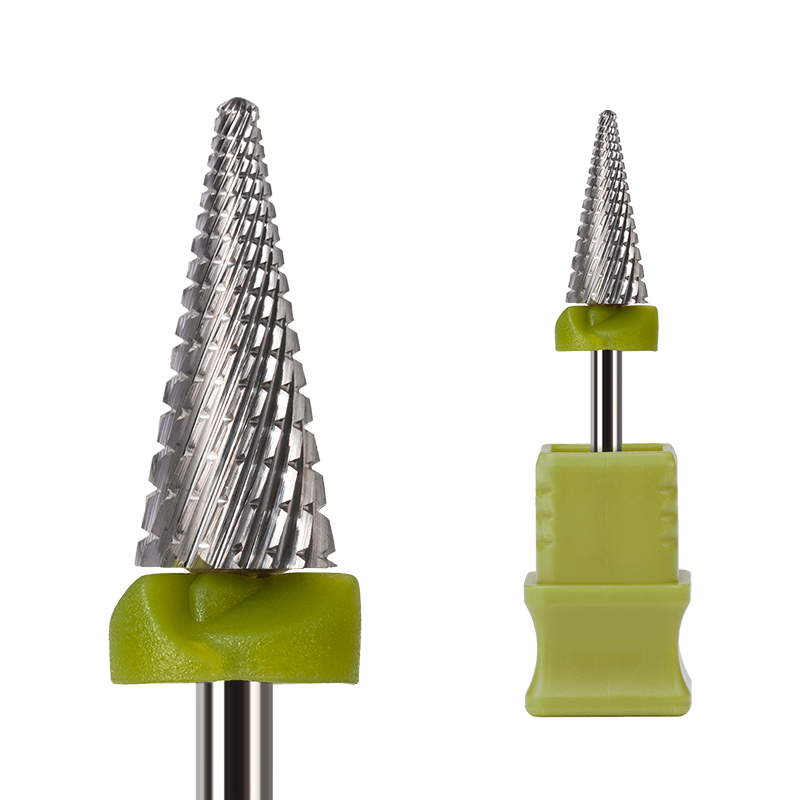
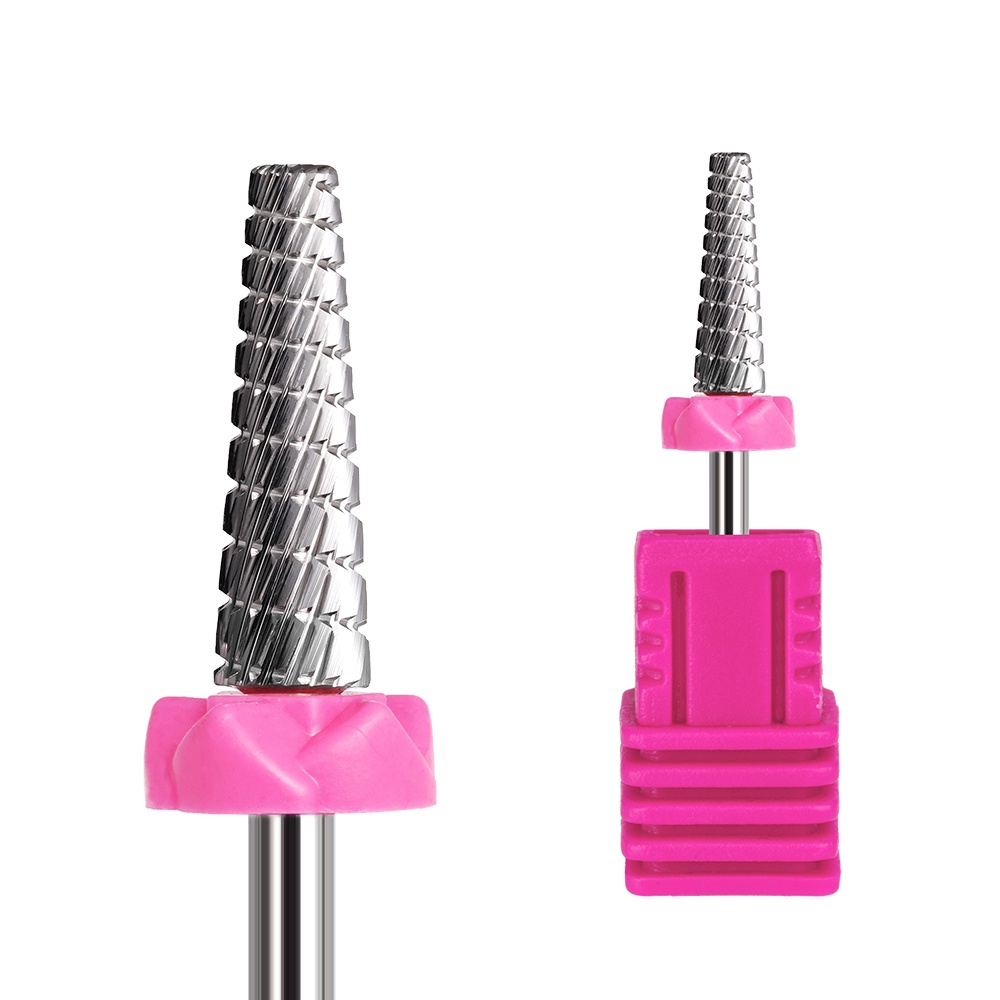
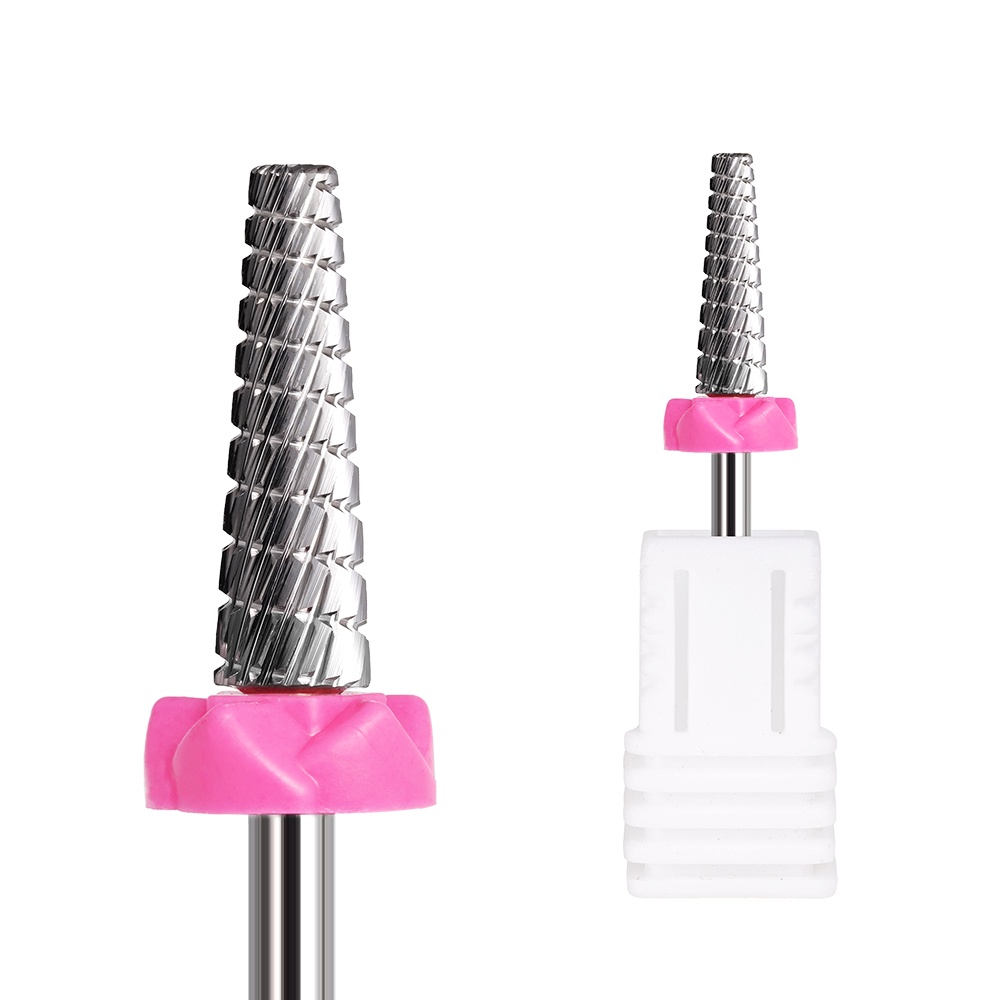
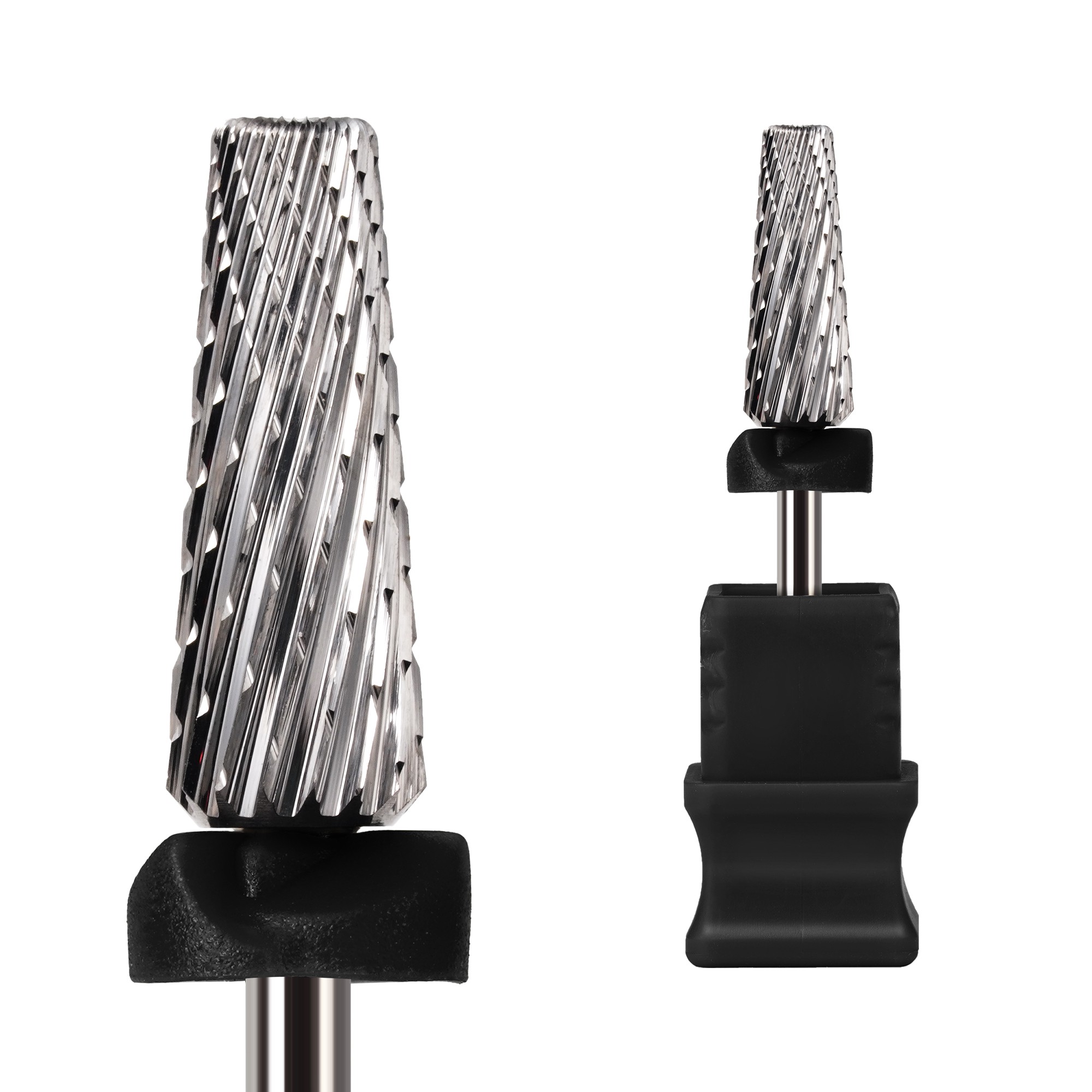
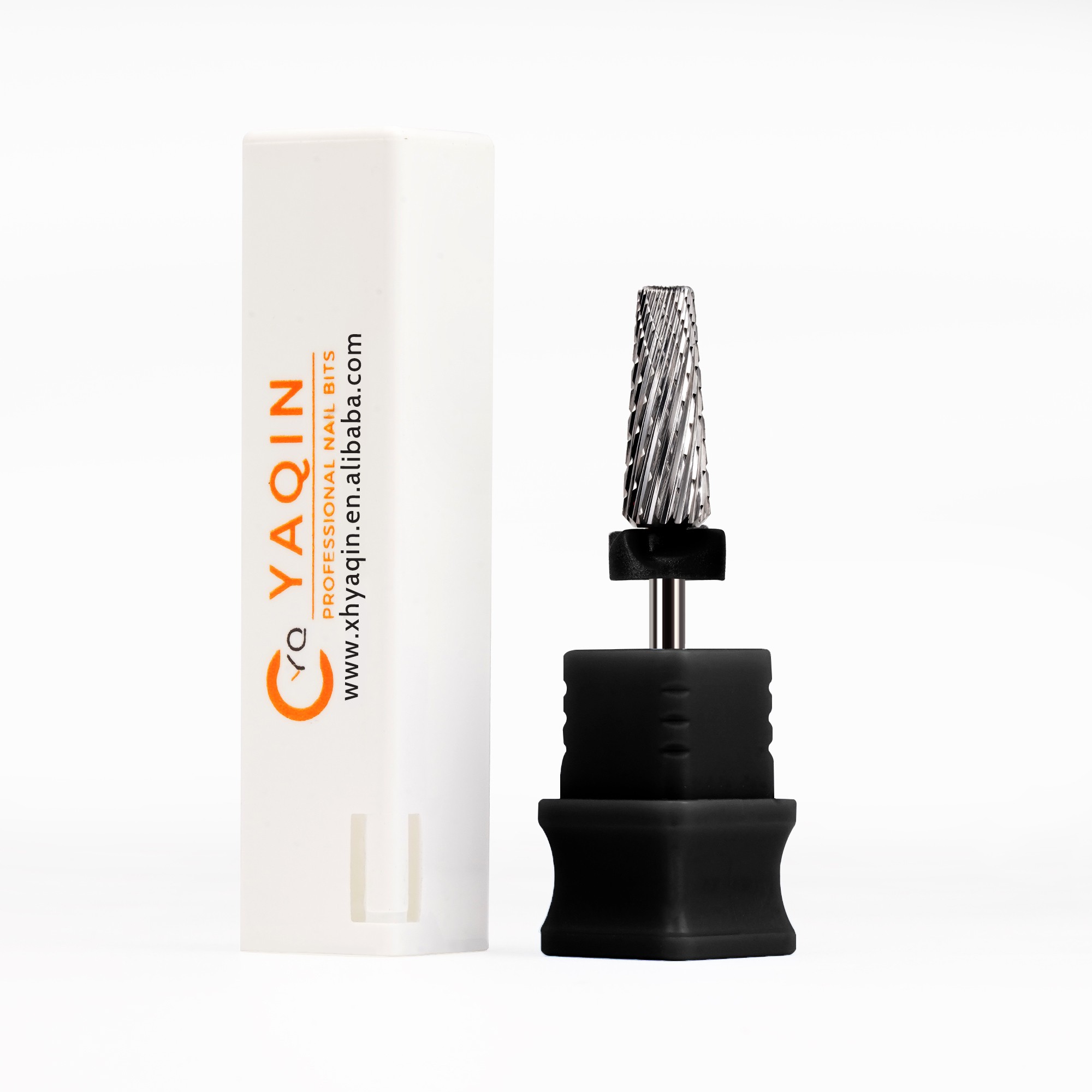
One example is the 4.0mm Small 5 in 1 Integrated Sharpe Tungsten Nail Drill Bit Straight Teeth Gel Polish Removal, designed for precision grinding, gel removal, consistent dust ejection, and durable use.
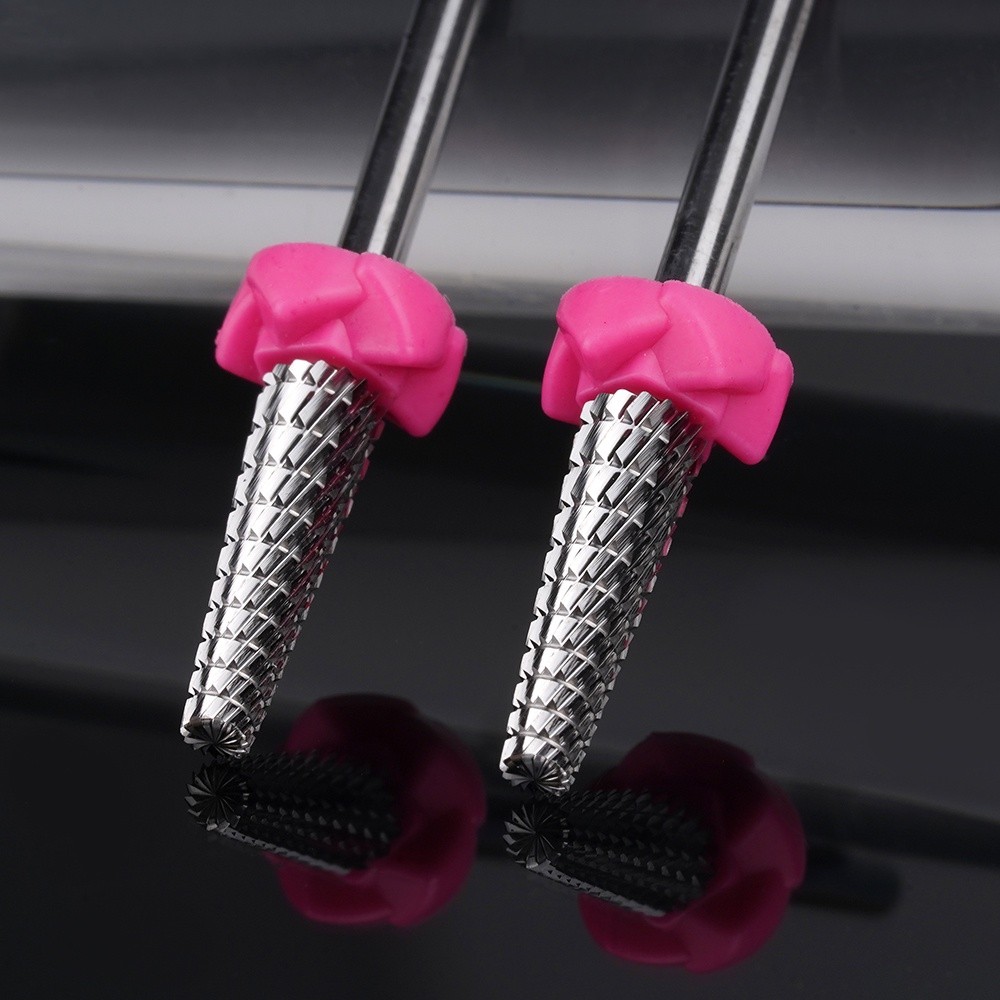
Its tungsten steel and tungsten carbide construction reflects a practical sourcing principle: choose material based on workload, not only product category. The right allocation can reduce overuse of any single bit type.
Questions Finance Approvers Should Ask Before Signing a Purchase Order
First, ask for expected lifespan under high-frequency professional use, not just product description language. Usage claims should relate to actual salon conditions and service intensity.
Second, ask whether quality is consistent across batches. If you reorder the same ceramic nail drill bit after three months, will the performance be materially the same?
Third, request information on cleaning tolerance, sterilization compatibility, and breakage rates. A bit that performs well but fails under normal maintenance may create avoidable replacement cost.
Fourth, ask whether the supplier supports OEM or repeat-spec procurement. For growing salon groups, standardization helps forecasting, training, and inventory efficiency.
Fifth, evaluate supplier credibility. Companies with structured QC systems, export experience, and process discipline are generally better positioned to deliver repeatable purchasing value.
How Supplier Capability Affects Long-Term Tool Cost
For professional buyers, product performance and supplier capability are linked. A durable ceramic nail drill bit is only valuable if future orders maintain the same standard.
Wuxi Yaqin Trading Co., Ltd. operates as a trading factory focused on high-quality abrasive products with export coverage across major markets including the USA, Canada, Germany, the UK, and Italy.
The company’s strict QC system spans raw material purchasing, production process control, and product packing, which matters for buyers seeking reliable repeat orders rather than one-time low-price deals.
Its ISO9001:2000 quality management certification and OEM/ODM experience are also relevant for financial decision-makers who need scalable procurement, specification consistency, and delivery coordination.
From a cost-control standpoint, supplier discipline can reduce the risk of quality drift, surprise replacement cycles, and procurement inefficiencies that often erode the value of a low initial quote.
A Practical Buying Framework for High-Frequency Service Operations
If your salon or distribution business runs high service volume, begin by segmenting usage. Separate routine gel removal, heavy removal, finishing work, and sensitive-surface tasks.
Then match each usage segment with the most appropriate bit material and grade. This avoids forcing one ceramic nail drill bit to do work better handled by a more durable alternative.
Track three simple metrics over sixty to ninety days: average lifespan, service-speed consistency, and replacement frequency. These numbers will often reveal the best value more clearly than supplier pricing alone.
Also compare technician feedback with financial data. If a slightly higher-cost bit reduces pressure, improves handling, and shortens service time, the productivity gain may justify the premium.
Finally, standardize winning SKUs and approved suppliers. Controlled purchasing reduces inventory confusion, improves forecasting accuracy, and supports better cost management at scale.
Conclusion: The Better Purchase Is the Bit That Lowers Total Operating Cost
For finance decision-makers, the right question is not whether a ceramic nail drill bit is cheap. The right question is whether it delivers stable performance long enough to lower total cost.
In high-frequency service, lifespan directly affects replacement rate, technician efficiency, and annual tool spend. That makes durability and consistency central to smart approval decisions.
Use a total-cost lens: evaluate price, lifespan, maintenance tolerance, workload fit, and supplier reliability together. This approach will produce better ROI than choosing by unit cost alone.
When you compare tools through cost per use instead of purchase price, your sourcing decisions become clearer, more defensible, and more aligned with long-term salon profitability.
News List
- Is It Better to Source All Nail Drill Bits From One Factory?Aug 24, 2026
- How to Spot Fake Diamond Coating on Nail Drill BitsAug 24, 2026
- Are Silicone Nail Drill Bits Reusable After Sterilization?Aug 24, 2026
- Essential tools for manicures that make beginner work more consistentAug 24, 2026
- Which must-have items for nail technicians improve service speed mostAug 24, 2026
- How gel removal bits affect speed and heat during soak-off removalAug 24, 2026
Best-Selling Products
 Cross Cut Safety Stainless Steel Tungsten Carbide Nail Drill Bits Salon Foot Use XF-C Grit for Removing Nails
 First-rate Quality Tungsten Carbide Nail Drill Bits Best Coating Manicure Remove Gel Nails Accessories
 Professional Advanced Safety Cuticle Bits Two-Way Rotate 3/32'' Carbide Tungsten 5 in 1 Nail Drill Bits
 Wholesale 5 in 1 Electric Manicure Nail Drill Bits Various Coating Cone Cuticle Bit with Rotary Cross Cut for Nail Art
 New Slant Tooth Tungsten Steel Nail Drill Bits Dead Skin Removal 5-in-1 Universal Grinding Nail Polish Head Tool Nail Drill Bits
 4.0mm Small 5 in 1 Integrated Sharpe Tungsten Nail Drill Bit Straight Teeth Gel Polish Removal
 Flame Sharp XF F M C XC Silver Safety Professional Corn Tungsten Carbide Nail Bit for Drill Machine Accessories
 Factory Direct 5 in 1 Tungsten Carbide Nail Drill Bits 6.8MM Cross Cut Safety Manicure 5 in 1 Nail Drill Bits
Please give us a message