
Wholesale Nail Drill Bits Buying Guide: How to Compare Cost, Material, and Grit
Wholesale Nail Drill Bits Buying Guide: How to Compare Cost, Material, and Grit
Wholesale Nail Drill Bits Buying Guide: How to Compare Cost, Material, and Grit
Choosing the right wholesale nail drill bits can directly affect product performance, customer satisfaction, and your overall sourcing cost. For buyers, it is not enough to compare prices alone. Material quality, grit range, durability, consistency, and supplier control all shape the real cost of a bulk order. If you source for salons, distributors, private label programs, or cross-border e-commerce, this is the part that usually separates a good purchase from an expensive correction later.
When people search for wholesale nail drill bits, they often start with unit price. That is understandable, but it is rarely the best first filter. A low quote can hide fast wear, unstable shank tolerance, uneven cutting teeth, poor plating, or packing issues that only show up after the goods reach your warehouse. Buyers who have handled repeat orders usually check performance and consistency before negotiating the last few cents.
Start with the end use, not the catalog photo
A bit that works well for aggressive acrylic removal may be the wrong choice for gentle prep work or close-cuticle detailing. Before you compare suppliers, write down where the bit will actually be used:
- Product line for beginner users or professional nail technicians
- Main material to be removed: gel polish, acrylic, hard gel, dead skin, or surface refining
- Target market preference, especially USA and EU salon channels
- Single universal bit strategy or a full grit and shape assortment
This sounds basic, but it prevents a common buying mistake: choosing a bit because the shape looks popular, then discovering the cut pattern is too aggressive for your end customer. In nail tools, returns and complaints are often about feel, heat, vibration, or control, not just appearance.
Compare material the practical way
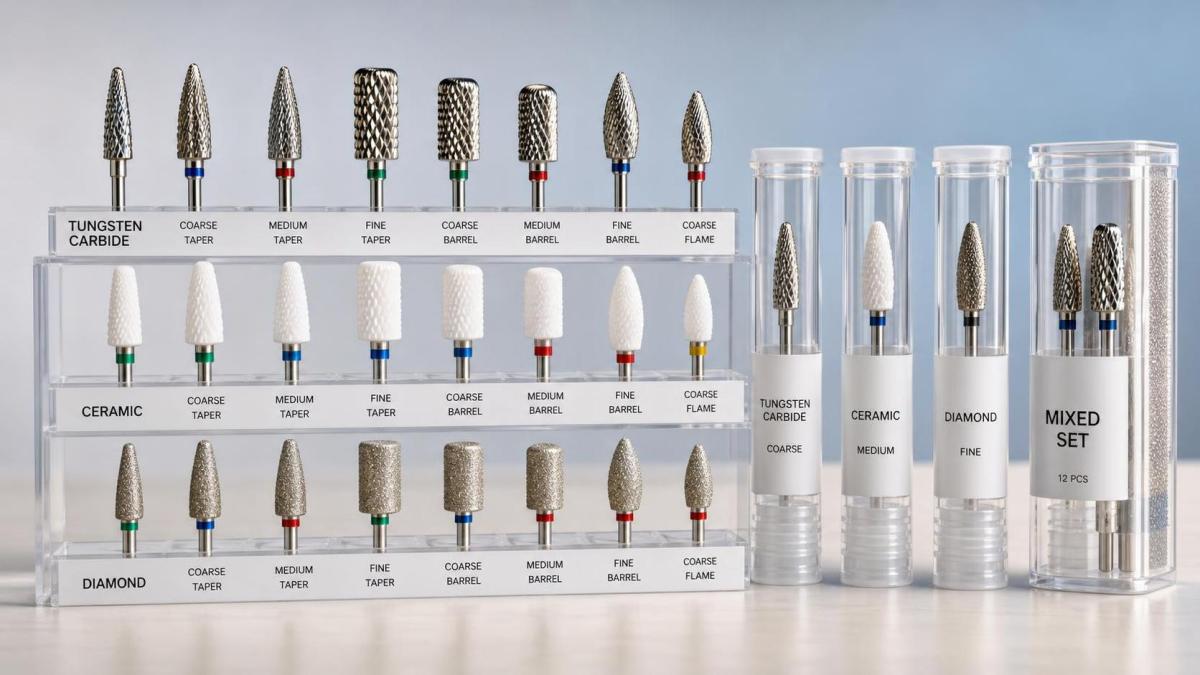
For sourcing decisions, material is where cost and lifespan meet. Ceramic, carbide, diamond-coated, and sanding-band-related items all sit in different price and usage ranges. If your order is focused on removal efficiency and long service life, carbide usually enters the conversation early. But even then, “carbide” on a quotation sheet is not enough information.
Ask what the supplier is actually offering. Is it tungsten carbide construction, or is carbide only part of the description? How stable is the cutting geometry from batch to batch? Does the bit run smoothly at working speed, or does it create noticeable vibration? A bit may look acceptable in photos and still perform poorly in use if concentricity is inconsistent.
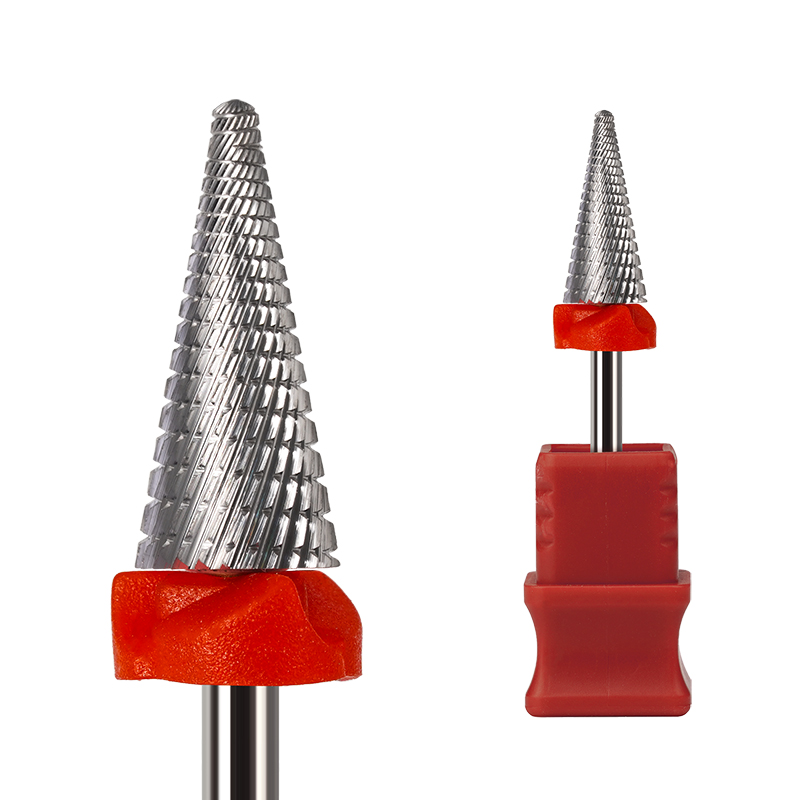
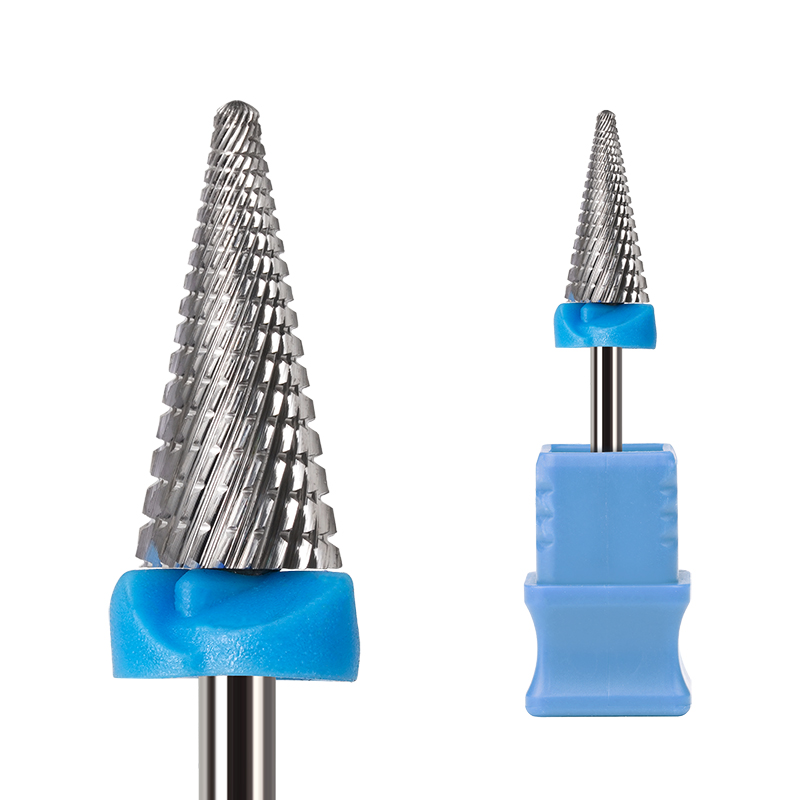
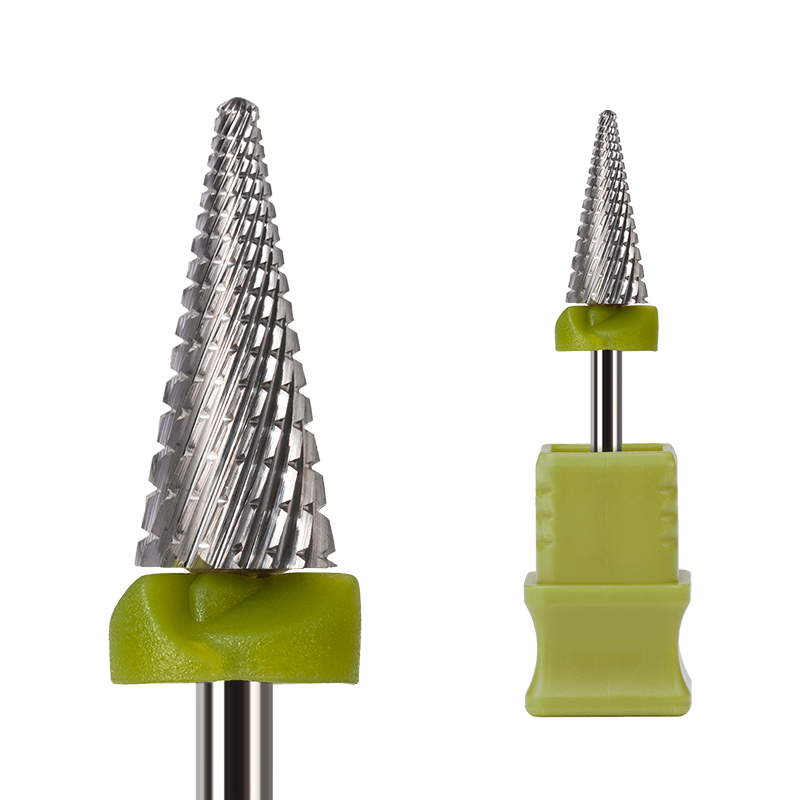
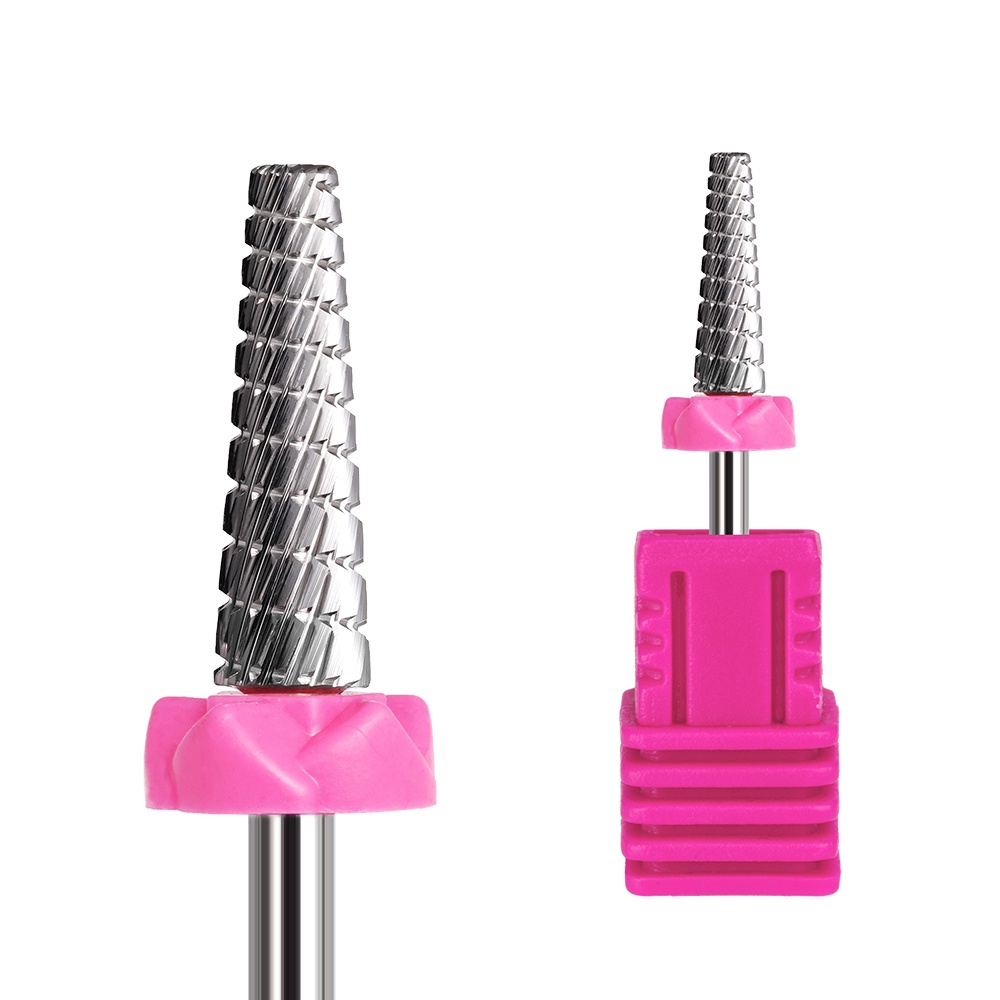
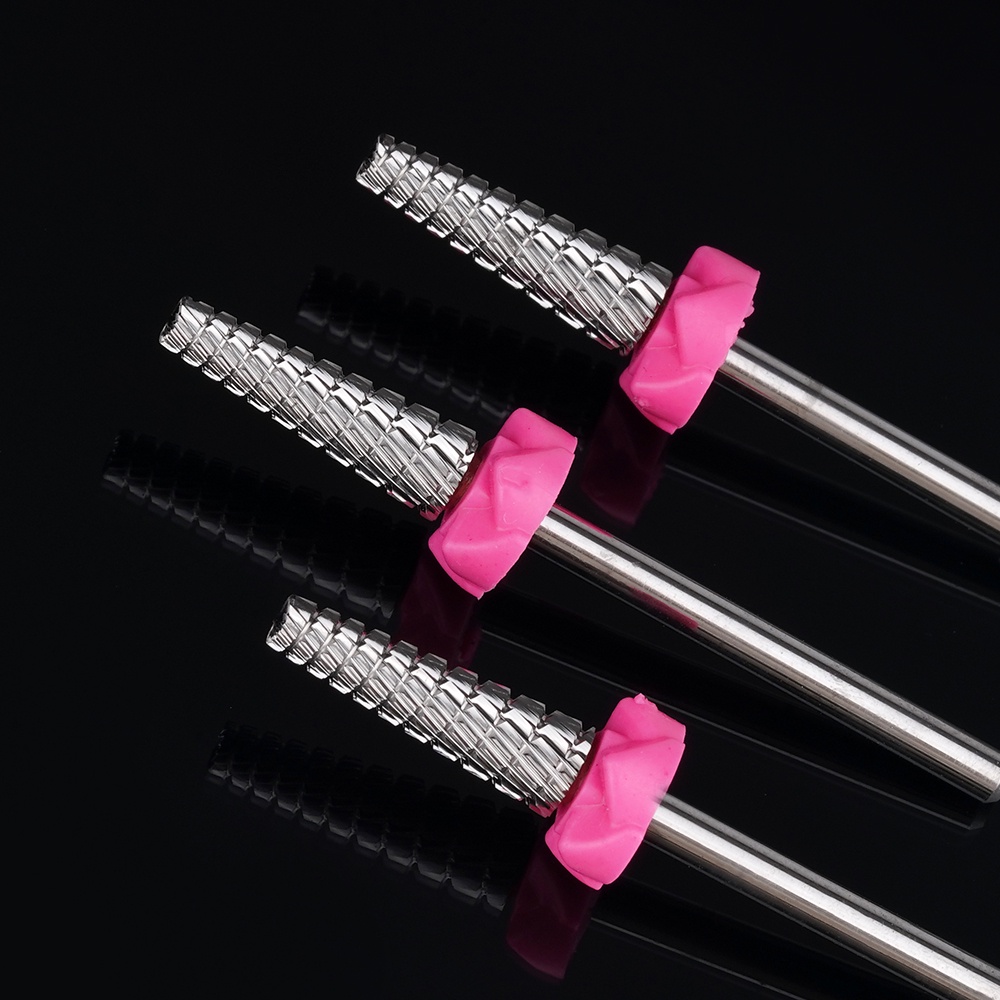
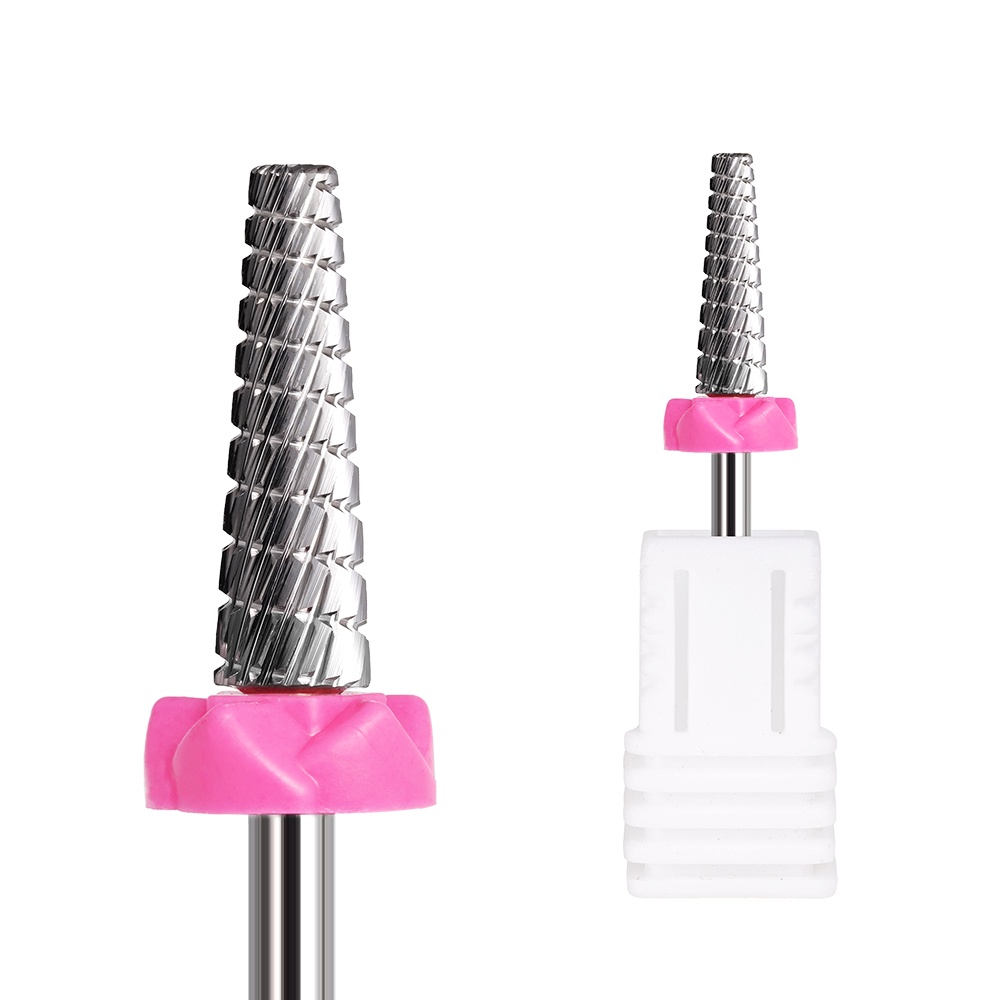
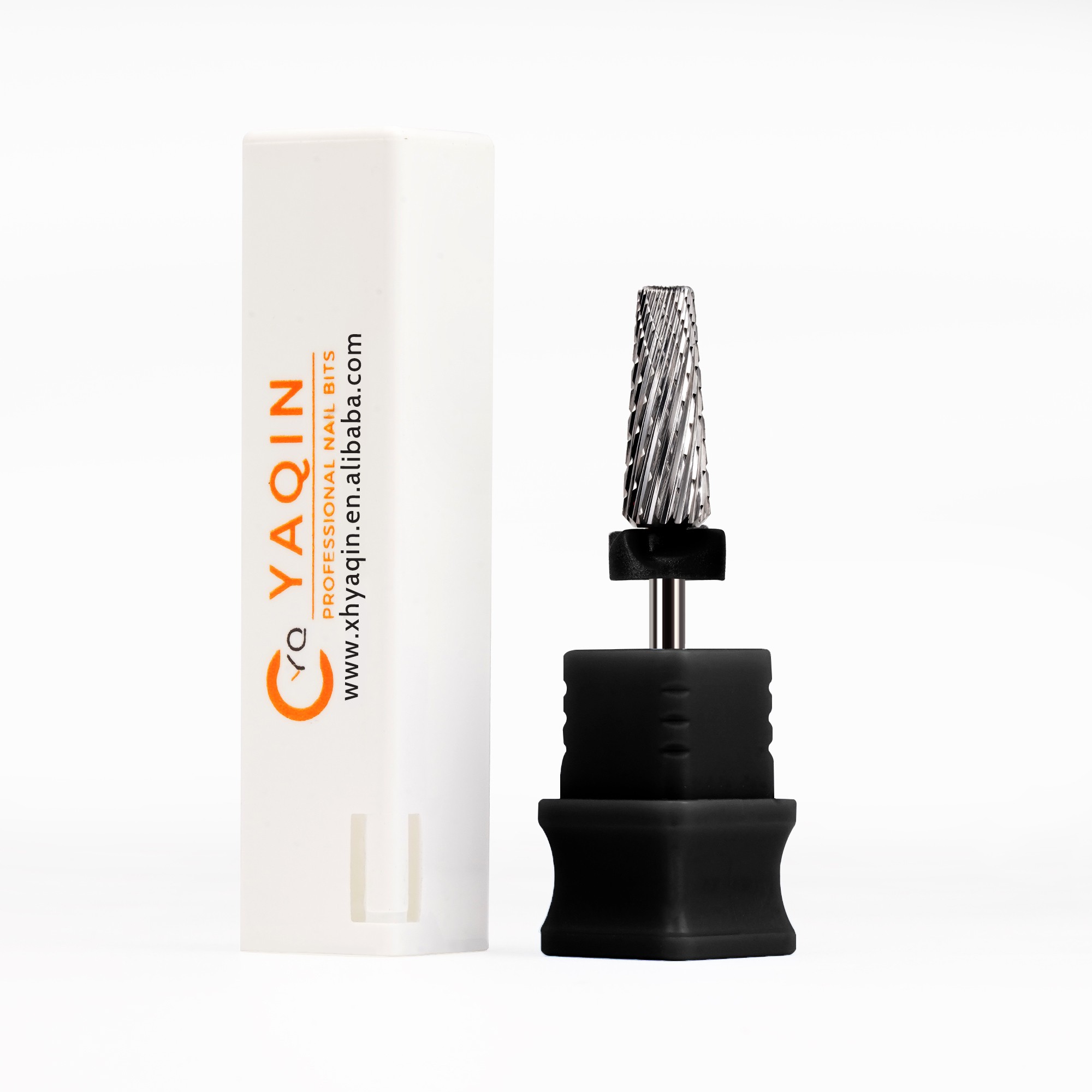
One example in this category is Upgrade Tapered Bit Tungsten Carbide Nail Drill Bit Quick Remove Nail Acrylic, which highlights tungsten carbide, tapered geometry, and fish scale teeth design. From a buyer’s point of view, features like high hardness, directional chip ejection, and rounded tooth edges are worth checking because they relate directly to removal speed, surface control, and user comfort. The useful question is not whether the feature list sounds good, but whether sample performance matches it.
Grit is not a small detail
Buyers sometimes reduce grit selection to “coarse sells faster.” That can work for certain channels, but it is a narrow view. Grit affects removal speed, finish quality, heat generation, and how much pressure the technician needs to apply. It also changes the risk profile of the tool.
If your customers are professional salons, they often want options across fine, medium, and coarse because one grit does not fit every service. If your channel is retail or beginner-friendly kits, over-aggressive options may create more complaints than repeat orders. You do not need to overbuild the assortment, but you do need a clear logic behind it.
If the supplier uses its own internal grit naming, ask for physical samples instead of relying on labels alone. “Medium” from one factory may feel closer to “coarse” from another. There is no shortcut here.
Look closely at shape, tooth design, and actual control
For purchasing teams, shape decisions are often treated like merchandising. In reality, they are performance decisions. Barrel, cone, tapered cone, flame, under-nail, and safety bits all solve different handling problems. A tapered head can be a smart option when you need more detailed access or a better match to curved working areas, but only if the cut remains predictable.
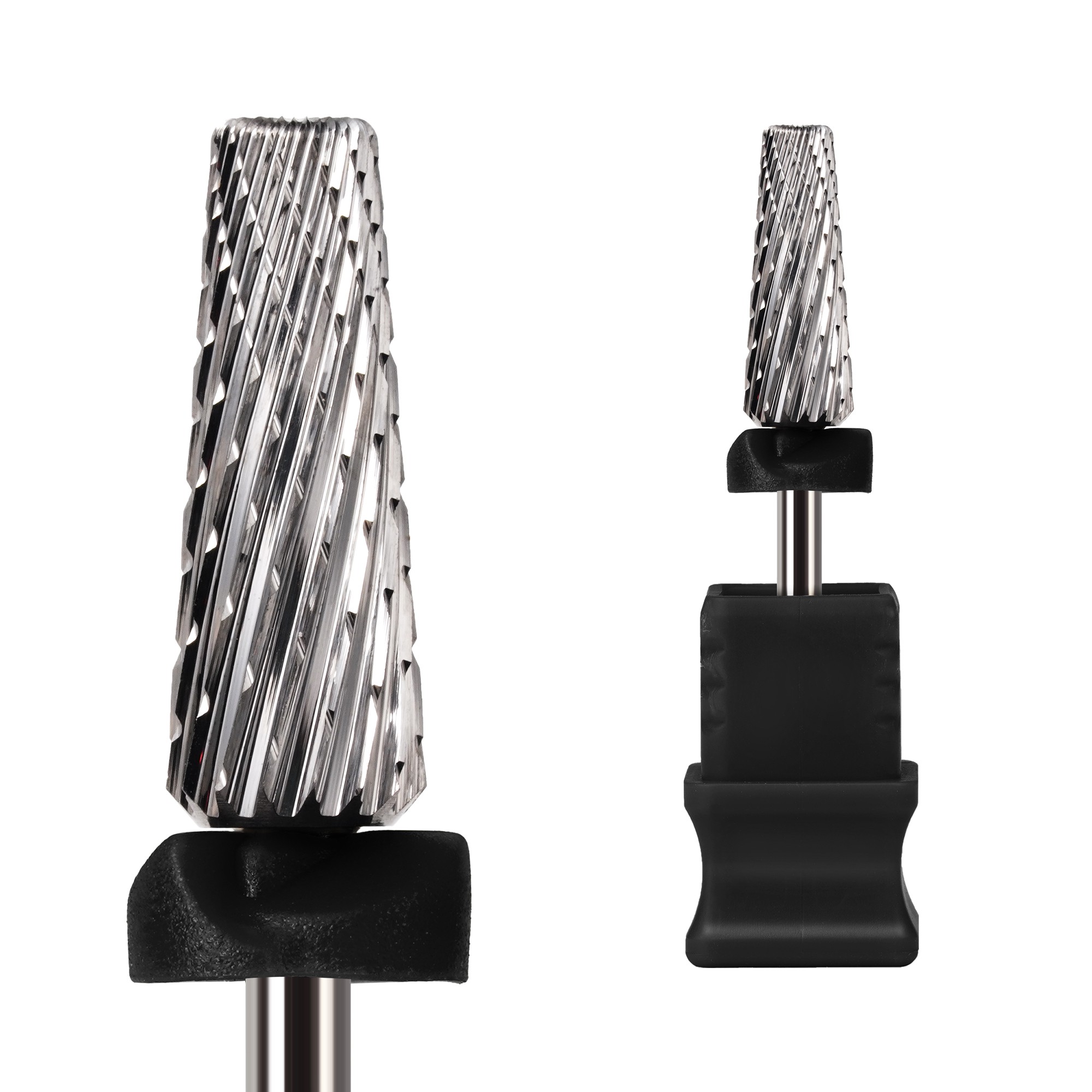
Pay attention to tooth sharpness and tooth consistency. Uneven teeth may remove product fast at the beginning and then leave chatter marks or instability. Fish scale and large-tooth styles can improve chip removal and cutting speed, but buyers should still check whether the finish is too rough for the intended user. “Fast” is useful only when it stays controllable.
If you are comparing a detailed-work bit such as Upgrade Tapered Bit Tungsten Carbide Nail Drill Bit Quick Remove Nail Acrylic against a more standard barrel format, use the same test material and the same operator. Otherwise the comparison will tell you very little.
Check the hidden cost drivers
The landed cost of wholesale nail drill bits is rarely just unit price plus freight. These are the cost points buyers usually miss:
- Short lifespan that forces early replenishment
- High defect rate in shank size or runout
- Weak packaging that causes transit damage or mixed SKUs
- Unclear grit marking, which creates warehouse and customer service friction
- Slow sample revision cycles for OEM or ODM programs
A buyer who saves a little on piece price but loses time on claims, relabeling, or unstable reorders has not really saved anything. This is why supplier process control matters. Wuxi Yaqin Trading Co., Ltd. positions itself as a trading factory with a strict QC system covering raw material purchasing, production process, and packing, along with ISO9001:2000 certification and OEM/ODM experience. Those points are relevant for procurement, but they should still be matched against sample consistency, inspection records, and communication quality in your own buying process.
Ask for samples in a way that tells you something useful
A sample request is not just a formality. It is where many sourcing decisions become clear. Avoid requesting one piece of each style with no test standard. That usually leads to subjective feedback and weak comparison.
- Test at least two or three comparable shapes from different suppliers.
- Use the same e-file handpiece and similar working speed.
- Have an experienced technician evaluate vibration, heat, cut smoothness, and control.
- Record how quickly the bit removes material and how the surface looks after use.
- Recheck the bit after repeated use and cleaning for wear or edge degradation.
This process takes more effort, but it gives a purchasing team evidence instead of preference. If your final order will be large, that extra week of testing is usually cheaper than one problematic container or one failed platform launch.
Do not skip packaging and labeling review
For distributors and brand owners, packaging is part of the sourcing decision, not an afterthought. Individual tube, blister, pouch, or bulk tray formats all affect handling cost. So does outer carton discipline. Mixed lots, weak barcode placement, or missing grit identification create avoidable warehouse errors.
If you are buying for OEM/ODM, ask early about logo application, color ring options, insert cards, and carton marking. Also confirm whether artwork approval affects lead time. Buyers often focus on the product body and only later realize the real delay is in packaging execution.
Market differences are real
What moves well in one market may not be the best fit in another. The USA salon market may accept stronger removal-focused assortments in some channels, while parts of Europe may lean more conservative on user feel, finish, or packaging expectations. This is not a universal rule, and it should be treated as channel-specific rather than absolute. If you sell into multiple regions, verify preferences with your own sales feedback instead of assuming one best-selling setup works everywhere.
Also be careful with compliance assumptions. Certification, labeling, and import requirements can vary by market and product category, and some details may need separate review【待核实】 depending on destination and sales model. If a supplier mentions standards or test claims, ask for the supporting documents before you build those points into your product listing or purchasing approval.
A short checklist before you place the order
- The selected material matches the actual service application.
- Grit naming has been verified by sample, not just by catalog wording.
- Shape and tooth pattern have been tested by a capable operator.
- Unit cost has been compared together with expected lifespan and defect risk.
- Packaging, labeling, and carton details are approved in writing.
- QC method, inspection point, and replacement handling are clear before deposit.
- OEM/ODM timing has been confirmed if branding is involved.
The best wholesale nail drill bits purchase is usually the one that arrives exactly as tested, runs consistently in real salon use, and does not create extra work for your warehouse or customer service team. Price matters. It just matters in context. When buyers compare material, grit, shape, and supplier control together, the final decision tends to hold up much better over repeat orders.
News List
- Preventing Gouges and Uneven Filing With Small Barrel Nail Drill BitsSep 20, 2026
- How Diameter and Grit Affect Small Barrel Nail Drill Bit PerformanceSep 20, 2026
- Can Hytos Nail Drill Bits Be Used Safely on Natural Nails and Gel Polish?Sep 20, 2026
- How to Verify Fit Between Hytos Nail Drill Bits and an E-File HandpieceSep 20, 2026
- Safe Speed Settings for Umbrella Nail Drill Bits Around the Nail FoldSep 20, 2026
- Umbrella vs Flame Nail Drill Bits: Which Shape Offers Better Cuticle Control?Sep 20, 2026
Best-Selling Products
 Cross Cut Safety Stainless Steel Tungsten Carbide Nail Drill Bits Salon Foot Use XF-C Grit for Removing Nails
 First-rate Quality Tungsten Carbide Nail Drill Bits Best Coating Manicure Remove Gel Nails Accessories
 Professional Advanced Safety Cuticle Bits Two-Way Rotate 3/32'' Carbide Tungsten 5 in 1 Nail Drill Bits
 Wholesale 5 in 1 Electric Manicure Nail Drill Bits Various Coating Cone Cuticle Bit with Rotary Cross Cut for Nail Art
 New Slant Tooth Tungsten Steel Nail Drill Bits Dead Skin Removal 5-in-1 Universal Grinding Nail Polish Head Tool Nail Drill Bits
 4.0mm Small 5 in 1 Integrated Sharpe Tungsten Nail Drill Bit Straight Teeth Gel Polish Removal
 Flame Sharp XF F M C XC Silver Safety Professional Corn Tungsten Carbide Nail Bit for Drill Machine Accessories
 Factory Direct 5 in 1 Tungsten Carbide Nail Drill Bits 6.8MM Cross Cut Safety Manicure 5 in 1 Nail Drill Bits
Please give us a message