
Wholesale Electric Nail File Options: Which Features Matter Most for Daily Salon Use?
Wholesale Electric Nail File Options: Which Features Matter Most for Daily Salon Use?
Daily salon use quickly exposes the difference between a nail file machine that looks acceptable on a product page and one that remains stable through repeated, back-to-back services. When evaluating a Wholesale electric nail file, the first concern is usually speed range, but the more important question is whether the machine can hold that speed under pressure. A unit that slows down when working on builder gel, acrylic overlays, or dense product residue creates uneven cutting, extra heat, and longer service time. In practical terms, consistent torque matters more than an impressive top RPM figure printed on packaging.
Motor behavior should be judged together with control accuracy. A machine may offer a wide range of speeds yet still feel unpredictable if the dial response is abrupt or if low-speed rotation lacks smoothness. Fine prep near the cuticle, surface refining, and finish smoothing require a steady transition from low to medium speed. If the machine surges, stalls, or hesitates, the result is harder to control, especially on detailed areas where the bit must track the nail contour without skipping. For this reason, variable speed control with a stable low-end range is usually more relevant than pursuing the highest possible maximum speed.
Low vibration is a daily-use issue, not a comfort extra
Vibration is often underestimated during selection because it may seem minor during a short product demonstration. In real salon conditions, vibration affects hand fatigue, bit tracking accuracy, client comfort, and wear on internal parts. A lightweight handpiece can still perform poorly if the shaft balance is inconsistent, the bearings are rough, or the bit fit inside the collet is loose. Over time, even slight vibration makes shaping and removal less precise, particularly when moving along sidewalls, apex transitions, and the C-curve.
Noise should be read together with vibration. A quieter machine is not automatically better, but harsh high-pitched sound often points to bearing stress, poor internal alignment, or unstable rotation. During daily use, those problems usually become more visible when the handpiece warms up. If possible, the machine should be assessed after sustained running rather than only during a brief startup test. A unit that remains balanced after longer operation is generally the safer choice for frequent service environments.
Handpiece construction has direct impact on precision and maintenance
The handpiece is where performance is felt most clearly. Material quality, grip shape, weight balance, heat buildup, and chuck reliability all influence whether the machine remains practical over time. A slim handpiece supports detailed movement, but the shape still needs enough structure to prevent finger strain during repetitive tasks. If the front section becomes hot too quickly, work pace may need to slow down, and that is usually a sign that internal heat dissipation is not adequate for continuous use.
The bit-locking mechanism deserves close attention. Inconsistent clamping can create runout, where the bit rotates slightly off center. Even a good motor cannot compensate for that. Runout makes cuticle prep rougher, reduces confidence during removal, and increases the chance of scratching surrounding product or natural nail. For daily salon use, a reliable twist-lock or similar secure chuck design is typically preferred over mechanisms that loosen with repeated bit changes.
Maintenance access also matters. Dust from filing is fine, abrasive, and persistent. If the handpiece design traps dust around the chuck area or makes routine cleaning difficult, performance may decline earlier than expected. Machines that are easy to wipe down externally and inspect around the bit entry point tend to hold service quality better over repeated use.
Forward and reverse function should be judged by smooth switching
Forward and reverse rotation is a standard feature in many professional machines, but implementation quality varies. Direction change should occur cleanly without jolt, delay, or unstable restart. In daily salon workflows, switching direction may be necessary when adapting to hand position, dominant hand preference, or treatment angle on different sides of the nail. If the machine reacts abruptly, it interrupts flow and may shorten component life.
It is also useful to note whether direction changes require the speed to return to zero first. Machines that enforce this step can protect the motor and reduce mechanical shock. That design may appear less convenient at first, yet it often reflects better durability thinking than instant reversal under load.
Bit compatibility is part of machine selection
An electric nail file should never be evaluated in isolation from the bits used with it. Much of the daily result depends on how well the machine pairs with carbide, ceramic, sanding bands, and specialized finishing heads. If a machine performs adequately with one bit style but becomes unstable with another common shank type, its practical value is limited. Collet tolerance, rotational stability, and handpiece balance all affect whether bit changes remain reliable across different service steps.
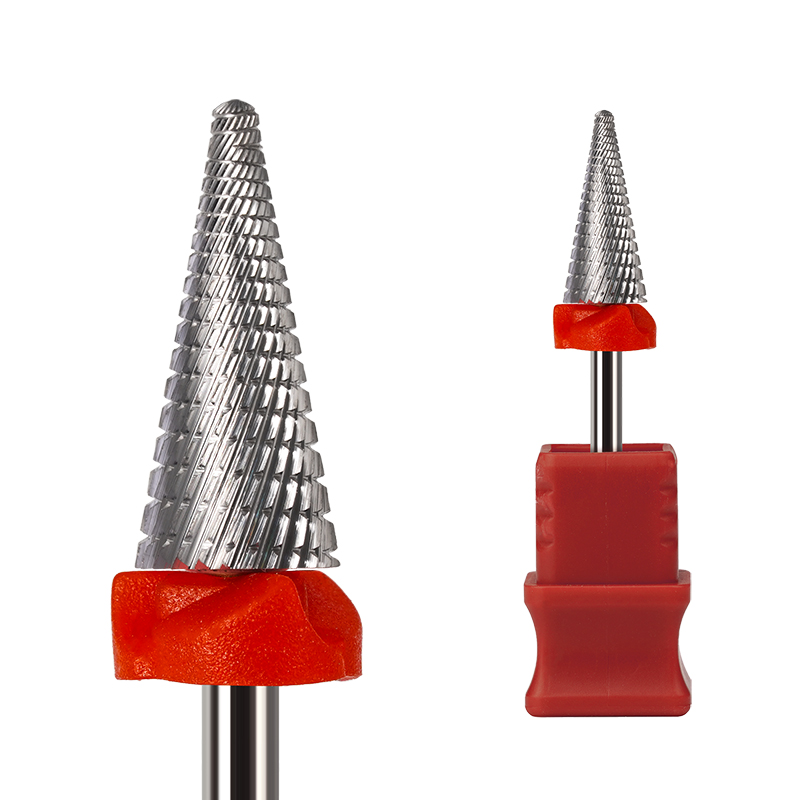
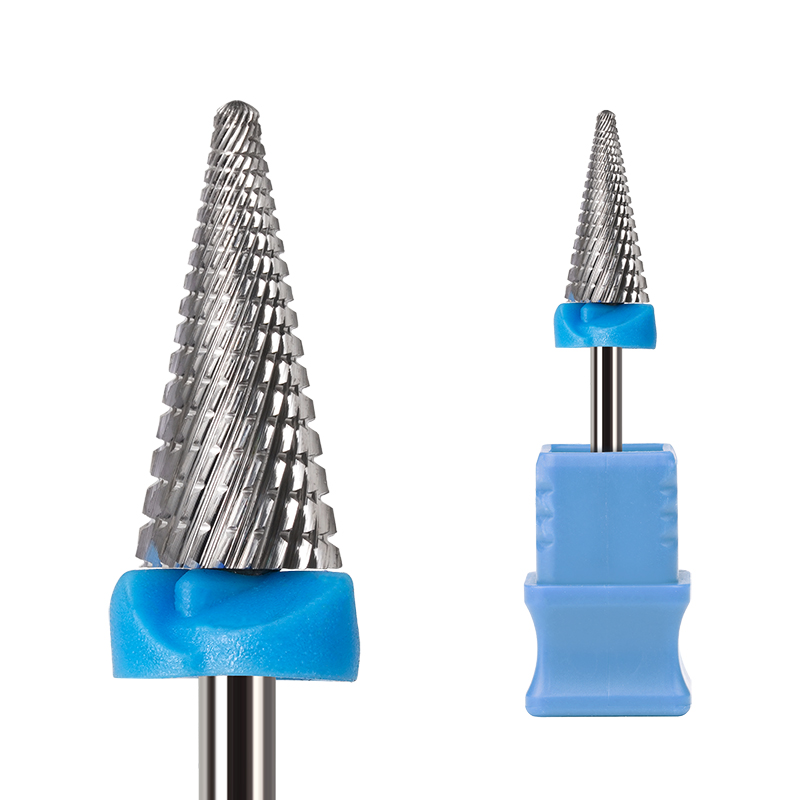
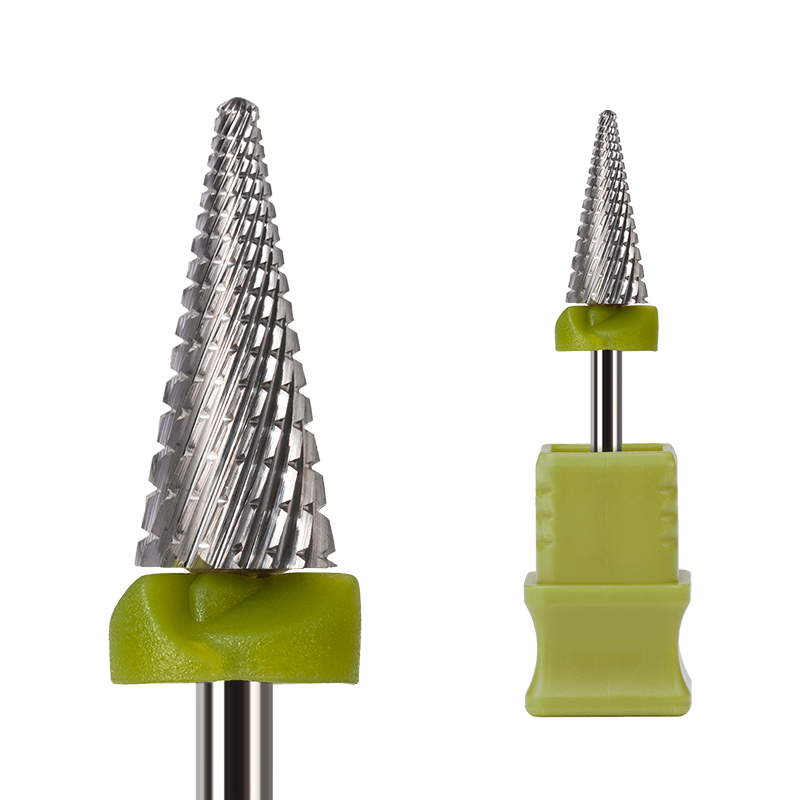
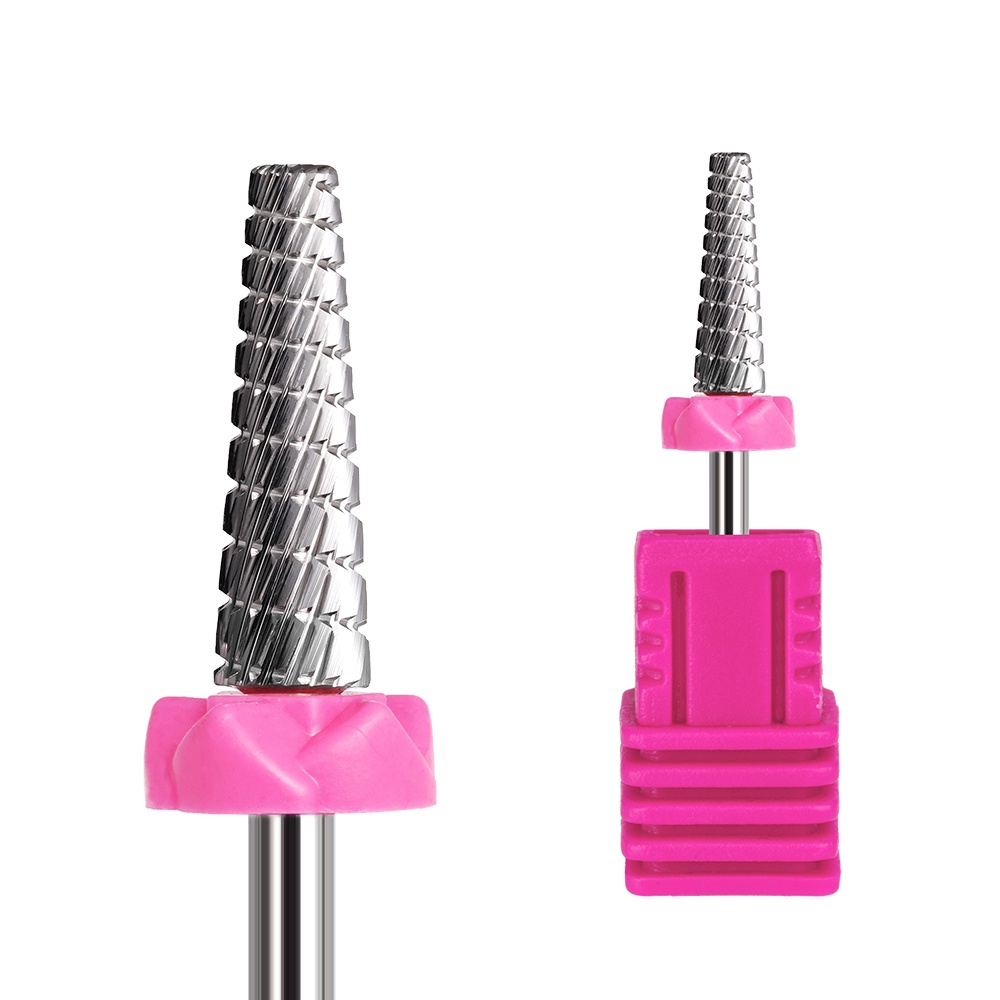
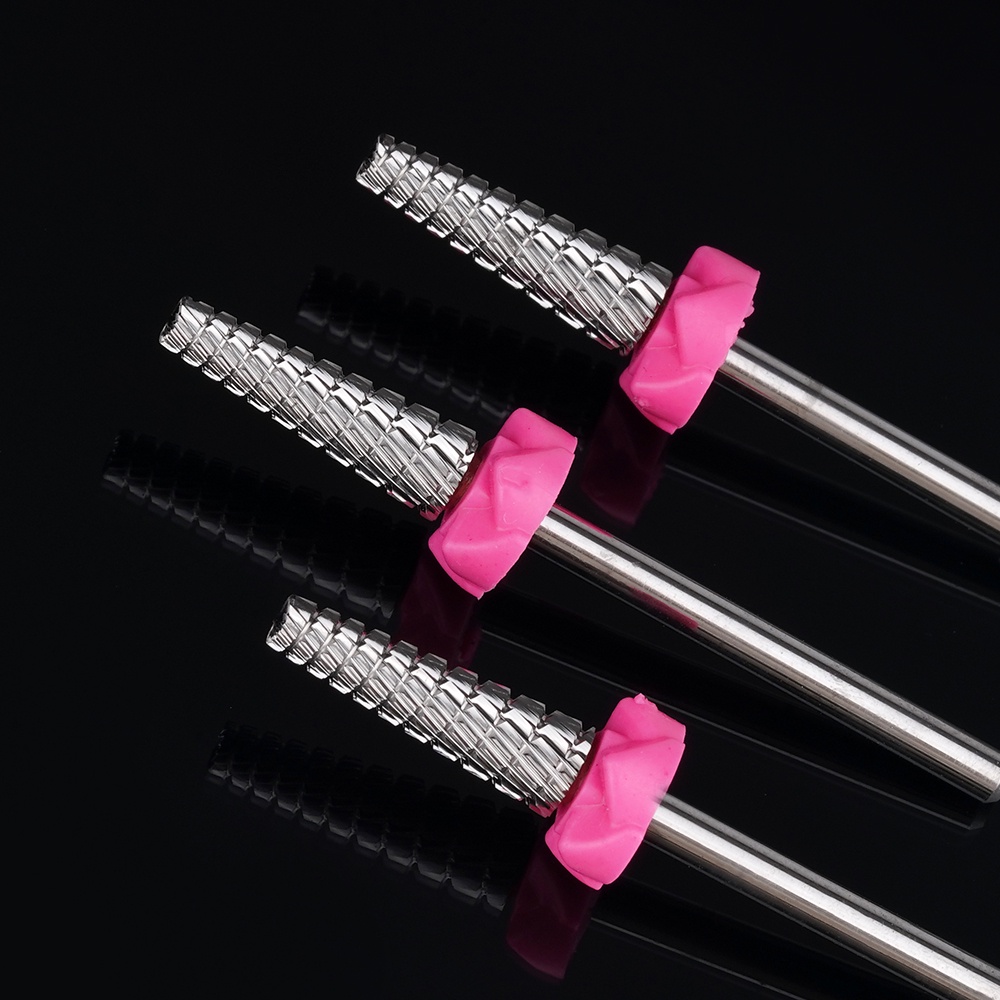
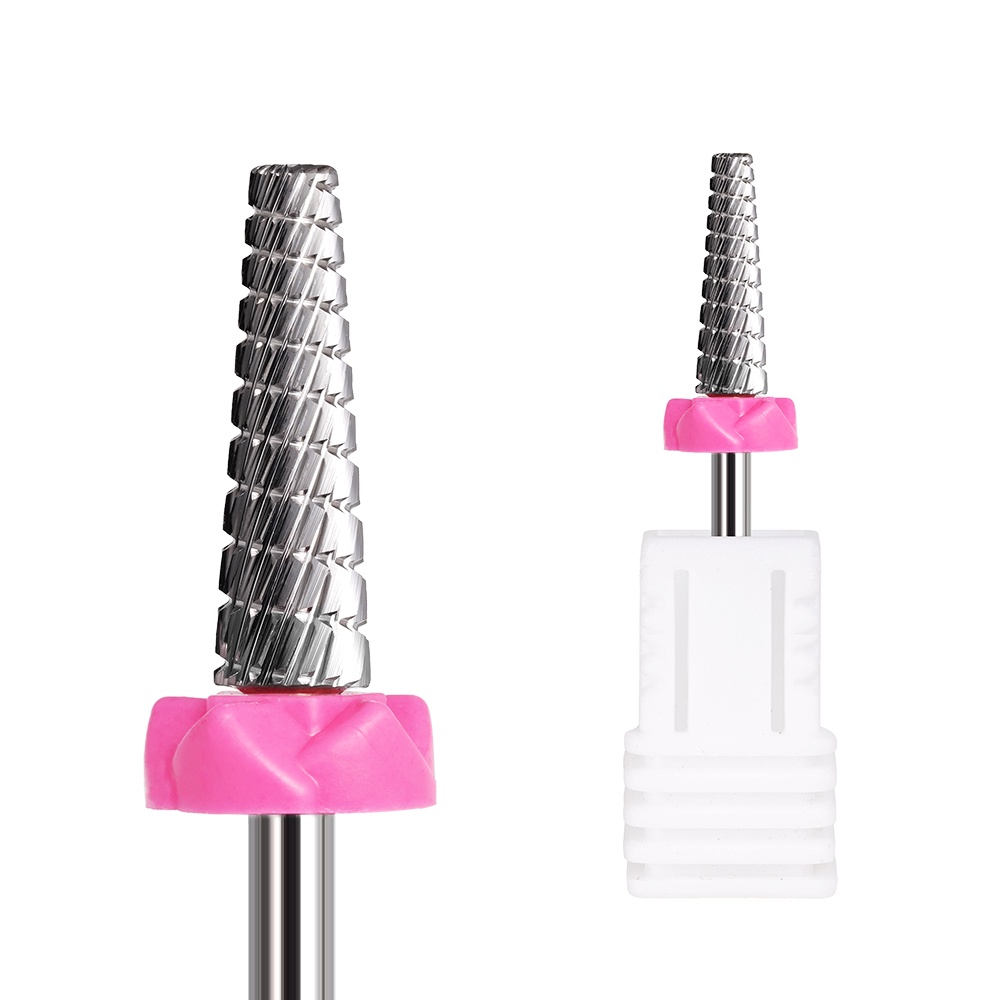
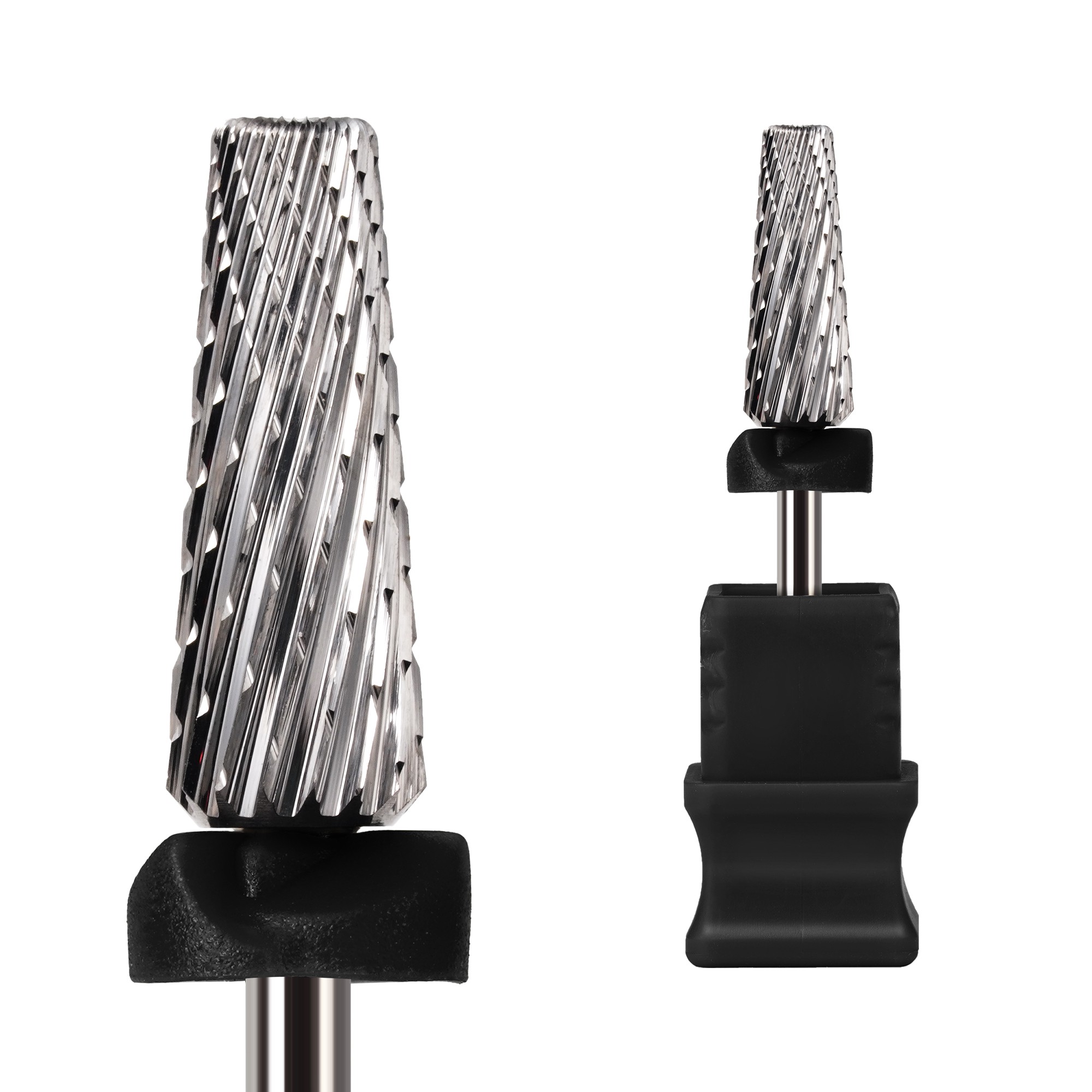
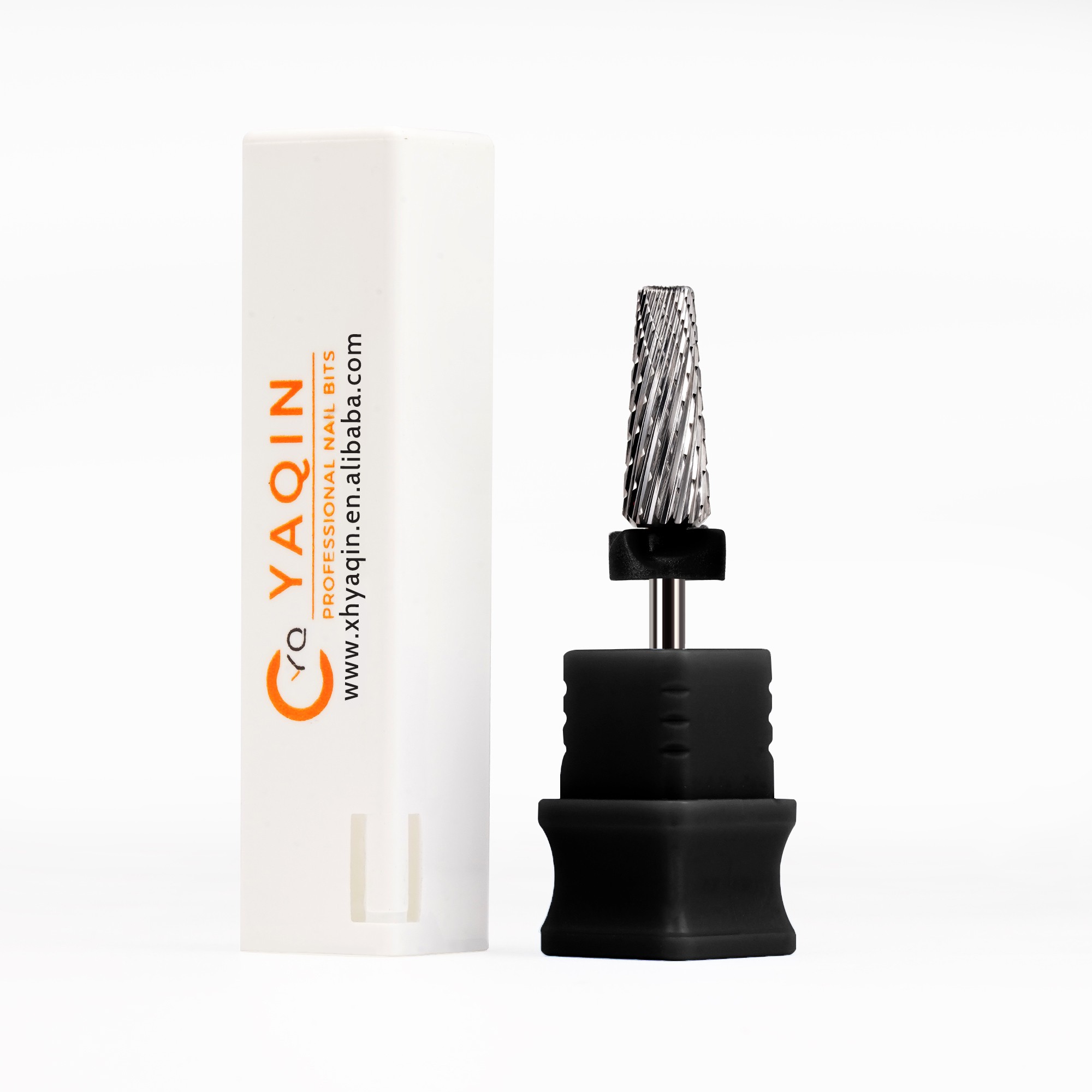
For example, detailed surface refinement and controlled gel removal often depend on bit geometry as much as on motor power. An umbrella-shaped tungsten steel head used for smoothing nail steps or working close to the C-curve can reveal whether the machine maintains fine control without slipping or bouncing. In that context, a component such as High Quality Nail Art Tools Nail Drill Bit Steel Grinding Tungsten Carbide Nail Drill Bits Sets Manicure Pedicure fits into evaluation as a working reference rather than a standalone accessory. High-hardness tungsten steel, one-piece construction, and resistance to wear and heat are relevant because they interact directly with machine stability. If the handpiece has poor centering or excessive vibration, even a durable bit will not deliver a smooth finish.
Heat control affects both safety and operating rhythm
Machines used all day need to manage heat in two places: the motor system and the contact zone between bit and nail product. Excessive friction at the working surface may come from poor technique, but it can also indicate unstable speed, weak torque, or a bit that is not cutting efficiently. When the machine cannot maintain rotation under load, the natural response is often to press harder, which increases heat transfer and reduces consistency.
Heat in the handpiece itself is a different warning sign. Moderate warmth after extended use may be normal depending on design, but rapid temperature rise during ordinary filing should be investigated. It may suggest bearing resistance, insufficient ventilation, or internal strain from prolonged high-speed operation. In a busy salon environment, these signs matter because they tend to appear before more obvious failure.
Power supply format changes the working conditions
Desktop control boxes, compact bench units, and portable rechargeable formats all serve different operating conditions. Portability can be useful, especially where station layout changes often or mobile service is involved, but battery-powered units should be evaluated for output stability as charge level drops. Some portable machines maintain good speed only when fully charged, then weaken during heavier removal work. A corded unit or a more robust control box may be better when long sessions and uninterrupted output matter more than mobility.
Cable design should not be overlooked. A stiff or poorly positioned handpiece cord adds drag to the wrist and can subtly reduce precision. Repeated bending near the connector is another common failure point. If the cable anchor feels weak or rotates too freely without support, service life may be shorter than expected.
Durability depends on component quality, not housing appearance
External finish can create a false impression of quality. A polished shell, digital display, or decorative controls do not say much about long-term performance if the internal motor, bearings, or speed controller are unstable. For daily-use equipment, durability should be understood in terms of run time, thermal tolerance, resistance to abrasive dust, and wear behavior at moving joints.
Small details often reveal more than the outer casing. A secure table grip, clear ventilation path, stable foot pedal response where applicable, and well-fitted connectors usually indicate more careful engineering than decorative styling. The same logic applies to accessories. A tungsten steel bit with high hardness and corrosion resistance may outlast traditional ceramic alternatives in repeated shaping and gel removal work, but only if the machine itself runs true and does not introduce excess vibration.
Specification sheets need interpretation, not blind comparison
It is easy to compare RPM numbers, voltage, or listed features across multiple wholesale options, yet paper specifications rarely explain how the machine behaves after months of repetitive service. A product sheet may list high speed and forward/reverse control, but it may not mention torque drop under load, bearing life, handle temperature, or the consistency of the chuck after frequent bit changes.
That is why evaluation should include real operating conditions: removal of cured gel, smoothing of enhancement steps, shaping along edges, and finishing passes that require low-speed stability. The machine should be tested across those transitions, not just run in the air. A unit that feels powerful without contact may still become unstable on the nail surface.
Supply consistency and packing quality affect replacement planning
For wholesale purchasing, the machine itself is only part of the decision. Replacement handpieces, compatible bits, sanding consumables, and packing reliability all affect continuity. Damage during transport can occur at the control box corners, handpiece locking area, or pedal connection points if inner protection is insufficient. Even when the machine works well, inconsistent accessory supply can complicate maintenance cycles and service planning.
Packaging should keep the handpiece immobilized, protect the chuck from impact, and separate abrasive accessories from electronic parts. If bits are included, they should be packed in a way that prevents collision damage to cutting surfaces. These details matter because transit vibration and impact may create small distortions that are only noticed once the unit is in use.
Common selection mistakes usually come from overvaluing visible features
One frequent mistake is choosing based on maximum RPM alone. High top speed sounds impressive, but many salon tasks happen at controlled low or medium settings, where smoothness is harder to achieve. Another mistake is treating all included bits as equal in value. Bit material, shape accuracy, and wear resistance vary widely. A durable tungsten steel grinding head designed for refining, shaping, and mild gel removal can remain stable much longer than a lower-grade alternative, especially where daily throughput is high.
Another weak point is ignoring the relationship between machine weight and station use. A heavier control box may offer better stability on the table, while an overly light one can shift during operation. On the other hand, a handpiece that is too heavy may reduce control in detailed work. Balance across the full setup matters more than any single dimension considered alone.
The stronger wholesale electric nail file options are usually the ones that remain predictable after repeated cleaning, repeated bit changes, and extended sessions on different product types. When the motor stays stable, the handpiece stays controlled, and the bit runs true, service quality becomes easier to maintain without compensating for the tool itself.
Daily salon use quickly exposes the difference between a nail file machine that looks acceptable on a product page and one that remains stable through repeated, back-to-back services. When evaluating a Wholesale electric nail file, the first concern is usually speed range, but the more important question is whether the machine can hold that speed under pressure. A unit that slows down when working on builder gel, acrylic overlays, or dense product residue creates uneven cutting, extra heat, and longer service time. In practical terms, consistent torque matters more than an impressive top RPM figure printed on packaging.
Motor behavior should be judged together with control accuracy. A machine may offer a wide range of speeds yet still feel unpredictable if the dial response is abrupt or if low-speed rotation lacks smoothness. Fine prep near the cuticle, surface refining, and finish smoothing require a steady transition from low to medium speed. If the machine surges, stalls, or hesitates, the result is harder to control, especially on detailed areas where the bit must track the nail contour without skipping. For this reason, variable speed control with a stable low-end range is usually more relevant than pursuing the highest possible maximum speed.
Low vibration is a daily-use issue, not a comfort extra
Vibration is often underestimated during selection because it may seem minor during a short product demonstration. In real salon conditions, vibration affects hand fatigue, bit tracking accuracy, client comfort, and wear on internal parts. A lightweight handpiece can still perform poorly if the shaft balance is inconsistent, the bearings are rough, or the bit fit inside the collet is loose. Over time, even slight vibration makes shaping and removal less precise, particularly when moving along sidewalls, apex transitions, and the C-curve.
Noise should be read together with vibration. A quieter machine is not automatically better, but harsh high-pitched sound often points to bearing stress, poor internal alignment, or unstable rotation. During daily use, those problems usually become more visible when the handpiece warms up. If possible, the machine should be assessed after sustained running rather than only during a brief startup test. A unit that remains balanced after longer operation is generally the safer choice for frequent service environments.
Handpiece construction has direct impact on precision and maintenance
The handpiece is where performance is felt most clearly. Material quality, grip shape, weight balance, heat buildup, and chuck reliability all influence whether the machine remains practical over time. A slim handpiece supports detailed movement, but the shape still needs enough structure to prevent finger strain during repetitive tasks. If the front section becomes hot too quickly, work pace may need to slow down, and that is usually a sign that internal heat dissipation is not adequate for continuous use.
The bit-locking mechanism deserves close attention. Inconsistent clamping can create runout, where the bit rotates slightly off center. Even a good motor cannot compensate for that. Runout makes cuticle prep rougher, reduces confidence during removal, and increases the chance of scratching surrounding product or natural nail. For daily salon use, a reliable twist-lock or similar secure chuck design is typically preferred over mechanisms that loosen with repeated bit changes.
Maintenance access also matters. Dust from filing is fine, abrasive, and persistent. If the handpiece design traps dust around the chuck area or makes routine cleaning difficult, performance may decline earlier than expected. Machines that are easy to wipe down externally and inspect around the bit entry point tend to hold service quality better over repeated use.
Forward and reverse function should be judged by smooth switching
Forward and reverse rotation is a standard feature in many professional machines, but implementation quality varies. Direction change should occur cleanly without jolt, delay, or unstable restart. In daily salon workflows, switching direction may be necessary when adapting to hand position, dominant hand preference, or treatment angle on different sides of the nail. If the machine reacts abruptly, it interrupts flow and may shorten component life.
It is also useful to note whether direction changes require the speed to return to zero first. Machines that enforce this step can protect the motor and reduce mechanical shock. That design may appear less convenient at first, yet it often reflects better durability thinking than instant reversal under load.
Bit compatibility is part of machine selection
An electric nail file should never be evaluated in isolation from the bits used with it. Much of the daily result depends on how well the machine pairs with carbide, ceramic, sanding bands, and specialized finishing heads. If a machine performs adequately with one bit style but becomes unstable with another common shank type, its practical value is limited. Collet tolerance, rotational stability, and handpiece balance all affect whether bit changes remain reliable across different service steps.
For example, detailed surface refinement and controlled gel removal often depend on bit geometry as much as on motor power. An umbrella-shaped tungsten steel head used for smoothing nail steps or working close to the C-curve can reveal whether the machine maintains fine control without slipping or bouncing. In that context, a component such as High Quality Nail Art Tools Nail Drill Bit Steel Grinding Tungsten Carbide Nail Drill Bits Sets Manicure Pedicure fits into evaluation as a working reference rather than a standalone accessory. High-hardness tungsten steel, one-piece construction, and resistance to wear and heat are relevant because they interact directly with machine stability. If the handpiece has poor centering or excessive vibration, even a durable bit will not deliver a smooth finish.
Heat control affects both safety and operating rhythm
Machines used all day need to manage heat in two places: the motor system and the contact zone between bit and nail product. Excessive friction at the working surface may come from poor technique, but it can also indicate unstable speed, weak torque, or a bit that is not cutting efficiently. When the machine cannot maintain rotation under load, the natural response is often to press harder, which increases heat transfer and reduces consistency.
Heat in the handpiece itself is a different warning sign. Moderate warmth after extended use may be normal depending on design, but rapid temperature rise during ordinary filing should be investigated. It may suggest bearing resistance, insufficient ventilation, or internal strain from prolonged high-speed operation. In a busy salon environment, these signs matter because they tend to appear before more obvious failure.
Power supply format changes the working conditions
Desktop control boxes, compact bench units, and portable rechargeable formats all serve different operating conditions. Portability can be useful, especially where station layout changes often or mobile service is involved, but battery-powered units should be evaluated for output stability as charge level drops. Some portable machines maintain good speed only when fully charged, then weaken during heavier removal work. A corded unit or a more robust control box may be better when long sessions and uninterrupted output matter more than mobility.
Cable design should not be overlooked. A stiff or poorly positioned handpiece cord adds drag to the wrist and can subtly reduce precision. Repeated bending near the connector is another common failure point. If the cable anchor feels weak or rotates too freely without support, service life may be shorter than expected.
Durability depends on component quality, not housing appearance
External finish can create a false impression of quality. A polished shell, digital display, or decorative controls do not say much about long-term performance if the internal motor, bearings, or speed controller are unstable. For daily-use equipment, durability should be understood in terms of run time, thermal tolerance, resistance to abrasive dust, and wear behavior at moving joints.
Small details often reveal more than the outer casing. A secure table grip, clear ventilation path, stable foot pedal response where applicable, and well-fitted connectors usually indicate more careful engineering than decorative styling. The same logic applies to accessories. A tungsten steel bit with high hardness and corrosion resistance may outlast traditional ceramic alternatives in repeated shaping and gel removal work, but only if the machine itself runs true and does not introduce excess vibration.
Specification sheets need interpretation, not blind comparison
It is easy to compare RPM numbers, voltage, or listed features across multiple wholesale options, yet paper specifications rarely explain how the machine behaves after months of repetitive service. A product sheet may list high speed and forward/reverse control, but it may not mention torque drop under load, bearing life, handle temperature, or the consistency of the chuck after frequent bit changes.
That is why evaluation should include real operating conditions: removal of cured gel, smoothing of enhancement steps, shaping along edges, and finishing passes that require low-speed stability. The machine should be tested across those transitions, not just run in the air. A unit that feels powerful without contact may still become unstable on the nail surface.
Supply consistency and packing quality affect replacement planning
For wholesale purchasing, the machine itself is only part of the decision. Replacement handpieces, compatible bits, sanding consumables, and packing reliability all affect continuity. Damage during transport can occur at the control box corners, handpiece locking area, or pedal connection points if inner protection is insufficient. Even when the machine works well, inconsistent accessory supply can complicate maintenance cycles and service planning.
Packaging should keep the handpiece immobilized, protect the chuck from impact, and separate abrasive accessories from electronic parts. If bits are included, they should be packed in a way that prevents collision damage to cutting surfaces. These details matter because transit vibration and impact may create small distortions that are only noticed once the unit is in use.
Common selection mistakes usually come from overvaluing visible features
One frequent mistake is choosing based on maximum RPM alone. High top speed sounds impressive, but many salon tasks happen at controlled low or medium settings, where smoothness is harder to achieve. Another mistake is treating all included bits as equal in value. Bit material, shape accuracy, and wear resistance vary widely. A durable tungsten steel grinding head designed for refining, shaping, and mild gel removal can remain stable much longer than a lower-grade alternative, especially where daily throughput is high.
Another weak point is ignoring the relationship between machine weight and station use. A heavier control box may offer better stability on the table, while an overly light one can shift during operation. On the other hand, a handpiece that is too heavy may reduce control in detailed work. Balance across the full setup matters more than any single dimension considered alone.
The stronger wholesale electric nail file options are usually the ones that remain predictable after repeated cleaning, repeated bit changes, and extended sessions on different product types. When the motor stays stable, the handpiece stays controlled, and the bit runs true, service quality becomes easier to maintain without compensating for the tool itself.
News List
- Preventing Gouges and Uneven Filing With Small Barrel Nail Drill BitsSep 20, 2026
- How Diameter and Grit Affect Small Barrel Nail Drill Bit PerformanceSep 20, 2026
- Can Hytos Nail Drill Bits Be Used Safely on Natural Nails and Gel Polish?Sep 20, 2026
- How to Verify Fit Between Hytos Nail Drill Bits and an E-File HandpieceSep 20, 2026
- Safe Speed Settings for Umbrella Nail Drill Bits Around the Nail FoldSep 20, 2026
- Umbrella vs Flame Nail Drill Bits: Which Shape Offers Better Cuticle Control?Sep 20, 2026
Best-Selling Products
 Cross Cut Safety Stainless Steel Tungsten Carbide Nail Drill Bits Salon Foot Use XF-C Grit for Removing Nails
 First-rate Quality Tungsten Carbide Nail Drill Bits Best Coating Manicure Remove Gel Nails Accessories
 Professional Advanced Safety Cuticle Bits Two-Way Rotate 3/32'' Carbide Tungsten 5 in 1 Nail Drill Bits
 Wholesale 5 in 1 Electric Manicure Nail Drill Bits Various Coating Cone Cuticle Bit with Rotary Cross Cut for Nail Art
 New Slant Tooth Tungsten Steel Nail Drill Bits Dead Skin Removal 5-in-1 Universal Grinding Nail Polish Head Tool Nail Drill Bits
 4.0mm Small 5 in 1 Integrated Sharpe Tungsten Nail Drill Bit Straight Teeth Gel Polish Removal
 Flame Sharp XF F M C XC Silver Safety Professional Corn Tungsten Carbide Nail Bit for Drill Machine Accessories
 Factory Direct 5 in 1 Tungsten Carbide Nail Drill Bits 6.8MM Cross Cut Safety Manicure 5 in 1 Nail Drill Bits
Please give us a message