
Must-Have Items for Nail Technicians: Building an Efficient Starter Kit That Lasts
Must-Have Items for Nail Technicians: Building an Efficient Starter Kit That Lasts
For professionals and beginners alike, knowing the must-have items for nail technicians is the first step toward faster service, better results, and long-term efficiency. A well-built starter kit should combine durability, hygiene, and practical performance, especially for daily salon use. From abrasive tools to essential accessories, choosing reliable products can reduce replacement costs and improve workflow. This guide explores how to build a smart, lasting kit that supports both quality work and business growth.
What Is the Real Goal Behind a Nail Technician Starter Kit?
When people search for must-have items for nail technicians, they usually do not want a random shopping list. They want to know which tools truly matter for daily work.
The real goal is to build a kit that helps complete services efficiently, safely, and consistently. A good starter kit should reduce downtime, improve precision, and support proper hygiene standards.
For working nail technicians, every item in the kit should solve a practical problem. It should either save time, improve finish quality, protect the natural nail, or last through repeated use.
That is why the best kit is not the biggest one. It is the one built around service flow, product durability, and the kinds of treatments performed most often.
The Core Must-Have Items for Nail Technicians
The essential kit begins with tools used in nearly every appointment. These include a nail drill, drill bits, hand files, buffers, cuticle tools, brushes, dust control items, and sanitation supplies.
Each category plays a different role in the workflow. Some are used for shaping, some for surface preparation, and others for removal, finishing, or client safety.
If a technician skips quality in these basic categories, service speed usually drops. Inconsistent preparation and poor removal can also affect retention, comfort, and the final appearance.
For this reason, the smartest buying decision is to prioritize frequently used items first. Decorative extras can come later, but foundational tools should be reliable from the beginning.
Why Nail Drill Bits Matter More Than Many Beginners Expect
Among all must-have items for nail technicians, drill bits have one of the biggest effects on workflow. They influence removal speed, nail prep precision, and overall service comfort.
Low-quality bits often dull quickly, generate excess heat, and leave uneven surfaces behind. That creates extra work and increases the chance of damaging the natural nail or irritating skin.
By contrast, well-made carbide bits can remove product cleanly and maintain cutting performance for much longer. This matters in busy salon settings where tools are used every day.
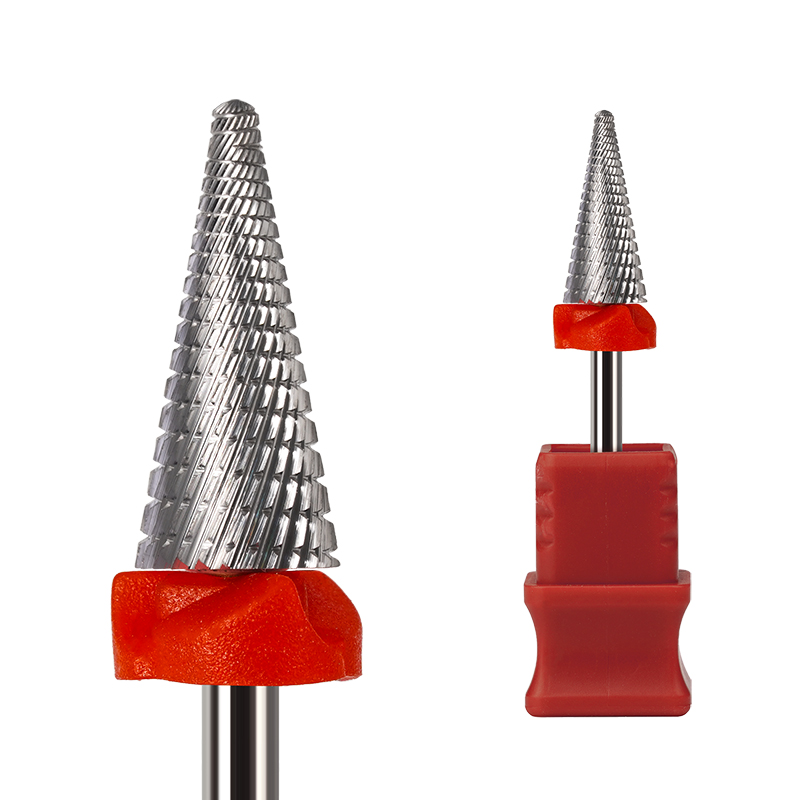
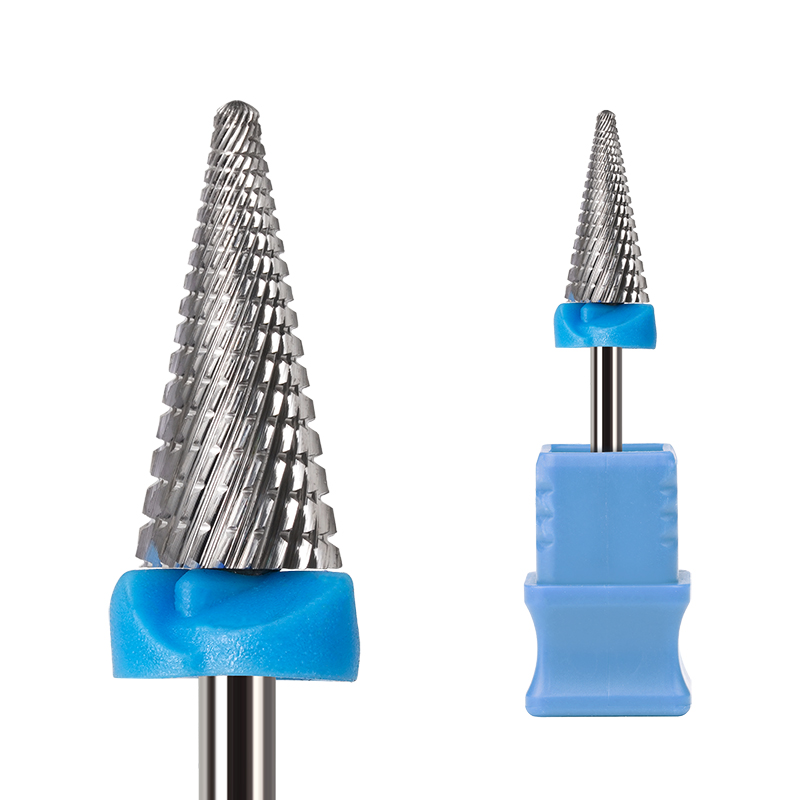
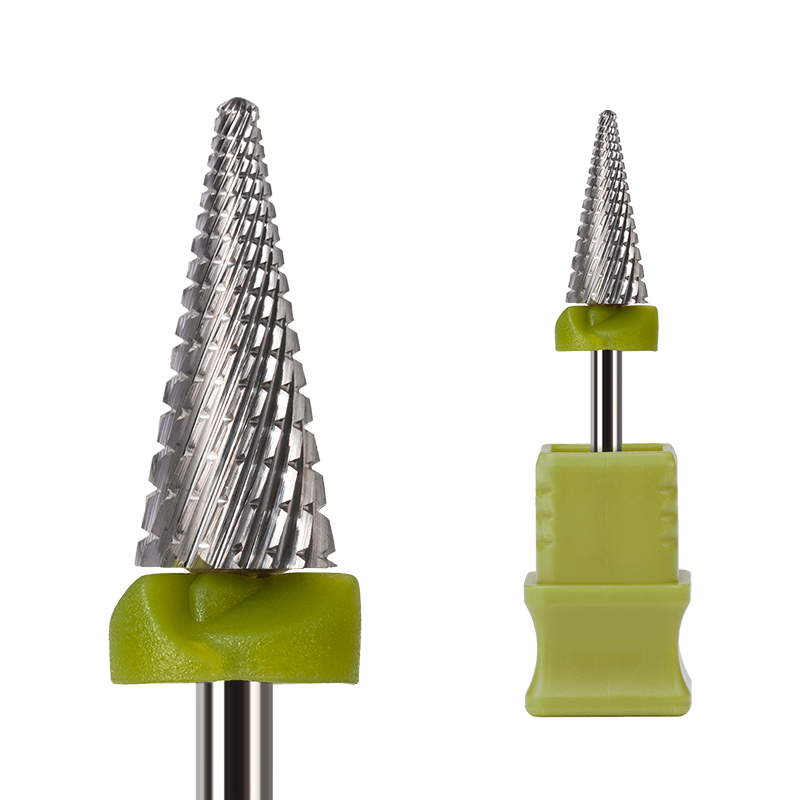
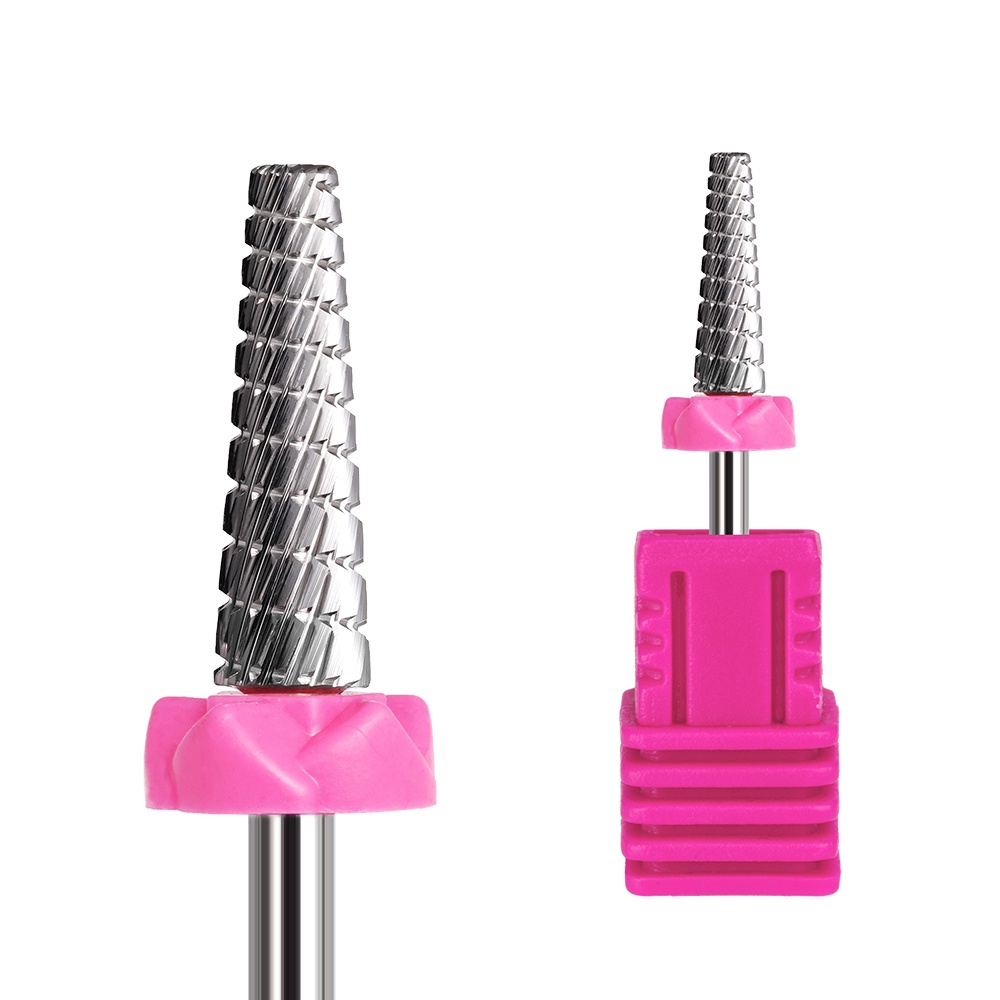
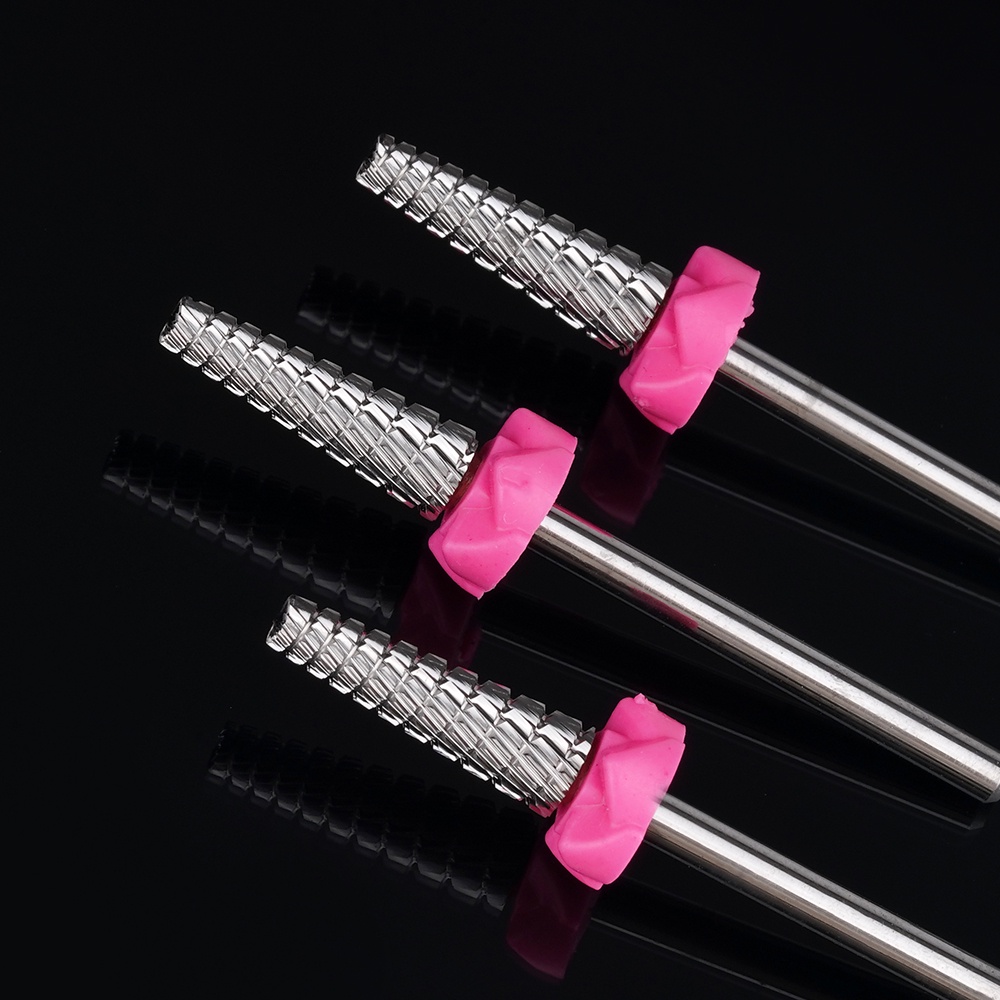
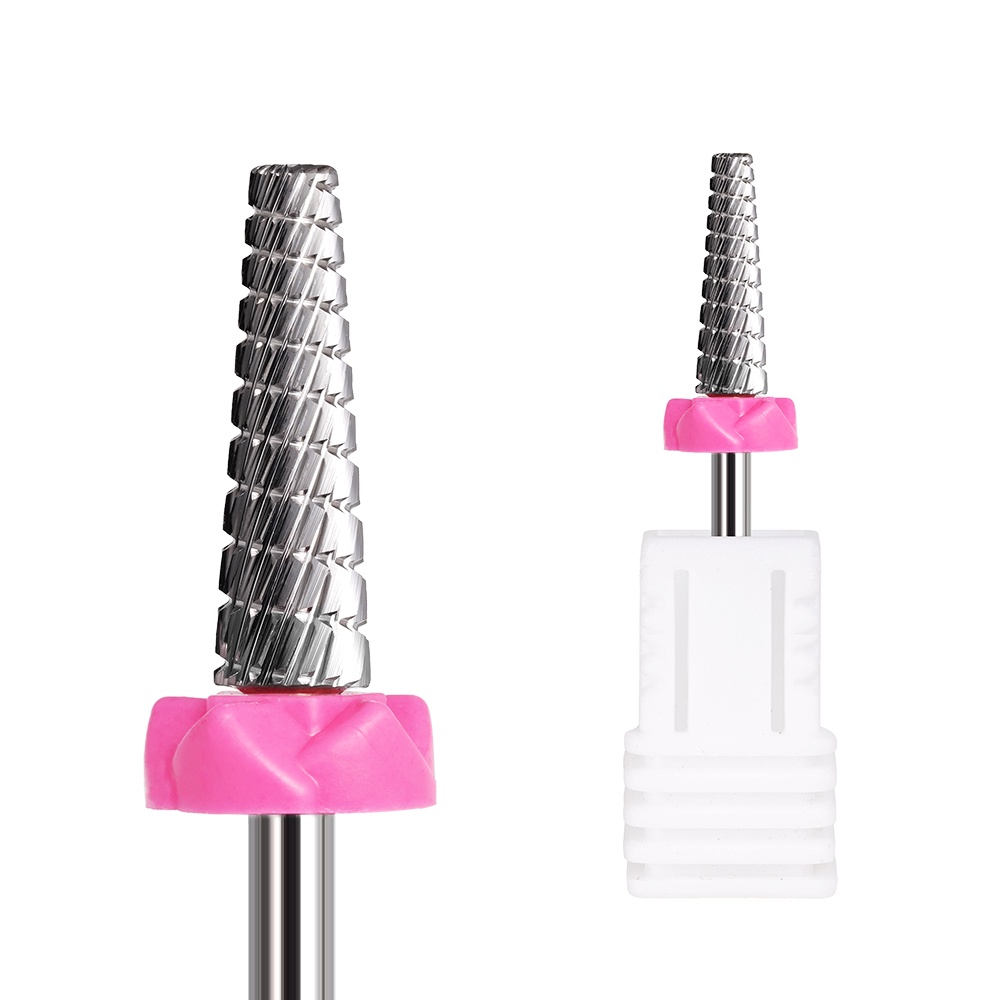
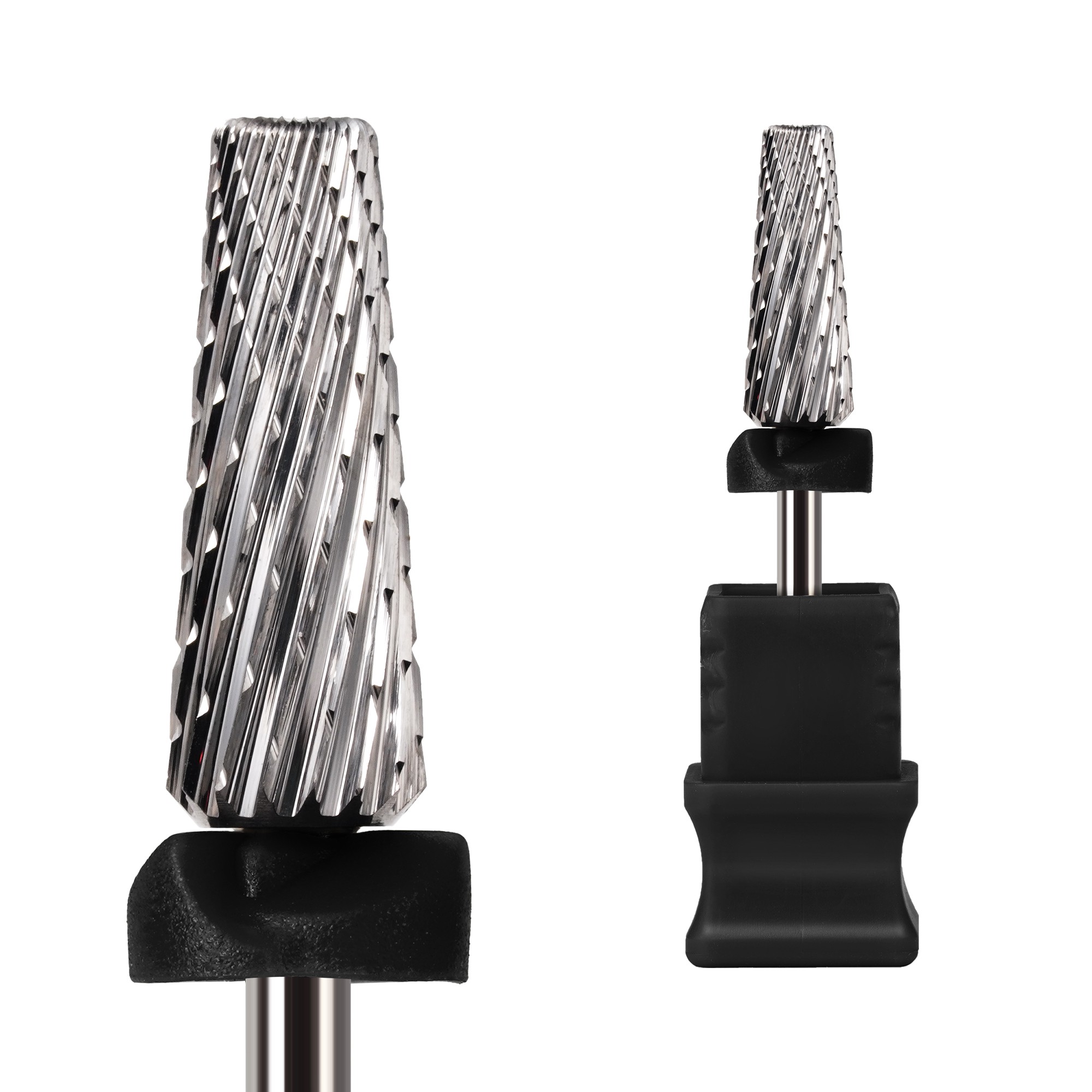
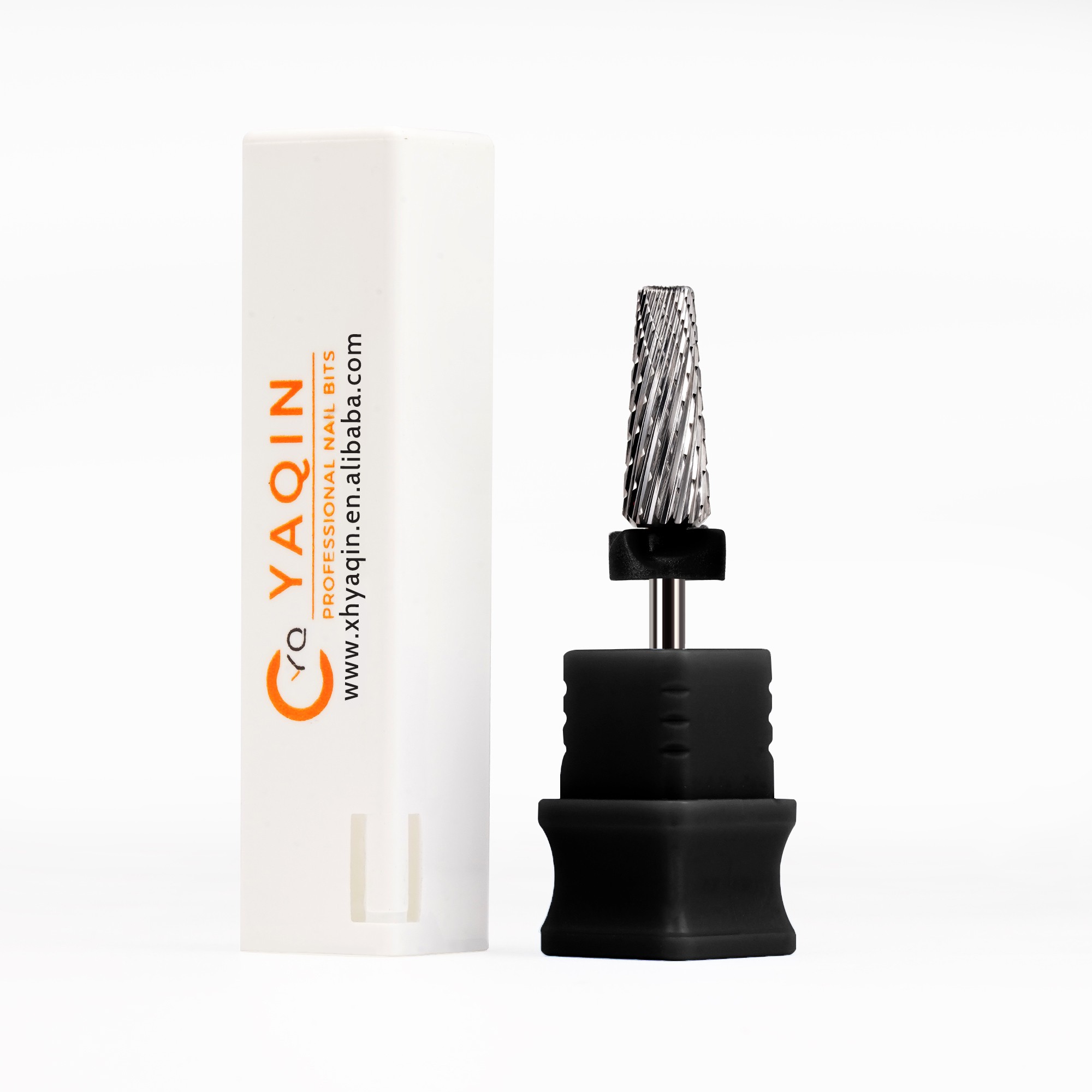
A practical example is Factory Direct 5 in 1 Tungsten Carbide Nail Drill Bits 6.8MM Cross Cut Safety Manicure 5 in 1 Nail Drill Bits, designed for both nail professionals and beginners.
Its tungsten carbide construction supports high durability, strong wear resistance, and stable performance under repeated use. The rounded safety top also helps reduce the risk of accidental skin contact.
For technicians who handle gel removal often, a multi-function bit can simplify the kit. Instead of switching tools constantly, one bit can support smoother prep and faster product removal.
How to Choose the Right Drill Bit Grit and Shape
Many technicians buy drill bits without understanding how grit and shape affect performance. This often leads to poor control, unnecessary friction, or using an aggressive bit on delicate work.
Coarse grit is usually better for faster removal of thicker hard gel or bulk product. Medium grit is more versatile for regular salon use, while fine grit helps with finishing and lighter preparation.
Bit width also changes how the tool feels in use. A wider bit may cover more surface quickly, while a narrower profile offers better access around sidewalls and tighter areas.
Choosing the correct bit should match the service type and the technician’s skill level. Beginners often work more confidently with safety-top designs and controlled cutting patterns.
For example, hard gel removal often performs well around 15,000 to 20,000 RPM. Softer gel and base layers usually need lower speeds, commonly around 10,000 to 15,000 RPM.
These speed ranges matter because they help improve control while reducing heat buildup. Correct bit choice and correct machine speed should always work together.
Hand Tools Still Matter in an Electric Workflow
Even with electric tools, manual tools remain part of the most efficient starter kit. Nail files, buffers, cuticle pushers, nippers, and detail brushes still support precision work.
Hand files help refine shape and correct areas that should not be handled with a drill. Buffers smooth surfaces before product application and improve the finish before top coat.
Cuticle pushers and nippers assist with preparation when used carefully. Clean prep around the cuticle area directly affects product adhesion and can improve wear time.
Detail brushes are equally important for dust removal and polish control. Small, accurate tools often make the difference between acceptable work and polished professional results.
When building a starter kit, technicians should not overspend on novelty tools. Instead, they should invest in a few durable hand tools that are comfortable to hold and easy to sanitize.
Sanitation Supplies Are Not Optional Extras
One of the biggest mistakes in starter kit planning is treating hygiene items as secondary. In reality, sanitation tools are among the most important must-have items for nail technicians.
At minimum, a technician should have surface disinfectant, tool cleaning supplies, dust brushes, disposable towels, gloves, and properly organized storage for clean and used items.
Reusable tools must be cleaned and maintained consistently. Poor sanitation does not just affect professional standards. It also damages client trust and can create serious operational risk.
Dust control matters as well. Nail dust accumulates quickly during shaping and removal, so a practical kit should include systems that keep the work area cleaner and easier to manage.
Efficient hygiene is not only about compliance. It also saves time between clients and makes the station feel more controlled, professional, and ready for the next service.
What Makes a Starter Kit Last Instead of Becoming Expensive Clutter?
A lasting starter kit is built around repeat use, not impulse buying. Technicians should ask whether an item performs well, resists wear, and fits into daily salon routines.
Durability starts with material quality. In abrasive products especially, poor materials wear out fast, lose consistency, and raise replacement costs over time.
That is why experienced buyers often look closely at manufacturing standards, quality control, and supplier reliability. Consistency matters as much as the product itself.
Companies with structured production and inspection systems can usually support more stable quality. This is important for salons, distributors, and professionals who need dependable replenishment.
Wuxi Yaqin Trading Co., Ltd. focuses on high-quality abrasive product production and export, supported by strict QC covering raw materials, production, and packing, along with OEM and ODM experience.
For technicians, that kind of supply background matters because it reduces uncertainty. Products that arrive consistently and perform consistently help create a smoother working routine.
How Beginners Can Build Smart Without Overspending
Beginners often assume they need every tool available before they can work efficiently. In most cases, this leads to overspending on items that are rarely used in early-stage services.
A better approach is to build the kit in layers. Start with tools required for prep, shaping, gel removal, cleaning, and finishing, then expand based on the services most requested.
This means buying a dependable drill, a small but functional bit selection, basic hand files, buffers, cuticle tools, brushes, and sanitation essentials before anything else.
It also helps to choose multi-use items where possible. A versatile drill bit, for example, can reduce the number of separate tools needed at the beginning.
Beginners should also prioritize safety-oriented designs. Features such as rounded tops, smooth cutting action, and manageable grit options make learning easier and reduce avoidable mistakes.
In the long run, a smaller kit made of dependable tools is usually more economical than a large kit filled with cheap replacements and inconsistent accessories.
How Professionals Improve Speed and Service Quality with the Right Kit
For working technicians, efficiency is not simply about finishing faster. It is about maintaining quality while reducing wasted motion, unnecessary tool switching, and product removal struggles.
The right starter kit supports a logical order of work. Prep tools should be easy to reach, removal tools should perform cleanly, and sanitation items should fit naturally into each service step.
Professionals often notice the biggest gains when upgrading high-use items first. Drill bits, abrasives, files, and cleaning supplies usually affect timing and consistency more than decorative add-ons.
Reliable cutting performance also improves comfort. When a bit removes gel smoothly and leaves little residue, the technician spends less time correcting the surface afterward.
This is one reason many salons prefer tungsten carbide options for removal work. Sharpness retention, corrosion resistance, and stable cutting action help support repeated daily services.
A Simple Checklist for Building an Efficient Kit
If you want a useful framework, divide your purchases into five groups: prep, removal, shaping, finishing, and hygiene. This keeps the buying process practical and service-oriented.
Prep should include cuticle tools, dust brushes, and surface smoothing items. Removal should center on a quality drill and dependable bits suited to common gel types.
Shaping should include hand files and buffers in the grits you use most often. Finishing should cover detail cleaning and final surface refinement.
Hygiene should include disinfecting products, gloves, disposable items, and organized storage. If one category is missing, the workflow usually becomes slower or less professional.
Before adding specialty tools, test whether your current kit handles the most common services efficiently. Expansion should be based on real work patterns, not assumptions.
Conclusion
The best answer to must-have items for nail technicians is not a long list of trendy products. It is a focused kit built for daily performance, safety, and reliable results.
Technicians should prioritize drill performance, durable abrasives, essential hand tools, and strong hygiene practices. These choices affect service quality far more than nonessential extras.
Whether you are just starting out or refining an existing setup, the smartest kit is one that saves time, protects the natural nail, and lasts through repeated use.
When every item has a clear role and dependable quality, the result is better workflow, lower replacement cost, and a more professional service experience from start to finish.
News List
- Preventing Gouges and Uneven Filing With Small Barrel Nail Drill BitsSep 20, 2026
- How Diameter and Grit Affect Small Barrel Nail Drill Bit PerformanceSep 20, 2026
- Can Hytos Nail Drill Bits Be Used Safely on Natural Nails and Gel Polish?Sep 20, 2026
- How to Verify Fit Between Hytos Nail Drill Bits and an E-File HandpieceSep 20, 2026
- Safe Speed Settings for Umbrella Nail Drill Bits Around the Nail FoldSep 20, 2026
- Umbrella vs Flame Nail Drill Bits: Which Shape Offers Better Cuticle Control?Sep 20, 2026
Best-Selling Products
 Cross Cut Safety Stainless Steel Tungsten Carbide Nail Drill Bits Salon Foot Use XF-C Grit for Removing Nails
 First-rate Quality Tungsten Carbide Nail Drill Bits Best Coating Manicure Remove Gel Nails Accessories
 Professional Advanced Safety Cuticle Bits Two-Way Rotate 3/32'' Carbide Tungsten 5 in 1 Nail Drill Bits
 Wholesale 5 in 1 Electric Manicure Nail Drill Bits Various Coating Cone Cuticle Bit with Rotary Cross Cut for Nail Art
 New Slant Tooth Tungsten Steel Nail Drill Bits Dead Skin Removal 5-in-1 Universal Grinding Nail Polish Head Tool Nail Drill Bits
 4.0mm Small 5 in 1 Integrated Sharpe Tungsten Nail Drill Bit Straight Teeth Gel Polish Removal
 Flame Sharp XF F M C XC Silver Safety Professional Corn Tungsten Carbide Nail Bit for Drill Machine Accessories
 Factory Direct 5 in 1 Tungsten Carbide Nail Drill Bits 6.8MM Cross Cut Safety Manicure 5 in 1 Nail Drill Bits
Please give us a message